
Last updated: October 5, 2026
The short answer
- Pick ONE coast. Seven days is not enough for both Toronto and Vancouver — the 5-hour flight plus a 3-hour time change will eat two of your days. Go West (Vancouver → Banff → the Icefields Parkway → Jasper) for mountains, or East (Toronto → Niagara → Montreal → Quebec City) for cities and culture.
- The West needs a rental car; the East doesn’t. West = rental car plus a short domestic flight. East = entirely trains (VIA Rail Toronto–Montreal is about 5 hours, city centre to city centre).
- Book early — seriously. Parks Canada’s Lake Louise and Moraine Lake shuttle reservations open April 15 and the popular time slots sell out fast; Banff hotels go 6–9 months out in summer. Budget roughly ~$2,000–3,000 CAD per adult for the week, excluding flights to and from Canada.
Here’s the thing nobody tells you the first time you look at a map of Canada: the country is absurdly big. Driving from Halifax to Vancouver takes 60+ hours of pure road time — no sleeping, no sightseeing, just driving. So when I hear “we have one week and want to see Canada,” my planner brain immediately panics, and then does what it always does: opens a spreadsheet and splits the country in half.
You get two real options for a 7-day Canada itinerary. One takes you west, from Vancouver into the Rockies. The other takes you east, through Toronto, Montreal, and Quebec City. Both are genuinely fantastic trips — and I’ve done the logistics on both, because of course I have — but they are not combinable. Pick a coast. Commit to it. You’ll have a vacation instead of an airport loyalty program.
East vs. West: how to actually choose
The geography reality check. Western Canada is mountains and Pacific coast: the Rockies’ glacial lakes, the Icefields Parkway, alpine wildlife. Eastern Canada is the dense Toronto–Montreal–Quebec City corridor: skyscrapers, Niagara Falls, French-speaking streets that look like a movie set of France. Trying to do both in seven days costs you at least two full days to flying and jet lag — and trust me on this one, “seeing Canada from an airport window” is not the flex you think it is.
When to go. July is the postcard month: the glacial lakes are at their brightest blue, the patios are open everywhere, and everything is running on full summer schedules. It’s also the busiest and priciest month, and I’ve stood in enough July crowds to know. September is my personal pick — the larch trees turn gold in the Rockies, the East goes red and orange, crowds thin out, and the weather is still (mostly) cooperating. Winter flips the whole thing: the West becomes about Whistler’s powder and the East gets Quebec City’s Winter Carnival, but don’t attempt either coast’s driving routes in deep winter unless you know what you’re doing.
Match your travel style. West = physical. You’re hiking, driving long distances, and gaining altitude. East = urban and relaxed by comparison: walkable downtowns, trains doing the work, more restaurants per day. Either way, pack layers — I’ve been snowed on in Banff in June and sunburned in Toronto in the same trip. (Okay, different trips. But still.)
Option 1: The West — Vancouver to the Rockies in 7 days
This is the trip for the person who sees a mountain and needs to be on it. Vancouver’s ocean-meets-mountains vibe, a quick flight to Calgary, then straight into Banff, the Icefields Parkway, and Jasper. Fair warning: this version needs a rental car, and you should book it at least six months ahead for summer — I checked prices for a friend once in May and nearly dropped my phone.
Day 1–2: Vancouver and the Sea to Sky Highway
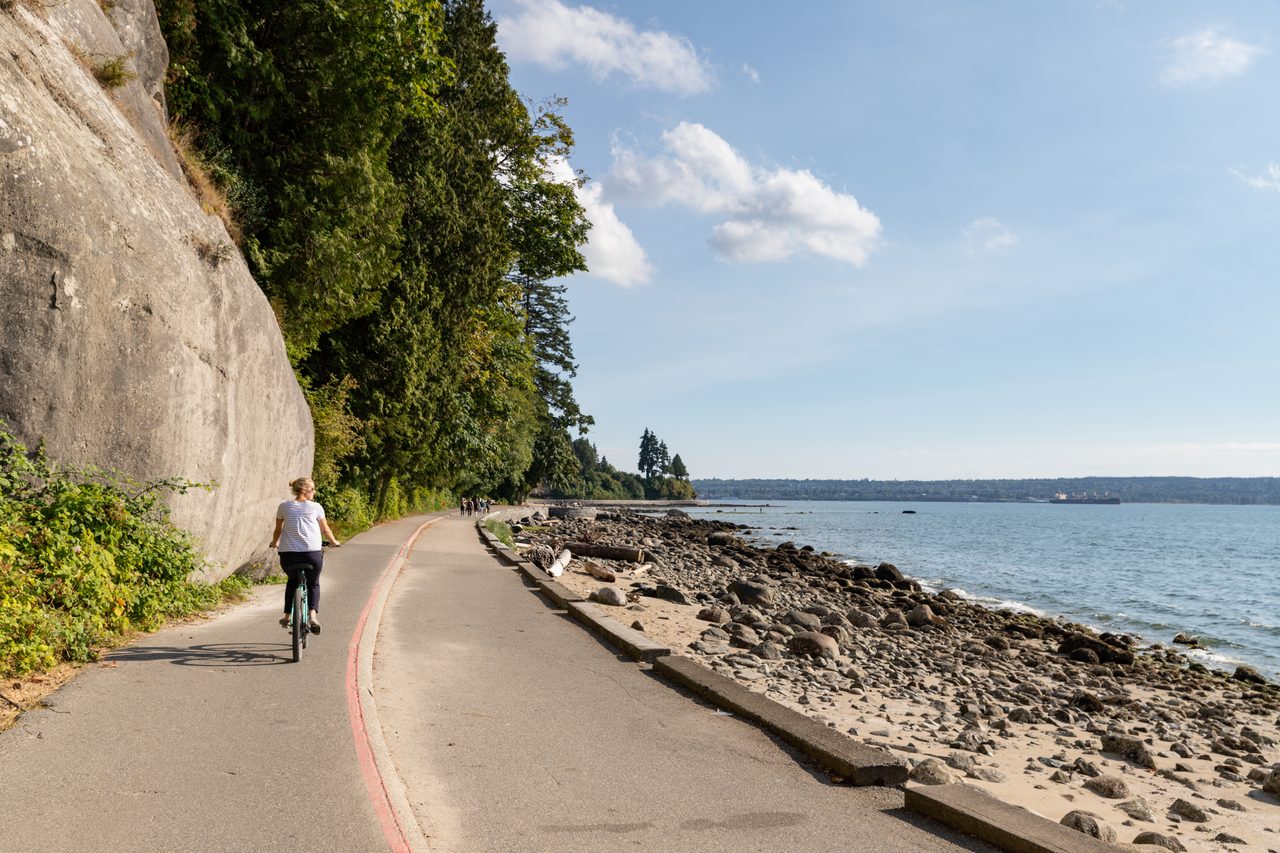
Day 1: shake off the jet lag in Stanley Park. Rent a bike and ride the full 10 km Seawall loop around Stanley Park — it takes me about 45 minutes when I’m not stopping, which is never, so call it 90 minutes with photos. I once tried to do it at 4 PM on a Saturday in August and got stuck behind a slow-moving family reunion on cruisers for half the loop. Go before 10 AM and you’ll practically own the path. Afterwards, wander Granville Island’s public market (the falafel stand and the doughnut window — do not skip either) and end the day on a harbour-front patio. Short on time here? Our 2-day Vancouver itinerary covers the city properly.
Day 2: the Sea to Sky Highway to Squamish. Drive north on Highway 99 toward Whistler and stop at Shannon Falls (free, third-tallest falls in BC, a short boardwalk from the parking lot) and the Sea to Sky Gondola (adult ~$73.95 online, 2026 price), which climbs 885 m over Howe Sound with a suspension bridge at the top. I’ll be honest: I’d been to the bigger gondolas in Whistler and still stopped for twenty minutes just staring at the water. Book the gondola tickets online — window prices are higher. Want the full Whistler version of this day instead? See our 3-day Whistler itinerary.
Day 2 spending: bike rental ~$25 + Sea to Sky Gondola ~$74 + food ~$60 ≈ ~$160.
Day 3: Fly Vancouver → Calgary, drive to Banff
This is your one travel-administration day, and I’ve done it enough times to have it down to a science. Fly YVR to Calgary (about 1.5 hours; one-way fares from ~$150 when booked early), pick up your rental car, and drive the 90 minutes west to Banff. Stop in Calgary for groceries and gas — mountain-town prices will punish you for every snack you forgot.
Pro tip: buy your Parks Canada pass before you hit the park gates. In 2026, a Discovery Pass (the annual federal pass) runs about $83.50 for one adult or $167.50 for a family/group in one vehicle; a daily adult pass is about $12.25. For this itinerary, a couple spending five days in Banff and Jasper will come out roughly even either way — I’ll do the full math in the budget section. One more fair warning: the Canada Strong free-admission offer that Parks Canada ran in summer 2026 ended September 7, so regular fees are back. I double-checked this on the Parks Canada fee pages in October 2026 — confirm current rates before you go, because they adjust yearly.
Day 4: Lake Louise and Moraine Lake
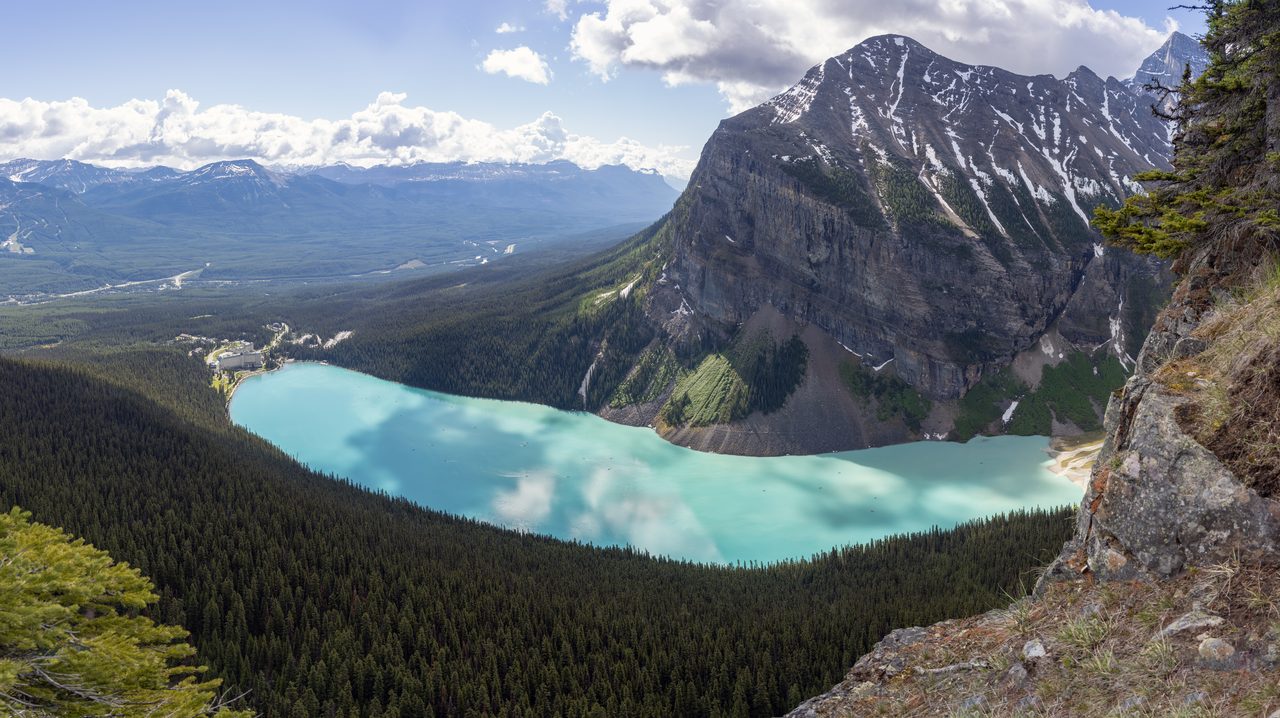
Base yourself in Banff and take the day for the two famous lakes — and here’s where my planning anxiety becomes your game-changer. You cannot drive your own car to Moraine Lake anymore. Private vehicles are banned on Moraine Lake Road year-round, so the Parks Canada shuttle system from the Lake Louise Park & Ride is the move. In 2026, a round-trip adult shuttle ticket was $12.75 plus a $3.50 reservation fee — and reservations open April 15 at 8:00 AM MDT, with 40% of the season’s seats released that day and the rest on a rolling 2-days-ahead window. I set an alarm, had my credit card out, and the good morning slots were still gone in under an hour. Set the alarm. The Lake Connector shuttle runs between the two lakes every 30 minutes, so one ticket covers both.
Spend the morning at Moraine Lake (walk the short Rockpile trail for the classic viewpoint — you’ve seen the photo, it’s better in person), ride the connector over to Lake Louise in the afternoon, and walk the lakeshore trail or rent a canoe. If you’re driving instead: Lake Louise Lakeshore parking is $42/day and the lot famously fills before sunrise. Shuttle. Trust me on this one.
→ Parks Canada — reserve Lake Louise & Moraine Lake shuttles
Day 4 spending: shuttle ~$16 + food ~$60 ≈ ~$76 (plus Banff accommodation).
Day 5–6: The Icefields Parkway to Jasper
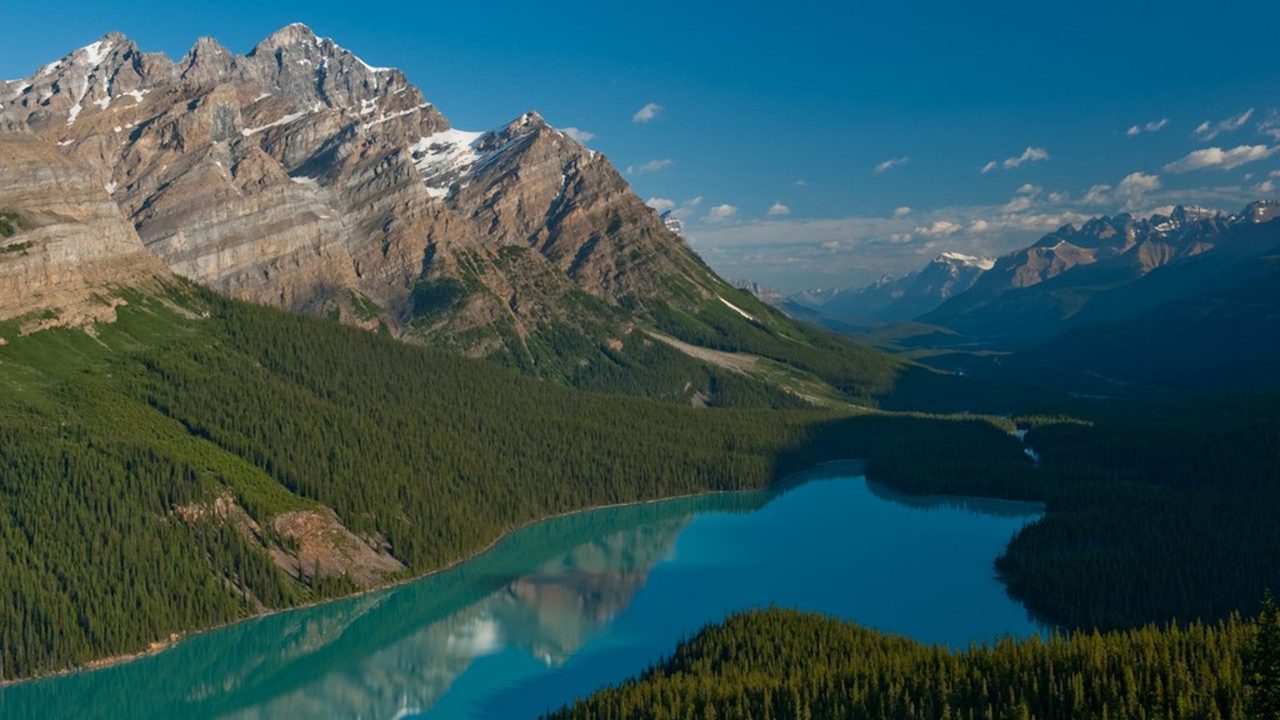
This is the drive. The Icefields Parkway runs 232 km from Lake Louise to Jasper, past more than 100 glaciers, and I have opinions about how to do it: slowly, with the windows down, stopping at every single signed pullout. Non-negotiable stops on my list:
- Peyto Lake lookout — the wolf-head-shaped turquoise lake above (pictured). It’s a 10-minute uphill walk from the parking lot and worth every step. I timed it.
- Columbia Icefield — the Athabasca Glacier is the one you can actually walk on with a guided icewalk. Book ahead in summer; the glacier Discovery Centre parking fills early.
- Sunwapta and Athabasca Falls — both are 5-minute walk-offs right by the road, no excuses.
Take a full day for the drive (Day 5), overnight in Jasper, and use Day 6 for the town itself: the Jasper SkyTram, Maligne Canyon, and — my favourite free moment of the whole trip — an evening drive down Maligne Lake Road looking for elk. Jasper is quieter and more laid-back than Banff, and after four days of Banff’s crowds, you’ll feel your shoulders drop. That’s not a metaphor. Mine audibly did.
Days 5–6 spending: fuel ~$60 + Icefield activities ~$80–120 + food ~$120 ≈ ~$260–300.
Day 7: Maligne Lake cruise and fly home
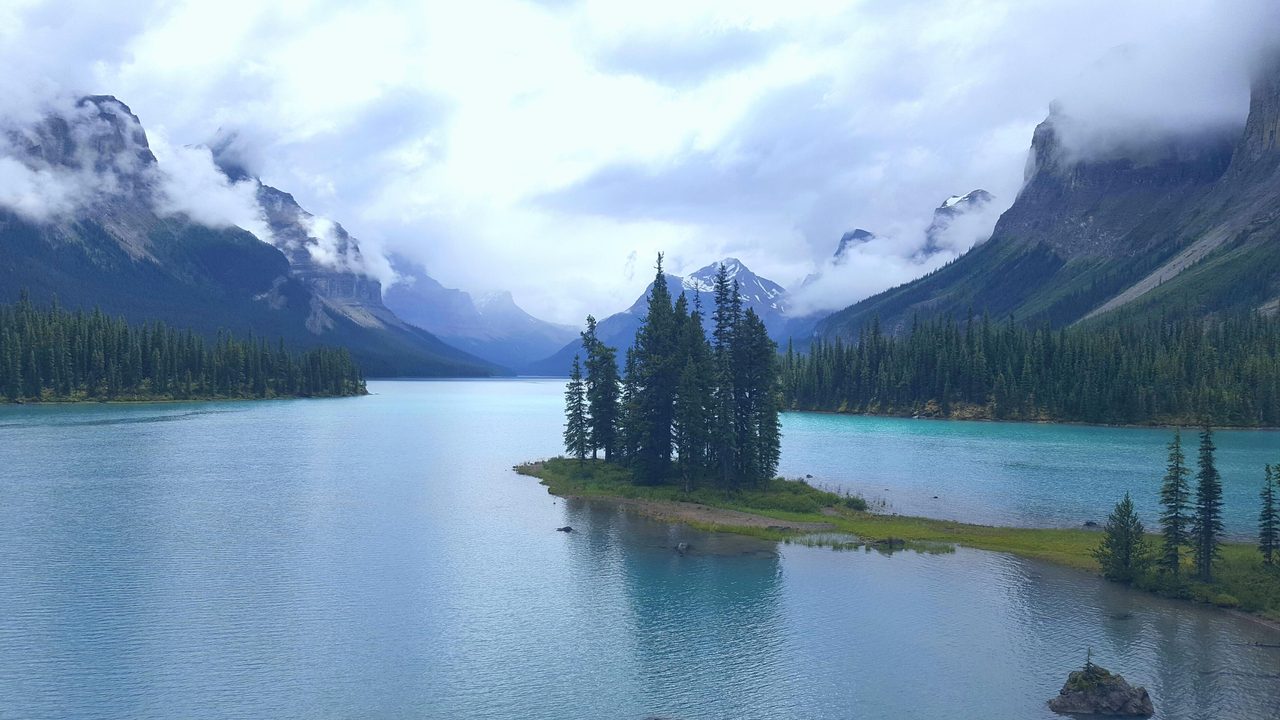
Start early for the Maligne Lake cruise to Spirit Island — the tiny, pine-topped island that’s one of the most photographed views in Canada, reachable only by boat. The 90-minute Classic cruise runs about $106 per adult (advanced-purchase 2026 pricing; it fluctuates, so book early), and the 2026 season ran May 29 to October 11. A guide narrates the whole ride, and our guide spent a full ten minutes telling us the story of the lake’s naming by the Stoney Nakoda — I’d paid for the photos and stayed for the history. Pack a warm layer; the lake sits at 1,700 m and the wind off the water is no joke.
→ Maligne Lake Cruise — official tickets & schedule
Then drive to Calgary (about 4.5 hours) or Edmonton (about 3.5 hours) for an evening flight home. Leave earlier than the maps say — mountain weather and wildlife crossings have opinions about your schedule, and I’ve been held up by a mountain goat traffic jam. Twice.
Option 2: The East — Toronto, Niagara, Montreal, and Quebec City in 7 days
This is the trip for the person who wants history, food, two languages, and the single most famous waterfall on the continent — with no car keys required. Trains connect everything: Toronto to Montreal is about 5 hours, Montreal to Quebec City about 3.5, both city-centre to city-centre. I planned this version specifically for my friend who refuses to drive on vacation, and honestly? She might be onto something.
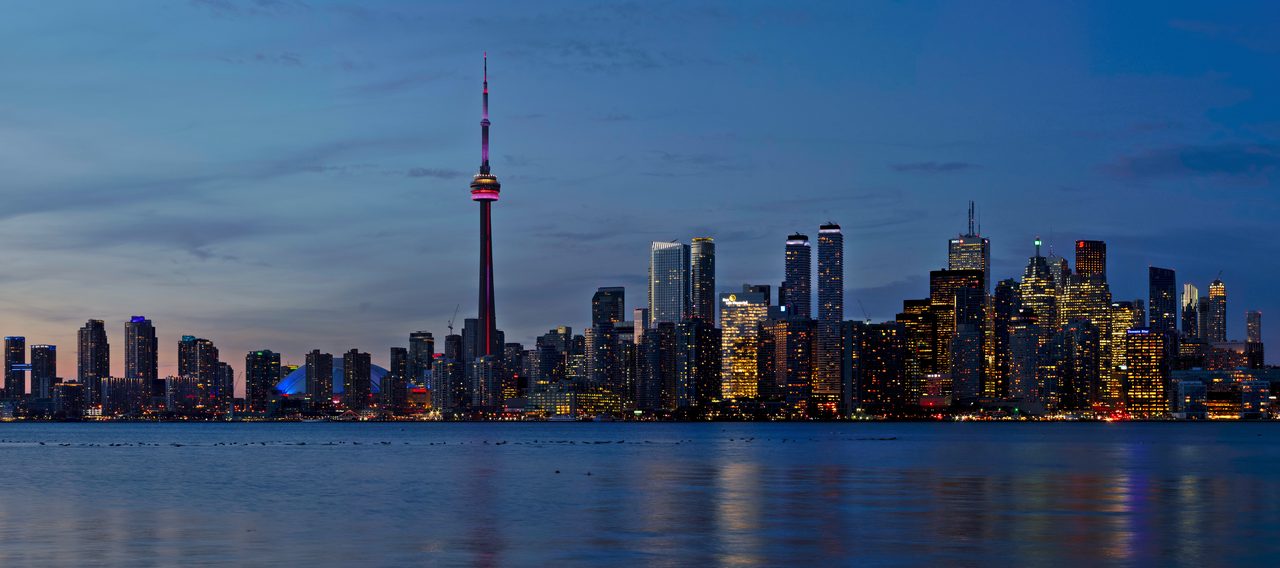
Day 1–2: Toronto and Niagara Falls
Day 1: Toronto. Canada’s biggest city deserves one full day. Ride up the CN Tower (timed general admission $47 for adults in 2026 — buy tickets online ahead; the lines at the door are a whole lifestyle choice), walk the Distillery District’s cobblestone lanes, and eat your way through Kensington Market. Pro tip: do the Tower at 9:30 AM opening or around sunset; midday is when the tour buses arrive and I’ve learned to simply not be there then. If you’re extending, our Toronto travel guide has the full neighbourhood breakdown.
Day 2: Niagara Falls day trip. It’s about 2 hours by car or GO Transit from Toronto — and I’ll be honest, nothing prepared me for the sound. You feel Horseshoe Falls before you see it. Ride the Hornblower cruise into the mist (the red-poncho boat in the photo — the poncho is doing real work, trust me), walk the Table Rock viewpoints, and stop in Niagara-on-the-Lake on the way back for ice wine tasting. Here’s a planning detail that matters: Niagara City Cruises’ Toronto harbour cruise closes for winter, so a summer or early-fall trip gets you both boat rides.
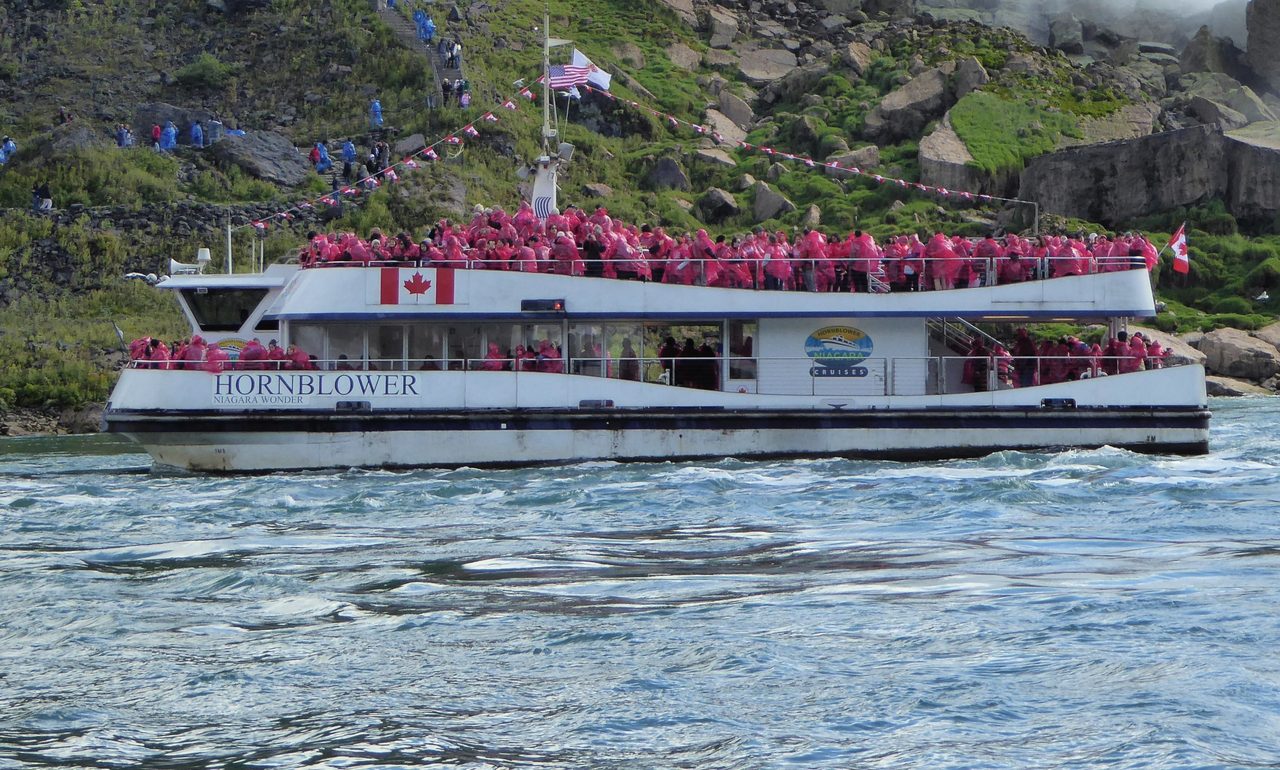
Days 1–2 spending: CN Tower $47 + Niagara day trip ~$60–100 + food ~$140 ≈ ~$250–290. See our 1-day Niagara Falls itinerary for the detailed version.
Day 3–4: VIA Rail to Montreal
Skip the airport entirely. VIA Rail’s Toronto–Montreal trains take about 5–5.5 hours and drop you at Gare Centrale, right downtown — no security theatre, no baggage claim, free Wi-Fi, and windows big enough to actually watch Ontario turn into Quebec. Advance fares start around $73 one-way (I found one for ~$46 once, booking three months out — the early planner gets the deal), and Business class with the meal is worth it if your budget has room.
Two days in Montreal: Day 3 afternoon in Old Montreal (Vieux-Montréal) — the Notre-Dame Basilica, Place Jacques-Cartier, the Old Port waterfront. Day 4: Mount Royal Park, the Jean-Talon Market, and a proper poutine crawl (my spreadsheet had five stops; my stomach tapped out at three — fair warning). A server at my third poutine stop gently corrected my pronunciation, and now I say it right every time. You’re welcome in advance.
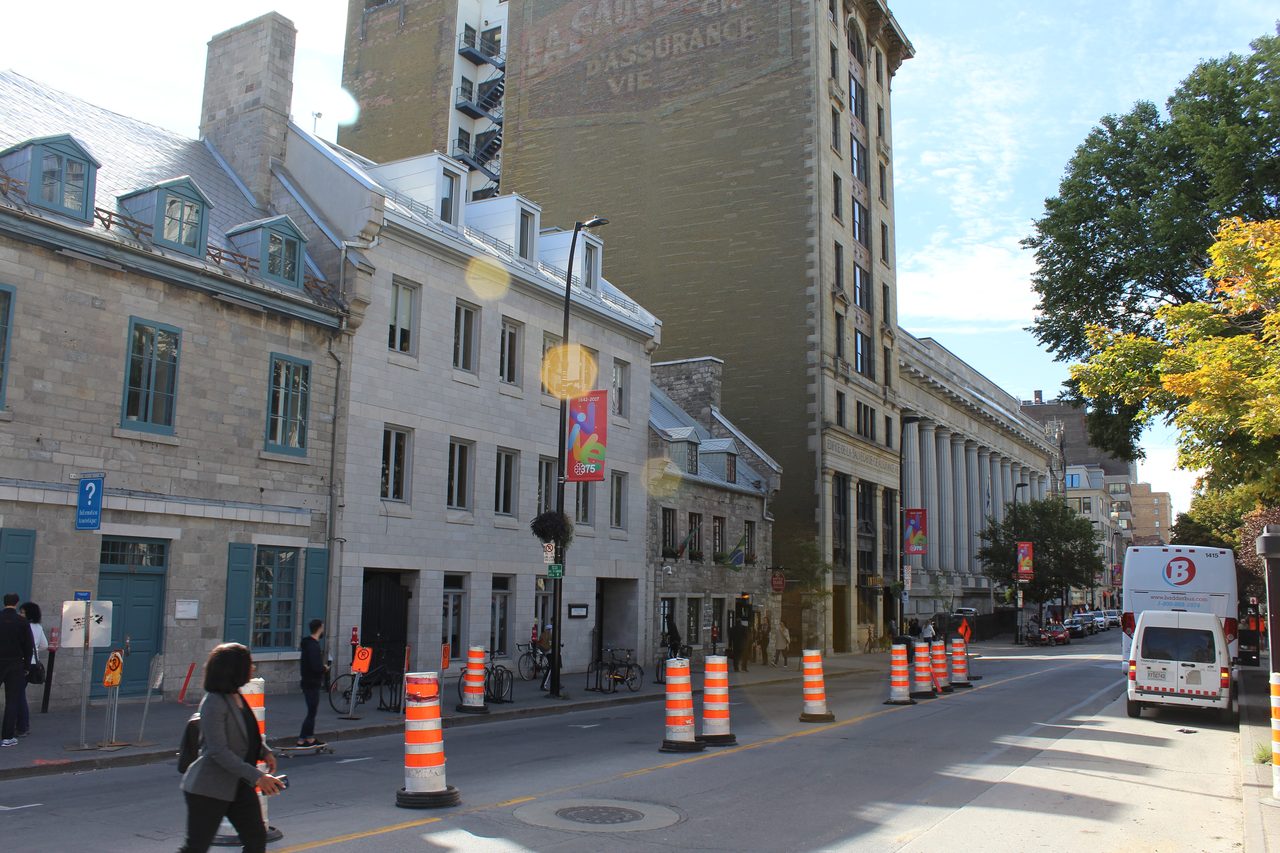
Our Montreal travel guide covers neighbourhoods and where to stay in more detail.
Day 5–6: Train to Quebec City
The VIA Rail ride from Montreal to Quebec City is about 3.5 hours along the St. Lawrence, and the arrival is a plot twist: you step out of the train and into the only walled city north of Mexico. Old Quebec is a UNESCO World Heritage site and it feels like it — ramparts, gates, the Petit-Champlain quarter’s stone lanes, and the Château Frontenac looming over everything like a castle that wandered into the wrong century (in the best way).
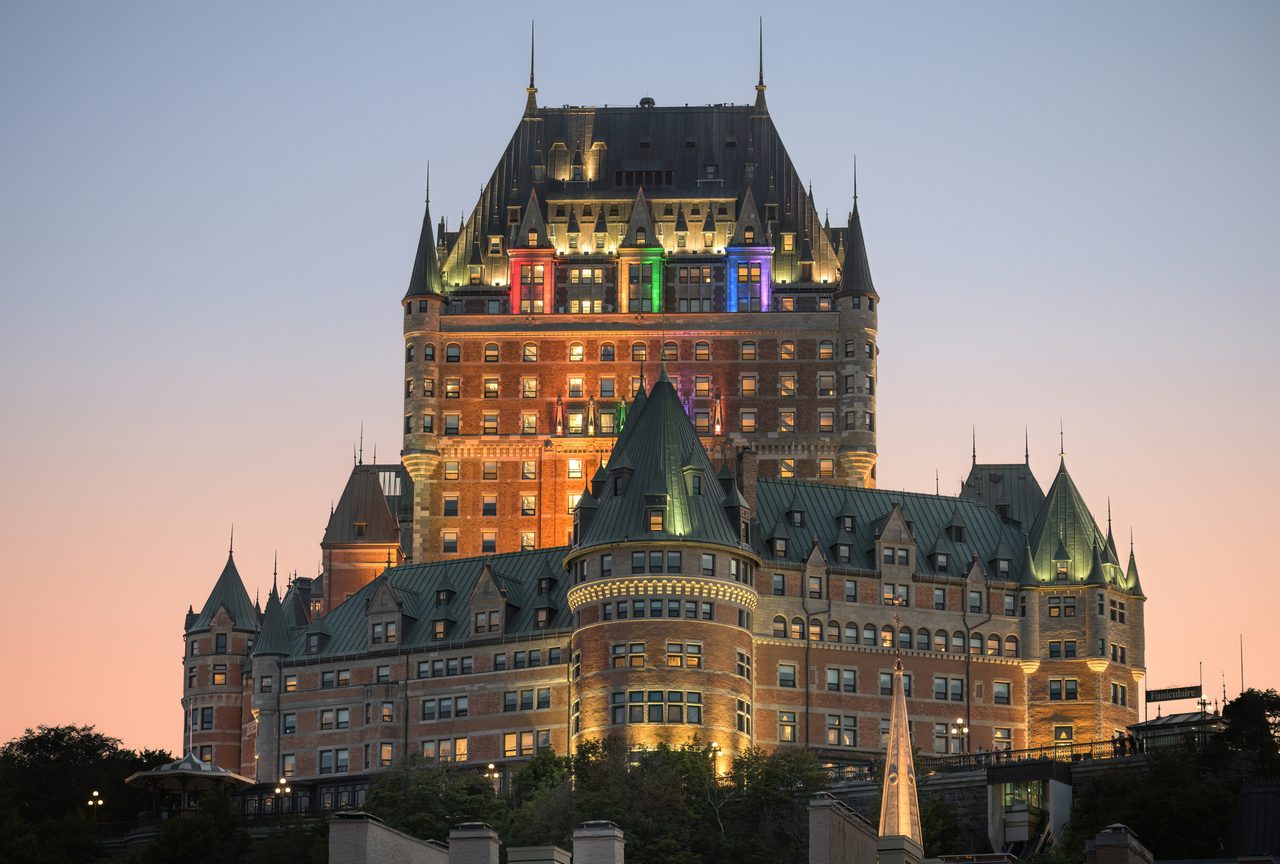
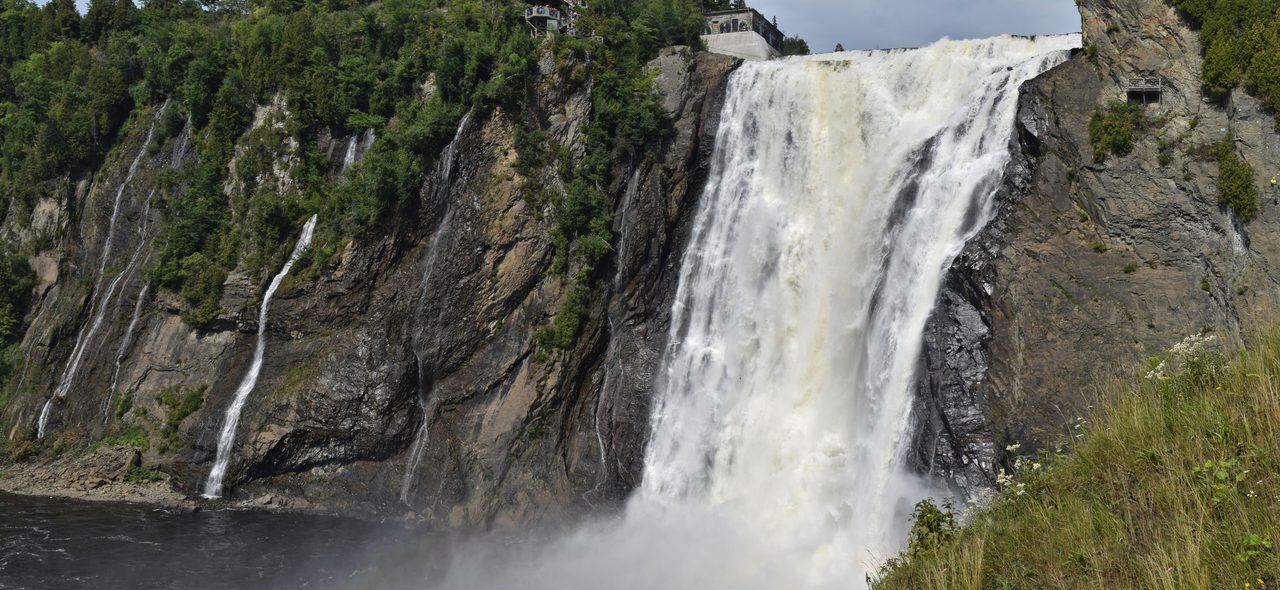
Day 6: Montmorency Falls. Take the half-day trip 15 minutes out of town to Parc de la Chute-Montmorency, where the falls drop 83 metres — genuinely taller than Niagara. Ride the cable car up (~$15–20 per adult, estimate from recent visitor prices), walk the suspension bridge across the top of the falls, and if you’re feeling brave, the 487-step wooden staircase down. I did the stairs. My calves filed a complaint. Worth every penny.
Our Quebec City travel guide has the full Old Quebec walk mapped out.
Day 7: Slow morning, then fly home from YQB
Take it easy. Café au lait and a croissant at a Lower Town bakery, one last walk along the Dufferin Terrace boardwalk, and pick up maple syrup and artisanal crafts before heading to Jean Lesage International Airport (YQB). A few basic French phrases go a long way here — “bonjour” before “hello” is genuinely appreciated, and I promise you the effort lands better than my first attempt at ordering did.
How much does 7 days in Canada cost?
Sample mid-range budget per adult, excluding flights to and from Canada (prices checked October 2026; items marked ~ are estimates):
| Item | West (CAD) | East (CAD) |
|---|---|---|
| Hotels, 6 nights (mid-range) | ~$1,080–1,680 | ~$1,200–1,800 |
| Food & drinks, 7 days | ~$420–630 | ~$420–630 |
| Getting around | ~$600–750 (7-day car rental + YVR–YYC flight) | ~$150–230 (VIA Rail: Toronto–Montreal + Montreal–Quebec City) |
| Parks & attraction fees | $84–168 (Discovery Pass) + ~$16 (shuttle) + ~$106 (Maligne cruise) | $47 (CN Tower) + ~$150–200 (Niagara, Montmorency, museums) |
| Total | ~$2,400–3,400 | ~$2,000–2,900 |
Two things the original budgeting guides always forget: restaurant prices don’t include tax (it’s added at the bill, and it varies by province), and tipping 15–20% is standard. Build both into your spreadsheet — I do, and my final totals are never a surprise. The West runs pricier because of the rental car and the domestic flight, but the East’s hotels in Montreal and Quebec City can absolutely close the gap in summer.
Timeline at a glance
| Day | West: Vancouver → Rockies | East: Toronto → Quebec City |
|---|---|---|
| Day 1 | Arrive Vancouver; Stanley Park Seawall bike ride | Arrive Toronto; CN Tower + Distillery District |
| Day 2 | Sea to Sky Highway: Shannon Falls + gondola | Niagara Falls day trip (Hornblower cruise) |
| Day 3 | Fly Vancouver → Calgary; drive to Banff | VIA Rail to Montreal; Old Montreal |
| Day 4 | Lake Louise + Moraine Lake (Parks Canada shuttle) | Montreal: Mount Royal, markets, poutine crawl |
| Day 5 | Icefields Parkway drive to Jasper | Train to Quebec City; Old Quebec |
| Day 6 | Jasper: SkyTram, Maligne Canyon, wildlife drive | Montmorency Falls + Château Frontenac |
| Day 7 | Maligne Lake cruise; fly home from Calgary/Edmonton | Slow morning in Lower Town; fly home from YQB |
FAQs about the best 7 day Canada itinerary
Can I see both Toronto and Vancouver in 7 days?
We really wouldn’t recommend it. The flight is 5 hours, the 3-hour time difference eats into both days, and you’d spend the week in airports instead of at the sights. Pick one coast: the West (Vancouver → Banff → the Icefields Parkway → Jasper) for mountains and lakes, or the East (Toronto → Niagara → Montreal → Quebec City) for cities and culture. If you have 10–14 days, then combining both starts to make sense.
What is the best month for a 7-day Canada trip?
July gives you the brightest-blue glacial lakes and full summer schedules, but it’s also peak crowds and prices. September is the sweet spot: thinner crowds, golden larches in the Rockies, fall colours in the East, and mostly cooperative weather. Late June works too, though Moraine Lake sometimes doesn’t thaw until early June. Avoid shoulder-season driving in the Rockies unless you’re comfortable with snow — it can snow in the mountains in September or even June.
Do I need a rental car?
For the West option, yes — a rental car is pretty much non-negotiable. The shuttles exist, but they won’t let you stop at hidden trailheads or pull over for every glacier viewpoint, and the Icefields Parkway is a driving experience in itself. Book at least six months ahead for summer and confirm unlimited mileage. For the East option, skip the car entirely: VIA Rail connects Toronto, Montreal, and Quebec City city-centre to city-centre, and a Niagara Falls day trip is easy on GO Transit or an organised tour.
How far ahead should I book things?
Mark April 15 on your calendar: that’s when Parks Canada’s Lake Louise and Moraine Lake shuttle reservations open at 8:00 AM MDT, and popular slots sell out fast (the rest release 2 days before departure). Book Banff and Jasper hotels 6–9 months ahead for July–August. For the East, book VIA Rail tickets early — Toronto–Montreal advance fares start around $73 one-way and climb as trains fill. I keep all of this in one spreadsheet tab. I’m not ashamed.
West or East — which should a first-timer pick?
Here’s my honest take: if the words “mountains” and “wildlife” make your heart race, go West — the Rockies deliver a kind of scenery that genuinely resets your brain. If you light up at food, history, architecture, and nightlife, go East — three distinct cities and a world-famous waterfall in one rail-connected week is hard to beat. Budget-wise, the East is slightly cheaper and needs less advance planning; the West rewards planners more.
Is the Parks Canada Discovery Pass worth it for one week?
Do the math for your group. A daily adult pass is about $12.25, so five days in Banff and Jasper costs one adult about $61 — less than the ~$83.50 adult Discovery Pass. But two adults over five days is about $123 in daily fees versus one ~$167.50 family/group pass for the car, and the Discovery Pass also covers national historic sites and lasts 12 months. For this West itinerary, a couple breaks roughly even; a family of 3+ in one vehicle comes out ahead. Note the 2026 Canada Strong free-admission offer ended September 7, 2026 — regular fees apply again, so budget accordingly.
Keep exploring
- The Ultimate 2 Days in Vancouver Itinerary: 2026 Guide
- Banff Travel Guide: Everything You Need to Know
- The Ultimate 2 Days in Banff Itinerary: 2026 Guide
- Banff to Jasper Road Trip: The Icefields Parkway Guide
- Toronto Travel Guide: Everything You Need to Know
- Montreal Travel Guide: Everything You Need to Know
- Quebec City Travel Guide: Everything You Need to Know
- Niagara Falls Travel Guide: Everything You Need to Know
1 comment