

- ✓ Shortest isn’t always simplest: Bowen Island is 20 minutes by boat but a world away, while Victoria takes most of a day — plan around the ferry, not the map distance.
- ✓ Two of these ten are stretch trips: Kelowna and Tofino need three days to be worth it, and I’ve flagged them honestly below.
Vancouver is the city people visit and then refuse to leave — and I’ll be honest, I understand why, because I did exactly that, then spent three years working through every escape route within reach. Here’s the thing: the best thing about Vancouver isn’t just the city itself. It’s that a ferry ride, a mountain highway, or one very scenic drive can drop you somewhere completely different by lunchtime. I’ve done all ten below — some four or five times — and this is the list I hand friends when they ask where to go for a weekend.
A confession to start: I once tried Whistler as a day trip on a February Saturday, leaving at 9 AM like a person who had never met the Sea to Sky Highway on a powder weekend. Half the day in traffic, two hours of skiing, home in the dark. Never again. The lesson that shaped this whole guide: a weekend getaway is only a getaway if the getting there doesn’t eat the weekend. You’ve got this — and this list is built around that rule.
Getting out of Vancouver: ferries, cars and my planning rules
Four of these ten trips involve a ferry, and the ferry is where most first-timers come unstuck. BC Ferries runs the crossings to Vancouver Island, the Gulf Islands and the Sunshine Coast, and on summer weekends the popular sailings fill up — I learned this the sweaty way one July Friday at Horseshoe Bay, watching two sailings leave without me. I double-checked the reservation rules on BC Ferries’ official site before writing this — they change seasonally, so do the same before you go. → BC Ferries — official site
For the driving trips, you’ll want a car. Downtown Vancouver is easy without one (see my things to do in Vancouver guide), but the Sea to Sky, the Fraser Valley and the Okanagan are car country — and if you’re flying in, my renting a car in Canada guide covers the quirks. Fair warning: winter driving on the Sea to Sky and the Coquihalla is serious mountain driving, with winter tires required in the cold months. Check the forecast and highway conditions, not just your playlist.
When should you go? May through October is the sweet spot — fullest ferry schedules, open patios, snow-free trails. Winter has its own logic, though: Whistler for skiing, Tofino for storm-watching, Victoria for museums in the rain. I’m partial to September: thinner crowds, calmer ferries, the Okanagan still warm enough for a patio lunch.
The 10 getaways, on a map
Ten trips, ordered from quickest to longest — tap any stop to jump the map to it. The last two are the stretch trips, flagged honestly.
Map data © OpenStreetMap contributors. Open the full map
1. Bowen Island — the 20-minute escape
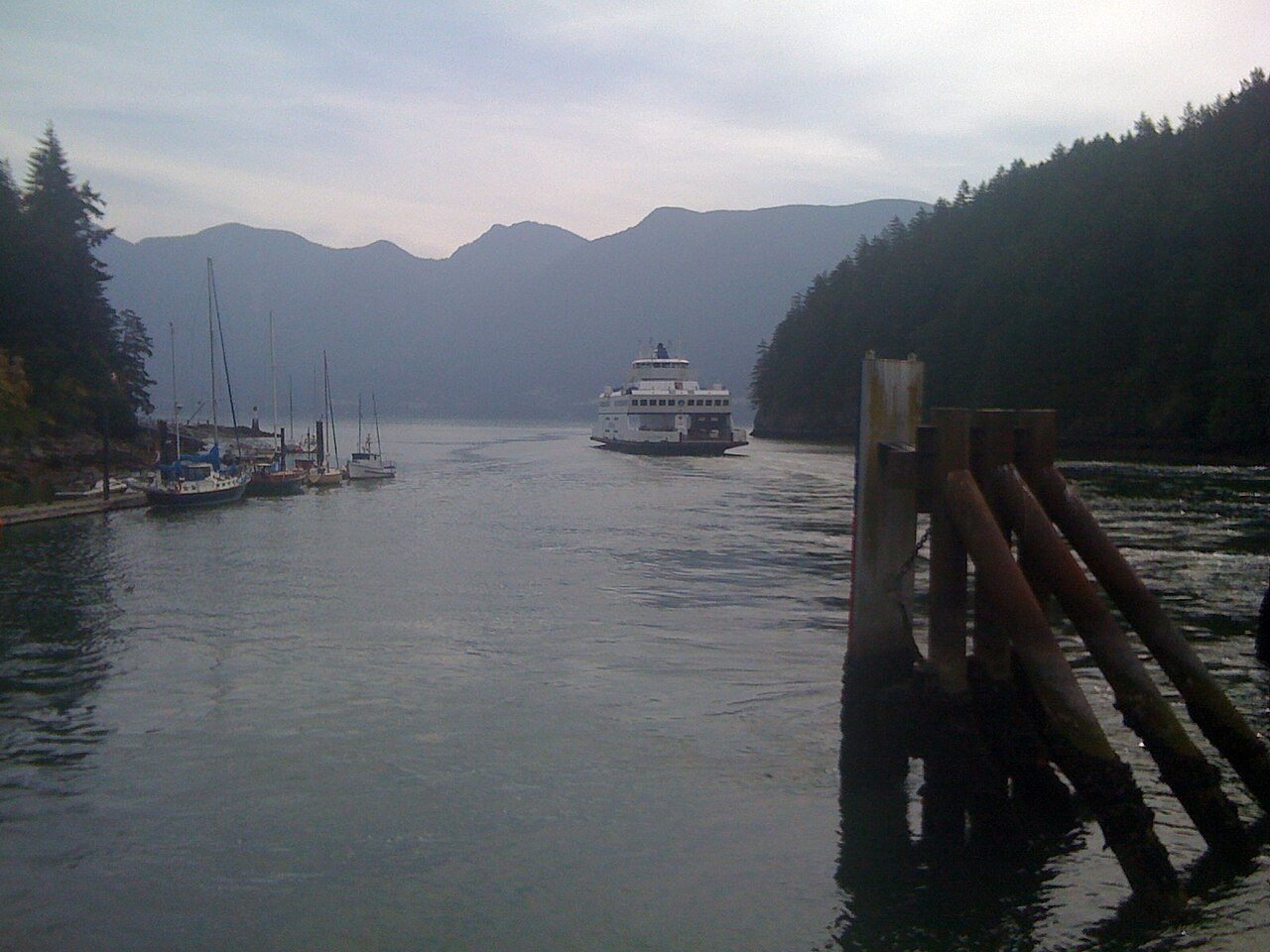
If you only have one free day, take this one. The ferry from Horseshoe Bay to Snug Cove takes about 20 minutes, and the moment you step off, Vancouver feels very far away. Snug Cove itself is tiny — galleries, cafes and a general store around the marina — and that’s the point. Walk the trails through Crippen Regional Park to Killarney Lake, browse the studios, and eat lunch somewhere with a harbour view. You do not need a car here, which makes it the easiest getaway on this list by a mile.
Walk on, don’t drive on. The ferry charges per vehicle, but foot passengers board easily and Snug Cove is walkable — I’ve done Bowen three times and never wished I had the car. You also skip the vehicle lineups on summer weekends.
2. Squamish — the adventure capital, one hour out
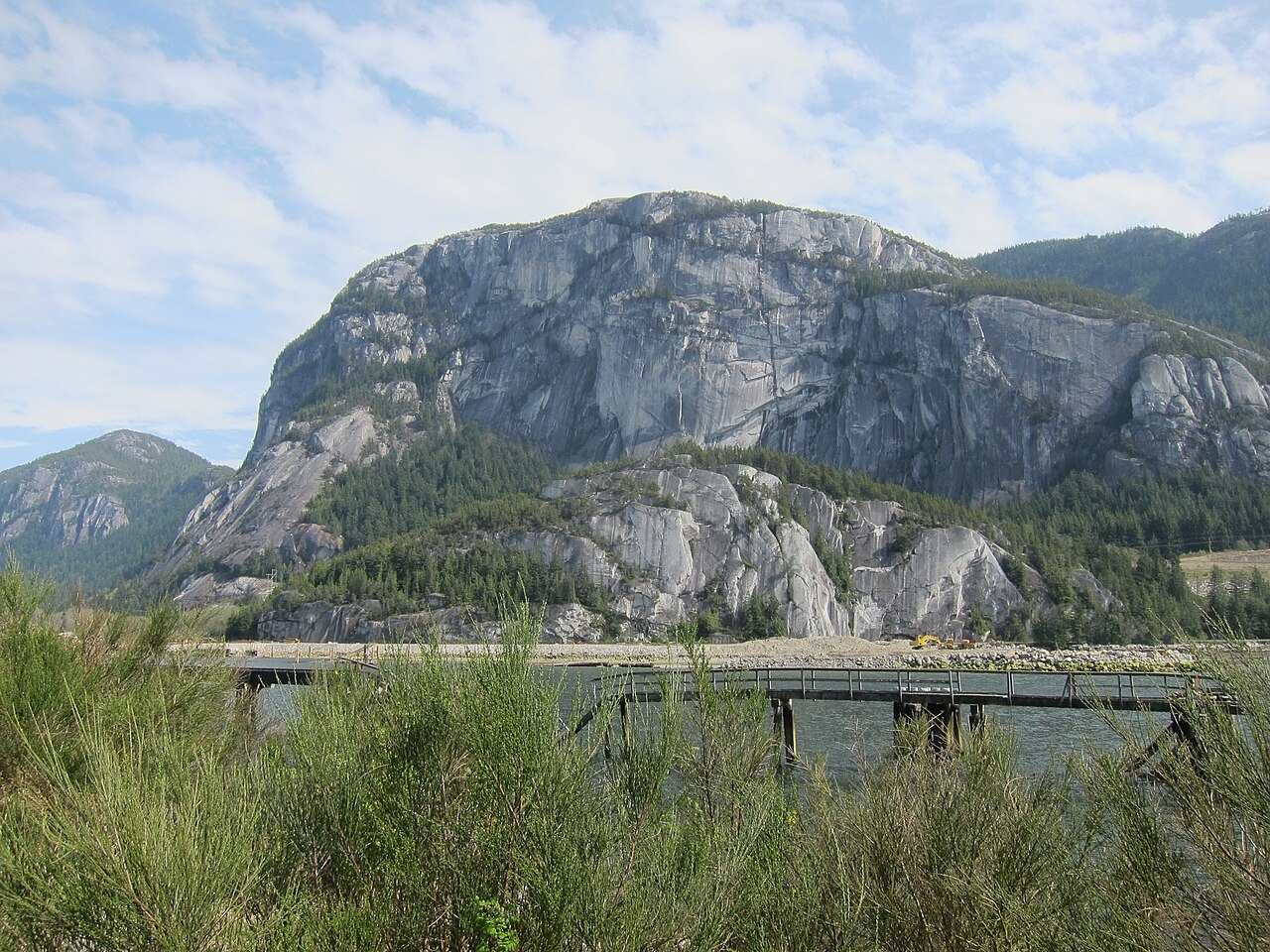
About an hour up the Sea to Sky Highway, Squamish is where Vancouver goes to play outside. The Stawamus Chief — one of the largest granite monoliths in North America — towers over Howe Sound, and the Sea to Sky Gondola carries you up to suspension bridges and viewing platforms if you’d rather ride than climb (no judgment; I’ve done both).
I timed it once, because of course I did: downtown Vancouver to the gondola lot in 58 minutes on a quiet weekday morning. Weekend mornings run longer, so leave early and stop at Shannon Falls on the way. → Tourism Squamish — official site
The Chief’s trails are steep, exposed granite — proper shoes, water, no flip-flops. I watched a visitor start the climb in sandals and quietly turn back at the first chains. The gondola is the no-regrets alternative.
3. Harrison Hot Springs — soak, stroll, repeat

About 90 minutes east into the Fraser Valley, Harrison Hot Springs is the lowest-effort weekend on this list. The village sits on the shore of Harrison Lake, with a beach promenade, a row of restaurants, and the hot springs pools that gave the place its name. My ideal Harrison day: a lake walk, a long soak, dinner watching the light go down over the water. That’s the itinerary, and it works.
Check pool hours and admission on the official site before you go — the public and resort pools run on different schedules. → Tourism Harrison — official site
4. Whistler — the big one, done properly

Two hours up the Sea to Sky, Whistler is the getaway everyone has heard of — and, done as an actual weekend rather than my ill-fated day trip, it earns the reputation. The pedestrian village is built for wandering: patios, shops, and lifts rising out of the middle of town. In winter it’s skiing on two huge mountains; in summer it’s the Peak 2 Peak Gondola, mountain biking, and alpine hiking. Details shift by season, so check the official site before you go. → Whistler — official site
Stay two nights, not one, and leave Vancouver by 8 AM. The drive is the experience — Howe Sound, the Chief, the waterfalls — and arriving before noon gives you a full first afternoon. My one-night version felt like a commute with a nice dinner; the two-night version felt like a holiday.
Whistler is also the priciest stop on this list, especially in ski season — summer is the value play: same village, same gondola views, far gentler prices.
5. Pemberton — past Whistler, into farm country

Keep driving about 30 minutes past Whistler and the highway empties out, the mountains get bigger, and you’re in Pemberton — a farming valley under the shadow of Mount Currie. This is the anti-Whistler: no village crowds, no lift lines, just farm stands and a friendly main street. The Pemberton Museum (pictured above) is a good first stop, and the meadows are beautiful in late summer when the crops are high.
A farm-stand owner told me visitors treat Pemberton as a Whistler add-on and miss it entirely — I did that myself the first time. Give it a full day: drive the valley loop and stop at the stands.
6. Sunshine Coast (Gibsons) — the slow coast
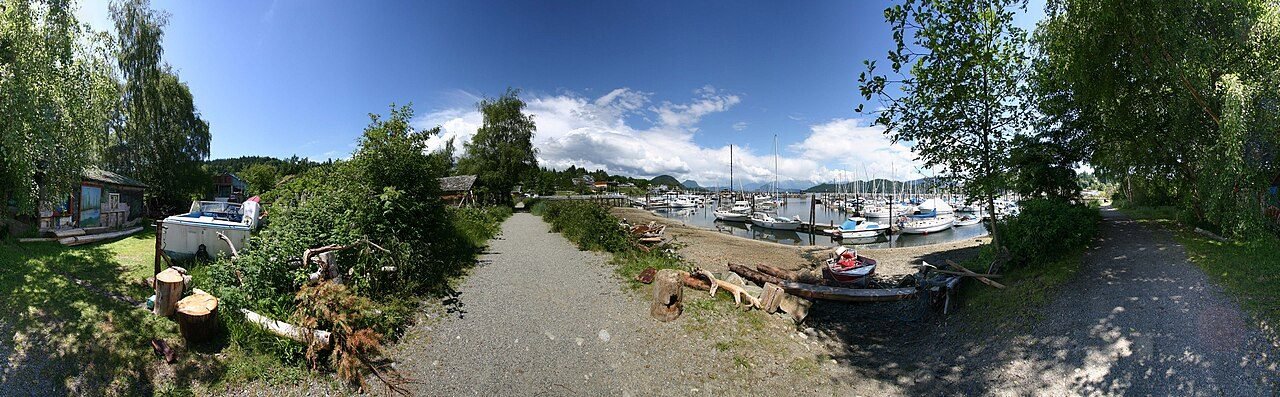
The Sunshine Coast isn’t actually an island — it just feels like one, because the only way in is by ferry or floatplane. The ferry from Horseshoe Bay to Langdale takes about 40 minutes, then it’s a short drive to Gibsons, the harbour town of wooden boats, fish-and-chips patios, and the famous Molly’s Reach restaurant from the old TV show The Beachcombers. Sechelt, Roberts Creek and Halfmoon Bay are all within an easy drive along the Sunshine Coast Highway.
A barista in Gibsons Landing told me the coast’s best hour is after the last ferry crowd leaves — the harbour goes quiet, the light goes gold, the patios fill with locals. Stay for dinner, not just lunch.
I double-checked the ferry schedule on BC Ferries’ site the night before my last trip, and I’m glad I did — the Langdale route runs less often than the big island routes, and missing one sailing can cost you an hour. Book ahead in summer. → Sunshine Coast Tourism — official site
7. Victoria — the capital, at harbour pace
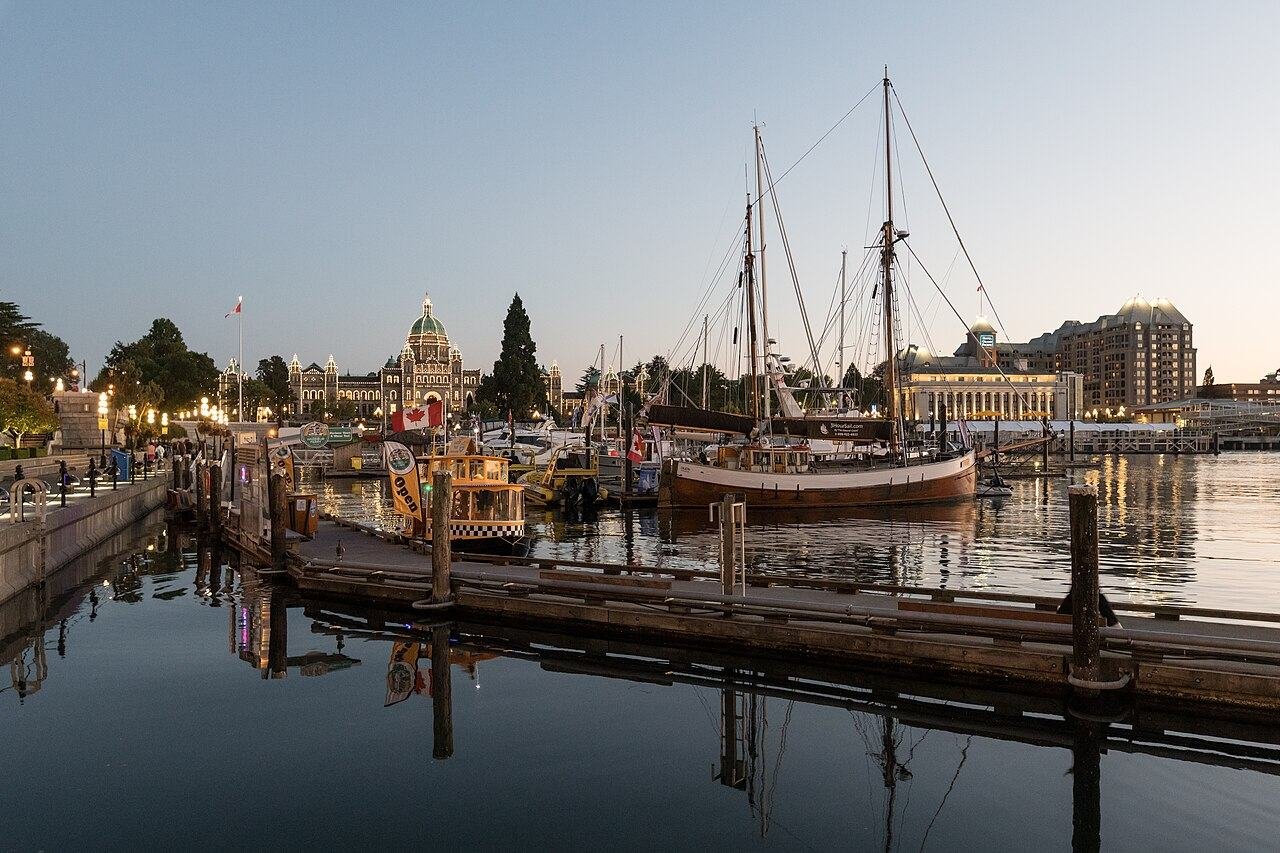
Victoria takes the most planning on this list — ferry from Tsawwassen to Swartz Bay, then a half-hour drive into the city, so most of a day door to door — but it pays you back. The Inner Harbour is the postcard: the Parliament Buildings, the Fairmont Empress, floatplanes, and buskers along the causeway. Beyond the harbour, the Royal BC Museum is genuinely excellent (I spent three rainy hours there and could have used four), and Butchart Gardens, a half-hour north, is worth the detour in any season.
Victoria rewards the walker: the harbour causeway, Beacon Hill Park and the Chinatown alleys — Fan Tan Alley is the narrowest commercial street in Canada — all connect on foot. → Destination Greater Victoria — official site
Do not try Victoria as a day trip — everyone I know who has spent the day on ferries instead of in the city. Two nights is the sweet spot: one day for the harbour and museums, one for Butchart Gardens.
8. Salt Spring Island (Ganges) — the market island
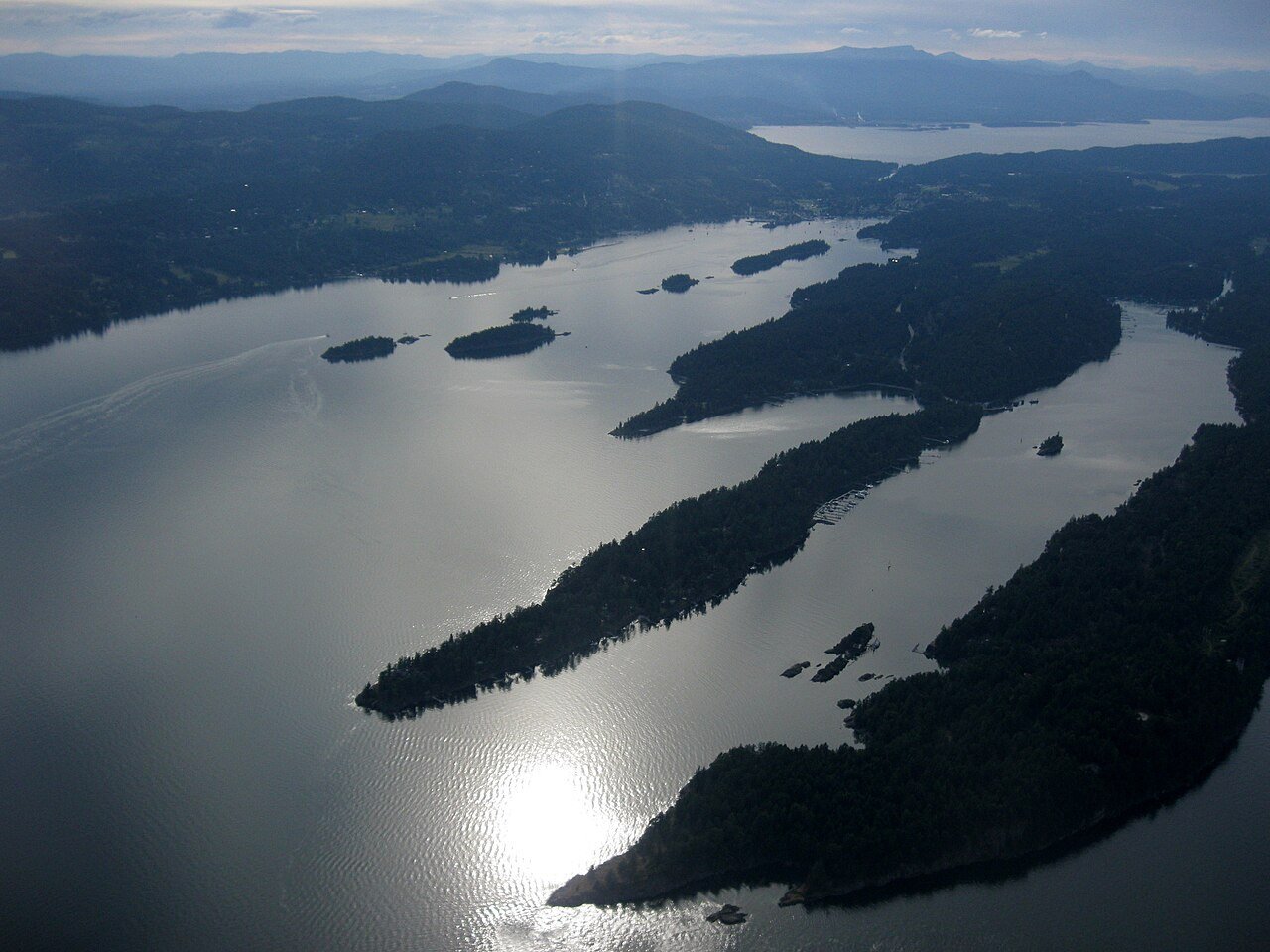
Salt Spring is the Gulf Island most Vancouverites mean when they say “the island,” and its beating heart is Ganges, the village at the head of the harbour above. The Saturday Market (April through October, in Centennial Park) is the main event: local cheese, bread, art and crafts, all sold by their makers. I went once with a small bag and left carrying cheese, jam, a cutting board and a plant I had no plan for — fair warning, the market does that to people. A stallholder told me the rule is simple: if you’re thinking about it, buy it, because that stallholder might not be there next week.
Getting there takes some doing — ferries from Tsawwassen or Swartz Bay, or via Crofton — so check BC Ferries’ routes and give yourself a full weekend. The island rewards slow travel: farm stands, forest walks, studios down gravel driveways.
9. Kelowna — the stretch trip: wine country and the lake
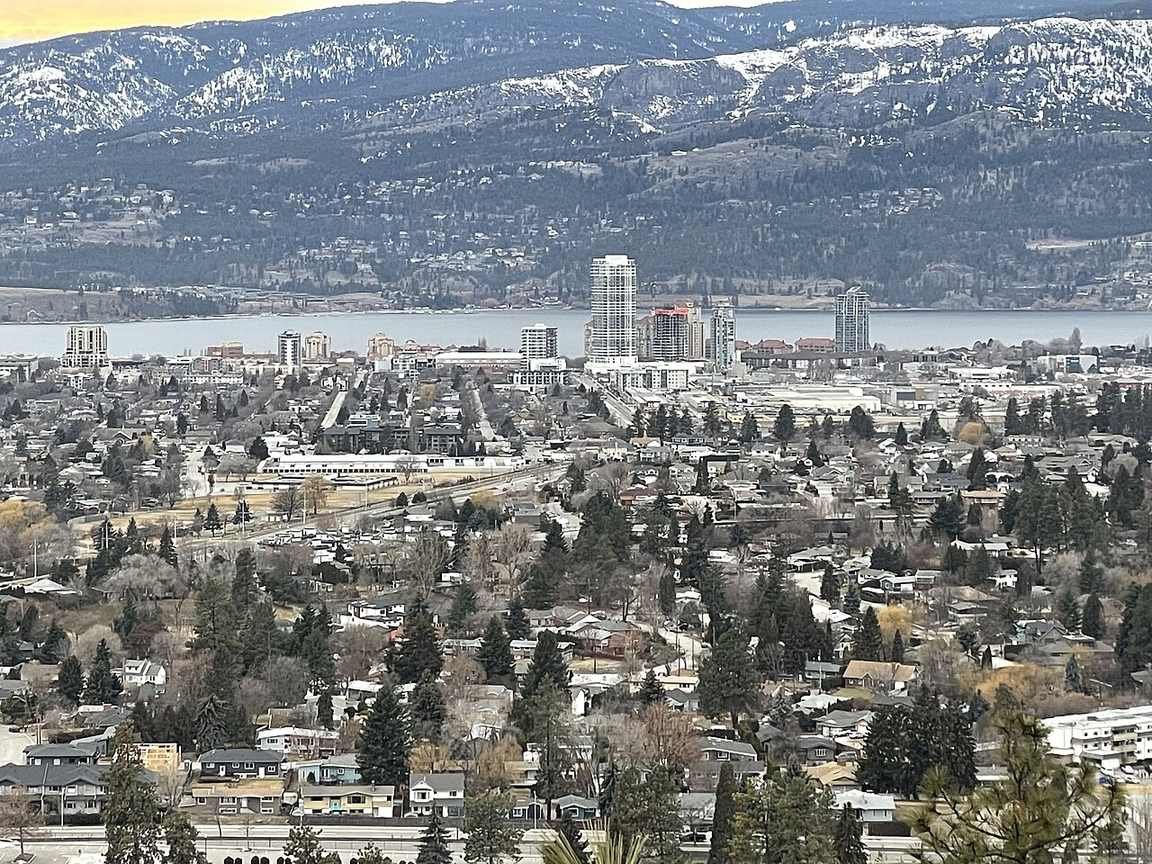
Here’s the honest flag: Kelowna is about four hours from Vancouver, and it is not a two-day trip. It’s a three-day trip — and worth every minute of the drive. The Okanagan’s biggest city sits on the lake of the same name, with a waterfront promenade, a proper downtown, and — the real draw — wineries fanning out in every direction. Summer means lake days and patio tastings; autumn means harvest colour and quieter tasting rooms. Every local I asked said the same thing: don’t rush it, pick one wine trail per day, and leave time for the lake itself.
The drive is part of the trip — the Coquihalla climbs into real mountain country — so check highway conditions, especially outside summer. I’ve done the Okanagan in July and October; October might be my pick: warm days, golden vineyards, unhurried tasting rooms. → Tourism Kelowna — official site
10. Tofino — the stretch trip: surf, sand and storms

And here’s the second honest flag: Tofino is the longest trip on this list — a ferry to Nanaimo, then a winding cross-island drive — and it needs three days minimum, ideally four. What you get is the wild west coast: the long beaches of Pacific Rim National Park Reserve, surf schools for first-timers, and a town that runs on surf culture. I checked the park’s details on Parks Canada’s site before my first visit — access points and seasonal notes change, so do the same. → Parks Canada — official site
Tofino in a storm is not a consolation prize — it’s the point. Winter storm-watching is the town’s other season, and the crowds are a fraction of summer’s. I drove out once in a single day and arrived after dark, having seen none of the coast road — never again. Fly in, or give the drive its own day.
Summer or storm season, Tofino is the trip you’ll talk about for years. → Tourism Tofino — official site
What does a Vancouver weekend cost?
Prices below are planning estimates per person, per day — not quotes. Pick your travel style and days, and the calculator does the rest. (Accommodation excluded — see the table below.)
Budget calculator
Per person, in Canadian dollars. Excludes accommodation.
Budget ≈ $100/day · Mid-range ≈ $170/day · Luxury ≈ $340/day. Planning estimates, checked October 2026.
| Expense (per person / day) | Budget | Mid-range | Luxury |
|---|---|---|---|
| Accommodation | $60 (hostel / shared) | $180 (hotel / inn) | $350+ (resort / lodge) |
| Food & drink | $45 | $75 | $140 |
| Sights (gondolas, museums, pools…) | $20 | $35 | $70 |
| Getting around (ferry share, fuel) | $25 | $40 | $90 |
| Coffee, treats & souvenirs | $10 | $20 | $40 |
| Daily total | ~$160 | ~$350 | ~$690 |
Wondering where to base yourself before you head out? My where to stay in Vancouver guide breaks down the neighbourhoods — spoiler: stay downtown or near the Seabus. For the bigger budget picture, see my Canada trip cost guide.
FAQs about weekend getaways from Vancouver
What is the best weekend getaway from Vancouver?
For a first-timer, Whistler — two hours, a real resort village, something to do in every season. For the easiest trip, Bowen Island: a 20-minute ferry and you’re somewhere else entirely. For the most memorable, Tofino — but only with three or four days. My most-repeated trip is Squamish: close, cheap, different every time.
Do I need a car for weekend trips from Vancouver?
For Bowen Island, no — walk onto the ferry and you’re set. For Squamish, Whistler, Pemberton, Harrison and Kelowna, yes, a car makes the trip. For the ferry trips, a car is handy on the far side but not mandatory: Victoria and Gibsons both have walkable centres and local buses. If you’re flying in, rent for the weekend only.
Do I need to book BC Ferries in advance?
On summer weekends and holidays, yes — book the sailing as soon as your dates are set, especially for the Tsawwassen–Swartz Bay and Horseshoe Bay–Langdale routes. I learned this the hard way at Horseshoe Bay one July Friday. Off-season weekday sailings are usually fine without a reservation, but I still check the schedule on BC Ferries’ official site the night before.
What is the best time of year for Vancouver weekend trips?
May through October covers nearly everything: full ferry schedules, open patios, snow-free trails, the Salt Spring market. September is my pick — warm days, thinner crowds, the Okanagan still glowing. Winter flips the list: Whistler for skiing, Tofino for storm-watching, Victoria for museums in the rain. Check conditions before a November driving trip, when mountain roads are icy but ski season hasn’t started.
Can you do Tofino or Kelowna in a normal weekend?
Honestly? Not well. Both need three days minimum — Tofino really wants four, because the ferry plus the cross-island drive eats most of a day each way. I’ve done Tofino in a single day (arrived after dark, saw nothing) and Kelowna in two (spent the whole second day driving home). Save them for a Friday-to-Monday window.
How much does a weekend getaway from Vancouver cost?
Budget roughly $100 per person per day at the lean end and $170 mid-range, excluding accommodation — use the calculator above for your days and style. The big variables are the ferry, Whistler hotel rates in ski season, and how many winery tastings you say yes to in Kelowna. Bowen Island is the cheapest trip here by a wide margin.
Keep exploring
Where I’d go next:
- Things to do in Vancouver — the city itself, before you escape it
- Vancouver travel guide — the full planning companion
- Where to stay in Vancouver — downtown vs. the neighbourhoods
- Best places to visit in British Columbia — how these ten fit the whole province
- Banff–Jasper road trip itinerary — the Rockies version of this list
- Best weekend trips from Toronto — the east-coast counterpart, same idea
You’ve got this. Pick one, book the ferry first, and go — Vancouver’s best weekends start the moment you leave it.
1 comment