
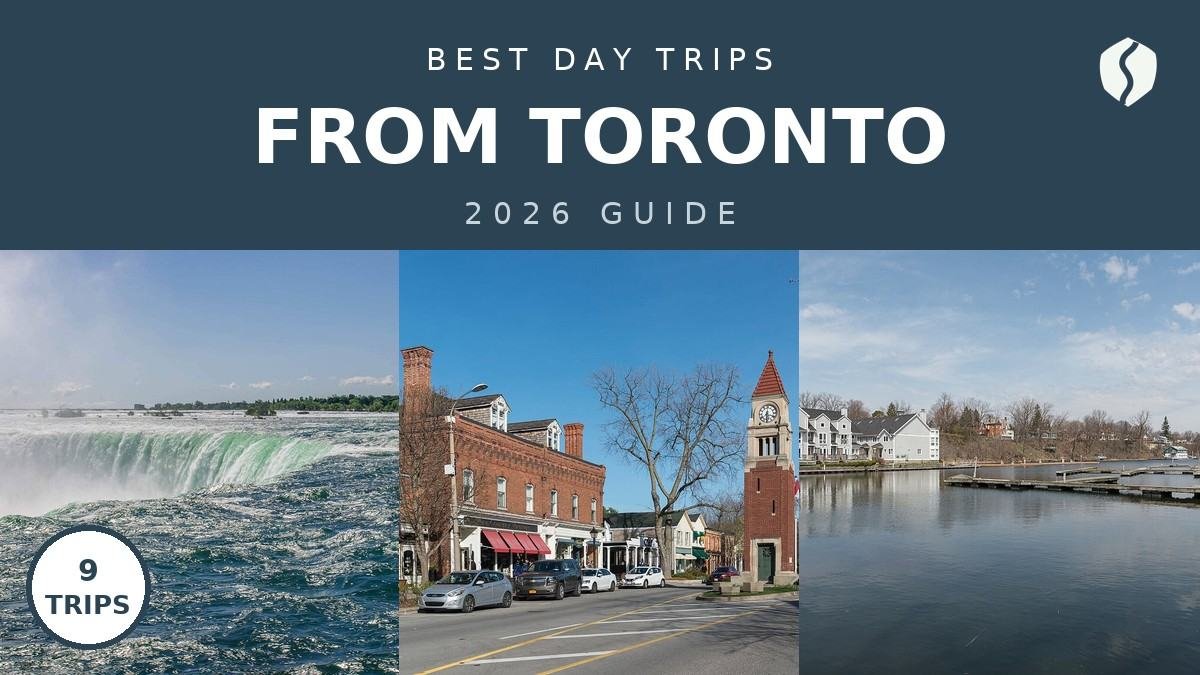
- ✓ One trip per day, not three: the classic mistake (mine, twice) is stacking the Falls and wine country into one frantic afternoon.
- ✓ Leave by 8 AM for the big names: Niagara Falls, Elora Gorge and the Blue Mountains are a different experience before 10 AM.
- ✓ Kingston is the honest exception: at nearly 3 hours each way it is a long day or, better, an overnight.
Here’s the thing about living in Toronto: the city keeps you so busy that you forget how much of Ontario sits within a morning’s drive. I’ll be honest — for my first year here, my idea of a “day trip” was a longer-than-usual subway ride. Then a friend dragged me to Niagara Falls on a Tuesday, and I came home with a color-coded spreadsheet of everywhere else I wanted to go. I’ve now done every trip below at least once (Niagara Falls four times, because visitors), and these nine are the ones I recommend when someone asks, “where should we go this weekend?” Drive times are approximate, in normal traffic — check the route the morning you leave.
A confession to start: I once tried to do Niagara Falls and Niagara-on-the-Lake in a single day without a car, on a plan that depended on three separate buses lining up perfectly. They did not. I saw the Falls (magnificent), missed the winery patio entirely, and ate dinner at a highway service centre. One escape per day, trust me on this one.
Getting out of Toronto: car, train, or bus?
A car makes eight of these nine trips easy — and for Elora, Stratford, St. Jacobs, the Blue Mountains and Prince Edward County, it is honestly the only practical option. If you don’t drive, don’t skip the list: Niagara Falls is a straightforward GO Transit / VIA Rail trip from Union Station, and Hamilton is a GO train ride plus a local bus or rideshare to the waterfalls. For everything else, a one-day car rental from downtown is usually cheaper than the bus-and-taxi patchwork. If you’re weighing rental costs, my renting a car in Canada guide covers insurance and one-way questions, and my Toronto travel guide covers getting around the city before you leave it.
One habit that changed everything for me: I check the official site for each stop the night before — hours and seasonal closures shift, especially for conservation areas and markets. I double-checked the official sites linked below while writing this, but they change seasonally, so do the same before you go.
The 9 escapes, on a map
Nine stops, in the order I’d tackle them across a summer. Tap any stop to jump the map straight to it. Every pin was checked against its real location — no guessed coordinates.
Map data © OpenStreetMap contributors. Open the full map
Drive times from Toronto at a glance
| Escape | Approx. drive, one way | Best as |
|---|---|---|
| Niagara Falls | ~1.5 hours | Day trip (or transit) |
| Niagara-on-the-Lake | ~1.5 hours | Day trip |
| Hamilton waterfalls | ~1 hour | Day trip (or transit) |
| Elora Gorge | ~1.5 hours | Day trip |
| Stratford | ~2 hours | Day trip (theatre days run long) |
| St. Jacobs | ~1.5 hours | Day trip (market mornings) |
| Blue Mountains | ~2 hours | Day trip or overnight |
| Prince Edward County | ~2 hours | Day trip or overnight |
| Kingston | ~2.75 hours | Overnight recommended |
1. Niagara Falls — the one you have to do first

Yes, it’s the obvious one. Do it anyway. The Canadian side gives you the full Horseshoe Falls panorama from Table Rock, the gorge walk along the river, and the boat ride into the mist that soaks you in the best possible way — I went in with a rain poncho and came out grinning with wet hair regardless, because the poncho, fair warning, is a suggestion, not a guarantee. My 1-day Niagara Falls itinerary lays out the full loop, but the short version is: arrive early, walk the gorge, do the boat, then get out of the Clifton Hill arcade strip before the crowds thicken. The Falls are free to view; the attractions around them are where the money goes.
Go on a weekday if you possibly can. I’ve done Niagara Falls on a Saturday in July (shoulder-to-shoulder at Table Rock) and on a Tuesday in September (walked straight up to the rail). Same waterfall, completely different trip. If a summer weekend is your only option, arrive before 9 AM and do the boat first.
For parking, the WEGO bus system, and which viewpoints are free, I double-checked the current details on Niagara Parks’ official site before writing this — attraction hours change seasonally, so do the same. → Niagara Parks — official site
2. Niagara-on-the-Lake — the pretty one
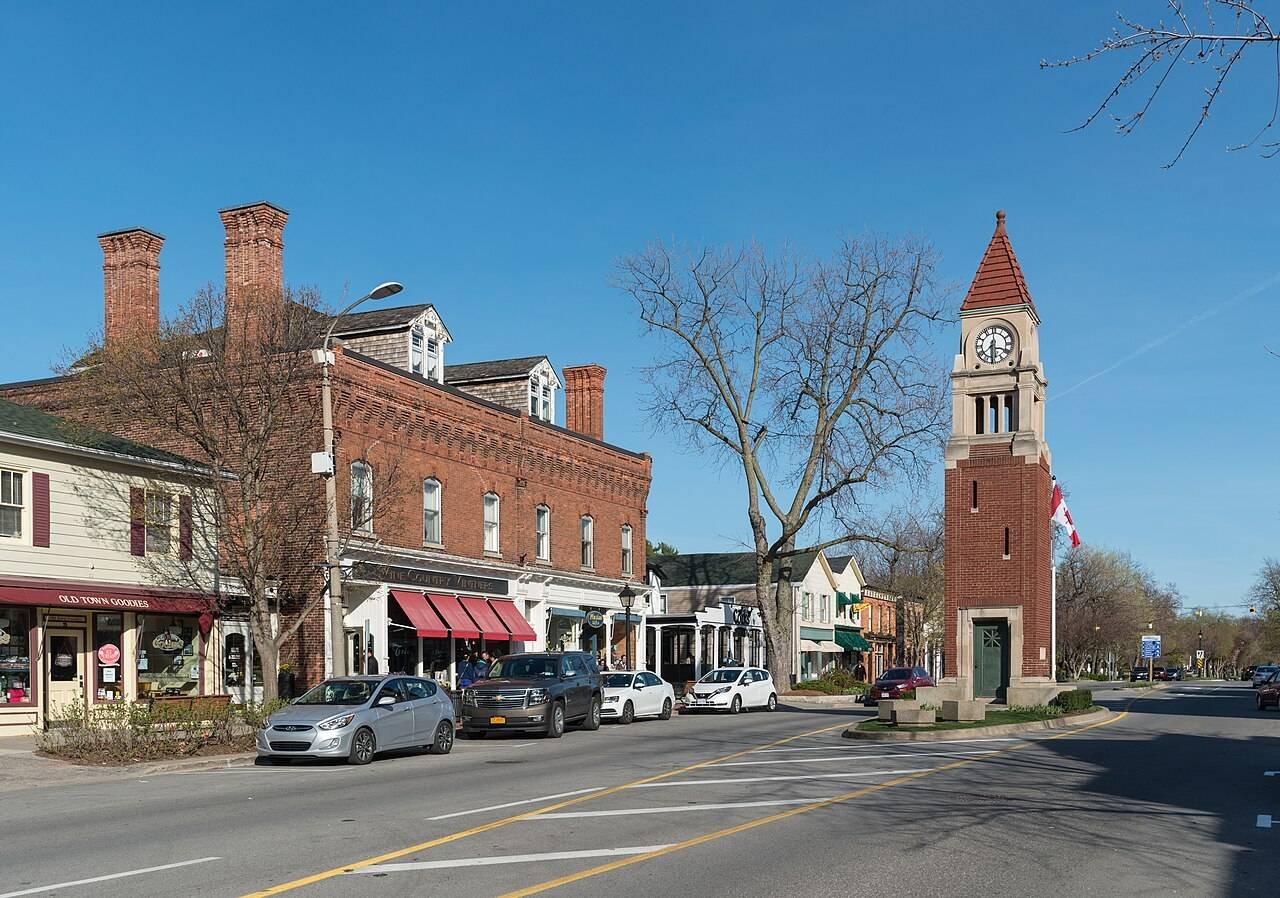
Twenty-five minutes down the parkway from the Falls sits the town that feels like a film set: heritage storefronts on Queen Street, flower baskets in summer, the Shaw Festival theatre, and wineries in every direction. This is the slow half of the Niagara day — a long lunch, a tasting or two, a wander down to the lakefront where the Niagara River meets Lake Ontario. I’ve done this town three times now, and my rule is firm: one winery patio, one proper lunch, one unhurried walk down Queen Street. The day I tried four tastings plus the theatre plus the Falls, I enjoyed none of them properly. Game-changer, honestly: pick the one patio with the view and stay there.
A shopkeeper on Queen Street told me the town’s best hour is just after the tour buses leave — around 4 PM on weekdays. The light goes gold down the main street, the patios fill with locals, and the lakefront path empties out. Plan your NOTL afternoon backwards from that hour.
The Shaw Festival is the theatre draw — check its current season before planning around a show. → Destination Ontario — official site
3. Hamilton waterfalls — the surprise one
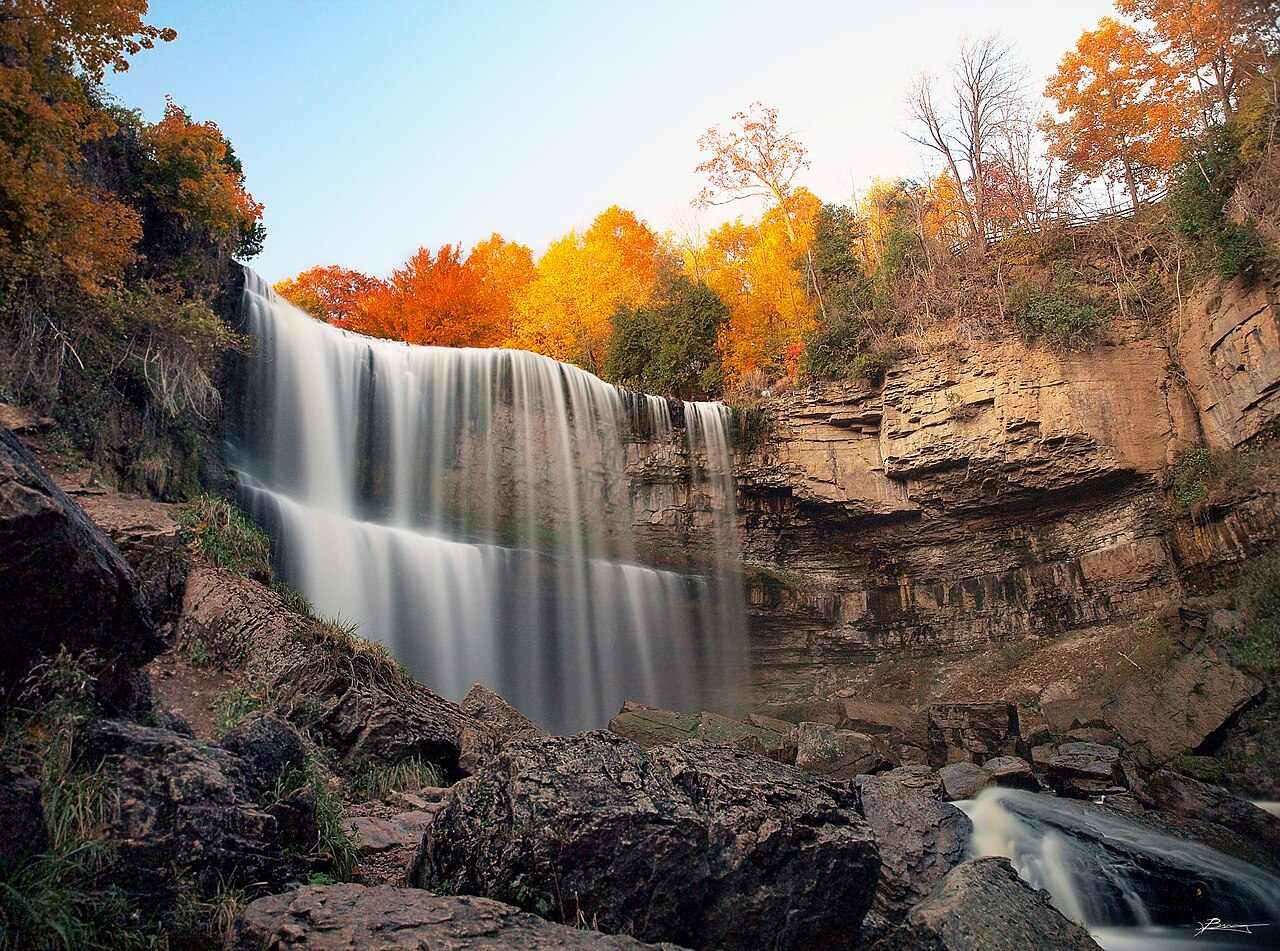
Hamilton calls itself the City of Waterfalls, and here’s the thing: it earns it. More than a hundred waterfalls thread the escarpment around the city, and the easiest introduction is Webster’s Falls in the Spencer Gorge near Dundas — a wide, photogenic cascade a short walk from the parking area, with Tew Falls nearby for the ambitious. I showed up once in smooth-soled city shoes and spent the whole gorge trail gripping tree roots. Wear proper shoes. Trust me on this one.
Waterfall access in Hamilton is managed and sometimes restricted — trails close for safety, erosion, or high water, and some falls can only be viewed from designated lookouts. I checked the current rules on Tourism Hamilton’s site before my last visit, and a trail I wanted was closed that week. Check before you drive over, and stay behind the barriers.
Pair the falls with lunch in Dundas — the city’s food scene is the bonus most visitors don’t expect. → Tourism Hamilton — official site
4. Elora Gorge — the storybook one
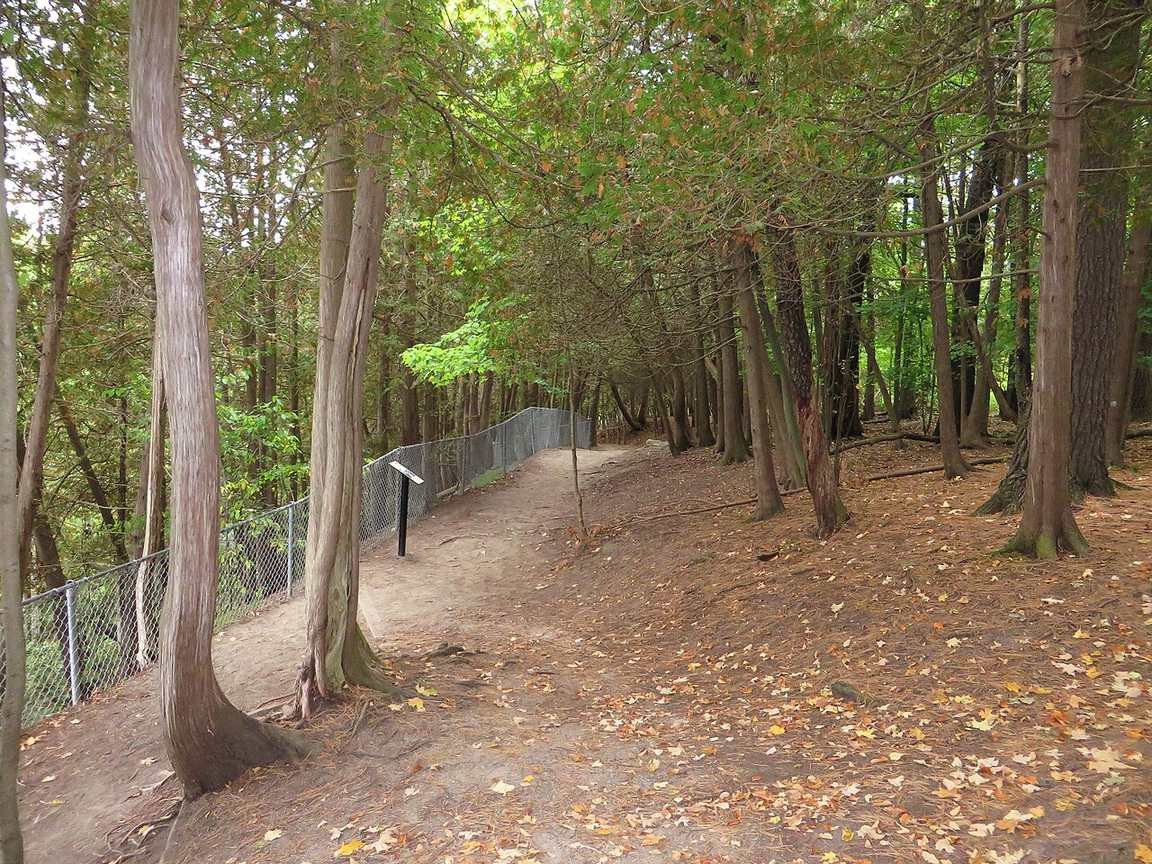
Elora is the town that made me understand why people say “storybook” about places in Ontario. The Grand River cuts a limestone gorge through a 19th-century mill town, and the conservation area trails run along the cliff tops with lookouts over the water far below. In summer, tubers float the river through the gorge — I watched a whole flotilla of them drift past one August afternoon, looking extremely pleased with themselves. The town is small and walkable: the old mill, main street shops, and a café patio are the whole afternoon.
Book ahead in summer if you want to tube — I double-checked on the Grand River Conservation Authority’s site, and tubing runs on seasonal schedules with capacity limits on busy weekends. Arrive before 10 AM, walk the cliff-top trails first, and save the town wander for the afternoon.
Elora pairs beautifully with stop 6 below — St. Jacobs is under half an hour away, and a market morning plus an Elora afternoon is my favourite two-stop day in the region. → Grand River Conservation Authority — official site
5. Stratford — the theatre one
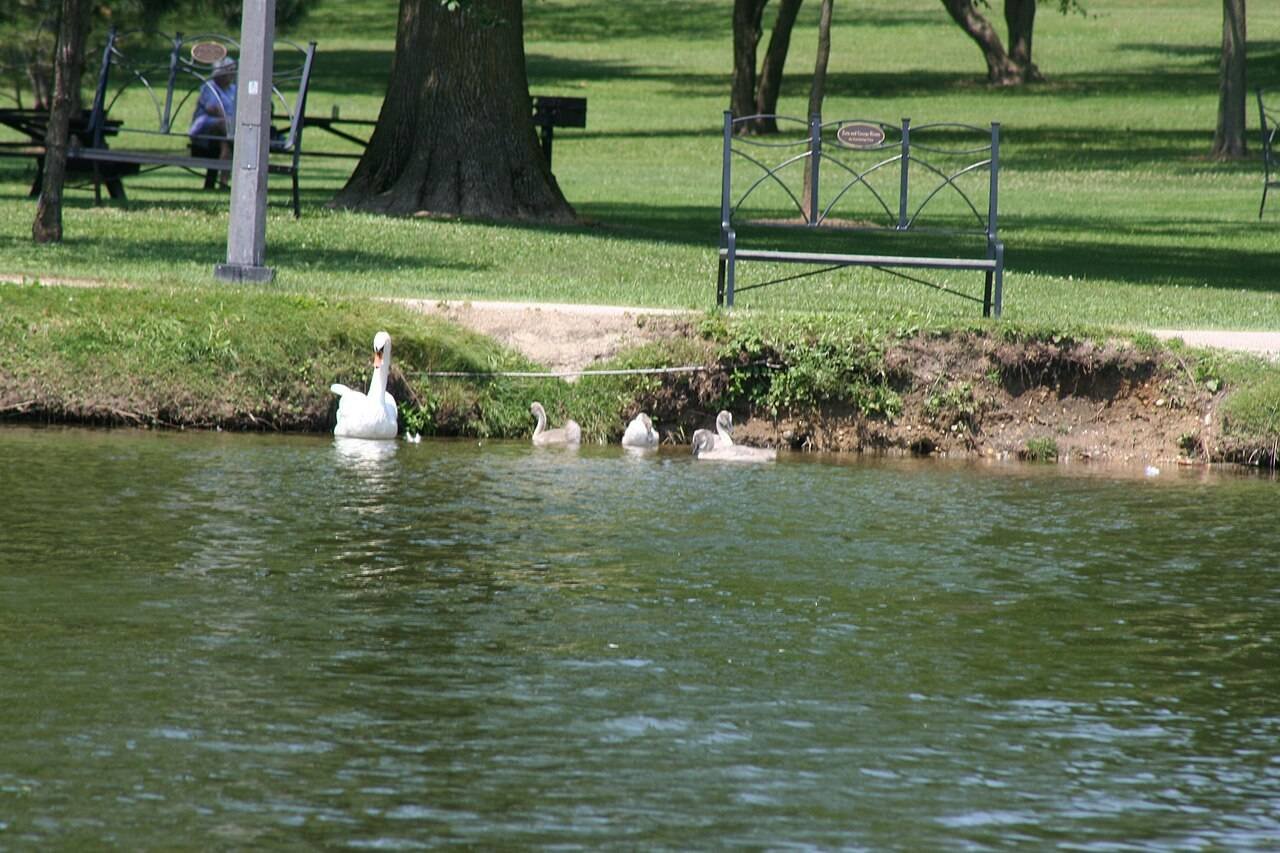
Stratford is a theatre town that happens to be gorgeous even if you never see a play: the Avon River winds past parkland where swans patrol like they own the place, the downtown is compact and walkable, and the food scene punches above a small town’s weight. If you do see a show — and the Stratford Festival is why most people come — book early, because the good seats go first. I’ll be honest: I once drove to Stratford without checking what was playing and spent the afternoon very happily eating my way down the main street instead. Not a failure, exactly, but the play would have been better.
Plan it as: morning drive, riverside walk, long lunch, afternoon show, dinner, evening drive home. Theatre days run long, so don’t stack a second stop onto a show day. → Stratford Festival — official site
6. St. Jacobs — the market one

St. Jacobs is two trips in one: the farmers’ market — one of the biggest in the region, with produce, baking, and crafts spilling across indoor and outdoor stalls — and the village itself, with its Mennonite country setting and a main street built for slow wandering. Go early, go hungry, and bring a bag you can actually carry: I once bought jam, bread, cheese, and a pie in the first twenty minutes and spent the rest of the morning redistributing my haul between my tote and my jacket pockets. The market is a morning event, so pair it with an Elora afternoon (stop 4). → St. Jacobs — official site
A vendor told me the best time to shop is the last hour before closing, when some stalls discount what’s left — but the best time to eat is the first hour, when the hot food stalls are fresh and the lines are short. I do both now: eat first, bargain-hunt last.
7. Blue Mountains — the four-season one
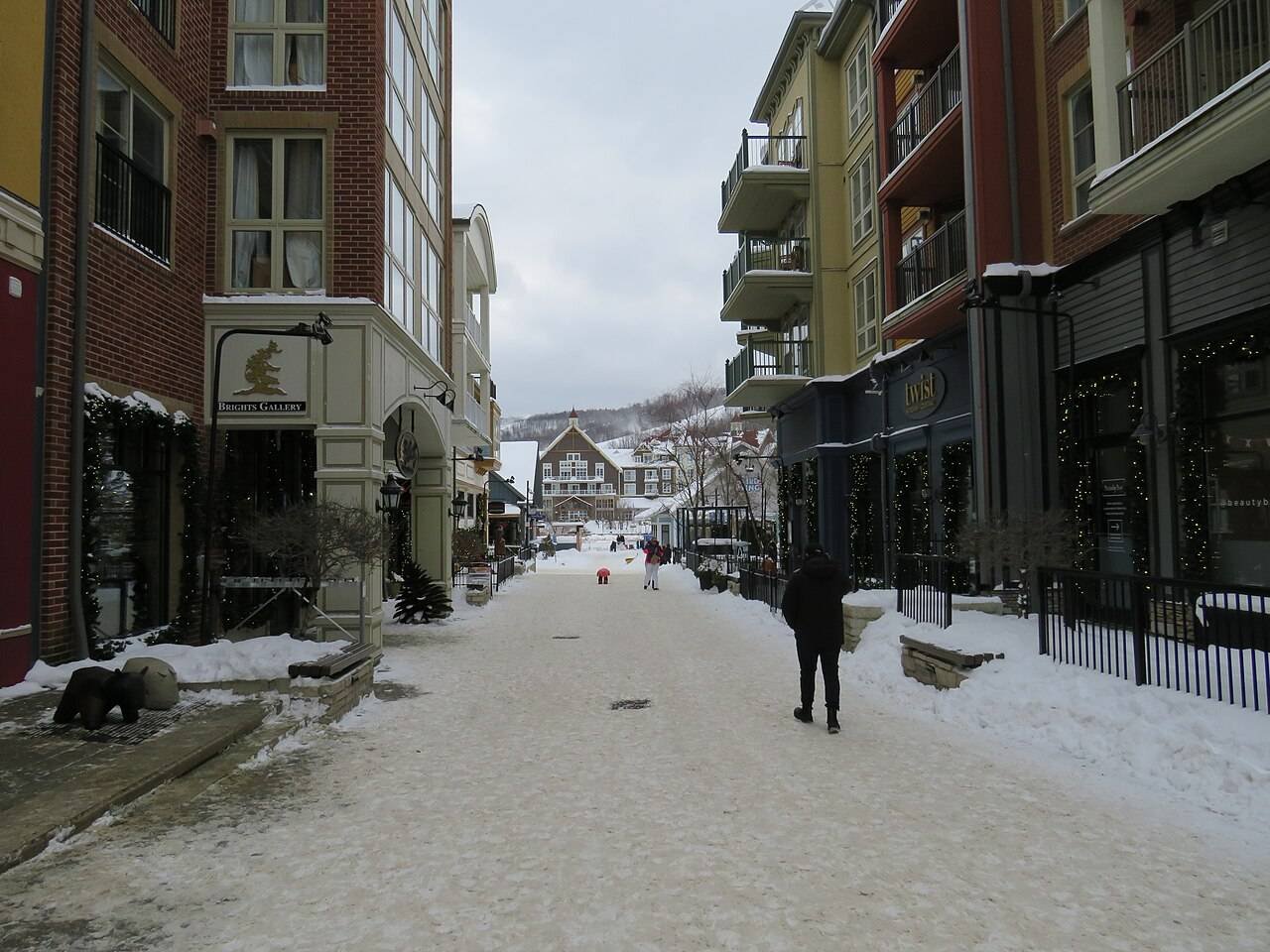
Blue Mountain is the trip that changes completely with the season. In winter it’s Ontario’s biggest ski hill, with the village at the base doing a convincing alpine impression. In summer the same slopes turn to hiking and mountain biking, the village patios fill up, and the escarpment views over Georgian Bay do the heavy lifting. The village is purpose-built and pedestrian-only — shops, restaurants, and patios in a compact loop — which makes it an easy day even with kids in tow. I checked lift and trail details on the resort’s official site before my last visit, since seasons and operations change — do the same, especially outside summer. → Blue Mountain Resort — official site
Winter weekends at Blue Mountain are busy in a way summer weekends aren’t — lift lines, parking lots, and village restaurants all fill up. If a winter Saturday is your only option, book lessons or rentals in advance and arrive early. In summer, the opposite applies: a weekday village wander is gloriously quiet.
8. Prince Edward County — the food-and-wine one

The County — Picton, Wellington, Bloomfield and the farm roads between them — is Ontario’s wine country with a small-town soul: vineyards, cideries, farm stands, and the long sandy beach at Sandbanks in summer. This is the trip where the driving is part of the pleasure, as long as you’ve picked a designated driver or a tour. My rule here matches NOTL: two or three stops, done properly, beat six stops done frantically. Picton’s main street is the anchor — lunch, a wander, and a harbour walk — and the county’s official visitor site is the best place to check what’s open, since small wineries keep seasonal hours. → Visit The County — official site
If you’re turning a day into a weekend, the County is the trip to do it with — it rewards the overnight more than any stop here except Kingston. And if you’re still hungry when you get home, my best food in Toronto guide is where that appetite goes next.
9. Kingston — the honest exception
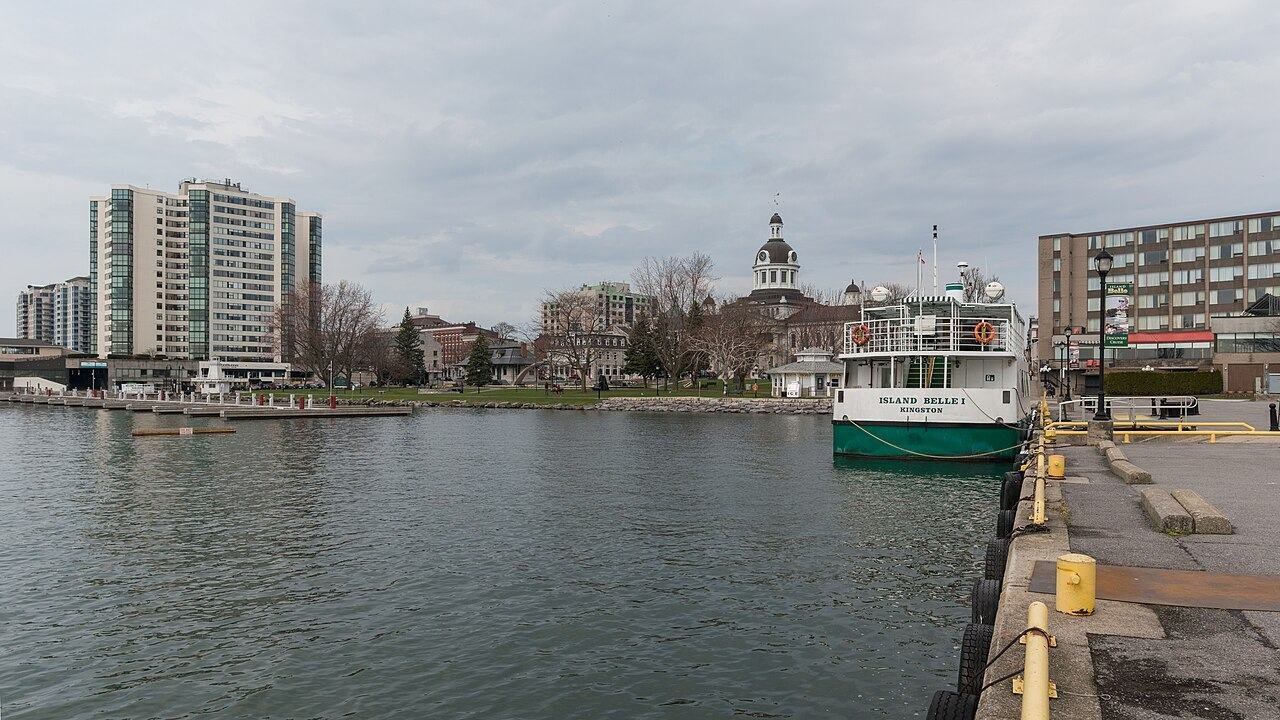
Kingston is on this list with a warning label, and I’d rather be honest about it than pad the list. At nearly three hours each way from Toronto, it is not a comfortable day trip — I tried it as one, once, and spent the drive home wondering whether I’d enjoyed the day or just the idea of it. As an overnight, though, it’s wonderful: a limestone downtown that earns the “Limestone City” name, a working waterfront on Lake Ontario, and a compact, walkable core that rewards an unhurried evening. If you only have one day, pick any of stops 1–8 instead, and save Kingston for the weekend it deserves. → Visit Kingston — official site
What does a day trip from Toronto cost?
Costs below are per person for one day trip, including your share of fuel or transit. Pick your travel style and number of days, and the calculator does the rest. Accommodation is not included — for the overnight exceptions (Kingston, the County), budget a hotel night on top.
Budget calculator
Per person, in Canadian dollars. Includes transport share. Excludes accommodation.
Budget ≈ $85/day · Mid-range ≈ $145/day · Luxury ≈ $275/day. Estimates only — attraction prices and fuel costs vary; check official sites before you go.
| Expense (per person / day) | Budget | Mid-range | Luxury |
|---|---|---|---|
| Food & drink | $35 | $60 | $110 |
| Sights & attractions | $15 | $25 | $50 |
| Getting around (fuel/transit share) | $25 | $40 | $80 |
| Coffee, treats & souvenirs | $10 | $20 | $35 |
| Daily total (excl. accommodation) | ~$85 | ~$145 | ~$275 |
FAQs about day trips from Toronto
What is the best day trip from Toronto for first-time visitors?
Niagara Falls, without hesitation — it’s the one trip every visitor expects, and it delivers. Go on a weekday, arrive before 9 AM, and pair it with my 1-day Niagara Falls itinerary so you don’t waste the morning figuring out the layout. If you’ve already done the Falls, Niagara-on-the-Lake is the gentler second trip, and Elora Gorge surprises people most.
Can you do day trips from Toronto without a car?
Yes, but only a few. Niagara Falls and Hamilton both work by GO Transit from Union Station, with a local bus or rideshare for the last stretch. For the other seven, a car (yours or a one-day rental) is the practical option — bus connections exist for some, but they eat the day. See my renting a car in Canada guide if you’re weighing a rental.
How far in advance should I leave Toronto for a day trip?
For the big names, leave by 8 AM. Niagara Falls, Elora Gorge and the Blue Mountains all change character after 10 AM, when parking fills and viewpoints crowd. For NOTL, Stratford and the County, a 9 AM departure still works, since the day is built around lunch and an afternoon wander. And for Kingston, honestly? Leave the night before.
What is the best time of year for day trips from Toronto?
May through October covers nearly everything here: gorge trails open, markets running, winery patios out, and the County at its best. July and August are the busiest (and the hottest for gorge walks — bring water). September is my pick: warm days, thinner crowds, harvest season in wine country. Winter flips the list — Blue Mountain becomes the star, and the rest mostly waits for spring. For the wider picture, see my best places to visit in Ontario guide.
Is Kingston really doable as a day trip from Toronto?
Honestly, barely — and I say that as someone who tried. At nearly three hours each way, a Kingston day trip gives you about four useful hours in the city between two long drives. It works only if you leave very early and keep the plan to the downtown core and waterfront. My real recommendation: make it an overnight, or pair it with a Prince Edward County weekend. The city deserves more than a pit stop.
How much does a day trip from Toronto cost?
Budget about $85 per person for a budget day (fuel or transit share, a market or café lunch, one paid sight), $145 mid-range, and $275 if you’re doing tastings, a show, and a proper dinner out. Use the calculator above for your own numbers. The budget-killers are Stratford theatre tickets and wine-country tasting fees — both worth it, both worth planning for. For the bigger picture, see my Canada trip cost guide.
Keep exploring
Toronto is the base camp — here’s where I’d go next:
- 1-day Niagara Falls itinerary — the classic escape
- Best weekend trips from Toronto — when one day isn’t enough
- 1-day Toronto itinerary — the city in a sprint
- 3-day Toronto itinerary — the relaxed version
- Where to stay in Toronto — near a subway line
- Best places to visit in Ontario — the wider province
- Toronto travel guide — the full companion
- Canada trip cost guide — budgeting the wider trip
You’ve got this. Pick one escape, leave by 8 AM, and come home with a spreadsheet of your own.