
Last updated: October 3, 2026

The short answer
- One region per trip: BC is bigger than most European countries — pick one or two regions (coast, island, Okanagan, or Rockies) per 5–7 days, or you’ll spend the whole trip driving.
- Book BC Ferries early: vehicle spots on summer weekend sailings sell out; foot passengers (~$21/adult) have it easier, and saver fares start from ~$15/$49.
- Budget anchors: mid-range hotels run ~$250–400/night, major attractions $44–110, and a Parks Canada Discovery Pass ($83.50/adult) pays off on multi-park trips.
I’ll be honest: my first trip to British Columbia was a disaster of my own making. I had eight days, a rental car, and a color-coded spreadsheet that said I could do Vancouver, Whistler, Victoria, Tofino, the Okanagan, AND the Rockies. I drove 2,400 kilometres, saw a lot of windshield, and actually experienced about three of those places. So here’s the thing I wish someone had told me: BC rewards depth, not breadth. Pick your region, settle in, and let the province do the rest.
This guide is everything I’ve learned across five visits — the regions explained, 2026 prices and ferry fares I double-checked on official sites in October 2026, when to go, what it costs, and three ready-made itineraries. Fair warning: by the end of this, your “maybe someday” list will be much longer than when you started.
BC’s regions at a glance
British Columbia has six official tourism regions, and they genuinely feel like different countries. Here’s my plain-English version, from west to east:
The Lower Mainland & the Sea-to-Sky

This is where almost everyone starts: Vancouver, then Highway 99 north through Squamish to Whistler. The Sea-to-Sky corridor is 120 km of “pull over, I need a photo” — Shannon Falls, the Stawamus Chief, Howe Sound viewpoints. Whistler itself needs no introduction: the PEAK 2 PEAK Gondola ($110/adult for the 2026 summer sightseeing season) is worth every penny at least once.
Pro tip: if you’re doing this corridor without a car, it is genuinely easy — coaches run Vancouver–Whistler daily from ~$32 one-way. See my full breakdown in the 3-day Whistler itinerary.
Vancouver Island & the Gulf Islands
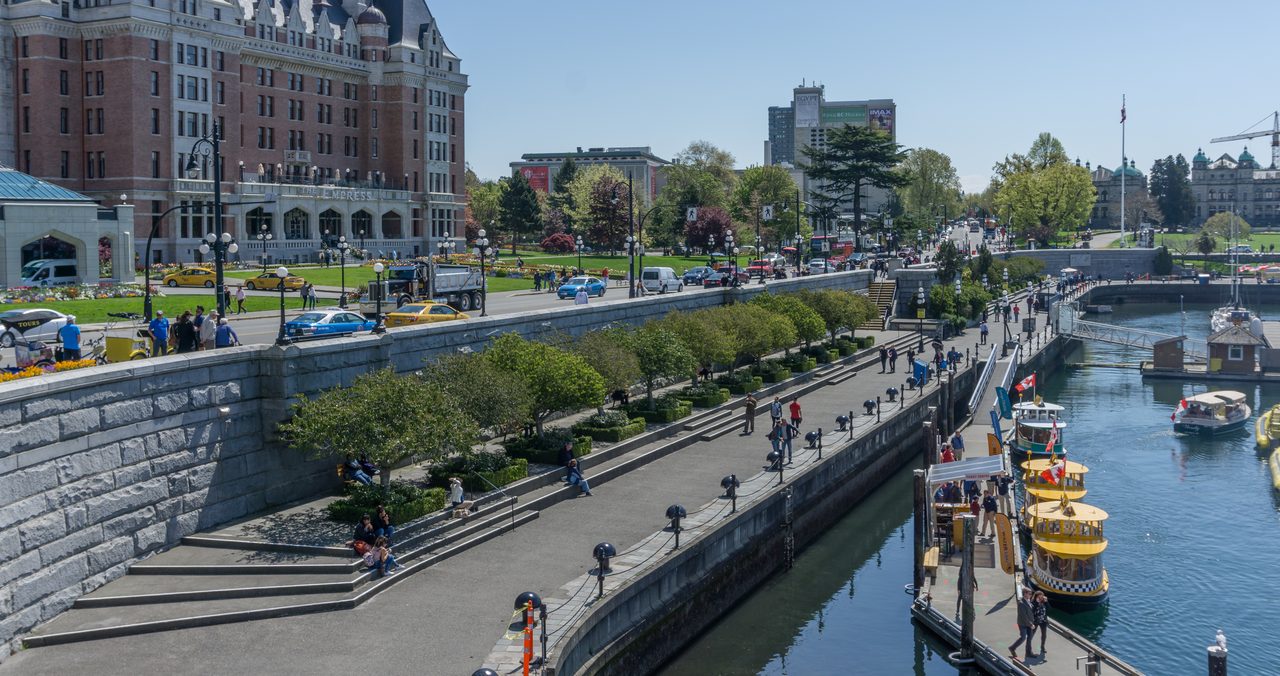
The Island is BC’s greatest-hits album: Victoria’s very British Inner Harbour (afternoon tea is a thing here, and it’s a good thing), The Butchart Gardens, Cathedral Grove’s 800-year-old Douglas firs, and Tofino’s wild Pacific beaches on the far west coast. The Gulf Islands — Salt Spring, Galiano, Pender — are the slow-travel version: cycling, farm stands, galleries, zero rush.
I’ve done the Nanaimo-to-Victoria drive four times now, and I still stop at Cathedral Grove every single time. Those trees make you feel about six inches tall, and I mean that as a compliment.
The Thompson Okanagan
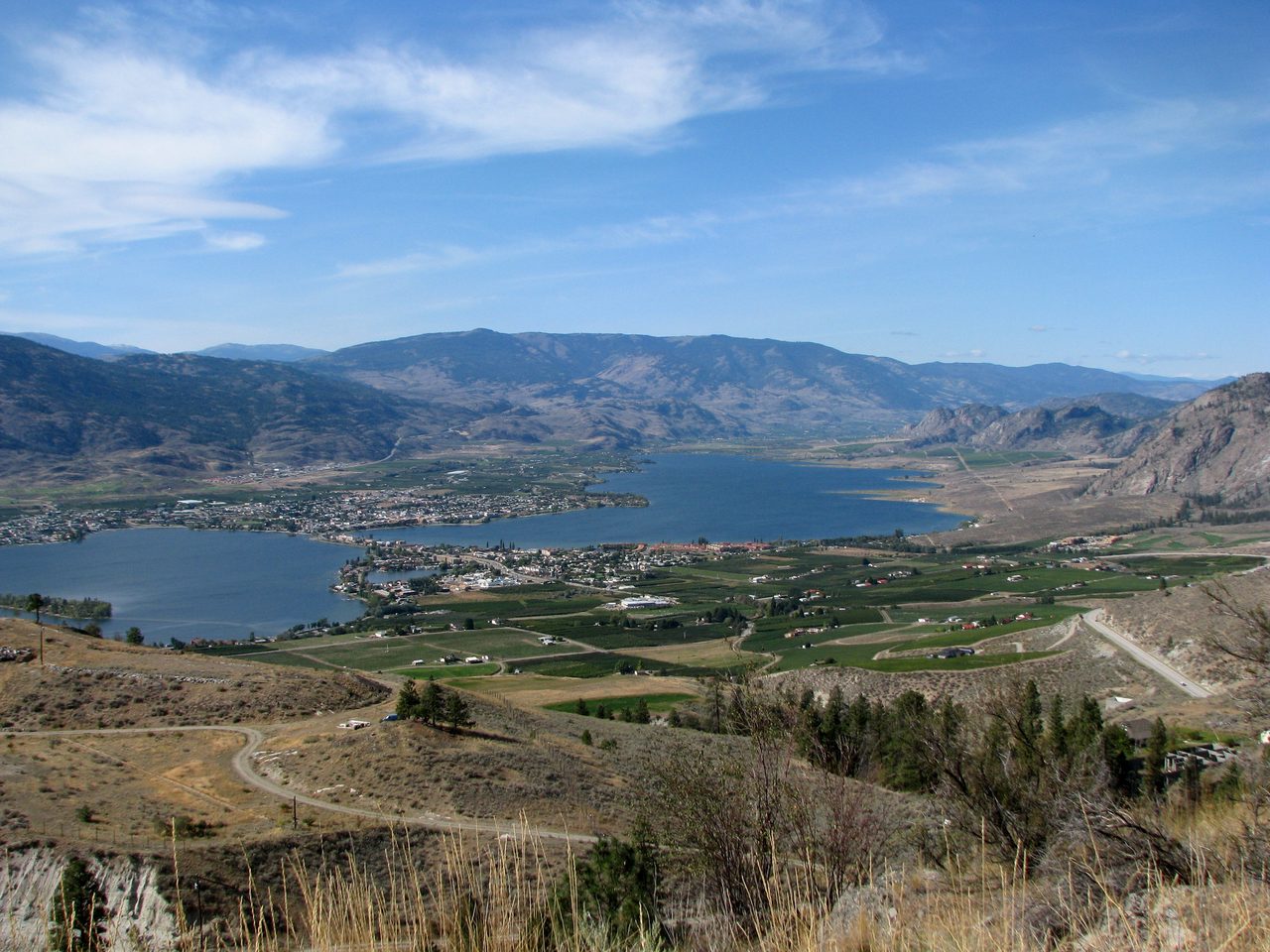
Cross the Coast Mountains and BC turns into a different planet: Canada’s only true desert around Osoyoos, orchards, and 180+ wineries between Kelowna and the US border. Summer days hit 30°C+, the lakes are swimmable, and the wine — particularly the Rieslings and Pinot Noirs — is the real deal.
I packed for “Vancouver in September” on my first Okanagan trip and nearly melted in Osoyoos while my rain jacket sat useless in the trunk. Pack for the interior, not the coast. Trust me on this one.
The Kootenay Rockies

The “Powder Highway” loop of ski towns (Revelstoke, Nelson, Fernie), natural hot springs, and turquoise glacial lakes. On the BC–Alberta border sit Yoho and Kootenay National Parks — Emerald Lake, Takakkaw Falls, the Burgess Shale fossils — with a fraction of Banff’s crowds. I watched sunset turn Emerald Lake gold with maybe ten other people there. In August. Banff could never.
Northern BC & the Great Bear Rainforest

BC’s true frontier: vast, remote, and home to one of the largest intact temperate rainforests on Earth. This is spirit bear country — the rare white Kermode bear found almost nowhere else — and prime grizzly viewing around Bella Coola during the salmon run (late August to October). It takes real effort to get here (fly, long drive, or expedition cruise), and that is exactly the point.
Getting around BC: ferries, roads & rail
BC Ferries: reserve, or regret

The ferry from Tsawwassen (near Vancouver) to Swartz Bay (near Victoria) is 95 minutes of genuinely lovely sailing through the Gulf Islands — part of the trip, not just transport. I double-checked the 2026 fares on BC Ferries’ official site before writing this: adult foot passengers ~$21 (saver fares from ~$15 on select sailings), vehicles up to 20 ft ~$89 one-way (saver vehicle+driver fares from ~$49), plus a ~$20 reservation fee for vehicles.
Here’s what I learned the sweaty, parking-lot way: on summer weekends, vehicle spots sell out and standby means watching two sailings leave without you. Book the reservation. Walk-on passengers have it much easier — no reservation needed, and you skip the whole vehicle lineup. → BC Ferries — official fares & reservations
Driving: distances are real, winter tires are law
Vancouver to Kelowna is 4 hours. Vancouver to Tofino is 5+ hours plus a ferry. Calgary to Vancouver is 10–11 hours across the entire width of the southern province. Plan one big drive day per region change, max.
Winter driving note (and this one matters — it’s the law): winter tires are required on most BC highways outside the Lower Mainland and southern Vancouver Island from October 1 to March 31 (April 30 on select mountain passes), with a $121 fine for non-compliance. M+S is the legal minimum; the mountain-snowflake symbol is better. If you’re renting in winter, confirm the tires at pickup — I once assumed, and the rental agent’s expression told me everything.
You don’t need a car in Vancouver
SkyTrain, SeaBus, and buses cover Stanley Park, Granville Island, Gastown, and the airport easily — tap on, tap off with a Compass card, and a day pass costs about the same as two single rides. I timed it: downtown to YVR is 25 minutes on the Canada Line. Rent the car only when you’re leaving the city. The full car-free playbook is in our Ultimate Vancouver Travel Guide.
For entry paperwork: most international visitors need an eTA (~$7) or a visa — check the official Government of Canada site before booking flights.
When to visit BC: a season-by-season breakdown
| Season | What’s good | What’s not |
|---|---|---|
| Summer (Jul–Aug) | Peak everything: alpine hiking, warm Okanagan lakes, festivals, long days | Crowds, peak prices, ferries and popular trails need reservations |
| Winter (Dec–Mar) | Whistler and the Powder Highway at their best; cities stay mild | Coastal rain; mountain driving requires winter tires |
| Shoulder (May–Jun, Sep–Oct) | My favourite: fewer crowds, lower prices, whale migration in spring, salmon run in fall | Alpine trails may still hold snow in May; some attractions shorten hours |
Here’s the thing about BC weather: the coast and the interior are different climates wearing the same province costume. It can be 12°C and drizzling in Tofino while it’s 32°C and cloudless in Osoyoos — on the same day. I now pack a waterproof shell and a swimsuit on every BC trip, no matter the month. That combination has never once been wrong.
The two cities: Vancouver & Victoria
Vancouver: the city in the postcards
Do Stanley Park first — rent a bike (~$10–15/hour near the park entrance) and ride the 9 km seawall loop. I showed up at 11 AM on a Saturday once. Never again: go before 9 AM or after 4 PM and you’ll have the totem poles nearly to yourself. Then Granville Island’s Public Market for lunch (the food hall, not the sit-down places — trust me), and Gastown’s cobblestones and steam clock for the evening.
The big-ticket splurge is the Capilano Suspension Bridge (~$75/adult in 2026 — I double-checked on their official tickets & hours page, and prices vary by season). Book a morning arrival window; the bridge is magical and the midday crowds are not.
Victoria: afternoon tea and 55 acres of flowers

Victoria is a 95-minute ferry plus a 40-minute drive from Vancouver — or a 35-minute seaplane hop if you’re feeling fancy. The headliner is The Butchart Gardens: 55 acres of Sunken Garden, Rose Garden, and Japanese Garden. Summer admission (June–September) is $44.25/adult; I checked the seasonal pricing on the official Butchart Gardens site and it varies by month, so confirm before you go. Arrive at the 9 AM opening — I did the 2 PM-in-August version once and the 9 AM version the next day, and they are not the same experience.
Walk the Inner Harbour, tour the Parliament Buildings, and do not skip afternoon tea — it’s the city’s signature ritual. Our Victoria travel guide has the full plan.
Getting outside: hiking, wildlife & national parks
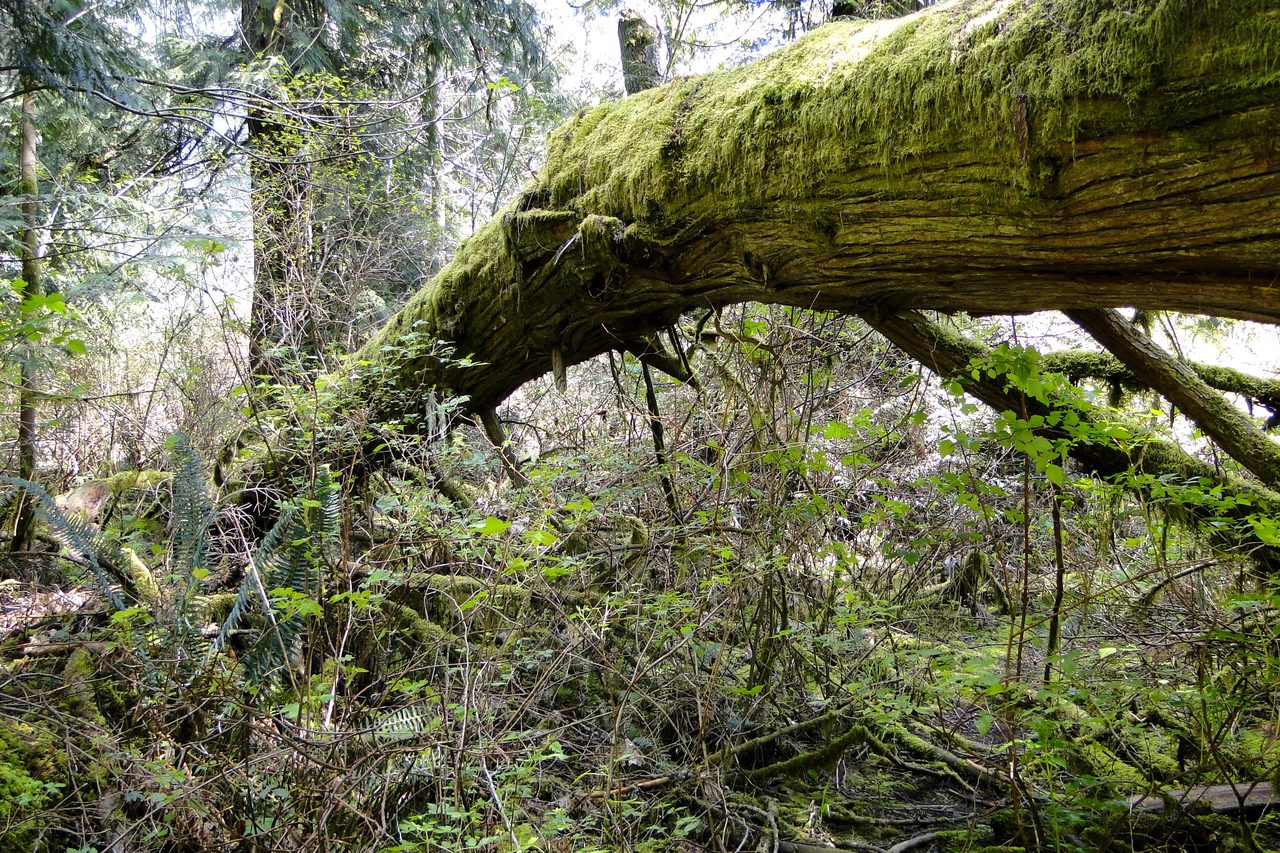
Hiking: the legendary 75 km West Coast Trail (permit lottery, book months ahead), Joffre Lakes’ three turquoise lakes (day-use pass required in summer — and do not skip the third lake, everyone stops at the second and they’re wrong), and Garibaldi’s Panorama Ridge. Many popular trails now use day-use passes to manage crowds; check BC Parks before you go.
Wildlife: Johnstone Strait for orcas, Bella Coola for grizzlies fishing salmon, and Tofino for grey whales (the Pacific Rim Whale Festival runs each March). Whale-watching tours run roughly ~$60–170/adult depending on the boat — a barista in Tofino told me the zodiac rides are the most fun but the covered boats are the warmest, and she was right on both counts. Book with operators that follow wildlife-viewing guidelines.
National parks: quick heads-up on 2026 — the Canada Strong Pass gave free Parks Canada admission from June 19 to September 7, 2026, but that has now ended, so regular fees apply again. A Discovery Pass is $83.50/adult for the year (youth 17 and under are free), which pays for itself on any multi-park trip. → Parks Canada — plan your Yoho visit
Three ready-made BC itineraries
Here’s the thing about planning BC: decision fatigue is real, and this province is the perfect place to get it. So I pulled three ready-made routes out of my own trip notes — I’ve done every piece of these at least once, in whole or in part. Pick the one that fits your trip length.
The First-Timer — 7 days
This is the trip I’d hand a friend who gets one week and wants zero regrets.
- Days 1–2 — Vancouver: Stanley Park seawall loop (go before 9 AM, trust me), Granville Island for lunch, Gastown’s steam clock at night.
- Days 3–4 — Whistler: up the Sea-to-Sky corridor, PEAK 2 PEAK Gondola, one full day of exploring the village and alpine trails.
- Day 5 — travel day: ferry to Nanaimo, then the drive across to Tofino or up to Cathedral Grove country. This is the one long drive day — plan for it.
- Days 6–7 — Victoria: The Butchart Gardens at 9 AM opening, the Inner Harbour, and afternoon tea. You’re allowed to be a tourist here.
The Ultimate BC Road Trip — 14 days
For the trip-of-a-lifetime crowd (and, full disclosure, the trip I’d most like to do again). Days 1–3: Vancouver and Whistler. Days 4–7: ferry to the Island for Victoria, Cathedral Grove, and Tofino’s beaches. Days 8–10: back to the mainland for Okanagan wine country — Kelowna makes the perfect base. Days 11–14: the Kootenay Rockies: Revelstoke, then Yoho’s Emerald Lake and Takakkaw Falls on the way east. See the full route in our BC road trip itinerary.
The Wine & Waterfalls Loop — 10 days
Days 1–4: Kelowna as your home base — tastings, lake time, and at least one long patio dinner. Days 5–6: drive north through ranch country toward Kamloops and Wells Gray. Days 7–10: Wells Gray Provincial Park, “Canada’s Waterfall Park” — Helmcken Falls is the fourth-highest waterfall in Canada and it thundered louder than I was prepared for (I showed up expecting a lookout and left with a damp jacket and zero regrets). Vineyards, then waterfalls: the contrast is the whole point.
What does a BC trip cost in 2026?
Sample mid-range budget per adult, per day (prices checked October 2026; items marked ~ are estimates):
| Item | Cost (CAD) |
|---|---|
| Mid-range hotel (Vancouver, Victoria, Whistler) | ~$250–400/night |
| BC Ferries: vehicle + driver, one-way | ~$89 + $21/adult (savers from $49) |
| Capilano Suspension Bridge | ~$75 |
| The Butchart Gardens (summer) | $44.25 |
| PEAK 2 PEAK Gondola (Whistler, summer) | $110 |
| Whale watching (Tofino) | ~$60–170 |
| Parks Canada Discovery Pass (annual) | $83.50/adult |
| Food & drinks | ~$60–100/day |
A comfortable one-week trip for two runs roughly ~$2,500–4,000 CAD excluding flights — and the shoulder seasons (May–June, September–October) are the game-changer for your wallet, with lower hotel rates and thinner crowds everywhere.
Timeline at a glance
| Itinerary | Length | The route | Best for |
|---|---|---|---|
| The First-Timer | 7 days | Vancouver → Whistler → Nanaimo/Tofino → Victoria | One perfect week, maximum highlights, minimal suffering |
| The Ultimate BC Road Trip | 14 days | Vancouver → Whistler → the Island → Okanagan → Kootenay Rockies | The trip-of-a-lifetime crowd |
| The Wine & Waterfalls Loop | 10 days | Okanagan wine country (Kelowna) → Wells Gray Provincial Park | Wine lovers who also want thundering waterfalls |
FAQs about traveling in British Columbia
How many days do you need in British Columbia?
A minimum of 7 days for one region done well — say, Vancouver + Whistler + Victoria, or the Okanagan + the Kootenays. Two weeks lets you combine the coast with the interior or the Rockies. Don’t try to see the whole province in a week; I did, and I mostly saw Highway 1.
Is it better to rent a car or use public transit in BC?
Both, in sequence. You don’t need a car in Vancouver (SkyTrain and buses cover it), and the Vancouver–Whistler corridor is easy by coach. But for Vancouver Island beyond Victoria, the Okanagan, the Kootenays, or Northern BC, you need your own wheels. From October to March, make sure the rental has legal winter tires for mountain highways.
How much does a week in BC cost?
For a mid-range trip in 2026, budget roughly $2,500–4,000 CAD for two people excluding flights: ~$250–400/night for hotels, ~$60–100/day per person for food, plus attraction tickets ($44–110 each) and ferry fares. Shoulder season (May–June, September–October) cuts accommodation costs noticeably.
When is the best time to visit British Columbia?
July and August for the classic experience — alpine hiking, warm lakes, festivals — with the highest prices and crowds. December to March for skiing at Whistler and the Powder Highway. My personal pick: May–June or September–October, for thinner crowds, lower prices, spring whales, and the fall salmon run.
Do I need to book BC Ferries in advance?
For vehicles on summer weekends and holidays: absolutely, yes — book the ~$20 reservation along with your sailing, or risk multi-sailing standby waits. Foot passengers don’t need reservations and can use cheaper saver fares (from ~$15 adult). I learned this the parking-lot way so you don’t have to.
Are Canada’s national parks free in 2026?
They were, briefly: the Canada Strong Pass covered free Parks Canada admission from June 19 to September 7, 2026, but that program has ended. Regular fees now apply — a Discovery Pass is $83.50/adult for a full year (youth 17 and under enter free), which is the best deal for any multi-park itinerary. Check the Parks Canada site for current daily rates.
Keep exploring
- The Ultimate Vancouver Travel Guide: 2026 Edition
- The Ultimate Victoria Travel Guide: 2026 Edition
- The Ultimate British Columbia Road Trip Itinerary
- The Ultimate Vancouver Island Road Trip Itinerary
- The Ultimate 3 Days in Whistler Itinerary: 2026 Guide