

Last updated: October 3, 2026
The short answer
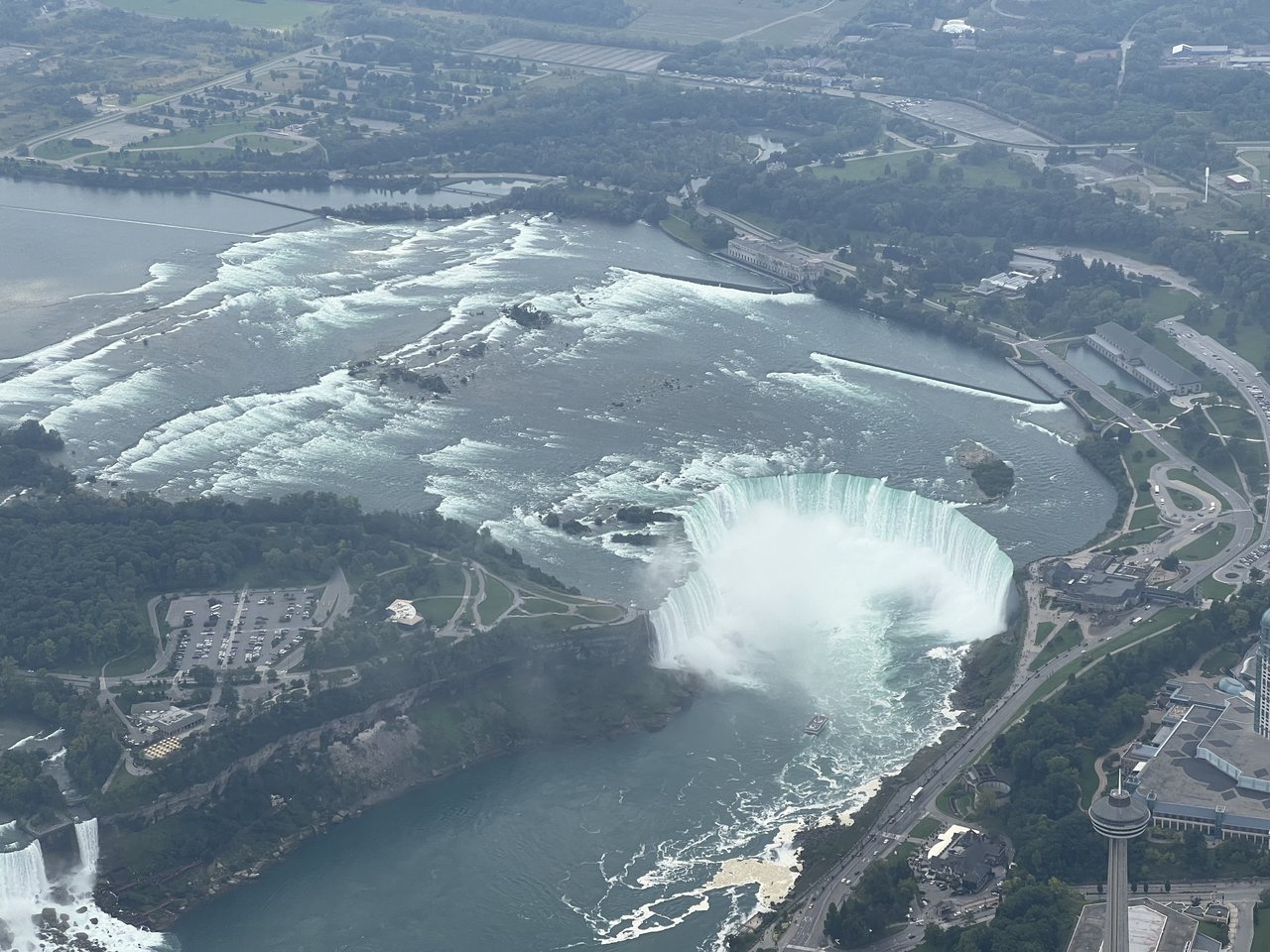
- Days 1–2: Toronto to Niagara Falls (~130 km). The Horseshoe Falls boat ride (adult ~$43), Clifton Hill’s neon chaos, then wine country in Niagara-on-the-Lake.
- Days 3–5: North to Muskoka cottage country, then two full days in Algonquin Park. Canoe mornings, a steamship cruise, and moose on the Highway 60 corridor at dawn. Campsites here sell out the morning the 5-month booking window opens.
- Days 6–7: West to Blue Mountain’s ridge, then up the Bruce Peninsula to Tobermory — the Grotto’s turquoise water, glass-bottom wrecks in Fathom Five, and a ~4-hour drive back to Toronto.
Here’s the deal with Ontario. It’s over a million square kilometres — bigger than most countries, and most people see one corner of it and think they’ve seen the province. I drove the classic loop twice before I wrote this down, and the second time I did it on purpose: to stop making the mistakes I made the first time.
Seven days. Roughly 1,600–1,800 km depending on your side quests. Toronto to Niagara Falls to Muskoka to Algonquin to Blue Mountain to Tobermory and back to Toronto. It’s a lot of asphalt, but no joke — every leg earns its place. Buckle up.
Before you roll: logistics that actually matter
The rig. Whatever you drive, get unlimited kilometres on the rental. Ontario distances will eat a mileage cap alive — you’ll cover more ground in one week here than most people drive in a month. I double-checked my rental’s fine print at the counter in Toronto the morning I left. Good thing, too.
Gas up early, gas up often. My one hard rule: never let the tank drop below half once you’re north of Huntsville. I ran mine to the warning light on Highway 60 east of Algonquin once and coasted into a station at Whitney on fumes and prayer. I’ve made this mistake so you don’t have to.
Park permits. Ontario Parks charges a daily vehicle permit for day use — I checked the current rates on Ontario Parks’ reservation site before I wrote this: roughly ~$11–21 per vehicle per day depending on the park (Algonquin sits at the top end). Camping is ~$35–75 per night. There’s a seasonal pass if you’re hitting a lot of parks — do the math.
Book campsites at 7:00 AM, five months out. This isn’t advice, it’s a fact of life. Ontario Parks opens reservations exactly five months ahead, and bookings go live at 7:00 AM sharp. Algonquin and Killbear sites vanish within minutes on summer weekends. I set an alarm for 6:55 AM for my Algonquin nights and still lost the waterfront site I wanted. Set the alarm. Have a backup park.
Cell service dies in the north. Download offline maps before you leave Toronto. Past the towns, your phone is a very expensive camera. I keep a paper road atlas in the back seat — old school, works every time.
Days 1–2: Toronto to Niagara Falls and wine country
8:00 AM — Point the rig south (Toronto → Niagara Falls, ~130 km / ~1.5 h)
Take the QEW out of Toronto and follow the signs. It’s the easiest leg of the trip — straight, fast, and you’ll see the Falls’ mist from the highway if the wind’s right. Arrive before 10 AM if you can; the tour-bus armada shows up around noon and parking near the Falls gets ugly. Starting from Toronto? Our 3-day Toronto itinerary covers what to do with extra city days.
10:30 AM — Get close to the Horseshoe Falls (boat ride, adult ~$43)
The boat tour (Voyage to the Falls, run by Niagara City Cruises) is the thing you can’t skip. Twenty minutes. They hand you a poncho. The poncho holds for about thirty seconds inside the Horseshoe Falls’ spray — mine gave up near the end and I came out soaked to the skin, grinning like an idiot. Worth it. Adult tickets run ~$43 + tax in 2026; the boats sail May through November, so winter road-trippers get Journey Behind the Falls instead. For the full breakdown, see our 1-day Niagara Falls itinerary.
3:00 PM — Clifton Hill, then escape to Niagara-on-the-Lake (~25 km north)
Clifton Hill is pure neon tourist-trap energy. Walk it once, laugh, leave. Then drive 20 minutes north to Niagara-on-the-Lake and let your blood pressure drop. The 19th-century main street, the vineyards, the lake breeze — it’s a different universe. I had an icewine tasting at a small winery on the Niagara Parkway that reset my whole mood. Budget ~$25–35 for a tasting flight. Sleep here or back in Niagara Falls; both work.
Days 1–2 spending: boat ~$43 + tastings ~$30 + food ~$120 ≈ ~$195 (excluding hotel).
Day 3: North to Muskoka — cottage country
9:00 AM — The long leg north (Niagara → Gravenhurst, ~250 km / ~3 h)
Cut back through Toronto on the 400 north and watch the suburbs dissolve into granite and pine. This is the longest single haul of the classic loop, and it’s the transition that makes the trip: by the time you hit Bracebridge, the air smells different. Gas up before you leave the highway — stations get sparse.
2:00 PM — Lake Muskoka and the steamship cruise (adult ~$45)
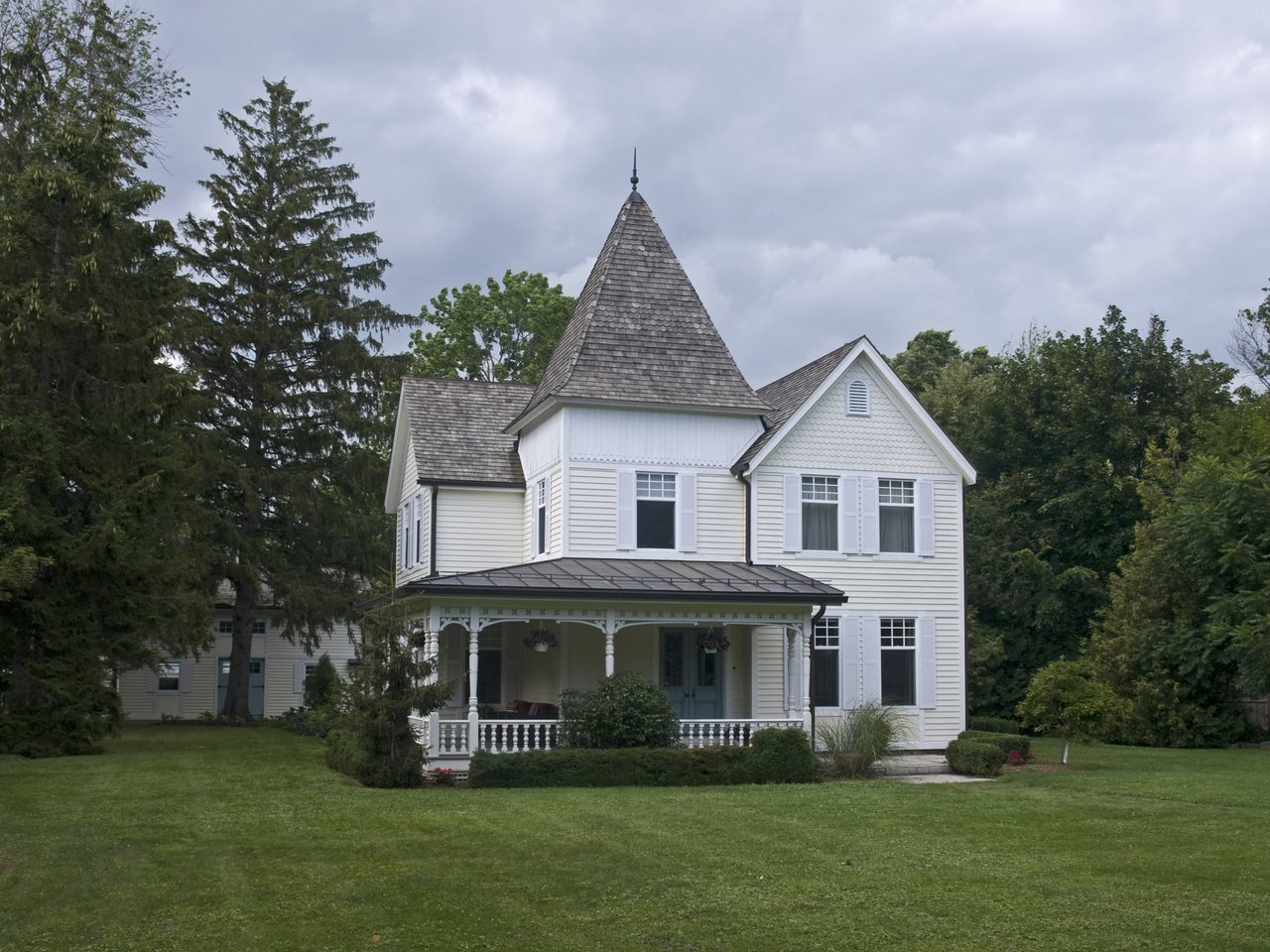
Muskoka is Canada’s cottage country — clear lakes, pink granite shorelines, and summer estates the size of small towns. The old steamships still cruise Lake Muskoka out of Gravenhurst, and a 1–2 hour sightseeing cruise (adult ~$45) is the lazy way to see the whole scene: the docks, the boathouses, the Group of Seven landscapes that put this place on the map. I sat on the upper deck with a coffee and did absolutely nothing for two hours. Zero regrets.
Wander Bracebridge or Gravenhurst after — the bakeries and the brewery patios are the real lunch plan. Sleep in Huntsville; it’s the gateway to Algonquin and your base for the next two days.
Day 3 spending: cruise ~$45 + food ~$60 ≈ ~$105 (excluding hotel).
Days 4–5: Algonquin Provincial Park — the crown jewel
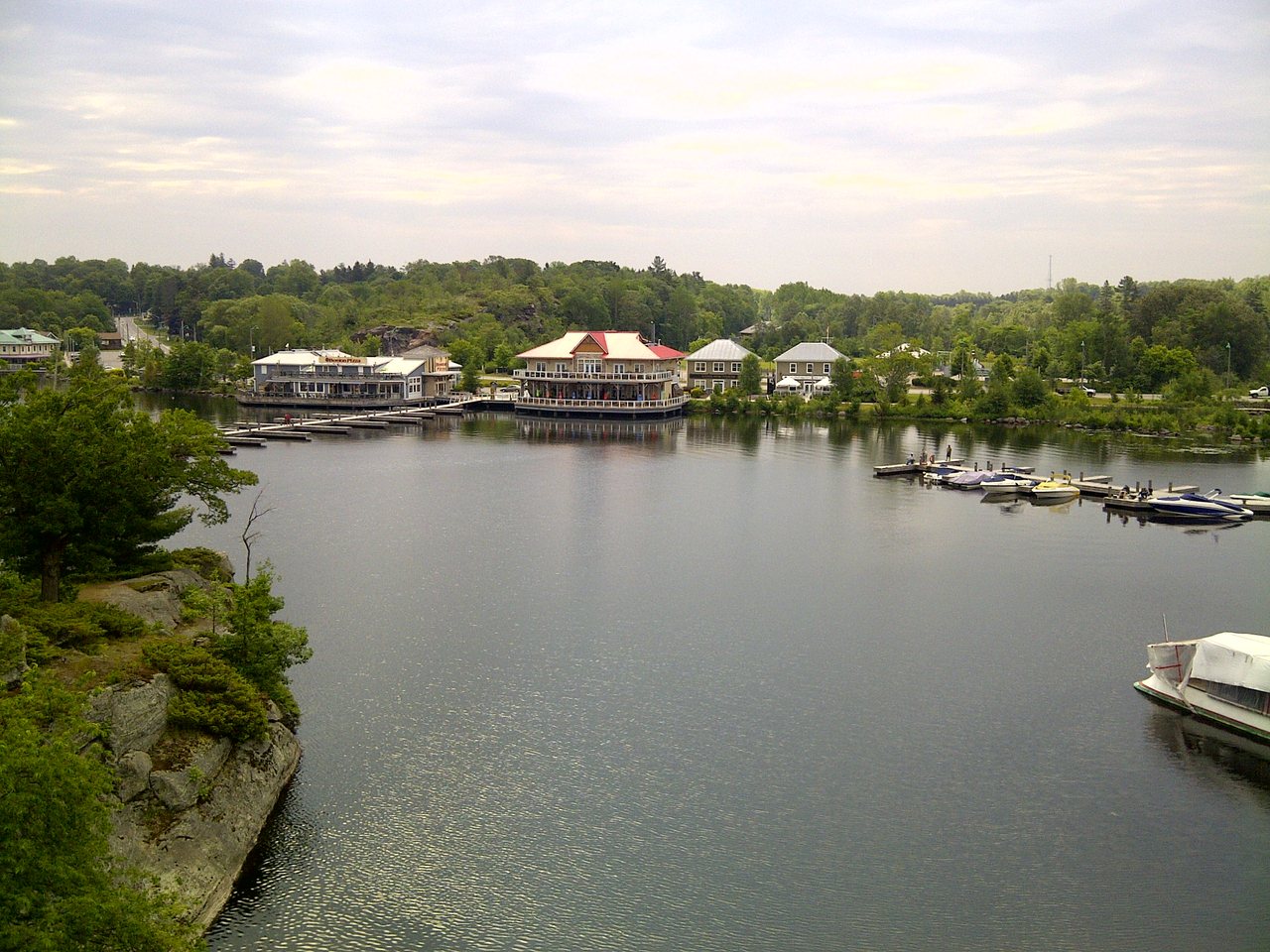
Algonquin is the reason this whole itinerary exists. Nearly 7,700 square kilometres of lakes, moose, and old-growth forest, cut by a single road — Highway 60 — running 56 km through the park’s southern edge. Give it two days. One is a drive-through. Two is a trip.
Day 4, 7:00 AM — Dawn on the Highway 60 corridor (free, if you’re lucky)
Here’s the thing about moose: they’re on a schedule, and it’s not yours. A park warden at the east gate told me the Highway 60 corridor is prime moose territory at dawn — especially the wetlands around the Tea Lake and Sunday Creek areas. I was out at 6:45 AM, thermos in the cupholder, and had to stop the rig in the middle of the road for a cow moose standing in the mist like she owned the highway. She did. Drive slow, windows down, and don’t crowd them.
Day 4, 10:00 AM — Canoe rental on Canoe Lake (full-day rental ~$60)
Algonquin is a paddler’s park — over 2,000 km of canoe routes. You don’t need a backcountry permit for a day rental; outfitters at Canoe Lake and Opeongo Lake rent canoes by the day (~$60, estimate). I paddled Canoe Lake’s north arm on a glass-calm morning and watched a loon dive twenty feet from my boat. Paddling beats driving here. It’s not close.
Day 4, 4:00 PM — A short trail (free with day-use permit)
The Highway 60 trails range from easy boardwalks to proper climbs. The Lookout Trail (2.1 km, steep) earns its view. Peck Lake is flat and pretty. Pick one based on how your legs feel after paddling — mine were rubber, so I took the boardwalk and lied to no one about it.
Day 5 — Sleep in, then the Algonquin Logging Museum and Art Centre (small fee)
Day 5 is your slow day. The Logging Museum (~$5–8, estimate) and the Algonquin Art Centre are both right off Highway 60 and take a couple of hours combined. Then find a lake, sit on a rock, and do the thing road trips are for: nothing. That evening, drive west out of the park toward Collingwood (~230 km / ~3 h) for the night — or sleep in Huntsville again and roll early.
Days 4–5 spending: day-use permits ~$21 + canoe ~$60 + museum ~$8 + food ~$120 ≈ ~$210 (excluding hotel).
Day 6: Blue Mountain and the ridge
9:00 AM — West to Collingwood (~230 km / ~3 h from Algonquin’s west gate)
Highway 11 south, then cut west. The land flattens, the farms take over, and then the Niagara Escarpment rises out of nowhere — that’s Blue Mountain, Ontario’s biggest ski hill and a summer playground.
1:00 PM — Scenic Caves Nature Adventures (~$32 adult, estimate)
Fifteen minutes from the village, Scenic Caves has the suspension bridge walk across a gorge with Georgian Bay spread out below — the water really is that blue. The caves and caverns are a proper scramble in spots. I went on a weekday and had the bridge nearly to myself; weekends get busy, so book ahead in summer.
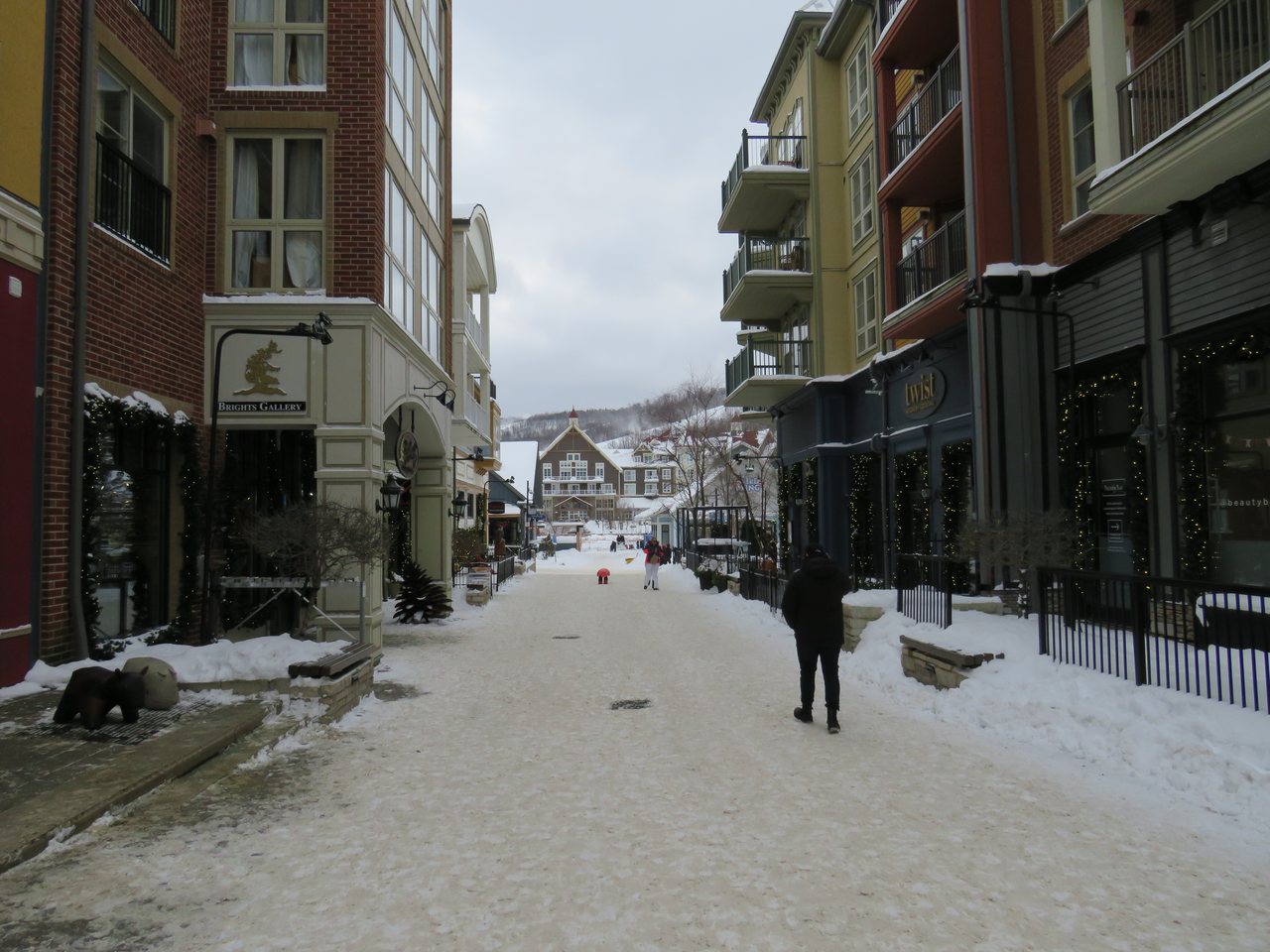
5:00 PM — Blue Mountain Village
The village at the base is built for exactly this: patios, live music in summer, and a gondola ride up the ridge if your legs are still willing. It’s touristy, sure — but after five days of granite and moose, a little civilization feels earned. Drive north to Owen Sound or Tobermory for the night to get ahead of Day 7.
Day 6 spending: Scenic Caves ~$32 + food ~$60 ≈ ~$95 (excluding hotel).
Day 7: Tobermory and the Bruce Peninsula — the finale
8:00 AM — Up the peninsula to Tobermory (~200 km / ~2.5 h from Collingwood)
Highway 6 north to the tip of the Bruce Peninsula. The road narrows, the limestone cliffs close in, and Lake Huron turns a Caribbean blue that doesn’t look real. It’s real. Gas up in Owen Sound or Wiarton — nothing much between Wiarton and Tobermory.
10:30 AM — The Grotto, Bruce Peninsula National Park (advance parking reservation required)

The Grotto is the poster shot of the whole trip: a sea cave carved into limestone, filled with water so clear and blue it looks Photoshopped. Here’s the catch — you cannot just drive up. Parking at the Grotto requires an advance reservation through Parks Canada, and summer weekends sell out. I booked mine on Parks Canada’s site before the trip and walked straight past the turned-away cars at the gate. The hike in is about 30–45 minutes each way over rocky shoreline; wear real shoes, not flip-flops. I watched a guy in flip-flops do this hike. Don’t be that guy.
2:00 PM — Glass-bottom boat to the Fathom Five wrecks (~$40 adult, estimate)
Tobermory’s harbour is the jumping-off point for Fathom Five National Marine Park — 22 shipwrecks in water so clear you can see them from the boat. The glass-bottom tour (about 2 hours, ~$40 adult) cruises Flowerpot Island and drifts over two wrecks. I leaned over the glass panel and watched a schooner materialize out of the blue like a ghost. No joke — I stood there longer than the schedule allowed.
5:30 PM — The long drive home (Tobermory → Toronto, ~295 km / ~4 h)
Fill up in Tobermory, grab a chip-truck dinner, and point the rig south. It’s four hours of two-lane highway, and you’ll be tired — split the driving if you can. I did it straight and the last hour was a blur of Tim Hortons coffee and CBC radio. Still worth it.
Day 7 spending: Grotto parking ~$17 + boat tour ~$40 + food ~$60 + fuel ~$40 ≈ ~$155 (excluding hotel).
The longer play: Northern Ontario (add 4–7 days)
Seven days covers the classic loop. But if you’ve got the time — and a rig you trust — the north is where Ontario gets wild. The Great Northern Drive follows the Trans-Canada along Lake Superior’s north shore, which I’d put against any road in Canada. Long gaps between gas stations, spotty cell service, and scenery that shuts you up.
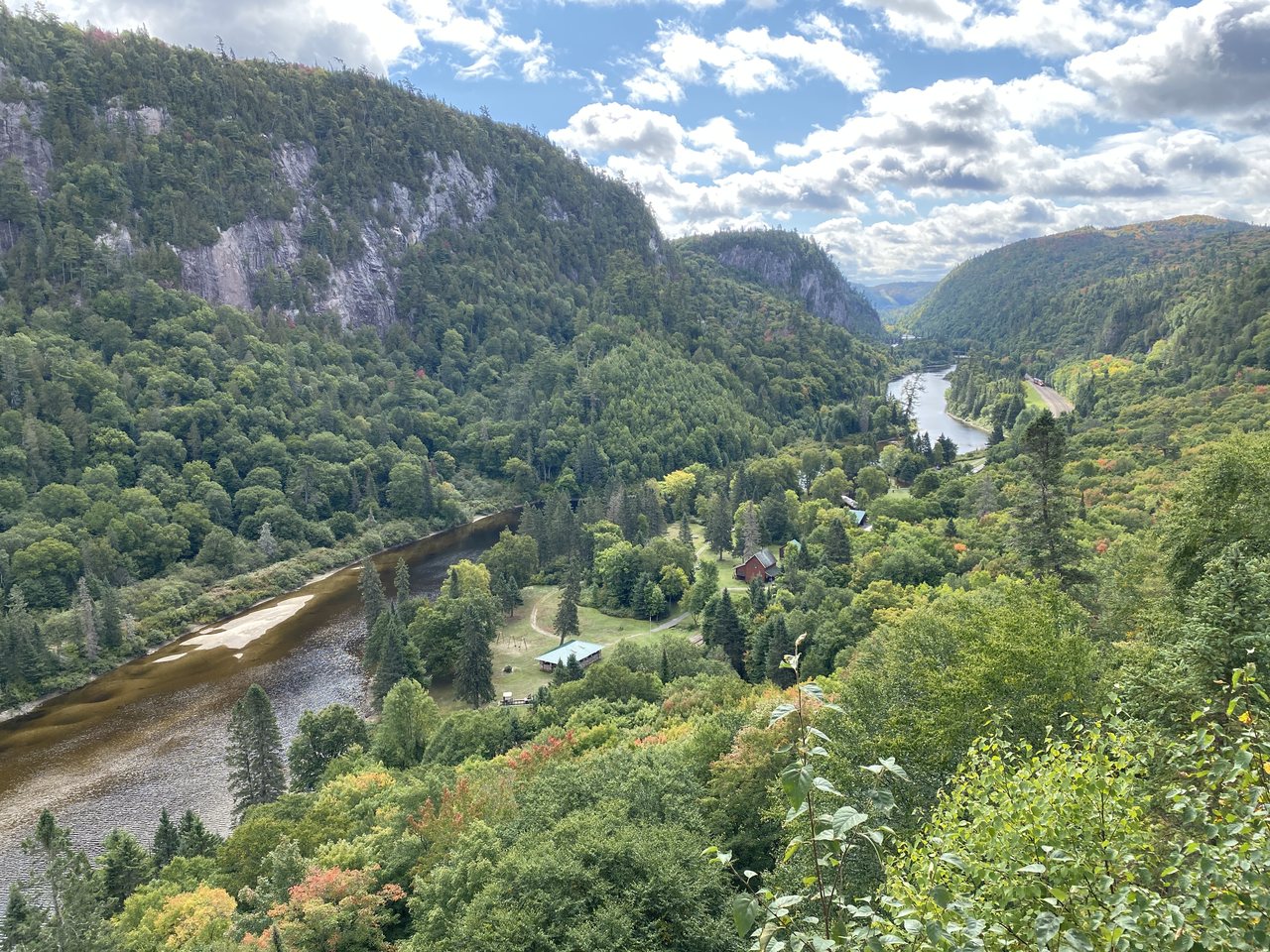
Sudbury is the first real stop — mining town, Science North museum, and yes, the Big Nickel (a nine-metre replica of a 1951 five-cent piece). Cheesy. Mandatory photo. Then Sault Ste. Marie for the Agawa Canyon Tour Train: a full-day rail excursion (8 AM–6 PM) 114 miles into wilderness you can’t reach by road, with a 90-minute stop to hike to Bridal Veil Falls. I double-checked the 2026 schedule on Northern Ontario Travel’s page before planning — the train runs August 1 to October 18, 2026, at $154/adult in summer and $170 in peak fall season (mid-September on). Fall colour season sells out weekends, so book early. → Northern Ontario Travel — Agawa Canyon Tour Train facts
Finish at Thunder Bay: hike the Top of the Giant in Sleeping Giant Provincial Park, then stop at Kakabeka Falls — the “Niagara of the North,” a 40-metre plunge you can see from the parking lot. Gas up every chance you get up here. I’m serious. I’ve made this mistake so you don’t have to.
The eastern option: Toronto → Ottawa (add 2–3 days)
Out of days for the north? Go east instead. Highway 401 is fast; Highway 2 along Lake Ontario is better — small towns, farm stands, antique shops the expressway never shows you.
Prince Edward County is the food stop: Sandbanks Provincial Park’s dunes (the world’s largest freshwater sandbar system) and the Taste Trail of wineries, cideries, and cheese. Kingston is next — the Limestone City, Canada’s first capital. Fort Henry’s living-history fortress runs guided military demos daily in summer (~$23 adult; I double-checked on Fort Henry’s official site — hours are 10 AM–5 PM). The sunset 1000 Islands cruise past Boldt Castle is the evening move. See our 1-day Kingston itinerary for the full rundown.
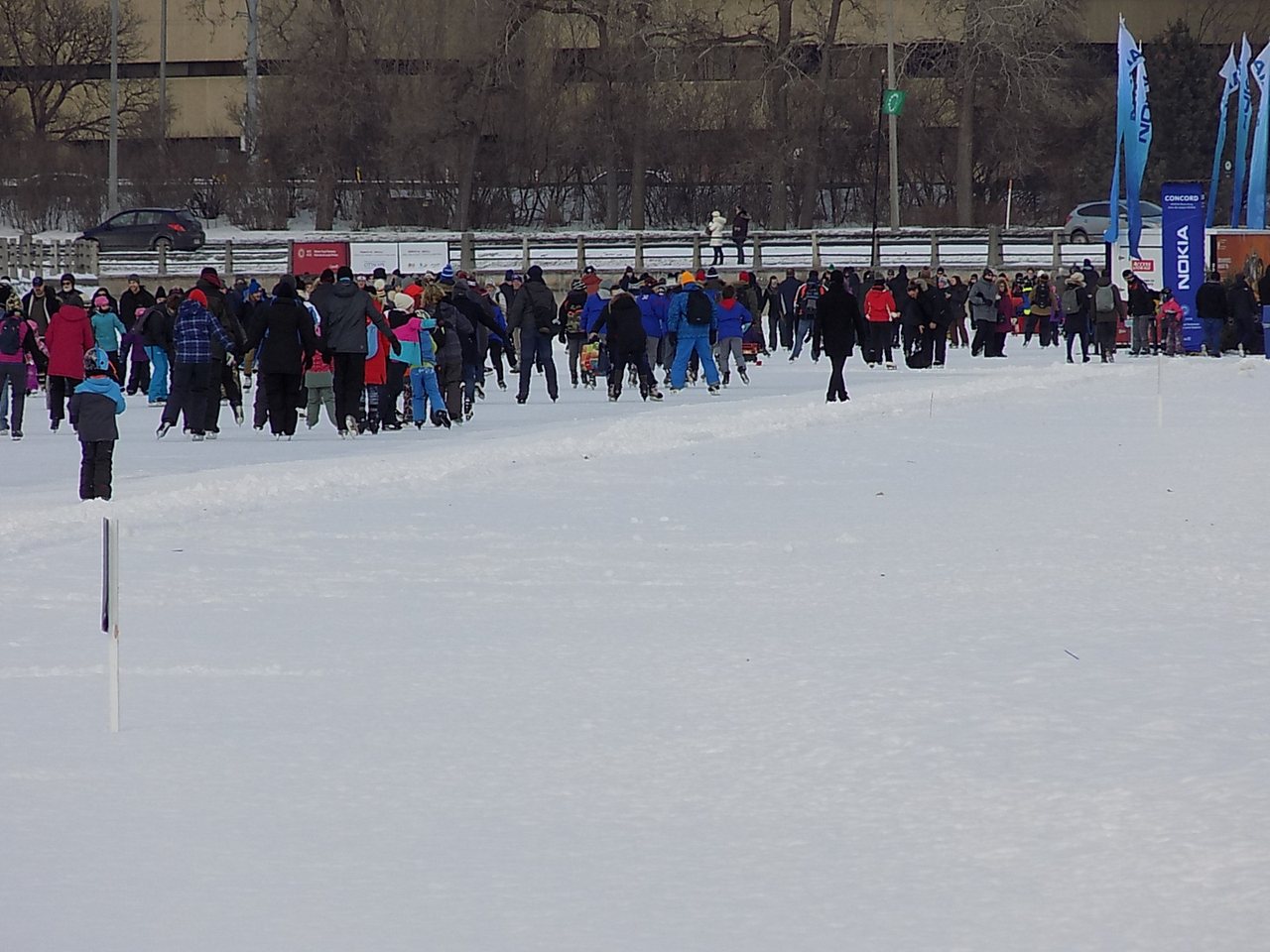
End in Ottawa: Parliament Hill, the ByWard Market, a BeaverTail. In winter, the Rideau Canal becomes the world’s largest skating rink — 7.8 km of ice through downtown, free, open 24/7 when conditions allow. I checked the details on the National Capital Commission’s Skateway page before a February trip — it needs 30 cm of ice, so check conditions before you go. Our 1-day Ottawa itinerary covers the capital in detail.
How much does a 7-day Ontario road trip cost?
Sample budget per person, excluding hotel and rental car (prices checked October 2026; items marked ~ are estimates):
| Item | Cost (CAD) |
|---|---|
| Fuel for ~1,700 km (mid-size car) | ~$180–240 |
| Niagara boat cruise (adult) | ~$43 |
| Niagara-on-the-Lake wine tastings | ~$30 |
| Muskoka steamship cruise (adult) | ~$45 |
| Algonquin day-use permits (2 days) | ~$42 |
| Canoe rental, full day | ~$60 |
| Scenic Caves admission | ~$32 |
| Grotto parking reservation (per vehicle) | ~$17 |
| Tobermory glass-bottom boat tour | ~$40 |
| Food & drinks, 7 days (~$65/day) | ~$455 |
| Total | ~$945–1,005 |
Mid-range motels and hotels run ~$150–250/night outside the big cities in summer (estimate); Toronto and Niagara Falls run higher. Campgrounds in the parks are ~$35–75/night — if you camp half the nights, the whole trip gets a lot cheaper.
Timeline at a glance
| Day | Morning | Afternoon | Evening |
|---|---|---|---|
| Day 1 | Drive Toronto → Niagara Falls (~1.5 h) | Boat cruise at the Horseshoe Falls (~$43) | Clifton Hill walk, sleep in Niagara Falls |
| Day 2 | Niagara-on-the-Lake: wineries, main street | Drive back through Toronto, north to Muskoka (~3 h) | Bracebridge brewery patio, sleep in Huntsville |
| Day 3 | Lake Muskoka steamship cruise (~$45) | Bracebridge/Gravenhurst towns | Prep for Algonquin, sleep in Huntsville |
| Day 4 | Dawn moose run on Highway 60 (free) | Canoe rental on Canoe Lake (~$60) | Algonquin campground or Huntsville |
| Day 5 | Logging Museum / Art Centre | Slow afternoon by the lake | Drive west toward Collingwood (~3 h) |
| Day 6 | Scenic Caves suspension bridge (~$32) | Blue Mountain Village | Drive north toward Tobermory |
| Day 7 | The Grotto (reserved parking) | Glass-bottom wreck tour (~$40) | Drive back to Toronto (~4 h) |
FAQs about the Ontario road trip
How many days do you need for an Ontario road trip?
Seven days covers the classic loop: Niagara Falls, Muskoka, Algonquin, Blue Mountain, and Tobermory. Three days only works for one region (see our best weekend trips from Toronto). Add 4–7 more days for the northern drive to Sault Ste. Marie and Thunder Bay, or 2–3 days for the eastern run to Kingston and Ottawa.
When is the best time of year for an Ontario road trip?
Late June to early September for swimming, paddling, and the full park season — but it’s peak season, so book campsites at the 7 AM five-month window. Late September to mid-October is my pick: fall colours, thinner crowds, and the Agawa Canyon train’s peak season. Winter works for a city-and-ski version (Blue Mountain, Ottawa’s Rideau Canal Skateway), but many park roads and the Tobermory boat tours shut down.
How much does a 7-day Ontario road trip cost?
Roughly $945–1,005 CAD per person excluding hotel and rental car (October 2026 prices): ~$180–240 in fuel for ~1,700 km, ~$310 in attraction tickets and park permits, and ~$455 for food over seven days. Mid-range hotels add ~$150–250 per night; camping in the parks (~$35–75/night) cuts that hard.
Do I really need to book Ontario Parks campsites five months ahead?
For summer weekends at popular parks — yes. Reservations open exactly five months before your arrival date at 7:00 AM, and Algonquin and Killbear sites go in minutes. I lost my first-choice waterfront site even with an alarm set. Book through Ontario Parks’ reservation site, have a backup park, and check back for cancellations — sites do open up.
Can I drive an EV through northern Ontario?
It’s getting easier. Fast-charging networks have expanded along the Trans-Canada, but gaps between stations are still long and cold weather eats range. Plan charging stops in advance, top up in every town, and in the far north a gas car is still the lower-stress choice. Either way, never pass a station at half a tank up there — I’ve made this mistake so you don’t have to.
Is Niagara Falls doable as a day trip from Toronto?
Easily — it’s ~130 km and about 1.5 hours each way on the QEW. But the Falls deserve a full day: the boat cruise, the walk behind the Falls, and Niagara-on-the-Lake’s wineries all fit better with an overnight. See our 1-day Niagara Falls itinerary if you’re doing it as a single day.
3 comments