

Last updated: October 3, 2026

The short answer
- Best for history lovers: Niagara-on-the-Lake, Perth, and St. Marys — 19th-century main streets, limestone architecture, and Canada’s largest outdoor freshwater swimming pool.
- Best for water and scenery: Elora’s gorge, Tobermory’s Grotto (book the parking reservation early), Gananoque’s 1000 Islands cruises, and Kincardine’s Lake Huron sunsets.
- Best for culture: Stratford’s 2026 festival season (April 21 – November 1) and the Shaw Festival in Niagara-on-the-Lake (April 2 – December 23) — book matinees ahead, especially for summer weekends.
I’ll be honest: I plan my Ontario road trips the way some people plan weddings — spreadsheet, color-coded tabs, the works. And after a decade of long weekends spent poking around this province’s small towns, these twelve are the ones I keep going back to (and the ones I keep recommending when friends ask). Here’s the thing: Ontario’s small towns aren’t just “cute.” They’re theatrically, geologically, architecturally excellent — a gorge you can tube through, a quarry you can cliff-jump into, two world-class theatre festivals, and a Saturday-night pipe band parade that will make you march down the middle of the street behind a drum major. Trust me on this one.
Fair warning: the popular spots now run on reservations. The Grotto at Tobermory, Elora Quarry, even St. Marys Quarry — you’ll need to book ahead in summer. I’ve built that into each town below, with 2026 prices and hours I double-checked in October 2026. You’ve got this. Let’s go.
1. Niagara-on-the-Lake: Ontario’s prettiest main street
If you’ve only got time for one small town, make it this one. Queen Street is a heritage-street fever dream — floral displays, the 1840s apothecary, horse-drawn carriages — and it all sits about 90 minutes from Toronto. The Shaw Festival’s 64th season runs April 2 – December 23, 2026, with Funny Girl, Sleuth, One for the Pot, and Amadeus on the summer lineup, plus a holiday season (Cinderella, A Year with Frog and Toad) in November–December.
Pro tip: I always book a matinee. You get the show, then the whole golden-hour evening for the wineries on the Niagara Bench — and you won’t pay weekend-night parking prices. I showed up once without a dinner reservation on a Saturday in July. Never again.
- Don’t miss: Queen Street and the Memorial Clock Tower, a Shaw Festival matinee, and the riverfront at Queen’s Royal Park.
- Getting there: ~90 minutes from Toronto; easy to pair with a day at Niagara Falls.
→ Shaw Festival — official 2026 season & tickets
2. Elora: the gorge, the quarry, and the mill-town glow-up
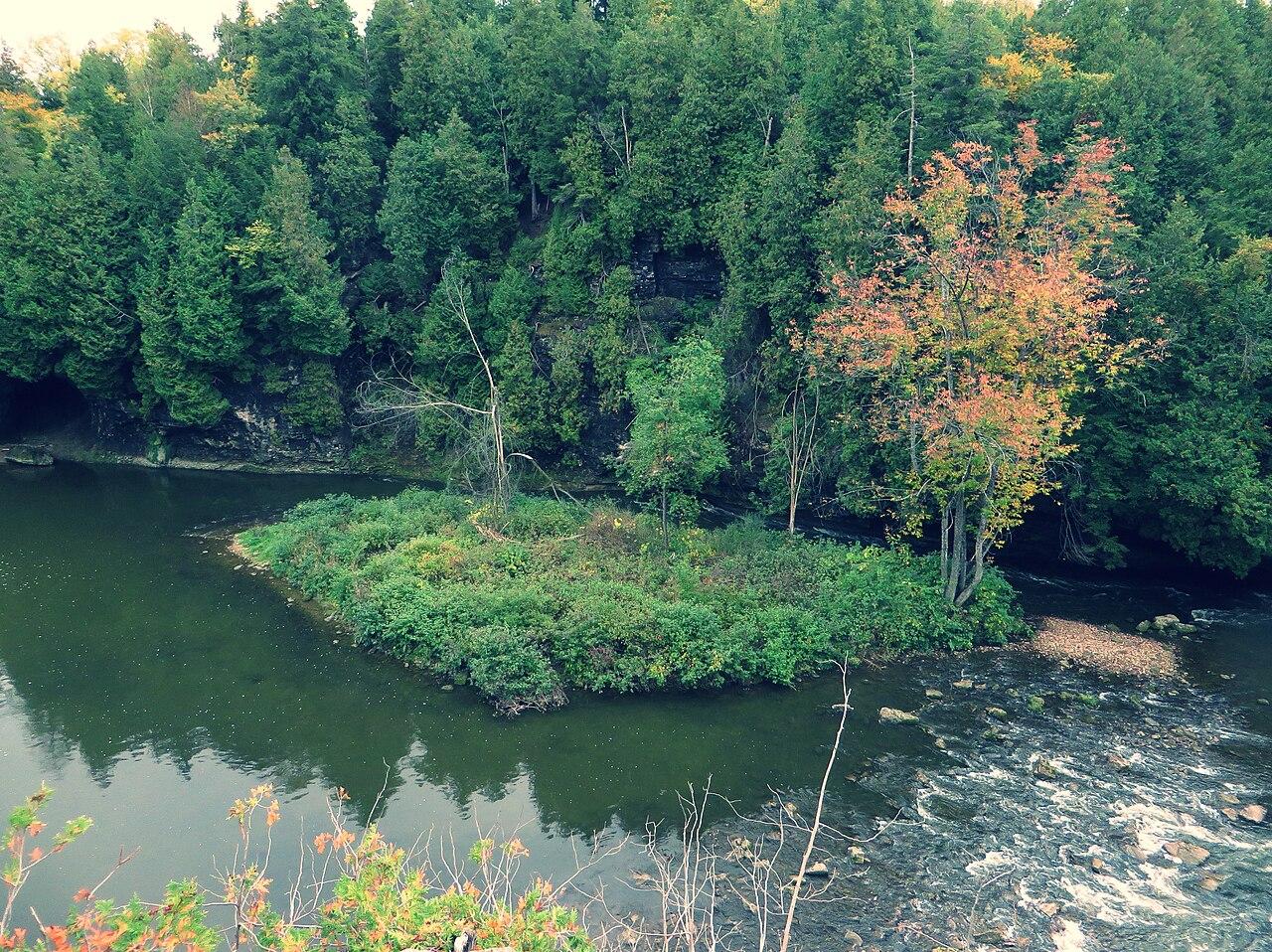
Elora has two completely different personalities and I love both. There’s the gorge — 22 metres of limestone cliff with the Grand River running through it, plus tubing in summer — and then there’s the town itself, all 19th-century mill buildings along the river, now full of galleries, spas, and genuinely good restaurants.
The practical stuff matters here, so listen up. Elora Quarry swimming requires advance online reservations — no walk-ups. In 2026, adult admission is $12.50, children $6.50, and a parking permit is $18 per 4-hour session (10 AM–2 PM or 3 PM–7 PM). Tickets are released Friday afternoons for the following week, and the popular sessions sell out fast — I double-checked the reservation system on the Grand River Conservation Authority’s official page before I went, and they weren’t kidding about booking early. River tubing at Elora Gorge is advance-reservation only too.
- Don’t miss: the gorge lookouts (Lovers Leap is the money shot), a summer tube run, and dinner overlooking the falls at the Elora Mill.
- Drive time: about 1h30 from Toronto — one of the easiest weekend trips from Toronto.
→ Grand River Conservation Authority — Elora Quarry reservations & admission · Elora Gorge Conservation Area
3. Stratford: Shakespeare, show tunes, and the swans

Stratford is the town that made me a theatre person (I was not, previously, a theatre person). The 2026 Stratford Festival runs April 21 – November 1 across four venues, with The Tempest, Guys and Dolls, Something Rotten!, Waiting for Godot, and The Hobbit anchoring the season. Between shows, the Avon River is lined with gardens, the famous swans, and picnic spots — and downtown Stratford’s independent shops are dangerously good.
My confession: I once booked the cheapest seats for a Shakespeare and spent Act 2 craning around a pillar. Worth every penny is relative — now I pay for the mid-tier seats and sit back smugly. Pro tip: check for the family deal (up to 50% off for kids 18 and under with an adult ticket) and the bus package from Toronto if you’re going car-free.
- Don’t miss: a Festival Theatre production, the riverside gardens, and the Saturday farmers’ market.
- Tickets: selected Shakespeare performances start from ~$45; prices vary by show and date.
→ Stratford Festival — official 2026 season & tickets
4. Perth: limestone, the Tay River, and small-town perfection
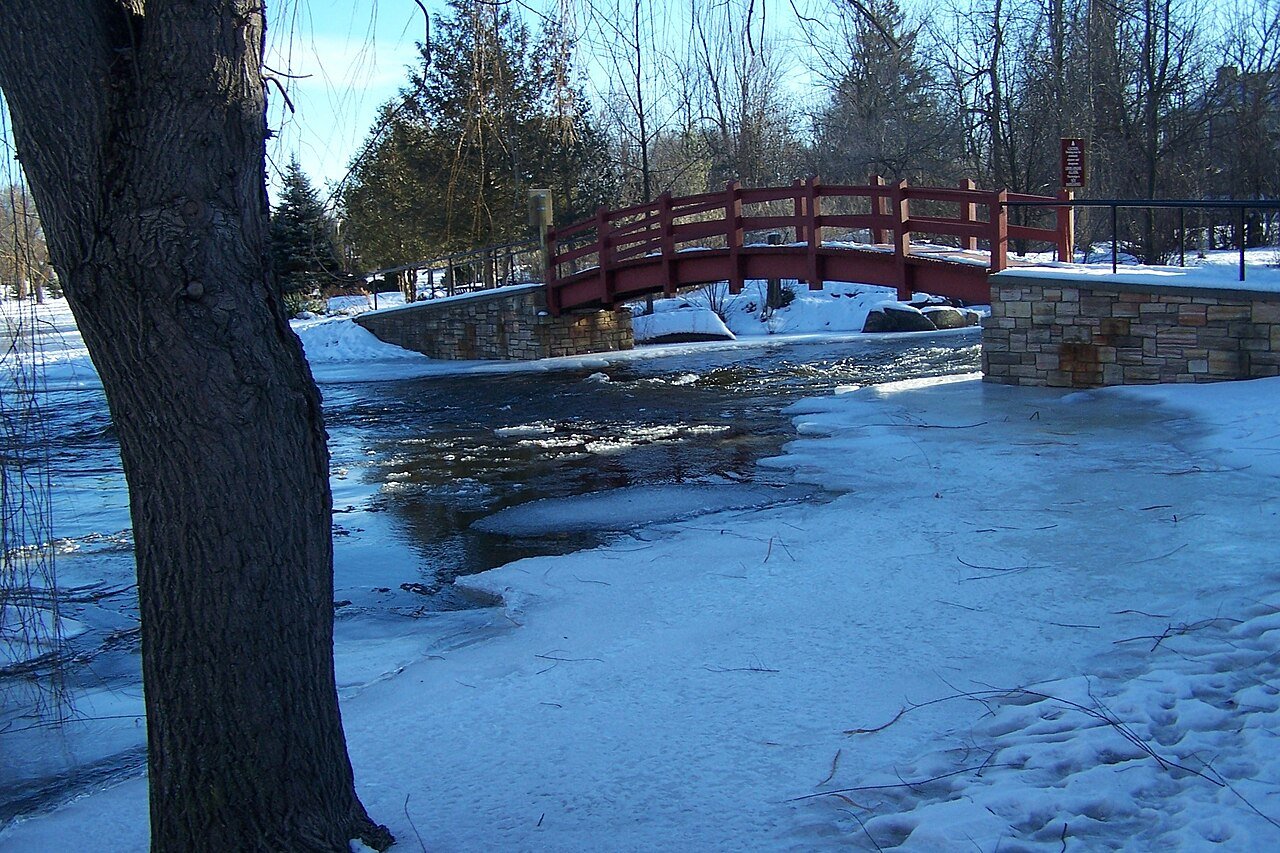
Perth gets called one of the prettiest towns in Ontario so often that it’s basically an official title at this point, and I’ll be honest — it earns it. The downtown is built of local limestone, the Tay River runs right through the middle of it, and Stewart Park is the kind of place where you plan to sit for ten minutes and stay for two hours.
I’ve done the Perth day trip three times now, and my routine is locked in: park once, walk the heritage downtown (don’t skip the stone buildings on Gore Street), picnic in Stewart Park, then cross the river for the Perth Museum. It’s an easy, flat, walkable town — the kind of day that feels effortless, which is exactly the point.
- Don’t miss: Stewart Park, the limestone downtown, and a Tay River paddle if the weather cooperates.
- Getting there: about an hour from Ottawa, ~3.5 hours from Toronto — a natural add-on to an Ottawa trip.
5. St. Marys: the Stone Town with Canada’s biggest swimming pool
St. Marys calls itself the Stone Town, and it’s not exaggerating — the limestone architecture is everywhere, including the soaring Grand Trunk Trail trestle bridge you can walk across for a bird’s-eye view of town. But the real headline is the St. Marys Quarry: Canada’s largest outdoor freshwater swimming pool, converted from an old limestone quarry in the 1940s.
The 2026 season runs June 26 – September 7, 11 AM–7 PM daily, and general admission is just $7.50 per person — cliff jumping (water levels permitting), rafts, a slide, and a 25-foot water trampoline included. I double-checked the hours and rates on the Town of St. Marys official page before I went, and fair warning: book online ahead on hot weekends. My personal strategy: arrive for the afternoon session, when the sun has had all day to take the edge off the quarry water. I jumped in at 11 AM once. The yelp I made was heard in Stratford.
The Canadian Baseball Hall of Fame is also here, which makes this a genuinely great family day trip — quarry in the afternoon, ball hall in the morning.
→ Town of St. Marys — Quarry hours, admission & online booking
6. Port Hope: salmon runs and movie-star streets
Port Hope’s main street is so perfectly preserved that Hollywood keeps borrowing it — it played Derry, Maine in the It movies, and you’ll recognize the storefronts the second you walk down Walton Street. The other seasonal show: the fall salmon run on the Ganaraska River, when thousands of fish leap up the river ladders right through downtown. I timed it wrong the first year (early September — too early) and right the second (late September into October — spectacular).
The Capitol Theatre, one of Canada’s last atmospheric theatres, anchors the arts scene, and the Ganaraska riverfront trails make this an easy half-day that pairs beautifully with Cobourg, twenty minutes east.
- Don’t miss: Walton Street’s heritage storefronts, the salmon run (late September–October), and a show at the Capitol Theatre.
- Pair it with: Cobourg for a two-town Lake Ontario day.
7. Cobourg: Victorian streets and a proper beach
Cobourg is the town that does both: a genuinely grand Victorian downtown (Victoria Hall is the centerpiece — a 19th-century municipal building that looks like it belongs in a much bigger city) and one of the best sandy beaches on Lake Ontario. Victoria Park sits right between the two, so the whole day flows: boutiques in the morning, beach in the afternoon, dinner on the waterfront.
I like Cobourg best in September, when the summer crowds thin out and the lake is at its warmest. The beach is free, the parking is easy compared to the GTA beaches, and the whole town feels like it exhales after Labour Day.
- Don’t miss: Victoria Hall, Cobourg Beach and Victoria Park, and the harbourfront boardwalk.
- Getting there: about an hour east of Toronto on Highway 401 — an easy day trip or an overnight.
8. Tobermory: the Grotto, the turquoise water, the planning required
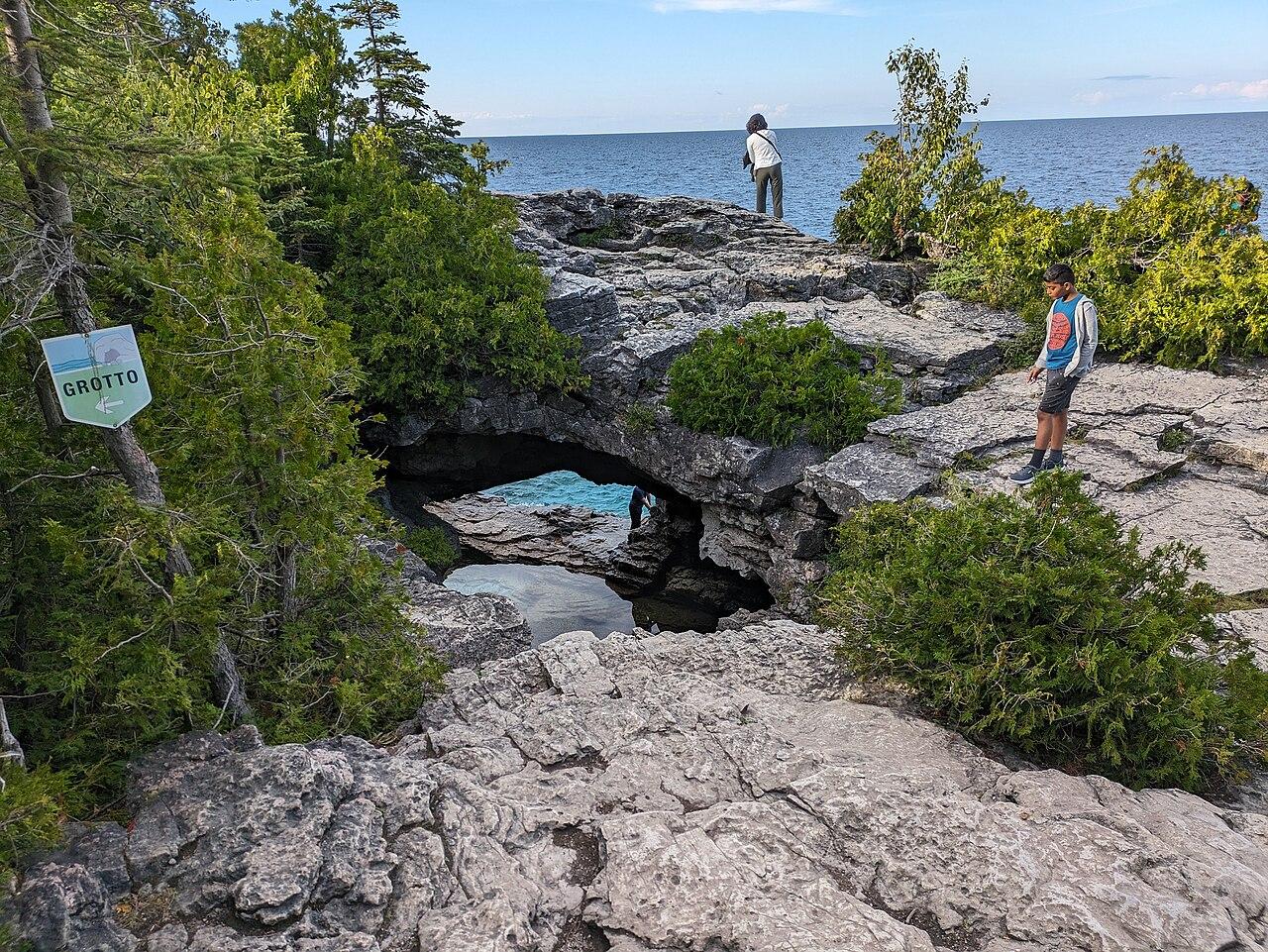
Okay, deep breath, because Tobermory needs a planner’s mindset more than anywhere else on this list. The Grotto — that glowing turquoise sea cave in Bruce Peninsula National Park — is genuinely one of the most beautiful places in Ontario. It is also one of the most managed: parking reservations are required May 1 – October 31, in 4-hour time slots (8 AM–12 PM, 9 AM–1 PM, 12–4 PM, 1–5 PM, 4–8 PM), and you must arrive within the first two hours of your slot or you’re turned away. A Parks Canada staffer told me the morning slots go first, and she was right — I booked the 8 AM slot two weeks out and still shared the trail with plenty of company.
Beyond the Grotto: Flowerpot Island (boat tours from the harbour), the Tobermory village waterfront, and some of the clearest water for kayaking and diving in the province. Stay at least two nights — the drive is 4–5 hours from Toronto, and one anchor activity per day is the right pace.
- Don’t miss: the Grotto (reserved parking), a Flowerpot Island boat tour, and sunset at the harbour.
- Fair warning: do not drive up without a confirmed Grotto reservation in summer. When lots are full, there is no other access.
→ Parks Canada — Grotto & Cyprus Lake parking reservations
9. Gananoque: gateway to the 1000 Islands
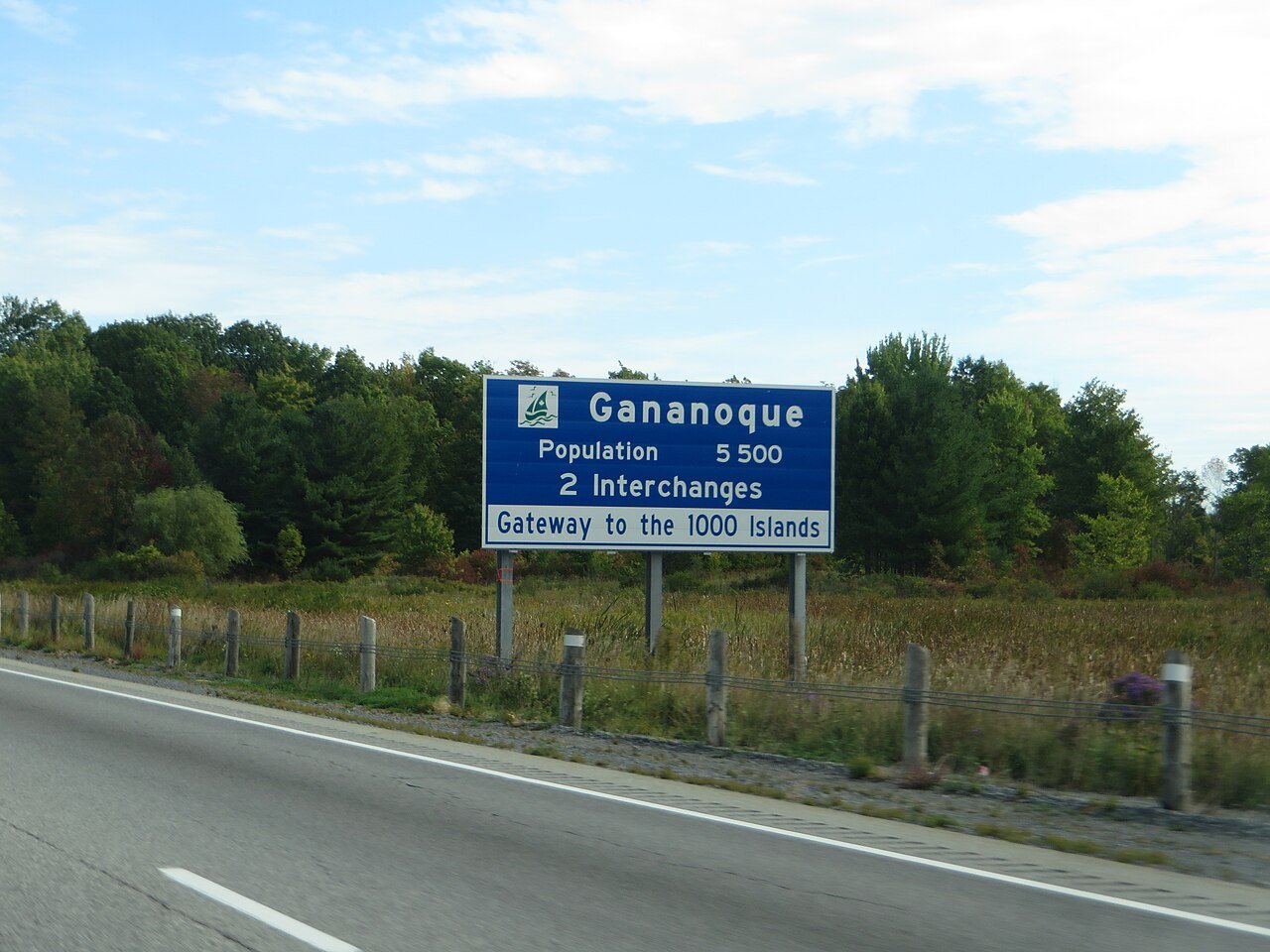
Gananoque (say it: gan-an-OCK-way) is the launchpad for the 1000 Islands, and the boat cruise is the whole point. City Cruises runs everything from 1-hour sightseeing cruises to the 5-hour Boldt Castle stopover, sailing past Millionaires Row, Singer Castle, and the islands the Gilded Age rich built castles on. The sunset cruise is the one I’d pick — the light on the river is unreal, and the commentary actually taught me things (like why one island has the world’s smallest international bridge).
On land, the waterfront is walkable, the Thousand Islands Playhouse does summer theatre, and you’re twenty minutes from Kingston if you want to extend the trip.
- Don’t miss: a 1000 Islands cruise (book ahead in summer), the waterfront, and the Thousand Islands Playhouse.
- Extend it: pair with a day in Kingston — they’re natural partners.
→ Travel 1000 Islands — City Cruises Gananoque schedules
10. Huntsville: Muskoka’s adventure basecamp
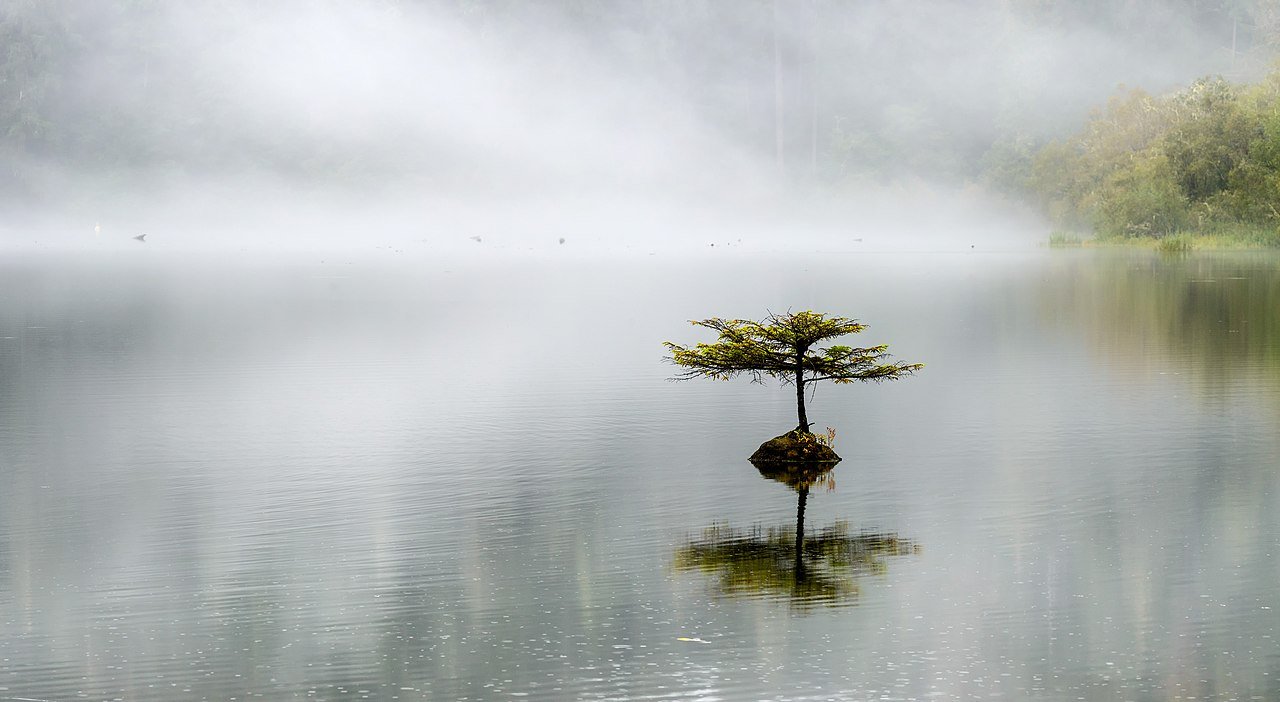
Huntsville is the practical pick that turns out to be a delight: it’s the main gateway to Algonquin Provincial Park, it sits among the lakes and granite of Muskoka, and the town itself has a proper main street with the Group of Seven murals, live music in the town square in summer, and outfitters for every paddle sport you can name.
Here’s my Huntsville formula, refined over several trips: base yourself in town, do Algonquin as a day trip (Highway 60 corridor — arrive early, the parking lots fill), and spend your non-park time on the water. October is the sleeper pick — the fall colours in Muskoka are world-famous for a reason, and the summer crowds are gone.
- Don’t miss: an Algonquin day trip, Fairy Lake and the Muskoka waterfront, and the downtown murals.
- Best months: late September–mid-October for colour; July–August for paddling.
11. Collingwood: trails, bikes, and breweries
Collingwood went from shipbuilding town to four-season adventure hub without losing its downtown soul, and it’s now one of the best active-travel bases in Ontario. The Bruce Trail runs right through the escarpment above town, the waterfront trail network is genuinely excellent for cycling, and the brewery scene has quietly become one of the best in the province — which is exactly how I like to end a ride.
It’s also the smart home base for Blue Mountain without the resort-village prices: you’re 15 minutes from the slopes and the summer attractions (including the Ridge Runner Mountain Coaster), but you’re sleeping and eating in a real town. In winter, this is ski country; in summer, it’s a cycling town. I’ve done both, and the summer version is underrated.
- Don’t miss: the Bruce Trail escarpment lookouts, the waterfront cycling trails, and a brewery patio after.
- Getting there: ~2 hours from Toronto — an easy weekend, or a stop on a Georgian Bay loop.
12. Kincardine: bagpipes, sunsets, and the Phantom Piper
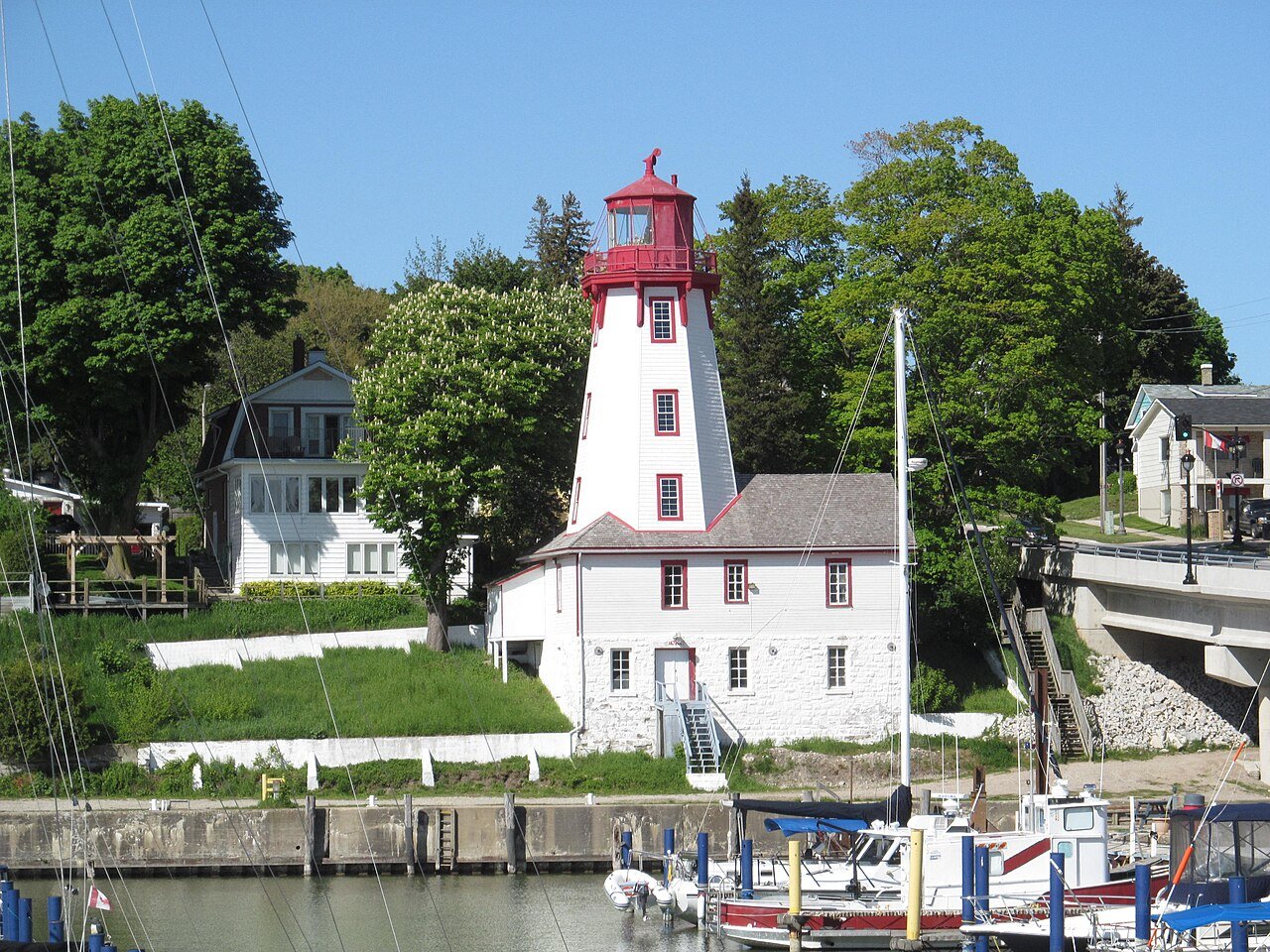
Saving my favourite for last: Kincardine, on Lake Huron, where the Scottish heritage isn’t a theme — it’s a lifestyle. Every Saturday night at 8 PM from June 27 through September 5, 2026, the Kincardine Scottish Pipe Band parades down Queen Street, and spectators are invited to fall in behind the band for the finale. I marched half of Queen Street behind the drummers last summer, and I am not embarrassed to say it was a highlight of my year.
Then there’s the Phantom Piper: every evening except Saturdays in July and August, a lone piper plays from the top of the lighthouse at sunset. The B&B owner where I stayed told me to be on the beach for it — she was right, obviously. Add sandy beaches, Lake Huron sunsets, and a lighthouse museum, and you’ve got the most distinctive small town on this list.
- Don’t miss: the Saturday Night Pipe Band Parade (8 PM, free), the Phantom Piper at sunset, and Station Beach.
- When to go: summer Saturdays are the whole point — plan your weekend around the parade.
→ Municipality of Kincardine — Saturday Night Pipe Band Parade details
When to visit Ontario’s small towns
Late May through June and September through mid-October are my sweet spots — mild weather, thinner crowds, and (in fall) the colours. July and August are peak: warmest water, full festival calendars, and the most reservation pressure — book the Grotto, Elora Quarry, and theatre tickets weeks ahead. Winter is quieter and cheaper, but several attractions here are seasonal (the quarries, the Grotto parking system, the pipe band parade), so check what’s actually open before you go. For the full road-trip playbook, see our Ontario road trip itinerary and Canada road trip tips.
How much does a small-town Ontario road trip cost?
Sample 3-day budget per person, sharing a room (prices checked October 2026; items marked ~ are estimates):
| Item | Cost (CAD) |
|---|---|
| Motel or B&B, 2 nights (shared) | ~$180–260 |
| Food & drinks, 3 days | ~$180–240 |
| Gas (~1,000 km loop) | ~$90–110 |
| Attractions (quarry swim, theatre ticket, cruise) | ~$75–125 |
| Total | ~$525–735 |
The single biggest variable is accommodation — small-town B&Bs and motels run ~$150–250/night in summer, and the cute ones book out early. The attractions themselves are refreshingly cheap: a $7.50 quarry swim and a free pipe band parade go a long way.
FAQs about small towns in Ontario
How many days do I need for Ontario’s best small towns?
Pick two or three towns per long weekend rather than racing through all twelve. Niagara-on-the-Lake and Elora each deserve a full day; Tobermory deserves at least two nights because of the drive. Stratford and St. Marys pair well as a two-day theatre-and-swimming combo, and Kincardine is a perfect standalone Saturday-night trip.
What’s the best time of year to visit Ontario’s small towns?
Late May to June and September to mid-October hit the sweet spot: mild weather, smaller crowds, and fall colours in places like Muskoka. July and August bring the warmest water and the full festival calendar — the Shaw Festival and Stratford Festival both run through the summer — but you’ll need advance reservations for the Grotto, Elora Quarry, and popular theatre performances.
Do I need a car to visit these small towns?
Honestly, yes for most of them. Tobermory, Kincardine, Huntsville, and Gananoque are not practical without a car. Niagara-on-the-Lake and Stratford are the exceptions — both have coach and bus options from Toronto. If you’re driving electric, rural Ontario’s fast-charger network has grown a lot, and most towns now have chargers in municipal lots.
How much does a small-town Ontario road trip cost?
Budget roughly $525–735 CAD per person for a 3-day trip sharing a room (October 2026 prices): about $180–260 for two nights of accommodation, $180–240 for food, $90–110 for gas, and $75–125 for attractions like quarry swims, theatre tickets, and boat cruises. Many of the best experiences — the Kincardine pipe band parade, Cobourg Beach, Perth’s Stewart Park — are free.
Which small town should I visit first?
For a first-timer, Niagara-on-the-Lake: it’s 90 minutes from Toronto, walkable, and combines the Shaw Festival, wineries, and a heritage main street in one trip. For nature, Tobermory’s Grotto is the bucket-list pick (book parking early). For something different, Kincardine’s Saturday-night pipe band parade is the most memorable single evening on this list.
Are Ontario’s small towns worth visiting in winter?
Some are, with the right expectations. Stratford and Niagara-on-the-Lake run holiday programming (the Shaw’s holiday season runs into late December), Collingwood is a ski town, and winter rates are lower everywhere. But the quarries, the Grotto reservation system, and the Kincardine parade are summer-seasonal, so a winter trip is a different — quieter, cheaper — experience.
Keep exploring
- Best Weekend Trips From Toronto
- Ontario Road Trip Itinerary
- Canada Road Trip Tips
- 1 Day in Niagara Falls Itinerary
- 1 Day in Kingston Itinerary