

Here’s the thing about Ottawa: people tell you it’s boring before you’ve even landed, and then you spend two days there and wonder what city those people were talking about. I’ve planned Ottawa four times now — twice for friends, once for my parents, once for myself when I finally admitted I’d been repeating the “boring” line without evidence — and every single trip ended with the same text to the group chat: okay, Ottawa is actually great.
This guide is the 28 best things to do in Ottawa, built for a first-timer with two to three days and a healthy appetite for museums, markets, and the Rideau Canal in whatever season it happens to be wearing. It’s the capital-city greatest hits plus the stuff I only found because I over-research everything: the free tours, the shawarma crawl, the lookout nobody talks about, and exactly how the O-Train works so you’re not standing at a ticket machine looking lost.
Quick honesty note before we start: prices and hours below are planning figures, hedged with a “~” on purpose. I double-checked the moving parts on the official sites as I wrote this — visit.parl.ca for Parliament tours, ottawatourism.ca for festival dates, the museums’ own sites for admission. Do the same the week you go. Ottawa runs on seasons, and schedules move with them — trust me on this one.
- ✓ Ottawa rewards the planner: Parliament tours are free but book out days ahead, museum tickets are timed, and the canal is a different attraction every season — this guide tells you what to lock in before you arrive.
- ✓ The downtown core is genuinely walkable: Parliament Hill, the Market, the gallery, the cathedral and the canal locks all sit within about a kilometre — I did most of Day 1 on foot and never touched transit.
- ✓ Come in season, on purpose: May means a million tulips, February means skating the world’s largest rink, late September means Gatineau Park on fire — pick your month and Ottawa hands you a different city.
The icons: Parliament Hill & the Rideau Canal
1. Take the free Parliament Hill tour
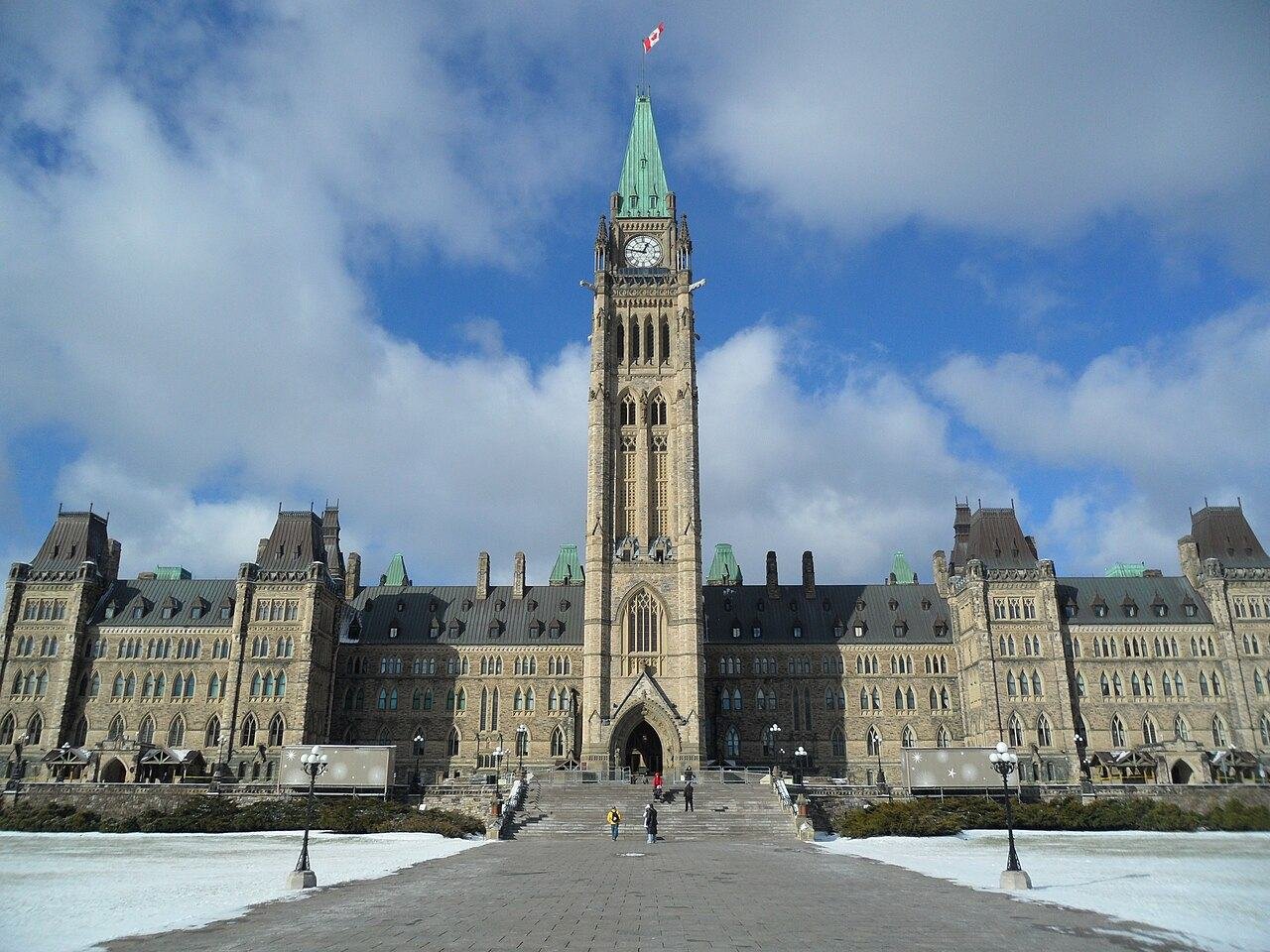
The single most important logistical fact in this entire guide: Parliament tours are free, and they sell out. I learned this the sweaty way on trip one, showing up at the visitor welcome centre at 90 Wellington at noon and being told — politely, this being Ottawa — that the next available tour was two days after I flew home. Book online at visit.parl.ca the moment your flights are locked in.
Here’s the thing most visitors don’t realize: Centre Block (the big one with the Peace Tower) is closed for a long rehabilitation, so the guided tours currently run through the West Block — the interim House of Commons chamber, which is all glass roof and surprisingly gorgeous — and the Senate of Canada Building across the street. Both are excellent, and honestly the West Block’s modern-glass-meets-Gothic-stone thing is more interesting than the old chamber would have been. Allow ~1 hour, bring ID, and expect airport-style security.
2. Catch the Changing of the Guard
In summer, the Ceremonial Guard performs the Changing of the Guard on the Hill’s front lawn — a full military-band, precision-marching, 30-minute ceremony that feels delightfully anachronistic in the best way. It typically runs daily at 10 AM from late June to late August (I confirmed the season on the official site before my last summer visit; confirm yours too). Pro tip: arrive by 9:40 and stand on the east side of the lawn for the shade and the better photos. My dad — a man who claims to hate “tourist stuff” — watched the whole thing with his mouth slightly open.
3. Skate the Rideau Canal Skateway in winter
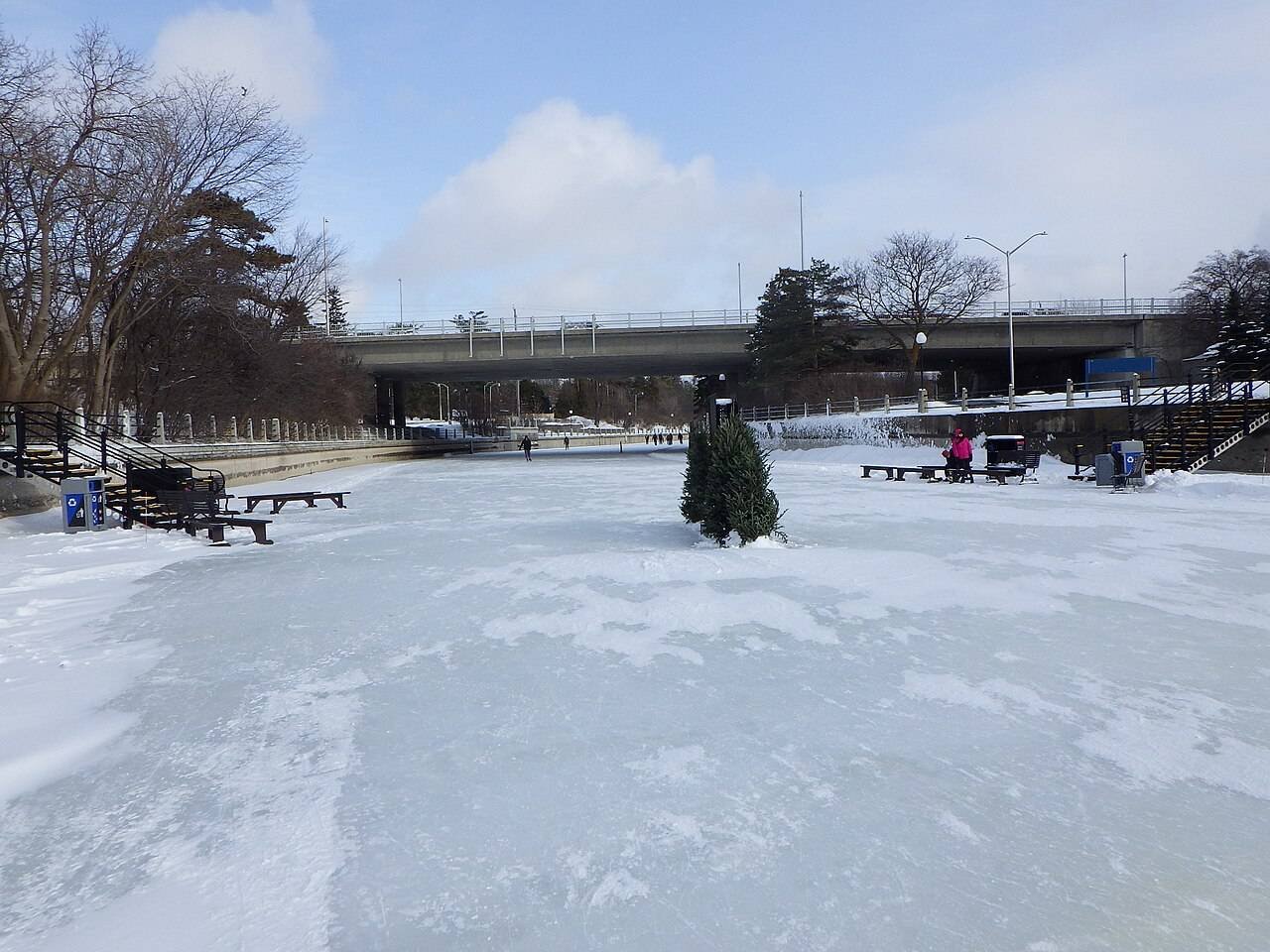
If you visit between roughly January and early March and the ice gods cooperate, the Rideau Canal becomes the world’s largest skating rink — 7.8 km of groomed ice from downtown to Dow’s Lake, maintained by the NCC. This is the don’t-skip winter experience, full stop. I rented skates at one of the rest stops (book the rental ahead on busy weekends — I watched a family of five get turned away), skated about 3 km, and bought a BeaverTails at a stand on the ice, which remains one of the great sentences of my life.
Fair warning: the Skateway is entirely at the mercy of the weather. In a warm winter it opens late or not at all — check the NCC’s daily ice conditions before you plan your whole trip around it. When it’s open, go on a weekday morning; weekends are a joyful, chaotic sea of humanity.
4. See the Rideau Canal in summer: locks, cruises & the UNESCO story
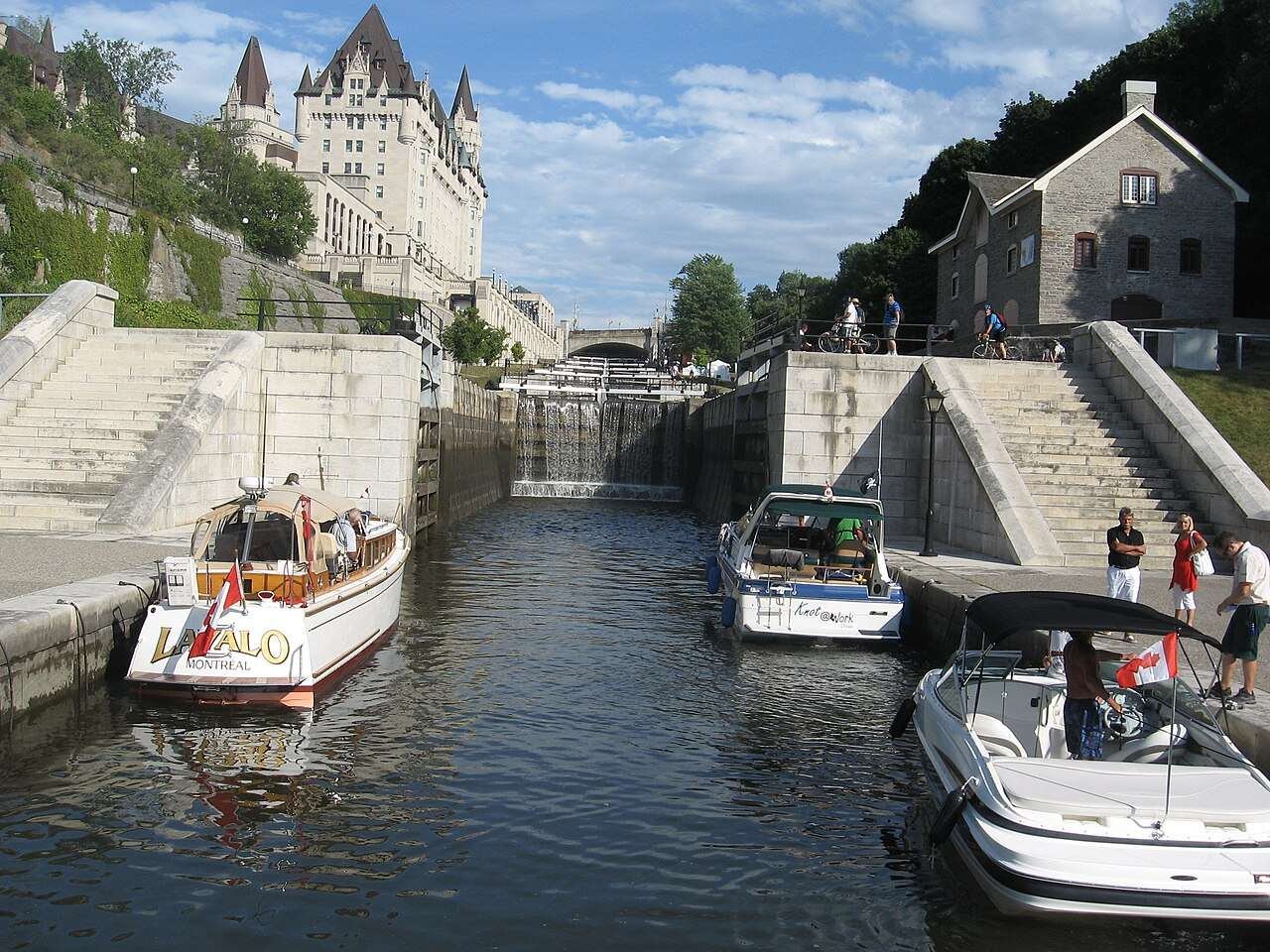
The same canal is a completely different attraction in summer. The Ottawa Locks — eight locks stepping down 24 metres between the Ottawa River and the canal, right below Parliament Hill — are free to watch and weirdly hypnotic; I lost 45 minutes to a single flotilla of pleasure boats and I’m not sorry. The canal itself is a UNESCO World Heritage Site (designated 2007), a 202-km 19th-century waterway to Kingston, and the stretch through downtown is made for an evening stroll or a boat cruise. Cruises run May to October from the locks area — book the sunset slot if you can.
The canal path is the city’s best free activity in every season: bike or stroll it in summer, skate it in winter. And the locks are most fun at midday in summer when the boat traffic is heaviest — the lock staff are happy to explain what’s happening if you ask.
Downtown essentials: the Market, the cathedral & the views
5. Browse the ByWard Market
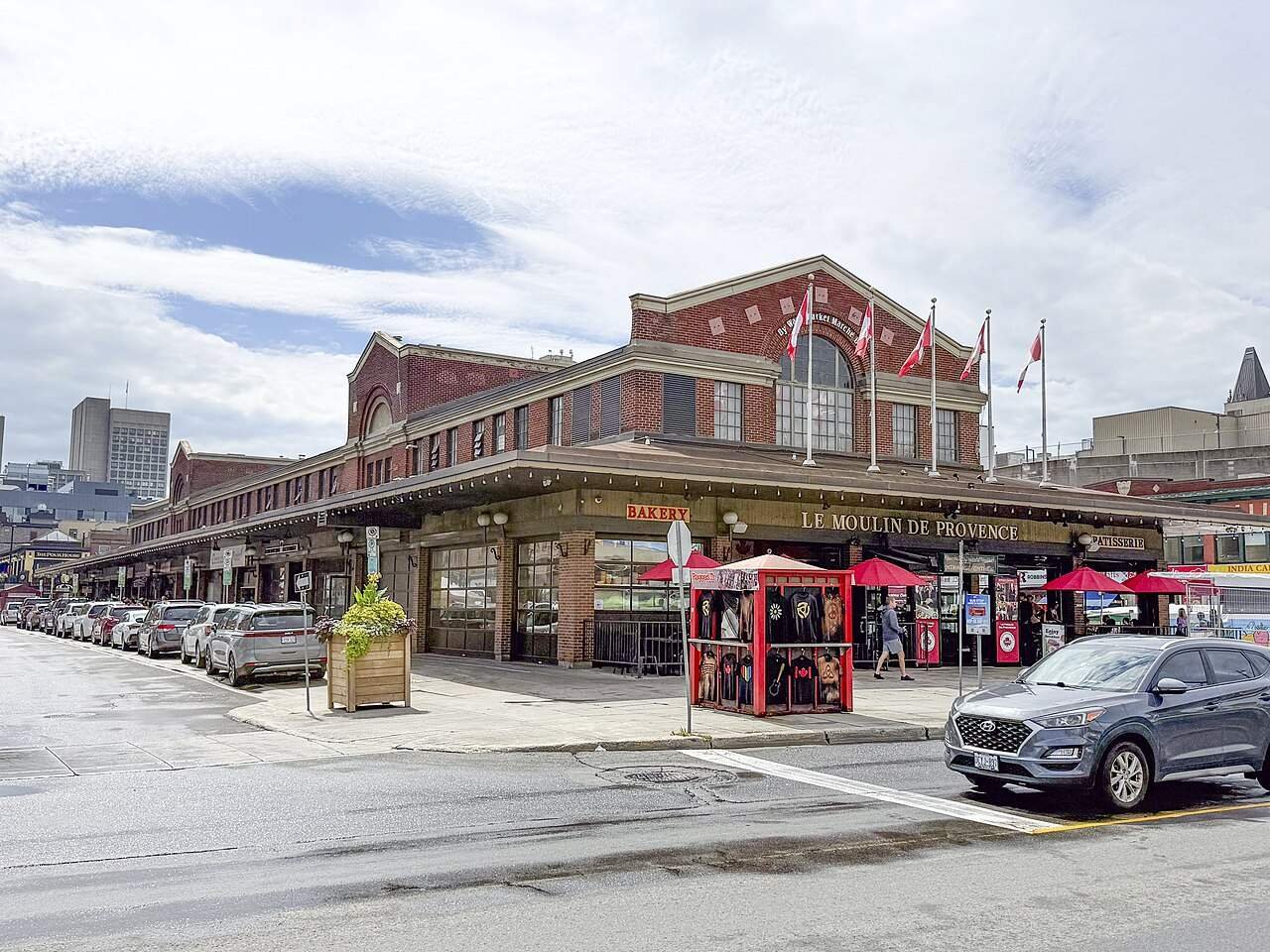
One of Canada’s oldest public markets — operating since 1826 — and still the city’s beating heart. The main market building holds produce, cheese, maple everything and a frankly dangerous number of bakeries, and the surrounding blocks are restaurants, patios, and the famous BeaverTails stand (more on that below). Go in the morning when the stalls are fully stocked: I did a slow lap with a coffee at 9:30 AM on a Saturday and had the good stalls to myself for a glorious half hour before the crowds rolled in. The surrounding streets get lively — and loud — at night; that’s the trade-off of staying nearby.
6. Step inside Notre-Dame Cathedral Basilica
At 385 Sussex, a five-minute walk from the Market, sits the oldest church in Ottawa — built in the 1840s, all twin spires and a jewel-box interior of carved wood, painted plaster and stained glass. It’s free to enter (donations welcome), and the interior is the payoff: deep blue vaulted ceilings studded with gold stars. I’ve done this walk three times now and the ceiling still gets me. Give it 30 quiet minutes between the Market and the gallery — they’re all within a few blocks.
7. Picnic at Major’s Hill Park
Behind the Château Laurier, this bluff-top park has the best free view in the city: Parliament Hill across the river locks, the canal below, the Gatineau Hills beyond. Grab market picnic supplies — cheese, a baguette, fruit — and claim a bench. In summer there are free concerts and festivals on the lawn; in fall the trees go full fire. This is my standard answer to “where do I eat lunch with a view” in Ottawa.
8. Tour Rideau Hall, the Governor General’s residence
At 1 Sussex Drive, Rideau Hall has been the official residence of the Governor General — the King’s representative in Canada — since Confederation in 1867. The free guided tours of the state rooms and the 79-acre grounds run in summer, and you need to reserve ahead on the official Rideau Hall site. I’ll be honest: I expected stiff and ceremonial, and instead got a genuinely interesting hour — the Canadian art collection is excellent and the guides are funny. Combine it with a walk through neighbouring Rockcliffe Park, the city’s grandest old neighbourhood.
The museums (Ottawa does not mess around here)
9. National Gallery of Canada — say hi to Maman
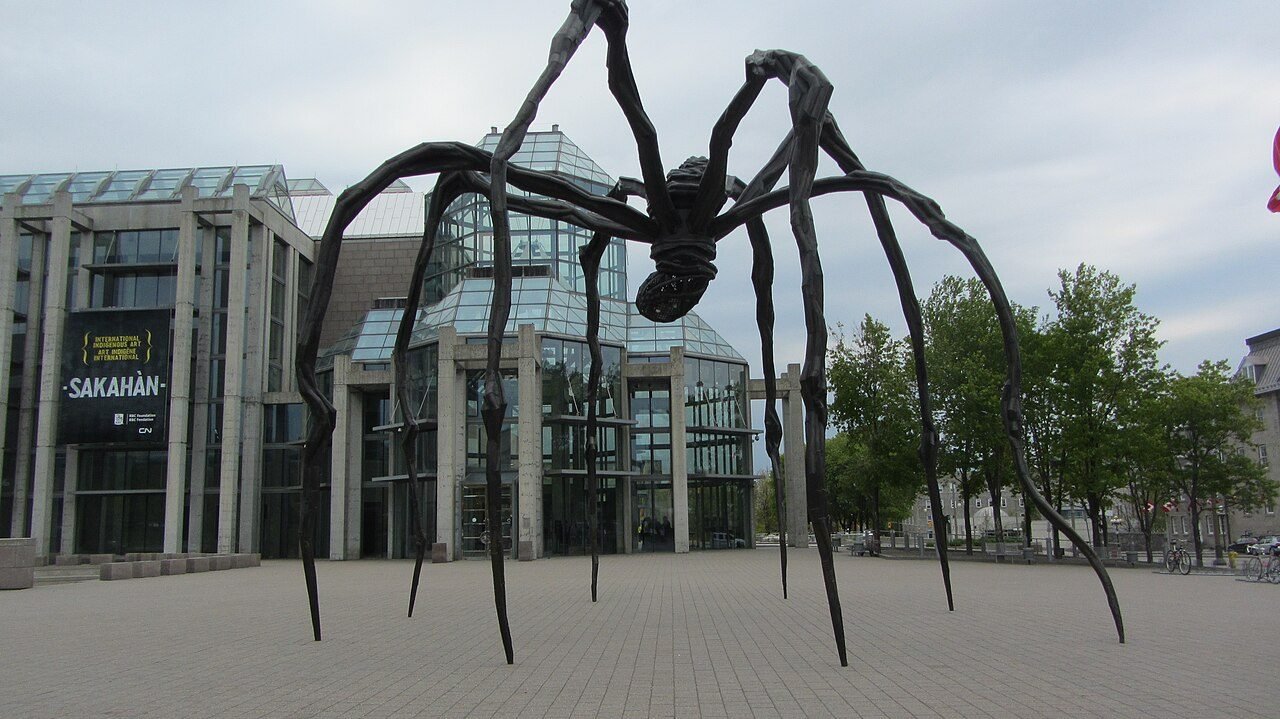
You can’t miss the gallery — there’s a 30-foot bronze spider on the plaza. Louise Bourgeois’ Maman is the landmark, but inside is one of the country’s great collections: Canadian and Indigenous art, the European masters, and the stunning glass Great Hall. Admission runs ~$20 for adults (I double-checked current prices on gallery.ca — they vary by exhibition, so confirm). Pro tip: Thursday evenings are the quiet, lovely slot, and the cafeteria’s view over the Ottawa River is a sleeper pick for lunch.
10. Canadian Museum of History — across the river in Gatineau

Cross the river to Gatineau (it’s a 15-minute walk from downtown across the Alexandra Bridge — see #15) for the museum I’d save if I could only pick one. The Grand Hall is jaw-dropping: six storeys of totem poles, house fronts and canoes from Pacific Coast nations, with Parliament Hill framed in the windows behind them. Admission is ~$20 for adults; I checked the current exhibitions on historymuseum.ca before my last visit and I’m glad I did. Budget at least half a day.
11. Canadian War Museum
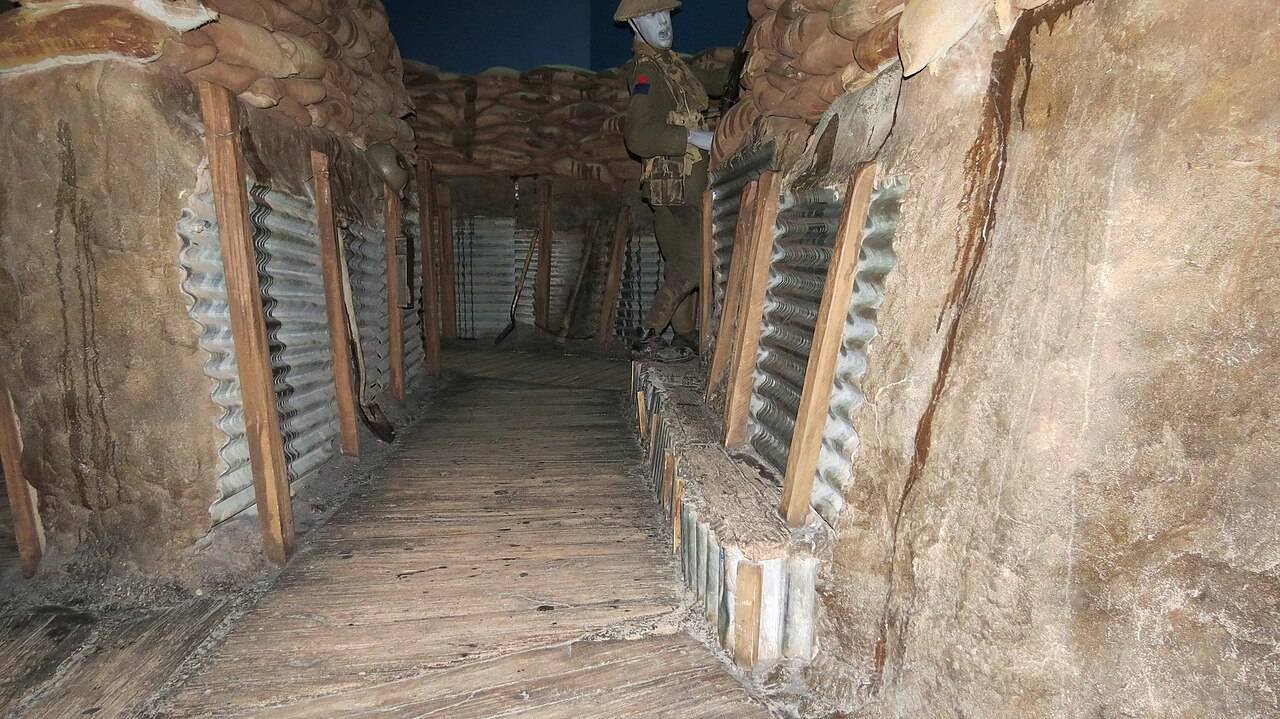
At 1 Vimy Place on LeBreton Flats, the War Museum is the heavy, essential counterweight to the history museum’s sweep — Canada’s military history from early conflicts to Afghanistan, told with artifacts that land hard. It’s superbly done and it will take more out of you than you expect; I needed a quiet coffee after. ~$20 admission (confirmed on warmuseum.ca), and do not skip the Memorial Hall — it contains the headstone of Canada’s Unknown Soldier.
Museum people, listen up: several of the national museums offer free or discounted admission at specific times — the exact deal changes, so check each museum’s site before you go. And if you’re doing three or more museums, do the math on whether back-to-back visits beat the individual tickets; Ottawa’s museum cluster rewards the ambitious.
12. Canadian Museum of Nature
The “castle” at 240 McLeod Street — a grand 1912 building with a glass lantern tower — houses dinosaurs, a blue whale skeleton, Arctic wildlife and some of the best family programming in the city. It’s the museum I recommend to anyone travelling with kids, and the one I secretly enjoy most as an adult: the dinosaur gallery is genuinely thrilling. ~$18 adult admission, hedged — confirm on their site.
Parks, lookouts & crossing the river
13. Gatineau Park: Pink Lake & fall r foliage
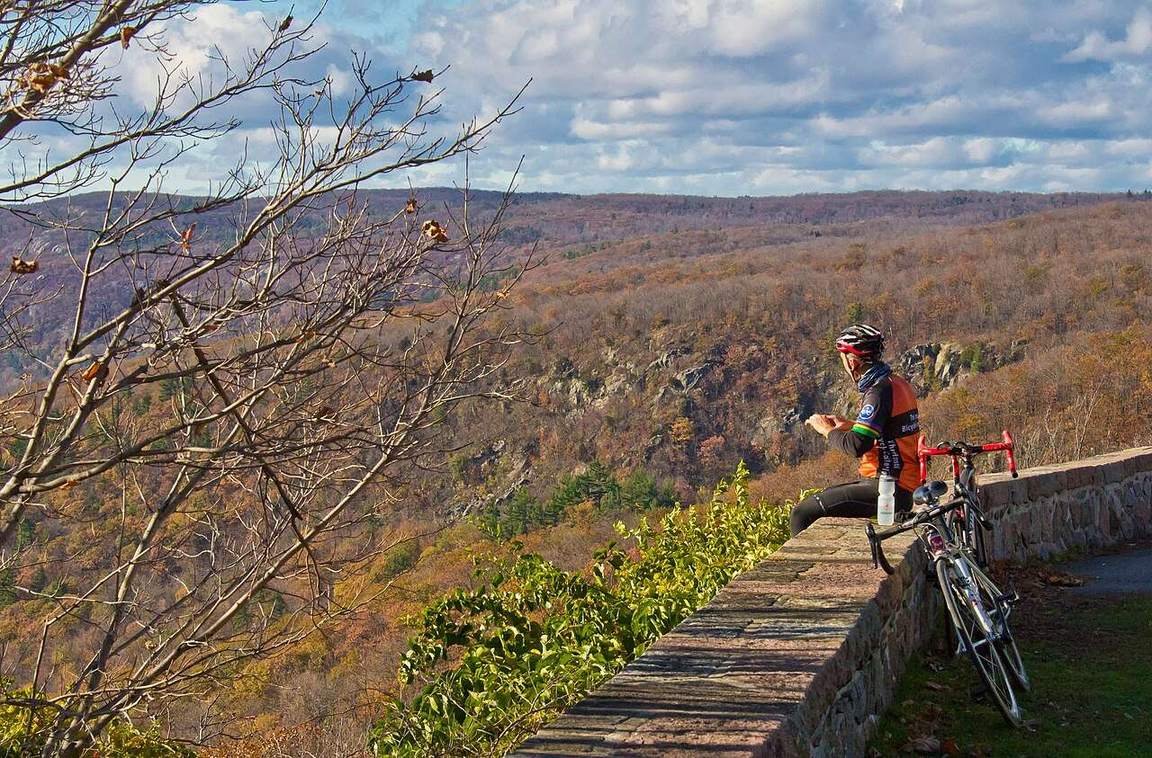
Fifteen minutes from downtown and you’re in 361 square kilometres of NCC parkland — this is Ottawa’s great escape hatch. Pink Lake is the headline stop: a small meromictic lake with an eerie green tint (it’s the unusual water chemistry, not the name, that’s the story), circled by an easy 2.3-km trail. In fall, the park is one of eastern Canada’s great foliage shows — late September to early October is peak, and the NCC runs a fall shuttle on the parkways so you can gawk without driving. I went on a Tuesday in early October and had the Pink Lake boardwalk nearly to myself; weekends in peak colour are a different, much busier animal. Check the NCC site for trail closures and the foliage report.
14. Nepean Point’s redeveloped lookout
Just behind the National Gallery, Nepean Point has been redeveloped by the NCC into a proper riverside lookout — terraced viewpoints, public art, and the single best Parliament-across-the-water photo angle in the city. It reopened after its big rebuild and it’s now my default “first evening” stop: sunset over the Hill, zero admission, ten minutes from the Market. Combine it with the gallery — they’re neighbours.
15. Walk the Alexandra Bridge to Gatineau
The pedestrian walkway on the Alexandra Bridge is the cheapest interprovincial trip you’ll ever take: stroll from Ottawa to Gatineau in about 15 minutes, with the river and the Hill behind you the whole way. It’s also the practical route to the Museum of History (#10) — I walked it at golden hour and the light on the Parliament buildings genuinely stopped me mid-stride. (I’ve had that exact thought — okay, this is gorgeous — more times in Ottawa than I expected.)
16. Dow’s Lake & Commissioners Park
At the south end of the Skateway route, Dow’s Lake is the canal’s wide turning basin — and in May, Commissioners Park on its shore becomes the main stage of the Tulip Festival (#23), with hundreds of thousands of blooms. Year-round it’s a lovely loop: the lakeside pavilion rents paddleboats in summer, and the skating rest stop here is the Skateway’s liveliest in winter. It’s a 30-minute walk or a quick O-Train ride from downtown.
17. Central Experimental Farm
Four hundred hectares of working farm and ornamental gardens in the middle of the city — the Experimental Farm is the local secret I almost didn’t include because I wanted to keep it to myself. The Ornamental Gardens are free and spectacular in summer (the rose garden, the perennial borders), the Arboretum is a quiet woodland walk, and the livestock barns are open to visitors. It’s a 15-minute bus or bike ride from downtown, and it feels like a different universe. Game-changer for a slow afternoon.
Gatineau Park’s Pink Lake trail and some parkways close periodically for ecological rehabilitation — and fall-weekend parking at popular trailheads fills by mid-morning. Check the NCC site the night before, and for peak foliage weekends, take the fall shuttle instead of driving. Trust me: circling a full parking lot is not the autumn idyll you pictured.
Eat & drink like a local
18. Eat a BeaverTails where it was born
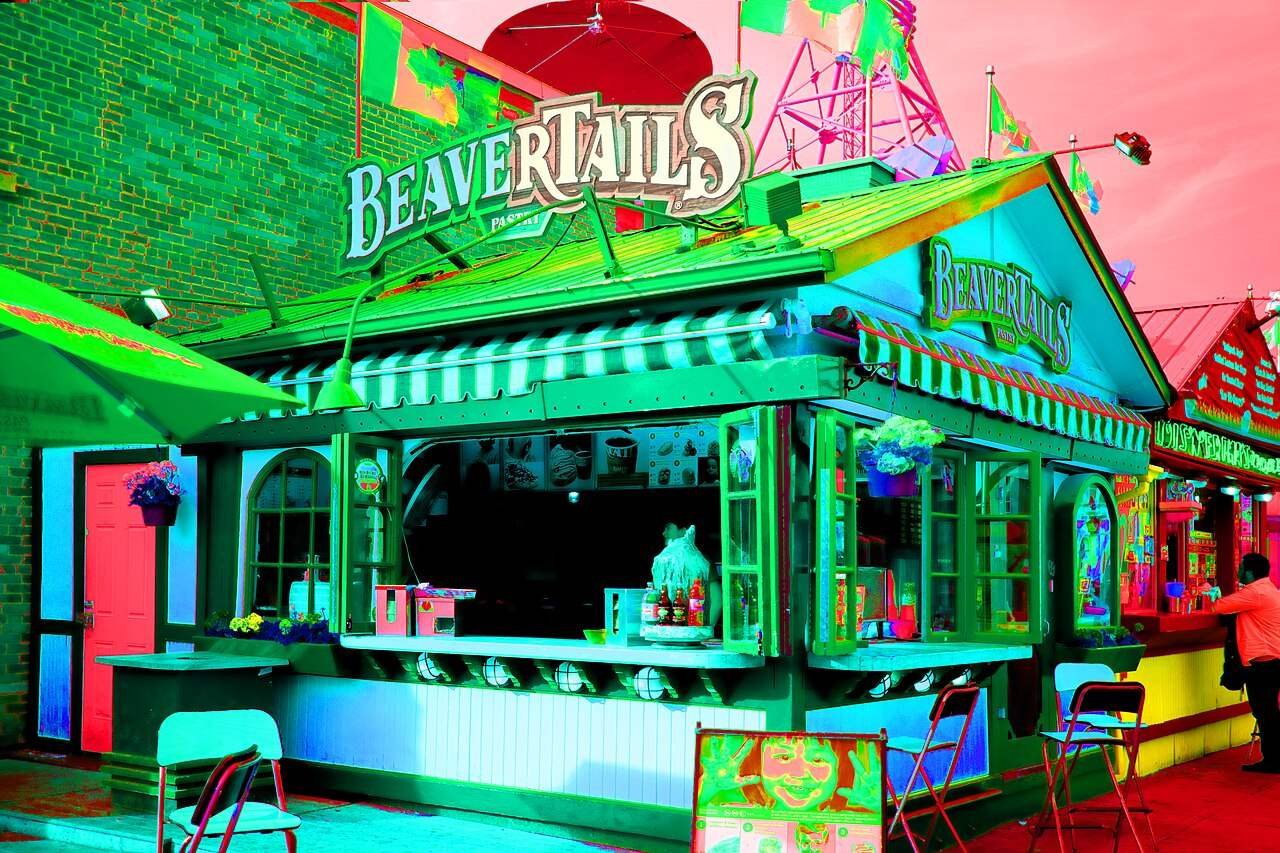
The BeaverTails stand in the ByWard Market has been frying its namesake pastries since 1980, and yes, you have to go. The classic is cinnamon sugar; the correct order is whatever catches your eye plus one you split with someone because you will want a second flavour. I’ve eaten these in four provinces and the Market original is still the best — maybe it’s the history, maybe it’s that I always eat mine while walking somewhere pretty. In winter, the Skateway stands sell them on the ice, which is the single most Ottawa sentence ever written.
19. Do the shawarma crawl
Ottawa’s unofficial signature dish isn’t poutine — it’s shawarma. The city has an almost absurd density of shawarma shops, and locals have opinions. My method: pick three within walking distance of each other (Bank Street and the Market area are thick with them), order the classic chicken shawarma wrap at each, and rank them over the course of an afternoon. Every local I asked said the same thing: the garlic sauce is the whole game. I’m not naming a winner here — that way lies comment-section war — but I will say the line out the door at lunch is data.
20. Elgin Street after dark
Elgin Street — “the Sens Mile” to hockey fans — is downtown Ottawa’s main after-dark strip: pubs, cocktail bars, late-night eats, and patios in summer. It’s an easy walk from most downtown hotels and it’s where the city feels youngest. My ritual: dinner on Elgin, then the walk back along the canal. If you only have one evening out, spend it here rather than in the Market — the Market’s nightlife skews rowdier.
Only-in-Ottawa experiences
21. Stroll Sparks Street, the pedestrian mall
Canada’s first pedestrian mall (1967) runs a few blocks west of Parliament Hill — heritage buildings, patios, buskers in summer, and the famous “chicken” statue that every Ottawa kid has a photo with. It’s touristy in the gentle, pleasant way: a good 45-minute wander between the Hill and the War Museum, with some of the city’s better people-watching.
22. Zipline across the river on the Interzip
Canada’s first interprovincial zipline launches you from Ottawa to Gatineau — 425 metres over the Ottawa River with Parliament Hill in your sightline. It’s quick, it’s a genuine rush, and the view mid-flight is absurd. I’m a cautious person with heights and I loved it; the staff are pros and the whole thing takes about an hour including the briefing. Book ahead in summer — slots go, especially weekends.
Seasonal showstoppers
23. Canadian Tulip Festival (May)

Every May, Ottawa plants roughly a million tulips — and the story behind them is the reason to go. During WWII, the Dutch royal family sheltered in Ottawa; Princess Margriet was born here in 1943, and after the war the Netherlands sent 100,000 tulip bulbs in gratitude, a gift that became an annual tradition and then a festival. Commissioners Park at Dow’s Lake is the main display — I went on a grey Tuesday morning and it was still spectacular; on a sunny weekend it’s a full event with crowds to match. Check dates on tulipfestival.ca — peak bloom moves with the weather. For more May trip ideas, my Canada in May guide covers what’s on nationwide.
24. Winterlude (February)
For the first three weekends of February, Ottawa leans all the way into winter: Winterlude brings ice sculptures to Confederation Park, snow slides and the Snowflake Kingdom across the river in Gatineau, and the Skateway at its festive peak. It’s free, it’s family-chaos in the best way, and it’s the definitive answer to “is Ottawa worth visiting in winter?” (Yes. Emphatically yes.) Dress like you mean it — February in Ottawa is genuinely cold, -10°C and below is normal — and check ottawatourism.ca for the year’s program. My Canada in December guide covers the wider winter season if you’re extending the trip.
Day trips & bonus stops
25. The Diefenbunker (Carp, ~45 min west)
Buried under a farmer’s field in Carp is a four-storey, 100,000-square-foot Cold War bunker — built in 1959–61 to shelter the Canadian government in a nuclear attack, decommissioned in 1994, now Canada’s Cold War museum. The guided tour takes you through the blast tunnels, the PM’s suite and the CBC emergency broadcast studio, all frozen in wonderfully eerie 1960s amber. Admission is ~$18 (confirm on diefenbunker.ca). You’ll need a car or the tour bus — it’s about 45 minutes west of downtown — and it’s the single best half-day trip from the city.
26. Canada Aviation and Space Museum
At Rockcliffe, this is one of the world’s great aviation collections — 130+ aircraft from a WWI fighter to the nose of an Avro Arrow, plus the space gallery. It’s a 15-minute drive or a bus ride east of downtown, and it’s the museum most first-timers skip and most kids remember best. Allow 2–3 hours; the guided tours are worth it.
27. Ottawa Art Gallery (free)
Downtown’s free art gallery at 50 Mackenzie King Bridge punches well above its profile: strong contemporary Canadian and Indigenous programming, a lovely light-filled building, and — did I mention — free. It’s the perfect rainy-hour filler between bigger stops, and the shop is one of the city’s best for local art and books.
28. Day trip: the 1000 Islands
If you have a third day and a car, point it south: Gananoque and the 1000 Islands are ~2 hours from Ottawa, and the boat cruises through the island-dotted St. Lawrence are pure storybook Canada — castles included (Boldt Castle is on the US side; bring your passport if you want to land). Cruises run May to October. No car? It’s also an easy add-on to a Montreal trip — my weekend trips from Montreal guide covers the routing from the other direction, and the 2 days in Quebec City itinerary pairs well if you’re doing the whole corridor.
How many days do you need in Ottawa?
Two full days is the sweet spot: Day 1 for Parliament Hill, the canal, the Market and the gallery; Day 2 for two big museums, Gatineau Park or Rideau Hall, and an evening on Elgin. Three days lets you add the Diefenbunker or the 1000 Islands, do the museums properly, and have one slow morning — my preferred version. One day is doable but rushed: do the Hill, the canal locks, the Market and one museum, and promise yourself you’ll come back in a different season.
Where to stay
Stay downtown or in the ByWard Market area and nearly everything in this guide is walkable. Downtown (around Elgin, the canal, or Parliament Hill) puts you on the O-Train and in the middle of the evening action; the Market area is livelier at night and closer to the morning food scene. The Fairmont Château Laurier is the landmark splurge — that copper-roofed castle by the canal — with solid mid-range options along the downtown core. For the full neighbourhood breakdown, my best area to stay in Ottawa guide maps it street by street.
Getting around: the O-Train & your feet
Downtown Ottawa is compact — I walked most of my first two days and only used transit for the museums and Gatineau Park. For the rest, the O-Train has you: Line 1 (Confederation Line) runs east–west through downtown, and Line 2 (Trillium Line) heads south to Dow’s Lake and beyond. Fares run ~$3.75 for an adult single ride, with day passes around ~$11 — tap to pay with a credit card or buy at the station machines. Buses fill the gaps (the Diefenbunker and Aviation Museum are bus-or-car territory). You do not need a rental car for the city itself; you’ll want one only for the Diefenbunker or the 1000 Islands.
Best time to visit Ottawa
May for the Tulip Festival, late September to early October for Gatineau Park’s fall colour, February for Winterlude and the Skateway, and June to August for patios, the Changing of the Guard and canal cruises. Shoulder months (April, November) are the quietest and cheapest — and honestly fine if you’re museum-focused. For the full seasonal picture, my best time to visit Canada guide zooms out nationwide, and the Canada trip cost guide breaks down what each season costs.
What 2 days in Ottawa costs
This calculator covers the days themselves: food, sights, transit and the little treats — Parliament tours are free, which is why the sights line stays friendly until you stack museum admissions. Pick your style, set your days. The math behind the defaults: a mid-range day is roughly ~$85 on food (breakfast ~$15, lunch ~$25, dinner ~$45), ~$50 on sights (two museums at ~$20 plus a cruise or rental), ~$20 on transit and ~$35 on coffee, treats and souvenirs.
Budget calculator
Per person, in Canadian dollars. Excludes accommodation.
Budget ≈ $110/day · Mid-range ≈ $190/day · Luxury ≈ $340/day. Per person, excludes accommodation. Prices checked October 2026.
Where everything sits
Tap a stop to jump the map. The downtown cluster — Parliament Hill, the Market, the gallery, the cathedral and Major’s Hill Park — all sits within about a kilometre, which is why Day 1 works on foot. The museums fan out along the river, Gatineau Park jumps the river into Quebec, and the Diefenbunker sits out west in Carp as the one true day trip.
Map data © OpenStreetMap contributors. Open the full map
FAQs
How many days do you need in Ottawa?
Two full days is the sweet spot for a first visit: one for Parliament Hill, the canal, the ByWard Market and the National Gallery, and one for two big museums plus Gatineau Park or Rideau Hall. Three days lets you add the Diefenbunker or a 1000 Islands day trip and slow down. One day works in a pinch — do the Hill, the canal locks, the Market and a single museum — but you’ll leave with a list for next time.
Is Ottawa worth visiting in winter?
Emphatically yes — winter is arguably Ottawa’s best season. The Rideau Canal Skateway (the world’s largest skating rink, ~7.8 km) typically runs January to early March, and Winterlude fills the first three weekends of February with ice sculptures, snow slides and canal festivities. The catch: the Skateway is entirely weather-dependent, so check the NCC’s daily ice conditions before you build a trip around it, and dress for real cold — -10°C and below is normal.
Is downtown Ottawa walkable?
Very. Parliament Hill, the ByWard Market, the National Gallery, Notre-Dame Cathedral, Major’s Hill Park and the canal locks all sit within about a kilometre of each other — I walked most of two days without touching transit. For the museums, Dow’s Lake and Gatineau Park, the O-Train (Line 1 through downtown, Line 2 south) and city buses cover everything. You don’t need a car for the city itself.
Can you do Ottawa as a day trip from Montreal or Toronto?
From Montreal, yes — it’s about 2 hours by car or train each way, making a long day trip feasible (Hill, canal, Market, one museum). From Toronto it’s ~4.5 hours each way, which makes a day trip punishing; stay at least one night. If you’re already doing the Montreal–Quebec corridor, Ottawa slots in neatly between them — my weekend trips from Montreal guide covers the routing.
What are the best free things to do in Ottawa?
Plenty: the Parliament Hill guided tour is free (but book ahead), as are the Rideau Hall summer tours, the Ottawa Art Gallery, the Changing of the Guard ceremony, watching the boats at the Ottawa Locks, Major’s Hill Park, Nepean Point at sunset, the Central Experimental Farm gardens and the Alexandra Bridge walk to Gatineau. Winterlude’s outdoor programming is free too — Ottawa is genuinely generous with its freebies.
If I only visit one museum in Ottawa, which should it be?
The Canadian Museum of History in Gatineau — the Grand Hall alone, with its six storeys of totem poles and Pacific Coast house fronts framed against Parliament Hill, is the single most impressive room in the city. Art lovers should pick the National Gallery instead, and anyone with kids will get the most joy out of the Museum of Nature’s dinosaurs. But for one museum, History wins.
Bottom line: two days, one walkable downtown, a canal that reinvents itself every season, and museums that punch way above their weight. Book the Parliament tour before you arrive, eat the BeaverTails in the Market, skate the canal if winter gives you the chance, and give Gatineau Park a morning — it’s the part of Ottawa most visitors skip and the part I talk about most. I came here expecting “boring” and left planning trip number five. You’ve got this. — Sarah
3 comments