

- ✓ Cluster by shore: West Kelowna’s estates one morning, Kelowna’s east-side boutiques the next, Naramata Bench last — never zigzag across the lake midday.
- ✓ Book the big rooms ahead: Mission Hill and Quails’ Gate tasting slots sell out on summer weekends; the tiny Bench wineries are your easy walk-in mornings.
- ✓ Split every flight: share each tasting flight with your partner, buy one bottle per favourite stop — most tasting fees come off your purchase, and you’ll leave with a case of actual memories.
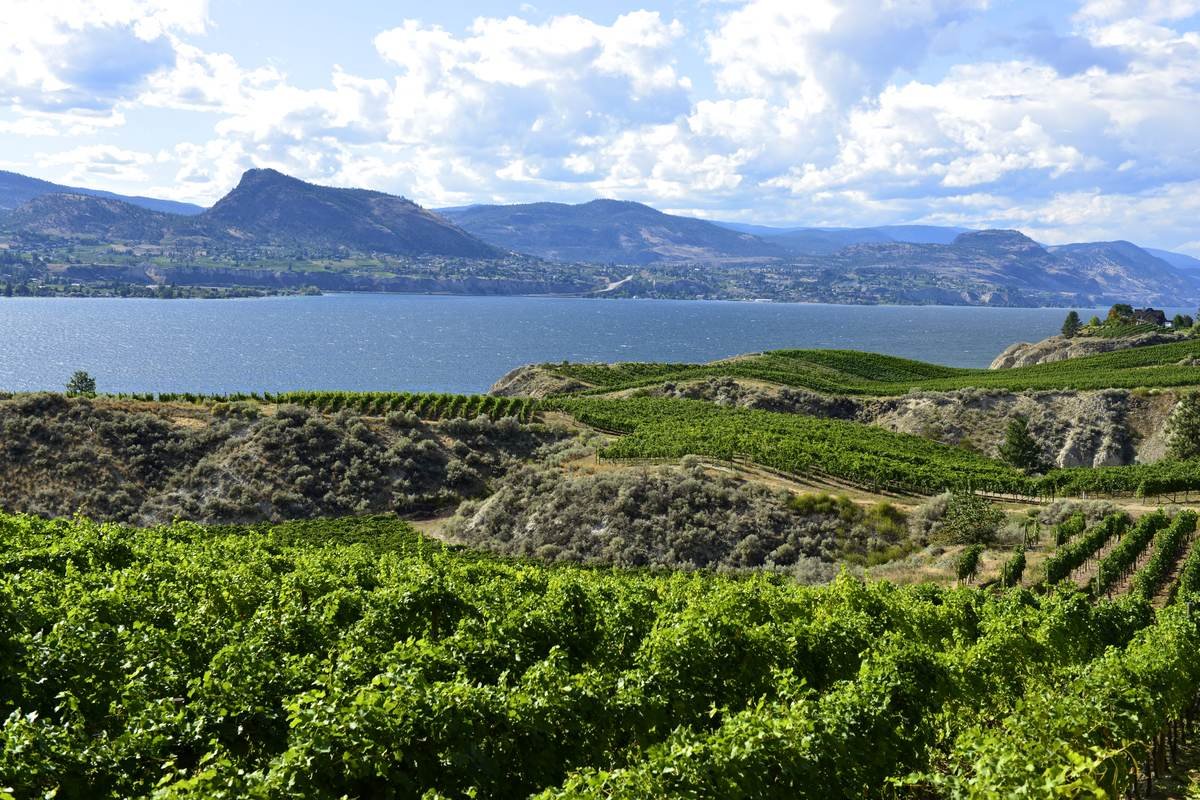
Okay, listen — the moment that sold me on the Okanagan wasn’t a bottle. It was a smell. We’d just crested the hill above Naramata on a September afternoon, and the whole valley hit me at once: crushed grapes, hot pine needles, lake water on a breeze. I’d flown in from Vancouver for “one quick wine weekend” and spent the entire first hour at the first winery just standing on the patio, smelling the air, going “why did no one tell me Canada looks like THIS?”
Here’s what this guide is not: a ranked listicle of “top 10 wineries!!!” written from a hotel room. I spent three days tasting my way from West Kelowna to Penticton — yes, with a designated driver, more on that below — and what you’re getting is the practical planning version: which tasting rooms need reservations, what the fees actually run, how to string wineries into sane 1–2 day routes, and where to eat and stay so the whole trip feels like a vacation and not a logistics exercise. Every fee and hour was checked in October 2026, either on the winery’s own site or by me standing in front of the sign.
Okanagan wine country, the 30-second orientation
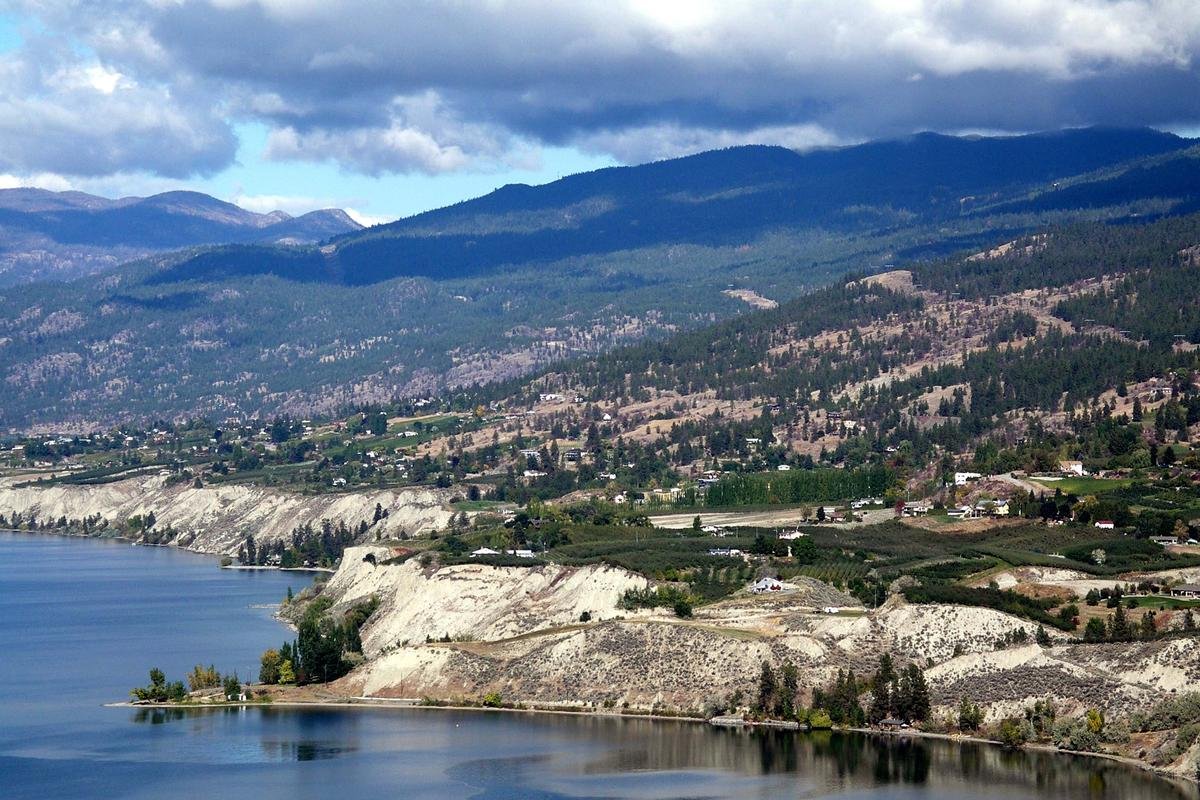
The Okanagan Valley is Canada’s biggest wine region — about 185 wineries stretching 250 km from Kelowna down to the U.S. border — and it sits on roughly the same latitude as Champagne and Burgundy. The magic is the lake: Okanagan Lake moderates the desert-ish climate, so you get long hot days, cool nights, and vines that grow everywhere from the valley floor to benchlands above the water. I double-checked the winery count and sub-regions on the Wines of BC official site before this trip, and it’s worth the skim if you’re a wine nerd.
For a first visit, ignore most of the 250 km. The sweet spot is three sub-regions within 45 minutes of each other:
- West Kelowna (Westside Wine Trail): the big, famous estates — Mission Hill, Quails’ Gate — with the valley’s most dramatic lake views.
- Kelowna east side: CedarCreek, Tantalus, Summerhill — more boutique, more experimental, closer to downtown.
- Naramata Bench: the beloved back road above Penticton — a dozen tiny wineries along 14 km of orchard country, the Okanagan’s most romantic tasting day.
If Kelowna is also on your radar for non-wine reasons, my 1-day Kelowna itinerary, 2-day Kelowna itinerary and 3-day Kelowna itinerary cover the city side — beaches, Myra Canyon, downtown — and pair perfectly with this guide.
The 10 stops, on a map
Ten stops, grouped by shore so you never backtrack. Tap any stop to jump the map straight to it — every pin was verified against the winery’s real address.
Map data © OpenStreetMap contributors. Open the full map
West Kelowna: the big, famous estates
The Westside Wine Trail runs along Boucherie Road and Mission Hill Road, and honestly it feels like someone took the prettiest bits of Tuscany and set them on a lake. This is where you go for the grand tasting-room experience — architecture, views, restaurants — so do this cluster on your first morning, when your palate is fresh and your camera battery is full. Book both of these ahead in summer; I double-checked on their official sites and both now run timed tasting slots on peak weekends. → Wines of BC — plan your wine country trip
1. Mission Hill Family Estate — the one everyone’s heard of

There’s a bell tower. A bell tower, on a winery, in Canada, and it chimes across the vineyard at the top of the hour. Mission Hill is the Okanagan’s flagship estate — founded in 1981, recently recognized among the World’s 50 Best Vineyards — and the whole property is designed to make you gasp a little when you walk in. I did the signature tasting on their terrace at golden hour and the light coming off the lake legit looked fake. It was not fake.
Order this: the Terrace tasting if you can get a slot — seated, lake-facing, and the wines show better when you’re not jostling at a bar. Their chardonnay and Bordeaux-style blends are the headline acts. The Terrace Restaurant upstairs does a seasonal multi-course menu that’s worth building your afternoon around; I checked current menus and pricing on Mission Hill’s official site before booking, because the restaurant books out fast in September.
Arrive for the first tasting slot of the day (usually 11 AM). You get the terrace nearly to yourself, the staff aren’t rushed, and you can actually hear the bell tower. By 2 PM on a Saturday the parking lot tells its own story.
2. Quails’ Gate Winery — the Westside pioneer

Five minutes down the road from Mission Hill, Quails’ Gate has been pouring since 1989 and it shows in the best way — the wines taste like someone’s been paying attention for decades. The pinot noir is the one I’d go back just for: earthy, cherry, exactly what cool-climate Okanagan does best. Our server insisted we try the chardonnay too, and okay, listen — she was right. Buttery without being heavy. Chef’s kiss.
The Old Vines Restaurant on the estate is the Westside’s best lunch move: wine-led contemporary cooking, seasonal Okanagan produce, and a patio that faces the lake. If Mission Hill is the cathedral, Quails’ Gate is the place you’ll actually want to linger. I double-checked tasting options on Quails’ Gate’s official site — they run both walk-in bar tastings and seated elevated experiences, and the elevated one is worth it.
Between the two big estates, watch for the little pullouts on Boucherie Road with lake overlooks. Our driver pulled over at one on the way down and the view — Mission Hill’s tower across the water, vines in every direction — was the best photo of the trip. No sign, no parking lot, just a gravel shoulder and a million-dollar view.
Kelowna east side: boutique & organic
Cross the bridge back to Kelowna’s east shore and the vibe changes completely: smaller rooms, weirder experiments, winemakers who might actually be pouring your flight. These three sit within 15 minutes of each other along Lakeshore Road and its offshoots, so they make a perfect second-morning cluster.
3. CedarCreek Estate Winery — the lakeside classic
Right on Lakeshore Road with vines practically touching the water, CedarCreek has been farming this land since the 1980s and converted to certified organic — I read their whole sustainability story on CedarCreek’s official site and it’s legit, not marketing fluff. The tasting room is all glass and timber with the lake as the back wall. Their pinot noir rosé tasted like summer decided to stay. Did I need a second tasting flight? No. Did I get one? Obviously.
4. Tantalus Vineyards — the precision one
Tantalus is the winery for people who read the back label. Single-vineyard riesling and pinot noir, laser-focused winemaking, and a tasting room that feels like a modernist chapel in the middle of the vines. The riesling here changed my mind about riesling — bone dry, electric acidity, zero of the sweetness I’d been unfairly expecting. If you’re building a case to ship home, this is where half of it comes from. Check current tasting formats on Tantalus’s official site before you go; they lean toward seated, appointment-style tastings.
5. Summerhill Pyramid Winery — the fun one
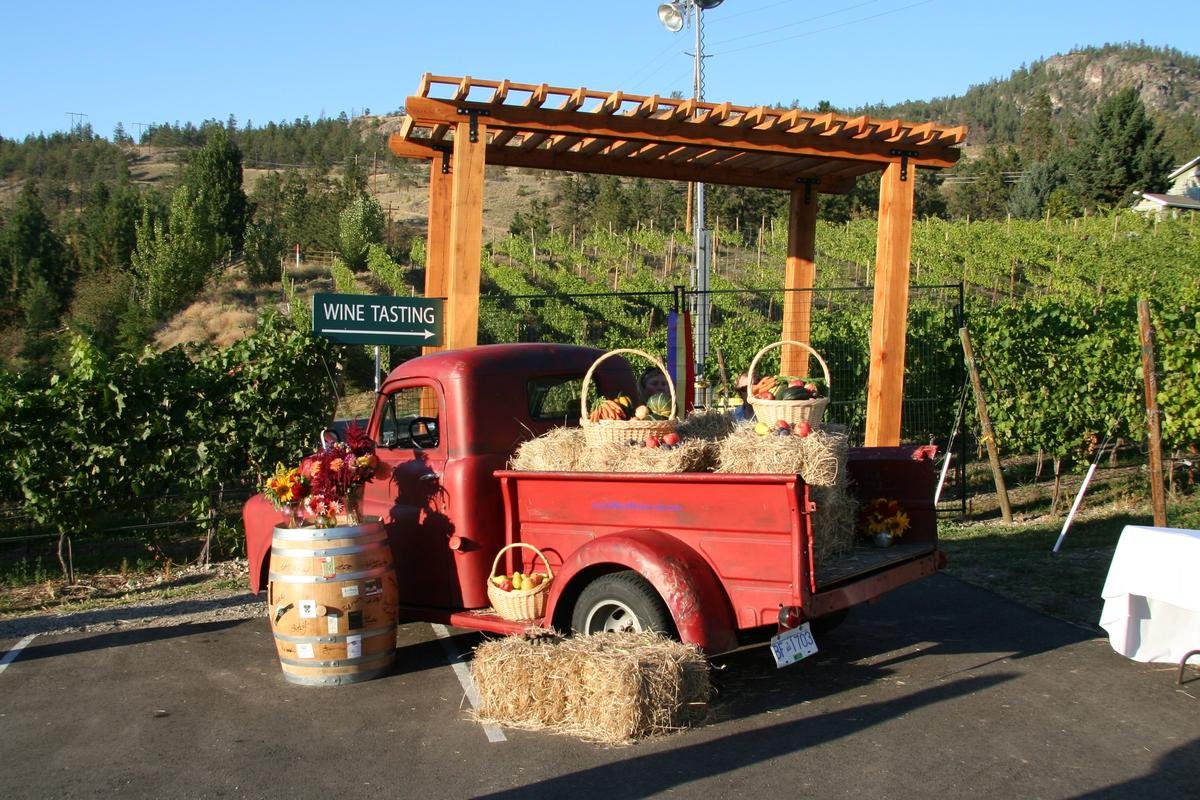
Okay, listen: there is a pyramid in the vineyard. A full-size replica pyramid where they age some of their wines, because biodynamics. Is it science? Is it vibes? I had the best time finding out. Summerhill is Canada’s most-visited organic winery, famous for sparkling wine (their Cipes Brut is the bottle I brought home for my dad), and the whole experience is joyful rather than precious. Our tasting host told us the sunset tours in August are the move — you taste in the vineyard as the light goes gold over the lake, and I believe her because the regular tasting room was already magic.
Summerhill’s restaurant does solid farm-to-table lunches, and I double-checked hours on Summerhill’s official site — it’s seasonal, so don’t bank on dinner in October.
The east-side wineries are appointment-first in September and October (harvest season — the teams are genuinely busy). Book 1–2 weeks ahead in fall, even for the small rooms. Walk-ins work better in May and June, when the valley is quiet and the tasting staff have time to chat.
How Okanagan tastings actually work (fees, reservations, etiquette)
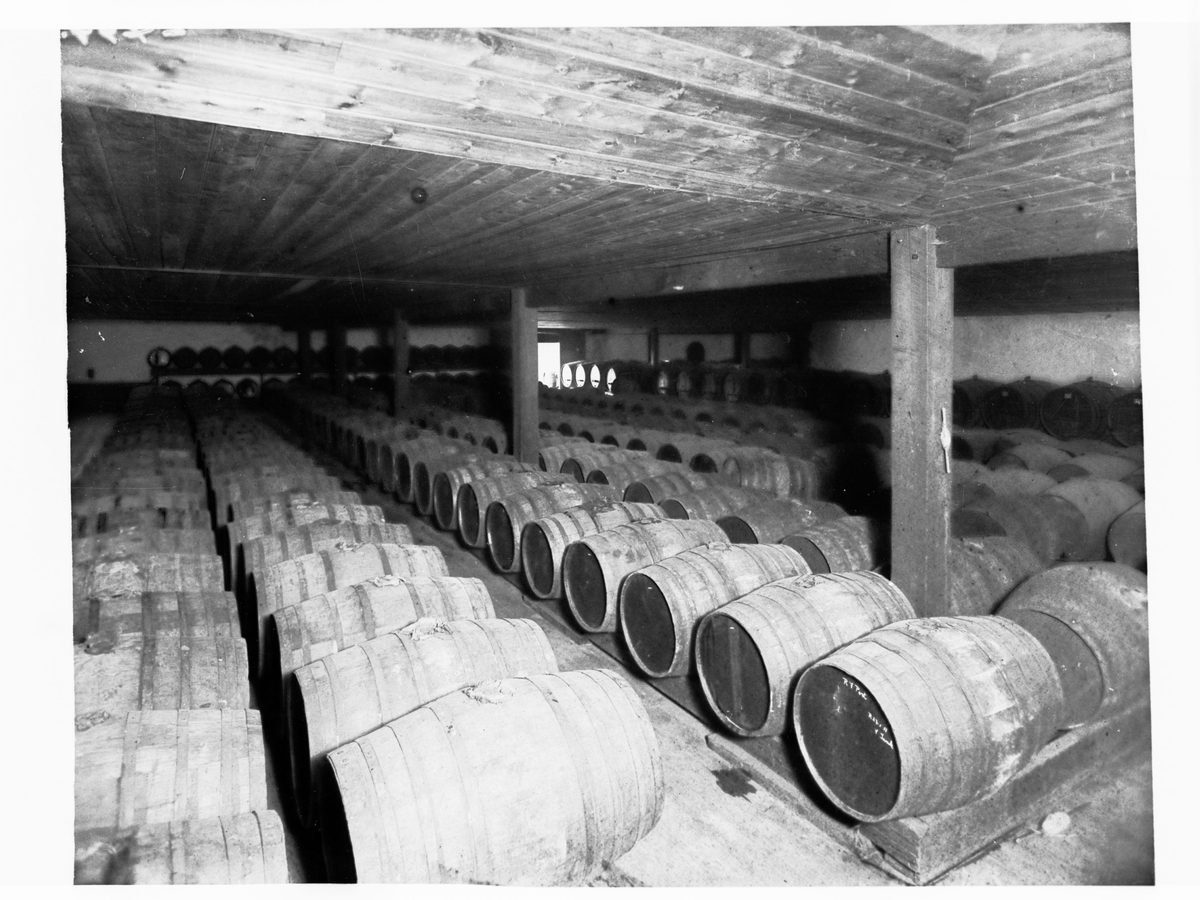
The thing nobody tells first-timers: an Okanagan tasting day has rules, and knowing them is the difference between a dreamy day and an expensive, headachey one. Here’s the honest rundown from my trip:
- Tasting fees: expect $15–$30 per person for a standard flight of 4–5 wines. The big estates charge more for seated/premium tastings ($35+). Almost everywhere waives or credits the fee with a bottle purchase — so the fee is really just a deposit on wine you were going to buy anyway.
- Reservations: the big Westside rooms (Mission Hill, Quails’ Gate) and popular fall weekends need booking ahead. The tiny Naramata Bench rooms are usually walk-in friendly on weekdays. When in doubt, book — it takes two minutes on the winery site.
- Pace yourself: 3–4 wineries a day is the sweet spot, 5 max. Every local I asked said the same thing: the people having the best time are the ones who stopped at three and had a long lunch.
- Spit or share: use the spittoon, or split every flight with your partner. Nobody judges. The tasting hosts actively encourage it — ours poured half-pours the second she saw two glasses.
- Eat: winery restaurants and picnic tables exist for a reason. Carb-loading is not a joke strategy here, it’s survival. Pack cheese, bread, and fruit for the Bench wineries that don’t have kitchens.
Bring a cooler and a wine shipper box in the trunk. September afternoons hit 25°C+, and cooked wine is heartbreaking. Every winery sells boxes, but bringing your own means your 2 PM bottle survives until dinner.
Naramata Bench: the most romantic tasting day in Canada
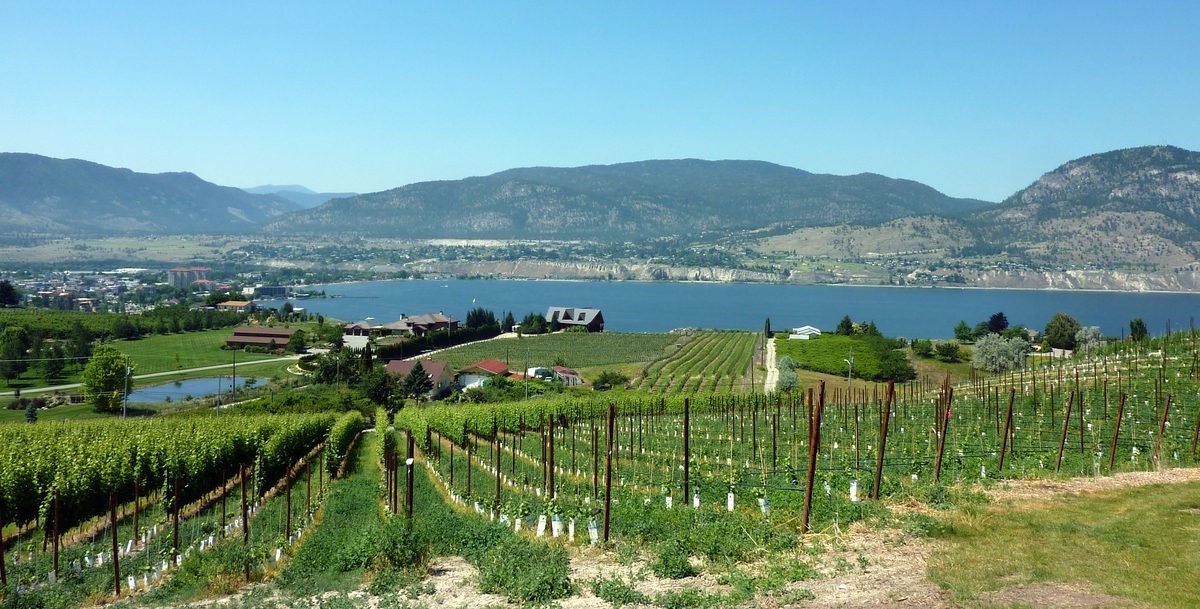
If you only have one wine day, make it this one. The Naramata Bench is a 14-km country road above Penticton lined with orchards, tiny tasting rooms, and lake views that made me pull over three times in the first twenty minutes. No tour buses fit down here comfortably, no big corporate estates — just families who grow the grapes and pour them. I’d go back just for the drive.
6. Poplar Grove Winery — start at the south end
Drive the Bench south-to-north so you end near the village (smart logistics = more tasting time). Poplar Grove is the Bench’s big-reds specialist — their cabernet franc and meritage-style blends are the boldest wines on this road, and there’s an on-site cheesemaker doing pairings that made my whole afternoon. The patio overlooks the vines rolling down to the lake, and I sat there so long our host refilled my water twice without being asked. Check tasting options on Poplar Grove’s official site — they run both drop-in and bookable experiences.
7. La Frenz Winery — the tiny charmer
La Frenz is what the Bench is about: a family operation, a modest tasting room, wines that overdeliver for the price. Their gewürztraminer was the surprise bottle of my trip — lychee, rose petal, dangerously drinkable. Walk-ins are welcome most days, which makes it the perfect spontaneous middle stop. I double-checked their current hours on La Frenz’s official site before driving out, because small wineries keep idiosyncratic hours (fair warning: some close midweek in shoulder season).
8. JoieFarm Winery — the picnic stop
JoieFarm’s farmhouse patio with its picnic tables under the trees is where you schedule the long lunch. Grab cheese from Poplar Grove, bread from the village bakery, and a bottle of JoieFarm’s famously food-friendly rosé — then do nothing for an hour except look at the lake. Our server insisted the En Famille Reserve was the one to take home, and she was not wrong. Their site (JoieFarm’s official site) lists the seasonal food program, which runs roughly May through October.
9. Nichol Vineyard — the Bench pioneer
Nichol was planting syrah on the Bench before the Bench was cool, and it remains the connoisseur’s stop — small production, serious wines, zero pretension. The tasting room is humble; the wines are not. If you taste one syrah in the Okanagan, make it here. I checked their current tasting setup on Nichol Vineyard’s official site — intimate, appointment-friendly, and the kind of place where the person pouring might be the winemaker.
10. Naramata village & Manitou Park — the swim stop
End the Bench day in the village itself: a general store, a bakery, a pub, and Manitou Park — a grassy lakeside park with a swimming beach that is exactly what you need after five tasting rooms. I jumped in the lake at 5 PM in September and it was the single best decision of the trip. Bring a towel in the car. Trust me on this one.
The Kettle Valley Rail Trail runs right above Naramata — the old railway turned into a cycling path with trestle bridges over the vineyards. Rent e-bikes in Penticton and ride the Bench section between tastings. Our B&B host called it “the best free thing in wine country” and I’m inclined to agree — just do the ride before the tastings, not after.
Driving vs. wine tours: the honest math
Do not drive yourself between tastings. BC’s impaired-driving limit is 0.05, and even careful sipping across 4 wineries adds up fast. Every option below is better than being the person doing mental math in a tasting room parking lot.
You have three real options, and the right one depends on your group:
- Designated driver + your own car: cheapest and most flexible. The DD still gets to do the tours, the views, the food — most wineries pour generous non-alcoholic tastes or just a great lunch. We did this with a group of four and it was perfect.
- Guided wine tour: full-day Naramata or West Kelowna tours run around $140–$180 per person including tastings, transport, and usually lunch stops — I priced a few on GetYourGuide while planning and the math works out if you’d otherwise pay 4–5 tasting fees plus a taxi. Door-to-door pickup, zero decisions, and the guides know which small rooms are pouring something special that week.
- E-bikes on the Bench: the Naramata Bench is genuinely bikeable — flat-ish, 14 km, wineries every few hundred metres. It’s the most fun option and the most romantic, but still: one tasting flight per stop, lots of water, and no heroics.
No car at all? It’s trickier but doable: Kelowna’s east-side wineries are reachable by a mix of transit and short taxi rides, and several operators run pickup tours from downtown Kelowna hotels. For the car-free playbook, see my guide to getting around Canada without a car.
Where to eat in wine country
A wine trip is a food trip — the Okanagan knows it, and the farm-to-table scene here punches absurdly above its weight. My shortlist:
- Winery restaurants first: the Terrace at Mission Hill, Old Vines at Quails’ Gate, and Summerhill’s bistro — book lunch with your tasting reservation so you’re not hangry-driving between wineries.
- Downtown Kelowna: the lakefront strip has the valley’s best non-winery dining — I had a white-tablecloth dinner one night and a taco-truck lunch the next, and both were excellent. Check Hello BC’s official site for current restaurant roundups.
- Penticton & Naramata: the Bench is picnic country — hit the Naramata general store for cheese, charcuterie, and stone fruit in season (the peaches in August are to die for, I ate four in one day and regret nothing).
Where to stay: Kelowna vs. Naramata vs. Penticton
- Kelowna (downtown/waterfront): the most choice, the most restaurants, the easiest airport access. Best for first-timers doing the Westside + east-side clusters. The waterfront path at sunset is a whole mood.
- Naramata village: B&Bs and boutique inns within stumbling distance of the Bench — the most romantic option, and you can bike the tasting road. Book early for September; there aren’t many rooms.
- Penticton: the budget-friendly base between two lakes, 15 minutes from the Bench’s south end. Motels and mid-range hotels at noticeably lower prices than Kelowna.

I stayed two nights in Kelowna and one in a Naramata B&B, and that split was perfect — city energy for the big estates, village quiet for the Bench. For the wider BC picture, my British Columbia travel guide and best places to visit in BC put wine country in context with the rest of the province.
What does an Okanagan wine trip cost?
Prices below are what I actually spent across three days, per person. Pick your travel style, tell the calculator how many days you’re staying, and it does the rest. (Accommodation not included — see the table below.)
Budget calculator
Per person, in Canadian dollars. Excludes accommodation.
Budget ≈ $115/day · Mid-range ≈ $215/day · Luxury ≈ $370/day. Fees checked October 2026. Wine purchases not included — budget accordingly (you will buy wine).
| Expense (per person / day) | Budget | Mid-range | Luxury |
|---|---|---|---|
| Accommodation | $65 (Penticton motel, shared) | $140 (Kelowna hotel, shared) | $250+ (Naramata B&B / vineyard suite) |
| Food & drink | $45 | $90 | $160 |
| Tastings (3–4 wineries) | $40 | $65 | $110 |
| Getting around | $15 (DD’s gas share) | $35 (tour share / taxis) | $60 (private tour) |
| Coffee, treats & souvenirs | $15 | $25 | $40 |
| Daily total | ~$180 | ~$355 | ~$620 |
Travelling wine country on a tighter budget overall? My Canada budget travel guide has the province-wide tricks — and the picnic strategy above is genuinely the biggest saver on this trip.
The perfect 2-day Okanagan wine itinerary
| Time | Day 1 — West Kelowna + Kelowna east side | Day 2 — Naramata Bench |
|---|---|---|
| Morning | Mission Hill (first slot) → Quails’ Gate; lunch at Old Vines | Drive to Penticton; Poplar Grove + cheese pairing |
| Midday | Cross to the east side: CedarCreek, then Tantalus | La Frenz → JoieFarm picnic lunch on the patio |
| Afternoon | Summerhill pyramid tasting; back to Kelowna | Nichol Vineyard; swim at Manitou Park in the village |
| Evening | Dinner on the Kelowna waterfront; sunset stroll | Dinner in Penticton or Naramata pub; stargaze over the lake |
FAQs about Okanagan wine country
How many days do you need in Okanagan wine country?
Two full days is the sweet spot: one for West Kelowna + Kelowna’s east side, one for the Naramata Bench. With one day, do the Bench only — it’s the most distinctive experience. With three, add Oliver’s bigger reds to the south or a lake day in Kelowna. I did three and the third day was gloriously slow: one winery, one long lunch, one swim.
What is the best time of year to visit Okanagan wineries?
May through October, with September as my personal pick: harvest energy, warm lake-swimming weather, thinner crowds than August, and the tasting rooms are pouring new releases. July and August are glorious but busy — book everything ahead. November through April, many small Bench wineries close or go weekends-only, though the big Westside estates stay open year-round.
Do Okanagan wineries require reservations?
It depends on the room. The big Westside estates (Mission Hill, Quails’ Gate) run timed slots and require booking on summer and fall weekends — I checked their official sites and walk-ins are genuinely turned away at peak times. Mid-size east-side wineries (CedarCreek, Tantalus, Summerhill) are appointment-first in harvest season. The tiny Naramata Bench rooms are usually walk-in friendly on weekdays. Rule of thumb: if it matters to you, book it.
How much do wine tastings cost in the Okanagan?
Standard flights run $15–$30 per person for 4–5 wines, with premium or seated experiences at $35+. The good news: most wineries waive or credit the fee with a bottle purchase, so budget for 3–4 tastings a day (~$40–$65 mid-range) and plan to buy your favourites. See the budget calculator above for full per-day estimates.
Can you visit Okanagan wineries without a car?
Yes, with planning. Guided wine tours with downtown Kelowna hotel pickup cover West Kelowna and the Bench without you touching a steering wheel — around $140–$180 per person for a full day including tastings. The Naramata Bench itself is bikeable. What doesn’t work well: relying on rideshares between rural wineries. For the full car-free playbook, see my guide to getting around Canada without a car.
Which Okanagan wines should I try?
The valley’s signature grapes: pinot gris, chardonnay, and riesling for whites (cool-climate, bright, food-friendly); pinot noir, merlot, and syrah for reds (the south gets riper and bolder). My take-home case: Tantalus riesling, Quails’ Gate pinot noir, Nichol syrah, Summerhill sparkling, and La Frenz gewürztraminer. If you only remember one thing: Okanagan riesling will change your mind about riesling.
Keep exploring
Wine country is just one flavour of the Okanagan — here’s where I’d go next:
- 1-day Kelowna itinerary — beaches, the waterfront, and Myra Canyon beyond the vines
- 2-day Kelowna itinerary — the relaxed city + wine combo
- 3-day Kelowna itinerary — the full long-weekend version
- British Columbia travel guide — the full planning companion for the province
- Best places to visit in BC — where wine country fits the bigger trip
- How to travel Canada on a budget — the picnic strategy, province-wide
You’ve got this. The Okanagan rewards the unhurried — three wineries, one long lunch, and a swim. That’s the whole secret.