

Last updated: October 14, 2026
- ✓ SilverLeaf is the sweet spot. The views are already enormous from the single-level dome; GoldLeaf earns its premium on special trips, not on scenery alone.
- ✓ Worth it if you’d rather watch than drive. Not worth it if you’re counting dollars, chasing sleeper-car romance, or perfectly happy steering the Icefields Parkway yourself.
- ✓ 2026 has two quirks: the brand-new Banff–Jasper route (June–July only) and the final season ever of the Whistler–Quesnel run.
Here’s the deal: for years I drove past the Rocky Mountaineer and scoffed. I’m a steering-wheel guy. I’ve done the Icefields Parkway eleven times, I know every pullout between Lake Louise and Jasper by the smell of the brakes on the descent, and the idea of paying thousands to sit still while somebody else drives the view struck me as, frankly, soft. Then my mother turned seventy and asked for one thing: the train. So I rode it. SilverLeaf, eastbound, Vancouver to Banff, first week of October.
The sideways part happened the night before boarding. I showed up at the Vancouver station with a duffel the size of a dishwasher, because my brain had filed this trip under “camping” instead of “hotel every night.” The Rocky Mountaineer runs daylight only — no sleepers, no bunks, no rocking yourself to sleep in a berth. You sleep in an actual hotel in Kamloops, and your luggage goes there separately by road while you ride with a day bag. The station crew took one look at my duffel and just smiled the way people smile at tourists. Lesson one, learned before we even moved: pack a day bag. That’s it. I double-checked the luggage setup on Rocky Mountaineer’s official SilverLeaf page before writing this — baggage transfers are included, and yes, they’ve seen worse than my duffel.
My verdict, after two days of watching the Fraser Canyon slide past a glass dome: it’s worth it for the right person, and a bad deal for the wrong one. I’m not hedging — the rest of this review is me sorting you into the right line.
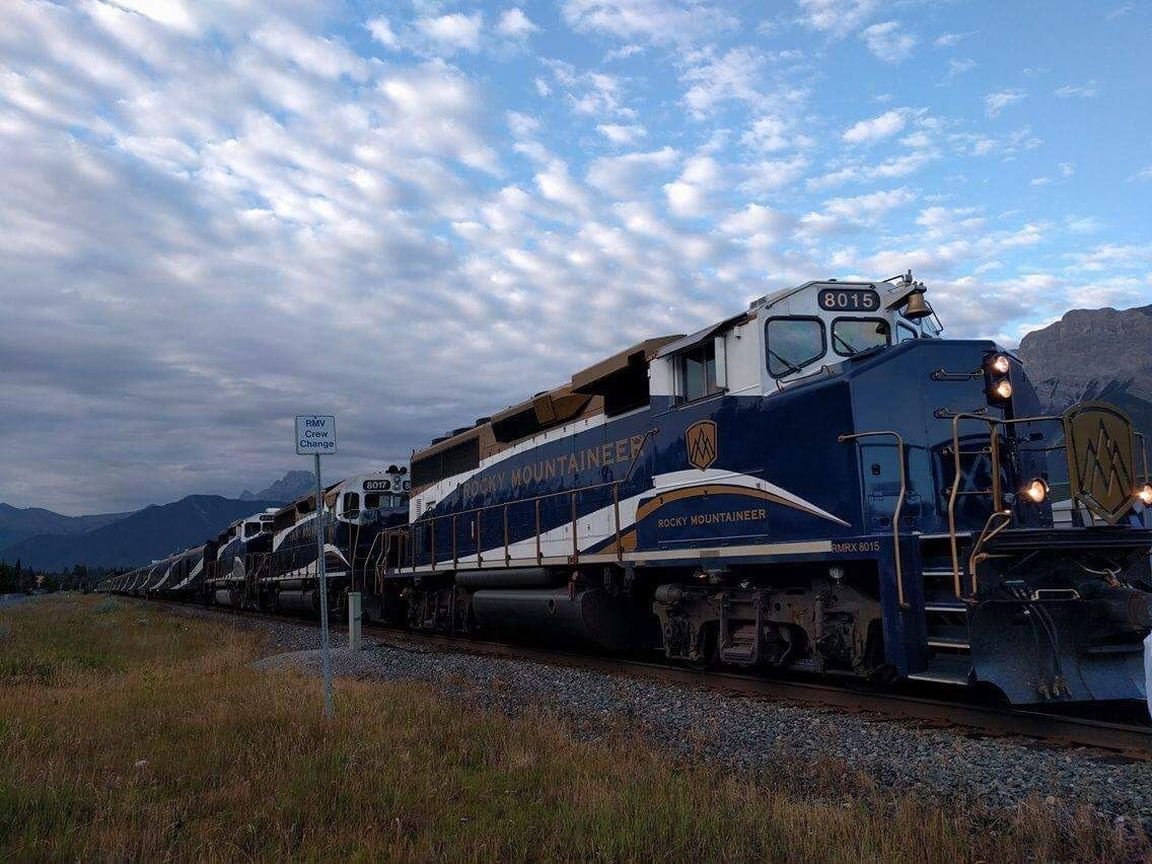
Who the Rocky Mountaineer is actually for
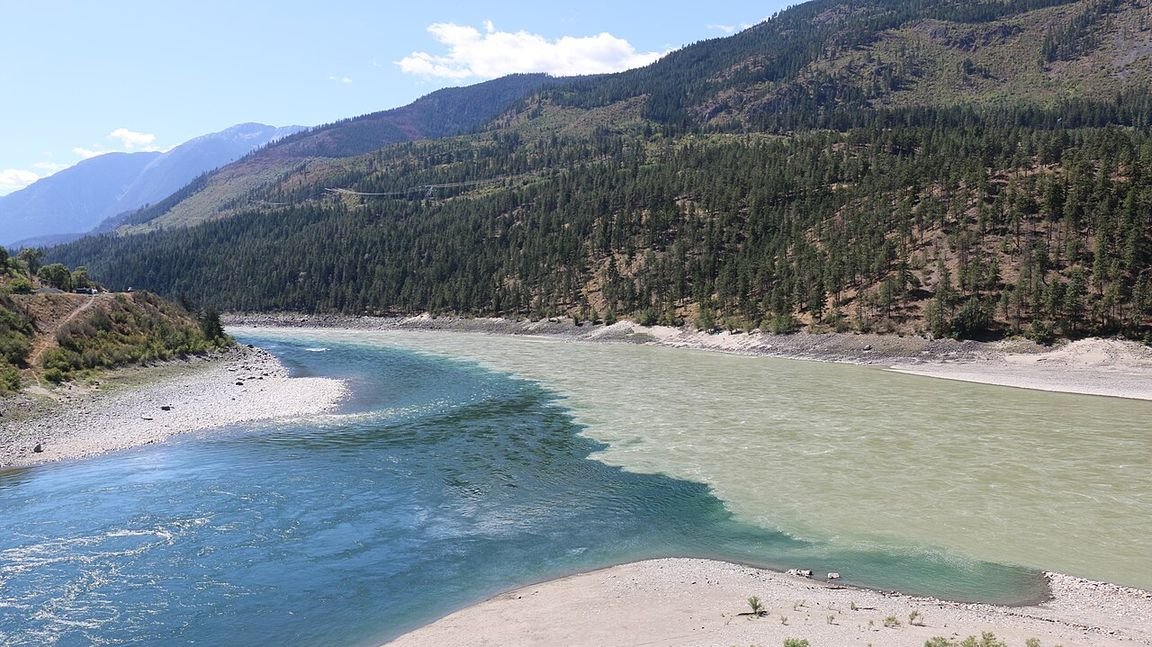
Scenery-first travellers. If your trip plan is built around looking out windows, this is the best window in Canada. The dome glass wraps up over your head. On day two, eastbound, the Thompson River narrows into the Fraser Canyon and the whole car tilts toward one side like a boat. Nobody looks at their phone for about forty minutes. I’ve made this mistake so you don’t have to: don’t sit there narrating the geology to your seatmate. Just watch.
Milestone trips. Anniversaries, seventieth birthdays, the retirement you promised yourself. My seatmate on day one was a retired teacher from Ohio who’d saved for five years to do this with her sister. She cried a little at Hell’s Gate — not at the rapids, at the fact that she was finally there. I stopped doing per-kilometre math in my head right about then. Some purchases aren’t supposed to survive a spreadsheet.
People who hate packing and unpacking. This is the sleeper feature, no joke. One hotel check-in per night, one bag, the same seat two days running, lunch appearing at your table while the scenery does the work. My mother, who treats hotel check-in lines like a personal insult, was sold by noon on day one.
Daylight-only purists. If the idea of a hotel bed every night sounds better than a bunk — better light, better sleep, an actual shower — this is your train. The Rocky Mountaineer has never run overnight, and the 2026 schedule runs mid-April to mid-October, daylight hours only.
Who should skip it
Budget travellers. The cheapest 2026 rail-only fare I found on Rocky Mountaineer’s official 2026 rate card is $2,349 CAD per person (SilverLeaf, April, westbound) — and peak-season GoldLeaf on the main route tops $4,219. That’s rail-only: endpoint hotels, dinners, and the 5% GST are extra. If that sentence made your stomach drop, the train is not for you, and that’s fine. My budget Canada guide exists for exactly this reason.
Real railfans who want sleepers. There are no sleeper cars. There will never be sleeper cars. If your dream is falling asleep to rail joints and waking up somewhere new, you want VIA Rail’s The Canadian — see the budget alternative below.
People fine with self-driving. Here’s the uncomfortable truth: you can see much of the same country from the driver’s seat of a rental car on the Icefields Parkway, for a fraction of the price. My Banff–Jasper road trip itinerary covers the exact corridor. What the train buys you is the glass dome, the narration, the food, and the freedom to stare instead of steer. If steering doesn’t bother you, keep your money.
The four 2026 routes, on a map
Four routes, seven stops, all daylight. Tap any stop to jump the map to it.
Map data © OpenStreetMap contributors. Open the full map
My route-by-route read, with 2026 pricing from the official rate card (per person, CAD, rail-only — midpoint hotels and onboard meals included, endpoint hotels and 5% GST extra). I double-checked these fare tables on Rocky Mountaineer’s 2026 rail journey rate card before writing this; a few travel agents quote slightly lower April fares, so it’s worth a comparison shop.
| Route (2026) | Days | SilverLeaf from | GoldLeaf from | My take |
|---|---|---|---|---|
| First Passage to the West — Vancouver ↔ Banff/Lake Louise, overnight Kamloops | 2 | $2,349 (Apr) → $3,149 (Sep) | $3,189 (Apr) → $4,219 (Sep) | The classic. Most popular, best first-timer pick. 957 km of the greatest-hits canyon and mountain scenery. |
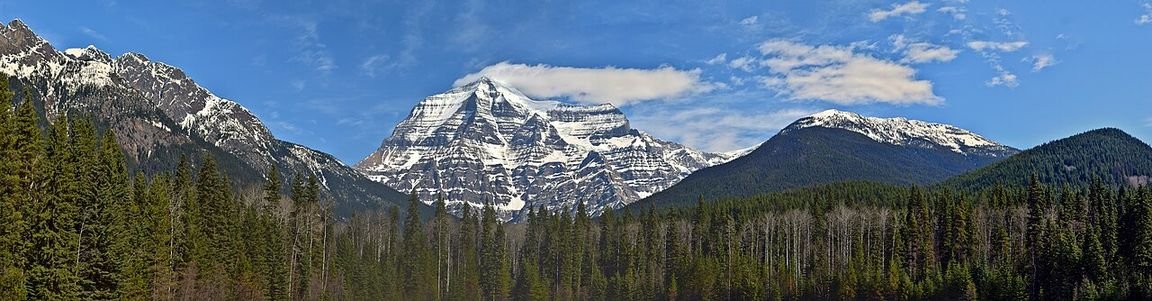
| Journey through the Clouds — Vancouver ↔ Jasper, overnight Kamloops | 2 | $2,349 (Apr) → $3,079 (Sep) | $3,189 (Apr) → $4,099 (Sep) | My pick for repeat visitors. Mount Robson — the highest peak in the Canadian Rockies — is the single best moment on any route. |
| Rainforest to Gold Rush — Vancouver → Whistler → Quesnel → Jasper, GoldLeaf only | 3 | — | $4,480 (Apr) → $5,289 (Jun–Oct) | 2026 is its final season — the trackage is being discontinued. Last call if the northern route calls to you. |
| Passage to the Peaks — Banff ↔ Jasper via Kamloops, Jun–Jul 2026 only | 2 | $2,899–$2,934 | $3,999–$4,049 | New for 2026, launched because the FIFA World Cup crowds Vancouver this summer. Short booking window. |
Rainforest to Gold Rush will not run in 2027 or 2028 — Rocky Mountaineer announced in March 2026 that CN is discontinuing operations on the track it depends on. If that northern route through Whistler and Quesnel is the one you want, 2026 is the last train. Book early; final-season departures sell out.
SilverLeaf vs GoldLeaf: the value call
Here’s the deal. GoldLeaf gets you a bi-level glass-dome coach — big seats upstairs, a dedicated dining room downstairs with plated meals, and an exclusive outdoor viewing platform. SilverLeaf gets you a single-level custom dome, meals served at your seat, and a smaller outdoor viewing area. Both include the gourmet breakfasts and lunches, both include the Kamloops hotel night and luggage transfers. I confirmed the coach layouts on Rocky Mountaineer’s official GoldLeaf and SilverLeaf pages.
I rode SilverLeaf. The dome glass was enormous. The food — served at my seat, on real plates, by people who knew what they were doing — was better than most restaurants I’ve eaten at in Banff. At no point did I look across the platform at the GoldLeaf cars and think I’m missing the scenery. The scenery does not care which coach you’re in.
So: SilverLeaf is the sweet spot. The premium for GoldLeaf — roughly $840 to $1,100 more on the two-day routes — buys you the dining room ceremony and the bigger outdoor deck. Worth it on a honeymoon or a once-in-a-lifetime splurge, where the ritual matters. For everyone else, put the difference toward an extra night at the Fairmont or a helicopter tour over the Columbia Icefield. You’ll remember that longer.
Your luggage rides separately to the hotel — you only carry a day bag on the train. Pack layers, a camera, binoculars if you own them, and nothing else. I learned this the embarrassing way, as documented above.
What’s included, and what isn’t
The rail-only fare covers more than I expected, and less than the brochures imply. Included: two or three days of onboard breakfasts and lunches, the midpoint hotel night(s) in Kamloops (plus Whistler and Quesnel on the three-day route), all luggage handling, onboard host gratuities, and station transfers at the midpoint stops. Not included: hotels at the endpoints (Vancouver, Banff, Lake Louise, Jasper), dinners, the 5% GST, national park passes, and transfers at the endpoints. Multi-day packages with endpoint hotels exist — one agent I found lists a personalized First Passage trip from about $6,170 CAD — but at that point you’re building a custom holiday, so get a direct quote from rockymountaineer.com.
What it actually costs in 2026
Numbers from Rocky Mountaineer’s 2026 rail journey rate card, per person, CAD, before 5% GST. April is the cheapest month across every route; July through September is peak. Westbound and eastbound fares differ slightly — I’ve shown the range across directions.
The cheapest way onto the train in 2026: SilverLeaf in April, $2,349. The most expensive standard option: GoldLeaf in September on First Passage, $4,219. The three-day Rainforest to Gold Rush runs $4,480–$5,289 (GoldLeaf only). Add endpoint hotels — figure $200–$450 a night in Banff or Jasper in season; my 3-day Banff itinerary and 2-day Jasper itinerary have current hotel picks — plus dinners, and you’re looking at roughly $3,000–$5,500 per person all-in for the two-day routes. For the full trip budget picture, my Canada trip cost guide breaks down daily spending.
The calculator below covers your daily spending around the rail fare — food beyond the onboard meals, sights at the endpoints, transfers, and the inevitable souvenir coffee mug. The rail fare itself is quoted separately above, because it deserves its own line of the budget and its own deep breath.
Pick your travel style, set your trip days (rail days + buffer days at the endpoints). Rail fare NOT included.
Budget ≈ $125/day · Mid-range ≈ $200/day · Luxury ≈ $380/day. Rail fare not included — see the table above. Spending checked October 2026.
April and October fares run roughly $500–$800 cheaper than peak on the two-day routes, and the train is quieter. October brings golden larches in the high country; April brings snow-dusted peaks and empty platforms. I rode in early October and the light on the canyon walls was unreal — plus my fare sat at the low end of the table. Pack a warm layer either way.
The $148 alternative: VIA Rail’s The Canadian
If the Rocky Mountaineer’s prices made you flinch, here’s the honest budget alternative: VIA Rail’s The Canadian runs Vancouver–Jasper too, and economy seats start from about $148–$172 CAD, depending on the date. That’s roughly one-twentieth the price of the cheapest Rocky Mountaineer fare. I’ve compared the two in detail in my Rocky Mountaineer vs VIA Rail breakdown, and the full fare picture lives in what the Rocky Mountaineer costs.
The trade-offs are real. VIA runs overnight — you sleep in your seat in economy, and you’ll miss scenery in the dark. There’s no dome glass, no narration, no plated lunch. What you get is a genuine long-distance train, sleeper options if you pay up (berths from around $497), and the same mountains rolling past the window for the price of a nice dinner. Different trip. Not a lesser one. Check your date’s fare on viarail.ca — their site needs a live booking lookup, so I couldn’t pin a single 2026 price here.
What I’d do differently
Two things. First, I’d bring binoculars. I don’t own any — seemed like a landlubber accessory — and I spent half of day two squinting at mountain goats that were definitely there and definitely unidentifiable. The gift shop in Kamloops sells a perfectly adequate pair for the price of a bad airport sandwich, but bring your own.
Second, I’d stop apologizing for the price. I boarded doing mental division — dollars per kilometre, dollars per mountain — and it took a retired teacher from Ohio crying at Hell’s Gate to shut the calculator off. If you can afford it without flinching, and the scenery-first description fits you, book the thing. If you can’t, the Icefields Parkway in a rental car is waiting, and it’s magnificent. Either way, you’re looking at the same mountains. The train just lets you look longer.
Frequently asked questions
Is the Rocky Mountaineer worth it for solo travellers?
Yes — maybe more than for couples. The dome car is social without being forced: shared tables at meals, hosts who actually talk to you, and nobody cares that you’re alone because half the car is too busy staring out the window to notice anyone. Book early for the best single-seat pickings in shoulder season, when fares are lowest.
Is GoldLeaf worth the premium over SilverLeaf?
On scenery alone, no — the views from SilverLeaf’s single-level dome are the same mountains. GoldLeaf’s roughly $840–$1,100 premium buys the bi-level coach, the downstairs dining room, and the larger outdoor viewing platform. My call: SilverLeaf is the sweet spot for most people; pay for GoldLeaf on a honeymoon or a once-in-a-lifetime splurge, where the ceremony is the point.
Rocky Mountaineer or VIA Rail’s The Canadian?
Different trips. The Rocky Mountaineer is a daylight-only luxury sightseeing train with dome glass, narration, gourmet meals, and hotel nights — from $2,349 in 2026. VIA’s The Canadian is a real overnight train with economy seats from about $148–$172, sleeper options, and scenery you partly sleep through. Pick the Mountaineer for the experience, VIA for the budget. Full comparison: my Rocky Mountaineer vs VIA Rail guide.
Which Rocky Mountaineer route is best for first-timers?
First Passage to the West (Vancouver ↔ Banff/Lake Louise). It’s the most popular for a reason: two days, the Fraser Canyon, the Kicking Horse Pass, and you end in Banff with the whole national park at your feet. Take Journey through the Clouds (Vancouver ↔ Jasper) on your second trip — Mount Robson is the single best moment on any route.
What’s the best month to ride?
September: peak scenery, golden light, fares just past the summer top. June–August has the longest days and the highest prices. April and October are cheapest — I rode in early October and loved it — but expect cold mornings and the odd early snow. Late August can bring wildfire smoke some years, which flattens the views; check conditions before you book.
Can you see the same views by car?
Much of it, yes — and cheaper. The Icefields Parkway between Lake Louise and Jasper covers the same mountain corridor, and my Banff–Jasper road trip drives it end to end. What the car can’t give you is the Fraser Canyon rail grade, the glass dome, or the luxury of staring instead of steering. If driving doesn’t bother you, rent the car and spend the savings on hotels.
The train pulled into Banff at golden hour, and my mother — seventy years old, not a sentimental woman — grabbed my arm and said, “Worth every penny.” She was right, for her. Whether she’s right for you is the whole question this review tried to answer. Before you go, run through my Canada travel checklist so the logistics don’t eat the magic.
1 comment