

Last updated: October 14, 2026
- ✓ Rocky Mountaineer is a daylight-only luxury ride through the Rockies — you sleep in hotels, never on the train. Two days, all scenery, zero nights rattling through the dark.
- ✓ VIA Rail’s The Canadian is the real sleeper train: 4,466 km, four nights, Toronto to Vancouver, with berths, cabins, a dining car, and dome cars. It runs year-round.
- ✓ Pick RM for the scenery-as-luxury experience; pick VIA for the adventure — and a fare that can be one-tenth the price.
I showed up at Pacific Central Station in Vancouver with a duffel bag, a paperback, and a ticket that said “sleeper.” The plan: sleep my way across the Rockies to Toronto. Romantic. Wrong train.
The Rocky Mountaineer doesn’t do sleepers. It doesn’t do nights at all. By dinnertime you’re in a hotel in Kamloops and the train is parked somewhere dark without you. I found this out the confused way — standing on the wrong platform, staring at a glass-dome coach like it owed me money.
Here’s the deal: these are two completely different trips that happen to share some track. One is a two-day luxury daylight cruise. The other is a four-night, 4,466-kilometre sleeper-train crossing of an entire country. I’ve ridden both. Here’s the honest comparison: routes, prices, and who each one is actually for.
The 30-second version
| Rocky Mountaineer | VIA Rail’s The Canadian | |
|---|---|---|
| Route | Vancouver → Banff/Lake Louise or Jasper (Rockies only) | Toronto → Vancouver (the whole country) |
| Distance | ~850–950 km, route-dependent | 4,466 km |
| Duration | 2 daylight days (3 for Rainforest to Gold Rush) | 4 days / 4 nights |
| Where you sleep | Hotels (Kamloops overnight) | On board — berth, roomette, or bedroom |
| Season | Mid-April to mid-October only | Year-round (fewer departures in winter) |
| 2026 fares from | SilverLeaf $2,289 · GoldLeaf $3,109 (rail-only) | Economy $444 · Sleeper berth $1,109 |
| Meals | All onboard meals included | Included in Sleeper Plus/Prestige; café prices in economy |
| Who it’s for | Celebrations, bucket lists, travellers who want every minute scenic | Adventurers, slow travellers, anyone who thinks the journey is the point |
The two trains, on a map
Eight stops that tell the whole story: where each train starts, where they overlap, and the long flat middle only VIA crosses. Tap any stop to jump the map to it.
Map data © OpenStreetMap contributors. Open the full map
Rocky Mountaineer — the daylight luxury run
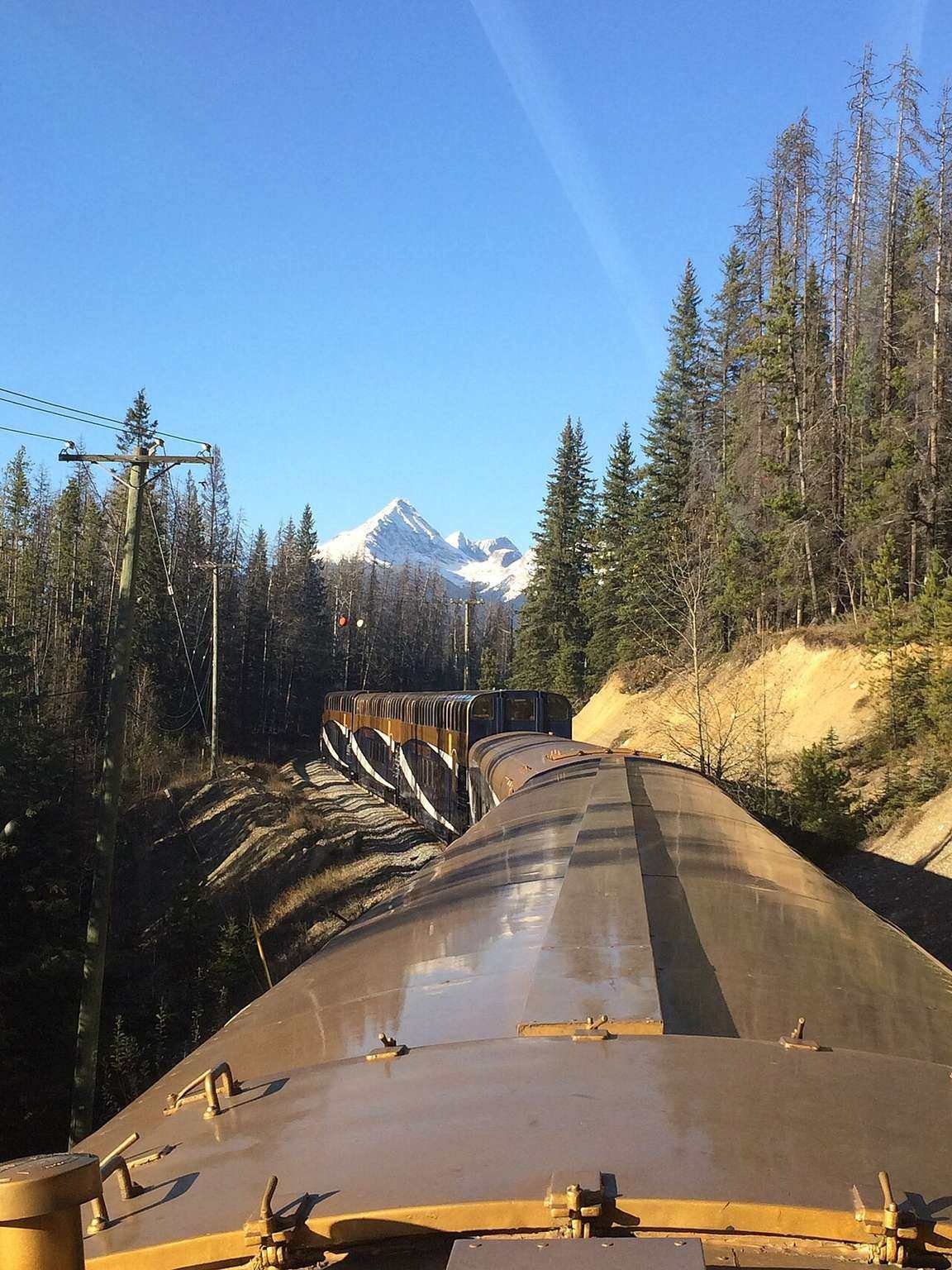
This is the train from the brochures. Glass-dome coaches, white-tablecloth breakfasts, and a strict rule: the train only moves in daylight. The moment the light goes, you’re in a hotel. Nobody misses a mountain because it got dark. That’s the entire pitch, and honestly, it works.
Three routes run from Vancouver, all with an overnight in Kamloops:
First Passage to the West — Vancouver → Kamloops → Banff/Lake Louise. The classic. Two days through the Fraser Canyon, Hell’s Gate, the Spiral Tunnels of Kicking Horse Pass, and the spot at Craigellachie where the Last Spike of the Canadian Pacific Railway was driven. This is the one I rode.
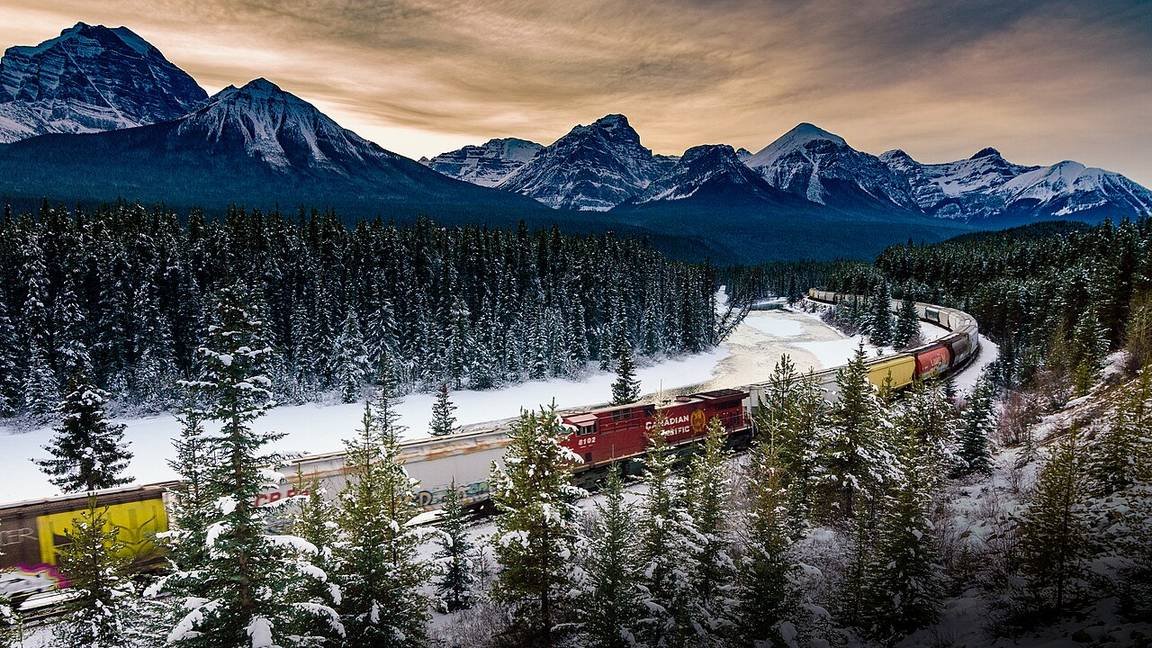
Journey through the Clouds — Vancouver → Kamloops → Jasper. Similar first day, then north past Pyramid Falls and Mount Robson, the highest peak in the Canadian Rockies at 3,954 metres. Quieter than the Banff route. Worth the detour if you’ve already done Banff.
Rainforest to Gold Rush — Vancouver → Whistler → Quesnel → Jasper. Three days instead of two, up the old BC Rail line through coastal rainforest and the Cariboo gold-rush country. The least-travelled route. The one I’d pick next.
And then there’s the 2026-only wildcard: Passage to the Peaks, running Banff ↔ Jasper via Kamloops in June and July 2026 only. Rocky Mountaineer launched it because the FIFA World Cup is clogging Vancouver that summer — it’s the only RM route that skips the coast entirely. Your only season for both Banff and Jasper by rail.
April and October departures are the same mountains for roughly $500–700 less per person. I double-checked the 2026 fare tables on Rocky Mountaineer’s official site — SilverLeaf starts at $2,289 in April and climbs to about $2,999 in September; GoldLeaf runs $3,109 to $4,104. Those are rail-only fares; hotels in Vancouver and Banff are extra. Shoulder season also means you can actually get a dome-side seat without booking half a year out.
Two classes. SilverLeaf is a single-level glass-dome coach with meals served at your seat. GoldLeaf is the bi-level dome with a separate downstairs dining room and an outdoor viewing platform. That platform is the whole argument for the upgrade. I stood out there as we rolled through Hell’s Gate, canyon wind in my face, and understood immediately why people pay the extra $800–900. No joke.
The Kamloops overnight is the one unglamorous part. The hotel was fine. It was a hotel. Nobody rides this train for Kamloops — it’s a parking spot with beds, and the train knows it.
→ Rocky Mountaineer — official site, routes & 2026 fares
VIA Rail’s The Canadian — the real sleeper train
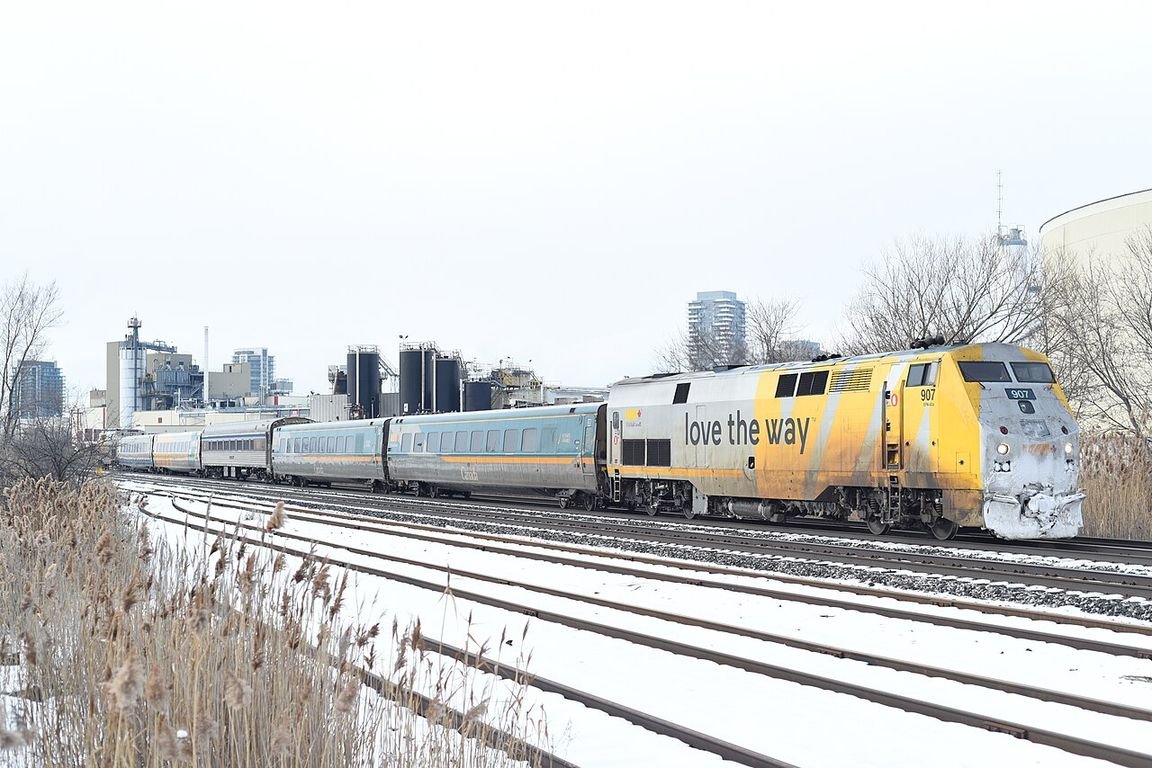
If the Rocky Mountaineer is a cruise, The Canadian is an expedition. Toronto to Vancouver. 4,466 kilometres. Four days and four nights, and you sleep on the train — in a berth, a roomette, or a bedroom, depending on your budget and your tolerance for strangers.
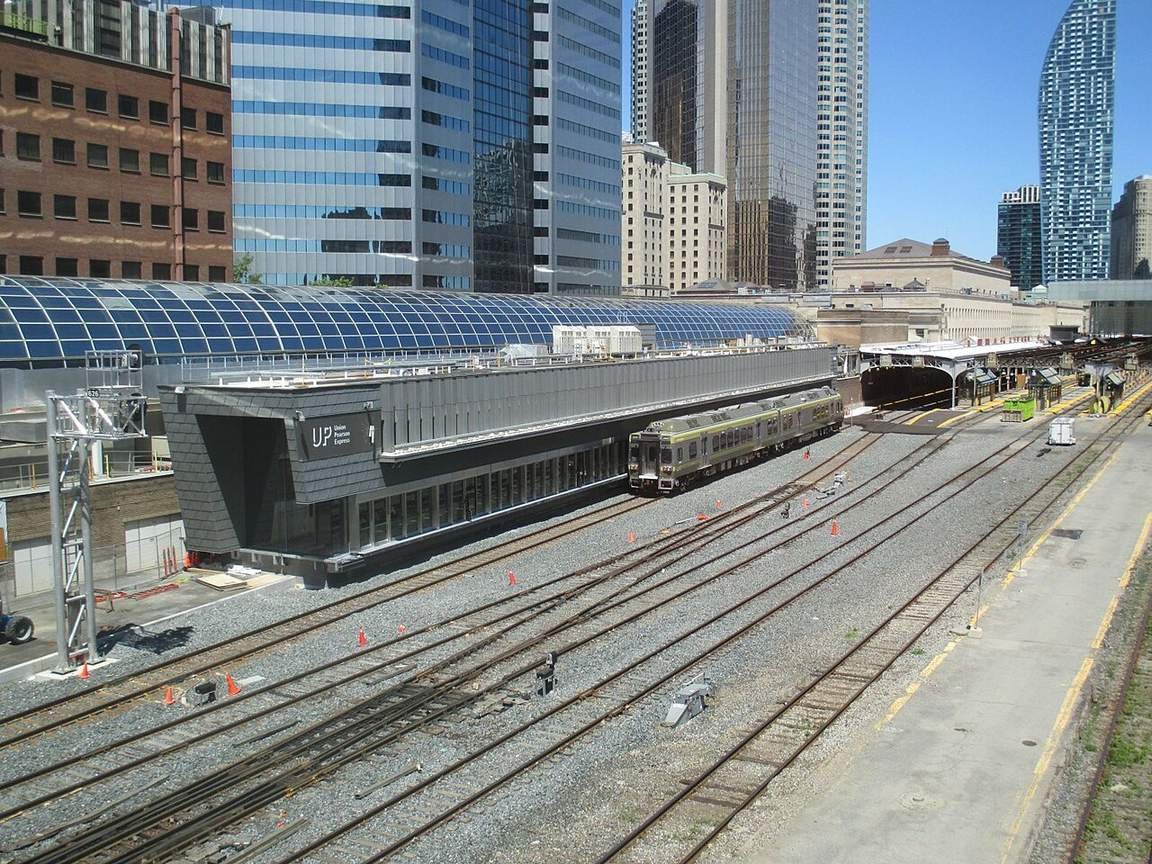
You board at Union Station and the country unspools: the lakes and granite of northern Ontario, Winnipeg at roughly the halfway mark, the flat hypnotic prairies through Saskatoon and Edmonton, and then — finally — the Rockies rising around Jasper. I fell asleep in my berth somewhere east of Jasper and woke up to the attendant converting it back to daytime seats while Mount Robson slid past the window. I’d slept through part of the best scenery on the continent. I’ve never forgiven myself. Set an alarm for the mountains.
The classes, with 2026 fares I cross-checked on VIA’s official site and the fare tables at seat61:
Economy (from $444) — a reclining seat for four days. Cheapest way across the country that isn’t hitchhiking. Bring your own food; the café car exists but your wallet will notice. This is the backpacker leg.
Sleeper Plus (berth from $1,109; roomette or bedroom from $1,785) — the sweet spot. A proper bed, all meals in the dining car included, access to the Skyline dome cars, and showers down the hall. The berth is a curtained bunk — cosy, not private. The roomette is private. The bedroom fits two and costs accordingly.
Prestige (from $4,655) — the rolling hotel suite: bigger cabin, ensuite shower, concierge, and the Park car’s scenic dome reserved for you. At this price you’re in Rocky Mountaineer territory, and you should read the comparison table twice.
The dining car deserves its own paragraph. Sleeper Plus meals are included and they’re genuinely good — I had a steak somewhere in Manitoba that I still think about. You’ll share a table with strangers. You’ll like most of them.
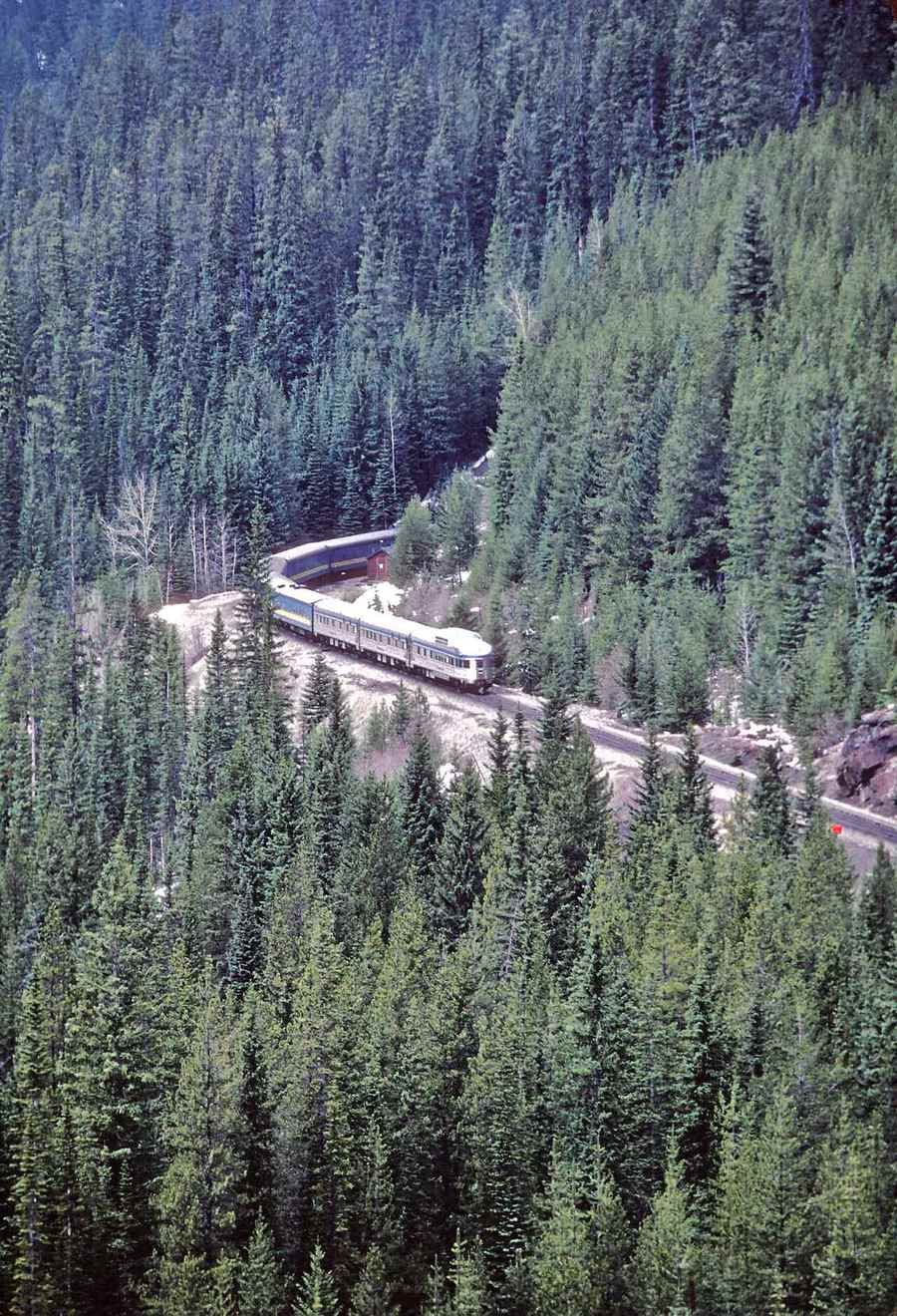
A little history: The Canadian has run this route since 1955, in the same stainless-steel Budd cars you’ll ride today. The photo above is from 1982 at Kicking Horse Pass — the same pass the Rocky Mountaineer crosses. Same mountains, forty years apart.
The Canadian runs late. Mine was six hours behind by Winnipeg, and that’s normal — freight gets priority on these tracks. Don’t book a same-day flight out of Vancouver. Also: there’s no Wi-Fi on board (VIA says so right on their official page), and sleeper berths sell out months ahead in summer. Book early, bring two books, and download everything before you board.
→ VIA Rail — official site, schedules & fares
Where the two trips overlap — and where they don’t
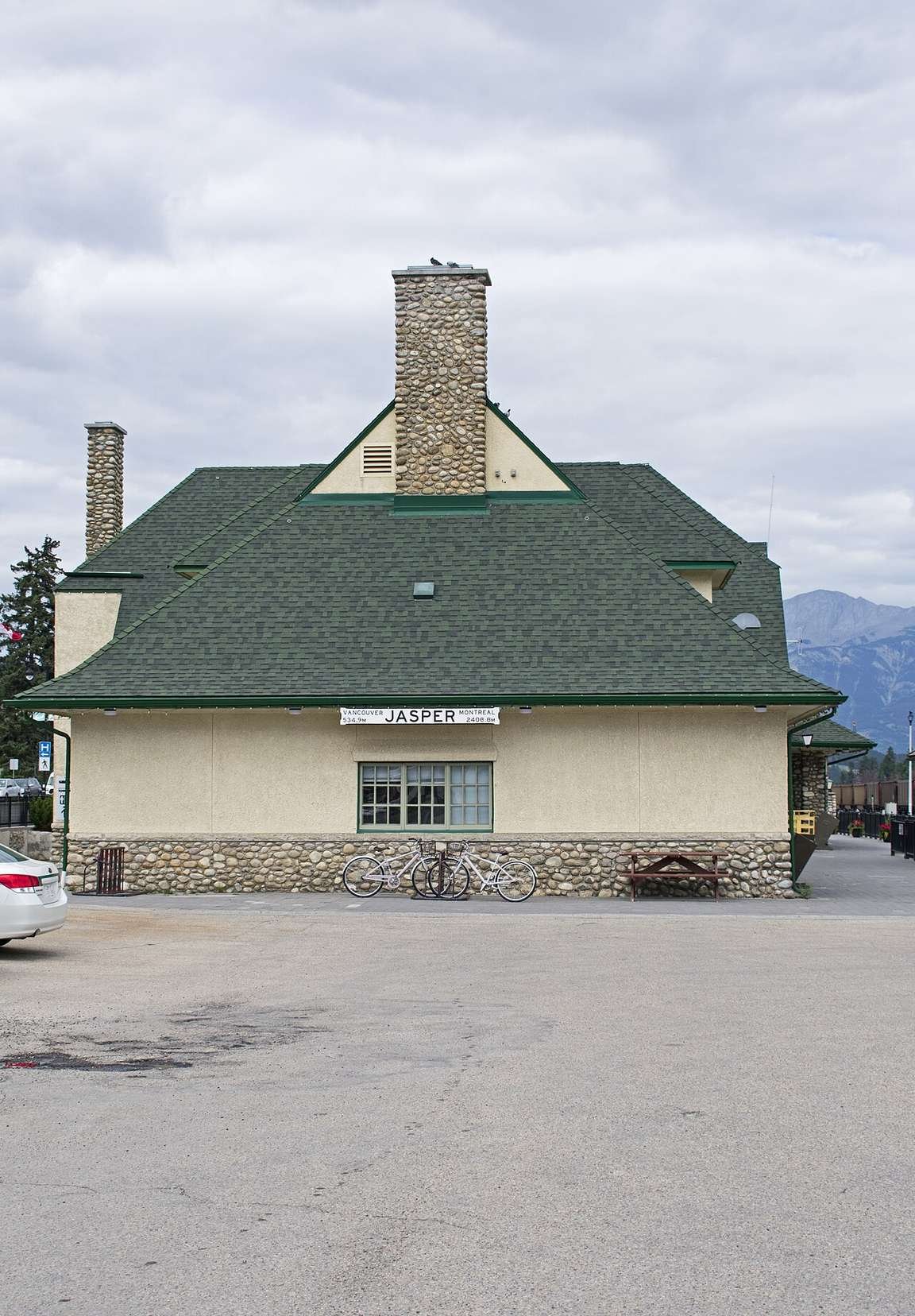
Here’s the geography that matters: both trains run through the Rockies, but only between roughly Kamloops and Jasper/Banff. Everything east of Jasper — Edmonton, Saskatoon, Winnipeg, the whole of Ontario — is VIA-only. The Rocky Mountaineer never leaves the west.
On the shared stretch, the experiences rhyme but don’t match. The Rocky Mountaineer hits the highlights in full daylight with narration and a glass dome built for looking. VIA crosses the same mountains — some of it while you’re asleep, which is the trade. But VIA’s Skyline dome cars are open to every sleeper passenger, and dawn over the Rockies from a dome seat with a dining-car coffee is one of the great free moments in Canadian travel.
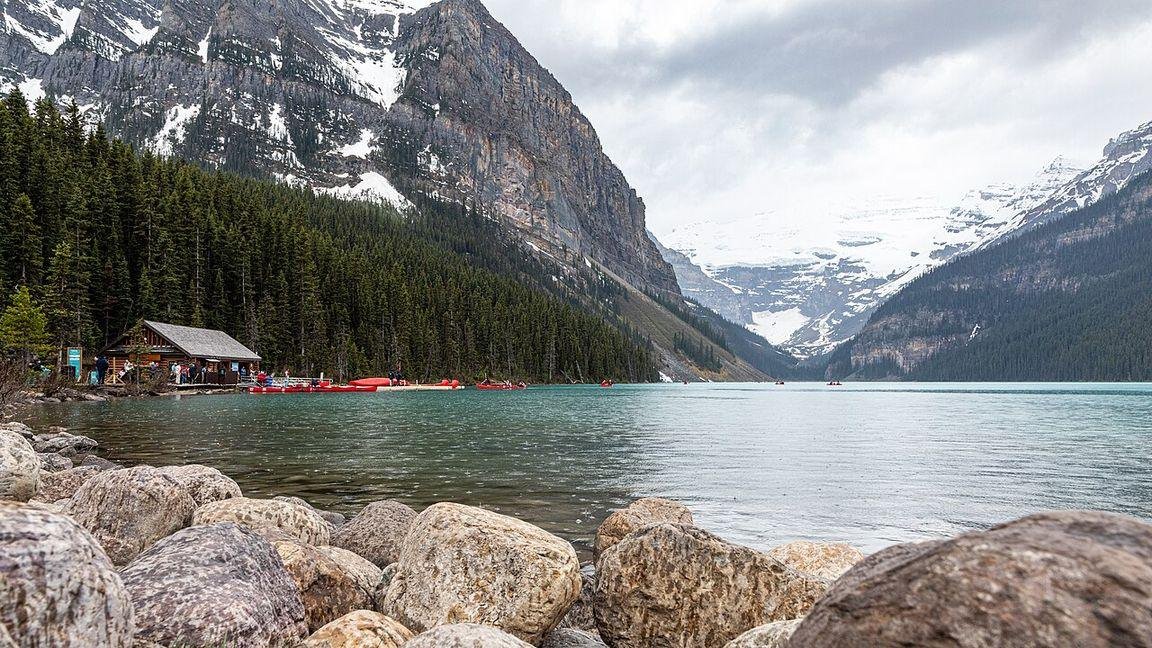
On The Canadian, the Skyline dome car between Jasper and Kamloops at sunrise is the best seat in the country, and it costs nothing extra. A VIA attendant told me most passengers sleep through it. Set the alarm. I mean it — I learned this one the expensive way, and I’ve made this mistake so you don’t have to.

Who should ride which
Ride the Rocky Mountaineer if: you’re celebrating something; you have two days, not four; you want every single minute to be scenic; you like hotels with real beds and dinners you don’t have to share with strangers. It’s the better vacation.
Ride VIA’s The Canadian if: you have four days and a sense of adventure; your budget has a ceiling; you think the journey is the point; you want to see the whole country, not just the pretty part. It’s the better story.
Ride both if: you’re serious about trains. Take VIA from Toronto to Jasper in a sleeper berth, then switch to the Rocky Mountaineer for Jasper → Vancouver in GoldLeaf. Rail fans do exactly this — the sleeper crossing one way, the daylight luxury run the other. It’s the most expensive sentence here and the best trip in it.
My verdict, such as it is: the Rocky Mountaineer is flawless at what it does, and what it does is narrow — two perfect days. The Canadian is rougher, slower, occasionally late, and it gave me four days I still talk about. If someone handed me one ticket, I’d take the sleeper. But I’m the guy who’d rather be outside. Your mileage will vary.
What does it cost?
Below is the honest math, per person, with rail fares amortized per rail day. Pick your style, set the rail days (2 for Rocky Mountaineer, 4 for The Canadian), and the calculator does the rest.
Budget calculator
Per person, in Canadian dollars. Rail fare amortized per rail day; hotels extra.
Budget ≈ $180/day (VIA economy) · Mid-range ≈ $400/day (VIA Sleeper Plus berth) · Luxury ≈ $1,660/day (Rocky Mountaineer SilverLeaf). Fares checked October 2026 — see the table below for what’s behind these numbers.
| Cost (per person, CAD) | Rocky Mountaineer (2-day rail) | VIA The Canadian (4-day crossing) |
|---|---|---|
| Rail fare, from | SilverLeaf $2,289 · GoldLeaf $3,109 | Economy $444 · Sleeper berth $1,109 |
| Peak-season fare | SilverLeaf ~$2,999 · GoldLeaf ~$4,104 | Fares rise Jun–Oct; Prestige from $4,655 |
| Meals on board | Included (breakfast + lunch both days) | Included in Sleeper Plus/Prestige; café prices in economy |
| Nights | Hotels (Kamloops night in fare; Banff/Vancouver extra) | On board — no hotel needed |
| Realistic total | $2,800–4,500+ | $500–2,000 |
For the full breakdown of what a Canada trip costs beyond the rails, my Canada trip cost guide has the per-day numbers for the rest of the country.
FAQs about Rocky Mountaineer vs VIA Rail
Does the Rocky Mountaineer go to Toronto?
No — and this is the mistake I made so you don’t have to. The Rocky Mountaineer only runs in western Canada: Vancouver to Banff/Lake Louise or Jasper (plus the 2026-only Banff–Jasper Passage to the Peaks). If you want Toronto to Vancouver by rail, that’s VIA Rail’s The Canadian, the only passenger train on that route.
Can you sleep on the Rocky Mountaineer?
Not on the train. It’s daylight-only by design — you overnight in hotels (Kamloops on the two-day routes). If sleeping on board is the point, book VIA’s Sleeper Plus: berths, roomettes, and bedrooms on a four-night crossing.
Which is cheaper, Rocky Mountaineer or VIA Rail?
VIA Rail, by a lot. A VIA economy seat Toronto–Vancouver starts around $444; a Sleeper Plus berth starts around $1,109. The Rocky Mountaineer starts at $2,289 (SilverLeaf, April) and climbs past $4,100 (GoldLeaf, peak season) — rail-only, hotels in Vancouver and Banff extra. Different products, different planets, price-wise.
What is the cheapest way to ride the Rocky Mountaineer?
SilverLeaf class, April or October departure, rail-only fare (book your own hotels in Vancouver and Banff). I double-checked the 2026 fare tables on the official site: April SilverLeaf starts at $2,289 versus about $2,999 in peak season. That’s roughly $700 saved for the same mountains. For the full price breakdown, see my Rocky Mountaineer cost guide.
Does VIA Rail’s The Canadian run in winter?
Yes — it’s the only one of the two that runs year-round. Frequencies drop in winter (fewer departures per week), but the train runs, and the Rockies under snow from a heated dome car is something else. Pack for real cold at the station stops. My Canada travel checklist covers the winter gear.
Can I ride both trains in one trip?
Yes, and rail fans do it regularly: take VIA’s The Canadian from Toronto to Jasper in a sleeper berth, then switch to the Rocky Mountaineer for Jasper → Vancouver in GoldLeaf (or reverse it). You get the four-night adventure and the two-day luxury run in one trip. It’s the priciest option in this article and the best one. Still deciding if the luxury leg is worth it? Read my honest take: is the Rocky Mountaineer worth it?
Keep exploring
Two trains down. Here’s where I’d go next:
- How much does the Rocky Mountaineer cost? — the full 2026 price breakdown, season by season
- Is the Rocky Mountaineer worth it? — my honest verdict, and who should skip it
- Canada train travel guide — every rail route in the country, in one place
- How much does a Canada trip cost? — per-day budgets for the rest of your trip
- Best places to visit in Canada — where to point the train next
- Canada travel checklist — what to pack for four days on the rails
Pick the train that matches the trip you actually want. Then set the alarm for the mountains.
1 comment