
Last updated: October 3, 2026
The short answer
- Entry: Most visitors flying to Canada need an eTA (CAD $7, approved in minutes at the official canada.ca page) — apply the moment you book, not the night before. I’ll explain why below.
- Scale: Canada is enormous — Toronto to Vancouver is 4,466 km by train. Pick one region per trip, and fly between distant ones. I learned this the spreadsheet way.
- Money: Tax is added at the register (not on the shelf tag), cards work almost everywhere, and restaurants expect 15–20% on the pre-tax bill.
I’ll be honest: my first trip to Canada, I treated it like a slightly colder Europe and winged it. I landed with the wrong season’s jacket, tried to “do the Rockies and the East Coast” in nine days, and nearly applied for my eTA at the gate with a dying phone battery. (Pro tip: do not be me.) Canada rewards a planner — trust me on this one — and this is the guide I wish someone had handed me first: entry rules, distances, money, packing, tipping, and the small cultural stuff that makes the trip smoother. All prices and rules checked in October 2026.
Entry requirements: eTA, visas, and the border chat
Getting into Canada is straightforward if you sort it before you book anything else. Here’s the thing most first-timers get wrong: the entry document depends on your nationality AND how you arrive.
- eTA (Electronic Travel Authorization): If you’re from a visa-exempt country (most of Europe, Australia, New Zealand, Japan, South Korea, the UK, and others) and flying into Canada, you need an eTA. It costs CAD $7, takes minutes to apply for online, and most approvals land in your inbox within minutes — though some take up to 72 hours. It’s electronically linked to your passport and valid for five years. I double-checked the current fee on the Government of Canada’s official eTA page before writing this — and fair warning, dozens of copycat sites charge $50+ for the same thing. Only ever apply here: → Government of Canada — apply for an eTA (official)
- Visitor visa: If you’re from a visa-required country, you’ll need a full visitor visa (~CAD $100 application fee plus ~CAD $85 biometrics) — and processing can take weeks to months depending on your country, so start early.
- By land or sea from the US: visa-exempt nationals generally don’t need an eTA to cross by land — but Americans, note: U.S. citizens are exempt from the eTA requirement entirely and just bring a valid passport.
At the border, a CBSA officer decides how long you can stay (up to six months per visit is standard). I found this out the nervous way on my first arrival: they may ask about your plans, your return ticket, and where you’re staying — having those answers ready makes the whole exchange take about ninety seconds. Keep your passport valid for the full trip, and carry your eTA confirmation email just in case, even though it’s linked electronically.
Canada is BIG: plan your distances like a local
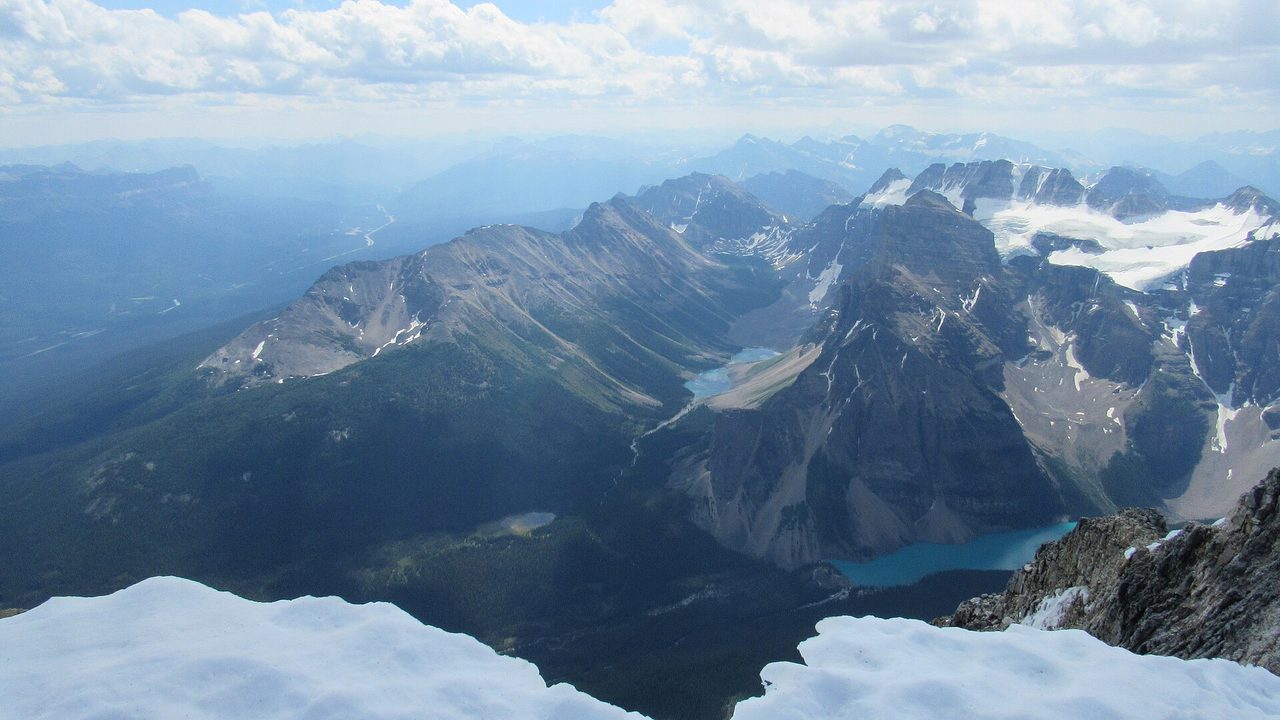
Here’s the thing nobody believes until they see a map: Canada is the second-largest country on Earth. Toronto to Vancouver is 4,466 km — roughly the distance from London to Baghdad. My original “coast to coast” itinerary died the day I actually measured it (my spreadsheet has a column labeled “reality check” for a reason).
Practical rules of thumb:
- One region per trip unless you have 2+ weeks. Eastern Canada (Toronto–Ottawa–Montreal–Quebec City–Niagara) and Western Canada (Vancouver–Whistler–the Rockies) are each full trips on their own.
- Fly between far-flung cities. Toronto to Vancouver is about 5 hours by air versus 40+ hours of driving. Book domestic flights a few weeks out — carriers like Air Canada, WestJet, Porter, and Flair compete on the big routes, and prices reward early birds.
- For the romance option, take the train. VIA Rail’s The Canadian runs Toronto–Vancouver (via Winnipeg, Edmonton, and Jasper) twice weekly, taking four nights — economy seats start from ~$514 CAD, with sleeper cabins (meals included) from ~$1,083. It’s slow on purpose: dome cars, the Rockies at sunrise, zero airport lines. I timed my one cross-country rail trip to hit the Rockies at dawn and it was worth every penny. → VIA Rail — The Canadian (official)
- Driving distances are deceiving. Toronto to Montreal is ~5.5 hours; Toronto to Niagara Falls is ~1.5–2 hours; Calgary to Banff is ~1.5 hours. Always check winter road conditions before a long drive — and if you’re renting in winter, confirm winter tires are included.
If road trips are your thing, get comfortable with the winter driving rules before you pick up the keys.
Money: taxes, cards, and the tipping question
Canadian money has two quirks that trip up every first-timer — I include myself in that, because my first restaurant bill in Toronto was a solid 13% more than I expected.
The price on the tag is not the price at the till. Sales tax is added at checkout: 5% GST federally, with provincial layers on top — so ~13% HST in Ontario, and in Quebec it’s 5% GST plus ~9.975% QST (yes, two taxes on one receipt — Quebec is special). Budget ~5–15% over every listed price depending on the province, and mark it in your notes. The loonie ($1) and toonie ($2) are coins, by the way — my first week I kept trying to pay with “dollar bills” that don’t exist. People were kind about it. Canadians are kind about most things.
Cards work almost everywhere — Visa and Mastercard especially; contactless tap is standard even at small cafés. Carry a little cash for rural spots and farmers’ markets, but you’ll rarely need it in cities.
Tipping is expected, like the US. The terminal will offer you percentages, so here’s the cheat sheet I keep on my phone: restaurants 15–20% of the pre-tax bill (18% is the new normal for good service), bars ~$1–2 per drink, taxis 10–15%, hotel housekeeping ~$2–5 per night, bellhops ~$2–5 per bag. Check the bill first — big groups often get gratuity auto-added, and tipping on top of an auto-gratuity is the one mistake I will not let you make twice.
What does a day in Canada cost? (October 2026 prices)
Realistic daily budgets per person (prices checked October 2026; items marked ~ are estimates):
| Expense | Budget | Mid-range | Comfortable |
|---|---|---|---|
| Hotel / hostel | ~$50–90 | ~$150–250 | ~$300+ |
| Food & drinks | ~$40–60 | ~$70–110 | ~$150+ |
| City transit / local transport | ~$10–15 | ~$15–25 | ~$30–50 |
| Attractions & tours | ~$0–30 | ~$40–80 | ~$100+ |
| Total per day | ~$100–175 | ~$275–465 | ~$580+ |
Canada is not a cheap destination — plan mid-range and you’ll have a much better time than if you try to budget-travel your way through $8 coffees.
Staying connected: phones, Wi-Fi, and emergencies
Public Wi-Fi is everywhere — cafés, libraries, transit hubs — but for maps and transit apps on the move, get a local plan. Pro tip: buy an eSIM before you land so you’re connected the second the plane touches down. The big networks (Rogers, Bell, Telus) all sell prepaid tourist plans, and coverage is excellent in cities but thins out fast on rural highways — download offline maps for any national park driving day. I timed this perfectly once in Banff and smugly once did not. Guess which story is longer. The prepaid tourist plans change every year, so compare what’s current before you fly.
Two things to memorize: 911 is the emergency number (police, fire, ambulance — works from any phone), and travel insurance is non-negotiable. Canadian healthcare is excellent and extremely expensive for visitors — one ER visit without insurance can cost thousands. I checked this on my policy documents before my last trip and sleep better for it. Make sure your policy covers adventure activities and trip interruption, not just the ER visit.
Wildlife and the outdoors: respect the locals (the furry ones)
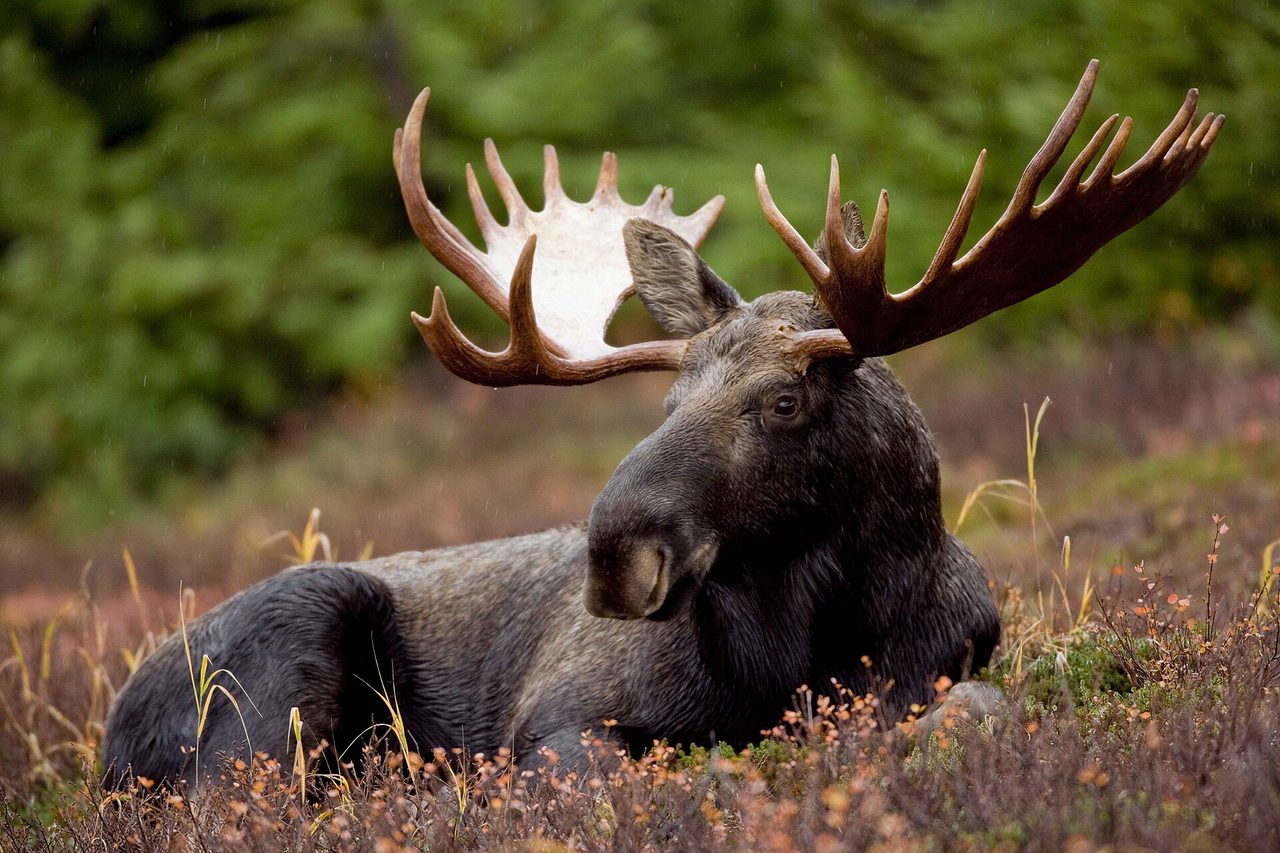
Canada’s wildlife is the reason half of you are coming — and the thing you need to take most seriously. Moose injure more people than bears do, because tourists try to take selfies with them. Do not skip this paragraph: stay at least 30 metres from large animals, never feed anything, and make noise on trails. A Parks Canada ranger at a Banff trailhead told me the rule they wish every visitor knew: if the animal changes its behavior because of you, you’re too close.
If national parks are on your list — and they should be — you’ll need a park pass. Daily adult admission at Banff/Jasper is $12.25 (family/group $24.50), or the annual Discovery Pass covers 80+ Parks Canada sites for $83.50/adult, $167.50/family — worth every penny if you’re visiting multiple parks. I double-checked the current fees on Parks Canada’s official page: → Parks Canada — official admission fees. Note the free-park summer promo (the Canada Strong Pass, June 19–September 7, 2026) has ended, so normal fees apply again.
Also: tell someone your hiking plans before heading into remote areas, carry bear spray in bear country (and know how to use it — it’s not bug spray), and check trail conditions the morning of. Weather in the mountains changes faster than your plans will.
What to pack: layers, then more layers
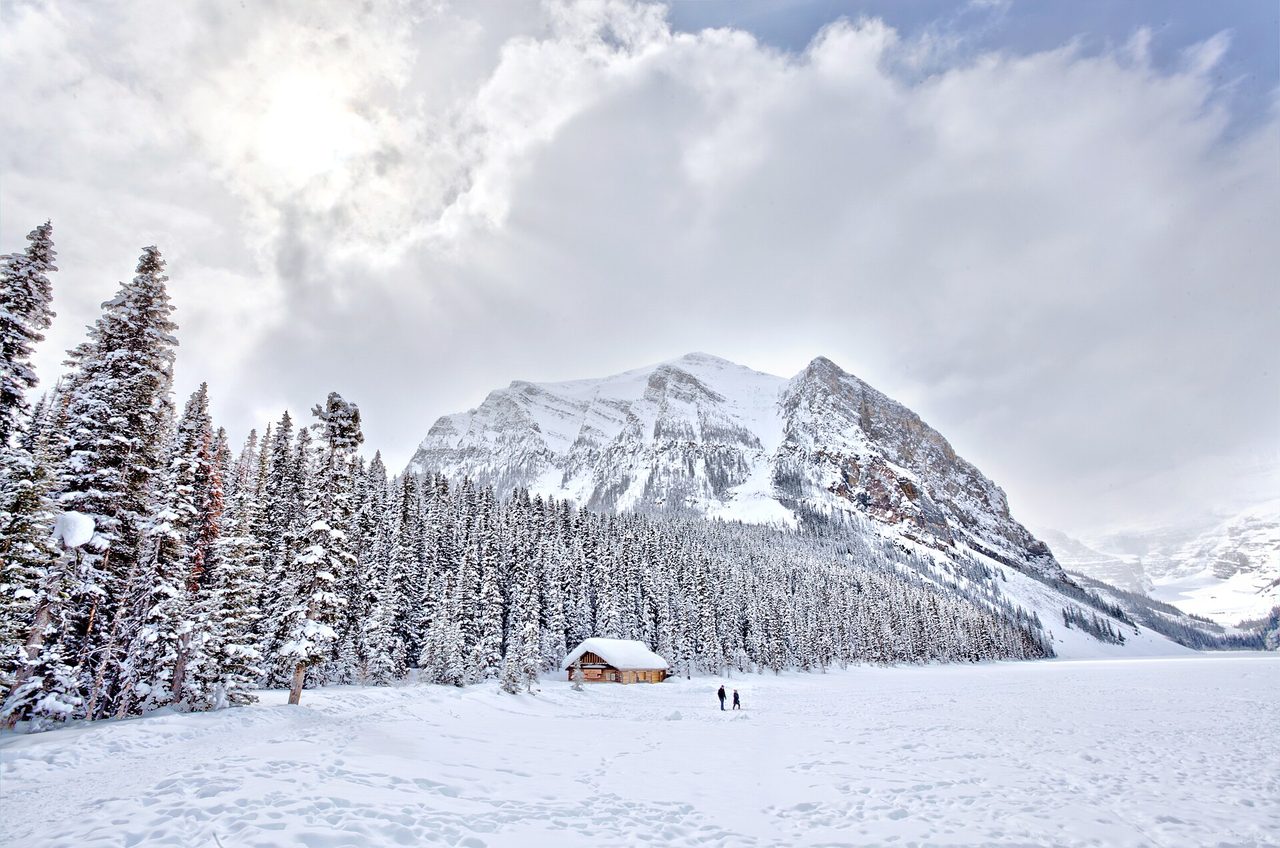
The golden rule of packing for Canada is layering: a moisture-wicking base layer, an insulating mid-layer (fleece), and a waterproof outer shell. I’ll be honest — I packed for “August” in the Rockies once and ended up buying an overpriced fleece at Lake Louise because it was 6°C and raining sideways. The mountain weather tax is real.
Season quick guide:
- Summer (June–August): Warm days (25–30°C in Toronto/Montreal), cool nights, sudden rain — especially on the coast. Walking shoes, hat, sunglasses, light rain jacket.
- Fall (September–October): The prettiest season and the sneakiest cold one. Layers plus a warm mid-layer; the fall colours peak late September to mid-October in most regions.
- Winter (November–March): Serious business. Insulated waterproof boots with grip, thermal base layers, a proper winter coat, gloves, scarf, and a toque (that’s the knit hat — say “toque,” you’ll fit right in). In the Prairies, -30°C happens; in coastal BC, it’s mostly just rainy.
- Spring (April–May): Unpredictable. Pack for two seasons and check the forecast a week out.
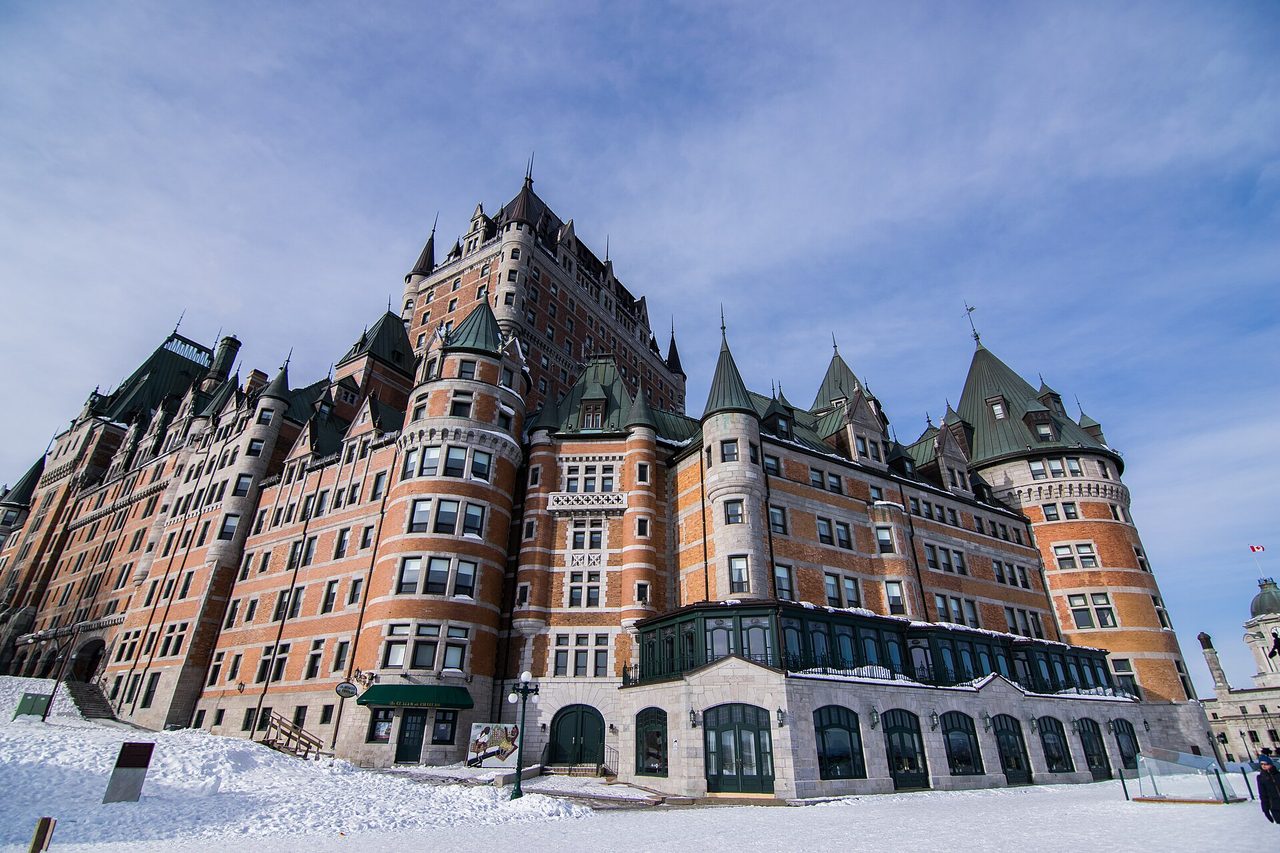
Get the layering right and you’ll enjoy the weather instead of fighting it — and if you’re coming in the cold months, print your packing list. I do.
Culture and etiquette: the polite stuff that matters
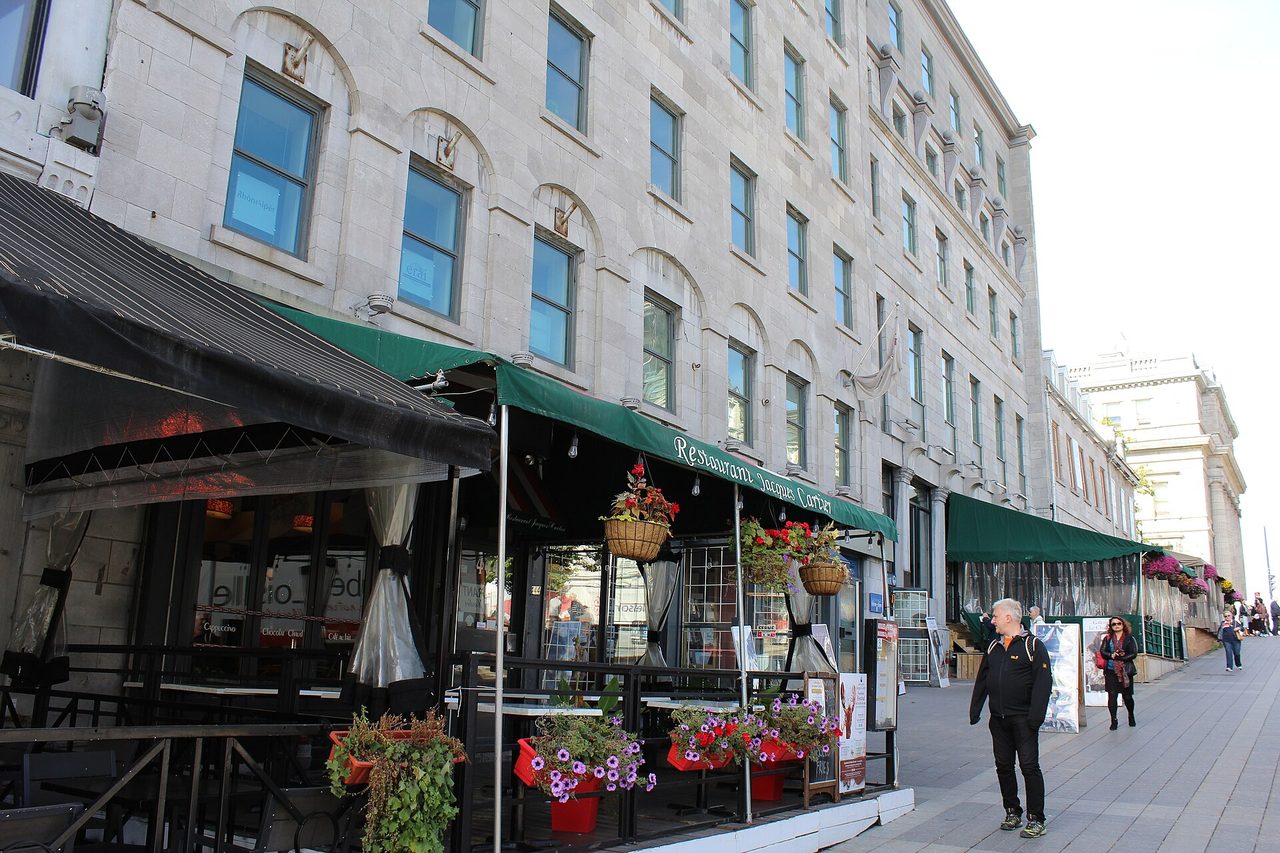
Canadians are famously polite, and it’s not a stereotype — it’s infrastructure. “Please,” “thank you,” and “sorry” (often when nothing happened) are the social currency. Hold doors, queue properly, and you’ll be fine.
Language: Canada is officially bilingual, but the day-to-day reality is simple: Quebec is French-first, everywhere else is English-first. In Montreal and Quebec City, learn a few basics — bonjour, merci, s’il vous plaît, l’addition s’il vous plaît — and locals will happily switch to English when you struggle. I showed up in Montreal with exactly three French phrases and a confident smile; a barista in the Plateau switched to English within ten seconds and taught me how to order a proper café allongé. Attempting French in Quebec isn’t required, but it is noticed — in a good way.
Indigenous respect: You’re traveling on lands stewarded by Indigenous peoples for millennia. Many sites now include land acknowledgments naming the traditional territories — take a moment to read them. If you visit Indigenous-owned tours or cultural centers, book directly and go with genuine curiosity; some of my favorite Canadian travel moments have been on guided walks where the guide’s family had been reading that landscape for generations.
A few quick don’ts: don’t call it “America” when you mean the US; don’t assume -30°C is “not that bad” (it is); and don’t skip the poutine in Quebec — ordering it anywhere else first is fine, but Quebec is the source.
When to go and where to start
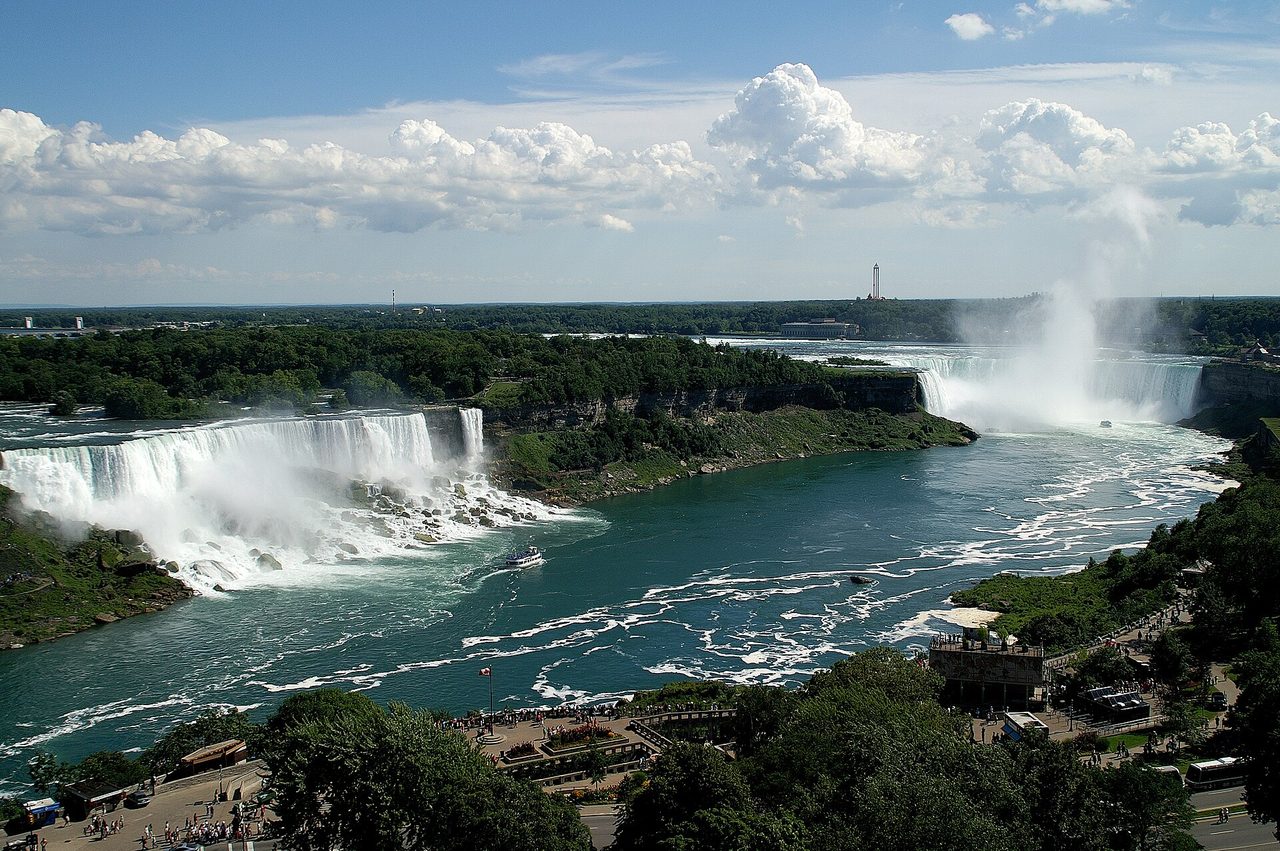
There’s no bad season, just wrong expectations. Summer (June–August) is peak: warmest weather, all attractions open, highest prices, biggest crowds. Shoulder seasons (May, September–October) are my pick for first-timers — fewer crowds, lower prices, and fall colours that will ruin all other autumns for you. Winter is magical if you embrace it (skiing, Quebec’s Winter Carnival, the Northern Lights in the Yukon) and miserable if you fight it.
For a first trip, I’d start with one of these — each links to our full guide:
- Toronto — Canada’s biggest city, best first-timer base for Niagara Falls day trips
- Vancouver — ocean, mountains, and the mildest weather in the country
- Montreal — the food city, and the most European-feeling place in North America
- Banff — the Rockies trip everyone dreams about (go in September if you can)
- Niagara Falls — yes it’s touristy, yes it’s still worth it, go early morning
And whatever month you pick, the pre-flight checklist I actually use myself is laminated — because of course it is.
FAQs for first-time visitors to Canada
Do I need a visa or an eTA to visit Canada?
It depends on your nationality and how you arrive. Travelers from visa-exempt countries (most of Europe, the UK, Australia, Japan, South Korea, and others) flying into Canada need an eTA — CAD $7, applied for online at the official Government of Canada page, usually approved within minutes. Travelers from visa-required countries need a full visitor visa (~$100 + ~$85 biometrics), which can take weeks or months — apply early. U.S. citizens just need a valid passport.
How much money should I budget per day in Canada?
For October 2026 prices: budget travelers can manage ~$100–175 CAD per day (hostels, groceries, free activities), mid-range travelers should plan ~$275–465 per day (mid-range hotel, restaurant meals, paid attractions), and comfortable trips run ~$580+ per day. Remember that sales tax (5–15% depending on province) is added at the register, and restaurant tips of 15–20% are expected on top.
What is the tipping culture in Canada?
Canada tips much like the US. Restaurants: 15–20% of the pre-tax bill (18% is the norm for good service). Bars: ~$1–2 per drink. Taxis and rideshares: 10–15%. Hotels: ~$2–5 per night for housekeeping, ~$2–5 per bag for bellhops. Always check the bill first — large groups often have gratuity added automatically.
Is Canada safe for first-time visitors?
Yes — Canada is one of the safest countries for travelers, with low violent crime in tourist areas. The main risks are environmental: wildlife encounters (keep 30+ metres from moose and bears, never feed animals), rapidly changing mountain weather, and winter driving conditions. Dial 911 for any emergency, and get travel insurance before you go — medical care for visitors is excellent but very expensive.
When is the best time to visit Canada for the first time?
For most first-timers, I’d pick the shoulder seasons: May or September–October. You’ll get mild weather, thinner crowds, lower prices than summer, and (in fall) spectacular colours. Summer (June–August) has the warmest weather and everything open but peak prices and crowds. Winter (December–March) is wonderful for skiing and winter festivals if you pack properly.
Can I drive in Canada with a foreign driver’s licence?
Yes — visitors can drive with a valid foreign licence, and an International Driving Permit (IDP) is recommended as a translation aid if your licence isn’t in English or French. Drive on the right, respect speed limits posted in km/h (100 km/h on most highways), and note that right turns on red are legal almost everywhere except the island of Montreal. In winter, rent a car with winter tires — it’s the law in Quebec from December to March, and common sense everywhere else.
Keep exploring
- 15 Common Canada Travel Mistakes to Avoid in 2026
- The Ultimate Canada Travel Checklist for 2026 Visitors
- 15 Best Places to Visit in Canada: 2026 Travel Guide
- Best Month to Visit Canada: A Complete 2026 Travel Guide
- The Ultimate 2026 Canada Train Travel Guide: Routes & Tips