
Last updated: October 3, 2026
The short answer
- Entry: Get your eTA (officially just $7 CAD) or visitor visa weeks before departure — airlines are legally required to deny boarding without it.
- Geography: Pick one region per trip instead of trying to cross the country in a week; Toronto to Vancouver is ~40 hours of driving.
- Money: Budget ~15–20% for tips and up to ~15% in sales tax on top of every sticker price — neither is included in what you see.
I’ll be honest: Canada made me look foolish more times than any other country I’ve traveled in. I’ve shown up at the airport with the wrong entry paperwork (nearly missed a flight), packed one jacket for two climates in one trip, and stared at a restaurant bill in Montreal trying to figure out why the math didn’t add up. Trust me on this one — a few of these mistakes are annoying, but a couple of them can genuinely ruin a trip.
Here’s the thing: Canada looks friendly and familiar on paper, especially if you’re coming from the US or Europe. But it’s a second country the size of Europe with its own entry rules, its own weather logic, and its own unwritten money rules. This guide collects the 15 most common Canada travel mistakes to avoid in 2026 — every one of them learned the hard way by me or by someone I know — plus what to do instead. Fair warning: some of these are cheap to fix and expensive to ignore.
1. Entry requirement mistakes: the paperwork that ruins trips
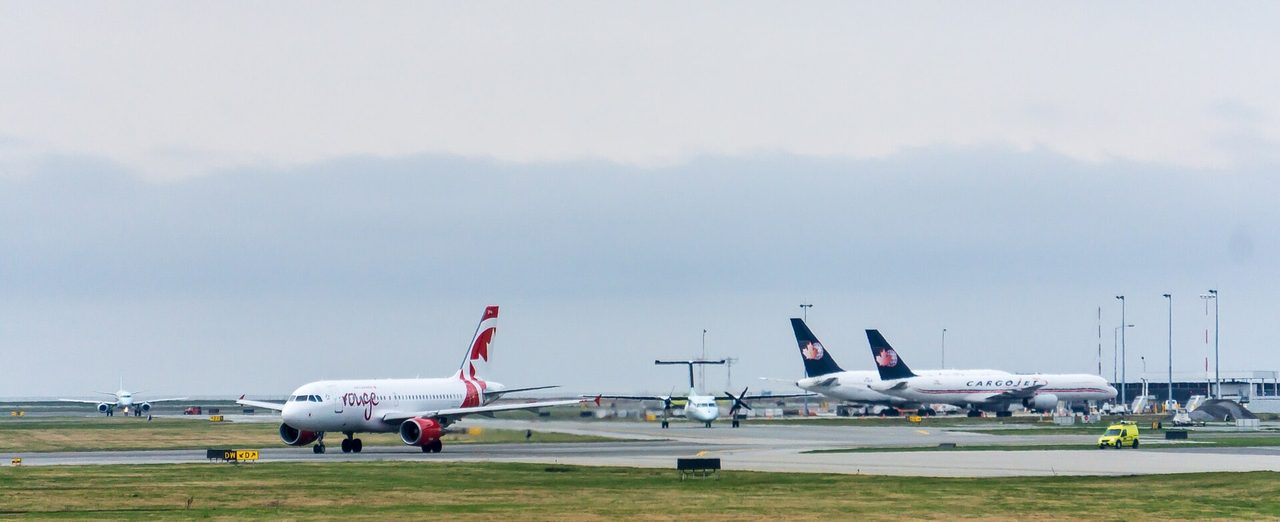
Crossing into Canada has gone fully digital — and a lot more confusing than it used to be. The single biggest trip-killer I hear about is the eTA mix-up.
Mistake #1: Showing up at the airport without an eTA or visitor visa
If you’re from a visa-exempt country and flying into Canada, you need an Electronic Travel Authorization (eTA) linked to your passport before you board — no eTA, no boarding, and the airline is legally required to stop you at the gate. I watched this happen to the person in front of me at check-in once (fair warning: I applied for mine at 11 PM two nights before my flight and spent the whole next day refreshing my email — most approvals land within minutes, but a few take up to 72 hours, so don’t be me). The official fee is just $7 CAD. Apply on the official Government of Canada page only: → Canada.ca — apply for an eTA (official). Pro tip: type your passport number slowly and double-check every digit. A typo means the system won’t match your passport and you’re stuck at the gate.
If you’re from a non-exempt country (including India, China, the Philippines, and many others), you need a full visitor visa instead: $100 CAD government fee plus $85 for biometrics, and processing takes weeks — start months ahead.
Mistake #2: Paying $100+ to a scam eTA website
Search “Canada eTA” and the first results are often third-party companies charging $100–150 for a service the government charges $7 for. I double-checked this against government warnings before writing — travelers have been charged more than 14 times the official price by lookalike sites. The fix is boring but effective: go straight to canada.ca/eTA (the URL must end in .gc.ca territory), and never Google your way to the application page.
Mistake #3: Assuming an eTA works for land crossings — or that US citizens need one
The eTA is for air travel only. Driving across the US–Canada border? The eTA system doesn’t apply — you just show your passport (and a visitor visa if your nationality requires one). And US citizens don’t need an eTA or a visa at all, by air or by land — just a valid US passport. This one confuses people constantly, so here’s the thing: check the rules for your nationality *and* your mode of transport.
2. Underestimating how massive Canada actually is
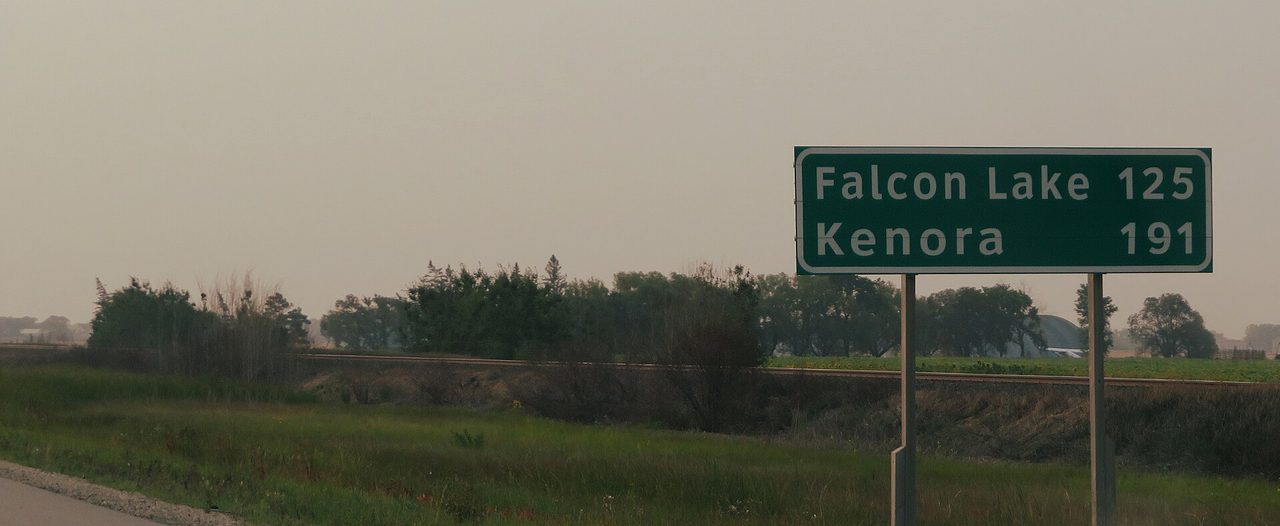
This is the mistake that breaks itineraries. Canada is 9.98 million square kilometres — the second-largest country on Earth. Driving from Toronto to Vancouver takes about 40 hours behind the wheel, longer than driving from London to Istanbul. The “map illusion” is real: on a screen, Niagara Falls and Banff look like a weekend trip apart. They’re over 3,500 km apart.
Mistake #4: Trying to see the whole country in one week
I once tried to cram Toronto, Niagara Falls, and Montreal into four days. I spent the trip watching highways instead of sights, and my spreadsheet (yes, I have one for every trip) still bears the scars. Pick one region per two-week trip: the Rockies, the Ontario–Quebec corridor, Atlantic Canada, or the West Coast. You’ll enjoy it more, spend less on domestic flights, and actually remember what you saw.
Mistake #5: Assuming you can get everywhere by bus or train
Toronto, Vancouver, and Montreal have decent transit. Everywhere else? Not so much. There is no national high-speed rail network for tourists (VIA Rail is slow and scenic, not practical), and rural shuttle services are seasonal at best. If you’re heading to Jasper, Algonquin, or the Icefields Parkway, you need a rental car — full stop. Travelers who assume otherwise end up stranded in the busiest, most crowded pockets. See our Alberta road trip itinerary for how to do the driving part properly.
Mistake #6: Running the tank low on remote highways
In northern Ontario and the Prairies, gas stations can be hundreds of kilometres apart. The golden rule every local will tell you: never let the tank drop below a quarter full in remote areas. I learned this the twitchy way on Highway 1 east of Winnipeg, watching the fuel gauge while the “next gas” sign said a number I didn’t like. Fill up when you see a station, not when you need one.
3. Weather and packing mistakes
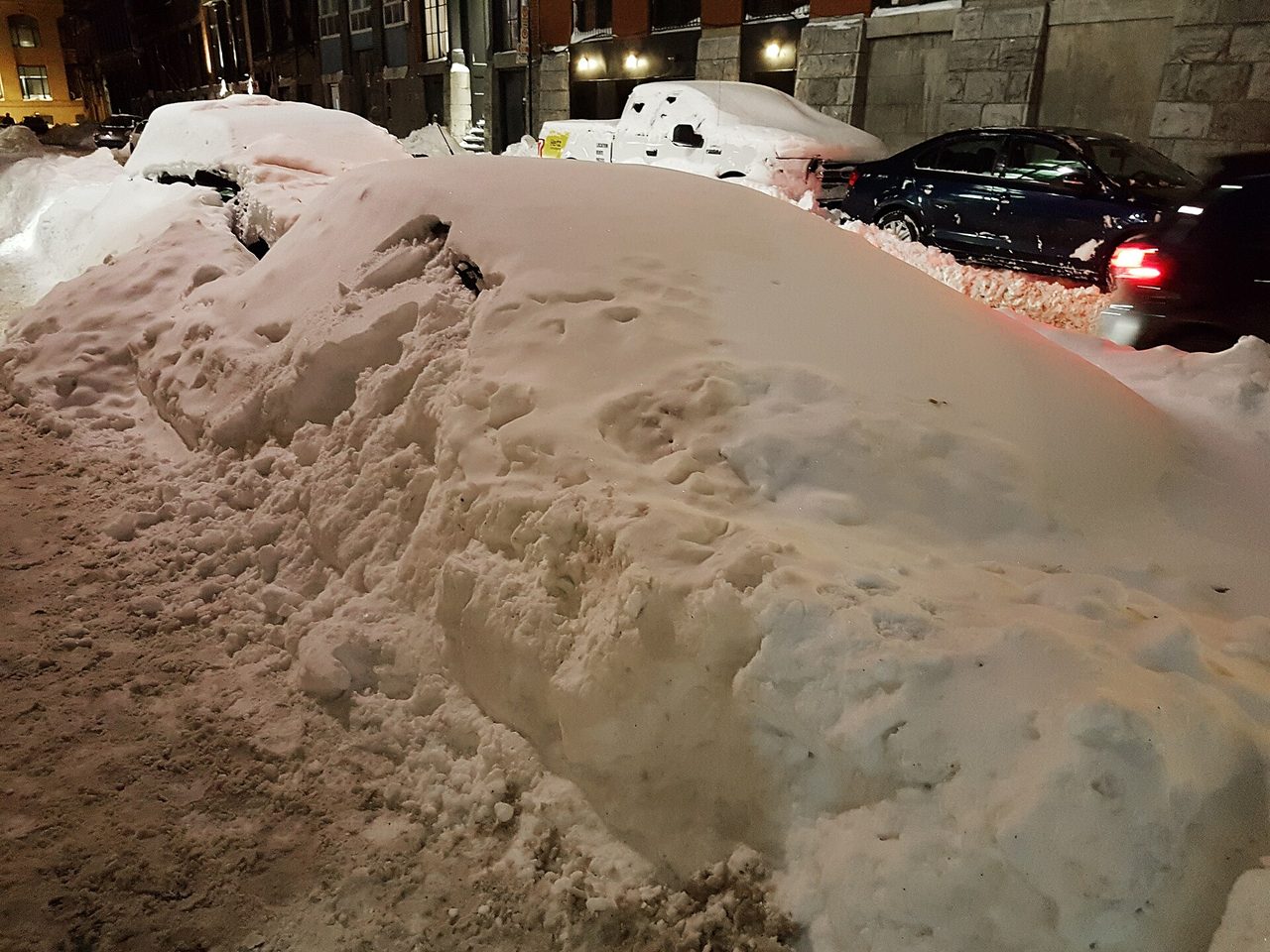
Canada has one word for its weather and about forty realities. Montreal can hit −20°C in January; Vancouver can be a mild 8°C the same day; Banff can swing 15 degrees between sunrise and afternoon in September.
Mistake #7: Packing for one “Canadian climate”
There is no single Canadian climate — there’s a continent of them. The fix is layers, not one giant coat: base layer, mid layer, waterproof shell. I once packed a single heavy winter jacket for a Toronto-to-Vancouver trip in March and ended up sweating in Vancouver’s rain and freezing on Toronto’s wind — two cities, same week, completely wrong both times. Check forecasts per city, not per country. Our Canada winter packing list covers exactly what to bring (and what to leave home).
Mistake #8: Driving in winter without winter tires
Winter tires are legally mandatory in Quebec from December 1 to March 15 — and strongly recommended everywhere else. Here’s the part people miss: rental cars don’t always come with winter tires fitted, especially if you’re picking up in November or April. Ask explicitly when you book, and budget for the surcharge if it’s extra. I’ve driven on all-seasons in a surprise April snowstorm near Quebec City, and I’ll be honest: my knuckles were white for an hour.
Mistake #9: Ignoring shoulder season and closure calendars
May in the Rockies is not summer — it’s mud season with closed trails and avalanche risk. October in Banff can bring snow. And many mountain roads (like the Moraine Lake Road) close in winter. Before you book anything, check the official park alerts for your dates. I once planned a whole Jasper day around a trail that had been closed for three weeks. The spreadsheet recovered; I did not.
4. Wildlife safety mistakes
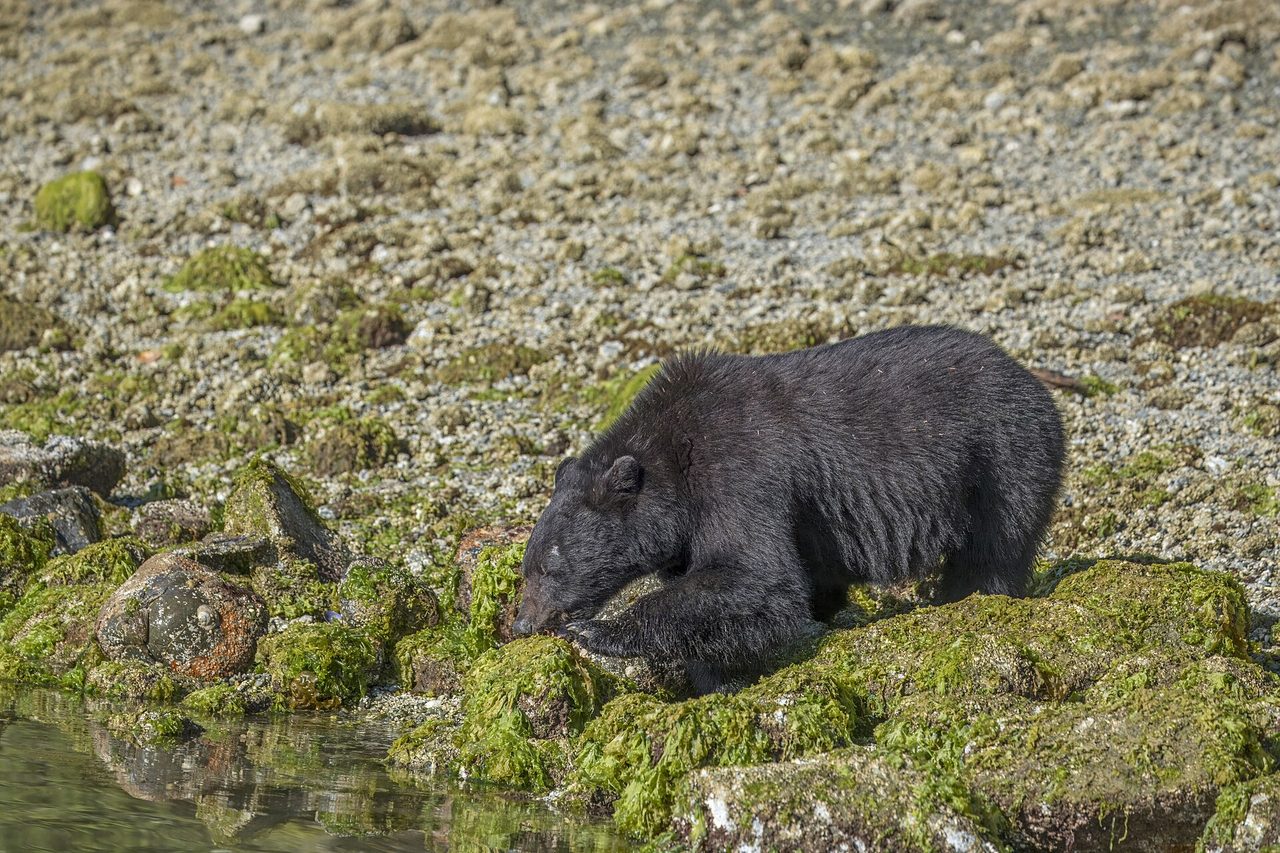
Canada’s wildlife is spectacular — and genuinely dangerous if you treat it like a photo op. This is the section where the mistakes stop being funny.
Mistake #10: Getting close to wildlife for a photo
Elk, moose, bears, and even mountain goats can injure or kill people. The rule in national parks: stay at least 100 metres from bears and at least 30 metres from elk and moose — and never, ever approach with a selfie stick. A ranger at a Banff trailhead once told me, flat out: “The animals that hurt tourists are the ones tourists got too close to.” She was right, and I think about that line every time I see someone edge closer to an elk.
Mistake #11: Leaving food out at camp — or feeding wildlife
In bear country, everything with a scent goes into bear-proof storage or your vehicle at night: food, coolers, toiletries, even sunscreen. A cooler left on a picnic table is an invitation, and in many parks it will earn you a fine on top of a ruined trip. I double-checked the current food-storage rules on Parks Canada’s official site before my last Rockies trip — they vary slightly by park, so do the same. And feeding wildlife is illegal and fined: the fine for feeding a bear can run into thousands of dollars.
5. Money mistakes: tipping and taxes

Canadian prices are lying to you — in two different ways at once. This one cost me real embarrassment and real money before I learned the system.
Mistake #12: Forgetting that tips aren’t included
The standard restaurant tip in Canada is 15–20%, and service staff genuinely depend on it. My first trip, I tipped 10% at a Montreal bistro — the server’s face told me everything before my travel companion confirmed it. Worth every penny of awkwardness to learn: tip 18–20% for good service, 15% for acceptable, and tip your bartender ~$1–2 per drink.
Mistake #13: Forgetting that taxes aren’t in the sticker price
Unlike many countries, Canadian shelf prices exclude sales tax — it’s added at checkout. The GST is 5% federally, and provinces add their own on top: total taxes range from 5% (Alberta) to about 15% (Atlantic Canada, Quebec). So that $100 hotel room in Quebec is really ~$115, and a $50 dinner in Ontario is ~$56.50 before tip. Budget a 15% “reality markup” on everything until you learn your province’s rate.
6. Hidden-cost cheat sheet
To keep the math in one place, here’s what common Canada travel items actually cost in 2026 (checked October 2026; items marked ~ are estimates):
| Item | Stated price | What you’ll actually pay |
|---|---|---|
| eTA (official Government of Canada) | $7 CAD | $7 — if you use a scam site, $100+ |
| Visitor visa + biometrics | $100 + $85 | $185 CAD (non-refundable if refused) |
| Restaurant meal, $50 menu price (Ontario) | $50 | ~$65 (13% HST + 18% tip) |
| Parks Canada Discovery Pass (adult) | $83.50/year | $83.50 — breaks even at ~7 park-visit days |
| Hotel room, $150/night (Quebec) | $150 | ~$173+ with ~15% taxes |
| Mobile data (roaming, per day) | $12–16/day | ~$0.50–2/day with a travel eSIM instead |
| Total “hidden” markup on a typical trip | ~20–35% over sticker prices |
7. Booking blunders: national parks and accommodations
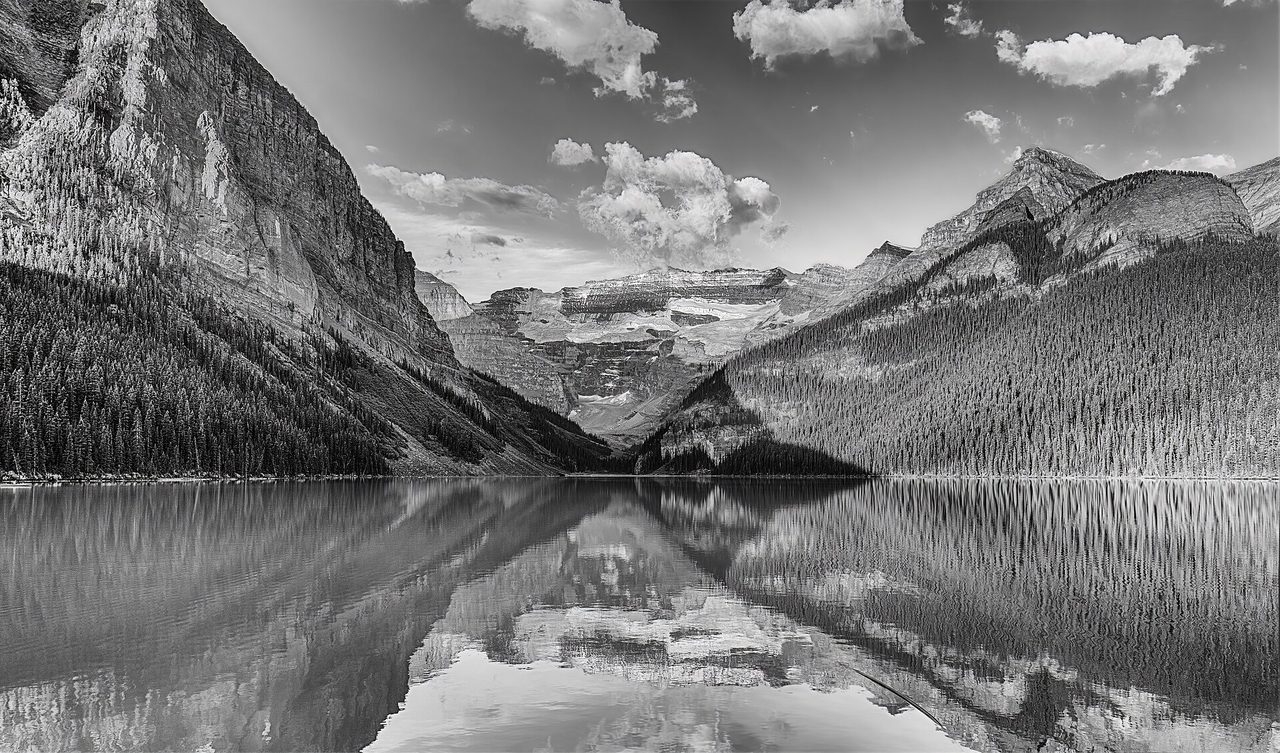
Banff in July without a reservation is a day trip to a parking lot. Canada’s popular parks sell out — and the booking system rewards people who plan ahead.
Mistake #14: Not booking national parks months ahead
Parks Canada campground reservations open in January and February (each park launches on its own morning, usually at 8:00 AM local time), and the good sites go within hours. In 2026, the Lake Louise and Moraine Lake shuttle reservations opened April 15 at 8:00 AM Mountain Time — and private cars aren’t allowed at Moraine Lake at all, so the shuttle is the only way in. Book at the official site only: → Parks Canada Reservation Service. If you’re visiting 7+ park days in a year, the Discovery Pass ($83.50/adult for 2026) beats buying daily passes — do the math before you go. And note: in summer 2026, the Canada Strong Pass made park entry free (June 19 – September 7), so confirm what applies for your exact 2026 travel dates. See our 2-day Banff itinerary for how to structure the visit once you’re booked.
8. The last two: roaming charges and tourist-trap pricing
Mistake #15: Getting roasted by roaming charges
This is the mistake that shows up three weeks after you get home. International roaming in Canada can run $12–16 per day per phone — a two-week trip adds ~$200 to your bill without you noticing. Grab a travel eSIM or a Canadian prepaid SIM at the airport instead (usually under $2/day for data). Do it on day one, not day five — your navigation, translation, and transit apps all need data, and I say this as someone who once tried to find a Banff trailhead with a paper map. It did not go well.
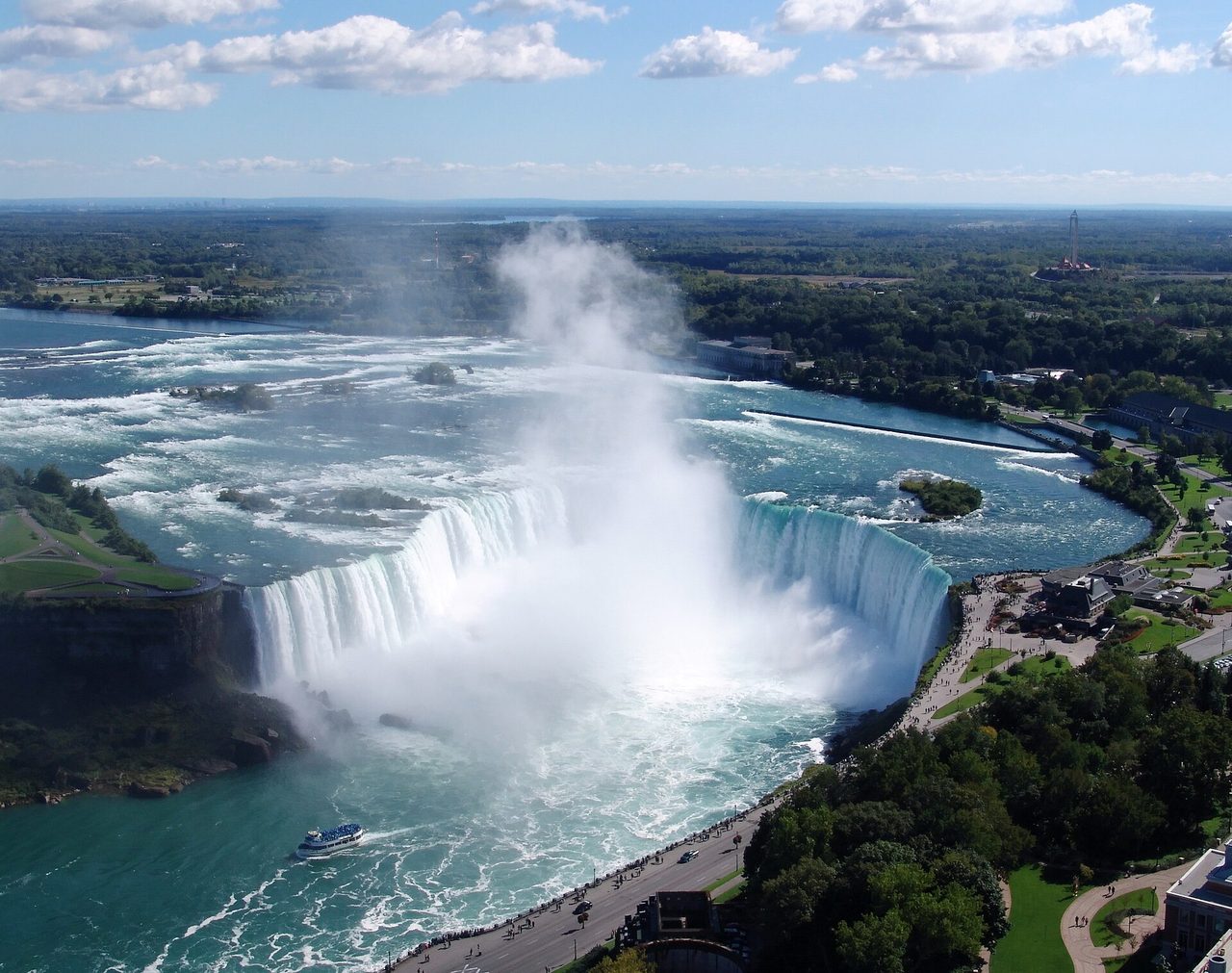
Mistake #16 (bonus): Paying full tourist-trap prices at Niagara Falls
Okay, this one’s a bonus because I couldn’t leave it out: the restaurants and souvenir shops on Clifton Hill charge some of the highest prices in the country. Walk five minutes in any direction and prices drop by half. Same goes for the Maid of the Mist boat tours — worth every penny, but book directly through the official operator rather than a reseller with a markup. Our Niagara Falls travel guide has the full breakdown.
Mistakes at a glance: the full recap
| # | Mistake | The fix (cost) |
|---|---|---|
| 1 | No eTA/visa before your flight | Apply at canada.ca/eTA weeks ahead ($7 CAD) |
| 2 | Paying a scam eTA site | Use the official site only — never Google it |
| 3 | eTA confusion for land borders/US citizens | Check rules for your nationality + transport mode |
| 4 | Trying to see all of Canada in a week | One region per trip |
| 5 | Assuming transit covers everything | Rent a car for parks and rural areas |
| 6 | Running low on gas in remote areas | Fill up at a quarter tank (~$0 extra, priceless peace of mind) |
| 7 | Packing for one “Canadian climate” | Layer up; check forecasts per city |
| 8 | Winter driving without winter tires | Confirm tires with the rental company (legally required in Quebec) |
| 9 | Ignoring closure calendars | Check official park alerts before booking |
| 10 | Getting close to wildlife for photos | 100m from bears, 30m from elk/moose |
| 11 | Leaving food out / feeding wildlife | Bear-proof storage; feeding fines run into the thousands |
| 12 | Forgetting tips aren’t included | Budget 15–20% at restaurants |
| 13 | Forgetting taxes aren’t in the sticker price | Add ~5–15% depending on province |
| 14 | Not booking parks months ahead | Reserve in January/February (~$83.50 Discovery Pass for 7+ park days) |
| 15 | Roaming charges | Travel eSIM (~$0.50–2/day instead of $12–16/day) |
| 16 | Niagara Falls tourist-trap prices | Walk five minutes off Clifton Hill; book tours directly |
FAQs about common Canada travel mistakes
Do I need an eTA if I’m driving from the US into Canada?
No. The eTA is only for travelers arriving by air from visa-exempt countries. If you’re driving across the US–Canada border, you don’t need an eTA — just your passport (and a visitor visa if your nationality requires one). US citizens don’t need an eTA or visa at all, by air or by land.
Is tipping really mandatory in Canada?
It’s not legally mandatory, but it’s culturally expected and service workers depend on it. Tip 15–20% at restaurants (18–20% is the norm for good service), ~$1–2 per drink at bars, and ~10–15% for taxi and food delivery drivers. Hotel housekeeping: a few dollars per night left on the pillow.
How far ahead should I book Canadian national parks?
Months ahead. Parks Canada campground reservations open in January and February (each park on its own launch date at 8:00 AM local time), and popular campgrounds like Banff and Jasper sell out within hours. The Lake Louise/Moraine Lake shuttle reservations opened April 15 for 2026. Book only through the official Parks Canada Reservation Service.
Can I pay with US dollars in Canada?
Canada uses the Canadian dollar (CAD), and you’ll almost always get a poor exchange rate paying in USD cash where it’s accepted at all. Use a credit card with no foreign transaction fee, or withdraw Canadian dollars from an ATM. Airport and hotel currency exchanges are among the worst rates — avoid them.
Is ArriveCAN required to enter Canada in 2026?
No — it’s optional since October 2022. ArriveCAN is now a free time-saver: submit your Advance CBSA Declaration up to 72 hours before landing at a participating airport and you’ll move through the express lane at customs. → CBSA — submit your Advance Declaration (official)
Do I really need winter tires to drive in Canada?
In Quebec, yes — winter tires are legally required from December 1 to March 15. Elsewhere they’re strongly recommended from late fall to early spring. Rental cars don’t always include them, so ask when booking. Driving a mountain highway in January on all-season tires is one of those mistakes you only make once.
Keep exploring
And here’s the thing — I made nearly all of these mistakes so you don’t have to. You’ve got this.
- The Ultimate 2 Days in Banff Itinerary: 2026 Travel Guide
- The Ultimate Vancouver Travel Guide: 2026 Edition
- The Ultimate Toronto Travel Guide: 2026 Edition
- The Ultimate Canada Winter Packing List for 2026 Travel
- The Ultimate Niagara Falls Travel Guide: 2026 Edition