

Last updated: October 3, 2026
The short answer
- Best overall (weather + things to do): July and August — warm days around 23°C, every attraction open, and festival season in full swing (Tattoo, Jazz Fest, Buskers).
- Best balance (fewer crowds, good value): late May to June or September — mild weather, everything running, and hotel rates well below the August peak.
- Cheapest: November through March — hotel rates drop by roughly half and museums have no lines, but pack for real winter and short days.
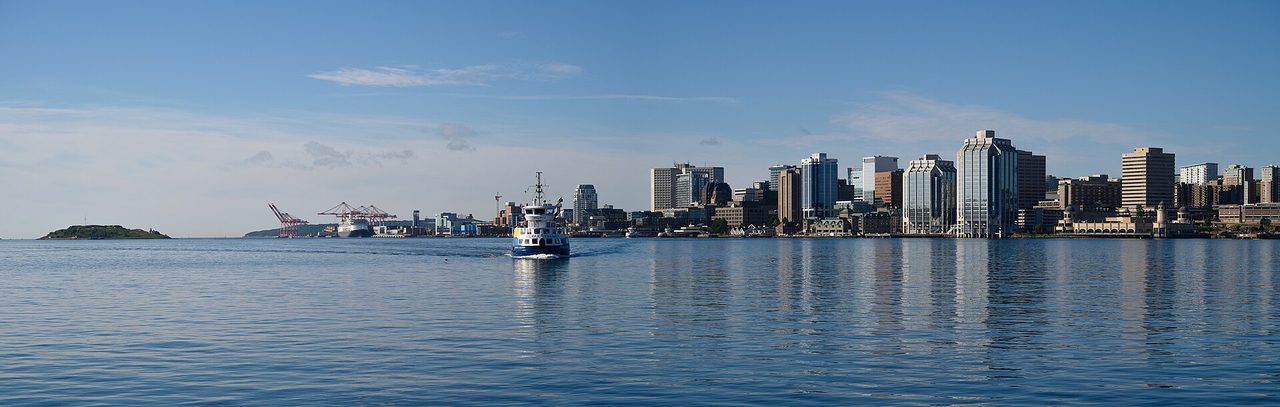
I’ll be honest: the first time I planned a Halifax trip, I treated it like any other summer city break and almost booked blind. Here’s the thing about Halifax — it’s a harbour city on the Atlantic, and the ocean runs the whole show. Fog can roll in by breakfast and burn off by lunch. July can feel like 28°C or 16°C depending on the week. So the best time to visit Halifax really does depend on what you want out of it — and I’ve now been in three different seasons, so let me walk you through it like the spreadsheet-obsessed friend I am.
All prices and hours below were checked in October 2026. Items marked ~ are estimates.
My verdict: when to visit, by travel style
If you just want the answer, here it is:
| If you want… | Go in… | Why |
|---|---|---|
| Festivals, patios, buzzing waterfront | July–August | Warmest weather, Tattoo, Jazz Fest, Buskers, Natal Day |
| Good weather without peak prices | Late May–June or September | Mild days, everything open, thinner crowds |
| Fall foliage and crisp coastal walks | Early–mid October | Peak colour, cozy pubs, hurricane-season caveat (see below) |
| Whale watching | June–September | Peak sightings from the Bay of Fundy and Cape Breton |
| The cheapest possible trip | November–March | Lowest hotel rates of the year, no lines anywhere |
Halifax weather by month: the honest numbers
I pulled the climate numbers from Environment Canada’s long-term normals (recorded at Citadel Hill), and they tell a very Maritime story: mild-ish winters by Canadian standards, cool summers, and rain in every single month. Here are the average highs and lows to plan around:
| Month | Avg high | Avg low | Snow | What it feels like |
|---|---|---|---|---|
| January | −0.1°C | −10.4°C | ~43 cm | Proper winter; harbour wind bites |
| February | 0.4°C | −9.7°C | ~35 cm | Coldest-feeling month, nor’easters possible |
| March | 3.6°C | −5.7°C | ~31 cm | Thawing, slushy, still wintry |
| April | 8.7°C | −0.3°C | ~7 cm | Unpredictable; pack for two seasons |
| May | 14.4°C | 4.6°C | — | Spring arrives; fog season starts |
| June | 19.6°C | 9.7°C | — | Pleasant, long days, gardens blooming |
| July | 23.1°C | 13.7°C | — | Warmest and sunniest month |
| August | 23.1°C | 13.7°C | — | Warm, driest month, festival peak |
| September | 19.3°C | 9.7°C | — | Golden and mild; sea at its warmest |
| October | 13.4°C | 4.2°C | — | Crisp, colourful, storm-watching weather |
| November | 8.1°C | −0.4°C | ~8 cm | Grey, wet, first snow flurries |
| December | 2.8°C | −6.4°C | ~29 cm | Wintry; holiday lights on the waterfront |
Two Halifax-specific weather notes, because the table doesn’t tell the whole story. First, the fog. Halifax gets serious sea fog, especially May through July — mornings can be socked in and glorious by noon. If you’re driving to Peggy’s Cove for sunrise photos, check the marine forecast, not just the city one. Second, hurricanes. Halifax sits in the Atlantic hurricane zone; the season runs June through November, with peak activity late August to October (Hurricane Fiona’s September 2022 landfall is the recent reminder). It doesn’t mean you shouldn’t visit in fall — just consider travel insurance, especially for September and October trips. If you want the full seasonal picture across the province, see our Best Time to Visit Nova Scotia: 2026 Seasonal Travel Guide.
Spring in Halifax (May–June): the smart money

Spring is my favourite answer to “when should I go?” for anyone who hates crowds but still wants the city awake. The Halifax Public Gardens — Victorian bandstand, duck ponds, the whole storybook setup — bursts into bloom, patios start opening on the waterfront, and the summer cruise ships begin arriving in port.
The catch is that Halifax spring is moody. I’ve had a 20°C blue-sky June afternoon followed by a foggy 11°C morning where I couldn’t see the harbour from my hotel window. Pro tip: pack in layers and bring a light rain shell no matter what the forecast says — the ocean keeps its own schedule. Also note that some seasonal attractions (harbour cruises, some museum programming) are still ramping up in May, so check hours before you go.
Summer in Halifax (July–August): festival season
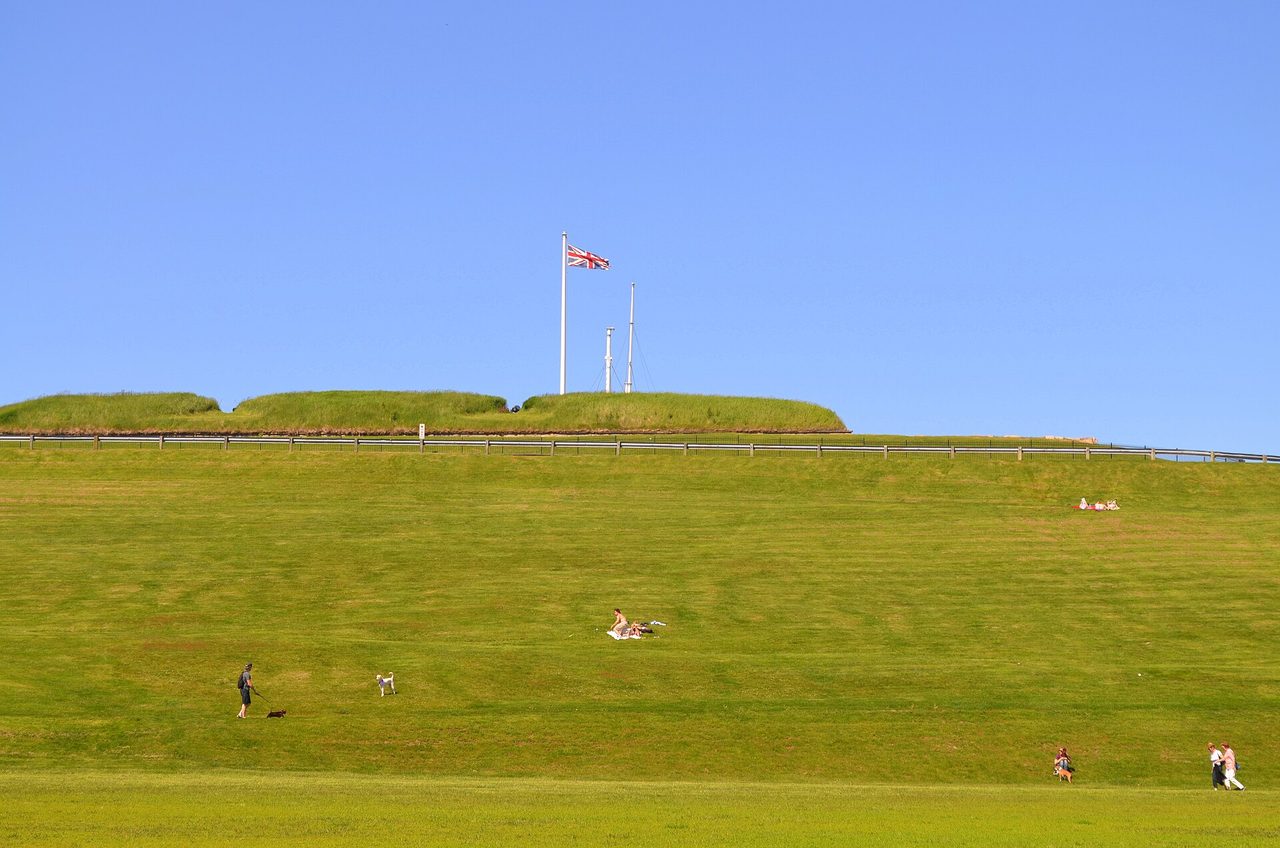
This is peak Halifax: warm days averaging 23°C, the sunniest stretch of the year, the Citadel’s costumed 78th Highlanders marching on the parade square — and the noon gun. Fair warning on the noon gun: it fires every single day at noon, it is extremely loud, and I was standing on the ramparts the first time it went off. I jumped so hard a costumed soldier asked if I was okay. Do not skip the noon gun — just don’t be holding a hot coffee.
Summer 2026 was a banner year for festivals, and the big ones run like clockwork every year:
- Royal Nova Scotia International Tattoo — early July (July 1–5 in 2026) at Scotiabank Centre. Two and a half hours of military bands, pipes and drums, acrobats and dancers, with performers from around the world. Tickets run ~$20–100, and kids 18 and under are free — an absurdly good deal for a family night. → Royal Nova Scotia International Tattoo — official tickets
- TD Halifax Jazz Festival — mid-July (July 7–12 in 2026, the 40th anniversary edition) on the waterfront, with free daytime programming plus ticketed evening headliners at the TD Main Stage. 2026’s lineup included Tower of Power, Bahamas and Men I Trust. → Halifax Jazz Festival — official site
- Halifax International Busker Festival — late July into early August (July 29–August 3 in 2026) across the Halifax and Dartmouth waterfronts. Completely free to attend — but bring cash, because tipping the buskers is the whole economy. I ran out of fives within an hour on my first visit. Never again. → Halifax Busker Festival — official site
- Natal Day — the first Monday of August (August 3 in 2026), Halifax’s birthday celebration with a parade, concerts and fireworks over the harbour. → Natal Day — City of Halifax events page
The trade-off, of course: July and August bring the highest hotel rates of the year and the biggest crowds at marquee spots like the Citadel and the Maritime Museum of the Atlantic. Book accommodation early — and if you haven’t planned your days yet, our 3 Days in Halifax Itinerary is built exactly for a summer trip.
Citadel practicals (2026 season): I double-checked the hours on the official Parks Canada site before I went: the Halifax Citadel National Historic Site is open daily 9 AM–5 PM from May 7 to November 5, 2026, with full programs (guided tours, the noon gun, living-history interpreters). In winter, the grounds stay open but interior rooms and exhibits close. → Halifax Citadel — official hours of operation
Getting on the water: harbour cruises and tall ships
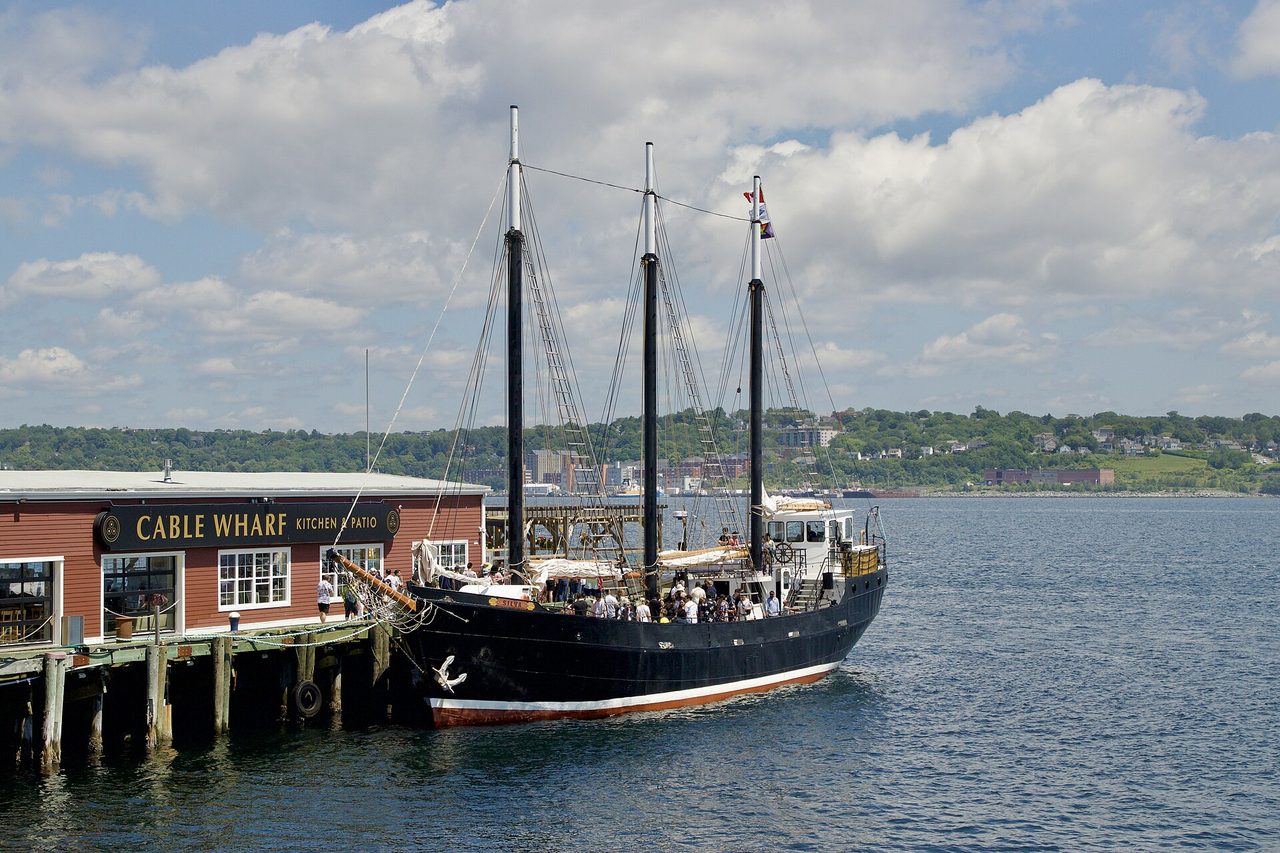
Halifax is a harbour city, so at least one outing on the water is non-negotiable — and this is deeply seasonal. Harbour cruises, tall ship sails (the Silva runs sightseeing sails from the waterfront in summer) and the Halifax–Dartmouth ferry all run roughly late spring through October. In winter, the ferry still crosses the harbour (it’s transit, after all), but the sightseeing boats are hauled out.
Here’s the thing: even in August, the water is cold and the breeze off the Atlantic is real. I bring a fleece on every harbour outing, even in July, and I’ve never once regretted it.
Whale watching season (late May–October)
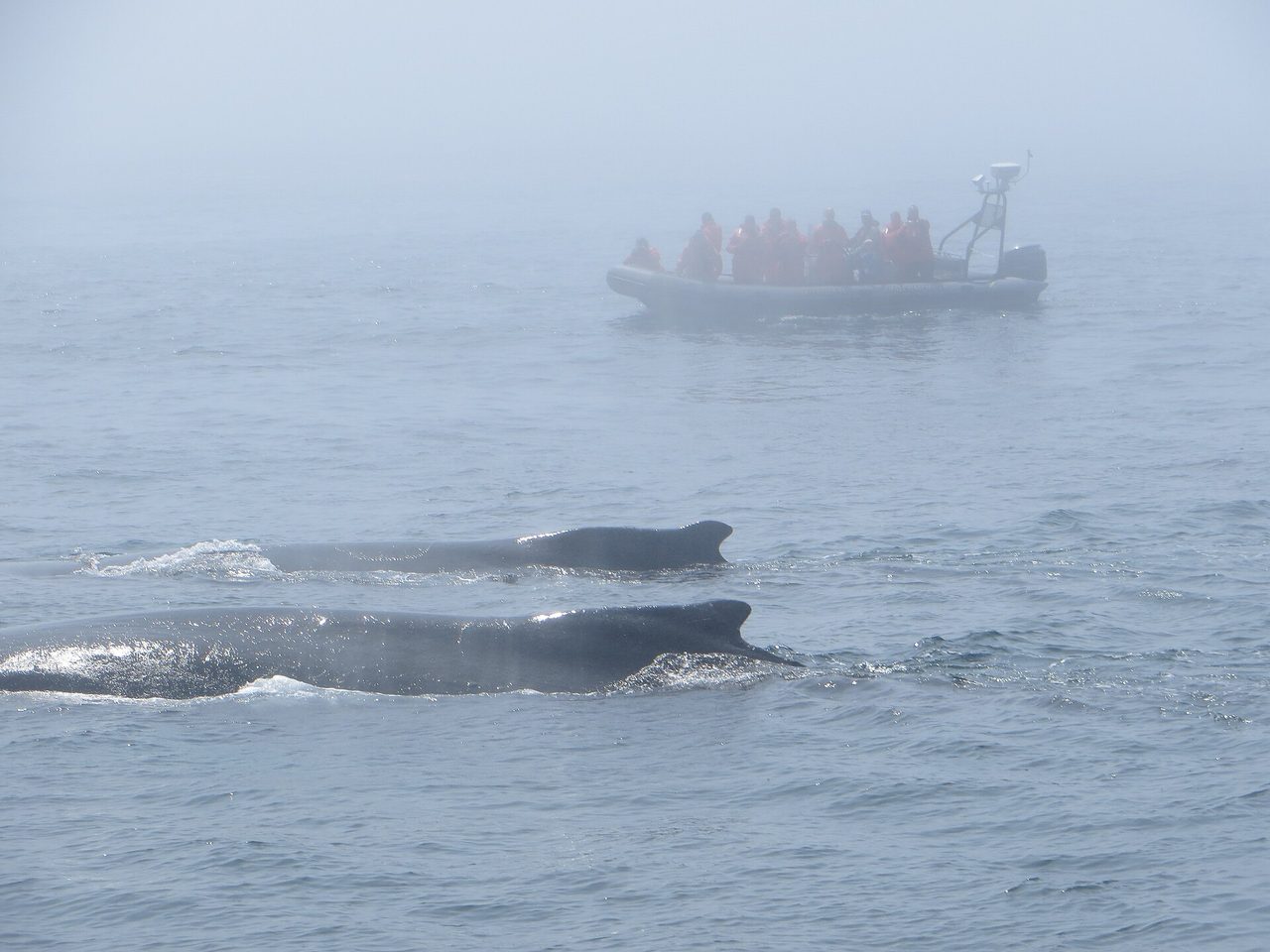
If whales are on your must-see list, time your trip for June through September, when sightings peak. Tourism Nova Scotia’s whale-watching guide (I double-checked it on their official site before booking) says the season runs from late May through October: the Bay of Fundy (tours from Digby Neck, Tiverton and Brier Island, roughly June–October) is the marquee spot for humpbacks, minkes and finbacks, while Cape Breton’s Cabot Trail (Pleasant Bay, Chéticamp, Ingonish) and Lunenburg on the South Shore also run tours. July and August give you the best odds; June and September offer excellent wildlife with quieter boats. → Tourism Nova Scotia — where to go whale watching
One honest note: tours do depart from Halifax itself, but the best whale water is a few hours away — the Bay of Fundy is about a 3-hour drive. I’d plan it as a day trip or an overnight, not a half-day add-on. And book ahead in July and August; boats fill up. (Motion-sickness pills if you’re prone — trust me on this one.)
Fall in Halifax (September–October): the prettiest month
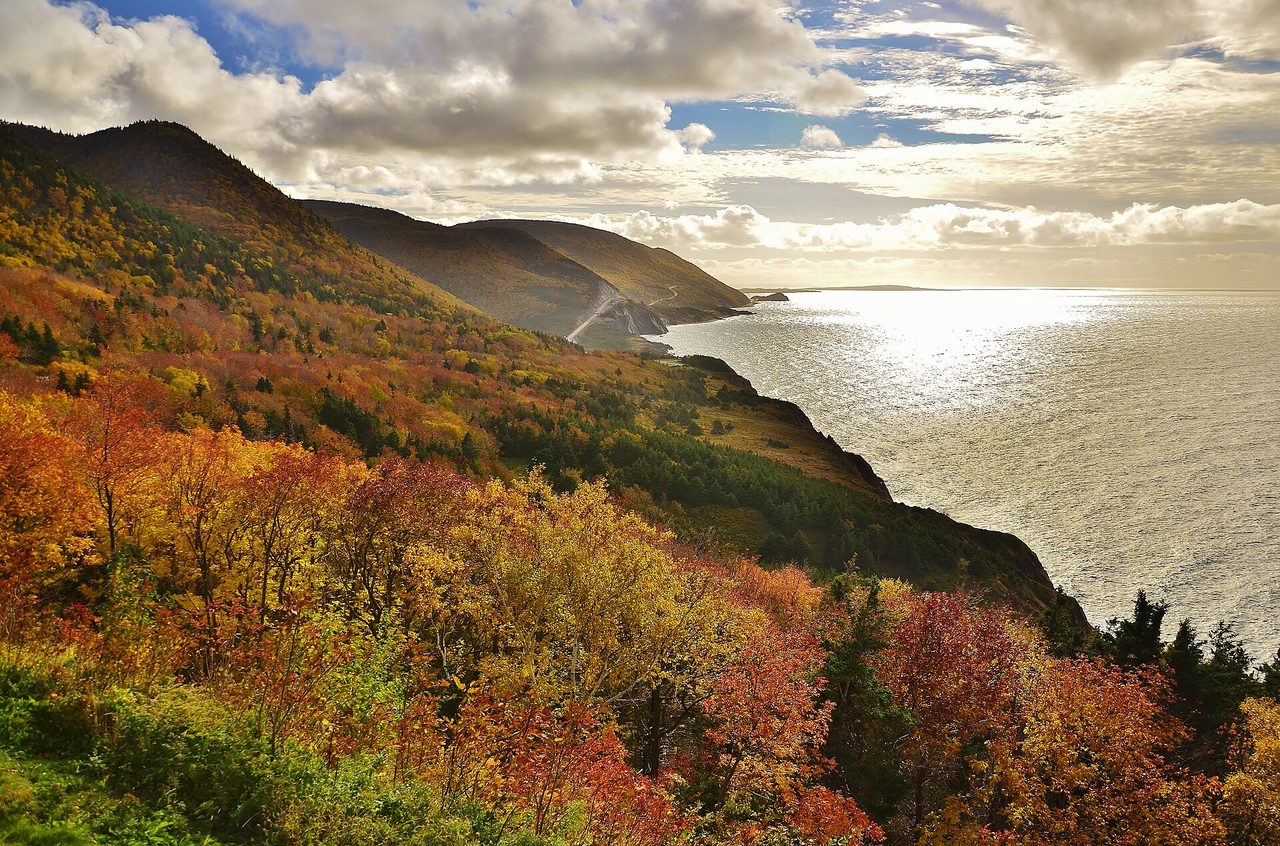
September might be the single best month in Halifax: warm days (average high ~19°C), the sea at its warmest, the summer crowds gone, and hotel rates sliding down from the August peak. Then October arrives with the foliage — and Nova Scotia’s fall colour is genuinely world-class. Mid-October is generally considered peak colour in the province, and a day trip up the coast or (if you have the time) the Cabot Trail in mid-October is worth every penny.
The fall caveat: this is also Atlantic storm season. One wet, windy week can strip the leaves early, so build in flexibility — and as I mentioned above, consider travel insurance for September–October trips. Check Tourism Nova Scotia’s weekly fall colour reports as your dates approach; I checked them obsessively before my October trip and it paid off.
Winter in Halifax (November–March): cheapest and coziest
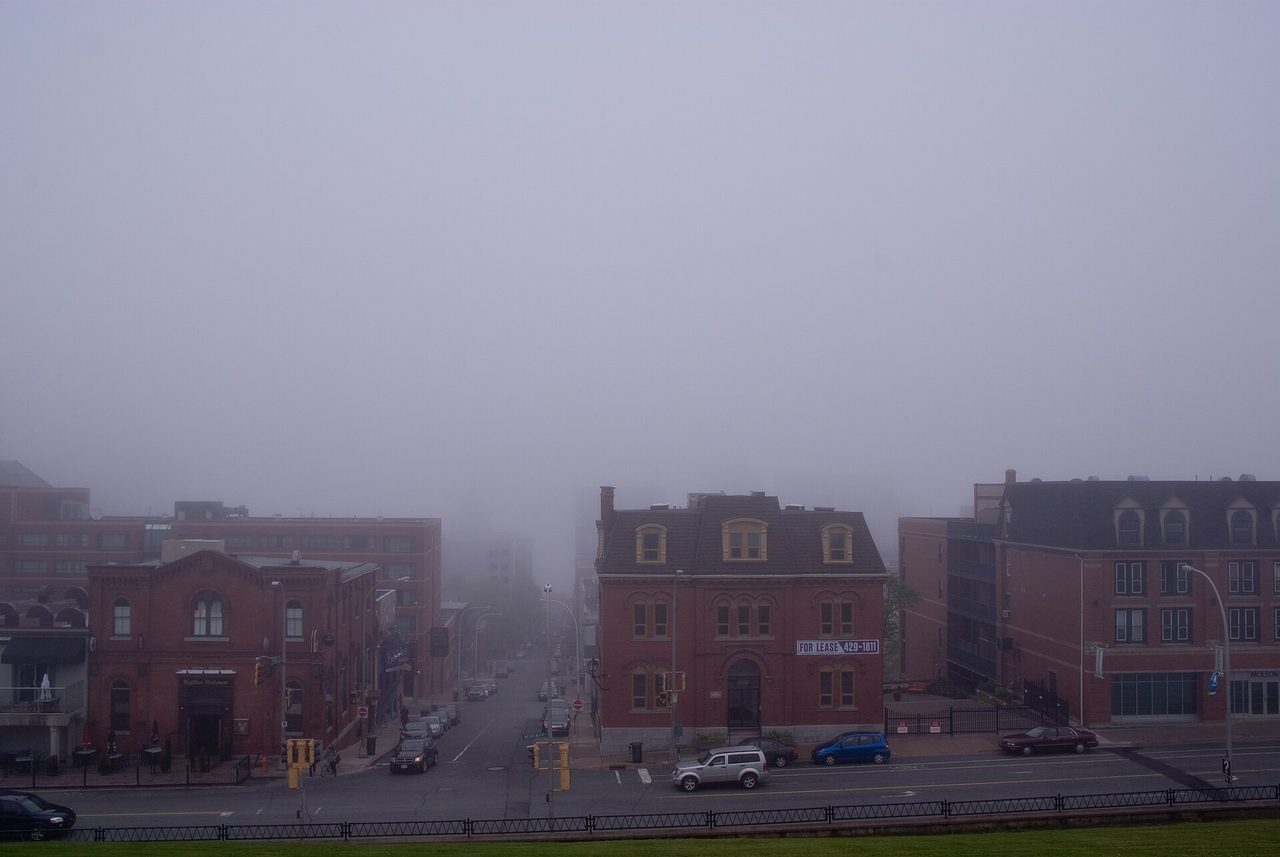
Winter is when Halifax gets quiet, cheap, and — I’ll be honest — a little grey. Average highs hover around freezing, the city gets about 150 cm of snow over the season, and the harbour wind can make −5°C feel like −15°C. I once booked a January trip because the flight was irresistibly cheap, stepped out of the airport, and understood immediately what “Maritime winter” means. My spreadsheet said January; my ears said otherwise. Pack a real coat, not a fashion one.
But here’s the upside, and it’s significant: this is by far the cheapest time to visit. I pulled hotel-rate data from Trip.com (based on bookings from March 2025–March 2026): average nightly rates peak around ~$286 in August and bottom out around ~$137 in January — roughly half price. You’ll have the Maritime Museum of the Atlantic, the Art Gallery of Nova Scotia and the city’s historic pubs practically to yourself, and the waterfront holiday lights in December are lovely. Just know the Citadel runs reduced winter hours (grounds open, interior exhibits closed) and harbour sightseeing cruises are done for the season. If budget matters more than weather, winter Halifax is a genuinely good deal — see our Best Hotels in Halifax for Tourists to stretch those savings further.
What does timing cost you? A seasonal budget snapshot
Sample costs per person, per day (prices checked October 2026; items marked ~ are estimates):
| Season | Mid-range hotel/night | Flight vibe (from Toronto) | Attraction notes |
|---|---|---|---|
| Summer (Jul–Aug) | ~$250–290 | Highest fares; book 2–3 months out | Everything open; some attractions charge peak admission |
| Shoulder (May–Jun, Sep) | ~$160–220 | Moderate; good seat-sale odds | Nearly everything open; best value overall |
| Fall (Oct) | ~$140–180 | Moderate; drops after Thanksgiving | Foliage season; some tours wind down late October |
| Winter (Nov–Mar) | ~$120–150 | Cheapest; frequent sales | Museums open; cruises and some sites closed/limited |
The pattern is simple: August is the most expensive month to sleep in Halifax, January the cheapest, and the shoulder months give you the best weather-per-dollar ratio. Midweek stays are consistently cheaper than weekends year-round. For the full trip-planning picture, pair this with our Ultimate 2026 Halifax Travel Guide.
When to visit Peggy’s Cove (it’s seasonal too)
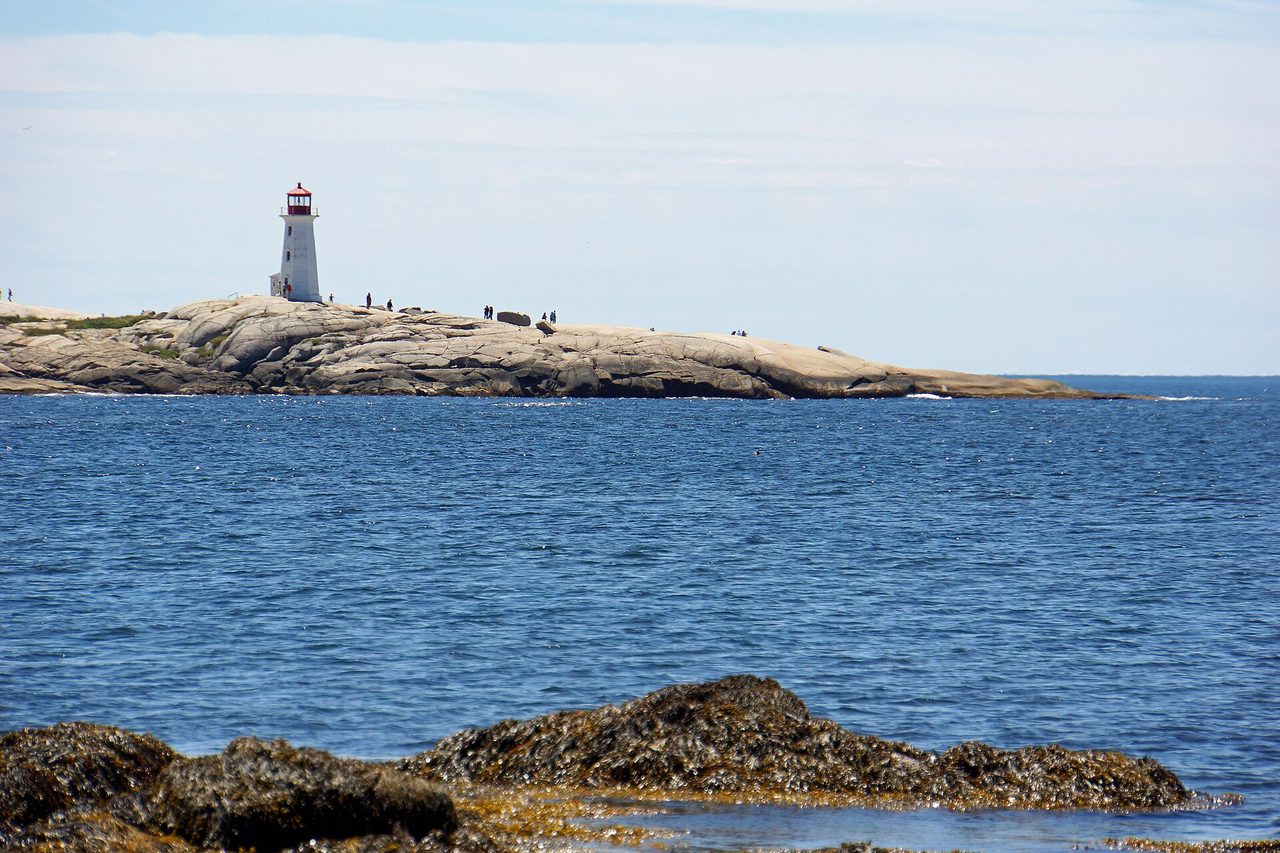
Almost everyone visiting Halifax day-trips to Peggy’s Cove (about 45 minutes southwest), so timing matters here too. Late May through October is the window: the visitor centre and restaurants are open, the rocks are (relatively) safe, and tour buses run. In winter, the lighthouse is still photogenic — but the granite is icy, the wind is brutal, and services are minimal. Stay well back from the water’s edge in any season; rogue waves are a real and documented danger here.
My own Peggy’s Cove lesson: I drove out one May morning, stepped out of the car, and walked straight into a wall of fog. The lighthouse was a rumour. I waited forty minutes, the fog lifted like a curtain, and I got the classic shot — but I could just as easily have gotten nothing. Check the marine forecast, go early, and have a backup plan. (If you’re building the day trip into a longer stay, our 2 Days in Halifax Itinerary includes the Peggy’s Cove run.)
What to pack, by season
- May–June: layers, a light rain shell, comfortable walking shoes. The fog is not a rumour.
- July–August: summer clothes plus a fleece or light jacket for the water and foggy mornings; sunscreen (the harbour breeze hides the burn — ask my nose).
- September–October: a warm mid-layer, a windproof jacket, and a camera with room on the memory card.
- November–March: a proper winter coat, waterproof boots, hat and gloves. The wind off the harbour is the whole ballgame.
FAQs about the best time to visit Halifax
What is the best month to visit Halifax?
August is the warmest and driest month (average high 23.1°C), with every attraction open and festival season at its peak — but it’s also the most expensive and crowded. For the best balance of weather, prices and crowds, I’d pick June or September instead.
When is the cheapest time to visit Halifax?
November through March. Hotel data shows average nightly rates dropping to around ~$137 in January versus ~$286 in August, and flights are cheapest in the deep winter months too. You’ll trade warm weather for quiet museums, cozy pubs and serious savings.
Is Halifax worth visiting in winter?
Yes, if you go in with the right expectations. You’ll get the lowest prices of the year, no lines at museums, and a cozy pub-and-gallery city — but harbour cruises are done for the season, the Citadel runs reduced hours, and you’ll need a real winter coat for the harbour wind.
When is whale watching season in Nova Scotia?
Late May through October, with peak sightings June to September. The Bay of Fundy (Digby Neck, Brier Island) is the top spot for humpbacks, minkes and finbacks; Cape Breton’s Cabot Trail and Lunenburg also run tours. Book ahead in July and August.
When is fall foliage peak in Nova Scotia?
Mid-October is generally considered peak fall colour in Nova Scotia. Colour timing varies year to year, so check Tourism Nova Scotia’s weekly fall colour reports as your trip approaches — and remember that September and October fall within Atlantic hurricane season, so travel insurance is a smart move.
How many days do you need in Halifax?
Three days is the sweet spot for the city itself: one day for the waterfront and Citadel, one for museums and the Public Gardens, and one for a Peggy’s Cove day trip. Add a day or two if you’re whale watching on the Bay of Fundy or driving the Cabot Trail. Our 3 Days in Halifax Itinerary lays it all out.
Keep exploring
- Best Time to Visit Nova Scotia: 2026 Seasonal Travel Guide
- The Ultimate 3 Days in Halifax Itinerary: 2026 Guide
- The Perfect 2 Days in Halifax Itinerary: 2026 Guide
- The Ultimate 2026 Halifax Travel Guide: Nova Scotia Tips
- 12 Best Hotels in Halifax for Tourists: 2026 Travel Guide
- The Best Area to Stay in Halifax: 2026 Neighborhood Guide
1 comment