

Last updated: October 3, 2026

The short answer
- First trip to Halifax? Stay downtown by the waterfront — the boardwalk, the Citadel, and the best seafood are all a short walk apart, and this is the only neighbourhood I’d pick for a first visit.
- Here for the food? The North End, around Agricola and Gottingen streets — breweries, brunch spots, and the city’s most exciting dinner tables, with prices that won’t hurt.
- Want water views on a budget? Dartmouth, across the harbour. The $3 ferry ride doubles as a harbour cruise, and hotels cost noticeably less than downtown.
Okay, listen — I plan every trip around two things: where I’m going to eat and where I’m going to sleep. In that order, roughly. And Halifax? Halifax understood the assignment. The first morning of my last trip, I woke up to the smell of salt air and fried scallops drifting up from the waterfront below my hotel window, and I thought: yes. This is how you do a city.
The trick with Halifax is that it’s small enough to walk almost everywhere — the whole downtown peninsula is about a 25-minute stroll end to end — but the neighbourhoods feel wildly different. Pick wrong and you’re hiking up Citadel Hill twice a day in the rain (I know this from experience, more on that later). Pick right and your biggest decision is which patio gets your dinner.
So here’s my honest breakdown of the five areas that matter, written as someone who judges a hotel by three sacred things: the bed situation, blackout curtains, and shower pressure.
Downtown Halifax & the waterfront — my pick for first-timers
If you’ve never been to Halifax, stay here. Full stop. I mean it.
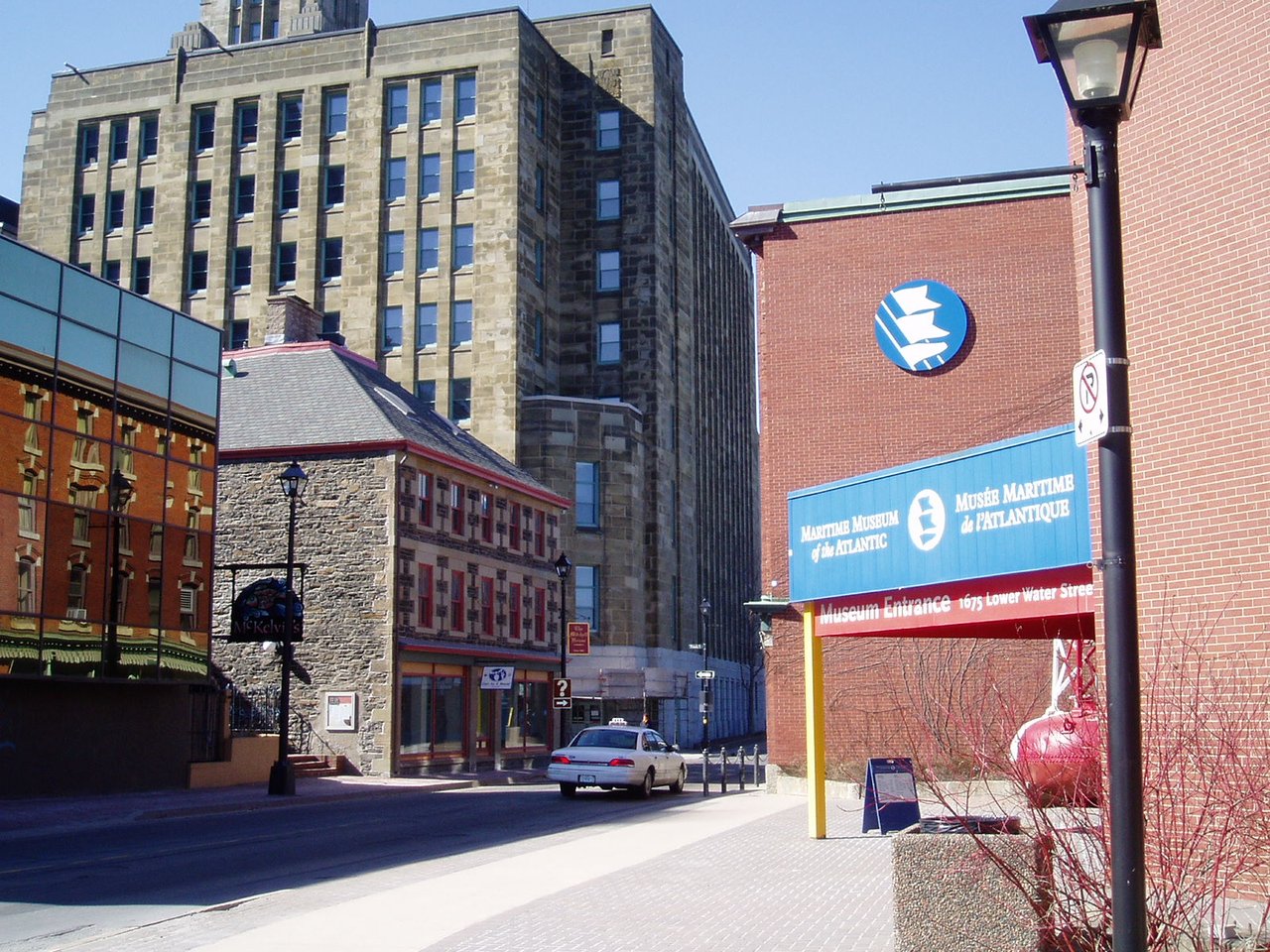
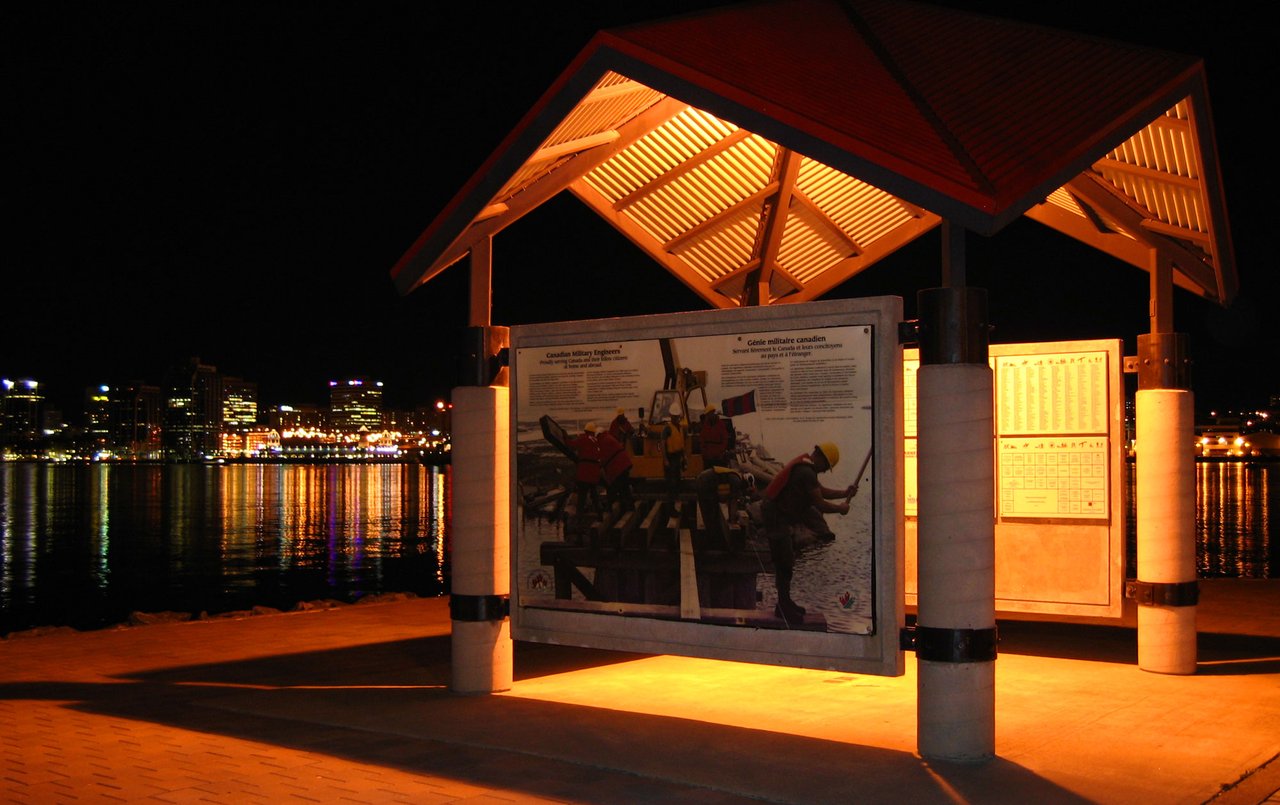
Downtown sits right on the harbour, wrapped around that famous ~4 km boardwalk — one of the longest continuous waterfront walkways in Canada — and everything a visitor actually wants is within a lazy ten-minute stroll. The Halifax Citadel National Historic Site looms on the hill above (the noon gun fires every single day and will absolutely make you jump the first time), the Maritime Museum of the Atlantic is down by the water, and the Queen’s Marque district has turned the shoreline into this gorgeous mix of modern architecture and public art that I could photograph for hours.

The food here is the main event, obviously. Argyle Street is the patio strip — in summer it’s wall-to-wall tables and live music and people having the best time. Down at the Seaport area, the Halifax Seaport Farmers’ Market runs daily in summer and the seafood stalls are legitimately dangerous. I had a lobster roll standing at a counter, mayo dripping down my wrist, and thought about it for the rest of the day. Order it. Don’t overthink it. Our server at dinner later that night insisted the Digby scallops were “to die for” and — she was right. She was so right.
Where to sleep downtown:
- Muir, Autograph Collection (Queen’s Marque) — the splurge. Harbour views, a vitality pool, eucalyptus steam room, chef-driven dining. I didn’t stay here (my wallet laughed at me) but I walked through the district and the whole place smells like money and sea salt.
- The Sutton Place Hotel Halifax — my actual pick. 1700 Grafton Street, steps from everything. The bed situation? Elite. Blackout curtains so good I slept until 10 AM on my first morning and missed my own breakfast plan. Zero regrets.
- Halifax Marriott Harbourfront — ask for a harbour-view room, fall asleep watching the harbour lights. The indoor pool is a lifesaver on rainy days.
- The Prince George Hotel — Four Diamond comfort, indoor pool, right in the middle of downtown. A solid, no-surprises choice.
- The Westin Nova Scotian — the historic one down by the Seaport, with the famous Heavenly Beds. Our server at the Seaport Social restaurant told me locals come just for the brunch here.
- Cambridge Suites — all suites with kitchenettes, pet-friendly, and a rooftop whirlpool. I met a woman traveling with two golden retrievers in the lobby and she said she’d stay nowhere else.
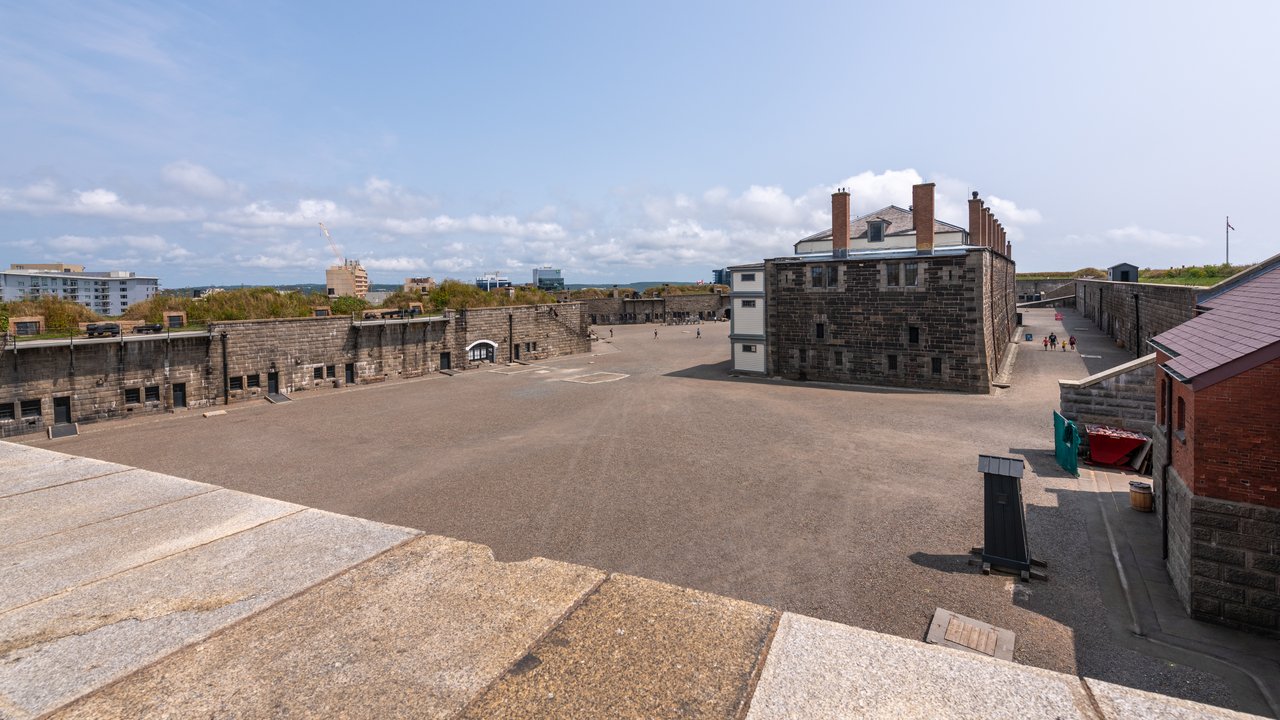
The honest downsides: downtown is the priciest area (more on prices below), and summer weekends sell out fast — I once waited until June to book a July trip and paid for it. Literally. Also, hotel parking runs ~$25–40 a day, which stings. But for a first visit? Worth it. I double-checked the Citadel’s current season on the Parks Canada site before I went — it’s open daily 9 AM–5 PM from May through early November 2026, with the grounds open year-round.
The North End — for food-first travelers (my people)
If you’re the kind of person who picks a hotel based on what’s within a 15-minute walk of it to eat, the North End is your neighbourhood. Agricola Street and Gottingen Street are the two main drags, lined with bright row houses, vintage shops, and — this is the important part — an honestly ridiculous concentration of breweries and independent restaurants.
I hadn’t heard of the North End’s food scene until I read a Travelweek piece about it — glad I did, because this is where I ate my best meal of the whole trip. The Agricola Street Brasserie had just picked up a Taste of Nova Scotia restaurant-of-the-year nod, and the chef told me half the menu changes with whatever comes off the boats that week. Did I need the second dessert? No. Did I get one? Obviously.
The brewery situation here is no joke. Propeller Brewing has been pouring on Gottingen Street since 1997 — a proper Halifax institution. North Brewing Company does Belgian-style beers at their Agricola Street taproom (2576 Agricola), and Good Robot Brewing on Robie Street is the scrappy one with the beer garden. A barista on Agricola told me the North End has more craft beer per block than anywhere else in Atlantic Canada, and I have zero reason to doubt her.
Where to sleep up here: think design-forward Airbnbs and small boutique spots in restored historic homes rather than big hotel chains. It’s quieter at night than downtown, cheaper, and you’ll feel like you actually live in Halifax for a few days. The trade-off is a ~20-minute walk (or short bus ride) to the waterfront. I walked it every morning for coffee and it was genuinely the best part of my day — well, that and the cinnamon buns.
Dartmouth — across the harbour, and cheaper
Okay, listen — locals call Dartmouth “the Darkside,” and they say it with enormous affection. It’s the city across the harbour, and staying here is the smartest budget move in this guide.
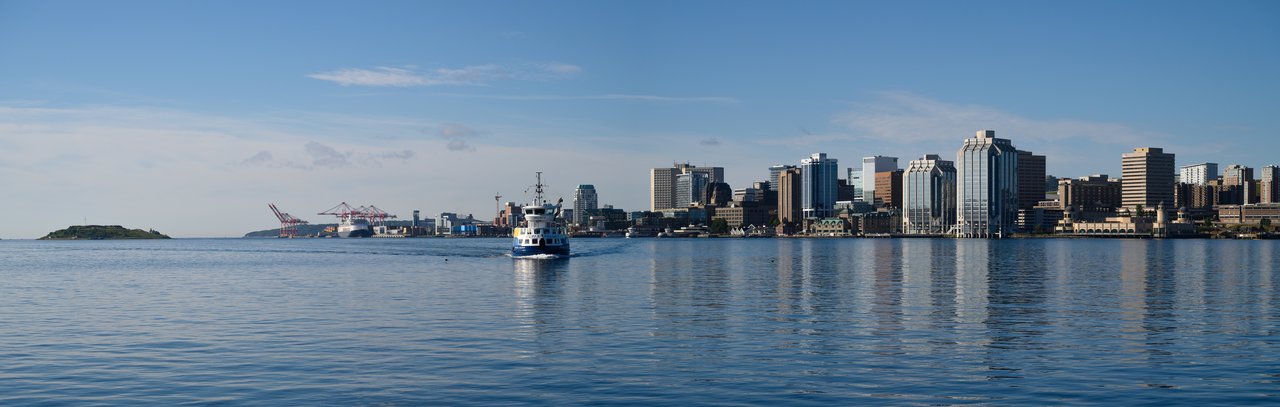
Here’s why: the Halifax Transit ferry crosses from downtown Halifax to Alderney Landing in about 12 minutes, runs every 15–30 minutes, and costs $3 one way. I double-checked the current fare on Halifax Transit’s official fares page — and honestly, it’s the best three dollars you’ll spend in Nova Scotia, because the crossing doubles as a harbour cruise with the skyline doing its thing right in front of you.
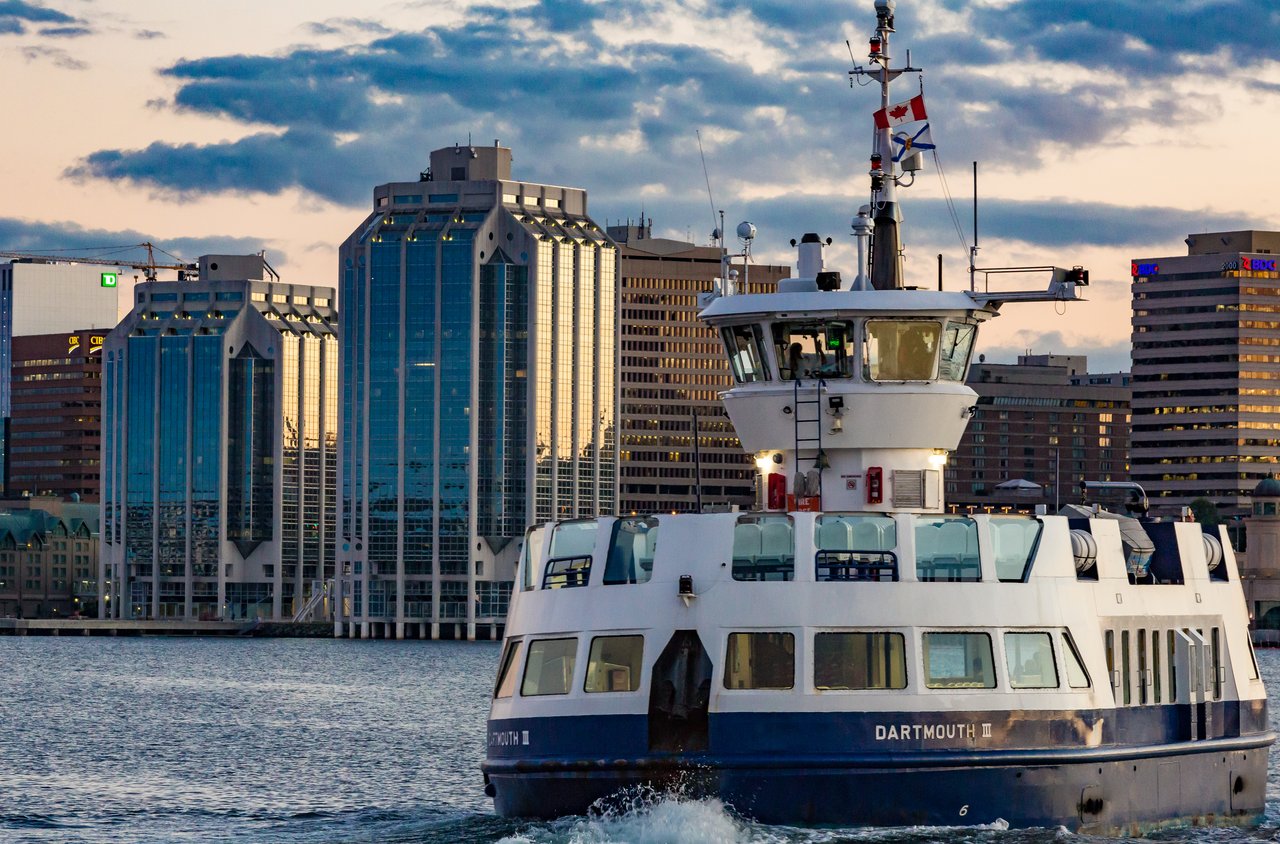
Downtown Dartmouth itself has had a full renaissance. Alderney Landing packs in bakeries, cideries, and a farmers’ market, and the food scene has gotten so good that Halifax locals ferry across just for dinner. You’re also closer to nature here — Lake Banook is right there for a morning paddle or a jog, and the waterfront trail is quieter than Halifax’s boardwalk.
Hotels in Dartmouth typically run 15–25% cheaper than equivalent downtown spots, and parking is dramatically easier (free at most hotels, versus that ~$25–40 downtown). The one catch: you’ll be planning your evenings around the ferry schedule. I found this out the sweaty way — lingering over dessert in Dartmouth, checking my phone, and realizing I’d have a long wait for the next sailing. Check the last departure before you commit to that second bottle. (Dessert, though — always worth it.)
The South End & West End — quiet, green, and family-friendly
If your idea of a good morning starts with trees instead of traffic, look at the South End. The streets are leafy, the Victorian houses are enormous, and Point Pleasant Park — 75 hectares of woods and oceanfront trails at the tip of the peninsula — is right there. I started one morning with a foggy walk through the park, salt on the wind, and didn’t see another soul for twenty minutes. Chef’s kiss.
The South End also wraps around Dalhousie and Saint Mary’s universities, so there’s a cozy layer of bookstores and affordable coffee shops — great for slow mornings — but it stays remarkably quiet at night. The Halifax Public Gardens, those manicured Victorian gardens on Spring Garden Road, sit between downtown and the South End and are the prettiest free hour in the city. Every local I asked about the best picnic spot said the same thing: the Gardens. So we did. They were right.
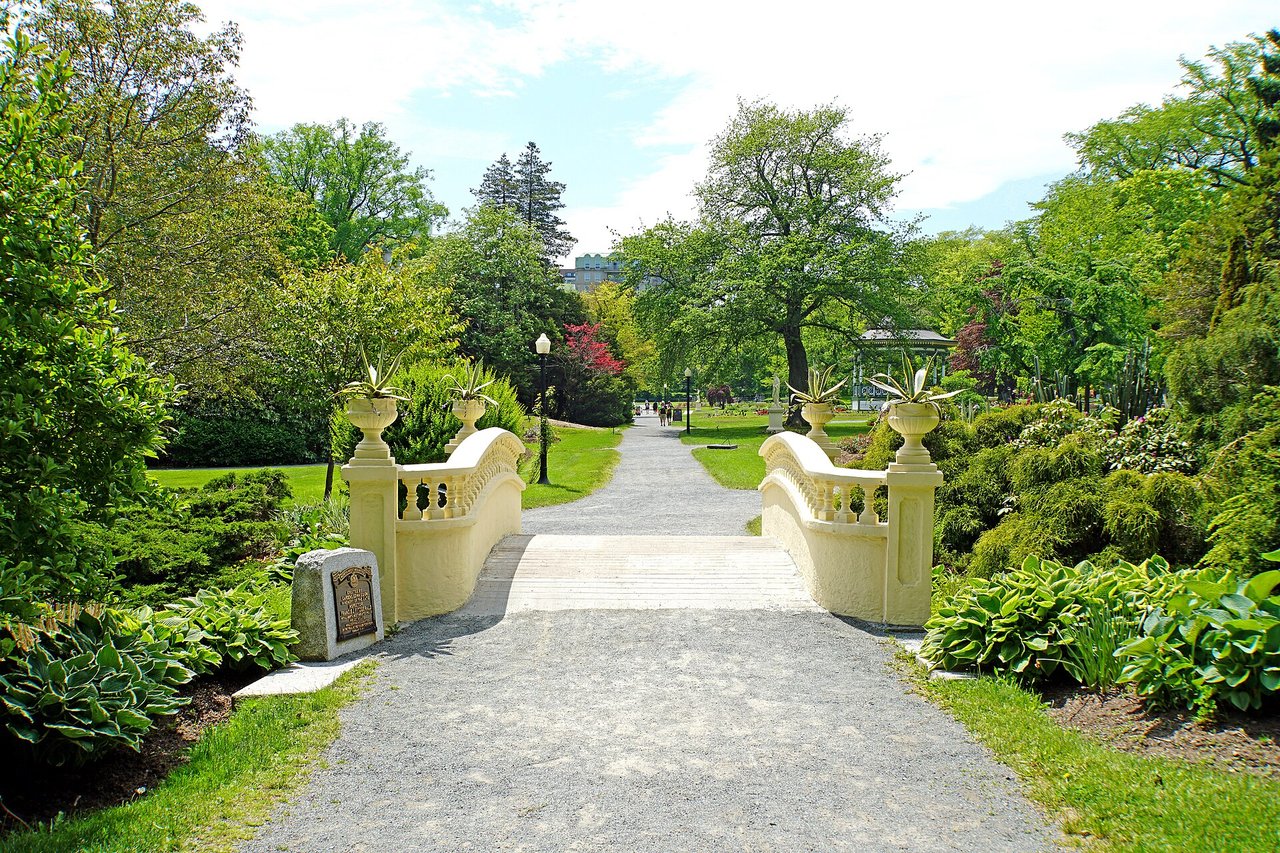
The West End is the practical, mid-range pick. Quinpool Road is its main street, and the food scene is the deliciously unpretentious kind — proper Greek souvlaki, Lebanese sweets, diners that have been there forever. Nothing here is trying to impress you; it’s just good. B&Bs and smaller inns cluster around here, and because you’re central on the peninsula, everything else in the city is a quick trip away. Families love this area, and honestly, so did I — it feels like the Halifax that Haligonians actually live in.
What hotels cost in each neighbourhood (2026)
Here’s the money talk, with prices I checked in October 2026. These are summer-season ranges for a standard double room, before taxes — prices marked ~ are estimates and drop noticeably in the shoulder seasons (late fall, winter, early spring).
| Neighbourhood | Mid-range hotels (per night) | Luxury / top end | Parking |
|---|---|---|---|
| Downtown & waterfront | ~$200–300 | ~$400–550+ (Muir, Sutton Place) | ~$25–40/day |
| North End | ~$130–220 (boutique / Airbnb) | ~$250+ | Often free / easy street parking |
| Dartmouth | ~$140–200 | ~$280+ | Usually free at hotel |
| South End / West End | ~$120–200 (B&Bs, inns) | ~$260+ | Free at most properties |
If you’re pairing Halifax with the rest of the province, see our 3-day Halifax itinerary and the Nova Scotia road trip itinerary — and check our best time to visit Nova Scotia guide, because hotel prices in July and August are a different sport than November.
Getting to your hotel: airport, ferry, and parking
Halifax Stanfield International Airport (YHZ) sits about 35 km north of downtown. Your options, verified for 2026:
- Halifax Transit 320 Regional Express — $4.75 for adults, about 50 minutes to downtown (Scotia Square/Albemarle Street), runs hourly. Pay with the HFXGO mobile app — no scrambling for exact change. It’s the cheapest way in, though the bus isn’t built for heavy luggage.
- Taxi / Uber — ~$63–80 to downtown, about 30 minutes depending on traffic. The metered airport taxi rate is the predictable one if you’re arriving late.
- Rideshare — Uber and Lyft both operate in Halifax now.
Once you’re in the city, the peninsula is genuinely walkable — I walked everywhere and only wished for a bus twice. The ferry to Dartmouth is the one transit ride you should take on purpose, not just for transport. For drivers: downtown street parking is tight and metered, so budget for a parkade or hotel parking (~$25–40/day). In the West End, North End, and Dartmouth, parking is dramatically easier.
One more seasonal note: if you’re visiting in July, check Discover Halifax’s event calendar before booking — the Halifax Jazz Festival and the Busker Festival pack downtown hotels fast. I once showed up during festival week without a reservation. Never again. Well — the hotel I eventually found had an excellent shower, so it wasn’t a total loss. Shower pressure: elite. The mattress: questionable. You win some.
FAQs about where to stay in Halifax
What is the best area to stay in Halifax for first-time visitors?
Downtown, by the waterfront. You’ll be within walking distance of the boardwalk, the Citadel, the Maritime Museum of the Atlantic, and the best concentration of restaurants and hotels — including the Muir, Sutton Place, and Marriott Harbourfront. It’s the priciest area, but for a first visit the convenience is worth the hype. See our Halifax travel guide for what to do once you’re settled.
Is it better to stay in Halifax or Dartmouth?
Halifax (downtown) wins for first-timers and anyone who wants to walk to dinner. Dartmouth wins on value — hotels run 15–25% cheaper, parking is free, and the $3 Halifax Transit ferry gets you downtown in about 12 minutes with harbour views. If you don’t mind planning around the ferry schedule, Dartmouth is a legit hidden gem of a base.
Is the Halifax ferry worth taking if I’m not staying in Dartmouth?
Yes — take it anyway. At $3 one way (paid via the HFXGO app), the 12-minute crossing to Alderney Landing is the cheapest harbour cruise in Atlantic Canada. Go at sunset if you can. I double-checked the fare on Halifax Transit’s official fares page, and ferries run every 15–30 minutes.
How many days should I spend in Halifax?
Two to three days covers the highlights — the waterfront, Citadel, a North End food crawl, and a ferry trip to Dartmouth. With three days you can add a day trip to Lunenburg or Peggy’s Cove; our 1-day Lunenburg itinerary pairs perfectly with a Halifax base.
Is Halifax walkable without a car?
Very. The downtown peninsula is compact — most of what visitors want is within a 25-minute walk — and the ferry, buses, and rideshares cover the rest. You only need a car for day trips out of the city (Peggy’s Cove, Lunenburg, the Annapolis Valley). If you do drive, note that downtown hotel parking runs ~$25–40 per day.
When is the cheapest time to stay in Halifax?
Late fall through early spring (November–April), outside of holidays — hotel rates can drop 30–40% from summer peaks. The trade-off is shorter days and colder weather, though the North End’s cozy cafes and the downtown restaurant scene make winter very livable. Summer (July–August) is peak: book early, especially during the Jazz Festival and Busker Festival.
4 comments