
Last updated: October 12, 2026
- ✓ Each town earned its spot for one specific reason: no filler picks — every stop below is the best in its province or territory at one thing (surf, gold rush, wine, icebergs, Icelandic festivals, gorge swimming, you name it).
- ✓ This is a driving list: a small-town trip means a rental car and one or two nights per town. Trying to rush all ten in one trip is a mistake — pick a region (the Maritimes, the West) and do it properly.
- ✓ Summer is the golden window, but shoulder season is the pro move: June and September give you open patios, calm roads, and prices that haven’t peaked — my favourite small-town months, honestly.
Canada’s big cities get the itineraries, but I’ll be honest: my favourite Canadian memories live in the small towns. The surf shack where I tracked sand into the rental car for a week. The gorge I swam in on a dare. The hill in Lunenburg I climbed three times because I kept taking wrong turns down streets that all looked equally charming. Here’s the thing about small towns — they don’t try to impress you, which is exactly why they do.
I started this list the way I start everything: with a spreadsheet (of course I did). Ten towns, each the best at exactly one thing. My Ontario sibling list — 12 small towns in Ontario — covers my home province in depth, so here I go national: coast to coast to coast, roughly west to east, every fact below checked in October 2026.
A confession up front: I have not personally visited all ten of these towns, and I’m not going to pretend I have. I’ve walked six of them (Tofino, Canmore, Elora, Niagara-on-the-Lake, Lunenburg, and Baie-Saint-Paul), and for the other four I leaned on official tourism sites, Parks Canada pages, and locals who were generous with their time. Wherever a detail comes from someone other than me, I’ll say so — that’s the deal.
The 10 towns, on a map
Ten pins, from the Yukon to Newfoundland. Tap any town to jump the map straight to it.
Map data © OpenStreetMap contributors. Open the full map
1. Dawson City, Yukon — the gold rush, frozen in time
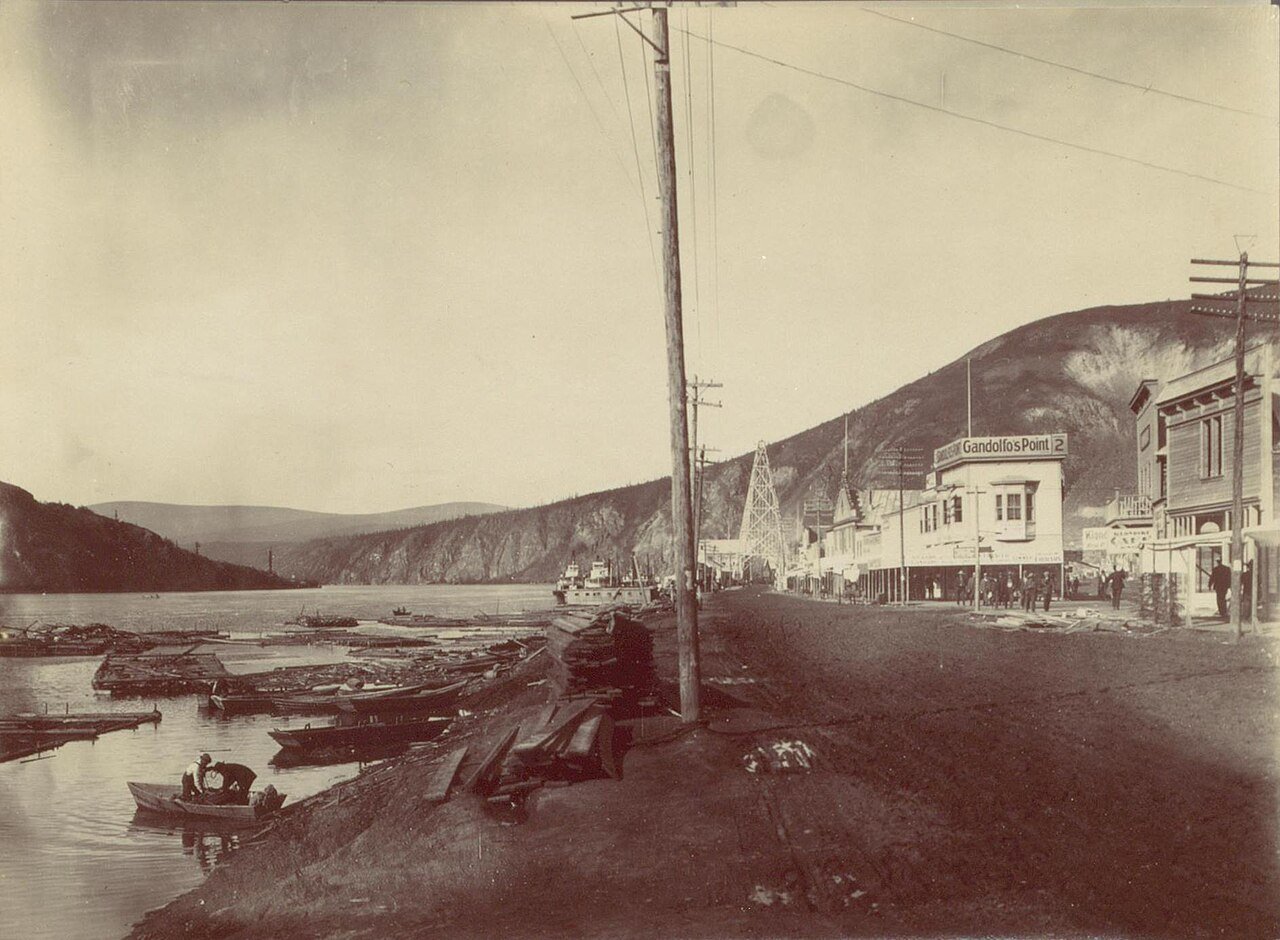
Of all ten towns, Dawson City is the one that feels least like the 21st century — and that’s entirely the point. This was the heart of the Klondike Gold Rush of 1898, when tens of thousands of stampeders flooded a boomtown at the confluence of the Yukon and Klondike rivers. Today downtown is a national historic site: boardwalks instead of sidewalks, false-fronted wooden buildings, dirt streets the town deliberately keeps unpaved. I haven’t been yet, but everything I read — including Travel Yukon’s refreshingly honest pages — says the same thing: Dawson doesn’t do nostalgia as a theme park. It just never left.
The must-dos: Dredge No. 4, the world’s largest wooden-hull bucket dredge, with Parks Canada guided tours in summer; Diamond Tooth Gerties, Canada’s oldest legal gambling hall, with can-can shows nightly; and panning for gold at Claim #6 on Bonanza Creek, where the whole rush started. And then there’s the Sourtoe Cocktail at the Downtown Hotel — a shot with a mummified human toe in it. You can drink it fast, you can drink it slow, but the rule is you can’t swallow the toe. I’m filing that one under “read about it, maybe skip it.”
Best time to visit: June to early September — and pack a sleep mask, because the midnight sun means daylight at midnight in June. Getting there: fly into Whitehorse, then drive the Klondike Highway north (about 530 km, roughly 6–7 hours of stunning road).
Plan Dawson as a 2-night minimum, not a day trip. Between the dredge tour, the drive in, and the sheer disorientation of the midnight sun, one night barely scratches the surface — and the town’s small hotels book out in July, so reserve ahead.
2. Tofino, British Columbia — surf town at the end of the road
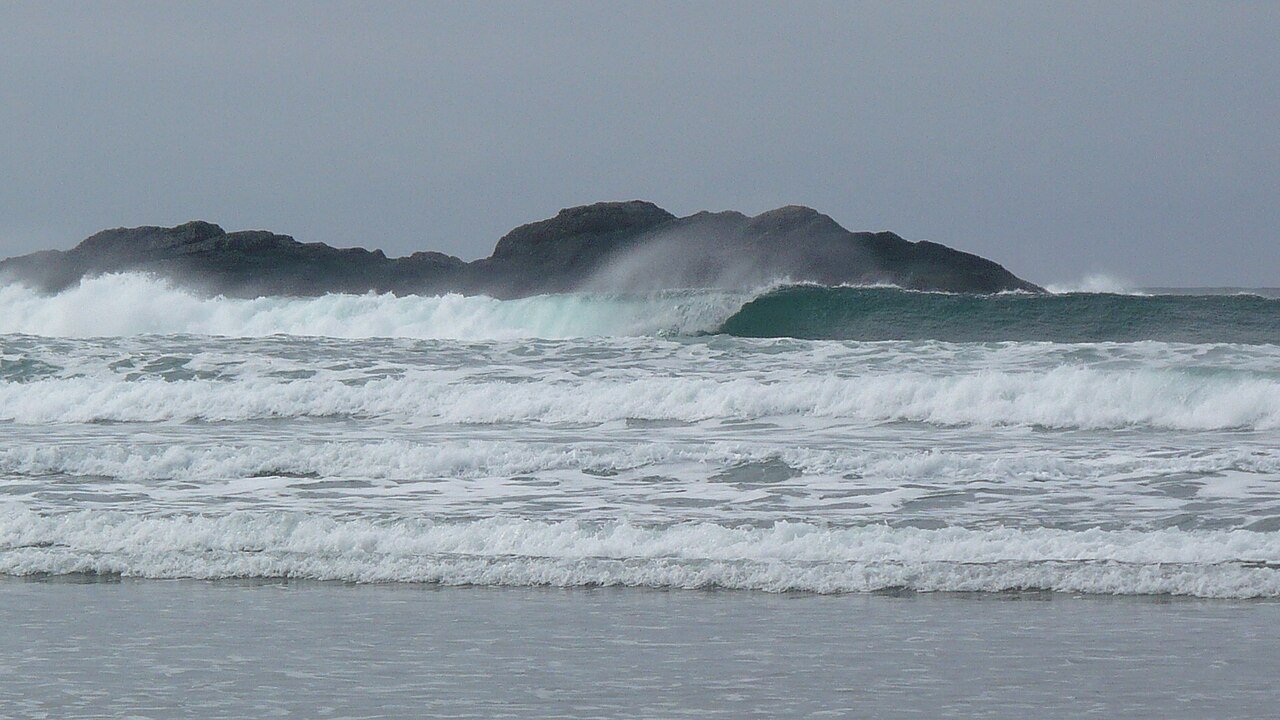
Tofino sits at the literal end of Highway 4 on Vancouver Island’s wild west coast, and it has the end-of-the-road energy to match: surf shops, taco trucks, rainforest trails, and a permanent smell of salt and cedar. I went in September and did the classic first-timer move — a surf lesson at Cox Bay in a wetsuit so thick I could barely bend my arms, falling off my board in front of approximately everyone. Worth every penny. The surfing here is real year-round, and Long Beach in the Pacific Rim National Park Reserve is the long, empty sweep of sand the town is famous for.
Two more things I’d do again in a heartbeat: the Meares Island Big Tree Trail, a boardwalk through old-growth cedars that made me uncharacteristically quiet, and the Hot Springs Cove boat trip — natural hot springs reached via a cedar boardwalk through the rainforest. I double-checked operators on Destination BC’s official site before booking; prices and schedules shift with the season, so do the same.
Best time to visit: June–September for surf and beach weather; November–February for storm watching, Tofino’s beloved off-season sport (watching 5-metre waves from a hot tub counts). Getting there: fly to Nanaimo or drive from Victoria (4–5 hours), then the winding Pacific Rim Highway west — the last stretch is slow and gorgeous, so don’t rush it.
A surf instructor told me the locals’ favourite beach isn’t Cox Bay or Long Beach — it’s Chesterman Beach at low tide, when the tidal pools and sandbars turn it into a walkable maze. Check the tide tables (there’s a free app for that) and go at the lowest tide of the day.
3. Canmore, Alberta — the Rockies’ friendlier, cheaper base
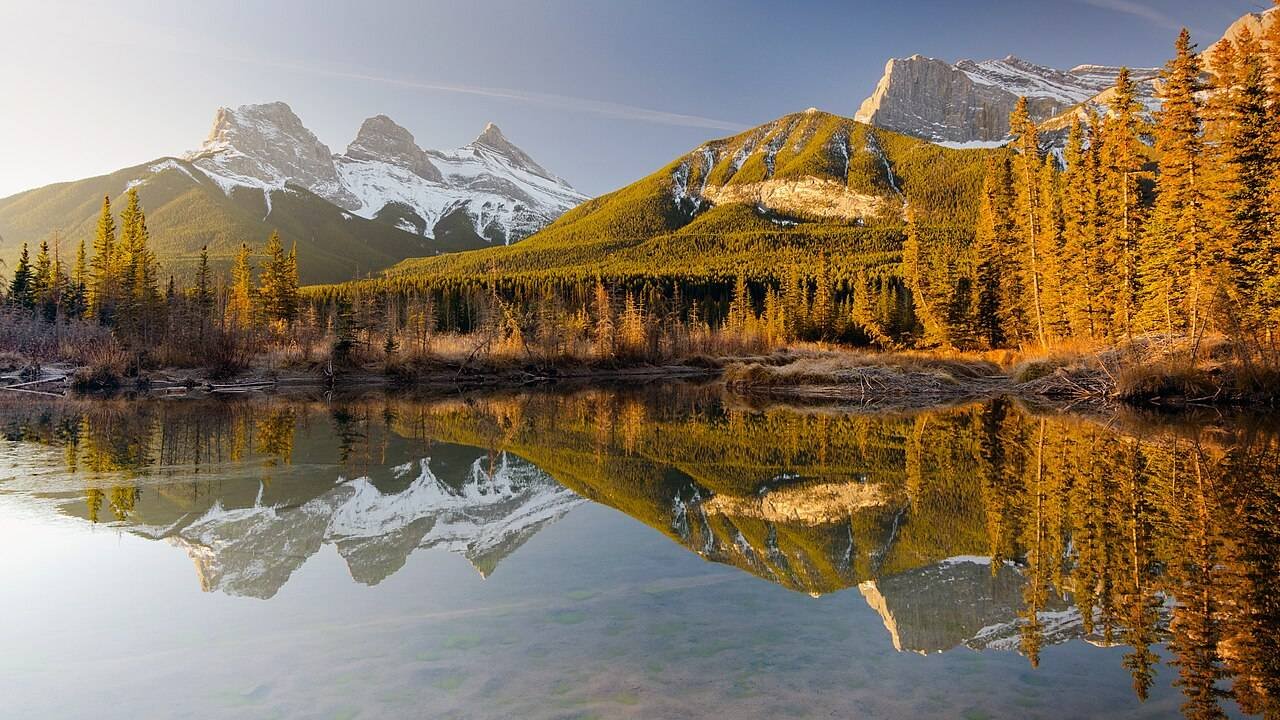
Here’s the thing: everyone books Banff, but the people who know the Rockies book Canmore. Twenty minutes east of Banff on the Trans-Canada, this former coal-mining town sits directly beneath the Three Sisters peaks — the same jaw-dropping mountain walls at roughly two-thirds the hotel price. I based myself here for a long weekend and my mornings started with coffee on 8th Street watching the light hit the Sisters. I have now done this ritual three times, and I will do it a fourth.
The don’t-miss list: Grassi Lakes, an easy 4 km round-trip hike to unreal turquoise pools (go before 9 AM — the parking lot is small and the secret is thoroughly out); the Canmore Nordic Centre trails; and the Bow River pathway for an evening stroll. Main Street has quietly become a genuinely good food street. Pro tip: Canmore sits outside the national park boundary, so there’s no Parks Canada entry fee to stay and wander here — you only pay the park pass on days you drive into Banff.
Best time to visit: June–September for hiking; December–March for skiing and the Nordic trails. Getting there: about 1 hour west of Calgary on Highway 1 — the easiest mountain access in Canada, honestly.
Wildlife is not a photo opportunity here — it’s the commute. Elk wander Main Street in fall (rutting season: give them serious space), and bear sightings close trails regularly. Check the Town of Canmore’s trail report before you hike, carry bear spray on any forested trail, and never approach elk for a selfie. I’ve watched a tourist learn the elk lesson the fast way. Don’t be that tourist.
4. Gimli, Manitoba — Iceland’s biggest town outside Iceland
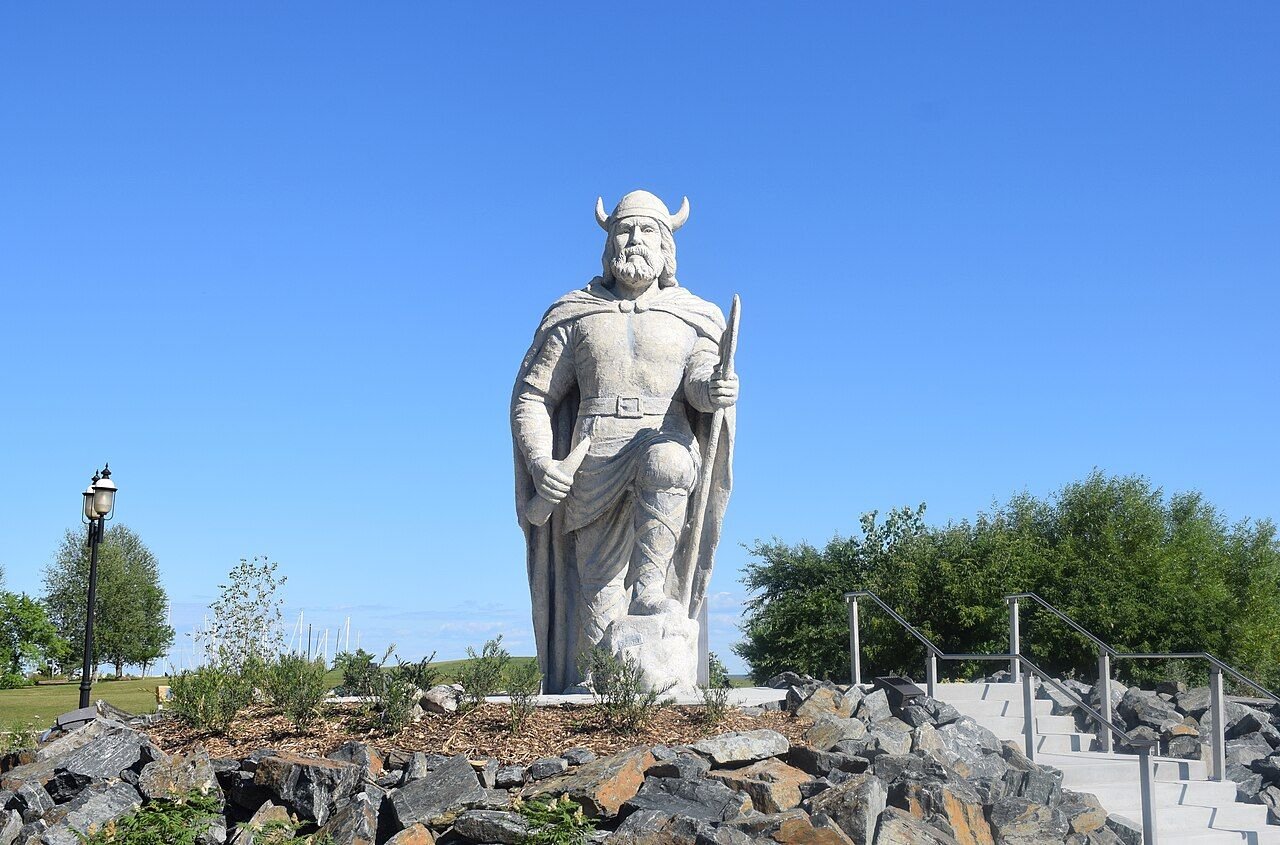
This one surprised me when I first read about it: the largest Icelandic settlement outside Iceland isn’t in Iceland — it’s Gimli, Manitoba, on the shores of Lake Winnipeg. Icelandic settlers founded “New Iceland” here in 1875, and the town leans into it beautifully: the 4.6-metre Gimli Viking statue on the waterfront and the New Iceland Heritage Museum downtown. The August-long-weekend Icelandic Festival (Íslendingadagurinn) has run since 1890 — the Travel Manitoba site calls it the oldest continuous ethnic festival in North America, and I believe it. Viking battles, Icelandic food, a parade: my kind of chaos.
Beyond the Icelandic angle, Gimli is a proper Lake Winnipeg beach town: a long sandy beach, a working harbour with the province’s biggest commercial fishing fleet, and some of the best pickerel (walleye) fish and chips you’ll eat anywhere. The waterfront seawall walk at sunset is the quiet highlight — Lake Winnipeg is so big it has its own horizon.
Best time to visit: the August long weekend for the Icelandic Festival (book accommodation early — the whole town fills up); July–August for beach weather. Getting there: about 1 hour north of Winnipeg on Highway 8 — an easy day trip, but stay overnight if you can.
Order the pickerel at a harbour-side shack and ask for it “the Icelandic way” if they offer it — a Gimli local told me the vínarterta (Icelandic layered prune cake) at the town bakery is the real sleeper hit, and she was right. It keeps for days, so buy two.
5. Elora, Ontario — the gorge, the Quarry, and the prettiest main street

If you read my Ontario small towns list, you know Elora is my home-province pick — it makes the national list on the same merits, only more so. The Elora Gorge is a 22-metre-deep limestone canyon carved by the Grand River, and the town wraps around it like it was designed for postcards. I swam in the Elora Quarry on a dare from a friend — it’s a former limestone quarry turned swimming hole with 12-metre cliffs, and jumping in was simultaneously the best and coldest decision of that summer. (Fair warning: the water is brisk even in August. The teenagers jumping off the cliffs do not care. You might.)
Tubing the gorge is the classic move: rent a tube, float 2 km down the Grand River between the canyon walls, get shuttled back. The 19th-century limestone main street — all independent shops, no chains — is the cutest in the province, and the Elora Mill hotel and spa anchors the whole scene. Time it for the Elora Festival in July if you like choral music in a quarry (yes, really — the Quarry concerts are legendary).
Best time to visit: June–September for the Quarry and tubing; fall for the gorge in colour. Getting there: about 1.5 hours west of Toronto — close enough for a day trip, pretty enough to deserve a night.
The Elora Quarry has a daily capacity limit and sells out on summer weekends — I checked the Grand River Conservation Authority’s reservation page before my trip and booked the day-use spot online. Do not just show up on a Saturday in July. Trust me on this one.
6. Niagara-on-the-Lake, Ontario — wine country’s prettiest town
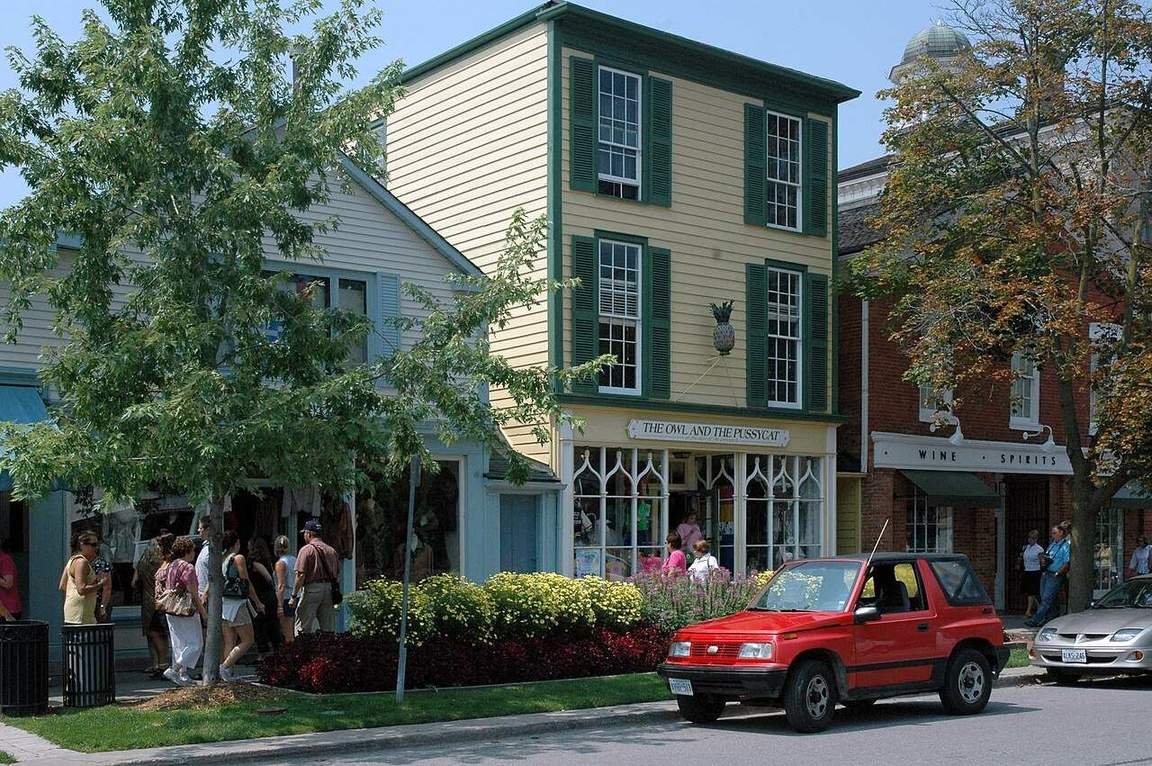
Niagara-on-the-Lake is what happens when a town decides to be charming and commits completely. The main street — Queen Street — is lined with 19th-century buildings, flower baskets, and horse-drawn carriages, and it somehow avoids feeling like a theme park because it’s all real: this was the first capital of Upper Canada, and the War of 1812 history is everywhere (Fort George runs excellent guided tours). But let’s be honest about why most people come: the Shaw Festival, one of North America’s great theatre festivals, running April to December, and the surrounding Niagara wine country — icewine tastings included.
I’ve done the classic day twice: morning at the festival theatre, afternoon cycling between wineries (the flat vineyard roads are made for bikes — several shops rent them by the day), evening on a patio on Queen Street. The cycling-between-wineries afternoon is the version I’d repeat forever. If you’re pairing this with the Falls — and you should, they’re 25 minutes apart — my Niagara Falls day trip guide slots the two together.
Best time to visit: May–October for patios, festivals, and harvest season; December for the town’s famous Christmas lights. Getting there: about 1.5 hours from Toronto, 25 minutes from Niagara Falls — no car needed once you’re there if you cycle, but you’ll want one to arrive.
7. Baie-Saint-Paul, Quebec — the art town that gave the world Cirque du Soleil
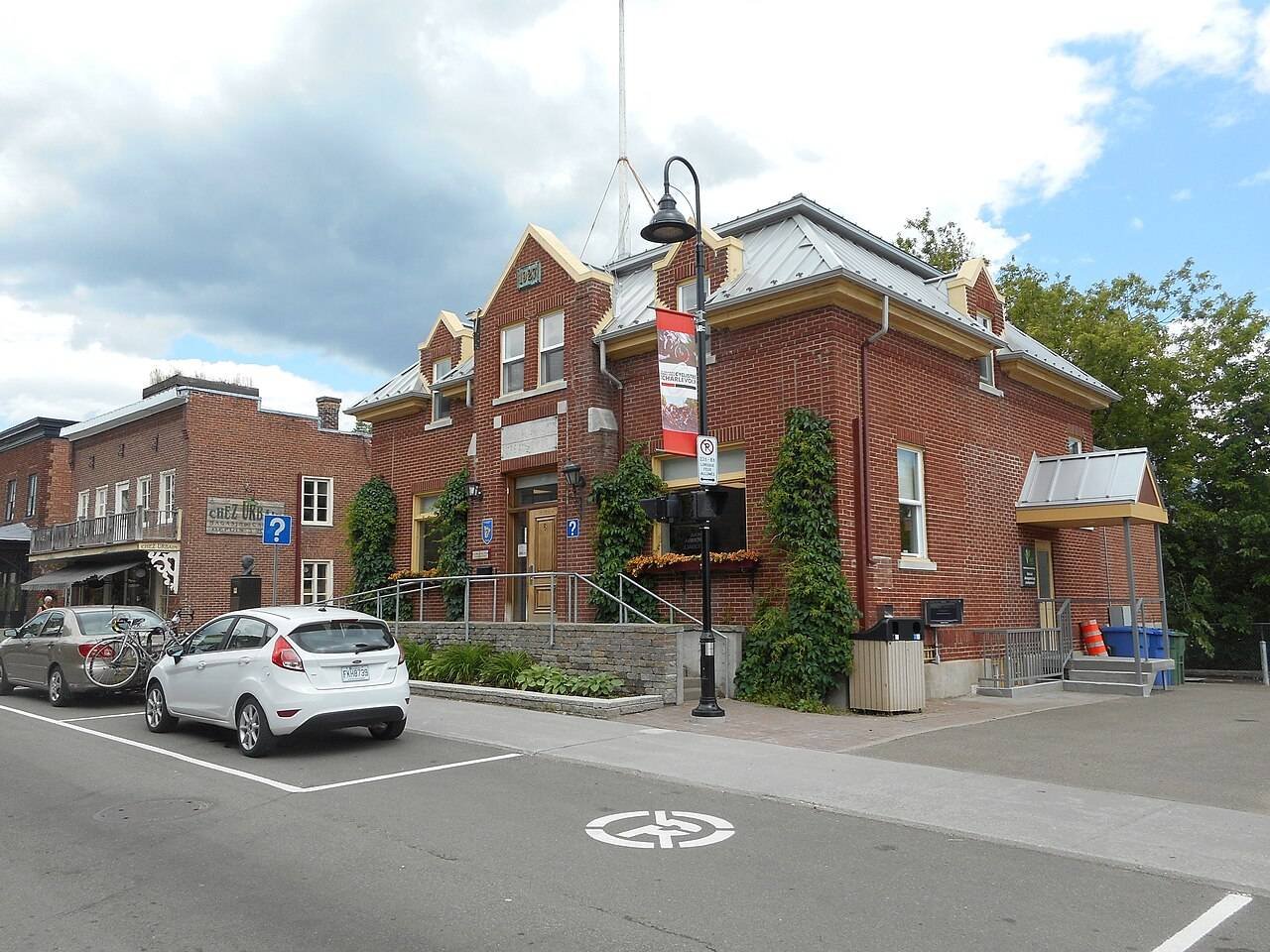
Baie-Saint-Paul sits where the Gouffre River meets the St. Lawrence in the Charlevoix region, backed by mountains that roll straight into the water — and it has been an artists’ colony for a century. The main street, rue Saint-Jean-Baptiste, is essentially one long gallery of studios in heritage buildings. The claim to fame that stopped me mid-research: Cirque du Soleil was founded here in 1984 as a street-performance troupe. I double-checked that on Bonjour Québec’s official Charlevoix pages because it sounded like a tall tale — it’s not. The town still hosts the Festif! music festival every July, keeping the street-performance DNA alive.
Beyond the art: whale-watching boats leave from nearby, the Traversée de Charlevoix hiking trail is serious wilderness, and the region’s farm-to-table food scene — the Flavour Trail (Route des Saveurs) — is reason enough to drive up. I came for a fall weekend and the foliage over the river valley was the kind of beautiful that makes you late for dinner because you keep stopping the car.
Best time to visit: June–October; fall foliage (late September to mid-October) is spectacular. Winter brings the Carnaval season and nearby skiing at Le Massif. Getting there: about 1.5 hours northeast of Quebec City on Route 138 — the riverside drive is half the experience.
Charlevoix is a seismic zone — it sounds alarming, but it just means the odd small tremor and very sturdy old buildings. The practical heads-up is different: cell service drops out on stretches of Route 138, so download offline maps before you leave Quebec City. I found this out the mildly stressful way.
8. St. Andrews, New Brunswick — whale watching and the grand old Algonquin
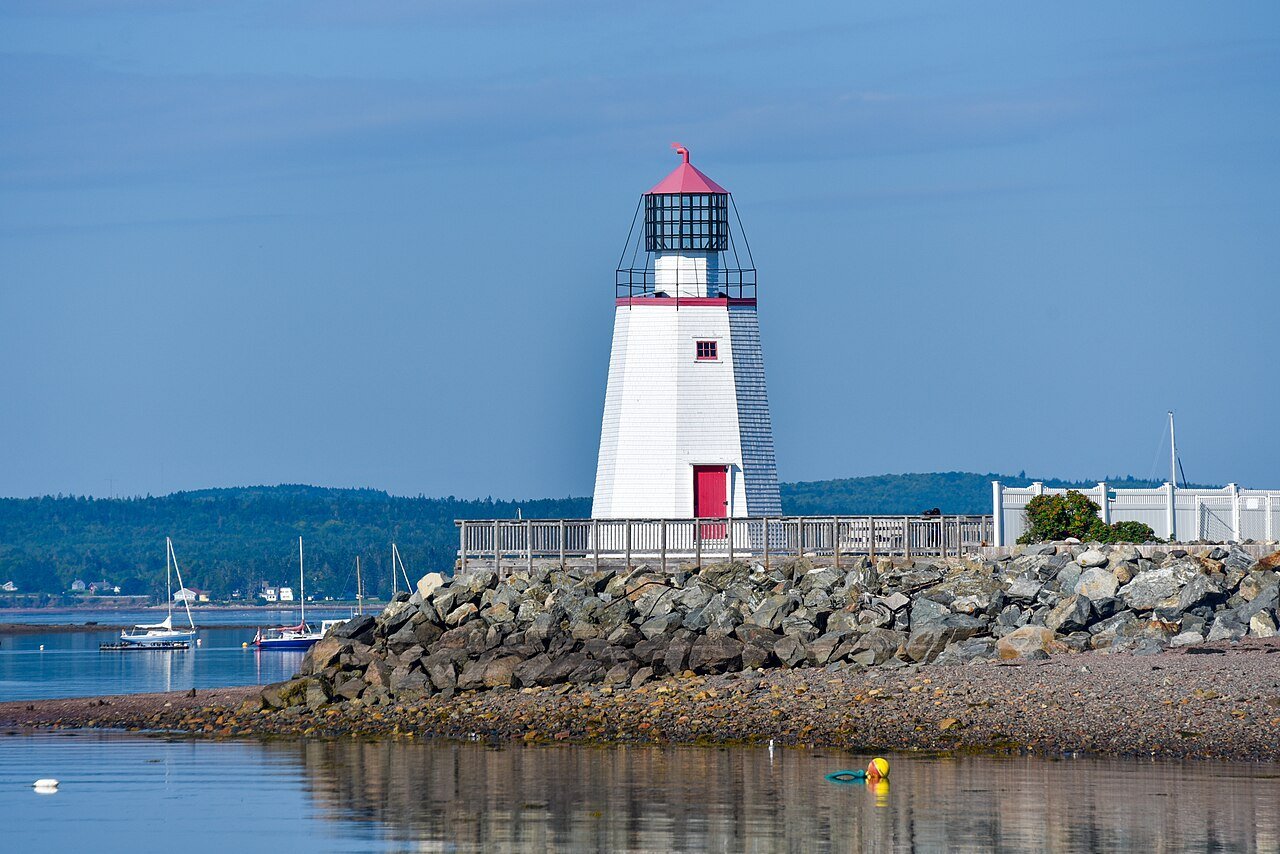
St. Andrews (officially St. Andrews by-the-Sea, and it earns the name) is New Brunswick’s prettiest coastal town: a grid of heritage homes on a peninsula where Passamaquoddy Bay meets the Bay of Fundy. The anchor is the Algonquin Resort, a grand Tudor-style railway hotel from 1889 that’s been the town’s centrepiece for over a century — even if you don’t stay there, walk the grounds and have a drink on the terrace. The Tourism New Brunswick site lists whale-watching tours from the town wharf from June through October, and the Bay of Fundy delivers: minke, finback, humpback, and the occasional right whale.
My favourite St. Andrews experiences from the research pile: Ministers Island, the 200-hectare estate of railway magnate Sir William Van Horne, reachable only at low tide via a gravel bar (check the tide schedule — the island is genuinely inaccessible at high tide, which is half the fun); Kingsbrae Garden, 27 acres of themed gardens; and the Blockhouse, a War of 1812-era blockhouse on the point. It’s a slow town in the best way — plan for the wharf, the gardens, and a long seafood dinner.
Best time to visit: June–October for whale watching and gardens; July–August for the warmest water (relatively speaking — this is the Bay of Fundy). Getting there: about 1 hour from Saint John, 3 hours from Fredericton — it pairs naturally with a Fundy coast road trip.
9. Lunenburg, Nova Scotia — a UNESCO World Heritage waterfront
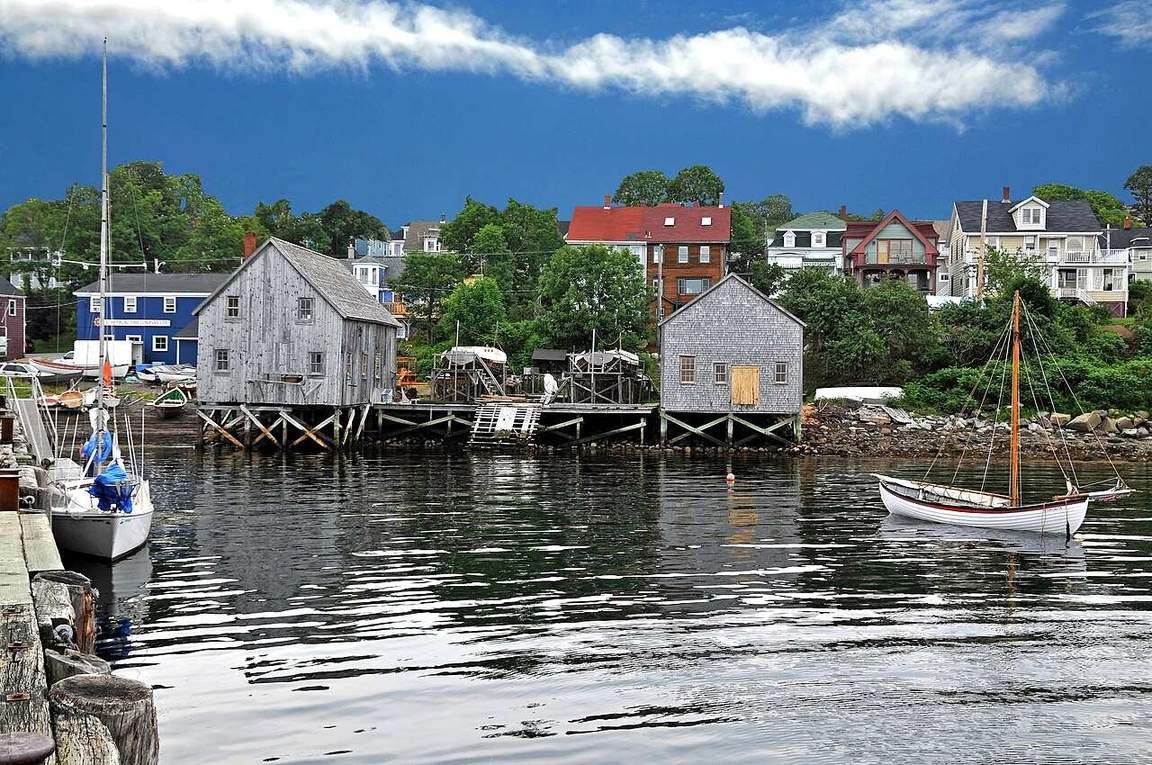
Lunenburg is the heavyweight on this list: Old Town Lunenburg is a UNESCO World Heritage Site (inscribed 1995), recognized as one of the best-preserved planned British colonial towns in North America — and the waterfront is exactly as colourful as the photos promise. I went on a grey October day and the town glowed anyway: the Bluenose II at the wharf (the working replica of the famous racing schooner on the Canadian dime), the red Fisheries Museum of the Atlantic, and street after street of the town’s distinctive “Lunenburg bump” dormers. I climbed the same steep hill three times because every side street looked like the prettier route — it usually was.
Do the Fisheries Museum (it’s better than it sounds — the aquarium and the schooner wharf exhibits kept me there two hours), take a sailing trip on the harbour if the Bluenose II is offering them, and eat seafood on the waterfront — the lobster rolls here set a standard I now unfairly apply everywhere else. The Visit Nova Scotia site has the current Bluenose II sailing schedule, which changes seasonally, so check before you go.
Best time to visit: June–September for sailing and full museum hours; the town is quieter and moodier (in a good way) in October. Getting there: about 1 hour southwest of Halifax on Highway 103 — an easy day trip, though the hillside B&Bs deserve a night.
10. Twillingate, Newfoundland and Labrador — the iceberg capital

Twillingate calls itself the iceberg capital of the world, and on Iceberg Alley — the stretch of coast where Greenland’s bergs drift south each spring — the claim holds up. The season runs roughly May through July, and the bergs are genuinely enormous: 10,000-year-old ice, glowing blue-white, sometimes parked right in the harbour. I haven’t timed a trip for iceberg season yet (bucket list, firmly), but the Newfoundland and Labrador Tourism site’s iceberg tracker is the tool I’d plan around — berg sightings are reported in near real time, and I love a data-driven trip.
The town itself is classic outport Newfoundland: colourful fishing stages on the water, the red-and-white Long Point Lighthouse on a dramatic headland (one of the most photographed lighthouses in the province), and boat tours that get you close enough to hear the ice crack. Prime Berth’s fishing-heritage exhibits tell the cod story that built — and nearly broke — these towns. And the food: toutons for breakfast, cod tongues if you’re brave, and seafood chowder everywhere.
Best time to visit: late May through July for icebergs; August–September for hiking and whales. Getting there: about 1.5 hours from Gander airport via Route 340 — or make it part of a longer Newfoundland loop.
What does a small-town trip cost?
Small towns are where Canada gets affordable — the prices below are per person per day for a classic small-town road trip (think: a B&B or motel, a bakery breakfast, one paid attraction, and gas split two ways). Pick your travel style, set your days, and the calculator does the rest. (Accommodation not included — see the table below.)
Budget calculator
Per person, in Canadian dollars. Excludes accommodation.
Budget ≈ $75/day · Mid-range ≈ $135/day · Luxury ≈ $245/day. Gas and attraction prices checked October 2026.
| Expense (per person / day) | Budget | Mid-range | Luxury |
|---|---|---|---|
| Accommodation | $40 (hostel / motel) | $130 (B&B / inn) | $280+ (heritage hotel) |
| Food & drink | $30 | $55 | $100 |
| Sights (museums, dredge tours, boat trips…) | $10 | $20 | $40 |
| Getting around (gas, split two ways) | $25 | $40 | $70 |
| Coffee, treats & souvenirs | $10 | $20 | $35 |
| Daily total | ~$115 | ~$265 | ~$525 |
For the bigger money picture, my Canada trip cost guide breaks down national averages — and if you’re doing the driving version of this list, the car rental guide covers what I wish I’d known about one-way fees and gravel-road insurance.
FAQs about small towns in Canada
What is the prettiest small town in Canada?
The three names that come up every time: Lunenburg (the UNESCO waterfront, genuinely unmatched), Niagara-on-the-Lake (the most polished main street in the country), and Baie-Saint-Paul (mountains meeting the St. Lawrence). My personal pick is Lunenburg on a grey day, when the colours pop against the sky.
How many days do you need for a small-town road trip in Canada?
Don’t try to do all ten in one trip. Pick a region and give it 5–7 days: the Maritimes loop (St. Andrews, Lunenburg, plus Halifax) works beautifully in a week, as does a Vancouver Island + Rockies combo (Tofino, then Canmore). One to two nights per town is the sweet spot — small towns reward slow mornings.
Do I need a car to visit Canada’s small towns?
Yes — this is the one list where I won’t pretend otherwise. Nine of these ten towns have no meaningful public transit connection. Rent the car, split the gas, and read my car rental guide before you book — one-way fees between provinces can sting if you don’t plan for them.
What is the best time of year to visit small towns in Canada?
June through September is the golden window: patios open, boat tours running, festivals on, and iceberg season peaking in Twillingate (May–July). My pro move is the shoulder months — June and September — when crowds thin and prices drop but everything is still open. Winter trips are a quieter pleasure (Tofino storm watching, Charlevoix skiing), but check what’s open first — many seasonal businesses close October to May.
Are Canada’s small towns expensive?
They’re the affordable side of Canadian travel. A mid-range small-town day runs about $135 per person excluding accommodation (see the calculator above) — B&Bs run $120–180 a night, bakery breakfasts are $10–15, and the best experiences (the gorge, the waterfronts, the lighthouse walks) are free. The real budget-killer isn’t any town — it’s the driving distances between them. Plan regionally and the math stays friendly.
Which small town should I visit if I only have time for one?
Lunenburg if you’re east, Canmore if you’re west — both are easy to reach, work in any season, and deliver the postcard in person. For the most unlike-anywhere-else experience on this list, that’s Dawson City or Twillingate in iceberg season. For the full Ontario deep-dive, start with my 12 small towns in Ontario.
Keep exploring
Ten towns down — here’s where I’d go next:
- 12 small towns in Ontario worth visiting — the sibling list: my home province in depth
- Canada road trip tips — the driving playbook for trips like this one
- How much does a Canada trip cost? — the full national budget breakdown
- Best time to visit Canada — seasons, festivals, and when each region shines
- Banff travel guide — pair Canmore with the national park next door
- Vancouver travel guide — the city gateway to Tofino
- Quebec City travel guide — the launch point for Charlevoix and Baie-Saint-Paul
You’ve got this. Pick a region, rent the car, and go slow — the small towns will do the rest.