
Last updated: October 3, 2026
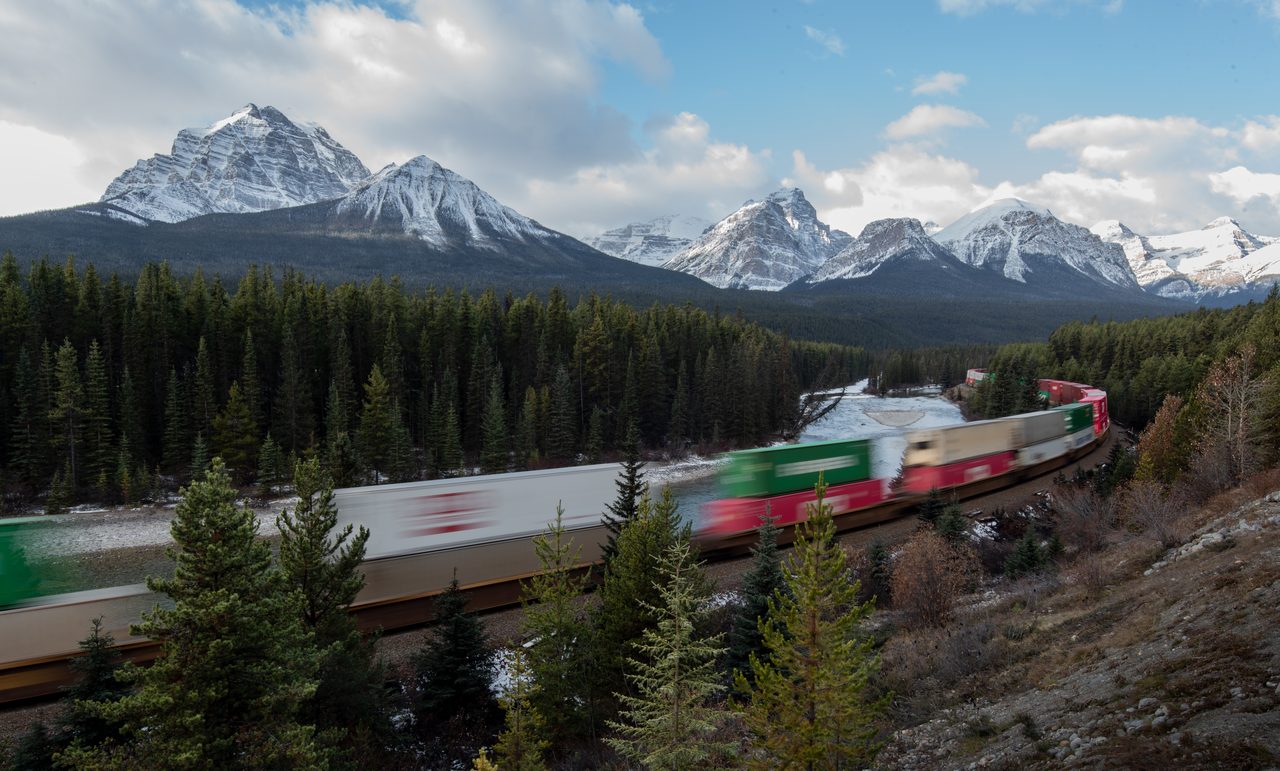
The short answer
- The big two: VIA Rail runs the country’s essential passenger routes — including the legendary Toronto–Vancouver “Canadian” — while Rocky Mountaineer runs daylight-only luxury sightseeing trains through the Rockies.
- The classic trip: The Canadian crosses the country in 4 nights, twice weekly year-round. Sleeper Plus fares start from ~$1,100 for a berth (all meals included); Economy from ~$444.
- Book early: Sleeper cabins sell out months ahead in summer. I book 6+ months out, watch for VIA’s Tuesday discount drops, and always leave a buffer day around long-distance trains.
I’ll be honest: before my first cross-country trip, I thought “train across Canada” was something only people in documentaries did. Then I spent four nights on The Canadian watching the prairie turn gold and the Rockies rise out of nowhere, and I became the person who corners you at parties to talk about rail gauges. (Sorry in advance.) This guide is everything I wish I’d known before that trip — the routes that matter, the classes worth paying for, real 2026 prices checked in October 2026, and the booking mistakes I’ve already made so you don’t have to.
Here’s the thing about train travel in Canada: the country is enormous, the network is smaller than you’d expect, and each route has a completely different personality. Picking the right one is the whole game. Let’s get into it.
First things first: VIA Rail vs Rocky Mountaineer
There are really two rail companies in this story, and they are not competing — they’re doing different sports entirely.
VIA Rail is Canada’s national passenger carrier, running year-round across the country. It’s the public-utility side of rail: real transportation that also happens to pass through some of the most absurdly beautiful scenery on Earth. You eat, sleep, and live on the train for days at a time. This is where the transcontinental legends live.
Rocky Mountaineer is a private luxury sightseeing train operating April through October in Western Canada. The key difference: it only travels during daylight, so you sleep in hotels each night and never miss a mountain view while you’re snoring. No sleeper bunks, just glass-domed coaches, gourmet meals at your seat, and hosts who narrate the whole thing. Think of it as a cruise ship that runs on tracks.
Quick comparison, because my spreadsheet brain demands one:
| VIA Rail | Rocky Mountaineer | |
|---|---|---|
| What it is | National passenger rail, year-round | Private luxury sightseeing train, Apr–Oct |
| Sleep on board? | Yes — berths, cabins, or your reclining seat | No — hotels at each stop, luggage follows by coach |
| Routes | Coast to coast + regional lines | Rockies routes only (Vancouver to Banff/Jasper/Lake Louise) |
| Price vibe | $150 to $5,000+ depending on class | ~$2,300 to ~$4,000+ per person for 2-day rail packages |
| Best for | Transcontinental adventure, getting somewhere, budget options | Once-in-a-lifetime Rockies splurge, zero roughing it |
You could honestly do both in one trip — I nearly did, until I looked at the combined price and my calculator filed a complaint. Choose your fighter.
The Canadian: Toronto ↔ Vancouver, the legend
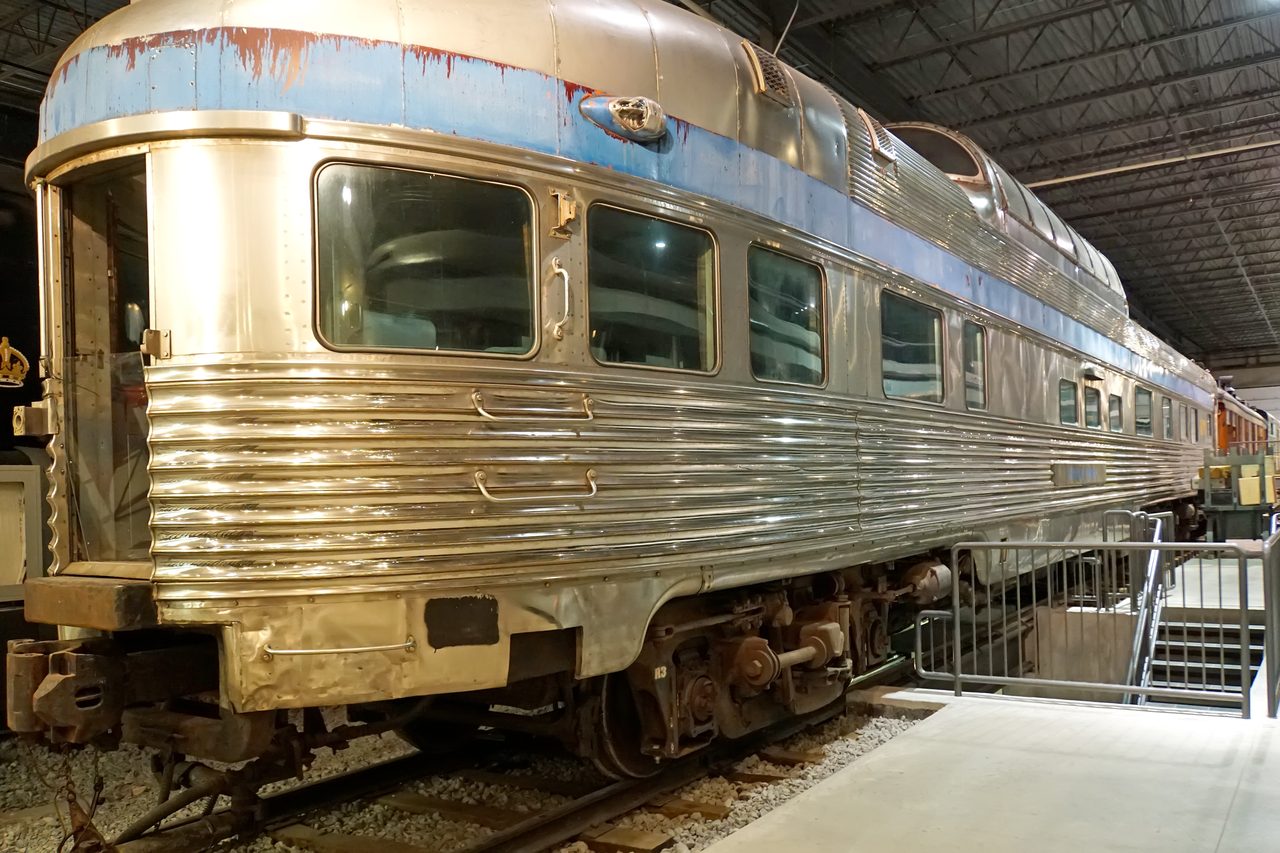
This is the one. Train #1 westbound and #2 eastbound, Toronto to Vancouver (or vice versa) in 4 nights and about 4 days, running twice weekly year-round. In 2026, westbound trains leave Toronto’s Union Station on Wednesdays and Sundays (morning departures, around 09:55), and eastbound trains leave Vancouver on Mondays and Fridays (afternoon, around 15:00) — I double-checked these departure days on VIA’s schedule page and on the excellent seat61 breakdown before writing this, because rail timetables shift and I refuse to be the reason someone misses a train.
The route hits Winnipeg, Saskatoon, Edmonton, and Jasper, crossing five provinces and basically every landscape Canada has: the granite lakes of the Canadian Shield, the endless prairie sky (my personal favorite part — I did not expect this, and I was wrong), and the Rockies finale through Jasper, which is the correct way to arrive at mountains.
A word on punctuality, because here’s the thing: on long-distance routes, freight trains get priority over passenger trains. The Canadian is famous for running late — hours late, sometimes. My eastbound train hit a freight backlog outside Saskatoon and I got a two-hour prairie sunset show from the Park car as consolation. Gorgeous? Absolutely. Pro tip: never book a flight for the same day your train arrives. Give it a full buffer day. Trust me on this one.
The Ocean: Montreal ↔ Halifax
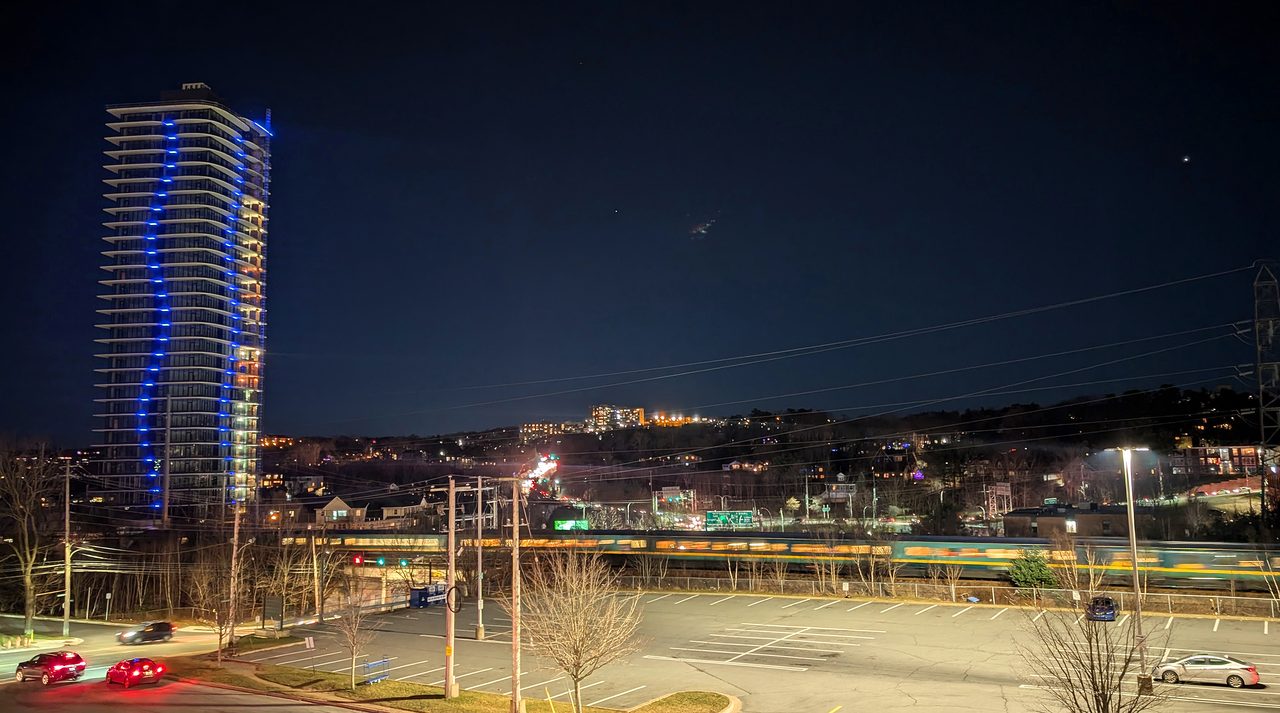
Out east, The Ocean (trains #14/#15) links Montreal and Halifax in roughly 24 hours, running three times a week (Wednesdays, Fridays, and Sundays). Montreal departures leave early evening (around 18:30) and pull into Halifax the next evening; the reverse run leaves Halifax mid-morning. It threads through Quebec, New Brunswick, and Nova Scotia — river valleys, Acadian coast, and the Bay of Chaleur, which is criminally underrated.
This is the sleeper train I’d recommend first to a nervous beginner: one night, not four, and you wake up in the Maritimes. I’ll be honest — I did this one in Economy before I was willing to pay for a sleeper, and the reclining seats are genuinely fine for a single night. The sunrise over the Chaleur Bay is free and worth every penny (of the zero pennies it costs).
Fair warning: early in 2026, the Ocean had to run shortened consists after an accident in Quebec damaged cars, which squeezed availability for months — a VIA equipment report I read noted sellouts stretching weeks out. It’s a reminder that on this route especially, booking early is not optional. Check current availability on VIA Rail’s official site before you get attached to dates.
The Corridor: Quebec City ↔ Windsor
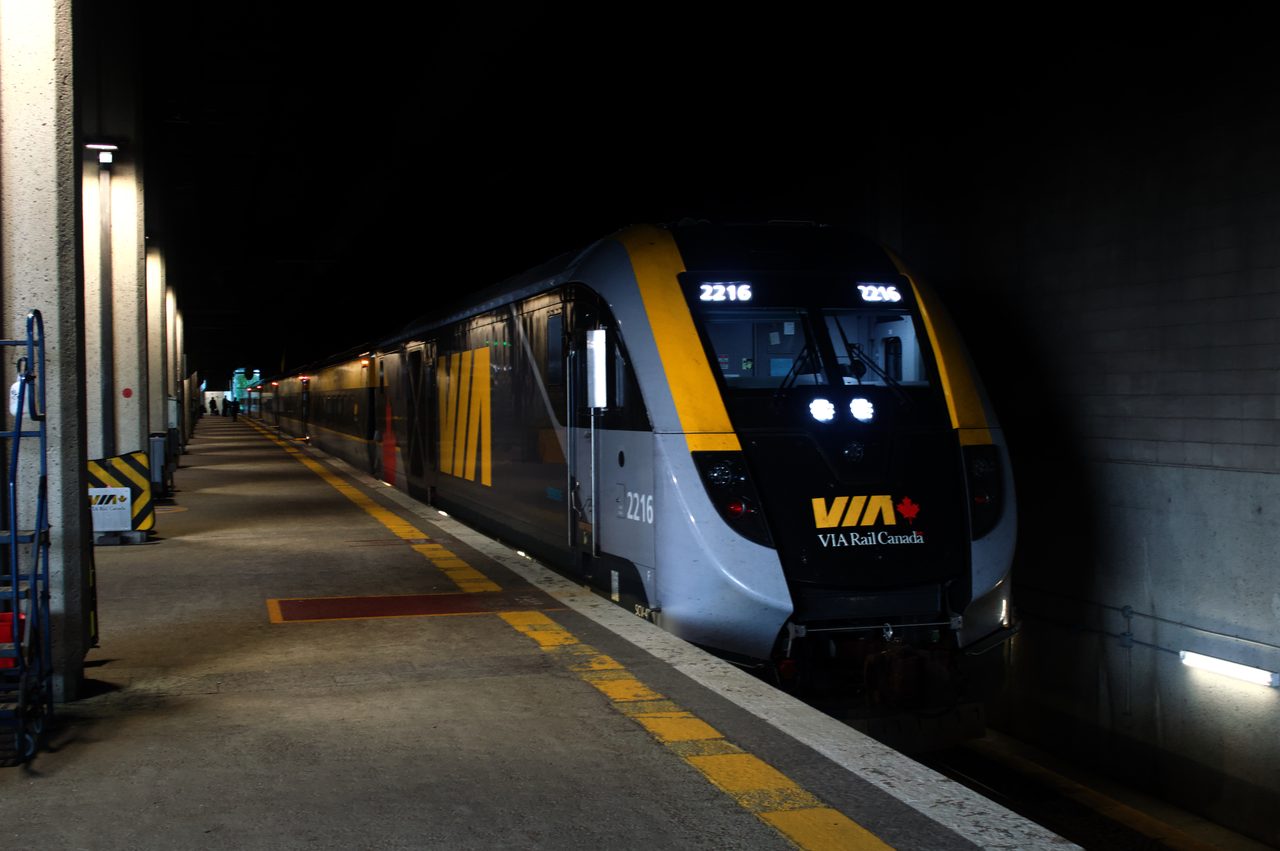
If the long-distance trains are the grand adventure, the Corridor is the workhorse — and it’s the train most visitors will actually use. It links Quebec City, Montreal, Ottawa, Toronto, and Windsor through the densest, busiest part of the country, with multiple departures daily. Toronto–Montreal runs in the 3–5 hour range; Montreal–Quebec City about 3.5 hours. Fast enough that I timed my Toronto–Montreal run against driving and the train won on every metric except “singing along to the radio.”
The big news for 2026: VIA has been rolling out its new Siemens Venture fleet on Corridor routes (that’s the sleek train in the photo above) — quieter, better Wi-Fi, level boarding, and genuinely comfortable seating. This is the train I take for Toronto to Quebec City hops instead of flying, and I have zero regrets. You arrive downtown-to-downtown with no airport security line, which — game-changer.
And for the “but what about high-speed rail?” crowd: the federal Alto project aims to build a true high-speed line (up to 300 km/h) between Toronto and Quebec City, but design work alone is expected to take years. Do not plan your 2026 trip around it.
Regional gems: the trains tourists overlook
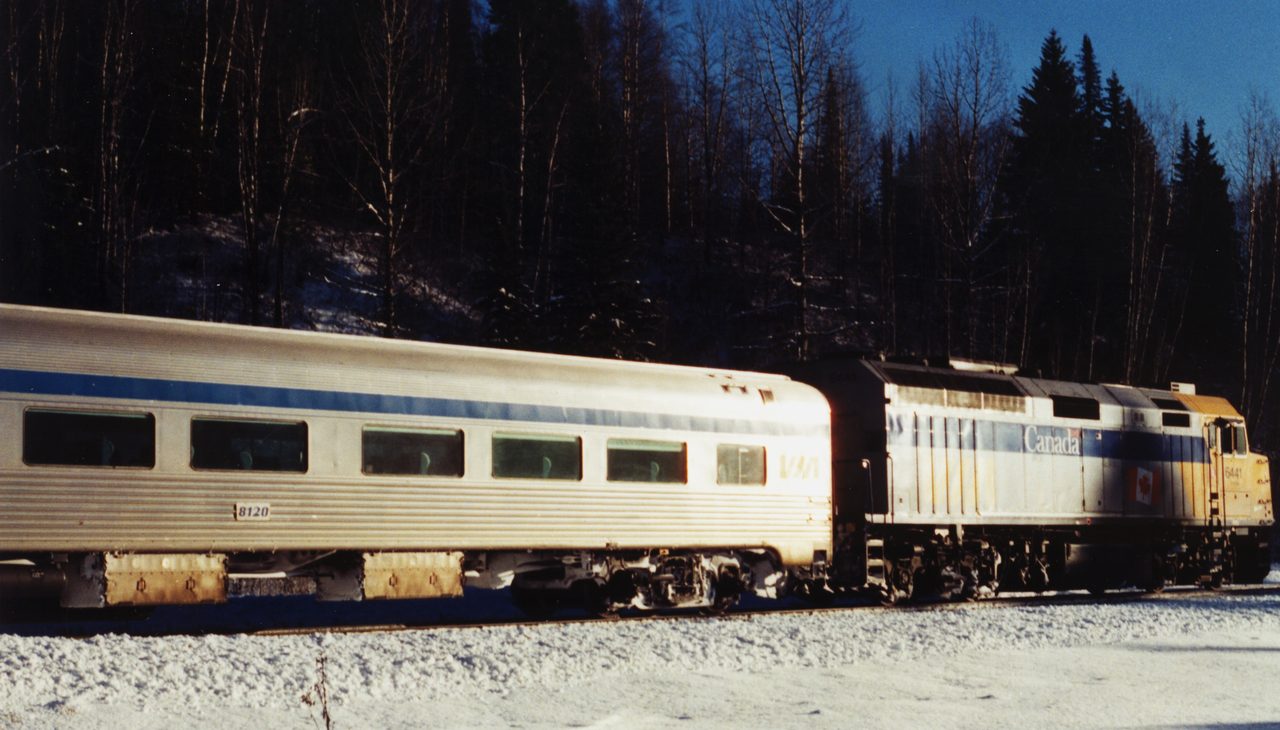
The famous trains get all the press, but two regional routes are my favorite “do not skip” recommendations:
Jasper–Prince Rupert (the Skeena). A two-day daytime journey through northern BC’s wilderness — rivers, old-growth forest, and genuine bear country. It runs three times a week (Wednesdays, Fridays, Sundays) with an overnight stop in Prince George, so the whole thing is in daylight. The train slows for wildlife. Mine did, for a black bear, and the entire car went silent in the best way.
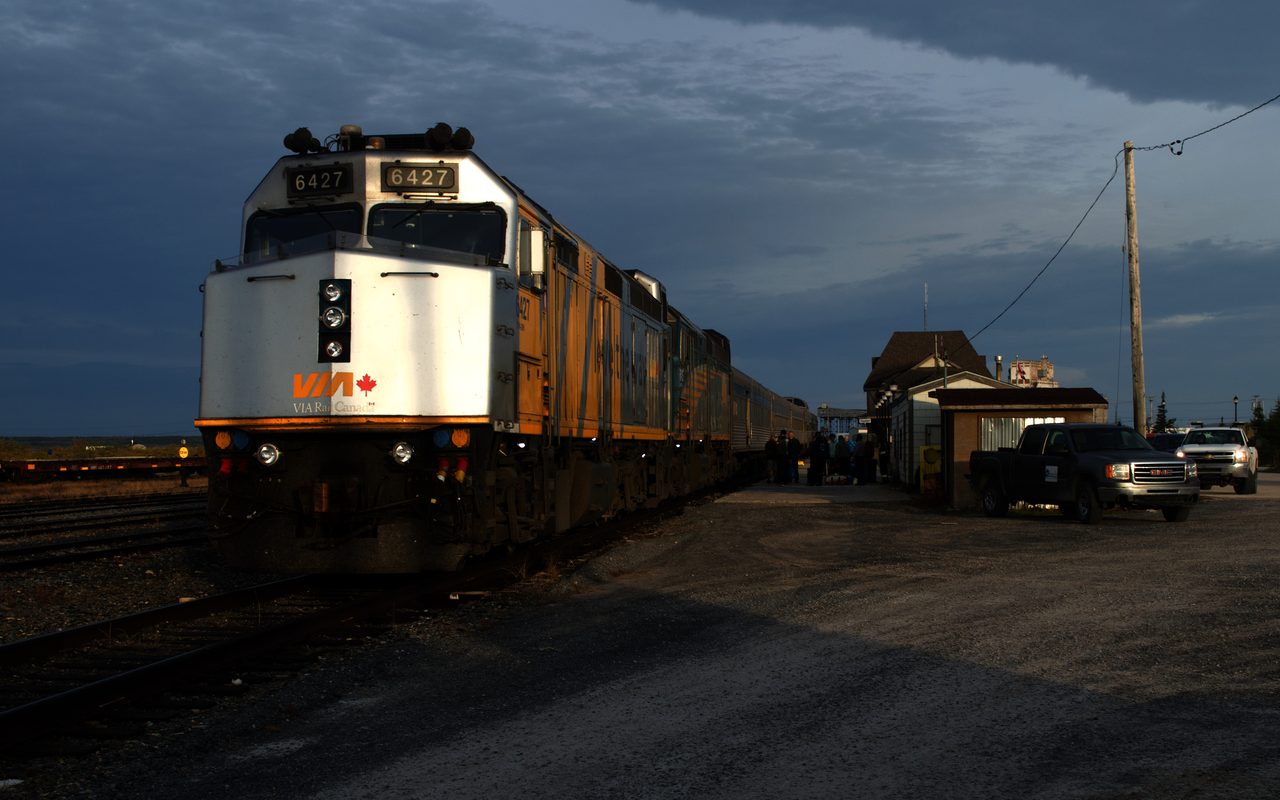
Winnipeg–Churchill. The “Polar Bear Express” — the only land route to Churchill, Manitoba. Twice weekly, two nights, straight into the subarctic. No roads lead to Churchill; this train is the lifeline. If you want the northern lights in winter or polar bears in fall without chartering a plane, this is it. (Photo below is the train at Churchill station itself.)
Both are basic in amenities — think Economy seats and simple food — but the scenery is the amenity. Pair the Churchill run with a winter visit and you’ve got the trip people write books about.
Rocky Mountaineer: the luxury daytime option
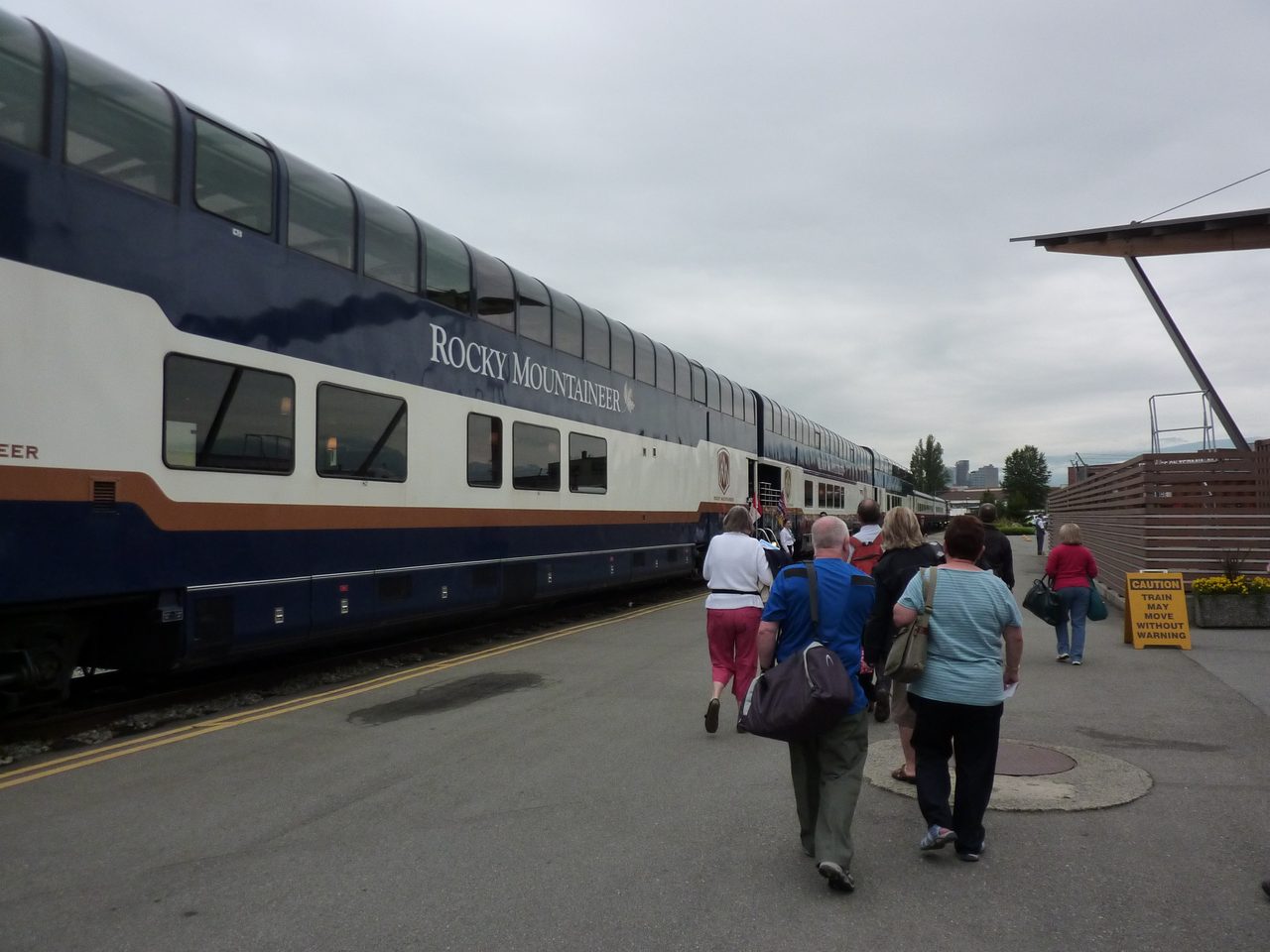
If VIA is a road trip with friends, Rocky Mountaineer is a white-tablecloth dinner that happens to move. Three Canadian routes, all April through October:
- First Passage to the West — Vancouver ↔ Banff (or Lake Louise) via Kamloops. The classic. Spiral Tunnels, Hell’s Gate canyon, the Continental Divide. Two days on the train, one night in a Kamloops hotel.
- Journey Through the Clouds — Vancouver ↔ Jasper via Kamloops. Mount Robson (the highest peak in the Rockies) is the showpiece.
- Rainforest to Gold Rush — Vancouver ↔ Jasper via Whistler and Quesnel. Three days, more Gold Rush history, fewer crowds.
Two service levels: SilverLeaf (single-level glass-domed coach, meals served at your seat) and GoldLeaf (bi-level dome with a dedicated dining room downstairs and an outdoor viewing platform). 2026 two-day rail packages run roughly ~$2,300–3,000 per person in SilverLeaf and ~$3,100–4,000 in GoldLeaf (rail + Kamloops hotel + onboard meals + luggage handling, per 2026 published package prices — always confirm on the official site, since seasonal pricing moves). Peak summer dates cost the most; April and October are the value play.
I’ve never ridden it — full disclosure, it’s priced above my usual travel budget — but I’ve talked to three separate couples in Banff who all used the word “worth every penny.” The no-sleeping-on-the-train thing is the whole point: every mile is in daylight, and your suitcase travels by coach and waits at the hotel.
→ Rocky Mountaineer — official routes & 2026 departures
Choosing your class: Economy, Sleeper Plus, Prestige
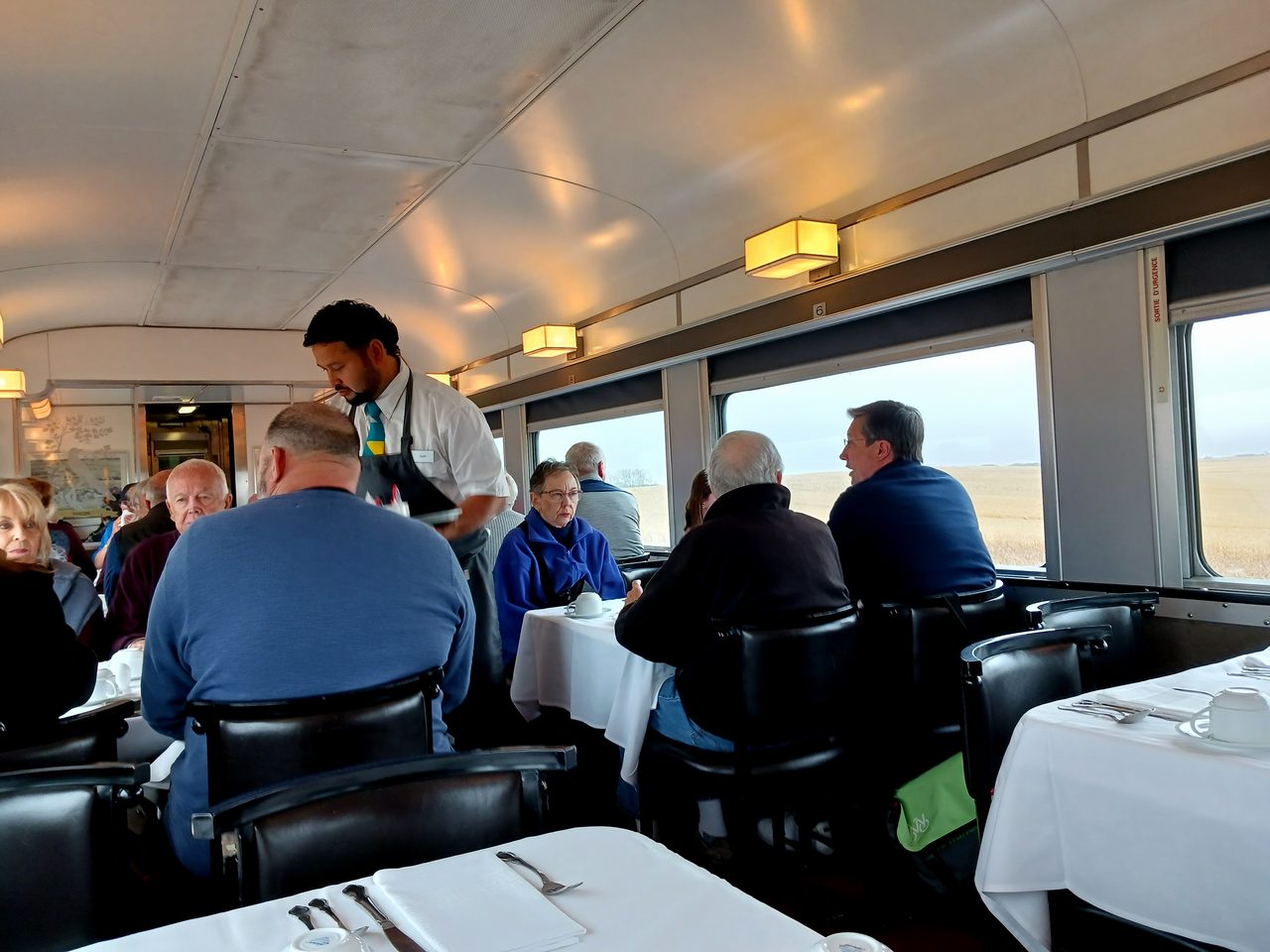
Class choice is the single biggest decision you’ll make on a VIA long-distance trip, so let me break it down the way I wish someone had for me:
Economy. Big reclining seats, cafe-car snacks, and the lowest fares. Fine for the Corridor (do not overthink it) and honestly survivable for one night on the Ocean — I did it and lived. For four nights on the Canadian? Only if your budget demands it and your neck is forgiving. You’ll be sleeping in your seat.
Sleeper Plus. The sweet spot, and what I’d pick for the Canadian. Options: open berths (upper/lower, privacy curtain — the budget sleeper), Cabin for One, or Cabin for Two (daytime seating converts to beds, private toilet and sink, shared showers). All meals in the dining car are included, plus turndown service, Skyline dome car access, and station lounge access. The dining car food genuinely surprised me — regionally inspired, cooked on board, and the best restaurant on the prairies is a moving train.
Prestige Class (on the Canadian only). The splurge: cabins about 50% larger, private en-suite bathroom with shower, leather sofa, concierge, priority Park-car access, all-inclusive bar. It’s priced like a luxury cruise — and it sells out first, sometimes a year ahead. Honeymoon material.
On Rocky Mountaineer, it’s simpler: SilverLeaf vs GoldLeaf (above), both with gourmet meals and hosts included. GoldLeaf’s outdoor platform is the deciding factor for photographers.
How much does a Canada train trip cost in 2026?
Here’s my budget table, built from published 2026 fares. VIA uses dynamic pricing like airlines, so these are “from” prices — book early for the low end, and expect summer peak to sit at the high end:
| Trip | Class | From price (CAD, per person) |
|---|---|---|
| The Canadian Toronto ↔ Vancouver, 4 nights |
Economy seat | ~$444 |
| Sleeper Plus berth | ~$1,109 | |
| Sleeper Plus Cabin for Two | ~$1,785–1,960 | |
| Prestige (double occupancy) | ~$4,655–6,040 | |
| The Ocean Montreal ↔ Halifax, 1 night |
Economy seat | ~$143–152 |
| Sleeper Plus cabin | ~$563 | |
| Corridor (e.g. Toronto ↔ Montreal) | Economy | ~$50–120 |
| Rocky Mountaineer 2-day Rockies package |
SilverLeaf | ~$2,289–2,999 |
| GoldLeaf | ~$3,109–3,999 |
Sleeper prices include all meals — that matters when you’re comparing against a flight-plus-hotel. And on the Canadian, your fare is also your hotel for four nights. When I did the math for my trip, Sleeper Plus cost me roughly what four nights in mid-range hotels plus all my meals would have — and it came with a dome car. I’ll be honest, that framing is what finally got me to book.
Booking tips: my money-saving playbook
I’ve booked enough VIA tickets to have a system (my spreadsheet has opinions). Here’s what actually works:
- Book 6+ months ahead for summer sleeper cabins. Sleeper Plus cabins on the Canadian sell out for peak summer departures — this is the #1 rule, and I learned it watching my preferred June date vanish in February. Winter? You’ve got breathing room, and lower prices to match (shoulder and winter seasons can save you significantly).
- Watch for VIA’s Tuesday discount drops. VIA periodically releases discounted fares on Tuesdays — sign up for their emails or set a reminder to check. I’ve snagged Corridor fares for less than a nice lunch.
- Look for Escape fares. These are the advance-purchase discounted fares on VIA — cheaper, but less flexible. If your dates are firm, they’re the best deal going.
- Check discount eligibility. Seniors 60+, students with valid ID, and youth fares exist on most routes. Military members get discounts too. VIA’s site lists them all — five minutes of checking saved me real money.
- Book each segment separately for stopovers. Want to spend two nights in Jasper mid-trip? You can’t just hop off — each segment needs its own ticket (e.g., Toronto→Jasper, then Jasper→Vancouver). VIA’s site handles multi-segment bookings; it just takes an extra step. Fair warning: I once assumed “stopover” was automatic. It is not.
- Direction matters. Westbound from Toronto vs. eastbound from Vancouver can price differently (packages starting in Vancouver sometimes run a few percent cheaper). Compare both directions before you commit.
For routes with limited service — the Ocean, Churchill, the Skeena — book the moment your dates are firm. These trains have small consists and genuinely sell out.
When to go: seasons on the rails
Summer (June–August): peak everything — longest days, greenest mountains, fullest trains, highest prices. The dome car at 9 PM in full daylight is a core memory for me. Book far ahead.
Fall (September–October): my personal pick. The maples through Ontario and Quebec are unreal, summer crowds thin out, and shoulder-season fares appear. Rocky Mountaineer runs through mid-October, so you can still do the luxury routes with fall color.
Winter (November–March): lowest prices, coziest vibes, and the Rockies buried in snow from the dome car is something I’ll never forget. Days are short, but the Winnipeg–Churchill northern lights season is the counter-argument. (Rocky Mountaineer doesn’t run in winter — VIA only.)
Spring (April–May): shoulder season value, wildlife waking up, waterfalls at full melt. Rocky Mountaineer’s season starts mid-April — early-season dates are the cheapest way to ride it.
Packing and practical tips for the rails
Space in a sleeper cabin is tight — pack like you’re sharing a closet with a stranger (because in a berth, you kind of are). My non-negotiables after multiple trips:
- Eye mask and earplugs. I learned about eye masks on the Ocean the hard way — the station shop at Halifax sold me one at a markup I still think about. Pack your own.
- A small overnight bag. Checked luggage goes in the baggage car and you can’t access it mid-trip. Keep toiletries, medications, a change of clothes, and chargers with you.
- Layers. Cars are air-conditioned to a temperature I can only describe as “Canadian October,” while the viewing platforms are full exposure. Slip-on shoes for cabin-to-dining-car shuffling.
- Power strip and downloads. Older cars have few outlets; Wi-Fi is reliable on the Corridor but drops out for long stretches on the Canadian and Ocean. Download everything.
- Binoculars. For bears, eagles, and reading distant station signs. Do not skip.
- Reusable water bottle. Most trains have refill stations.
Luggage rules are generous compared to airlines (Economy includes checked baggage; sleeper classes get more), but weight limits exist — check VIA’s site before you go. You can bring your own snacks and drinks onboard (great for Economy budgets); your own alcohol is only for private cabins, not public cars — provincial liquor rules, not VIA being fun-averse. Small pets in carriers are allowed on some routes (mainly the Corridor); long-distance sleepers are generally a no.
Accessibility: the new Corridor fleet has level boarding and accessible washrooms; long-distance heritage cars are more mixed — VIA asks for 48 hours’ notice for wheelchair lift assistance at some stations. If this applies to you, call VIA directly before booking. A phone rep once talked me through station layouts for ten minutes — they’re genuinely helpful.
Routes at a glance
| Route | Duration | Frequency | Best for |
|---|---|---|---|
| The Canadian Toronto ↔ Vancouver |
4 nights | 2× weekly, year-round | The full transcontinental trip |
| The Ocean Montreal ↔ Halifax |
~24 hours | 3× weekly, year-round | First-time sleeper riders |
| The Corridor Quebec City ↔ Windsor |
3–5 hours (Toronto–Montreal) | Multiple daily | City-to-city hops |
| Jasper ↔ Prince Rupert (the Skeena) |
2 days | 3× weekly, year-round | Northern BC wilderness |
| Winnipeg ↔ Churchill | 2 nights | 2× weekly, year-round | Polar bears, northern lights |
| Rocky Mountaineer Vancouver ↔ Rockies |
2–3 days (daylight only) | Seasonal, Apr–Oct | Luxury sightseeing splurge |
FAQs about train travel in Canada
Is the Canadian train worth it?
For me, yes — it’s the most memorable trip I’ve taken in this country. Four nights Toronto to Vancouver through five provinces, with all meals included in sleeper classes and a dome car for the mountain sections. It’s slow (sometimes very slow, thanks to freight priority), so go in with a buffer day and the right expectations. If you want to actually see Canada rather than fly over it, there’s nothing else like it. Pair it with our 14-day Canada itinerary for the full picture.
How much does the Canadian train cost in 2026?
From published 2026 fares: Economy from ~$444, a Sleeper Plus berth from ~$1,109, a private cabin from ~$1,785–1,960 per person, and Prestige Class from ~$4,655–6,040 per person (double occupancy). Sleeper fares include all meals. VIA uses dynamic pricing, so book 6+ months ahead for the lowest fares — summer peak runs highest, winter lowest.
Is there Wi-Fi on VIA Rail long-distance trains?
On the Corridor, yes — reliable and fast enough for real work (the new Siemens trains are noticeably better). On the Canadian and the Ocean, expect long dead zones through the Shield, the prairies, and the Rockies. Download your entertainment and treat disconnection as a feature. I’ve started doing my best thinking somewhere west of Sioux Lookout.
How far in advance should I book a Canada train trip?
Sleeper cabins on the Canadian: 6–9 months ahead for summer, and Prestige can sell out even earlier. The Ocean, Churchill, and Skeena: book as soon as your dates are firm — these trains have limited capacity. Corridor trips: days to weeks ahead is usually fine, though holidays sell out.
Can I bring my own food and alcohol on VIA Rail?
Yes to food — bring all the snacks you want, which is a genuine budget strategy in Economy. For alcohol, provincial laws apply: you can drink your own only in a private cabin, not in public cars. Sleeper Plus passengers can buy drinks onboard; Prestige includes them.
What’s the difference between Rocky Mountaineer GoldLeaf and SilverLeaf?
SilverLeaf is a single-level glass-domed coach with meals served at your seat — the better value. GoldLeaf is a bi-level dome with a full dining room downstairs and an outdoor viewing platform, plus slightly more panoramic views. Both include gourmet meals, drinks, and onboard hosts. For 2026, two-day packages run roughly ~$2,300–3,000 (SilverLeaf) and ~$3,100–4,000 (GoldLeaf) per person, including the Kamloops hotel night.
2 comments