
- ✓ Fly the middle, drive the edges: the Prairies are a two-day windshield slog. Skip them by air and spend those days in the mountains instead.
- ✓ One long driving day per week, max: every other leg in this route is under 3 hours, so you actually see places instead of just passing them.
- ✓ Book the Rockies first: Banff and Jasper lodging sells out months ahead in summer — lock that week down before you book anything else.
Here’s the deal with Canada: it’s too big for a week, and most people try anyway. I did, once. Flew into Toronto, tried to “do” the country in eight days, and spent most of it staring at highway. Never again. Three weeks is the first trip length where Canada stops feeling like a checklist and starts feeling like a place. Buckle up — this is the route I’d hand a friend who finally has the time.
The shape of it is simple. Week one: Toronto, Niagara, Ottawa. Week two: Montreal and Quebec City, where the road signs switch to French and the coffee gets better. Then you fly to Calgary — because nobody’s vacation was ever improved by two days of flat prairie highway — and week three is the Rockies and the coast. Ten stops. One flight. About 2,200 km of actual driving, spread thin enough that you’ll enjoy it.
I drove a version of this route in stages over two summers, and the mistakes below are all mine. The gas-station panic outside Lake Louise. The Montreal parking ticket. The day I tried to drive the Icefields Parkway in an afternoon. I’ve made these mistakes so you don’t have to.
The route on a map
Ten stops, east to west. Tap any stop to jump the map straight to it.
Map data © OpenStreetMap contributors. Open the full map
Week 1: Toronto, Niagara, Ottawa (Days 1–7)
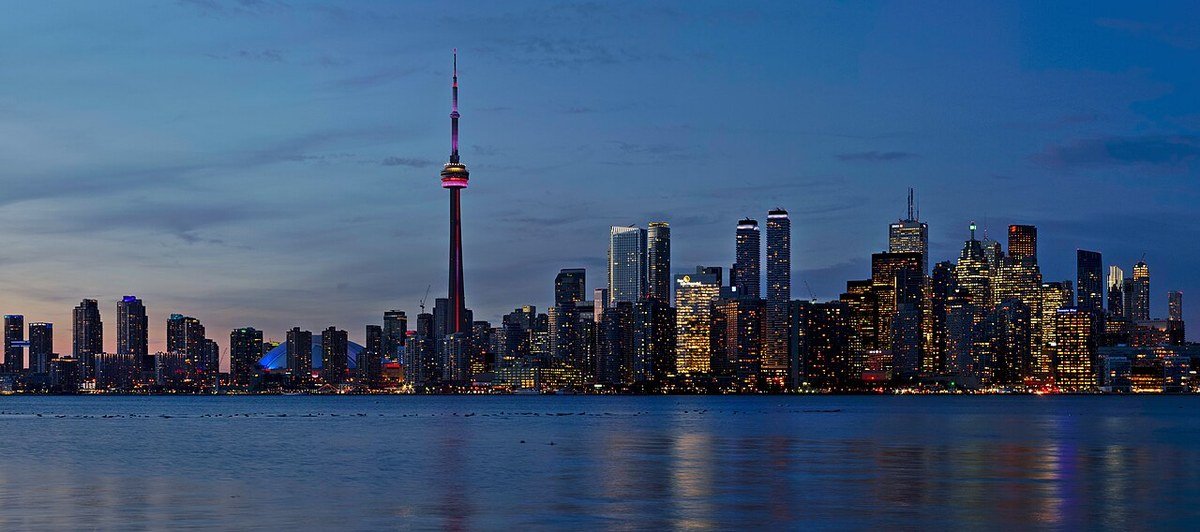
Start in Toronto. Three days. You need them. The city looks like a business district from the plane and then refuses to behave like one — neighbourhoods stacked on neighbourhoods, a lakefront that actually gets used, and a tower you can see from everywhere. My full things to do in Toronto guide covers the seven stops that matter; the short version is: CN Tower at opening, St. Lawrence Market for breakfast, the Islands ferry for the skyline shot. Skip the rental car here. Toronto traffic will eat your first day alive, and the subway goes everywhere you need.
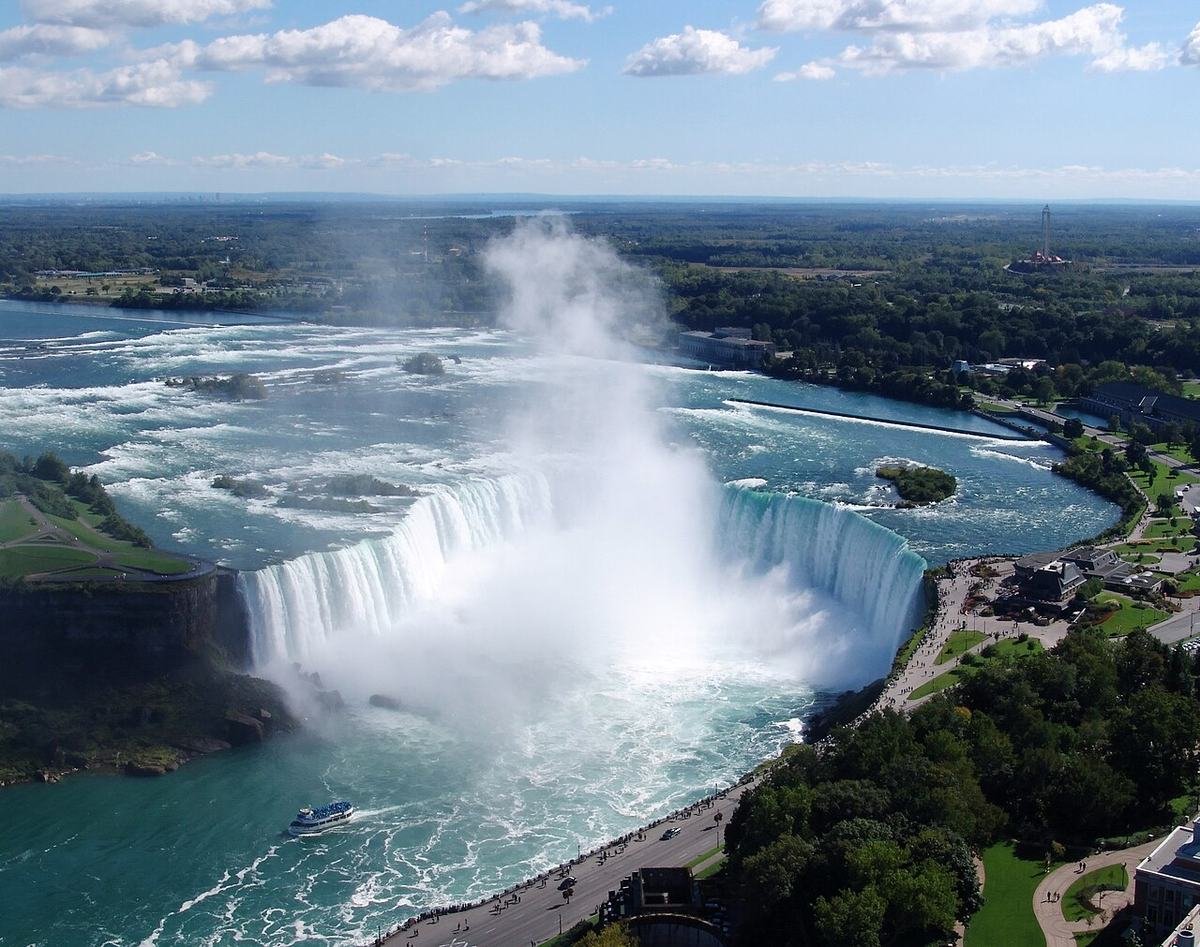
Day 4 is the first leg: Toronto to Niagara Falls, about 130 km, roughly 90 minutes on the QEW. Short drive. Big payoff. The Falls are loud in a way no photo prepares you for — I stood at the railing at Table Rock, got misted head to toe, and understood why people have been coming here since before Canada was a country. Do the Canadian side properly (the Horseshoe Falls are ours, and the view is better from here), then walk the gorge path if your legs are up for it. One night is enough. The town itself is half theme park; the water is the point. → Niagara Parks — official site
Pick up the rental car in Niagara Falls, not Toronto. Downtown Toronto rental desks charge city rates and you’ll pay for parking you don’t need for three days. I did it the other way once. The parking bill still annoys me.
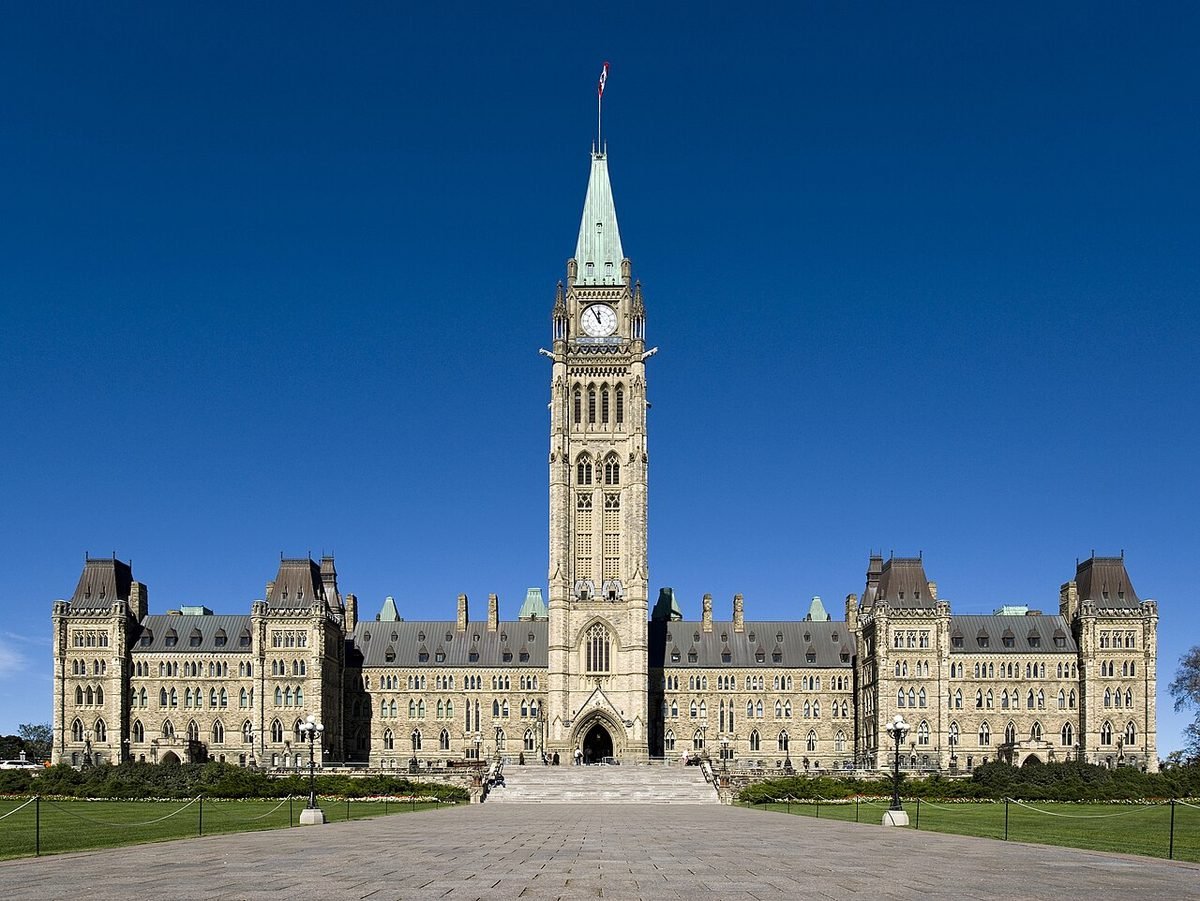
Then the first real leg: Niagara Falls to Ottawa, about 580 km, roughly 6–7 hours on Highway 401. This is the longest eastern leg, and it’s the only one I’d call a grind. Break it in Kingston — a proper limestone town on the lake, good for lunch and a leg stretch, about two-thirds of the way. Ottawa itself surprises people. Parliament Hill at sunset is genuinely handsome, the Rideau Canal paths are built for bikes, and the whole city moves at a pace that feels like a deep breath after Toronto. Give it two full days (Days 5–7): one for Parliament and the museums, one for the ByWard Market and the canal.
Highway 401 east of Toronto is a truck corridor. It’s safe, it’s just dull, and the service centres are spaced further apart than you’d expect. Gas up before you leave the city. I watched my fuel gauge do something scary somewhere past Belleville, and I’ve made this mistake so you don’t have to.
Week 2: Montreal and Quebec City (Days 8–14)
Ottawa to Montreal is an easy leg — about 200 km, roughly 2.5 hours — and then the trip changes character. Montreal is the city where I stopped checking my watch. Old Montreal’s stone lanes, the bagel shops that stay open absurdly late, a mountain in the middle of town you can walk up for the view. Four days here (Days 8–11) is not too many: one for Old Montreal and the port, one for the Plateau and the markets, one for Mount Royal and the neighbourhoods, and one spare for whatever you stumble into. That spare day is the one you’ll remember.

Montreal parking is the one thing that will humble you. Street signs are in French, the rules change by day of week and side of street, and I collected a ticket in under an hour my first time. Park the rig in a garage and walk or Metro everywhere. The car is a liability in this city, not a tool.
A bartender in the Plateau told me the city’s real happy hour is the alleyways — the ruelles vertes, green lanes locals have turned into gardens. Wander one in the evening and you’ll see Montreal the way residents do: quiet, leafy, and nothing like the postcards.
Then the last eastern leg: Montreal to Quebec City, about 250 km, roughly 3.5 hours on Autoroute 20. Quebec City is the only walled city north of Mexico, and it knows it — in the best way. The Upper Town’s stone streets, the Château Frontenac looming over the river, French spoken everywhere and menus you’ll half-understand and fully enjoy. Three days (Days 12–14): Old Quebec on foot, a day trip to Montmorency Falls if you want a waterfall without the Niagara crowds, and one long dinner you don’t rush. I double-checked the old town walking routes on the city’s official tourism site before I went, and the car-free core is even better on foot than the maps suggest.

Day 14 ends with a decision I’d make again every time: fly Quebec City to Calgary. The flight is about 4.5 hours. The drive is three days of prairie. Do the math. Return the eastern rental car at Quebec City airport and pick up a fresh rig in Calgary — one-way drop fees hurt, but not as much as 3,000 km of wheat.
Week 3: The Rockies and the coast (Days 15–21)
Calgary is a pit stop, not a destination on this route. Land, grab the rig, and point it west. Calgary to Banff is about 130 km, under two hours, and the mountains do something rude to your attention span — you’ll want to pull over before you even reach the park gates. Banff town is busy, touristy, and worth it anyway. Two days here (Days 16–17) with Lake Louise as the day trip: get to the lake before 9 AM or don’t bother going, because the parking lot fills and the shuttle lines grow teeth. I double-checked the current shuttle system on the official Parks Canada site before my last trip — it changes year to year, so check again before yours. → Banff National Park — Parks Canada

Moraine Lake is the one people confuse with Lake Louise. It’s smaller, bluer, and harder to get to — the road is shuttle-only in summer, and a ranger at the trailhead told me the larch trees turn gold for about two weeks in late September, which is the single best window nobody talks about. If you can only do one lake at sunrise, do this one.
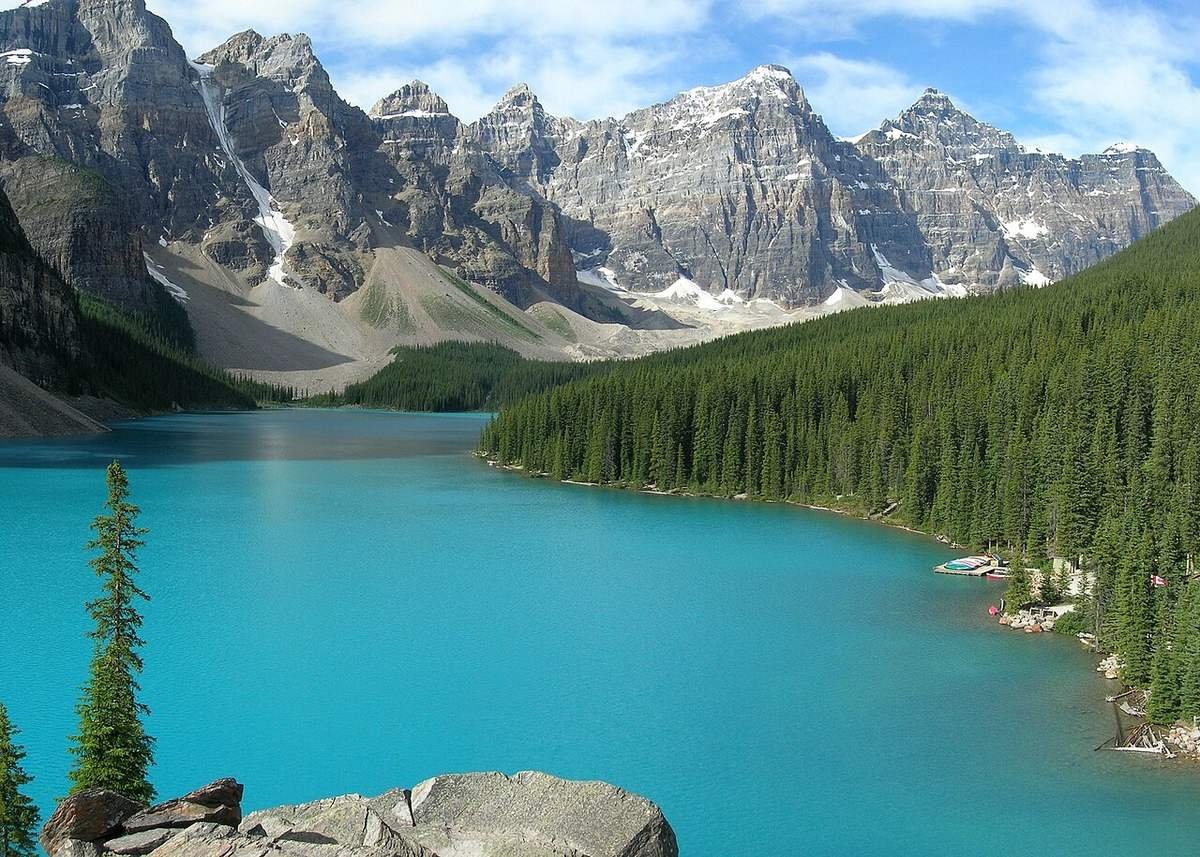
Day 18 is the drive this whole trip is built around: the Icefields Parkway, Lake Louise to Jasper, about 230 km. The driving time says 3.5 hours. Ignore it. You will stop at every pullout. Peyto Lake, the Columbia Icefield, Athabasca Falls — I allowed a full day and still had to skip two pullouts because I spent forty minutes watching a grizzly do absolutely nothing in a meadow near the Columbia Icefield. No joke. Best forty minutes of the trip. Gas up in Lake Louise. There is almost nothing between there and Jasper, and the one station at Saskatchewan Crossing has hours that should not be trusted. My full Icefields Parkway itinerary breaks down every stop in order.

The Parkway has no cell service for long stretches and wildlife owns the road at dawn and dusk. Drive it in daylight, keep your distance from anything with antlers or claws, and never stop in the middle of the lane for a photo — use the pullouts, that’s what they’re for.
Jasper (Day 19) is Banff without the crowds. Smaller town, wilder park, and Pyramid Lake at sunset is the kind of quiet that makes you put the phone down. One full day is right: Maligne Canyon in the morning, the lake in the evening, and an early night, because Day 20 is the big push.

Jasper is a Dark Sky Preserve, and the town takes it seriously — streetlights dim, and on a clear night the Milky Way shows up over the townsite itself. Step outside after 11 PM. I did, in October, and stood in a parking lot staring up like an idiot for twenty minutes. Worth it.
Jasper to Vancouver is roughly 800 km — too far for one honest day. Split it: Jasper to Kamloops on Day 20 (a full day’s drive through the mountains and into dry interior country), overnight there, then Kamloops to Vancouver on Day 21, about 320 km down the Fraser Canyon. Return the rig, and finish where the trip should finish: on the seawall at Stanley Park, watching the sun drop over the Pacific. My things to do in Vancouver guide covers the rest of the city if you steal an extra day — and honestly, if you can, steal one.

The driving legs, at a glance
| Leg | Distance (approx.) | Drive time | Notes |
|---|---|---|---|
| Toronto → Niagara Falls | ~130 km | ~1.5 hrs | QEW; pick up the rental car here |
| Niagara Falls → Ottawa | ~580 km | ~6–7 hrs | Longest eastern leg; break in Kingston |
| Ottawa → Montreal | ~200 km | ~2.5 hrs | Easy highway leg |
| Montreal → Quebec City | ~250 km | ~3.5 hrs | Autoroute 20; French road signs |
| Quebec City → Calgary | by air | ~4.5 hrs flight | Skips ~3 days of prairie driving |
| Calgary → Banff | ~130 km | ~1.5 hrs | Mountains appear fast; pull over safely |
| Banff → Lake Louise | ~60 km | ~1 hr | Arrive before 9 AM for parking |
| Lake Louise → Jasper (Icefields Pkwy) | ~230 km | Full day | 3.5 hrs driving; allow all day for stops |
| Jasper → Kamloops → Vancouver | ~800 km total | 2 days | Overnight in Kamloops; Fraser Canyon on Day 21 |
Distances and times above are approximate, routed on the main highways in summer conditions. Winter driving changes everything — see the FAQ below before attempting this route outside May–September.
What does 3 weeks in Canada cost?
Three weeks is where the budget math gets real. The daily rates below are per person and exclude accommodation and the Quebec City–Calgary flight — those two swing the total more than anything else, so I’ve broken them out in the table. Pick your travel style, set your days, and the calculator does the rest. All figures are approximate CAD ranges, based on summer-season prices I tracked across my trips.
Budget calculator
Per person, in Canadian dollars. Excludes accommodation and flights.
Budget ≈ $110/day · Mid-range ≈ $180/day · Luxury ≈ $325/day. Excludes accommodation and flights. Prices are approximate summer-season CAD ranges.
| Expense (per person / day, approx.) | Budget | Mid-range | Luxury |
|---|---|---|---|
| Accommodation | $45 (hostel dorm) | $160 (mid-range hotel) | $350+ (upscale hotel) |
| Food & drink | $40 | $65 | $120 |
| Sights & attractions | $15 | $25 | $45 |
| Getting around (rental share + gas) | $45 | $70 | $120 |
| Coffee, treats & souvenirs | $10 | $20 | $40 |
| Daily total (incl. accommodation) | ~$155 | ~$340 | ~$675 |
On top of that, budget roughly $150–350 per person for the Quebec City–Calgary flight (book early; summer fares climb), plus a one-way rental drop fee if your company charges one — some don’t between major cities, so compare before you book. A Parks Canada Discovery Pass (around $150 per vehicle for the year, at time of writing) covers Banff, Jasper and every other national park on the route, and it pays for itself after a few park days. I double-checked the pass details on the official Parks Canada site — buy it at the first park gate if you didn’t get one online. → Jasper National Park — Parks Canada
For the full cost breakdown by city, see my Canada trip cost guide — it’s the numbers behind this table.
FAQs about a 3-week Canada itinerary
Is 3 weeks enough to see Canada?
Enough to see the classic east-to-west highlights properly — Toronto, the French cities, the Rockies, and Vancouver — without living in the car. It is not enough for the whole country. The Maritimes, the Prairies, and the North are entire trips of their own. This route trades breadth for depth, and it’s the right trade.
Should I drive the whole way or fly the middle?
Fly the middle. Driving Toronto to Vancouver straight is roughly 4,400 km of mostly flat highway — three hard days you’ll never get back. The one flight in this route (Quebec City to Calgary) buys you those three days in the mountains, where they belong. If you’ve got a month, drive it all — see my one-month Canada road trip itinerary for that version.
What is the best month for this route?
June through September. June is quieter and the lakes are already turquoise; July and August are warmest but busiest (book Rockies lodging months ahead); September brings thinner crowds and, in the Rockies, golden larches. May works for the cities but the high mountain roads and some park facilities are still waking up.
Can I do this route in winter?
Honestly? Not this version. The Icefields Parkway in winter is a serious undertaking — avalanche closures, no services, and conditions that close the road outright. The cities are great in winter, but the Rockies leg wants summer or early fall. If winter is when you’ve got, split the trip: cities in winter, Rockies in summer.
Do I need a car for the whole trip?
No — and you shouldn’t have one for the whole trip. Skip the car in Toronto and Montreal (transit is better and parking is a punishment). You need it from Niagara Falls to Quebec City, and again from Calgary to Vancouver. Two separate rentals, booked as one-ways within each region, usually beats one 21-day rental with a cross-country drop fee.
How much does a 3-week Canada trip cost?
As an approximate range: a budget traveller spends roughly $3,300 per person for 21 days (about $155/day including hostels), mid-range roughly $7,100 (about $340/day), and luxury roughly $14,000+ (about $675/day) — before the internal flight. The Rockies week is the expensive one: Banff and Jasper lodging in summer is the single biggest line item in the whole trip. Book it first.
Keep exploring
Three weeks is a start, not a finish. Here’s where I’d go next:
- Things to do in Toronto — the full guide to the launch city
- Canada trip cost guide — the numbers behind the budget table
- Icefields Parkway itinerary — every stop on Day 18, in order
- Banff travel guide — the Rockies week, planned properly
- Things to do in Vancouver — the finish line city
- One-month Canada road trip — when three weeks isn’t enough
Canada rewards the driver who leaves slack in the schedule. Leave a day unplanned somewhere in week two. That’s the day you’ll talk about for years.