
Last updated: October 3, 2026
The short answer
- First-timers: base yourself in the Entertainment District — CN Tower, Ripley’s Aquarium, and the theatres are all walkable, and Union Station is 25 minutes from Pearson on the UP Express (~$12).
- Food lovers: St. Lawrence and the Distillery District — the peameal bacon sandwich at Carousel Bakery is to die for, and the bed situation in the area’s boutique hotels is legit excellent.
- Splurge-worthy: Yorkville for luxury and calm; cool-kid cool: West Queen West and Kensington for hostels, vintage, and the best street food in the city.
Okay, listen — Toronto is one of those cities where picking the wrong neighborhood can quietly ruin your trip. I learned this the sweaty way on my first visit, when I booked a “great deal” hotel up in North York and spent every morning speed-walking to the subway like I was training for something. The room was fine! The commute was not. So here’s my honest, food-first guide to where to stay in Toronto for tourists in 2026 — written after multiple trips, several hotel beds rated on the record, and one life-changing sandwich.
Getting around Toronto: you genuinely do not need a car
First, the transit situation, because it decides everything about where you stay. The TTC (subway, streetcars, buses) is the backbone, and in 2026 you just tap your credit card or phone on the reader — no PRESTO card required. It’s $3.30 per tap, same as the adult PRESTO fare, with a free two-hour transfer window. I checked the current fare on the TTC’s official page before my last trip — fares change, so do the same. → TTC — pay your fare with a debit or credit card
From Pearson, the UP Express is the move: trains every ~15 minutes to Union Station in about 25 minutes, with free Wi-Fi and actual luggage racks (a chef’s kiss detail when you’re hauling a suitcase). As of 2026, an adult one-way is around ~$12, a bit less with a PRESTO tap — a taxi would be ~$60–75, so this is not a close call. Kids under 12 ride free, which is worth knowing if you’re traveling as a family.
Downtown is also gloriously walkable, and in winter there’s the PATH — a massive underground network connecting hotels, malls, and Union Station so you can dodge the worst of February. Parking at downtown hotels can run ~$40 a day, so honestly, staying central and skipping the rental car is the budget move.
Entertainment District: the first-timer base (and where I’d put my parents)
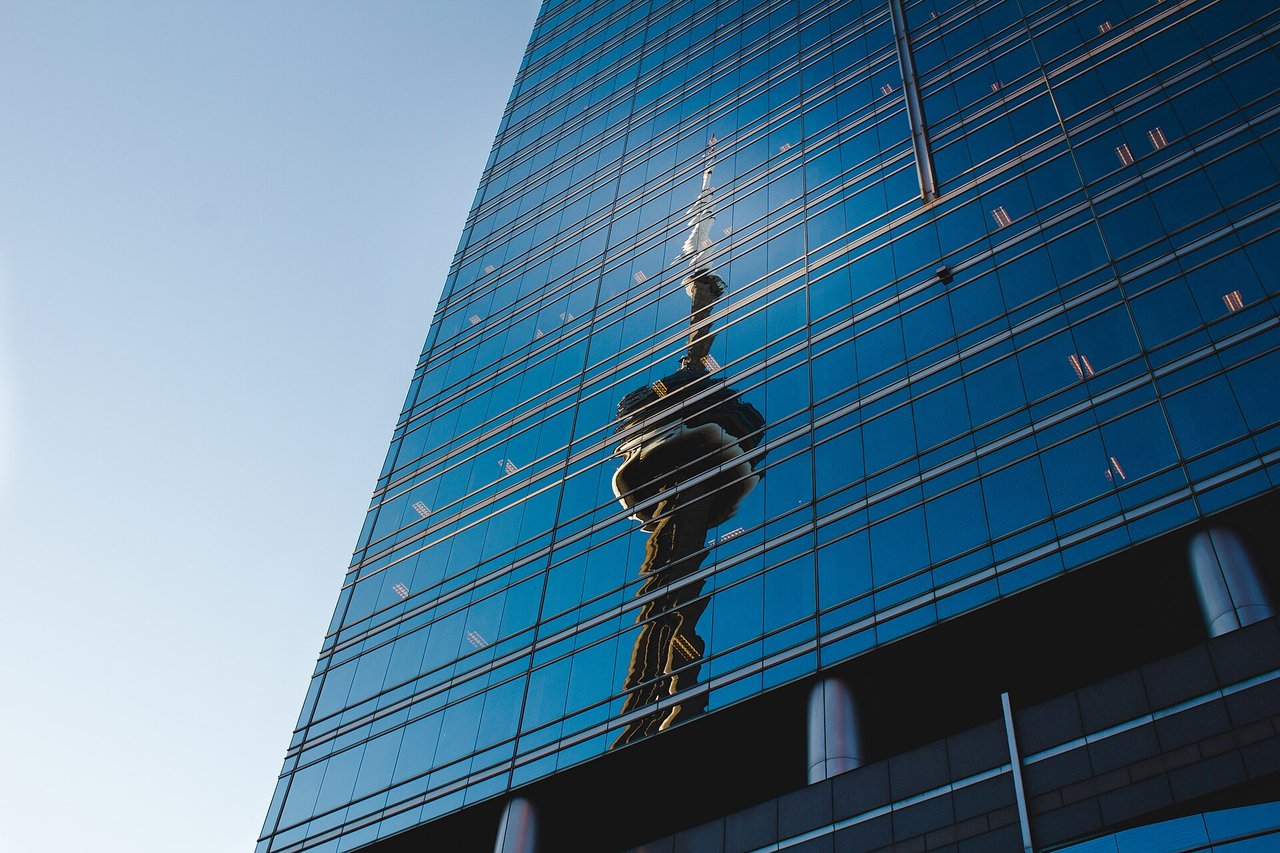
If it’s your first time in Toronto and you just want everything close, stay in the Entertainment District. It’s the heart of the action — the CN Tower, Rogers Centre, and Ripley’s Aquarium are all within walking distance, and the Royal Alexandra and Princess of Wales theatres are right here for a show night.

The hotels range from proper luxury to trendy boutique. The Ritz-Carlton is still the gold standard for lake views and five-star polish, while the Bisha Hotel does a rock-and-roll aesthetic with a rooftop infinity pool that’s worth the hype — I watched the sunset over the harbor from up there and nearly missed my dinner reservation. One heads-up: this neighborhood never really sleeps, so ask for a high floor if you’re a light sleeper.
Food-wise, you’re spoiled. Pre-show dinners, late-night slices, rooftop cocktails in summer — the district is built for people who plan their evenings around food (hi, that’s me). I double-checked ticket prices on the official sites before I went, since they shift by season: → CN Tower — official tickets & hours · Ripley’s Aquarium of Canada — official tickets & hours
The bed situation: big-chain reliable, great blackout curtains, walkable everything. This is the pick for short trips — most people based here barely touch the subway. Planning your days? Our 1-day Toronto itinerary and 3-day Toronto itinerary both start from this neighborhood.
Yorkville: the treat-yourself splurge

Yorkville is Toronto’s luxury quarter — the “Mink Mile” stretch of Bloor Street with Chanel, Hermès, and Gucci — and it’s where you stay when the hotel IS part of the trip. The Four Seasons Hotel Toronto remains the flagship (their spa is legit one of the best in the country), while the Park Hyatt and The Hazelton feel like staying in a very expensive friend’s private residence.
What I didn’t expect, though: Yorkville is actually calm. The little pedestrian laneways hide charming cafés and galleries, and you’re steps from the Royal Ontario Museum — the ROM’s crystalline facade is a landmark in itself — plus the Gardiner Museum across the street for ceramic art. I ducked into the ROM on a rainy afternoon and stayed three hours — the dinosaur hall alone had me wandering in circles. I’d go back just for that.
It’s not cheap — this is the priciest corner of downtown — but for a romantic getaway or a “we’re celebrating” trip, I’d go back just for the combination of quiet streets and serious dining. Several of the city’s best restaurants are right here, and the shower pressure at the Four Seasons? Elite.
St. Lawrence and the Distillery District: the foodie neighborhood (my pick)
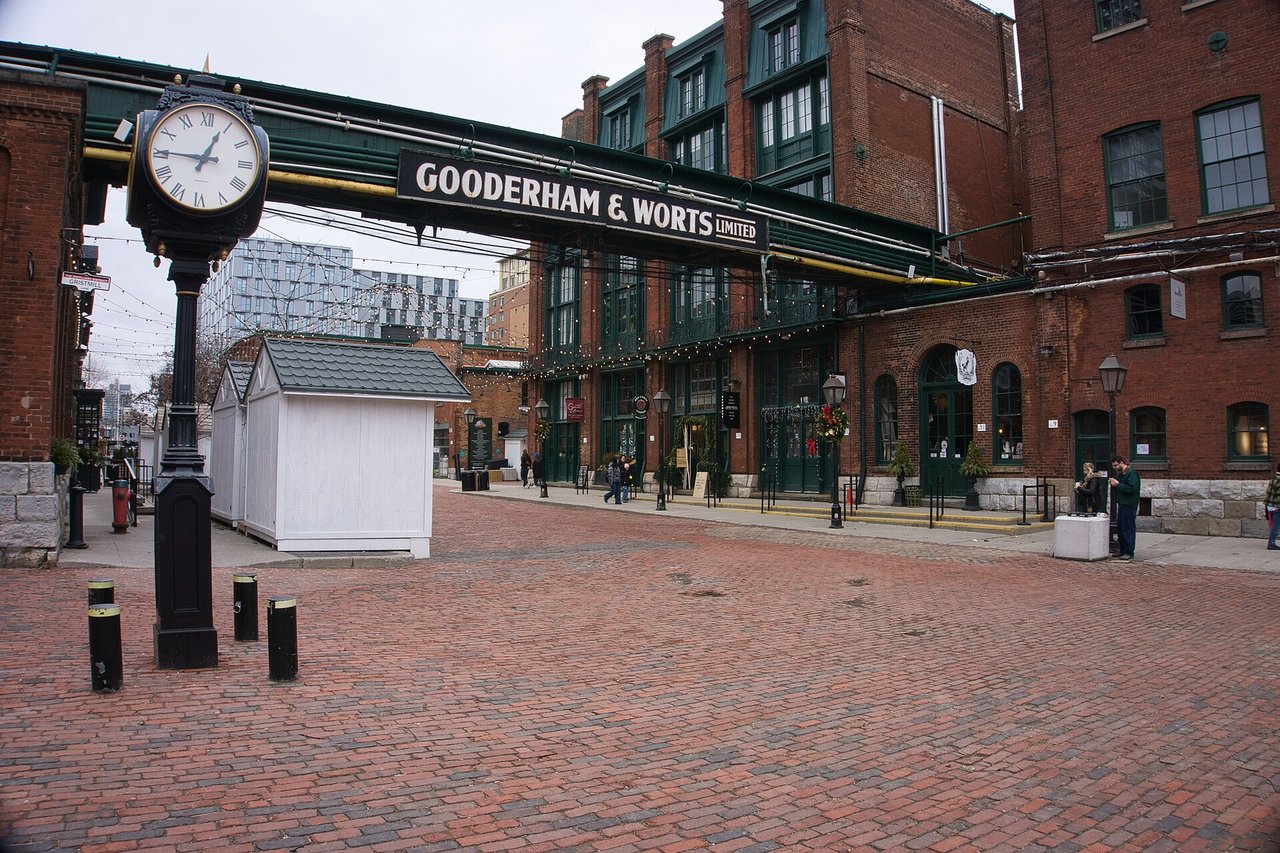
Okay, listen — if you plan trips around meals like I do, stay east of downtown in St. Lawrence. The Distillery District is a pedestrian-only pocket of Victorian-era industrial buildings — the largest collection in North America — now full of galleries, theaters, and local shops. Kids can roam without cars, and in December the Christmas Market here is genuinely magical.
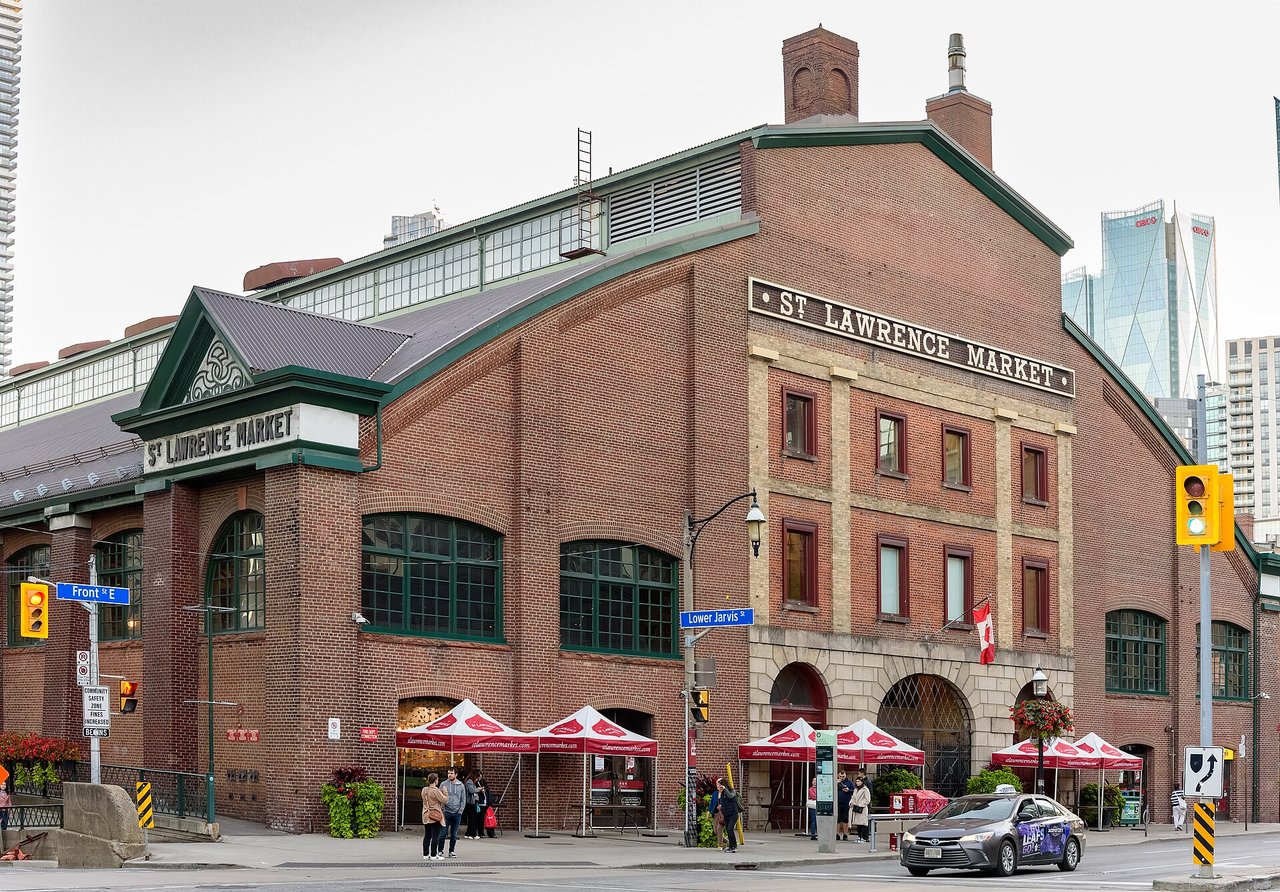
And then there’s St. Lawrence Market itself. National Geographic once named it the world’s best food market, and I’m not arguing. The peameal bacon sandwich at Carousel Bakery — crispy edges, soft bun, mustard doing the Lord’s work — is the thing I would fly back to Toronto for. The guy behind the counter told me they go through hundreds on Saturdays, and I believe him, because I watched the line. Did I need a second sandwich? No. Did I get one? Obviously. Order it. Don’t overthink it. → St. Lawrence Market — official site
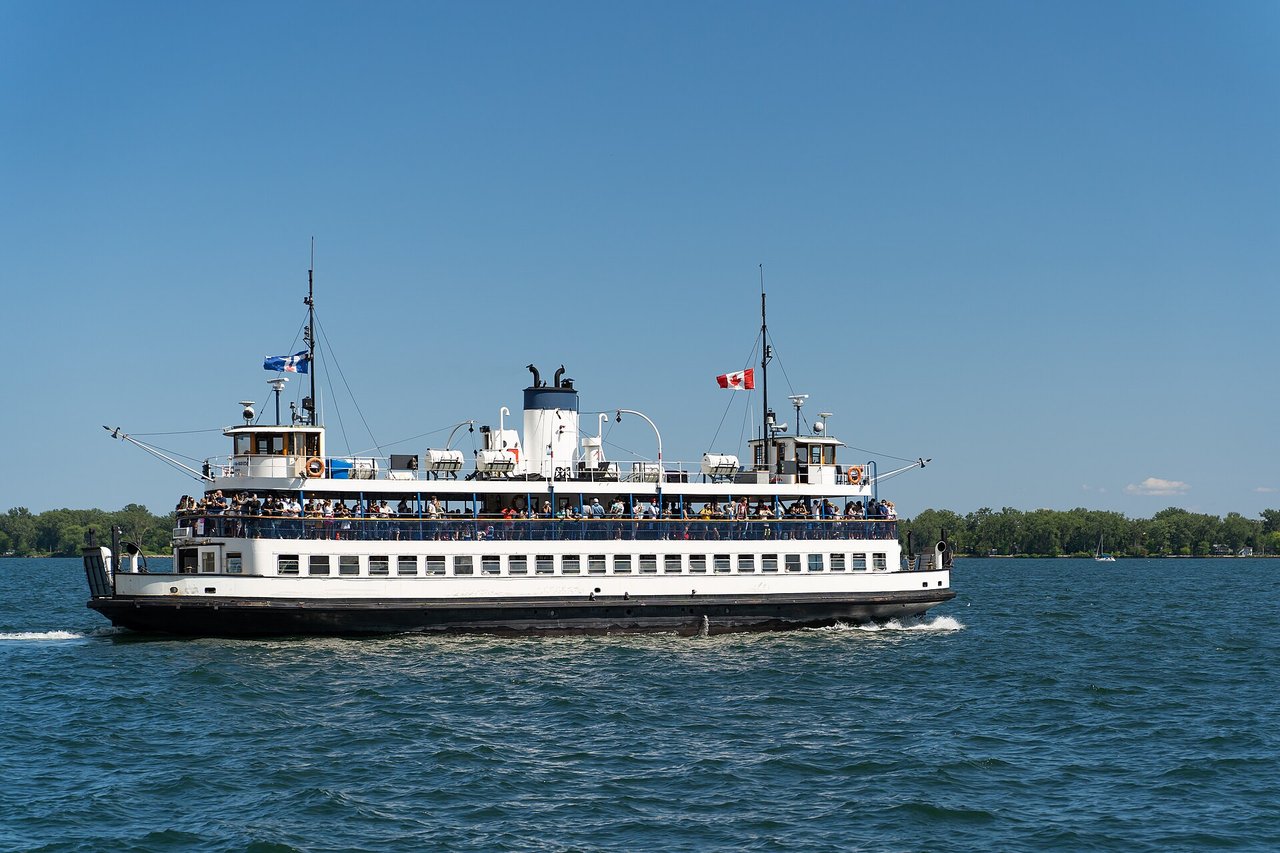
This area feels like a real neighborhood, not a tourist bubble — safe, well-lit, great for evening strolls. The trade-off is distance from the main subway line, so you’ll lean on streetcars and your own two feet. But you’re close to the water: walk to Sugar Beach (the one with the pink umbrellas) or catch the ferry to the Toronto Islands — beaches, a vintage amusement park, and the best skyline view in the city.
West Queen West and Kensington Market: the cool-kid base
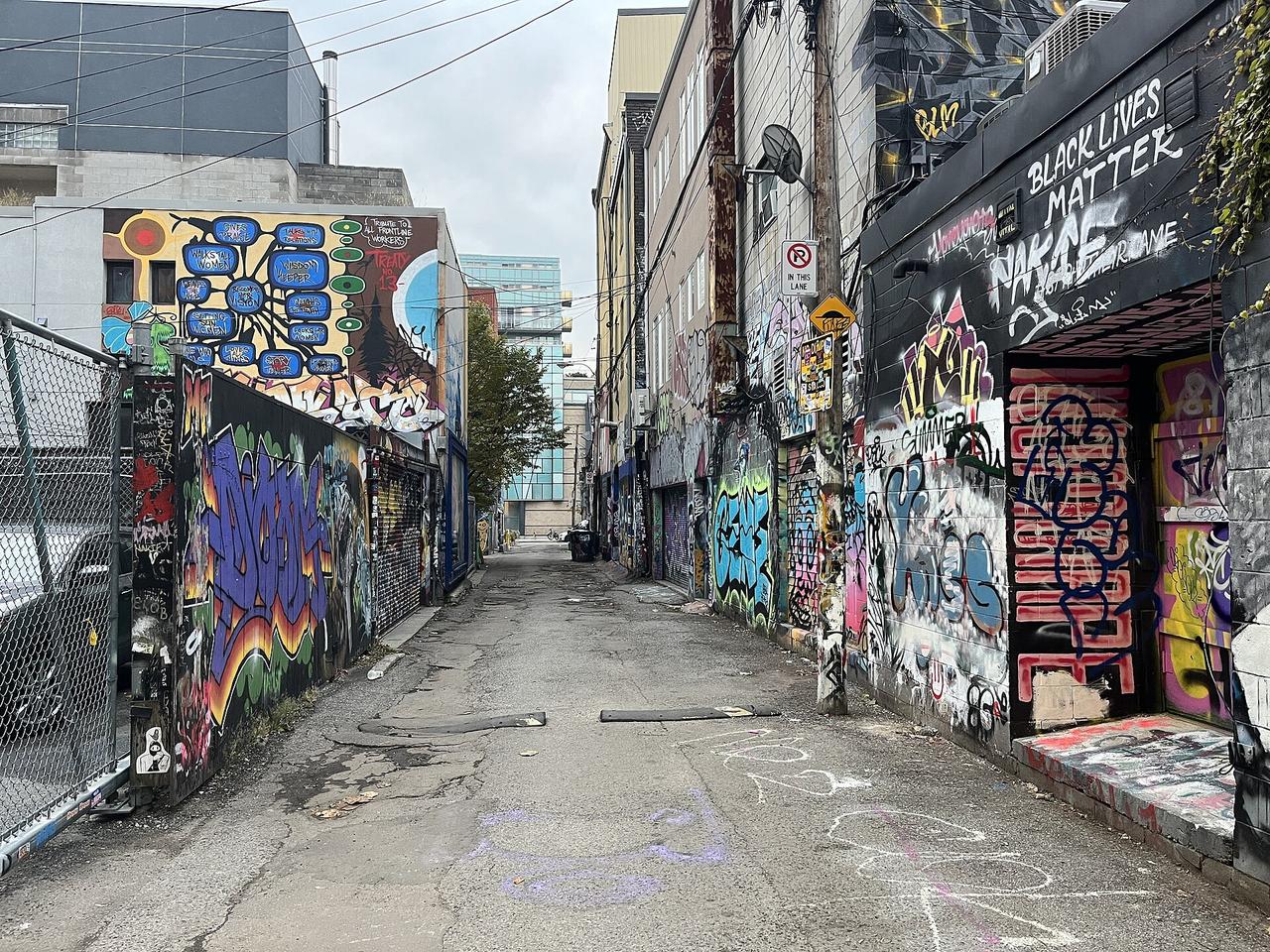
For the “cool” side of Toronto, West Queen West is it — consistently ranked one of the trendiest neighborhoods in the world, full of indie boutiques, galleries, and Graffiti Alley. The Drake Hotel and Gladstone House aren’t just hotels; they’re cultural landmarks with art shows and parties in the lobby. Staying at the Drake feels like the trip itself.
Nearby Kensington Market — a National Historic Site — is gloriously chaotic: vintage shops, Jamaican patties, Chilean empanadas, the best people-watching in the city. A server at a little empanada spot insisted I try the cheese one and honestly she was so right. You won’t find big-name hotels here, but hostels and guesthouses are plentiful and cheap, and the dining is the most affordable in the core.
It has a grittier, more urban feel than Yorkville — keep your wits about you after dark like in any big city — but the foot traffic is constant and the social energy is unbeatable for solo travelers. Trinity Bellwoods Park is right there for picnics, and craft breweries have taken over the surrounding blocks. Carb-loading? In Kensington, it’s basically mandatory.
What it actually costs to stay in Toronto in 2026
Prices checked October 2026 — items marked ~ are estimates, and everything below excludes taxes (13% HST plus Toronto’s 6% municipal accommodation tax, in effect from August 2026):
| Style | What you’ll pay per night (CAD) |
|---|---|
| Hostel dorm bed (Kensington, downtown) | ~$34 |
| Budget hotel / guesthouse | ~$150–250 |
| Mid-range downtown hotel | ~$300–500 |
| Luxury (Yorkville, Entertainment District) | ~$600–800+ |
| TTC day pass | $13.50 |
| UP Express (Pearson → Union) | ~$12 adult |
Timing matters as much as neighborhood. Prices spike during TIFF in September and on holiday weekends — book months ahead if your dates are fixed. January and February bring deep discounts at the best hotels in the city, and Sunday/Monday nights are usually the cheapest of the week. Airport hotels near Pearson are another legit budget hack: bigger rooms, free parking, and the UP Express makes downtown day-tripping easy — just factor in the commute.
For more Toronto planning, see our Ultimate Toronto Travel Guide and best weekend trips from Toronto for day-trip ideas once you’re based.
My honest verdict
Toronto is a city of villages, and each one feeds you differently — literally. First visit with three days? Entertainment District, no contest. Celebrating something? Yorkville. Traveling to eat (my people)? St. Lawrence, and I’ll meet you at Carousel Bakery. One last thing: whatever you book, tap your credit card on the TTC reader and skip the taxi line at Pearson. Your future self, speed-walking to the subway in the rain, will thank you.
FAQs about where to stay in Toronto
Where should I stay in Toronto for the first time?
The Entertainment District. It puts the CN Tower, Ripley’s Aquarium, Rogers Centre, and the big theatres within walking distance, and Union Station — 25 minutes from Pearson on the ~$12 UP Express — is right there. Most first-timers based here barely need the subway.
Is Toronto safe for tourists?
Yes — Toronto remains one of the safest large cities in North America. Yorkville, St. Lawrence, the Distillery District, and the waterfront are particularly well-lit and low-crime, and families and solo travelers generally feel comfortable walking around in the evening. Use normal big-city awareness after dark in the west end.
Do I need a car in Toronto?
No. The TTC subway, streetcar, and bus network covers the core, and you can tap any contactless credit card or phone to pay the $3.30 adult fare with a two-hour transfer window. The UP Express connects Pearson airport to Union Station in ~25 minutes. Downtown hotel parking can run ~$40 a day, so skipping the car usually saves money.
How much does a hotel cost in Toronto per night?
In 2026, expect roughly ~$150–250 for a budget hotel, ~$300–500 for a mid-range downtown room, and ~$600–800+ for luxury in Yorkville or the Entertainment District (hostel dorms run ~$34). Add 13% HST plus Toronto’s 6% municipal accommodation tax on top of quoted rates.
What is the cheapest area to stay in Toronto as a tourist?
Kensington Market and the west end have the cheapest hostels and guesthouses near the action; North York and Etobicoke offer cheaper hotels a subway ride out. Hotels near Pearson airport are another solid budget option — the UP Express gets you downtown in ~25 minutes.
When is the best time to visit Toronto?
Late spring through early fall (May–October) has the best weather and patio season; the Toronto Islands and rooftop bars are at their peak. Prices spike during TIFF in September and on holiday weekends. For the cheapest hotel rates, visit in January or February — and Sunday/Monday nights are usually the cheapest of any week.
1 comment