
Last updated: October 14, 2026
I’ll be honest: the most nervous I have ever been in an airport was not about a flight. It was at a kiosk at Toronto Pearson, staring at a question about food, with a banana, half a cheese sandwich, and a bag of trail mix in my carry-on. I knew the right answer was “yes.” I still hovered. That hover is why this guide exists — because Canada customs is not scary once you understand the one rule underneath all the others: declare everything, and let the officer decide. Declaring something is never, by itself, a mistake. Failing to declare it can be a very expensive one.
Here’s the thing: I double-checked every limit below on the Canada Border Services Agency’s own pages — its guide to what visitors can bring into Canada and its guide for residents returning to Canada. Rules can change and officers make the final call, so treat this as your planning map and the CBSA site as the law. I’ll flag every spot where the honest answer is “it depends.”
- ✓ Visitors and residents play by different rulebooks: visitors bring personal goods duty-free if they take them home; residents get exemptions tied to time away.
- ✓ The famous limits are conditional: alcohol and tobacco amounts assume you meet the entry province’s age rules — and, for residents, the absence rules.
- ✓ When in doubt, declare it: declaring an apple costs you, at worst, the apple. Not declaring it can add a penalty and a flag on future trips.
First, which traveller are you? Visitor or returning resident
If you are a visitor to Canada, your personal goods — clothing, camping gear, cameras, laptops, even your vehicle — generally come in duty- and tax-free if you declare them and take them back out when you leave. Per the CBSA visitor guide, they stop being simple “personal baggage” if you leave them behind, lend them to a resident, or use them for a Canadian business — then expect duty and tax. Gifts are their own category, below.
If you are a Canadian resident coming home, you work with personal exemptions: a dollar value of goods you can bring back duty- and tax-free, set by how long you were gone. Per the CBSA’s returning-residents guide: away less than 24 hours, there is no exemption at all; away more than 24 hours, claim up to CAN$200 (alcohol and tobacco do not count; go over $200 and the exemption is lost entirely); away more than 48 hours, the exemption rises to CAN$800, alcohol and tobacco can be included within their limits, and duty applies only to the amount above $800. A 7-day absence also allows CAN$800, with the bonus that most goods (not alcohol or tobacco) can follow you home by courier or post. You cannot pool exemptions with a companion, or stack them into $1,600. I have watched a couple learn that pooling rule at a land crossing. It was not a fun ten minutes.
One resident detail: if you take valuables out of Canada, the CBSA’s free identification service (Form BSF407) records serial numbers before you leave, so nobody questions whether you bought that camera abroad. Pro tip: keep receipts in a phone album labelled “border.” It saved me a secondary conversation exactly once — enough to make it a habit.
Alcohol: the 1.14 / 1.5 / 8.5 rule, and its fine print
The numbers quoted everywhere are the ones the CBSA itself lists. Within the relevant exemption or visitor limit, you may bring in one of: up to 1.5 litres of wine, or up to 1.14 litres of spirits, or up to 8.5 litres of beer or ale (roughly 24 standard 355 ml cans). It is either/or, not a shopping list — you do not get all three. The CBSA visitor page also lists a combined option of 1.14 litres of wine and spirits together; think of your total as sitting inside one of those ceilings.
Now the fine print. Age: meet the minimum age of your entry province or territory — 18 in Alberta, Manitoba and Quebec, 19 elsewhere. Residents: alcohol fits your exemption only after 48+ hours away, with you when you cross. Visitors: the CBSA is blunt that non-residents should expect duties and taxes on declared alcohol, tobacco and vaping products — the listed amounts are quantity limits, and amounts above them can need a provincial permit. Going over is not automatically illegal, but the excess is taxed and provincial rules cap totals. Bringing a case of something special? Check the CBSA page before you buy, not after. Trust me on this one.
Tobacco and vaping: all of the list, not one of it
Tobacco flips the alcohol logic: where alcohol is “pick one,” tobacco is a set you may bring all of, within the applicable exemption: 200 cigarettes, 50 cigars, 200 grams of manufactured tobacco, and 200 tobacco sticks. The CBSA visitor page adds vaping: up to 12 containers, maximum 120 ml liquid or 120 g solid. Minimum age is 18 anywhere in Canada. For residents, excise-stamp rules matter — unstamped tobacco is heavily restricted, so a bargain carton without Canadian duty-paid stamping is no loophole. Declare all of it; officers ask about tobacco by name.
Do your border math in Canadian dollars before you travel, and keep every receipt in one envelope (or one phone album). Officers think in CAD, exemptions are in CAD, and “it was about eighty bucks, US, I think” is the slowest possible answer at a primary booth. I timed it once: the traveller ahead of me with a tidy receipt folder was through in under two minutes. The one reconstructing a shopping trip from memory was still there when I left.
Cash: CAN$10,000 is a reporting line, not a limit
This rule gets backwards most often, so plainly: there is no limit on how much money you can bring into or take out of Canada, and carrying a large amount is not illegal. What the law requires is reporting. Carrying currency or monetary instruments worth CAN$10,000 or more in total, you must declare it when you cross, in either direction. The total combines Canadian and foreign cash plus instruments like traveller’s cheques, bank drafts, cheques and bonds, converted to Canadian dollars — and it applies if you are carrying the money for someone else.
On arrival you report it on the CBSA declaration (paper card if provided, a kiosk, or verbally to an officer); leaving by air, report to the CBSA airport office before security. It is an anti-money-laundering measure, not a tax grab — failing to report is the offence, and unreported currency can be seized. My rule: if my wallet is even in the same postal code as $10,000, I declare and let the officer wave me through, which is what usually happens. For everyday Canadian money — denominations, exchange, tipping — my Canada currency guide for tourists covers it.
Food, plants and animals: declare every last apple

Here is my confession: the banana made it (I declared it; the officer shrugged — bananas from my departure country were fine that day), but on another trip an apple did not. I had forgotten it in my tote, and I still ticked “yes” to food because of the trail mix. In secondary, the officer found the apple, confiscated it cheerfully, and thanked me for declaring honestly. That is the whole system in one anecdote: you must declare all food, plants, animals and related products, full stop. The CBSA warns that failing to declare can mean confiscation and a penalty of up to $1,300, and the Canadian Food Inspection Agency’s traveller guidance is where to check a specific item before packing it.
Why so strict about snacks? Food carries pests and diseases Canada’s farms and forests do not have. The trouble categories: meat (especially raw or homemade), dairy, fresh produce, seeds and plants, soil (including dirt on hiking boots and camping gear), and firewood, which you should never move across borders. Restrictions shift with outbreaks — poultry from affected regions has been restricted during avian influenza events, homemade poultry leftovers included. Rules vary by product, origin and current alerts, which is why the declaration question exists. Declare it, show it, accept the verdict. Losing a sausage is a story. Lying about one is a record.
Two things surprise travellers daily. Cannabis: legal inside Canada, but transporting it across the border in any form — flower, edibles, oils, a medical prescription, one gummy in a jacket pocket — without a permit is illegal and can mean arrest, charges, and being barred from other countries later. The CBSA’s cannabis at the border page could not be clearer. And: unsure whether something counts — food, cash, a gift, a repair done to your car abroad? Declare it and ask. Declaring is never punished.
Gifts, duty-free shopping, and prescription medication
Gifts. Bringing gifts for people in Canada? Declare them. Each gift valued at CAN$60 or less enters free of duty and taxes; over $60, you pay on the amount above $60 only — a $200 gift is assessed on $140. Alcohol, tobacco, vaping products and advertising material cannot ride in as “gifts.” Do not wrap gifts before crossing; if an officer needs to inspect, wrapping just slows everyone down. Residents: hand-carried gifts do not use this rule at all — they go inside your own personal exemption.
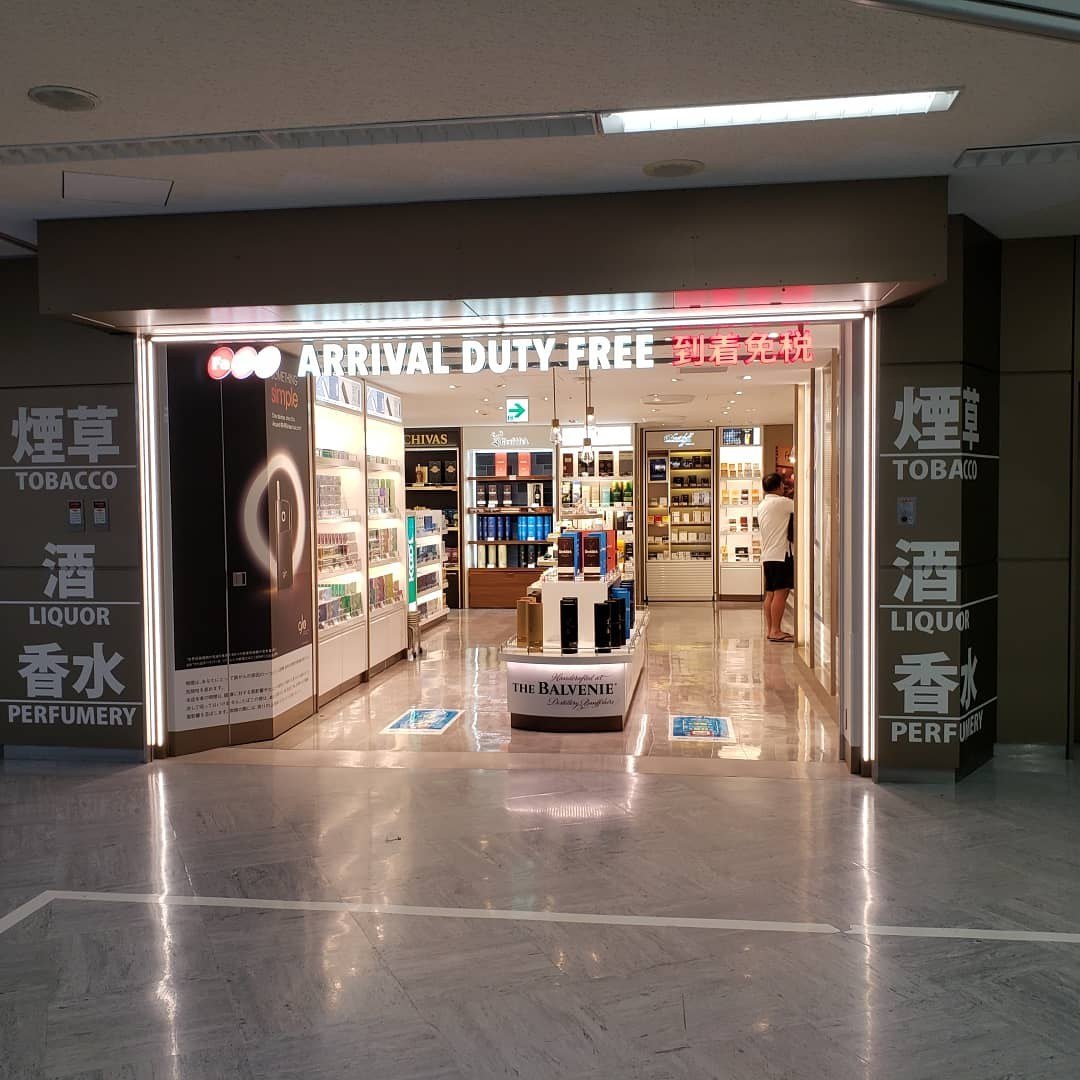
Duty-free shops. That bottle bought at a duty-free store is not invisible to customs — it counts. For residents it is part of what you declare and fits inside your personal exemption and the alcohol limits; for visitors it sits inside the visitor quantity limits. “I bought it after security” changes nothing. I double-checked this on the CBSA’s returning-residents guide because a friend insisted otherwise: duty-free describes where you bought it, not whether it gets counted.
Prescription medication. Travelling with medication is normal, but do it the tidy way: original pharmacy packaging, a quantity consistent with your trip, and a prescription copy or doctor’s note for anything controlled. Some medications routine elsewhere are controlled in Canada — if yours is essential, check its status before you fly. And do not decant pills into an unlabelled organizer for an international arrival; it can cost you a long conversation.
Firearms and weapons: the strictest section in this guide
Canada’s firearms rules are stricter than many visitors’ home countries, and “I didn’t know” has never worked as a defence. Short version: all firearms and weapons must be declared, you must be 18 or older to bring a firearm in, and firearms fall into non-restricted, restricted and prohibited classes — many handguns and all fully automatic weapons are restricted or prohibited, and some items ordinary elsewhere (certain knives, stun guns, pepper spray for use on people) are prohibited outright. Hunting and sporting firearms can come in with the right declarations and forms; plan only from the CBSA’s firearms and weapons page. An undeclared firearm is treated as smuggling, with seizure and possible arrest — if one is anywhere in your vehicle or luggage, even forgotten, saying so at primary inspection is the most important sentence of your trip. The restricted and prohibited goods overview covers the wider list.
What actually happens if you don’t declare
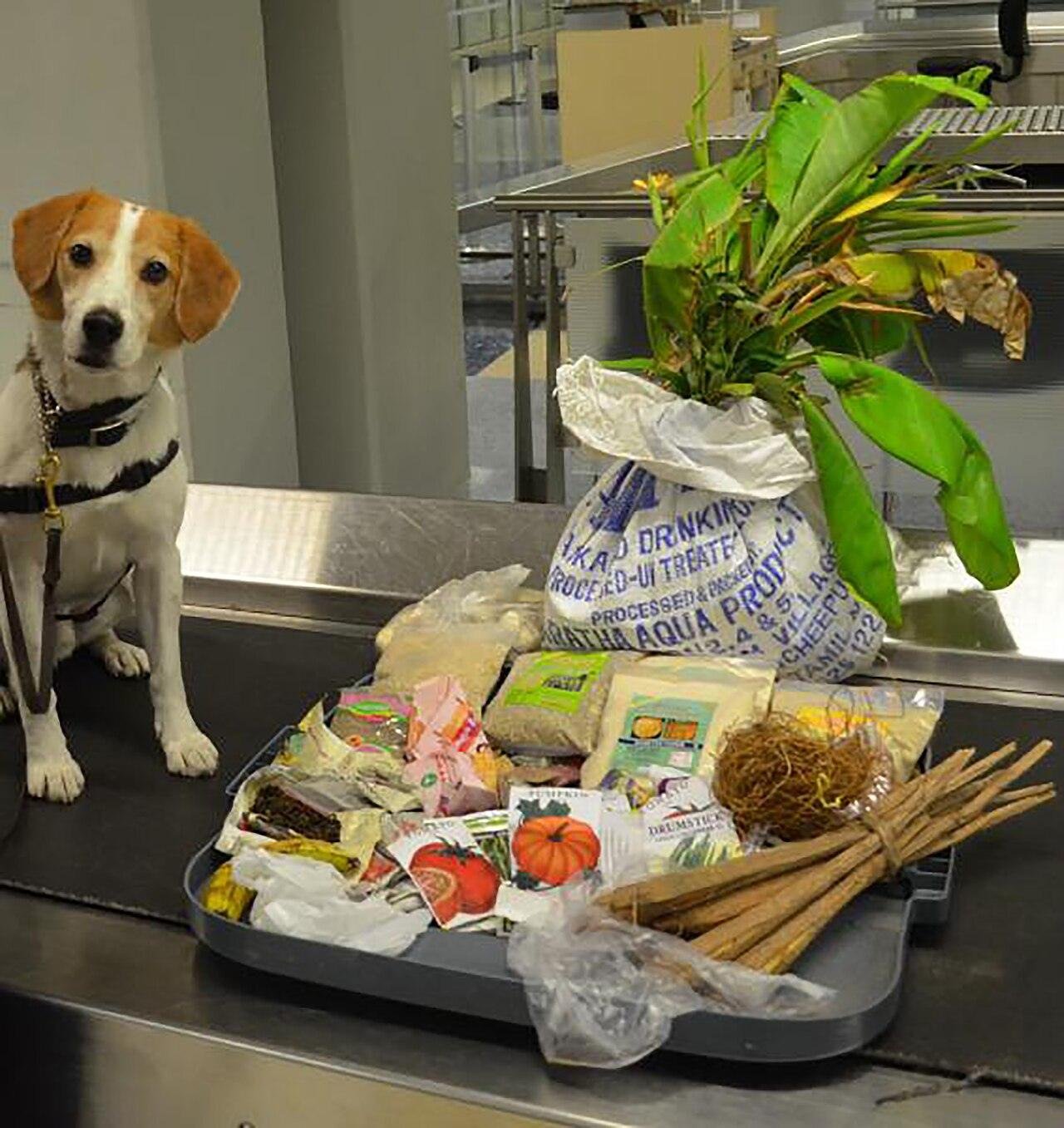
Let’s be concrete. If you fail to declare something required, the goods can be seized. You may also face a penalty (up to $1,300 for undeclared food, plant and animal products alone), release terms costing a percentage of the goods’ value, and in serious cases prosecution. Undeclared currency at or above CAN$10,000 can be seized; undeclared firearms and cannabis are criminal matters. Quieter consequence: a seizure on your record slows future crossings, and NEXUS membership can be revoked over one undeclared item. Weigh that against declaring honestly: usually a wave-through, occasionally a small duty bill. Not a close call.
The friendliest five minutes at any Canadian airport is the voluntary declaration. Officers genuinely relax when a traveller walks up, snack in hand, and says “I’m not sure about this — can you check?” I have done it with cheese, with garden-show seeds, and once with a wooden ornament I suddenly worried was bark-covered (it was fine). Every time, the answer took under a minute and nobody wrote anything down. The system rewards people who ask. Be a person who asks.
Where you will actually meet the CBSA
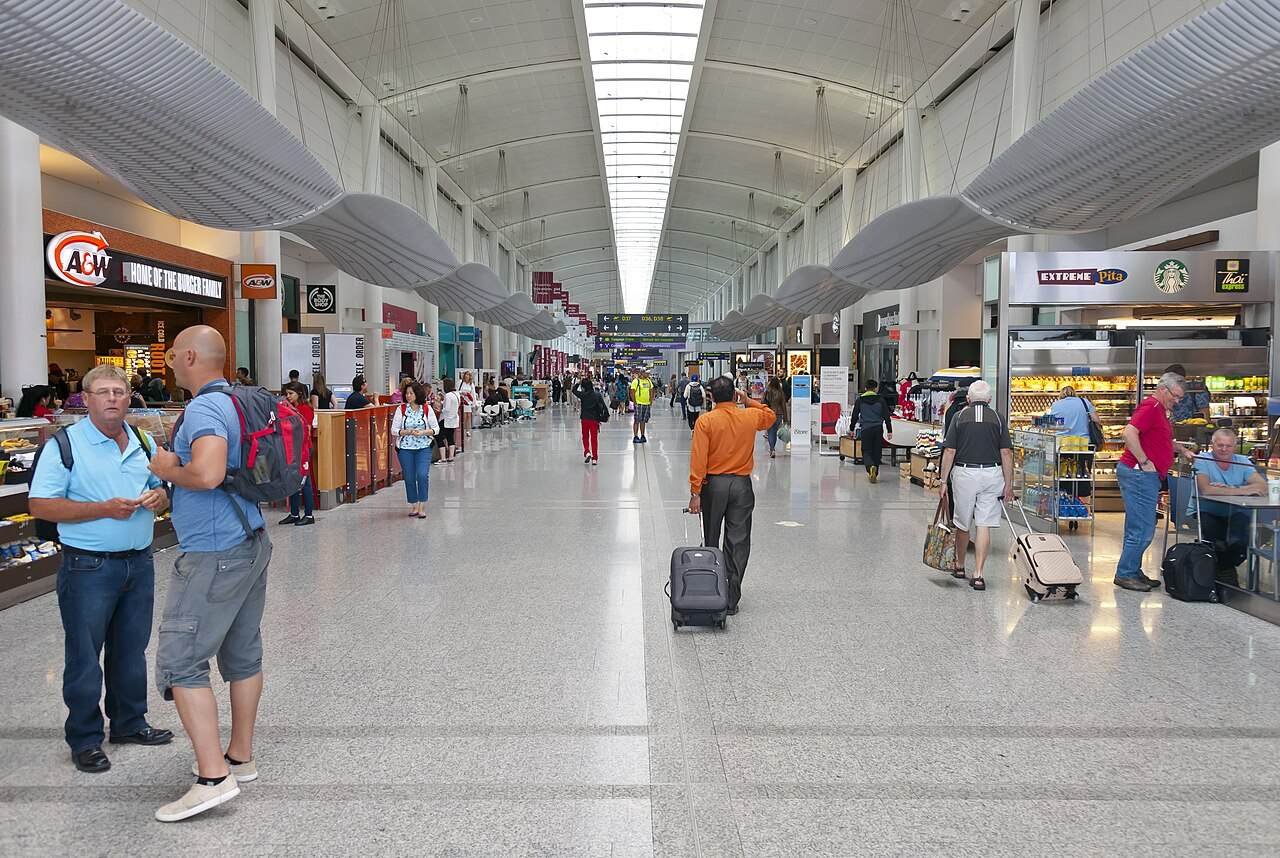
Most visitors meet Canadian customs in an airport primary inspection hall (kiosks and eGates at the big airports, then a chat with an officer) or at a land crossing booth, where the driver answers for everything in the vehicle. Keep passport and receipts reachable, not buried — and if you fly in, Advance Declaration in ArriveCAN lets you submit your declaration before landing at participating airports. First-trip nerves are normal; my first-time in Canada tips cover arrival day beyond the customs hall.


Map data © OpenStreetMap contributors. Open the full map
After customs: what the trip itself costs
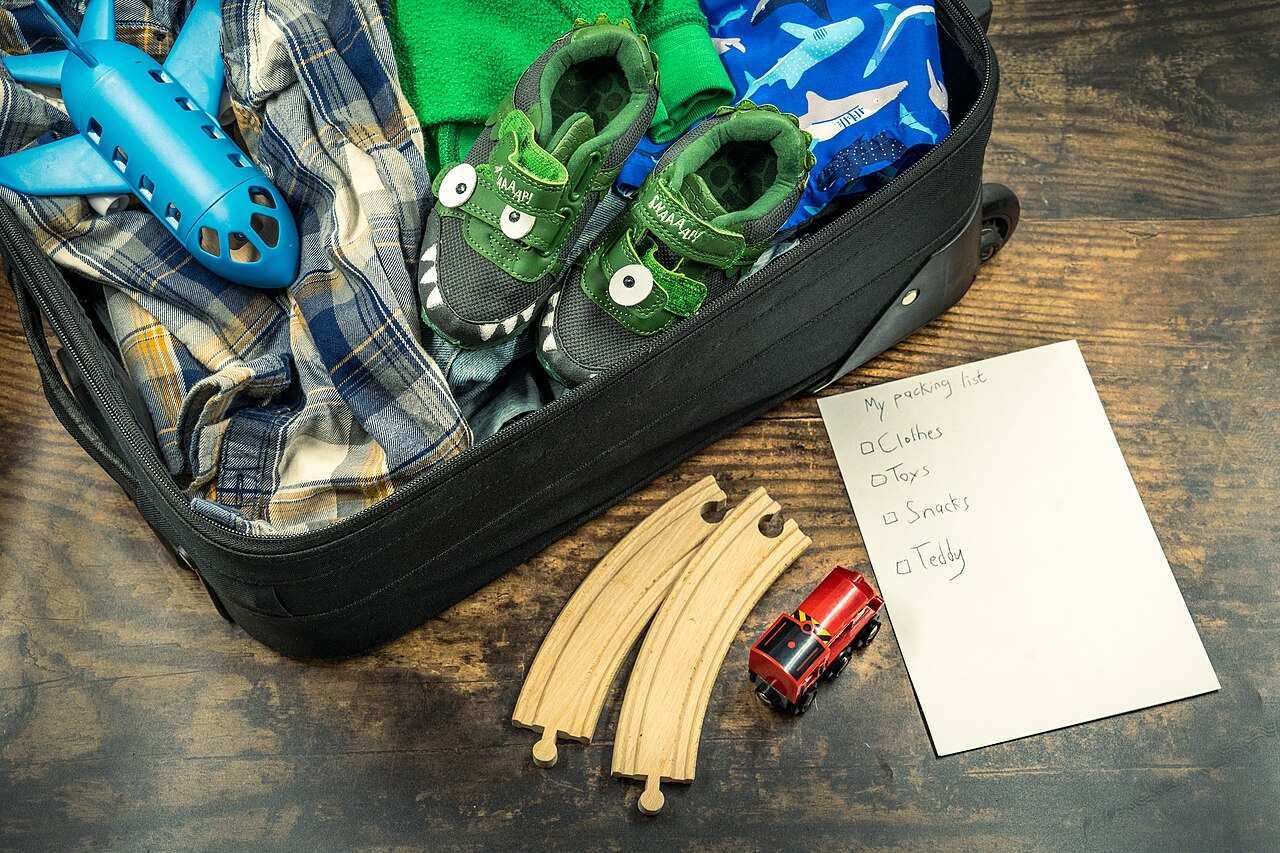
Customs is minutes of your trip; the budget lasts the whole visit. The calculator below uses the same per-person, per-day approach as my full Canada trip cost guide (which also covers accommodation and intercity travel), and my Canada packing list will help you decide what is even in the suitcase you are about to declare.
Budget calculator
Per person, in Canadian dollars. Excludes accommodation.
Budget ≈ $135/day · Mid-range ≈ $210/day · Luxury ≈ $350/day. Per person, excludes accommodation. Prices checked October 2026.
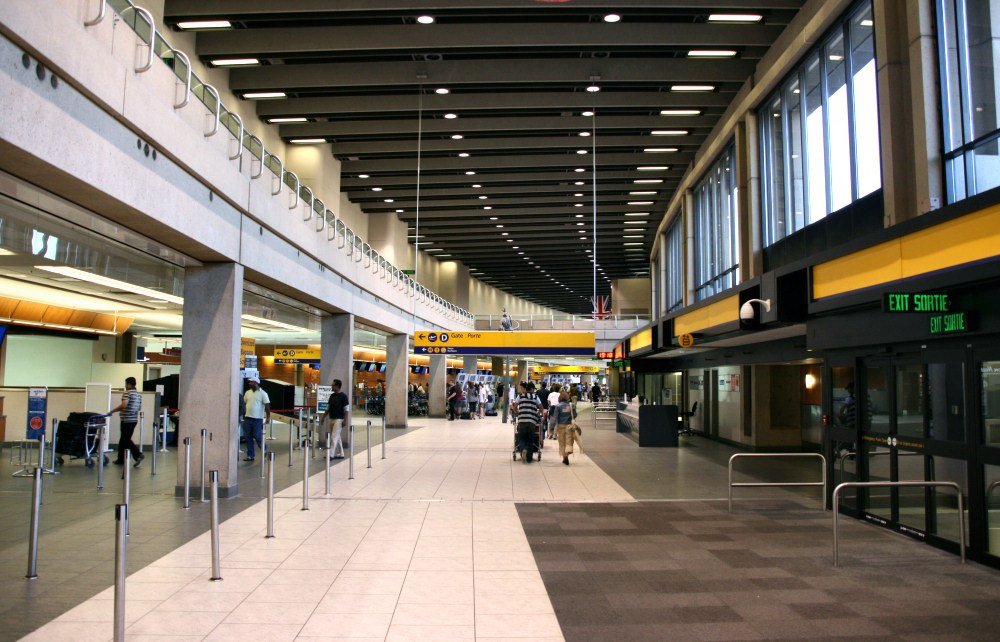
I pack with my Canada winter packing list open next to the suitcase — I check off every item as it goes in, so when the CBSA officer asks what’s in the bag, I’m answering from the list, not from memory (I once watched a guy get sent to secondary over a box of tea he “forgot” to mention; always declare the tea). And if you want the whole arrivals gauntlet over fast, my Canada travel checklist has the declaration and ArriveCAN bits sorted before you board, which turns the process into about 90 seconds of smiling and nodding.
FAQs
How much alcohol can I bring into Canada duty-free?
One of: up to 1.5 litres of wine, up to 1.14 litres of spirits, or up to 8.5 litres of beer or ale. You must meet the minimum age of the province you enter (18 in Alberta, Manitoba and Quebec; 19 elsewhere). Returning residents can only include alcohol in a personal exemption after an absence of more than 48 hours, and visitors should be prepared for duty and taxes on declared alcohol, tobacco and vaping products. Amounts above the limits can be dutiable and may need a provincial permit.
Is it illegal to bring more than CAN$10,000 into Canada?
No. There is no limit on currency brought into or out of Canada. Reporting is what is required: if your cash and monetary instruments total CAN$10,000 or more (any currencies, converted to Canadian dollars), you must declare it on entry and exit. Failing to report is the offence, and unreported amounts can be seized.
Can I bring cannabis into Canada if it is legal where I live?
No. Cannabis is legal inside Canada, but transporting it across the border in any form — including edibles, oils and medical cannabis — without a permit is illegal, and can lead to arrest, charges, seizure and consequences for entering other countries. Never carry it across the line in either direction.
What food can I bring into Canada?
There is no single yes/no list: rules depend on the product, its origin and current disease alerts, and can change daily. The non-negotiable rule is to declare all food, plants, animals and related products; undeclared items can be confiscated, with penalties up to $1,300. Meat, dairy, fresh produce, seeds, soil-contaminated gear and firewood are the highest-risk categories. Check your specific item in the Canadian Food Inspection Agency’s traveller guidance before you pack it.
What is the difference between a visitor’s allowance and a resident’s personal exemption?
Visitors bring their own personal goods in duty-free as long as the goods are declared and leave Canada with them; alcohol, tobacco and gifts follow the specific rules in this guide. Returning residents instead claim a value-based personal exemption set by their absence: none under 24 hours, up to CAN$200 after more than 24 hours, and up to CAN$800 after more than 48 hours or 7 days, with alcohol and tobacco only qualifying at the 48-hour level and above.
What happens if I forget to declare something?
Tell an officer as soon as you realise — ideally before your bags are examined. Declarable goods can be seized and penalties can apply (up to $1,300 for food, plants and animal products; seizure for unreported currency of CAN$10,000 or more), and a seizure record can mean slower crossings and lost trusted-traveller status. Cannabis and firearms are criminal matters. Voluntarily declaring, even late, always beats being found.
Bottom line: an officer cannot punish a question, only a surprise. Declare the food, count the cash out loud, keep cannabis out of the suitcase entirely, and do your exemption math in Canadian dollars before you land. The border becomes a five-minute formality between you and the trip you came for. You’ve got this. — Sarah