
Last updated: November 4, 2026
- ✓ Canada has six different summers: mountain cold snaps, prairie heat, Toronto humidity, maritime fog, west-coast drizzle, and the northern midnight sun. Pack for the regions, not the season.
- ✓ One rule rules them all: thin layers you can stack and strip. A fleece + windbreaker beats any single “summer jacket” and weighs almost nothing.
- ✓ Do laundry, don’t overpack: 7 days of outfits for a 10-day trip is the sweet spot. Every city on this list has laundromats or hotel laundry.
I’ll be honest: my first Canadian summer trip was a packing disaster, and it was entirely my fault. I saw the word “summer,” packed a suitcase of sundresses and one cardigan — one — and then shivered at the Lake Louise shoreline at 7 AM in July, wearing that cardigan over a borrowed fleece while a chipmunk judged me from a rock. Here’s the thing nobody tells you before the first trip: Canada doesn’t have a summer. It has six of them, spread across five time zones, and the gap between a Banff morning and a Toronto afternoon in the same week can be 25 degrees.
I’ve done this circuit properly three Julys in a row now — Rockies, Prairies, Toronto, Montreal, the Maritimes, Vancouver — and this is the list I wish someone had handed me that first year. Everything below was checked in October 2026. Let’s pack you right.
Canada summer weather isn’t one thing
Start with the weather table that explains everything: typical daytime highs and overnight lows, June through September. The two numbers that matter most — mountain mornings can dip near single digits even in August, and Toronto’s humidity makes 27°C feel like 36°C.
| Region (summer base) | Typical highs | Typical lows | What it feels like |
|---|---|---|---|
| Rockies (Banff / Jasper) | 19–23°C | 5–9°C | Sunny afternoons, chilly mornings; weather flips fast |
| Prairies (Calgary / Winnipeg) | 24–27°C | 12–15°C | Hot, dry, huge skies — plus dramatic summer storms |
| Central Canada (Toronto) | 24–27°C | 15–18°C | Humid heat; humidex pushes “feels like” past 35°C |
| Quebec (Montreal) | 25–27°C | 15–17°C | Warm and festive; festival season, occasional heat waves |
| The Maritimes (Halifax) | 20–24°C | 13–15°C | Breezy; ocean fog and wind even on sunny days |
| West Coast (Vancouver) | 21–24°C | 13–15°C | Mild and gorgeous — with rain one mood away |
| The North (Whitehorse) | 18–21°C | 8–10°C | Cool evenings, ~20 hours of daylight, fierce mosquitoes |
I checked these ranges against Environment Canada’s climate normals before writing — they’re averages, not guarantees, which is exactly why this packing advice exists. → Environment Canada — official weather
The map: where this guide applies
Six pins, one per summer personality. Tap any pin to jump the map to it.
Map data © OpenStreetMap contributors. Open the full map
The #1 rule: layers, not bulk
If you take nothing else from this guide, take this: pack thin layers, not thick jackets. A moisture-wicking base + a mid-weight fleece + a windbreaker will carry you from a 6°C sunrise at Lake Louise to a 26°C afternoon on the same trail. I’ve hiked the Rockies three Julys in a row and never once needed a heavy winter coat in summer — but I’ve needed all three thin layers on the same day, more than once.
Build your bag around the three-layer system: a light base layer, one insulating mid-layer (fleece or light puffy), and a windproof/waterproof shell. Trust me on this one — the trio weighs under a kilo and handles roughly 90% of Canadian summer weather. Everything else is comfort, not survival.
The Rockies: pack for three seasons in one day
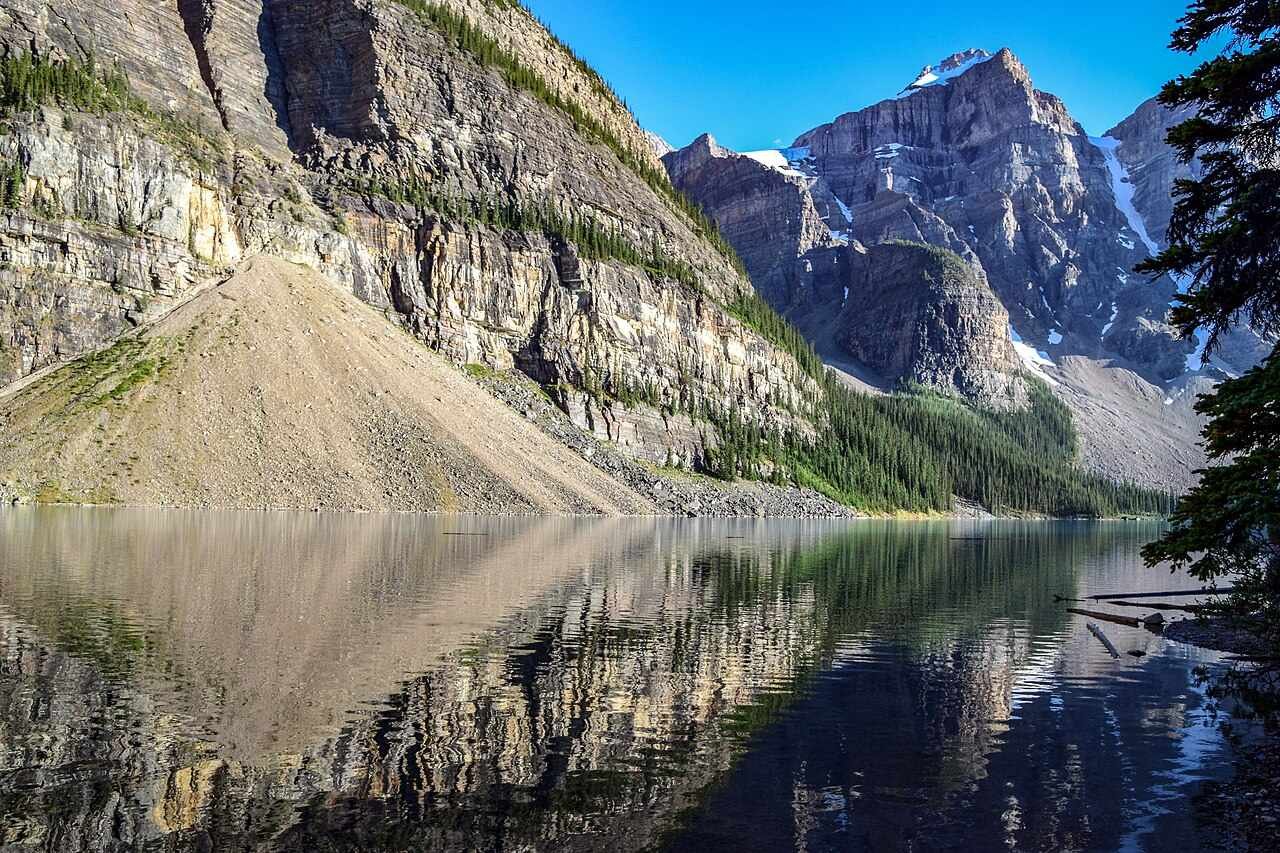
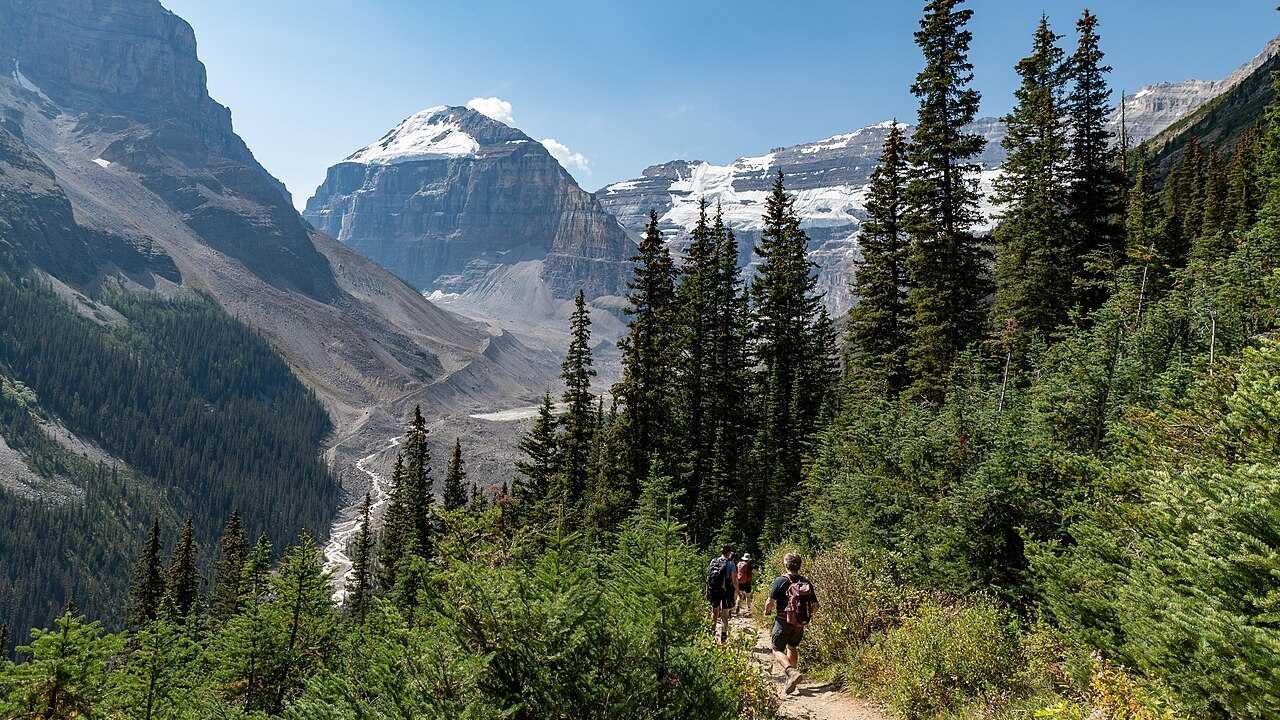
Banff and Jasper are the reason this packing list exists. July afternoons at lake level are gloriously warm — but the mountains make their own weather. Moraine Lake at 8 AM can be 7°C while Calgary, an hour away, sits at 24°C. I learned this the soggy way on the Plain of Six Glaciers trail: T-shirt at the trailhead, fleece at the teahouse, rain shell on the descent, all within four hours.
The Rockies packing essentials: trail runners or light hiking boots with real grip (not fashion sneakers — afternoon rain turns switchbacks into slides); a fleece or light puffy, non-negotiable even in August; a packable rain shell (mountain wind shreds umbrellas); serious sun protection, because high-altitude UV is fierce and clouds are liars at altitude — I burned my nose through sunscreen on an overcast day at Lake Louise.
And the one item that isn’t clothing: bear spray, bought or rented in Banff or Jasper — never flown in from home, it’ll be confiscated at security. The clerk at my Banff rental shop showed me how the safety clip works in thirty seconds, and it genuinely changed how confident I felt on the trail. I double-checked the current guidance on Parks Canada’s bear-country page before my first bigger hike: carry spray where you can reach it, hike in groups of four or more where possible, and give bears 100 metres of space. → Parks Canada — safe travel in bear country
Mountain weather can swing 25–30°C in a single day. I once watched a blue-sky morning over Maligne Lake turn into sideways rain in under twenty minutes. If thunder starts while you’re above treeline, descend immediately — lightning is the Rockies’ most underrated hazard. Check the forecast every morning.

Jasper runs a touch cooler and wilder than Banff — same layers, maybe one extra warm one, plus a headlamp if you’re chasing the dark-sky preserve after sunset. And yes, pack the swimsuit either way: the Banff Upper Hot Springs sit at 37–40°C year-round, and the hot-springs-after-a-cold-hike combo is worth every penny.
The Prairies: big heat, big storms
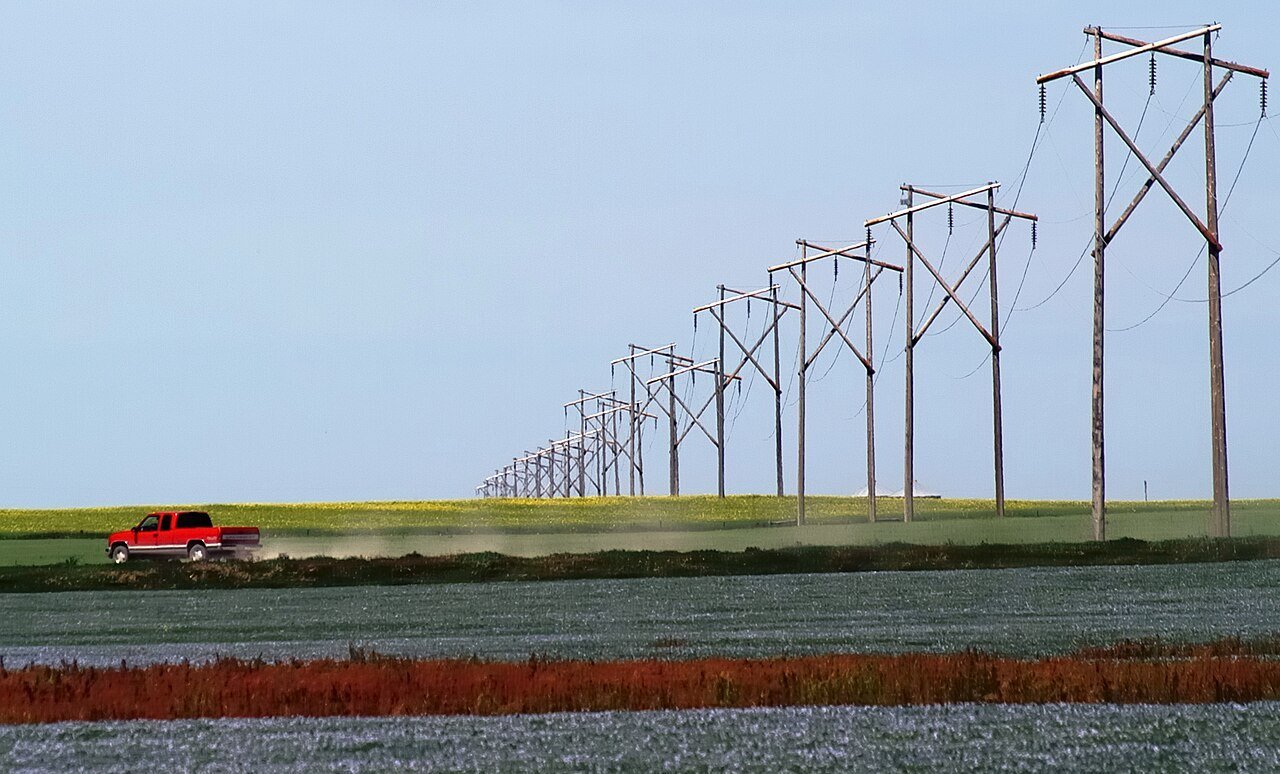
The Prairies are Canada’s easy summer — until they aren’t. Winnipeg and Saskatoon regularly top 27°C, the sun is relentless, and then a thunderstorm rolls across that enormous sky and drops the temperature 10 degrees in an hour. I once watched a storm front move across a Calgary parking lot like a curtain. Game-changer for my packing: the packable rain jacket lives in my daypack permanently on the Prairies, not just in the mountains.
Pack breathable everything — linen shirts, quick-dry shorts, a wide-brim hat — plus serious bug spray (prairie mosquitoes at dusk are a personality trait) and closed-toe shoes for festival grounds that turn to dust or mud with zero notice. Heading to the Calgary Stampede in July? Add a bandana: dust is real, and you’ll look the part.
Central Canada: humid heat and patios (Toronto)

Toronto in July is a different animal: the thermometer says 27°C but the humidex says 36°C. You will sweat — plan for it instead of fighting it. My second trip, I arrived in dark jeans, lasted one afternoon on Queen West, and bought shorts within three hours. Do not be me. Pack light, breathable, sweat-friendly fabrics, a refillable water bottle (fill stations are everywhere downtown), and one nicer outfit for the patio dinner you’ll inevitably book.
The counterintuitive essential: a light sweater for air-conditioned everywhere — the CN Tower and every museum sit at a brisk 20°C, and I use mine daily. Add real walking shoes (Toronto is a 20,000-step-a-day city and I timed it), and a cheap poncho if you’re doing a Niagara Falls day trip — the mist soaks you to the bone and the gate ponchos are overpriced. For the full city plan, see my Toronto travel guide.
Quebec: festival season (Montreal)
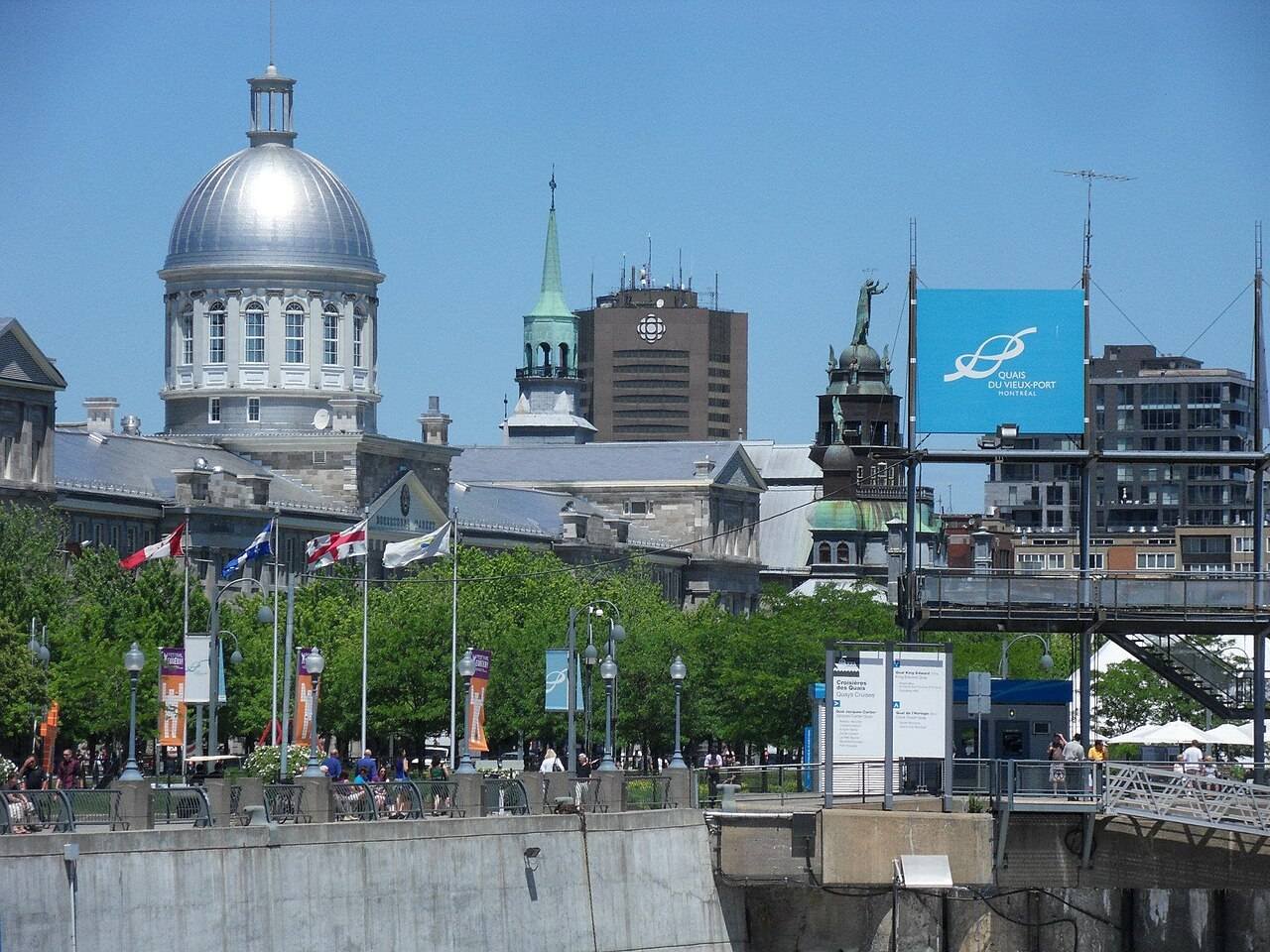
Montreal in summer is a festival with a city attached — jazz festival, Just for Laughs, fireworks over the river — and the packing is nearly identical to Toronto’s, with one addition: shoes you can dance in. You will end up at an outdoor concert, possibly two, and the Old Port’s cobblestones punish bad footwear. A Mile End barista gave me her summer rule: “One nice outfit, everything else comfortable.” Pack for long evenings — the light lingers, the terraces fill, and you’ll stay out later than planned.
The East Coast: wind, fog, and lighthouse weather
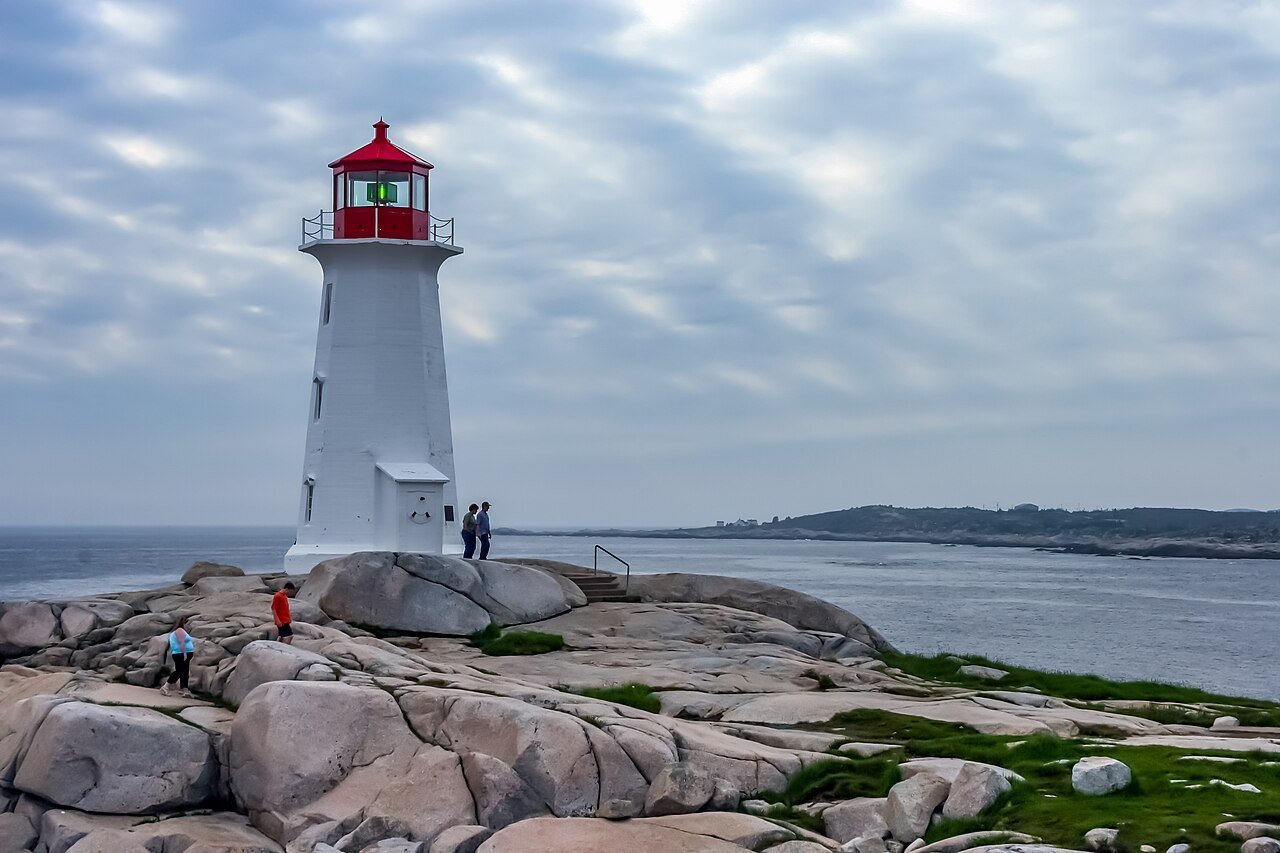
The Maritimes will humble your packing list faster than anywhere else. Halifax can be 22°C and sparkling; drive forty minutes to Peggy’s Cove and it’s 15°C with a wind that steals hats. Mine, twice — I now own a hat with a chin strap. The windbreaker is the single most important item on the East Coast, more than the fleece, more than the rain shell. Fog rolls in without warning, and the Cabot Trail lookouts run ten degrees colder than the parking lot.
A fisherman at the Peggy’s Cove parking lot gave me his rule when I asked about the fog: “If you can see the lighthouse, dress for wind. If you can’t, dress for rain.” I’ve used it from Newfoundland to PEI and it’s never been wrong. And the black rocks around the lighthouse are lethally slippery when wet — stay behind the ropes. Every local says the same thing.
The West Coast and the North: drizzle and midnight sun
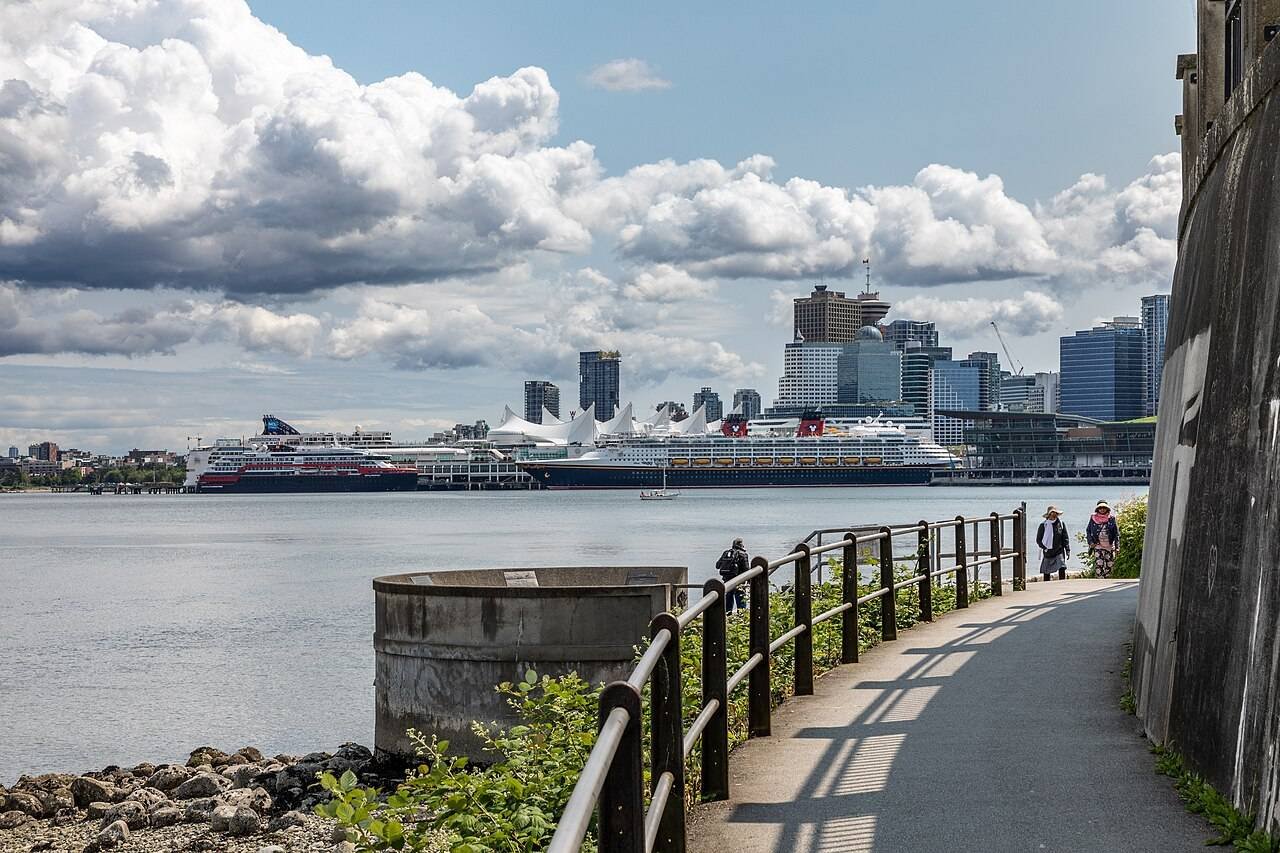
Vancouver is the gentlest summer on this list — 23°C, sea breeze, the seawall glowing at 9 PM — and the most likely to fool you. “It never rains in summer,” said every tourist who then got drenched on the Grouse Grind. Pack a light rain jacket in Vancouver, always. The rest is easy: layers for Whistler day trips (that fleece again), comfortable walking shoes for the seawall loop, a swimsuit for the outdoor pools.
Heading north — Whitehorse, Yellowknife, anywhere the sun barely sets — the packing pivots from weather to light and bugs. A sleep mask is worth every penny when it’s bright at 11 PM; I learned that the expensive way in a Whitehorse hotel room with paper-thin curtains. Mosquitoes are genuinely ferocious up north in June and July, so bring real DEET repellent and a head net for the trails.
The complete Canada summer packing checklist
The master list — the one I print and check off before every trip. Built for 7–10 days covering cities plus one outdoor region:
Clothing
- 4–5 moisture-wicking tops
- 2 long-sleeve shirts (sun, AC, nice dinners)
- 2 shorts + 1 skirt or light pants
- 1 fleece or light puffy mid-layer
- 1 packable windproof/waterproof shell
- 7 underwear + 5 quick-dry socks
- 1 swimsuit + quick-dry towel
- 1 sleep outfit + 1 nicer outfit
Footwear
- Broken-in walking shoes (the daily drivers)
- Trail runners or light hiking boots if the Rockies are on the route
- Sandals for patios, beaches, hostel showers
Gear & outdoors
- Daypack (20–30L) + reusable water bottle
- Sunglasses, SPF 30+ sunscreen, lip balm with SPF
- Hat or cap (chin strap for the Maritimes — trust me)
- Insect repellent (DEET-based for the North and Prairies)
- Bear spray for Rockies hiking — buy or rent in Banff/Jasper
Electronics
- Phone charger + portable battery pack (map apps drain batteries on long trail days)
- Travel adapter — Canada uses Type A/B plugs, 120V, same as the US
- Sleep mask + earplugs (midnight sun up north, thin hotel walls everywhere)
Documents & money
- Passport + printed hotel confirmations
- Travel insurance details — Canadian hospital bills are no joke for visitors
- No-foreign-fee credit card + a little Canadian cash for markets and tips
- Driver’s licence if renting a car for the Rockies or Maritimes
Choosing the bag itself? Our best travel backpack for Canada roundup compares six carry-on packs, most of which work year-round.
Pack smarter: cubes, laundry & the budget question
Confession: I used to mock packing cubes. Then I packed for a ten-day, four-city Canada trip in a carry-on, and the cubes were the only reason it worked. Repacking in a new hotel every two nights takes four minutes instead of twenty.
Plan on doing laundry once, around day 5 or 6. A laundromat load in Montreal cost me $4.50 and 40 minutes of excellent people-watching. That one laundry stop lets you pack for 7 days on a 10-day trip — the difference between a carry-on and a checked bag, and checked bags on Air Canada start at real money (standard allowance is 23 kg / 50 lb per bag). → Air Canada — checked baggage allowance
What does a summer trip cost?
Packing isn’t free: baggage fees, one laundry run, bear spray rental (about $10–20 in Banff), and the “oh no, I forgot sunscreen” pharmacy stop all land on the budget. Here’s the honest math per person, in Canadian dollars.
Budget calculator
Per person, in Canadian dollars. Excludes accommodation & flights.
Budget ≈ $70/day · Mid-range ≈ $130/day · Luxury ≈ $220/day. Prices checked October 2026.
For the full breakdown — accommodation, park passes, the works — my Canada trip cost guide has the complete numbers, and the best places to visit in Ontario helps you decide where those days go.
What NOT to pack
The flip side — each of these has been lugged around Canada by me or a friend, and every one was dead weight:
- A heavy winter coat. The fleece + shell combo wins, even in the Rockies in July. A parka eats a third of your suitcase for a scenario that won’t happen.
- Bear spray from home. It’ll be confiscated at airport security. Buy or rent it in Banff or Jasper.
- More than one pair of jeans. Heavy, slow to dry, miserable in Toronto humidity. One pair max; quick-dry pants for the rest.
- “Just in case” formal wear. Canada is casual — the nicest restaurant in Banff seats people in hiking pants.
- Full-size toiletries. Sunscreen and bug spray are easy to buy at any Canadian pharmacy. Decant the rest.
- A travel iron. Roll your clothes and hang them in the bathroom while you shower — the steam does the work. Thirty hotels and counting.
FAQs about packing for Canada in summer
Do I need a winter coat in Canada in July?
No — but you need a warm mid-layer. A fleece or light puffy plus a windproof shell handles every realistic July scenario, including 6°C sunrises at Lake Louise. Real winter gear in summer is only for far-north expeditions or guided glacier trips.
How bad are the mosquitoes in summer?
It depends entirely on where you are. Cities are fine; the North, the Prairies at dusk, and lakeside trails in June are genuinely buggy — I’ve seen mosquito clouds in the Yukon that looked like weather. Bring DEET repellent for those regions. July and August are noticeably better than June.
Do I need hiking boots, or are sneakers enough?
For cities and short viewpoint walks, sturdy sneakers or trail runners are fine — I’ve done the Johnston Canyon catwalks in trail runners with zero issues. For real Rockies day hikes (rocky, steep, possibly wet), proper boots with ankle support are worth every penny.
Where can I do laundry while travelling in Canada?
Everywhere, easily. Laundromats are in every city here (about $4–6 per wash-and-dry cycle), most mid-range hotels have guest laundry, and hostels almost always have machines. One laundry stop around day 5–6 lets you pack for 7 days on a 10-day trip.
What power plugs does Canada use?
Canada uses Type A and B plugs at 120V — the same flat two-prong system as the United States. From the UK, Europe, or Australia? Bring a universal adapter; your devices handle the voltage, they just won’t fit the sockets.
What’s the one thing everyone forgets to pack?
A sleep mask and real bug spray tie for first — the mask for northern brightness and thin hotel curtains, the spray for everywhere that isn’t downtown. Runner-up: a reusable water bottle. Canadian tap water is excellent, bottled water is expensive, and you’ll refill it all day.
Keep exploring
Your bag is packed — now here’s where to take it:
- Canada trip cost guide — the full budget breakdown: accommodation, park passes, food, the works
- Toronto travel guide — the complete planning companion for Canada’s biggest city
- 1-day Niagara Falls itinerary — the classic day trip (and yes, bring the poncho)
- Best places to visit in Ontario — how the cities and the falls fit one trip
You’ve got this. Pack the layers, leave the parka, and go watch a sunrise over a turquoise lake in a fleece you’ll be peeling off by 10 AM. That’s a Canadian summer.
2 comments