
Last updated: October 3, 2026

The short answer
- The icons: Niagara Falls and Toronto are non-negotiable first stops — the boat into the falls (~$48) and the CN Tower ($47) are the two best first-day splurges in the province.
- The wilderness: Algonquin for moose and canoe mornings, Bruce Peninsula’s Grotto for that impossible turquoise water — but book Grotto parking reservations ahead. I learned that one the hard way.
- The secret third thing: Small-town Ontario — Stratford’s theatre scene, Elora’s gorge, Prince Edward County’s wineries — is what makes this province feel endless. Don’t do the cities-and-falls sprint and call it done.
Here’s the thing about Ontario: it is bigger than France and Spain combined, and every “best of” list makes it sound like you should just hit Niagara Falls, grab a photo in Toronto, and leave. I’ll be honest — that would be a tragedy. I’ve spent years crisscrossing this province (my spreadsheet has a tab for every trip, and there have been many), and the Ontario worth seeing includes limestone gorges, quartzite ridges that genuinely shimmer, a castle on a river island you need a passport to reach, and a theatre town that punches absurdly above its weight.
This guide covers 15 places, in a sensible order — cities first, then the icons, then park country, then the wine-and-theatre belt, then the far north. Prices below are 2026 figures checked in October 2026, and anything I couldn’t personally verify gets a link to the official source so you can confirm it yourself.
The cities: Toronto, Ottawa & Hamilton
1. Toronto — the metropolis that earns its hype
Toronto is where most Ontario trips begin, and it deserves more than a layover. Yes, do the CN Tower ($47 for general admission — I checked the 2026 rates on the official site before I went, and yes, it includes the glass floor if you’re feeling brave). Pair it with the Royal Ontario Museum ($26, and I timed my visit for the dinosaur gallery when it opened — no regrets), a wander through the Distillery District’s cobblestones, and a ferry ride to the Toronto Islands for the skyline view from the water. The Islands, by the way, are my favorite free activity in the city: the ferry is a few dollars, the beach at Hanlan’s Point is lovely, and the skyline from the east end of Ward’s Island is the best view in Toronto. Trust me on this one.
Pro tip: if you’re doing three or more paid attractions, the Toronto CityPASS bundles the CN Tower, Ripley’s Aquarium, and ROM among others and saves up to 38%. I ran the numbers in my spreadsheet. It won. → CN Tower — official tickets & hours
2. Ottawa — the capital with the best skating rink on Earth
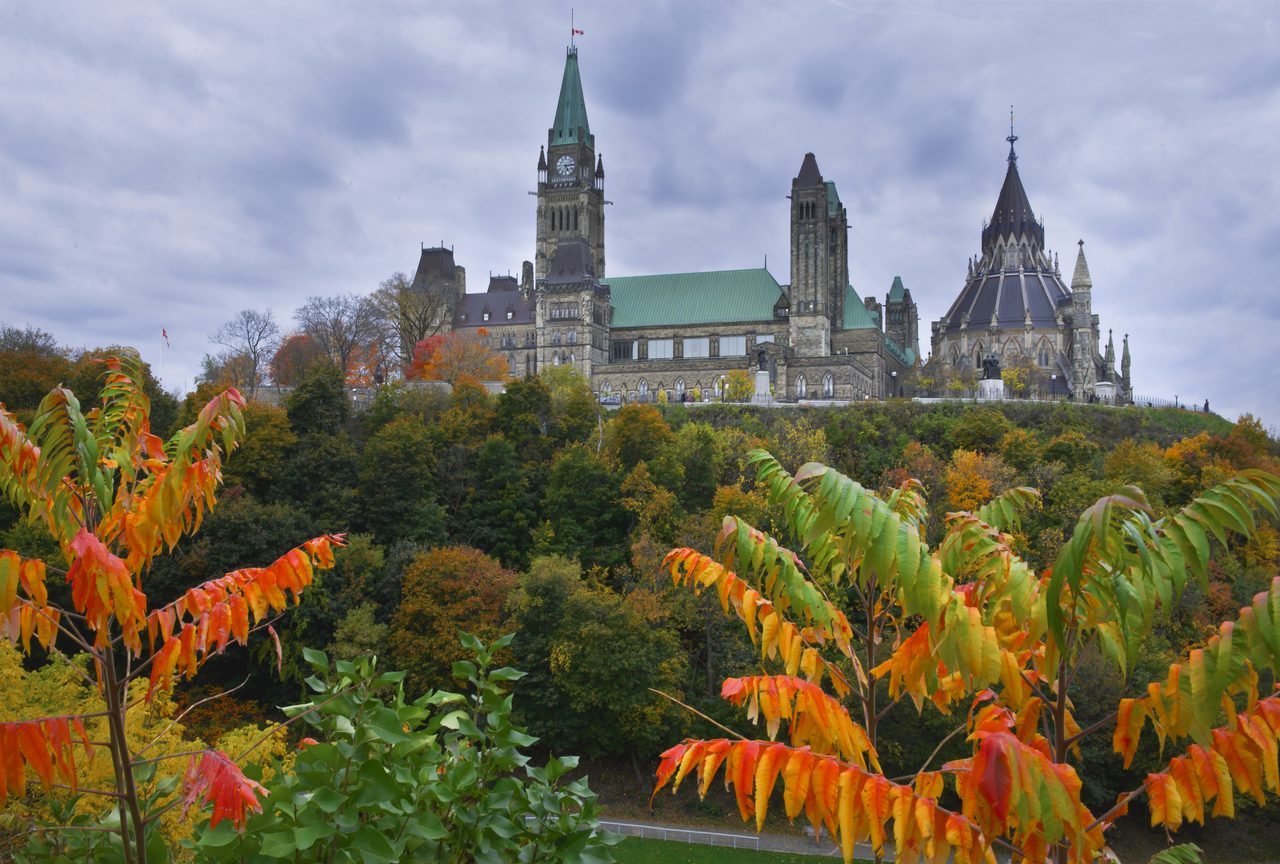
Ottawa in winter is a different animal entirely. The Rideau Canal Skateway — 7.8 km of skatable ice through downtown, the world’s largest skating rink — is worth planning a February trip around. I skated it once in −15°C, stopped for a Beavertail at every third rest stop (no shame), and understood instantly why this is a UNESCO World Heritage Site. In summer, Parliament Hill, the ByWard Market, and the National Gallery’s giant spider sculpture (Maman — she’s oddly beloved) make a perfect two-day stop. → 1-day Ottawa itinerary
3. Hamilton — the City of Waterfalls
Hamilton has quietly become one of my favorite day trips in southern Ontario. The nickname isn’t marketing: there are over 100 waterfalls within city limits, from the curtain-like Webster’s Falls to the punchbowl at Tews Falls. I once tried to see six in one day. I saw four, got very muddy, and had an excellent time anyway. The food scene downtown — breweries, James Street North galleries, actual good coffee — has genuinely caught up with Toronto’s in my opinion. Bring good shoes and a packed lunch; the good falls are short hikes, not roadside pullouts.
The icons: falls, grottos & islands
4. Niagara Falls — yes, it’s worth it (with a plan)
Look, I know Niagara Falls is the most tourist-trappy place in Canada. It’s also one of the few natural wonders that exceeds the hype — standing in a red poncho at the base of Horseshoe Falls while 2,800 tonnes of water a second pours over the edge in front of you is not something you can be cynical about. I checked the 2026 prices on the official sites: Niagara City Cruises (the Canadian boat, formerly Hornblower) runs from ~$47.95 plus HST for the 20-minute Voyage to the Falls, and Journey Behind the Falls is ~$28 through the tunnels behind the curtain. My honest ranking: the boat is the do-not-skip one. The behind-the-falls tunnels are cool but the observation deck at the base is the payoff. → Niagara Parks — official attraction info · Our 1-day Niagara Falls itinerary
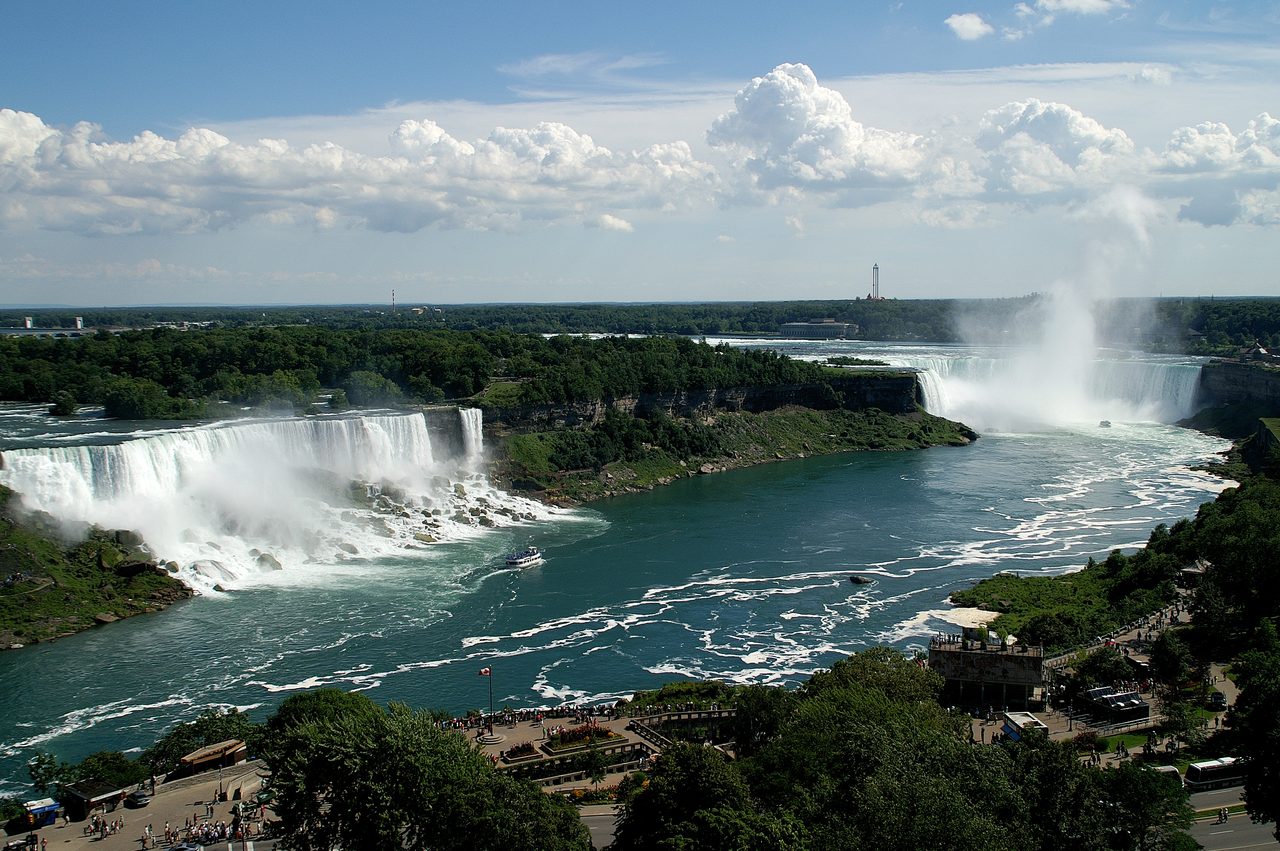
Fair warning: the falls are free to view, but parking is not, and Clifton Hill is a neon wonderland you’ll either love or flee. I love it at night and avoid it by day. Plan accordingly.
5. Bruce Peninsula National Park — The Grotto
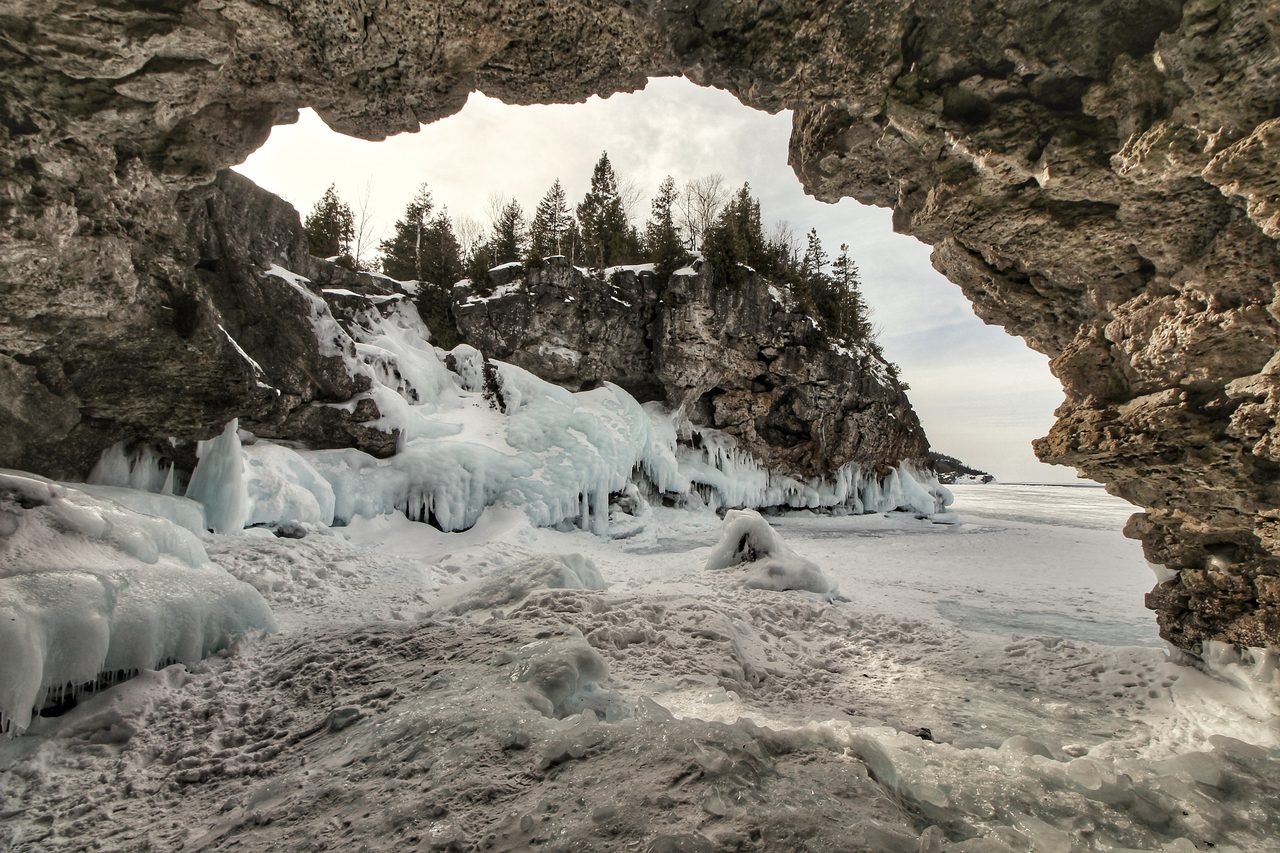
If you’ve seen a photo of turquoise water that “looks like the Caribbean,” it was probably The Grotto — a sea cave and natural pool on the Bruce Peninsula where Georgian Bay turns an impossible shade of blue against white limestone cliffs. Here’s my confession: my first attempt to visit ended in the parking lot of shame. The Grotto now requires advance parking reservations through Parks Canada, and I showed up at 11 AM on a July Saturday without one. Never again. Book the parking slot online before you go, arrive for the earliest slot you can get, and you’ll have the pools nearly to yourself before the day-trippers arrive. The water is freezing. I went in anyway. It was worth it. → Parks Canada — parking reservations & park info
6. Tobermory & Flowerpot Island
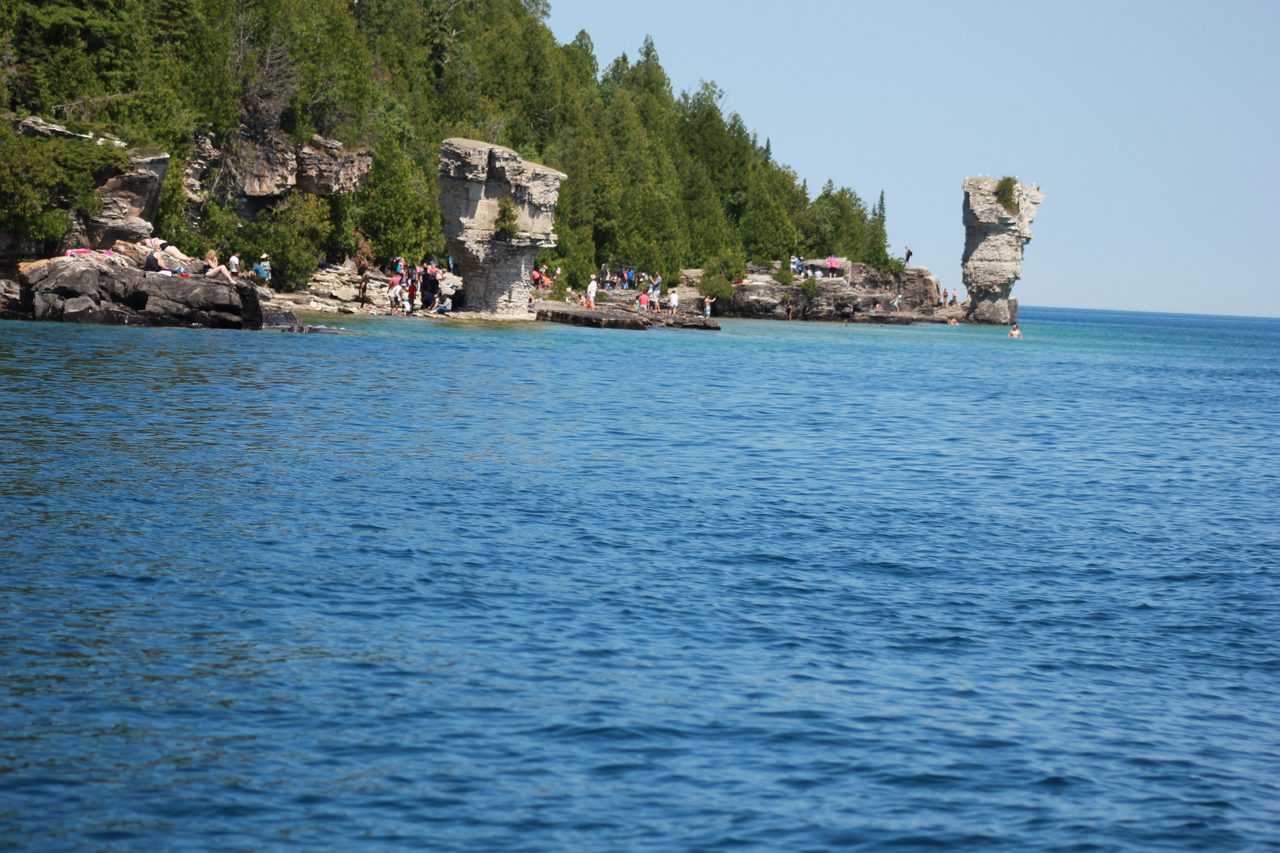
At the tip of the Bruce Peninsula, Tobermory is the launch point for Flowerpot Island in Fathom Five National Marine Park — the famous sea-stack “flowerpots” carved by waves, plus glass-bottom boat tours over remarkably preserved shipwrecks in the clear water. I hadn’t heard of the shipwrecks until a local shopkeeper told me about them — glad I asked, because the wreck of the Sweepstakes in Big Tub Harbour, visible through the glass bottom in about six metres of clear water, was one of my favorite surprises in Ontario. Book the boat tour in advance in summer; the island trails and the Lightstation are an easy half-day loop.
7. Thousand Islands & Boldt Castle
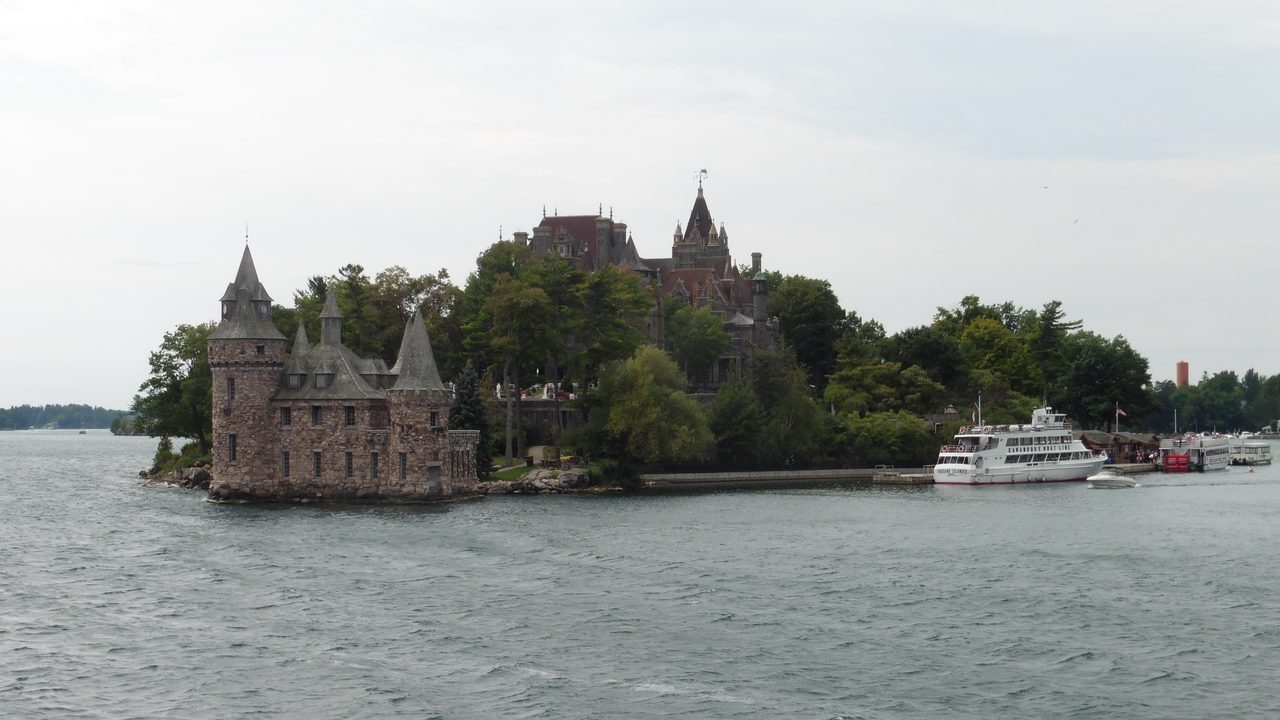
Here’s something that surprises everyone I tell: Boldt Castle — the 120-room Rhineland-style mansion on Heart Island — is on American soil, so you need a valid passport to step off the boat. I watched a family in front of me in line discover this the expensive way. Admission runs ~US$12.50–14 for the castle; most visitors come via boat cruises from Gananoque, Ontario (about 1–5 hours depending on the tour). The love story behind it — millionaire George Boldt built it for his wife Louise, halted construction when she died suddenly in 1904, and never returned — is genuinely heartbreaking, and the restored rooms and Italian gardens are gorgeous. The Thousand Islands themselves (1,864 of them) are the real show: book a boat cruise and sit on the top deck. → Boldt Castle — official site
Park country: Algonquin, Killarney & Bon Echo
8. Algonquin Provincial Park — moose country
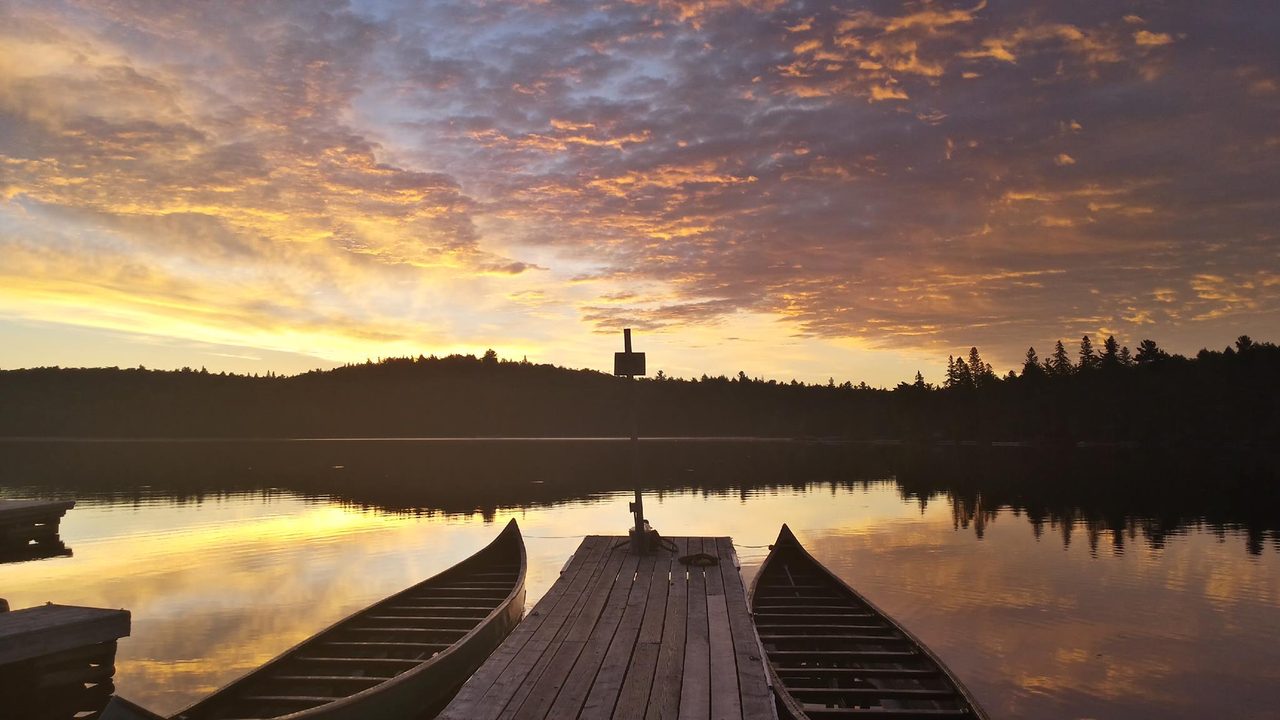
If there’s one Ontario park experience to have, it’s a dawn drive along Highway 60 through Algonquin, coffee in hand, scanning the marshes for moose. I’ve done this four times now. I’ve seen moose three times (once at 6:15 AM, grazing thirty metres from the car — I stopped breathing). The park runs 2,000+ km of canoe routes, from beginner day paddles to serious backcountry trips, and fall colour season here is legitimately world-class (late September to mid-October; book campsites absurdly early). Pro tip: the Canoe Lake area is the classic first-timer paddle — flat water, easy portages, and Tom Thomson’s spirit hovering somewhere over the pines. → Ontario Parks — reservations & park info
9. Killarney Provincial Park — the white mountains
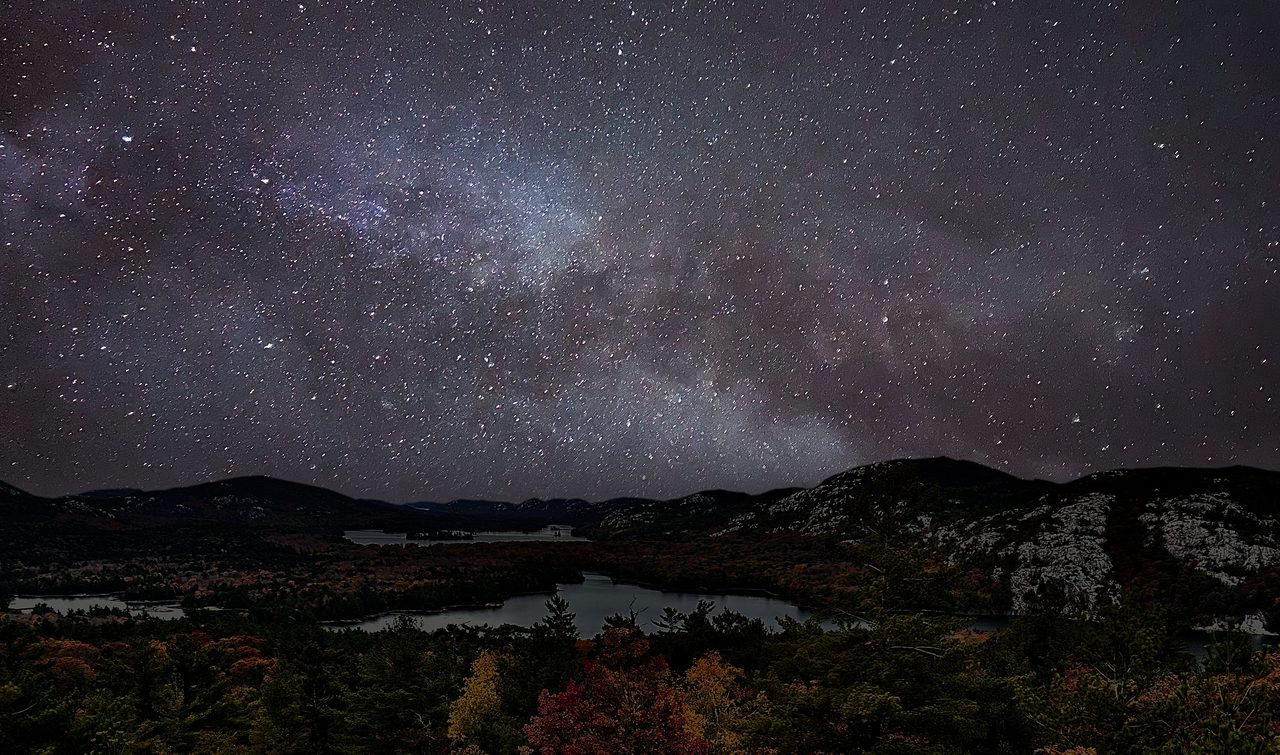
Killarney’s La Cloche Mountains are white quartzite ridges that literally shimmer in the sun, rising over sapphire-blue lakes — the landscape that made the Group of Seven painters famous. The Crack Trail is the signature hike: steep, scrambly, about two hours up, and the view from the top is, in my opinion, the best single viewpoint in Ontario. Fair warning — it’s a genuine workout, not a viewpoint-with-a-parking-lot situation. I arrived in running shoes, looked at the boulder field, and immediately wished I’d brought my real boots. Also: Killarney is a designated dark-sky preserve, and the Milky Way over the quartzite at midnight is unreal. A ranger at the trailhead told me the best viewing is from George Lake in August — he was right.
10. Bon Echo & Mazinaw Rock
Mazinaw Rock is a 100-metre cliff rising straight out of the water at Bon Echo Provincial Park — and it’s covered in over 260 Indigenous pictographs, painted in red ochre by Algonquin peoples centuries ago. This is one of Ontario’s most significant cultural sites, and seeing the ancient markings up close from a canoe is quietly moving. The park’s guided boat tours explain the history properly; I learned more in that 90-minute tour than in a semester of history class. The hiking here is underrated too, with cliff-top lookouts over Mazinaw Lake.
Wine, theatre & small towns
11. Prince Edward County — wineries and Sandbanks
Prince Edward County (“The County,” as locals call it) has become Ontario’s weekend darling, and I get it: Sandbanks Provincial Park has some of the best beaches in the province, and the county’s boutique wineries do excellent Chardonnay and Pinot Noir. I spent an afternoon cycling between tasting rooms, and my spreadsheet — which normally demands precision — just said “County day: unstructured, glorious.” Wellington’s main street is worth the stroll, and the farm-to-table restaurants are genuinely excellent. Book accommodation well ahead for summer weekends; the secret is thoroughly out.
12. Niagara-on-the-Lake — ice wine capital
Twenty minutes north of the falls, Niagara-on-the-Lake feels like a different century: 19th-century streets, manicured gardens, and the heart of Ontario wine country — including its world-famous ice wine. The Shaw Festival runs a full season of theatre here (April through December, and their productions are consistently superb). Do a tasting flight at one of the estate wineries on the Niagara Parkway, catch an evening play, and stroll the heritage district. This is the grown-up side of the Niagara region, and it’s a lovely contrast to Clifton Hill’s chaos. → More small towns in Ontario worth visiting
13. Stratford — the theatre town
Stratford’s Stratford Festival (April to October) is one of North America’s great theatre festivals, and the town along the Avon River — with its swans, Victorian gardens, and chocolate shops — is a cultural retreat unto itself. I’ll be honest: I went for the theatre and stayed for the food scene. Downtown Stratford has a concentration of excellent restaurants that makes no sense for a town its size (the chefs are here for the festival crowds, and the crowds are me). Even outside festival season, the river walks and the boutique-lined streets make a lovely overnight stop between Toronto and the Bruce.
14. Elora & Fergus — the gorge towns
The Elora Gorge is a limestone canyon carved by the Grand River, and tubing through it is one of the most fun summer afternoons in southern Ontario — floating between 22-metre cliffs, sun on the rock, total silliness. The twin towns of Elora and Fergus have gorgeous 19th-century limestone architecture, the Elora Quarry swimming hole, and the Elora Mill spa for the splurge crowd. Elora feels like a little piece of Europe that someone misplaced in rural Ontario, and I mean that as the highest compliment. → Best weekend trips from Toronto
The far north
15. Manitoulin Island — the world’s largest freshwater island
Manitoulin Island in Lake Huron is the largest freshwater island in the world, and it feels like its own small country — Indigenous culture, limestone cliffs, the Cup and Saucer Trail with its sweeping views, and some of the darkest night skies in Ontario for stargazing. It’s a long drive from Toronto (about 5–6 hours, plus the ferry from Tobermory in season — or the swing bridge at Little Current), which is exactly why it’s still peaceful. I spent three days here and barely scratched the surface. If you want the Ontario that feels untouched, this is it. A front-desk clerk at my lodge told me to watch for the ferry schedule changing after Labour Day — seasonal, so double-check before you go.
What will the big attractions cost?
Sample 2026 admission prices (checked October 2026; items marked ~ are estimates, confirm on official sites):
| Attraction | Adult price (CAD unless noted) |
|---|---|
| CN Tower, Toronto — general admission | $47 |
| Royal Ontario Museum, Toronto | $26 |
| Niagara City Cruises (Voyage to the Falls) | ~$47.95 + HST |
| Journey Behind the Falls | ~$28 |
| Boldt Castle, Thousand Islands | ~US$12.50–14 |
| Toronto CityPASS (5 attractions) | ~$105 |
| Bruce Peninsula — Grotto parking | ~$12 (reservation required) |
| Stratford Festival / Shaw Festival tickets | ~$60–150 |
Ontario road trips add up in gas and accommodation, not tickets — most parks and natural sights are free or cheap. See our Ontario road trip itinerary and the Toronto travel guide for full trip planning.
When to go: Ontario seasons at a glance
- Summer (June–August): peak season — beaches, paddling, festivals. Book campsites and County stays months ahead.
- Fall (late Sept–mid Oct): maple season. Algonquin and Muskoka are spectacular; it’s my personal favorite time.
- Winter (Dec–Feb): Rideau Canal skating, Blue Mountain skiing, and empty museums. I’ll be honest — winter Ontario is underrated.
- Spring (April–May): maple syrup festivals, then cherry blossoms in Toronto’s High Park by early May.
FAQs about visiting Ontario
How many days do you need to see the best of Ontario?
Ten days is a solid minimum for the highlights: 2–3 days in Toronto (with a Niagara Falls day trip), 2 days for Ottawa, and the rest split between Bruce Peninsula/Algonquin and one wine-and-theatre stop like Prince Edward County or Stratford. Two weeks lets you add Killarney or Manitoulin Island. See our Ontario road trip itinerary for a route that connects the dots.
When is the best time to visit Ontario?
For first-timers, I’d say late May to early October for weather and full attraction hours. But here’s the thing: fall (late September to mid-October) is my personal pick — the maples in Algonquin and Muskoka are world-class, crowds thin out, and prices drop. Winter works beautifully for an Ottawa–Toronto city trip with the Rideau Canal Skateway and museums.
Do I need a car to visit Ontario?
Toronto and Ottawa are very doable without a car (excellent transit, and GO Transit runs to Niagara Falls in season). Everything else — Algonquin, Bruce Peninsula, Killarney, Prince Edward County — realistically needs one. For the car-free version of the highlights, see our guide to Ontario’s best places without a car.
Is Boldt Castle in the US or Canada?
Boldt Castle sits on Heart Island, which is in the United States — so you need a valid passport (Canadians and Americans; other nationalities may need a visa) even though you board the boat in Ontario. Castle admission is ~US$12.50–14 for adults. I watched people turned away without ID, so check this before you go.
What is Ontario’s best provincial park?
It depends on what you want. Algonquin is the classic all-rounder (moose, canoeing, fall colours). Killarney has the most dramatic scenery (white quartzite ridges, dark skies). Bon Echo has the most significant cultural site (Mazinaw Rock pictographs). My ranking: first-timers go to Algonquin; photographers go to Killarney; history lovers go to Bon Echo.
How much does a week in Ontario cost?
Budget roughly $1,500–2,500 CAD per person for a week excluding flights: mid-range hotels run ~$150–250/night, gas for a Toronto–Algonquin–Bruce loop is a few hundred dollars, and the major paid attractions (CN Tower $47, Niagara boat ~$48, ROM $26) total under $200. The biggest budget variable is accommodation in summer — book early.
Keep exploring
- The Ultimate Ontario Road Trip Itinerary
- The Ultimate Toronto Travel Guide
- The Ultimate 1 Day in Niagara Falls Itinerary
- Best Weekend Trips from Toronto
- Small Towns in Ontario Worth Visiting