
Last updated: October 3, 2026

The short answer
- The big cities: Toronto, Ottawa, Kingston, Niagara Falls, and Hamilton are all fully explorable by subway, LRT, GO train, or local bus — no car required.
- The small towns: Stratford, Cobourg, Port Hope, and Guelph are built around VIA Rail and GO stations you can walk out of straight into town.
- The wilderness: Parkbus runs day coaches from Toronto to Algonquin ($85 adult) and Killarney ($200 adult) — you can paddle, hike, and be home by dinner.
Here’s the thing about travelling Ontario without a car: everyone assumes you need one, and everyone is wrong — as long as you plan like it. I’ll be honest, I used to be a nervous planner about this too. Then I did a week from Toronto to Kingston to Ottawa using nothing but trains, a ferry, and my own two feet, and it was one of the easiest trips I’ve ever taken. No gas stations, no parking hunts, no white-knuckling Highway 401.
This guide is my complete, updated-for-October-2026 playbook for the best places to visit in Ontario without a car: which cities reward going car-free, which small towns have train stations as their front door, and exactly how to reach the parks (yes, even Algonquin) on scheduled buses. Trust me on this one — a little spreadsheet energy goes a long way here, and I’ve already done the spreadsheet part for you.
How the car-free network actually works
Before the destinations, here’s the machinery, because it changed a lot in the last two years:
- GO Transit runs the regional trains and buses around the Greater Toronto and Hamilton Area, plus year-round train service all the way to Niagara Falls. The $10 Weekend Day Pass gives you unlimited GO travel for one Saturday, Sunday, or holiday — it’s the single best deal in Ontario transit, and it’s the reason my car-free trips keep getting cheaper. (Kids 12 and under ride GO free, which makes the math even better for families.)
- VIA Rail covers the Windsor–Quebec City corridor: Toronto, Kingston, Ottawa, and the small-town stations in between. The new Siemens Venture trainsets — with actual working Wi-Fi, praise be — now run most corridor services, and Escape fares (booked online, released on a rolling basis) are how you avoid paying full price. I check the current schedule on VIA’s site before every trip, because schedules do get adjusted — VIA trimmed some corridor trains effective October 25, 2026.
- Ontario Northland handles the near north: motor coaches and rail links from southern hubs toward North Bay and beyond.
- Payment is finally painless: PRESTO accepts contactless credit and debit cards now, so you can tap your phone or watch on GO and most GTA transit without buying a physical card. (Fair warning: the $10 Weekend Day Pass is a separate e-ticket — it doesn’t live on PRESTO, so buy it in the GO app before you board.)
For trip planning, Google Maps covers GO, TTC, and most Ontario transit in one search — but always cross-check the day of travel. I once trusted a cached schedule for a Sunday return and discovered the route doesn’t run on Sundays. I found that out the expensive way (a taxi), so you don’t have to.
Toronto: your car-free home base
Everything starts in Toronto, and here’s the thing — this city has never been easier to navigate without a car. The big 2026 news: Line 5 Eglinton, the Crosstown LRT, opened on February 8, 2026, giving Toronto a 19-km, 25-station east–west spine from Mount Dennis to Kennedy (connecting with Lines 1, 2, and GO Transit). The opening-day crowds were full of people who’d been waiting years for it — one high-school kid told his friends he’d waited half his life for it, and he’s not wrong: construction started in 2011.
Between the subway, the streetcars, the new LRT, and Bike Share Toronto’s thousands of bikes, you can hit every major sight — the CN Tower, the Royal Ontario Museum, the Distillery District, the Islands ferry — without once thinking about parking. Pro tip: stay within walking distance of a subway station, not just “downtown,” because “downtown Toronto” and “a 20-minute walk from the nearest station” are two very different vacations. Our where to stay in Toronto guide breaks down the neighbourhoods, and if you want the full plan, see our 3-day Toronto itinerary.
Ottawa: the O-Train changes everything
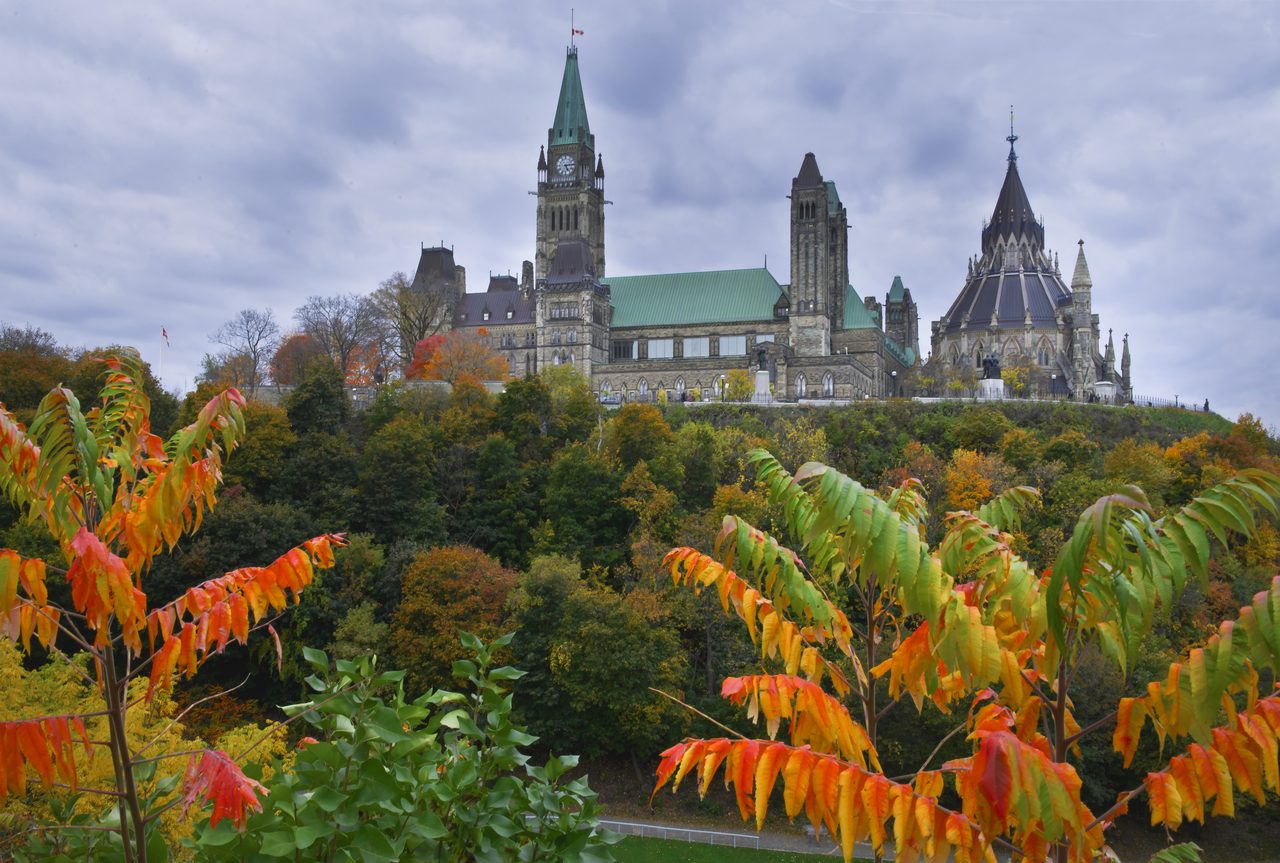
Ottawa is a genuinely great car-free city now, and I say that as someone who remembers when it wasn’t. The O-Train’s Confederation Line (Line 1) links the ByWard Market, Parliament Hill, and the university area to the western suburbs, so the whole tourist core is a few light-rail stops wide. Parliament Hill, the National Gallery, the Rideau Canal locks, the markets — all walkable once the train drops you downtown.
Getting there is the easy part: VIA Rail runs Toronto–Ottawa direct in about 4.5 hours on the Venture trains (Escape fares from ~$44 when you book early — I checked, and then I checked again, because train prices are a moving target). Plan your day around it with our 1-day Ottawa itinerary.
Kingston: the walkable waterfront
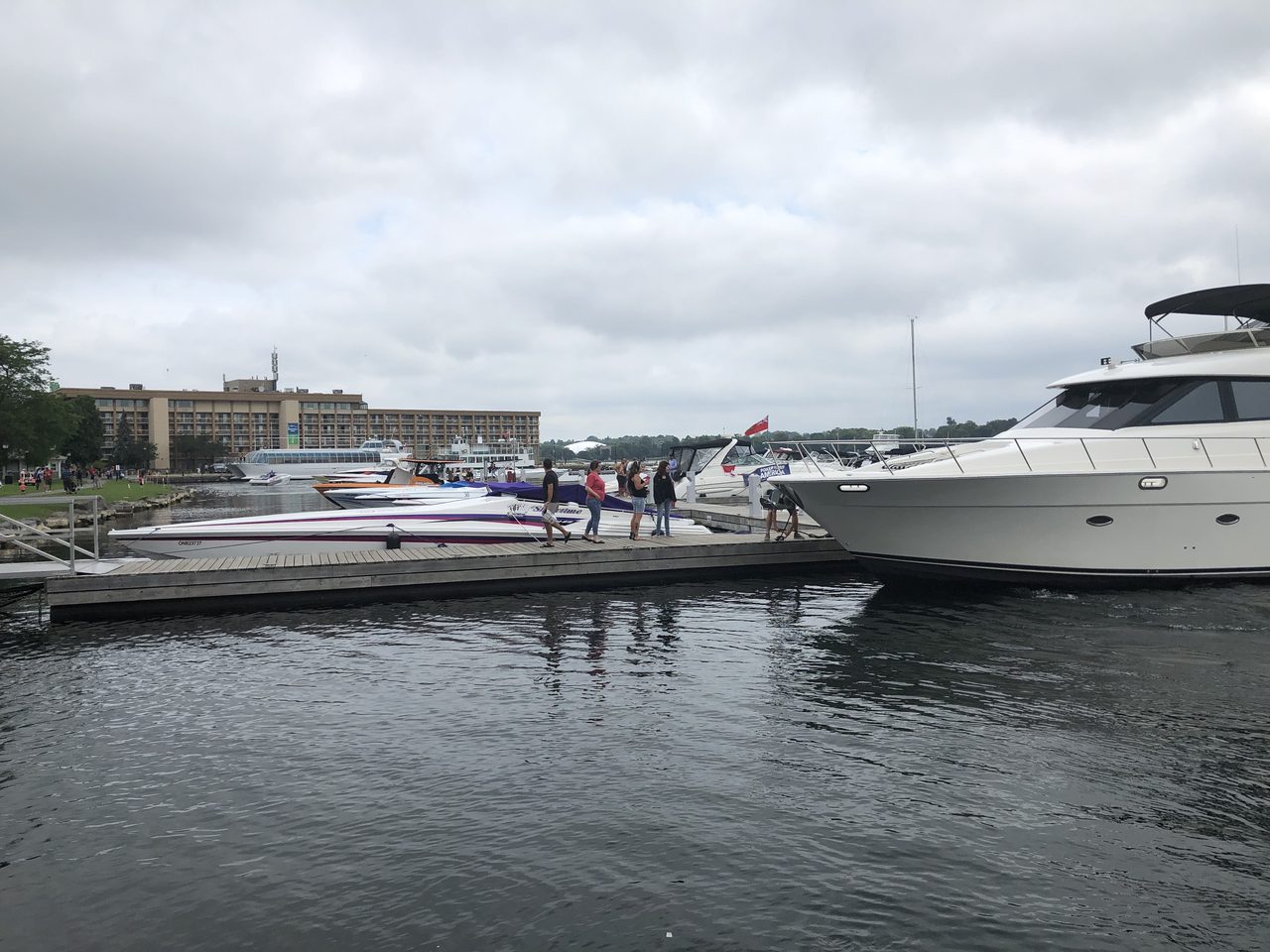
Kingston might be my favourite car-free city in Ontario, full stop. The downtown core is a compact grid of limestone buildings around Confederation Basin — you can walk from breakfast to the waterfront to Fort Henry’s doorstep without checking a schedule once. Kingston Transit’s express routes connect the VIA Rail station to the downtown waterfront, and the free Wolfe Island ferry leaves from the Barrack Street dock downtown (a 20-minute crossing, and honestly worth it just for the skyline view on the way back).
Do not skip the Thousand Islands boat cruises from the downtown harbour — I timed it and the ticket dock is a five-minute walk from the best patio lunch in town. Ask me for the name later. See our 1-day Kingston itinerary for the full walk.
Niagara Falls: the GO + WEGO combo
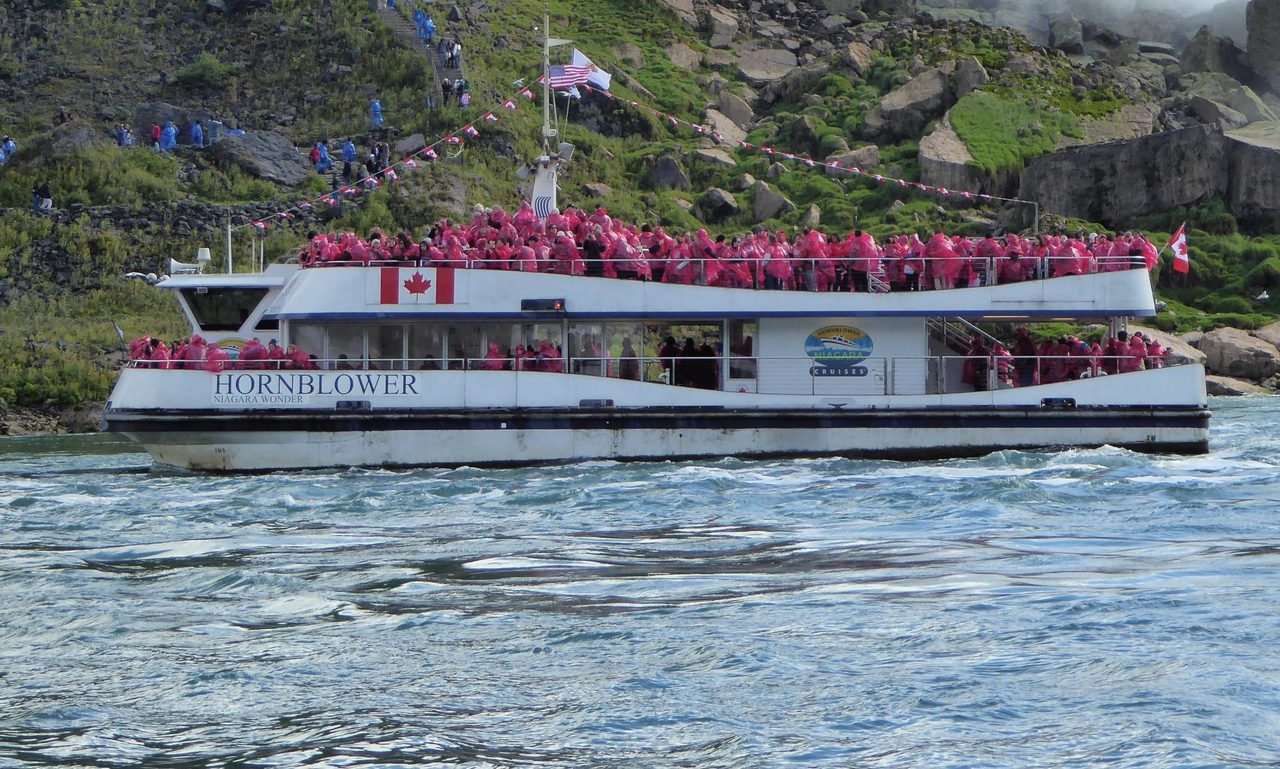
This is the day trip that converts the skeptics. GO Transit runs year-round daily train service from Toronto’s Union Station to Niagara Falls (about 2 hours), and the combo ticket is the move: the 1-day GO+WEGO package is $22 on weekends and $34 on weekdays, covering your round-trip train plus 24 hours of unlimited WEGO bus service at the falls. I checked the current packages on the official Niagara Falls tourism site before writing this — there’s also a 2-day version ($35 weekend / $40 weekday) if you’re staying over.
Here’s my confession: the first time I did this, I bought the $10 Weekend Day Pass and felt very clever — until I got off at Niagara Falls station and realized the actual waterfall is about 2 km south of the station. That pass doesn’t include WEGO. So do not skip the combo unless you genuinely want the walk (it’s… a fine walk, but you’ll arrive sweaty). The WEGO drops you at Table Rock Centre, Clifton Hill, and the incline railway. Full plan here: our 1-day Niagara Falls itinerary and the Niagara Falls travel guide.
→ Niagara Falls Tourism — GO train packages & WEGO info
Hamilton: the City of Waterfalls, by bus
Hamilton is the sleeper pick on this list. GO trains run from Union Station to Hamilton (West Harbour and the new Confederation GO station), and the city is genuinely built for car-free waterfall hunting: it’s called the City of Waterfalls for a reason, with over 100 cascades along the Niagara Escarpment. HSR buses connect downtown to the escarpment trailheads — I hiked to Tews Falls in the morning and was back on James Street North for a craft beer by mid-afternoon. Game-changer of a day, and the whole thing cost me a GO fare plus pocket change for the bus.
Charming walkable towns, straight off the train
Beyond the cities, Ontario’s small towns are where car-free travel really shines — because the VIA or GO station basically is the front door.
Stratford and St. Marys
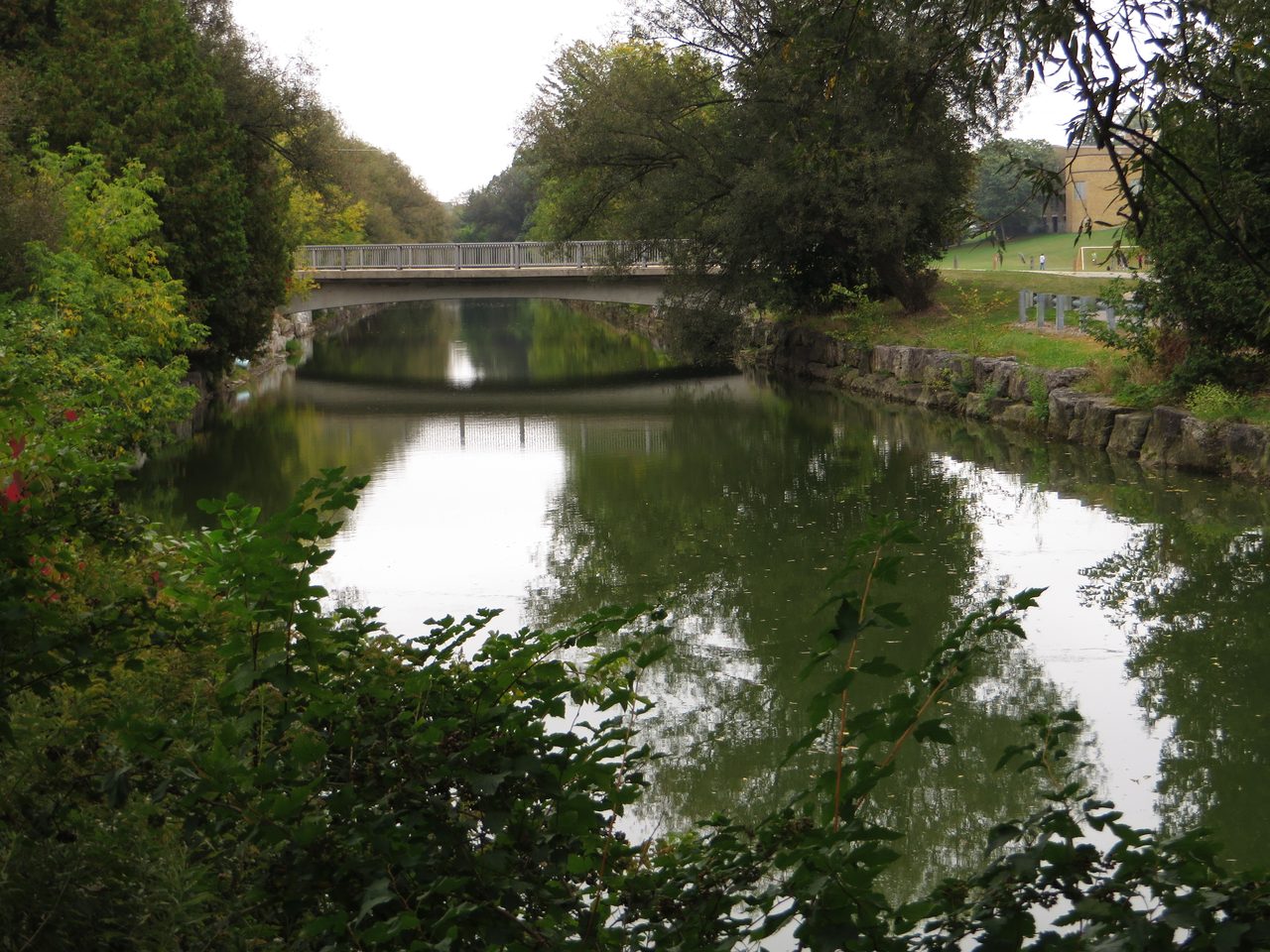
Stratford is the perfect rail weekend: the VIA station sits at 101 Shakespeare Street, one block east of Downie (I confirmed the address on VIA Rail’s own station page), and downtown — the Avon River, the independent bookshops, the Stratford Festival Theatre — is about a 15-minute walk away. Fair warning: budget the full 15 minutes, and stop for the riverside swans on the way. Nearby St. Marys (“the Stone Town”) is a short hop away for the Canadian Baseball Hall of Fame and the famous quarry swimming hole in summer.
→ VIA Rail — Stratford station info
Cobourg and Port Hope
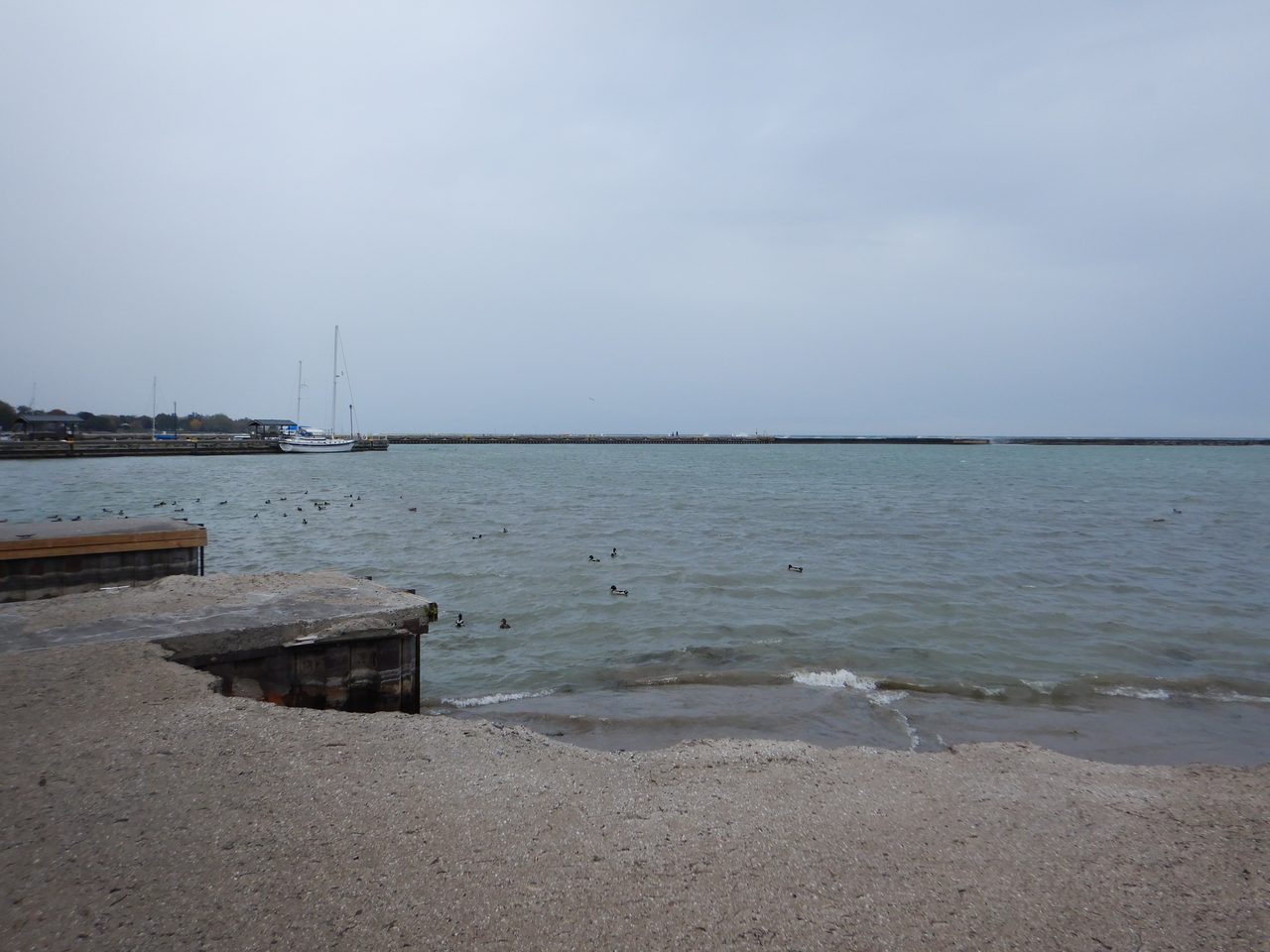
If you want a beach day without a car, Cobourg is the answer. Victoria Park and the big sandy beach are roughly a 10-minute walk from the VIA Rail platform — I timed it, because of course I did. Half of the GTA seems to do the morning-train-out, evening-train-back beach run in July, so book VIA seats ahead on summer weekends. Port Hope, one stop east, is all 19th-century main-street charm: antique shops and the Ganaraska River running right through town.
Guelph: limestone and lagers
Guelph’s central GO/VIA station drops you in the middle of a gorgeous limestone downtown, and the craft brewery scene is concentrated enough to do entirely on foot. The University of Guelph Arboretum is a short local-bus ride away for miles of walking trails. For more small-town inspiration, see our small towns in Ontario worth visiting.
Nature without the drive: Algonquin via Parkbus

This is the one people don’t believe until they do it. Parkbus runs day coaches from downtown Toronto straight into Algonquin Provincial Park — the classic day trip leaves 34 Asquith Avenue (just north of Yonge & Bloor subway station) at 7:30 AM and has you back by 8:30 PM, with park admission included in the fare. Adult tickets run ~$85 (student ~$81), and the bus stops along the Highway 60 corridor — Canoe Lake and the Portage Store, Lake of Two Rivers, Oxtongue Lake — where you can rent a canoe or bike (15% off when you book through Parkbus) and paddle or ride the Old Rail Trail for the afternoon.
I’ll be honest: my first Parkbus trip, I brought a rolling suitcase like I was checking into a hotel. Everyone else had daypacks. Learn from my shame — backpack only, snacks for the ride, and book early, because the fall-colour coaches genuinely sell out. (I checked the Algonquin page on Parkbus’s site while writing this, and the October colour-run coaches were gone. Gone.)
→ Parkbus — Algonquin Park day trips & tickets
Killarney: the white quartzite, no car required

Killarney is the splurge — and worth every penny. Parkbus runs coaches from downtown Toronto (8:30 AM) with a second pickup at the Major Mackenzie Park & Ride in Vaughan (9:30 AM), dropping you at George Lake Campground and Killarney Mountain Lodge. Adult fare is ~$200 round trip, admission included. From the campground you can walk the Cranberry Bog and Granite Ridge trails or start the famous La Cloche Silhouette loop — the white quartzite ridges are the single most distinctive landscape in Ontario, and photos genuinely don’t do the colour justice. This one runs weekly in season, so check the current schedule and book well ahead.
→ Parkbus — Killarney Provincial Park trips & tickets
The Bruce Peninsula and Rouge Park
Two more wilderness options, one near and one far. Rouge National Urban Park is the easy win: it’s reachable by TTC and GO Transit (the Rouge Hill GO station is the best trail access point), so you can go from downtown Toronto to Carolinian forest in under an hour. I do this one on random Saturdays when I need trees but not logistics.
The Bruce Peninsula is the bigger commitment — the Grotto at Tobermory is a long way from Toronto by public transit. Your best bet is Parkbus’s seasonal programming: in early October 2026 they ran a dedicated coach from downtown Toronto (9:00 AM) to the Peninsula Hiking Festival, and Bruce Peninsula routes appear on their schedule in season. Check the current Parkbus schedule before you plan around it — these routes change year to year.
How much does car-free Ontario cost?
Sample costs per adult (checked October 2026; items marked ~ are estimates — confirm before you travel):
| Item | Cost (CAD) |
|---|---|
| GO Transit Weekend Day Pass (unlimited, Sat/Sun/holiday) | $10 |
| GO + WEGO 1-day combo to Niagara Falls | $22 (weekend) / $34 (weekday) |
| VIA Rail Escape fare, Toronto–Ottawa or Toronto–Kingston | ~$44–70 |
| Parkbus day trip to Algonquin (adult, admission included) | ~$85 |
| Parkbus round trip to Killarney (adult, admission included) | ~$200 |
| TTC day pass (Toronto local transit) | $13.50 |
| Sample 3-day car-free trip: Toronto base + Niagara day + Algonquin day | ~$120–150 in transport |
Compare that to a 3-day car rental (~$200+) plus gas (~$80–120) plus downtown Toronto parking (~$25–40/day), and the train-and-bus version wins on money and on stress. The savings are real — I ran the numbers twice because I didn’t believe the first total.
Planning tips from a reformed over-planner
- Stay near the station. Location is everything without a car: book within a kilometre of the VIA/GO station, and check whether your hotel offers a local shuttle or free bike rentals — lots of inns in Stratford and the small towns do.
- Pack a backpack, not a suitcase. Station stairs, gravel paths, and the Parkbus luggage rack all punish wheels. A good travel backpack is the game-changer here.
- Book VIA and Parkbus early. Escape fares sell out, fall-colour coaches sell out, and summer-weekend trains to Cobourg’s beach sell out. Tuesday releases and shoulder-season dates are your friends.
- Winter: check service alerts. Trains mostly run fine in snow, but winter storms can scramble bus schedules — check Metrolinx and VIA service alerts the morning you travel. And if you’re heading north in January, read our Canada in winter notes first.
- Want the full playbook? See our how to get around Canada without a car guide and best weekend trips from Toronto for more car-free itineraries.
FAQs about visiting Ontario without a car
Can you visit Ontario without a car?
Yes — and in 2026 it’s easier than ever. Toronto, Ottawa, Kingston, Niagara Falls, and Hamilton all have frequent transit that covers the main sights; VIA Rail and GO Transit connect the small towns (Stratford, Cobourg, Port Hope, Guelph); and Parkbus runs scheduled coaches from Toronto into Algonquin and Killarney provincial parks. You lose some spontaneity, but you gain nap time on the train.
How do I get to Niagara Falls from Toronto without a car?
Take the GO train from Union Station — it runs year-round, daily, and takes about 2 hours. Buy the 1-day GO+WEGO combo ($22 on weekends, $34 on weekdays) for the round-trip train plus 24 hours of unlimited WEGO bus service at the falls, which covers the ~2 km gap between Niagara Falls station and the waterfall itself. See our 1-day Niagara Falls itinerary for the full plan.
Can I get to Algonquin Park without a car?
Yes, via Parkbus. Their classic day trip leaves downtown Toronto (34 Asquith Ave) at 7:30 AM and returns by 8:30 PM, with park admission included — adult tickets run ~$85. The bus stops along the Highway 60 corridor (Canoe Lake/The Portage Store, Lake of Two Rivers, Oxtongue Lake), where you can rent canoes or bikes at a discount. Book early: summer and fall-colour dates sell out. Check current schedules at the official Parkbus Algonquin page.
What is the cheapest way to travel around Ontario without a car?
GO Transit’s $10 Weekend Day Pass is the cheapest single tool: unlimited GO train and bus travel for one Saturday, Sunday, or holiday. Pair it with VIA Rail Escape fares (from ~$44 on corridor routes, booked online) for longer hops, and walkable downtowns do the rest for free. Kids 12 and under ride GO free.
Is Kingston walkable without a car?
Very. Downtown Kingston is a compact limestone grid around Confederation Basin — the waterfront, shops, restaurants, and the free Wolfe Island ferry dock are all within easy walking distance of each other. Kingston Transit express routes link the VIA Rail station to downtown, so you can arrive by train and never think about transport again.
When is the best time for a car-free Ontario trip?
Late spring through early fall (May–October) is ideal: full Parkbus schedules, patios open, and the Wolfe Island ferry running. September–October adds fall colours (book Parkbus early). Winter trips work too — trains run in snow — but check Metrolinx and VIA service alerts during storms, since bus connections are the first thing to wobble.
Keep exploring
- 1 Day in Niagara Falls Itinerary: 2026 Guide
- The Ultimate 3 Days in Toronto Itinerary: 2026 Guide
- 1 Day in Kingston Itinerary: 2026 Guide
- Small Towns in Ontario Worth Visiting
- How to Get Around Canada Without a Car