
The Ultimate Travel Guide to Alberta: 2026 Edition
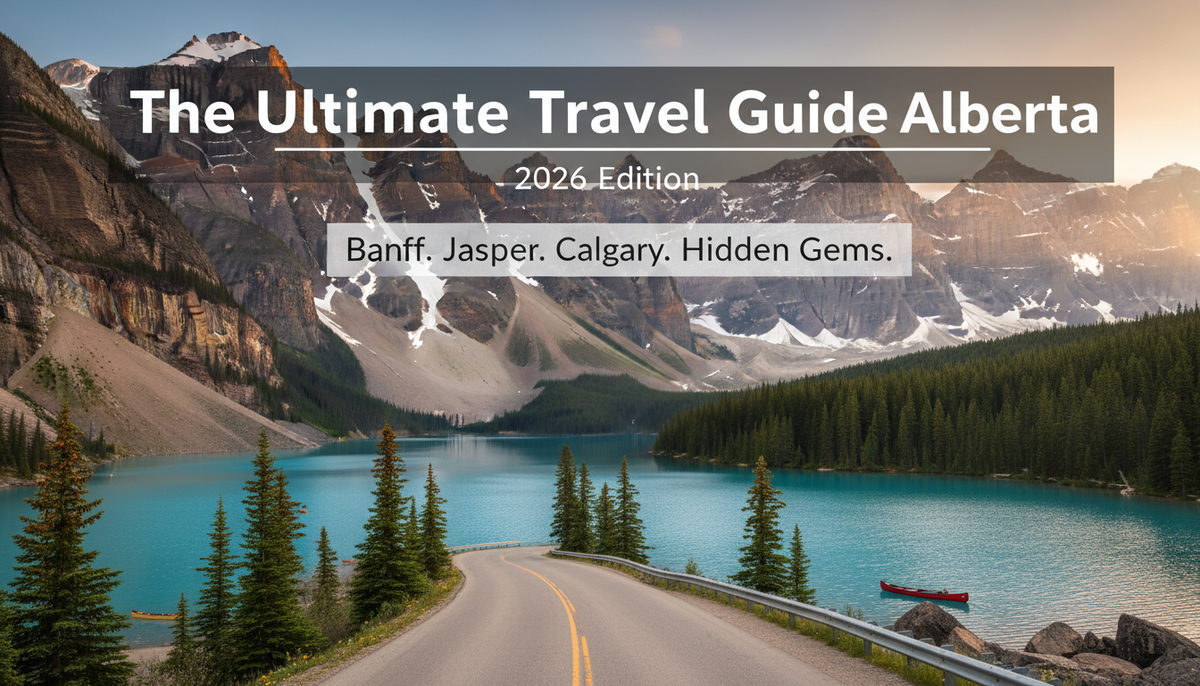
Have you ever dreamed of standing beside a turquoise lake so bright it looks painted, or watching the Northern Lights dance over jagged mountain peaks? With over 660,000 square kilometers of mountains, prairies, and badlands, planning a trip to Alberta can feel overwhelming for first-time visitors. This 2026 travel guide to Alberta simplifies your planning, offering a complete breakdown of the best parks, cities, and road trips to ensure you don’t miss a single highlight.
1. Planning Your Trip: The Basics of This Travel Guide to Alberta
Alberta is a massive province that offers three distinct geographical landscapes. Specifically, you will find the towering Rocky Mountains to the west and the mysterious Badlands to the southeast. Meanwhile, the northern half of the province is covered by the lush Boreal Forest. Understanding these zones helps you decide where to focus your limited vacation time.
2026 Travel Requirements and Permits
Before you pack your bags, you must check the latest entry requirements for 2026. Most international visitors still require an Electronic Travel Authorization (eTA) or a valid visa to enter Canada. Furthermore, if you plan to visit any national parks, you will need a Parks Canada Discovery Pass. You can purchase these online or at park gates to avoid long queues during peak hours.
Notably, Alberta has introduced stricter regional permits for high-traffic areas this year. For instance, some popular hiking trails now require advanced reservations to protect the delicate ecosystem. Therefore, always verify the specific trail requirements on the official Parks Canada website before heading out. This preparation ensures you won’t be turned away at the trailhead.
Best Time to Visit: Summer vs. Winter
The best time to visit depends entirely on your personal interests and tolerance for the cold. July and August are the peak summer months, offering the best hiking weather and fully thawed alpine lakes. However, this is also the busiest and most expensive time to visit. You should book your accommodation at least six to nine months in advance for these months.
On the other hand, the winter season from December to March is a paradise for skiers and snowboarders. Specifically, the dry “champagne powder” in the Rockies is world-famous for its light, fluffy texture. Additionally, winter visitors can enjoy ice skating on Lake Louise or chasing the Aurora Borealis. Just remember that temperatures can drop below -20°C, so high-quality thermal layers are essential.
Budgeting and Sustainability in 2026
Budgeting for 2026 requires a bit of foresight as prices for fuel and luxury lodging have risen. On average, a mid-range traveler should expect to spend between $250 and $400 CAD per day. This estimate includes a rental car, comfortable hotels, and a mix of restaurant meals and groceries. Fortunately, many of Alberta’s best attractions, like mountain viewpoints and hiking trails, are free once you have your park pass.
Sustainable travel has become a major focus for Alberta in 2026. As a result, the province has expanded its shuttle systems significantly to reduce traffic congestion in the parks. For example, the Roam Public Transit and Parks Canada shuttles are now the easiest way to reach iconic spots. By using these services, you help reduce your carbon footprint and avoid the stress of finding parking in crowded lots.
2. The Crown Jewels: Banff and Jasper National Park Itineraries
Banff and Jasper are the heart of any travel guide to Alberta. These parks offer some of the most dramatic scenery on the planet. While they share the same mountain range, each park has a very different personality. Banff is known for its vibrant townsite and accessible beauty, while Jasper offers a more rugged and wild experience for nature lovers.
Perfecting Your Banff Itinerary
A 3-day Banff itinerary should focus on the absolute essentials near the townsite. On your first day, explore the Banff Gondola and soak in the Upper Hot Springs. For your second day, head to the world-famous Lake Louise and Moraine Lake. Notably, personal vehicles are no longer allowed at Moraine Lake, so you must book a shuttle seat well in advance.
If you have five days, you can dive deeper into the surrounding wilderness. Specifically, spend your fourth day hiking the Johnston Canyon ice walks or visiting Lake Minnewanka. On your final day, explore the local boutiques and art galleries on Banff Avenue. This allows you to experience the perfect blend of outdoor adventure and mountain town culture.
Exploring Jasper National Park
Jasper is the largest national park in the Canadian Rockies and feels much more secluded than Banff. Start your visit at Maligne Canyon, where you can walk across deep limestone gorges. Afterward, take a boat cruise on Maligne Lake to see Spirit Island, one of the most photographed spots in Canada. The scale of the landscape here is truly humbling and offers a sense of peace.
Furthermore, Jasper is a designated Dark Sky Preserve, making it one of the best places on Earth for stargazing. In 2026, the park offers several guided night-sky tours that explain the constellations and Indigenous star stories. If you visit in October, you can even attend the Jasper Dark Sky Festival. This event features keynote speakers, telescope viewings, and celestial-themed dinners.
Is Banff Worth Visiting?
Many travelers ask, is Banff worth visiting despite the crowds? The answer is a resounding yes, provided you plan correctly. While the town can feel busy, the sheer beauty of the surrounding peaks is undeniable. However, if you prefer solitude, you might find Jasper more to your liking. Jasper offers a “wilder” feel with fewer tourists and more opportunities for quiet reflection in nature.
The Iconic Icefields Parkway Road Trip
The drive between Banff and Jasper is known as the Icefields Parkway, and it is consistently ranked as one of the best road trips in Alberta. This 232-kilometer stretch of highway is lined with over 100 ancient glaciers and cascading waterfalls. Specifically, make sure to stop at Bow Lake to see the reflection of the Crowfoot Glacier in the still water. It is a sight you will never forget.
Another essential stop is the Columbia Icefield Skywalk, a glass-floored platform hanging 280 meters above the Sunwapta Valley. For a more immersive experience, you can take a guided tour onto the Athabasca Glacier itself. These tours use massive “Ice Explorer” vehicles designed to navigate the frozen terrain safely. Always keep your camera ready, as this route is a prime spot for spotting mountain goats.
Wildlife Safety and Ethics
Wildlife viewing is a highlight of any trip, but it requires strict adherence to safety rules. Alberta is home to grizzly bears, black bears, elk, and moose. Specifically, you must maintain a distance of at least 100 meters from bears and 30 meters from other large animals. Never feed the wildlife, as this causes them to become habituated to humans, which often leads to tragic outcomes.
In 2026, park rangers are strictly enforcing these distance rules to protect both visitors and animals. Use binoculars or a telephoto lens to get a “close-up” view without putting yourself in danger. Additionally, always carry bear spray when hiking and know how to use it. Most local shops in Banff and Jasper offer rentals and quick training sessions for visitors.
3. Urban Exploration: Calgary and Edmonton City Guides
While the mountains get most of the glory, Alberta’s cities are vibrant hubs of culture and innovation. Calgary and Edmonton offer a sophisticated contrast to the rugged wilderness of the national parks. In 2026, both cities have expanded their transit systems and public spaces, making them more accessible than ever for international tourists.
Your Essential Calgary Itinerary
A well-planned Calgary itinerary should begin in the heart of the downtown core. Start at the Calgary Tower for a 360-degree view of the city and the distant Rocky Mountains. Afterward, walk over to the Central Library, an architectural masterpiece that has won numerous international awards. The building’s wooden interior and light-filled spaces make it a perfect spot for a quiet afternoon break.
If you are looking for more things to do in Calgary, head to the East Village. This revitalized neighborhood is home to trendy cafes, the National Music Centre, and beautiful riverfront paths. Specifically, Prince’s Island Park is a must-visit for a relaxing stroll or a picnic by the Bow River. In 2026, the park hosts several outdoor art installations that celebrate the city’s diverse heritage.
The 2026 Calgary Stampede
The best time to visit Calgary is undoubtedly during the first two weeks of July for the Calgary Stampede. Known as “The Greatest Outdoor Show on Earth,” this event transforms the city into a massive celebration of western culture. You can witness world-class rodeo events, enjoy free pancake breakfasts, and watch spectacular nightly fireworks. However, be sure to book your hotel at least a year in advance for this period.
Edmonton’s Cultural Highlights
Edmonton, the provincial capital, is famous for its massive river valley park system and vibrant festival scene. No visit is complete without a trip to West Edmonton Mall, which remains one of the largest shopping and entertainment complexes in the world. Beyond shopping, you can enjoy an indoor waterpark, an ice rink, and even an underground aquarium. It is a great destination for families traveling with children.
For a more tranquil experience, visit the Muttart Conservatory with its iconic glass pyramids. Each pyramid houses a different climate, from arid deserts to lush tropical forests. Furthermore, if you visit in August, the Edmonton Fringe Festival is a world-class event you cannot miss. It is the largest fringe theater festival in North America, featuring hundreds of indoor and outdoor performances.
Getting Around the Cities in 2026
Navigating Alberta’s urban centers has become much easier thanks to recent infrastructure projects. In Calgary, the CTrain light rail system is free to use within the downtown “Free Fare Zone.” This makes it incredibly convenient to hop between major attractions without worrying about parking fees. Additionally, the city has expanded its dedicated bike lane network for those who prefer two-wheeled exploration.
Meanwhile, Edmonton has recently completed a major expansion of its LRT (Light Rail Transit) system. This new line connects the downtown core directly to the southern and western suburbs, including the mall area. Both cities also offer extensive ride-sharing options and electric scooter rentals. These modern transport links ensure that you can maximize your time exploring rather than sitting in traffic.
4. Beyond the Mountains: Alberta Hidden Gems 2026
While Banff is famous, some of the best experiences in Alberta lie off the beaten path. If you want to escape the crowds, head east to the Badlands or south to the prairie-mountain border. These regions offer unique landscapes that look like they belong on another planet. In 2026, these “hidden gems” are becoming increasingly popular for travelers seeking authentic experiences.
Drumheller and the Royal Tyrrell Museum
A tour of the Drumheller Badlands feels like stepping back millions of years into the prehistoric era. The landscape is defined by “hoodoos,” which are tall, thin rock spires topped with a harder stone cap. Specifically, the Royal Tyrrell Museum is a world-renowned facility dedicated to paleontology. It houses one of the world’s largest displays of full dinosaur skeletons, many of which were found right in Alberta.
Beyond the museum, you can hike through the Horsethief Canyon for stunning views of the layered rock formations. The contrast between the red earth and the blue sky is a photographer’s dream. Additionally, the nearby Atlas Coal Mine National Historic Site offers a fascinating look at the region’s industrial past. You can even take an underground tour to see how miners worked in the early 20th century.
Waterton Lakes National Park
Located in the far southwest corner of the province, Waterton Lakes is where the prairies meet the mountains abruptly. This park is much smaller and quieter than Banff, but its beauty is just as intense. The iconic Prince of Wales Hotel sits on a bluff overlooking the lake, offering one of the most scenic views in Canada. It is the perfect spot for a traditional afternoon tea while watching the wind whip across the water.
Moreover, Waterton is part of the International Peace Park, sharing a border with Glacier National Park in Montana. Hikers will love the Crypt Lake Trail, which involves a boat ride, a ladder climb, and a tunnel through a mountain. However, due to its southern location, the park can be quite windy. Therefore, always check the local weather forecast and pack a sturdy windbreaker for your outdoor adventures.
Indigenous Tourism and Cultural Storytelling
In 2026, Alberta has seen a beautiful growth in Indigenous-led tourism experiences. Writing-on-Stone / Áísínai’pi is a UNESCO World Heritage site that holds deep spiritual significance for the Blackfoot people. Here, you can take a guided tour to see ancient rock carvings and paintings that date back thousands of years. These stories provide a vital perspective on the land’s history that you won’t find in textbooks.
Furthermore, many Indigenous operators now offer “glamping” experiences and traditional craft workshops. These programs allow you to learn about medicinal plants, traditional drumming, and the importance of the buffalo to the plains people. Engaging with these experiences ensures that your travel dollars support local communities. It also enriches your journey with a deeper understanding of Alberta’s first inhabitants.
Elk Island and Canmore
Just a short drive from Edmonton, Elk Island National Park is a sanctuary for both wood and plains bison. It is a “fenced” park, which makes it one of the most reliable places to see these massive creatures safely. Additionally, the park is a fantastic spot for stargazing and birdwatching. Because it is away from city lights, the night sky here is exceptionally clear and vibrant.
For those who love the mountain vibe but hate the Banff crowds, Canmore is the perfect alternative. Located just outside the national park gates, Canmore offers world-class hiking and a thriving craft brewery scene. Specifically, the hike to Grassi Lakes provides stunning emerald waters with much less effort than high-alpine treks. It is a favorite spot for locals to spend a sunny Saturday afternoon.
5. Seasonal Adventures: Alberta Winter Activities and Summer Festivals
Alberta is truly a year-round destination, but your experience will change drastically with the seasons. Whether you are seeking high-adrenaline thrills or cultural enrichment, there is always something happening. In 2026, the province has introduced several new seasonal events that cater to both families and solo adventurers. Planning your trip around these highlights can make your vacation even more memorable.
Winter Magic in the Rockies
Winter in Alberta is not just about surviving the cold; it is about embracing it. The ski resorts at Lake Louise, Sunshine Village, and Mt. Norquay offer world-class terrain for all skill levels. Specifically, the “Big 3” resorts are known for their long seasons, often lasting from November until late May. If you aren’t a skier, you can try snowshoeing through silent, snow-covered forests or dog sledding.
Ice skating on a frozen mountain lake is another “bucket list” item for many visitors. Lake Louise clears a large section of ice every winter and even builds an ice castle for skaters to explore. Furthermore, the Abraham Lake “ice bubbles” have become a viral sensation. These frozen methane bubbles trapped under the clear ice create a surreal, geometric pattern that is unique to this region.
Chasing the Northern Lights
2026 is an excellent year for viewing the Aurora Borealis, as we are currently in a period of high solar activity. While you can sometimes see the lights from the cities, the best views are in the dark sky preserves. Specifically, Jasper and Elk Island offer the lowest light pollution for optimal viewing. You should download an aurora tracking app to get real-time alerts on solar flares and visibility chances.
Notably, the best time for aurora viewing is during the dark winter months from October to March. However, you must be prepared to stay up late, as the best shows often happen between midnight and 3:00 AM. Dress in layers and bring a thermos of hot cocoa to stay warm while you wait. When the green and purple ribbons start to dance, you will realize the cold was worth it.
Summer Thrills and Festivals
When the snow melts, Alberta transforms into an outdoor playground for summer enthusiasts. Whitewater rafting on the Kananaskis or Bow River provides an exhilarating way to see the landscape from the water. Additionally, mountain biking has exploded in popularity, with world-class trail networks in Canmore and Hinton. These trails range from gentle forest paths to technical downhill descents for experts.
Summer is also the season of festivals across the province. Beyond the Stampede and the Fringe, you can enjoy the Edmonton Folk Music Festival or the Banff Centre Mountain Film Festival. These events bring together artists and adventurers from around the globe. Most importantly, they create a sense of community and celebration that is infectious for visitors and locals alike.
The Value of Shoulder Season
If you are looking for the best value, consider visiting during the “shoulder seasons” of May, June, or September. During these months, hotel prices are significantly lower, and the popular trails are much quieter. Specifically, September is a magical time as the larch trees turn a brilliant gold color. This “Larch March” attracts hikers who want to see the mountainsides glowing in the autumn sun.
However, you must be prepared for unpredictable weather during these transitional months. It is not uncommon to see a snowstorm in late May or a heatwave in early September. Therefore, the golden rule of Alberta travel is to pack layers. A waterproof outer shell, a warm mid-layer, and moisture-wicking base layers will keep you comfortable regardless of what the sky does.
6. Logistics and Transportation: Navigating Alberta in 2026
Getting around a province as large as Alberta requires some strategic thinking. While having your own wheels offers the most freedom, it is no longer the only way to see the sights. In 2026, new transportation options have made it possible to explore the Rockies without the stress of driving. Choosing the right mode of transport depends on your budget, group size, and comfort level with mountain roads.
Car Rentals vs. RV Travel
For most travelers, a car rental is the most practical option for a Canadian Rockies road trip. It allows you to stop at every scenic lookout and change your plans on a whim. However, you should book your vehicle as early as possible, especially if you require an SUV or an automatic transmission. In 2026, electric vehicle (EV) charging stations are now common along major routes like the Trans-Canada Highway.
Alternatively, renting an RV (Recreational Vehicle) is a popular way to combine your transport and accommodation. This is a fantastic option for families who want to cook their own meals and wake up in the heart of nature. Just be aware that campsites in national parks fill up months in advance. Therefore, you must use the Parks Canada reservation system the moment it opens in early spring.
Navigating Without a Car
If you prefer not to drive, you can still see the best of Alberta using public and private transit. The “On-It” regional transit service offers affordable bus rides from Calgary to Banff and Canmore during the summer. Once you are in the mountains, the Roam Transit system connects all the major trailheads and attractions. This is often faster than driving because shuttles have dedicated lanes and priority parking.
For a more luxurious experience, the Brewster Express provides coach service between Calgary, Banff, Lake Louise, and Jasper. These buses feature large windows and professional drivers who share stories about the region’s history. This is a great way to enjoy the scenery of the Icefields Parkway without having to keep your eyes on the road. It also eliminates the stress of navigating unfamiliar mountain passes.
The 2026 Shuttle System
As mentioned earlier, the shuttle system is now mandatory for reaching some of the most famous lakes. Specifically, you cannot drive your own car to Moraine Lake at any time of day. You must book a seat on the Parks Canada shuttle or use a private tour operator. These tickets are released in waves, so you should mark the release dates on your calendar to ensure you get a spot.
Furthermore, Lake Louise parking fills up by 6:00 AM during the summer months. Using the shuttle from the “Park and Ride” lot near the village is much more reliable. In 2026, the reservation system has been streamlined to allow for last-minute bookings if there are cancellations. However, relying on luck is risky, so always try to secure your seats at least two days in advance.
Driving Tips and Airport Hubs
Driving in Alberta is generally straightforward, but the mountains present unique challenges. Specifically, winter driving requires winter-rated tires (look for the mountain snowflake symbol) and extra caution on icy patches. If you are driving the Icefields Parkway in winter, be aware that there is no cell service for most of the route. Always tell someone your itinerary and carry an emergency kit with blankets and food.
When flying into the province, you will likely choose between Calgary International (YYC) and Edmonton International (YEG). Calgary is closer to Banff and the southern Badlands, making it the most popular choice for mountain-bound travelers. Edmonton is the better gateway if you are heading north to Jasper or Elk Island. Both airports offer excellent car rental facilities and shuttle connections to the downtown cores.
Alberta offers a world-class mix of adventure, culture, and natural beauty. From the peaks of Banff to the prehistoric fossils of Drumheller, 2026 is the perfect year to explore this Canadian gem. Whether you are hiking through alpine meadows or exploring vibrant city streets, the landscapes here will leave a lasting impression on your soul. Start booking your 2026 Alberta adventure today by checking out our recommended packing list and park pass guide!
Leave a comment