
The Ultimate Quebec Road Trip Itinerary for 2026
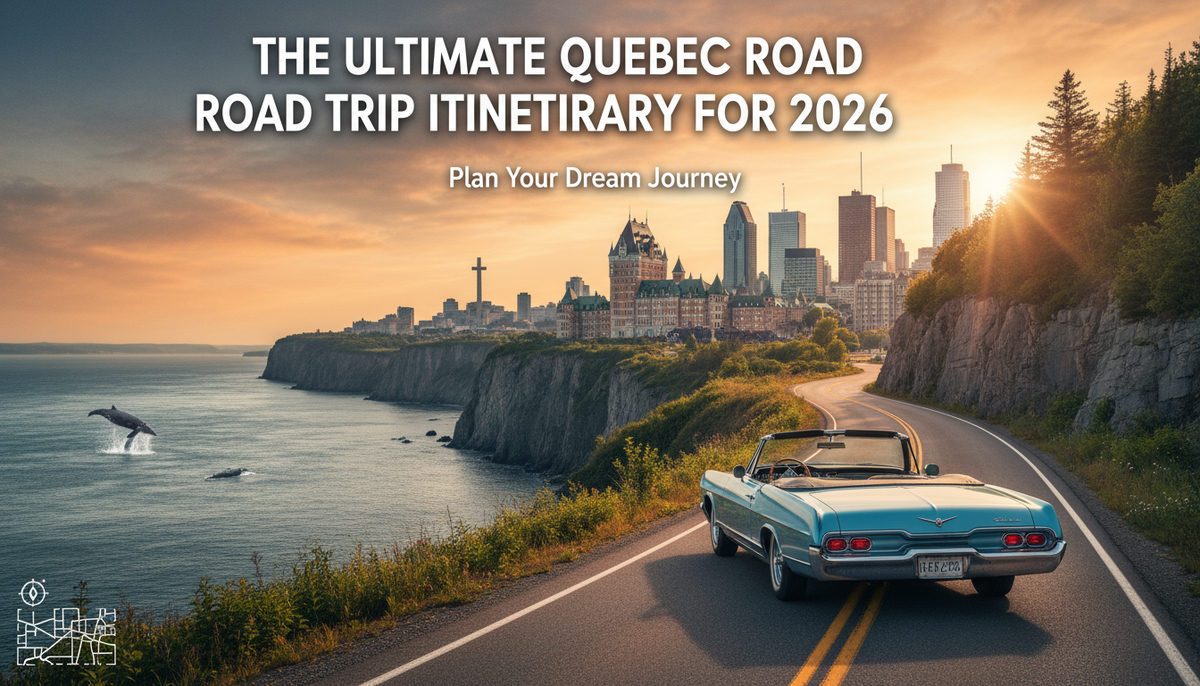
Imagine driving along the rugged cliffs of the St. Lawrence River, where the salt air of the Atlantic meets the historic charm of old-world Europe. With a province as vast as Quebec, travelers often struggle to balance urban exploration in Montreal with the remote beauty of the Gaspé Peninsula without feeling rushed. This comprehensive guide provides a step-by-step quebec road trip itinerary for 2026, covering logistics, hidden gems, and the best scenic routes for a 7 to 14-day adventure.
1. Planning Your Quebec Road Trip Itinerary: Logistics and Timing
Timing is everything when planning a journey through Canada’s largest province. Specifically, the weather and local events will dictate your entire experience on the road. For instance, the summer months offer warm temperatures and vibrant street life in the cities. Conversely, the autumn season transforms the landscape into a sea of red and gold foliage.
Best Time to Visit Quebec 2026
The best time to visit Quebec in 2026 depends largely on your personal interests. If you enjoy outdoor concerts and lively patios, July and August are peak months for summer festivals. However, these months also bring the largest crowds and highest accommodation prices. Travelers seeking a quieter experience should consider September or early October for the stunning fall colors.
Moreover, winter enthusiasts might prefer visiting in February to experience the world-famous Winter Carnival. While the driving conditions are more challenging, the snowy landscapes are truly magical. In fact, many travelers now choose the “shoulder seasons” of June or September to avoid the humidity of mid-summer. These months provide the perfect balance of comfortable weather and manageable tourist numbers.
How Many Days Do I Need?
A 7-day itinerary is ideal for those focusing on the “Historic Corridor” between Montreal and Quebec City. This timeframe allows for deep dives into urban culture and short nature excursions. On the other hand, a 14-day trip is necessary if you plan to conquer the entire Gaspésie loop. Specifically, the extra week allows you to explore the Saguenay Fjord and the remote coastal villages of the east.
Furthermore, a two-week journey prevents “driving fatigue,” which is a common issue on long Canadian routes. You can spend two nights in major locations instead of rushing to a new hotel every morning. Consequently, you will have more time for spontaneous stops at roadside cheese shops or hidden hiking trails. Most importantly, a longer trip ensures you aren’t spending more than four hours behind the wheel each day.
Quebec Car Rental and Driving Laws
Navigating the 2026 EV charging network is easier than ever, as Quebec has invested heavily in “Electric Circuit” stations. If you rent an electric vehicle, you will find high-speed chargers even in remote regions like the Côte-Nord. Additionally, remember that winter tire laws are strictly enforced from December 1st to March 15th. Most rental agencies automatically include these, but it is always wise to double-check your booking.
Regarding language, you do not need to be fluent in French to enjoy rural Quebec. While French is the official language, most people in the tourism industry speak English quite well. However, learning a few basic phrases like “Bonjour” and “Merci” goes a long way in building rapport with locals. Notably, road signs are almost exclusively in French, so familiarizing yourself with standard icons is highly recommended.
Finally, ensure you obtain necessary permits if you plan to visit provincial parks managed by Sépaq. These parks often require daily access fees that can be purchased online in advance. International tourists should also verify if their home driver’s license is valid for the duration of their stay. Typically, a standard English or French license is sufficient for up to six months of driving.
2. Starting Strong: A 3-Day Montreal Itinerary
Montreal serves as the perfect gateway for your quebec road trip itinerary. This island city blends North American energy with a distinct European flair that is unique on the continent. In fact, you could spend weeks here and still find new corners to explore. However, three days provides enough time to see the major highlights and taste the local flavors.
Things to Do in Montreal
Start your first day by climbing Mount Royal for a panoramic view of the skyline. This lush park was designed by the same architect who created New York’s Central Park. Afterward, head down to the historic Old Montreal district to walk along cobblestone streets. Specifically, the Notre-Dame Basilica is a must-see for its stunning blue interior and intricate wood carvings.
Meanwhile, the Underground City offers a fascinating look at how locals navigate the city during colder months. This massive network of tunnels connects shopping malls, metro stations, and office buildings over several kilometers. Additionally, the Plateau neighborhood is famous for its colorful houses and outdoor staircases. Walking through these residential streets gives you a genuine feel for Montreal’s artistic soul.
Montreal’s Culinary Scene in 2026
No visit is complete without trying a classic Montreal bagel, which is boiled in honey water before baking. Specifically, St-Viateur and Fairmount are the two most famous spots for this treat. For lunch, seek out a local “casse-croûte” for a plate of authentic poutine. In 2026, Montreal’s Michelin-rated bistros are also gaining international attention for their innovative use of local ingredients.
Furthermore, the city’s food scene reflects its diverse immigrant population. You can find incredible Haitian griot, Vietnamese pho, and Portuguese grilled chicken within a few blocks of each other. Notably, many high-end restaurants now focus on “farm-to-table” concepts, sourcing products directly from Quebec farmers. As a result, the quality of meat and produce in the city is exceptionally high.
Best Time to Visit Montreal for Festivals
The best time to visit montreal for culture is undoubtedly during the summer festival season. The Montreal International Jazz Festival usually takes over the downtown core in late June and early July. Following this, the Just for Laughs comedy festival brings world-class performers to the city’s stages. These events often feature free outdoor shows that create an electric atmosphere in the streets.
Logistically, parking in Montreal can be difficult and expensive for tourists. Therefore, it is best to leave your car in a hotel garage and use the efficient metro system. Most central neighborhoods are highly walkable, allowing you to explore at a slower pace. If you must drive, pay close attention to the complex parking signs, which are often written in French.
3. The King’s Road: Scenic Stops from Montreal to Quebec City
Instead of taking the fast highway, choose the historic Chemin du Roy for your drive toward the capital. This route, also known as the King’s Road, dates back to 1737 and connects many heritage villages. Specifically, it follows the north shore of the St. Lawrence River, offering constant water views. This slower pace allows you to appreciate the rural architecture and traditional farmhouses.
One of the most significant stops is Trois-Rivières, which is the second oldest French city in North America. Here, you can visit the Old Prison or walk along the revitalized waterfront. Additionally, the sanctuary of Notre-Dame-du-Cap is a major pilgrimage site with beautiful stained glass windows. This stop provides a peaceful break from the road and a glimpse into the province’s religious history.
Hidden Gems in the Eastern Townships
If you have extra time, consider a detour south into the Eastern Townships. This region is famous for its rolling hills, vineyards, and picturesque covered bridges. Notably, the Abbey of Saint-Benoît-du-Lac is a stunning monastery where monks produce world-class cheeses and ciders. Visitors can attend Gregorian chants or simply enjoy the serene views of Lake Memphremagog.
Moreover, the wine route in this area features over 20 vineyards that offer tastings and tours. Many of these wineries specialize in ice wine, a sweet dessert wine made from frozen grapes. Furthermore, the local towns like North Hatley and Magog offer charming boutiques and high-end dining. It is the perfect region for travelers who enjoy a mix of luxury and nature.
Nature Breaks and Hiking
For those seeking outdoor adventure, La Mauricie National Park is a perfect midway point. This park features over 150 lakes and dense forests that are ideal for kayaking and hiking. Specifically, the “Les Cascades” trail offers a relatively easy walk with beautiful waterfall views. If you are feeling more ambitious, the trek to the Waber Falls is a full-day commitment involving both paddling and hiking.
As a result of its location, the park is a popular spot for spotting local wildlife like moose and black bears. Therefore, always remember to practice “Leave No Trace” principles and keep a safe distance from animals. Most importantly, the park’s scenic lookouts provide some of the best photo opportunities on the entire trip. After a day of exploring, you can continue your drive to Quebec City feeling refreshed.
4. Exploring the Historic Soul: Your Quebec City Itinerary
Arriving in Quebec City feels like stepping back in time to 17th-century France. As the only fortified city north of Mexico, its stone walls and narrow alleys are steeped in history. Your quebec city itinerary should focus on the Old Town, which is a UNESCO World Heritage site. Most visitors find that two to three days is the perfect amount of time to see the main attractions.
Things to Do in Quebec City
The most iconic landmark is the Château Frontenac, which is said to be the most photographed hotel in the world. You can take a guided tour of the interior or simply walk along the Dufferin Terrace for views of the river. Afterward, take the funicular or the “Breakneck Steps” down to the Petit-Champlain district. This area is filled with artisan boutiques, cozy cafes, and historic stone buildings.
Additionally, walking the city walls provides a unique perspective on the urban layout. The Citadel, a functioning military base, offers daily changing of the guard ceremonies during the summer. Furthermore, the Plains of Abraham is a massive urban park where the famous battle between the French and British took place. Today, it serves as a beautiful green space for picnics, jogging, and outdoor concerts.
Best Time to Visit Quebec City
The best time to visit quebec city depends on whether you prefer heat or snow. Summer brings the Festival d’été de Québec, one of Canada’s largest outdoor music events. However, the city is perhaps most famous for its Winter Carnival in February. During this time, the streets are filled with ice sculptures, parades, and the legendary Bonhomme mascot.
In fact, the city is incredibly romantic during the Christmas season when the lights reflect off the snow. On the other hand, late spring offers blooming gardens and fewer crowds at the major sites. Regardless of when you visit, the hospitality of the locals remains a constant highlight. Specifically, the “Joie de vivre” spirit is evident in the bustling restaurants and lively pub scenes.
Day Trips: Falls and Islands
Just a 15-minute drive from downtown, you will find the impressive Montmorency Falls. Notably, these falls are 30 meters higher than Niagara Falls and offer several viewing platforms. You can take a cable car to the top or walk across the suspension bridge for a thrilling view. For the more adventurous, there is even a zipline that passes directly in front of the rushing water.
Furthermore, a visit to Île d’Orléans is essential for food lovers. This island is known as the “Garden of Quebec” and is famous for its strawberries, apples, and potatoes. Driving the 67-kilometer circuit around the island allows you to stop at various farm stands and chocolate shops. It is a pastoral escape that feels worlds away from the busy city streets just across the bridge.
5. Nature and Wildlife: Saguenay Fjord and Whale Watching in Tadoussac
As you move north from Quebec City, the landscape becomes more dramatic and wild. The Saguenay Fjord is one of the longest fjords in the world, carved by ancient glaciers. This region is a paradise for hikers, photographers, and anyone who loves the great outdoors. Specifically, the Route du Fjord offers breathtaking viewpoints from both the north and south shores.
The town of Tadoussac sits at the confluence of the Saguenay and St. Lawrence rivers. It is widely considered one of the best places in the world for whale watching. Between May and October, several species of whales migrate to these nutrient-rich waters to feed. Consequently, thousands of tourists flock here every year to catch a glimpse of these majestic marine mammals.
Whale Watching Tadoussac Itinerary
When planning your whale watching excursion, you have several options for getting out on the water. Large catamarans offer a stable and comfortable experience with indoor seating and educational commentary. However, many travelers prefer the thrill of a Zodiac boat, which sits much lower in the water. This allows for a more intimate connection with the environment, though you should prepare to get a little wet.
Notably, you can often see whales directly from the shore at the Pointe-Noire Interpretive and Observation Centre. Specifically, keep an eye out for the white backs of Beluga whales, which live in the St. Lawrence year-round. Additionally, Minke whales and massive Blue whales are frequently spotted during the peak summer months. Most importantly, all tour operators must follow strict regulations to protect the animals and their habitat.
Adventure in Saguenay-Lac-Saint-Jean
Beyond the whales, the Saguenay-Lac-Saint-Jean region offers a unique “Cheese Trail” for culinary enthusiasts. You can visit local dairies to sample award-winning cheddars and specialty cheeses. Furthermore, the Véloroute des Bleuets is a 256-kilometer cycling circuit that circles Lake Saint-Jean. This path takes you through blueberry fields, charming villages, and beautiful sandy beaches.
Meanwhile, the Saguenay Fjord National Park offers some of the most challenging and rewarding hikes in the province. The “Statue” trail leads to a massive statue of the Virgin Mary perched high above the water. From this vantage point, the fjord looks like a deep blue ribbon cutting through the green mountains. As a result, it is one of the most iconic photo spots in all of Quebec.
The Ferry Crossing to the South Shore
To continue your quebec road trip itinerary toward the Gaspé Peninsula, you must cross the St. Lawrence River. The ferry from Saint-Siméon to Rivière-du-Loup is a popular choice for road trippers. This 65-minute crossing provides a relaxing break from driving and a different perspective of the coastline. In fact, it is not uncommon to spot seals or even whales from the ferry deck.
Additionally, the ferry from Tadoussac to Baie-Sainte-Catherine is free and runs 24 hours a day. This short trip is a necessary link for anyone traveling along Route 138. Most importantly, these ferry crossings are an integral part of the coastal Quebec experience. They remind you that in this part of the world, the river is the lifeblood of every community.
6. The Grand Loop: A Gaspesie Peninsula Tour and Route 132
The final leg of your journey takes you around the Gaspésie Peninsula via the legendary Route 132. This highway is often cited as one of the most scenic drives in the world. It hugs the coastline for hundreds of kilometers, passing through fishing villages and beneath towering cliffs. Specifically, the section between Sainte-Anne-des-Monts and Percé is particularly spectacular.
As you drive, you will notice the landscape changing from lush forests to rugged maritime tundra. The air becomes saltier, and the pace of life slows down significantly. Furthermore, the local culture is deeply tied to the sea, which is reflected in the abundance of fresh seafood. Specifically, the lobster and snow crab from this region are considered some of the best in Canada.
Percé Rock and Bonaventure Island
The town of Percé is the crown jewel of the peninsula, famous for its massive offshore rock formation. Percé Rock is a natural wonder with a distinctive arch carved by the waves over millions of years. At low tide, it is sometimes possible to walk out toward the rock, though safety warnings must be heeded. Additionally, the nearby Bonaventure Island is home to one of the largest Northern Gannet colonies in the world.
A short boat tour will take you to the island, where you can hike trails surrounded by thousands of birds. The sight and sound of the gannets nesting on the cliffs is an unforgettable sensory experience. Moreover, the island features historic homes that tell the story of the region’s cod fishing past. Notably, the boat tours often circle Percé Rock first, providing excellent angles for photography.
Hiking in the Chic-Choc Mountains
Inland from the coast, the Parc National de la Gaspésie protects the stunning Chic-Choc Mountains. This range contains some of the highest peaks in Quebec and offers a truly alpine environment. Specifically, Mount Jacques-Cartier is the only place in the province where you can see woodland caribou. The hike to the summit is demanding but rewards you with views that stretch for miles.
Meanwhile, the Lake Cascapédia area offers more accessible trails and excellent fishing opportunities. The park is a haven for those who want to disconnect from technology and reconnect with nature. Furthermore, the Gîte du Mont-Albert provides a touch of luxury in the heart of the wilderness. After a long day of hiking, there is nothing better than a gourmet meal overlooking the mountain peaks.
The Reford Gardens: A Botanical Masterpiece
As you complete the loop and head back toward Quebec City, make a stop at the Reford Gardens (Jardins de Métis). This botanical masterpiece was created by Elsie Reford over several decades in the early 20th century. Despite the harsh northern climate, she successfully grew thousands of plant species, including the rare Himalayan blue poppy. Today, the gardens are a National Historic Site of Canada.
In addition to the historic gardens, the site hosts an International Garden Festival every summer. This event features contemporary installations that push the boundaries of traditional landscape design. Most importantly, the gardens offer a peaceful conclusion to your epic road trip. Walking through the fragrant flower beds is the perfect way to reflect on your journey through the diverse landscapes of Quebec.
Quebec offers a unique blend of European history, North American wilderness, and world-class gastronomy. Whether you have a week or a month, the routes from Montreal to Gaspé provide an unforgettable road trip experience. From the neon lights of the city to the quiet majesty of the fjord, every mile reveals a new story. Download our 2026 Quebec road trip map and start booking your eco-friendly car rental today!
Leave a comment