

- ✓ Discovery Pass math: the annual pass pays for itself at about 7 paid park days — buy it once at the first gate and stop doing arithmetic.
- ✓ Campsites vanish fast: front-country sites for July and August sell out the day Parks Canada’s spring reservation window opens. I set an alarm now.
- ✓ The Rockies get the glory, but the Maritimes get my stories: Gros Morne’s fjords and the Cabot Trail are the parks I talk about most.
Here’s the deal with Canada’s national parks: there are 37 of them, spread across every province and territory, and you will not do them all in one trip. I know, because I ran the numbers. My first attempt at this list nearly ended at a gas station outside Saskatchewan Crossing with the fuel gauge doing something I’d rather not describe. (Gas up in Lake Louise. I’ve made this mistake so you don’t have to.)
The 15 below are the ones I’d hand to a friend with a car, a tent — or a motel budget — and two to four weeks. The icons, the surprises, and one Arctic park I haven’t earned yet but refuse to leave off. Every fee and season below was checked against the official Parks Canada site in October 2026 — they change, so do the same before you roll.
The 8 parks, on a map
Eight pins from the Pacific to the Atlantic, so you can see the scale of the problem. Yes, the problem. Tap any pin to jump the map straight to it.
Map data © OpenStreetMap contributors. Open the full map
1. Banff National Park — the one that started it all
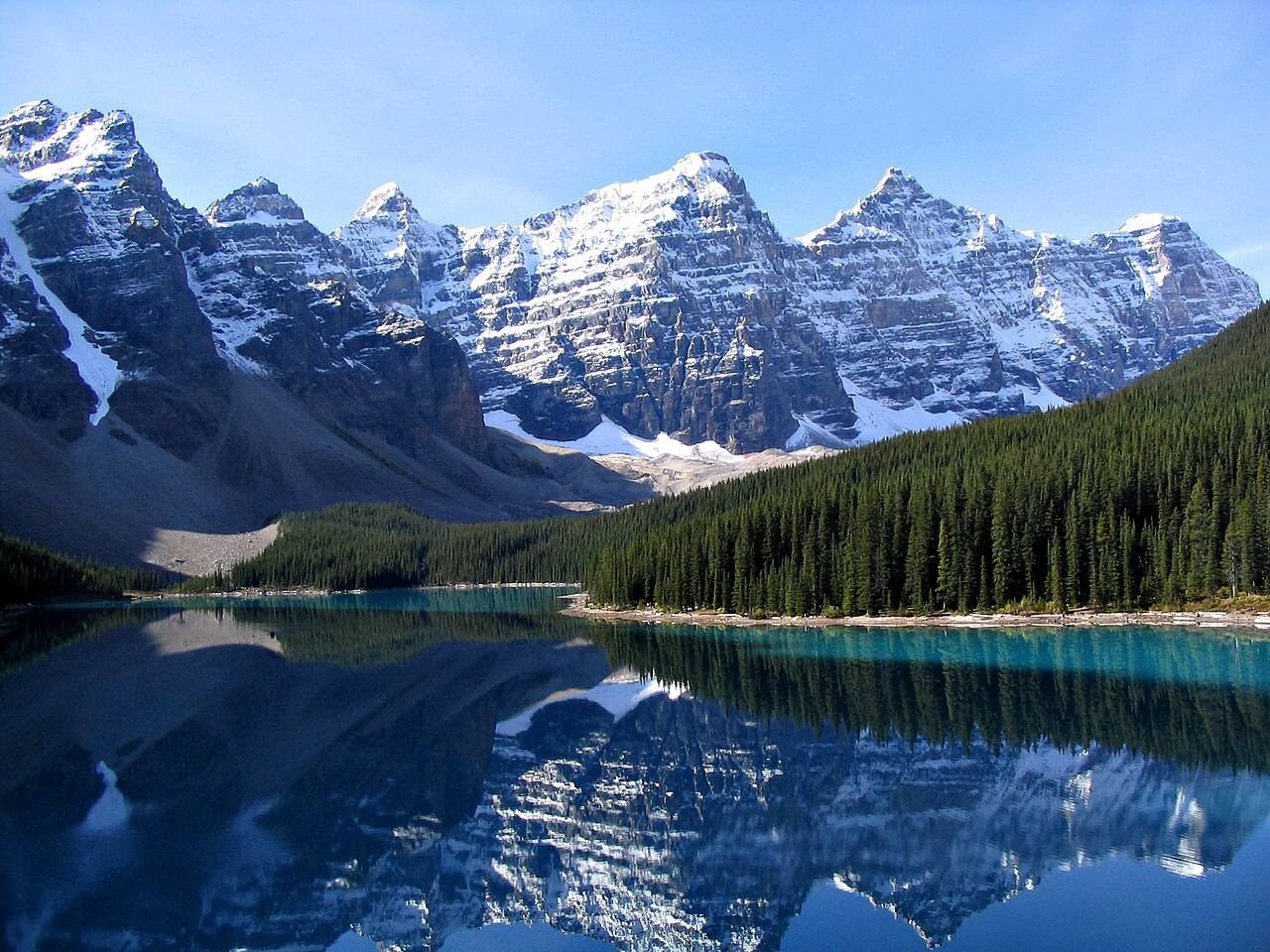
Alberta. Nearest town: Banff — 128 km west of Calgary, about 90 minutes. Established 1885, Canada’s first national park, and still the headline act. Moraine Lake, Lake Louise, the Banff townsite, and the southern half of the Icefields Parkway. Best time: late June through September — the lakes are frozen and turquoise-less until the thaw. Park admission: daily pass or Discovery Pass at the gate. → Banff National Park — official Parks Canada page
My honest take: Moraine Lake at sunrise is worth the alarm. I got there at 5:30 AM in August and the parking situation was already a contact sport — and that was before Parks Canada moved most access to the shuttle system. Check the shuttle booking rules before you go; “sold out” at Moraine Lake is not a suggestion. My 2-day Banff itinerary runs the full loop.
Run the Discovery Pass math before you buy a single daily. At roughly $11–12 a day for an adult, the annual pass (about $75–85) breaks even at seven paid park days — and a Banff-to-Yoho day counts as one ticket, not two. I double-checked the 2026 prices on the official Parks Canada site in October; they creep, so do the same.
2. Jasper National Park — the wild one
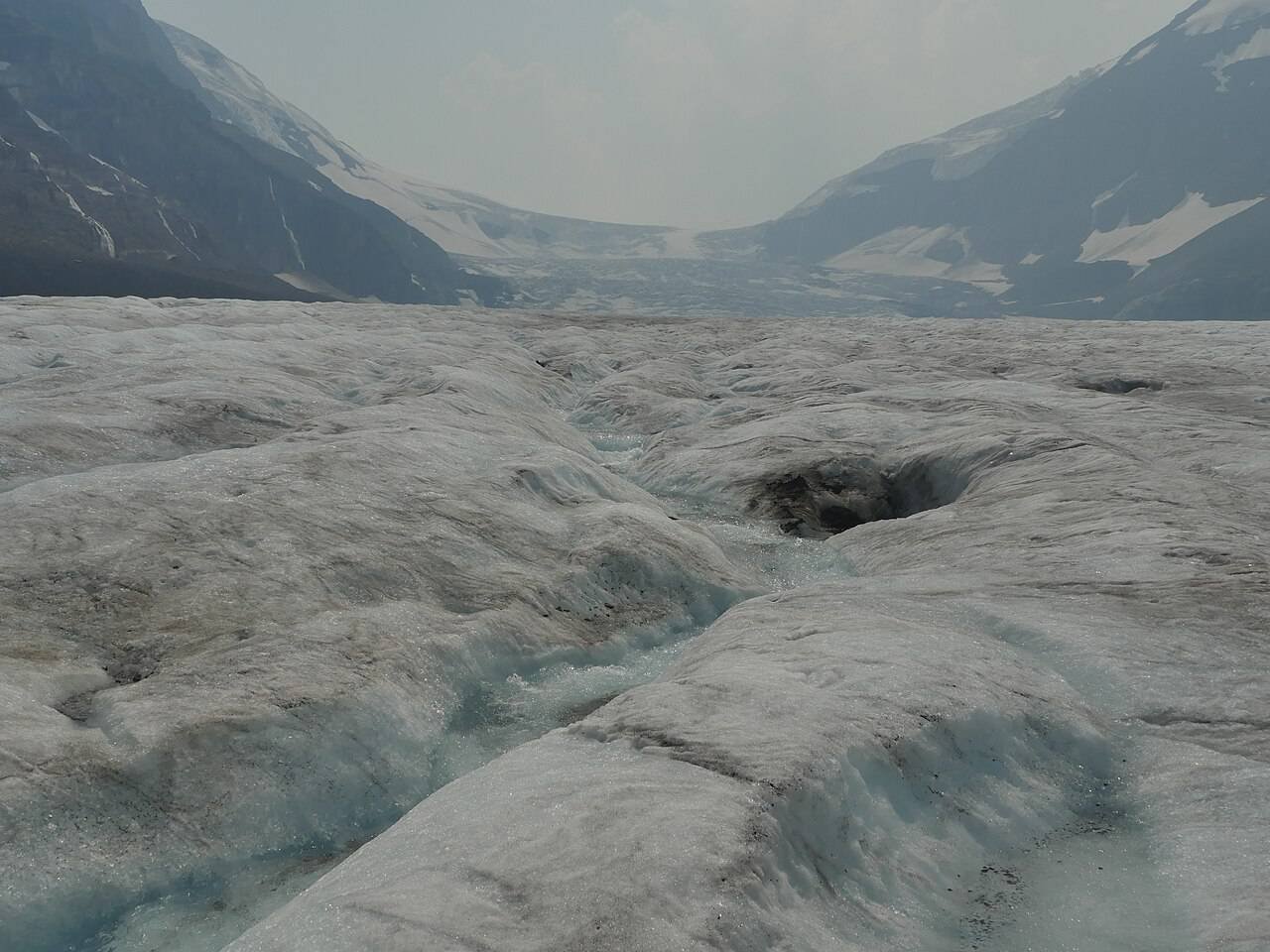
Alberta. Nearest town: Jasper — 290 km north of Banff via the Icefields Parkway, about 4 hours from Edmonton. The biggest of the Rockies parks at around 11,000 km², and it feels like it. Maligne Lake and Spirit Island, the Columbia Icefield, Miette Hot Springs, and one of the world’s largest Dark Sky Preserves. Best time: July through September. → Jasper National Park — official Parks Canada page
Here’s my bear spray story, since you asked (nobody asked). I rented a canister at the Jasper visitor centre, asked the ranger twice how the safety works, and hiked louder than any human should. Never pulled the pin. Zero regrets — that’s how bear spray is supposed to work. Fair warning: Jasper is still recovering from the July 2024 wildfire. Check current trail and facility status before you plan anything; recovery is real but ongoing. My where to stay in Jasper guide covers the town’s comeback.
The Icefields Parkway is 230 km of no-gas-station wilderness between Lake Louise and Jasper. I watched my fuel gauge do something scary past Saskatchewan Crossing once — and I’ve made this mistake so you don’t have to. Gas up in Lake Louise or Jasper. Both ends. Every time.
3. Pacific Rim National Park Reserve — the wet coast
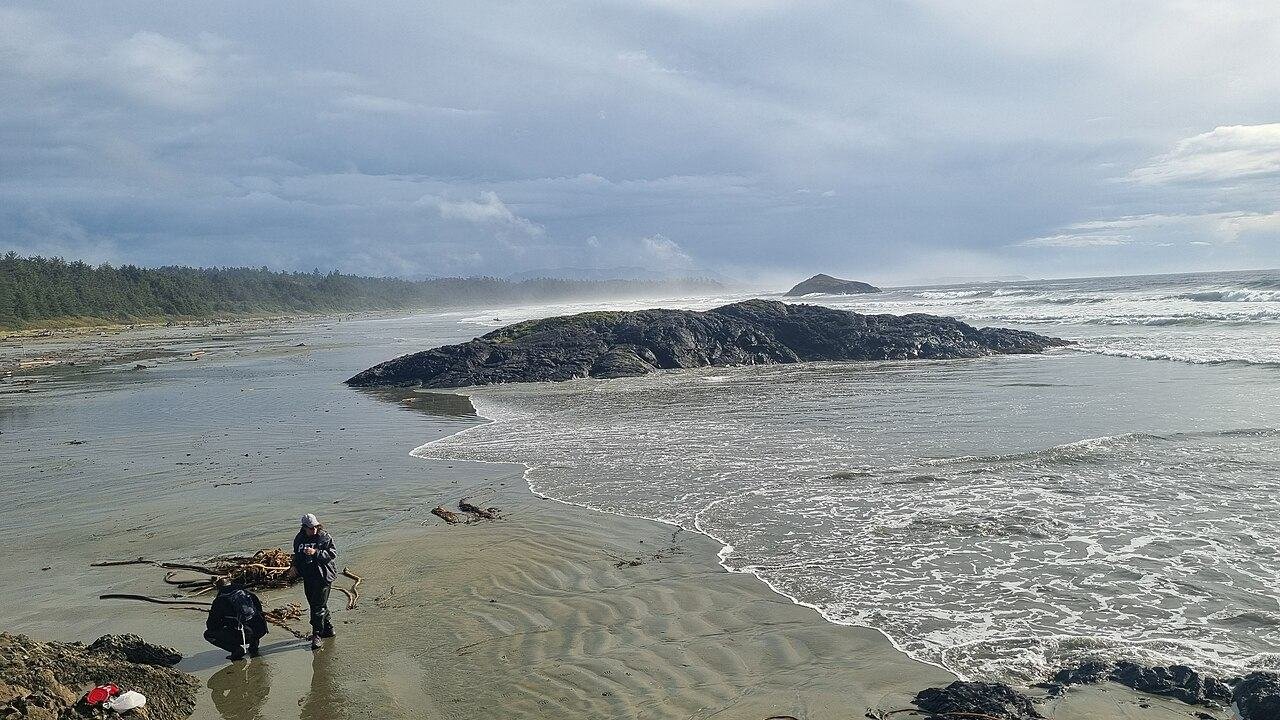
British Columbia. Nearest towns: Tofino and Ucluelet — about 3.5–4 hours from Nanaimo on Highway 4. Long Beach surf, ancient temperate rainforest, the 75-km West Coast Trail, and the Broken Group Islands. Best time: July through September for the beach days; November through February for storm watching, which is a legitimate sport here. → Pacific Rim National Park Reserve — official Parks Canada page
I did Long Beach in horizontal rain — the kind that finds the gap between your collar and your neck. And here’s the thing: it was still great. The surf was up, the beach was empty, and the rainforest looked exactly like rainforest should: dripping, green, unbothered. No joke, pack the rain shell even in August. The West Coast Trail is the heavyweight: 75 km of ladders, cable cars, and mud — reserve well ahead.
4. Yoho National Park — small park, big waterfalls
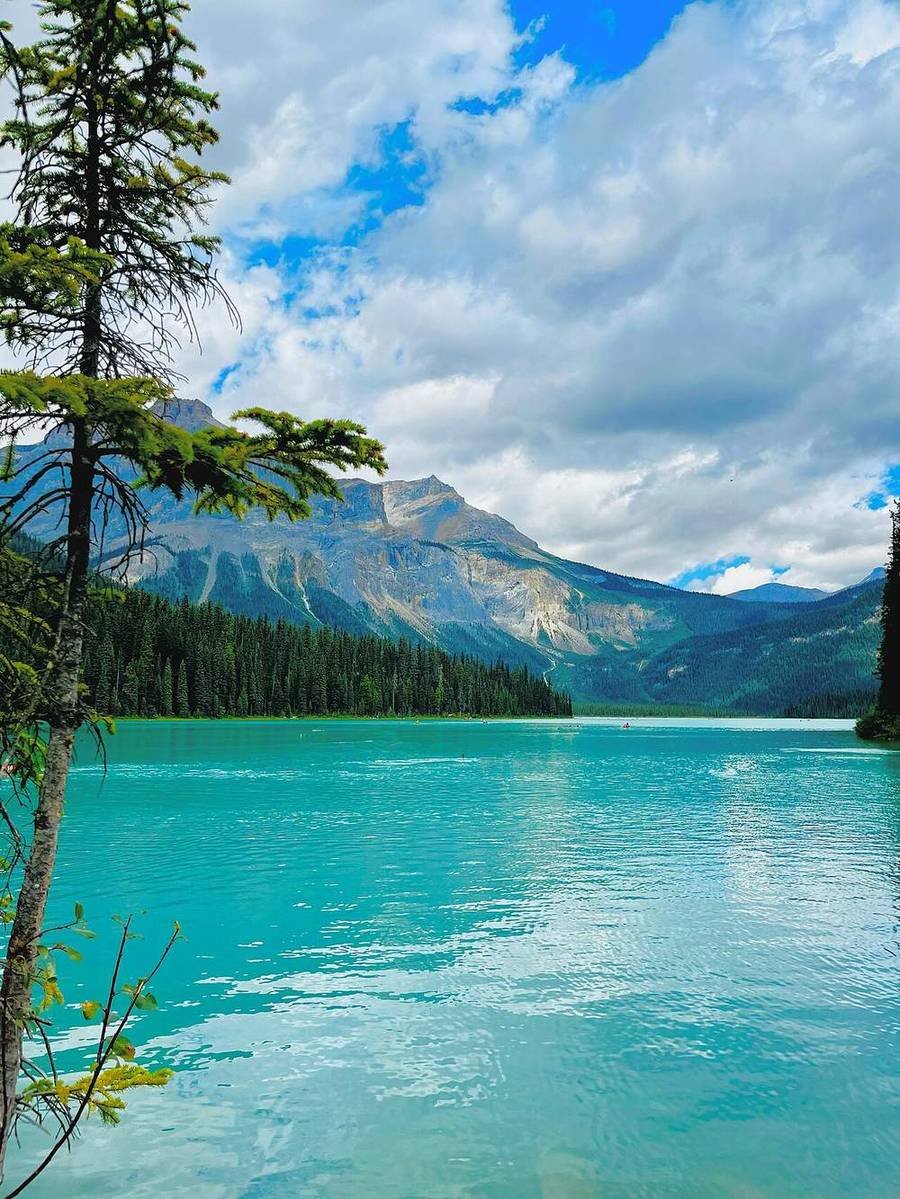
British Columbia. Nearest town: Field — 30 minutes west of Lake Louise. “Yoho” is Cree for awe, and the park earns it. Takakkaw Falls drops 384 metres down a sheer wall, Emerald Lake glows green even on grey days, and the Burgess Shale fossil beds are a UNESCO site you can only visit on a guided Parks Canada hike. Best time: July through September. → Yoho National Park — official Parks Canada page
Worth the detour off any Rockies loop — Yoho sits right across the Divide from Lake Louise, and most Banff itineraries skip it, which is exactly why it’s better. I did the Takakkaw Falls road on a weekday morning and shared the viewpoint with maybe six people. Compare that to the Lake Louise shoreline at noon and you’ll understand the trade. A ranger at the Emerald Lake trailhead told me the Burgess Shale guided hikes book out weeks ahead in summer — that one’s from a person, not a brochure.
5. Kootenay National Park — the quiet Rockies
British Columbia. Nearest town: Radium Hot Springs — 1.5 hours south of Banff via Highway 93. The Rockies park everyone drives through and nobody stops in. Marble Canyon’s turquoise narrows, Sinclair Canyon’s red rock walls, Olive Lake, and the Radium Hot Springs pools at the east gate. Best time: July through September. → Kootenay National Park — official Parks Canada page
I stopped for the hot springs after the Marble Canyon walk and stayed for two soaks. No joke — a 40°C mineral pool with canyon walls on both sides, after a morning of switchbacks, is the best $9-adjacent decision in the park system. (Check the current pool admission on the official site; it moves.) Kootenay pairs naturally with Banff: run the 93 south, do the canyons, soak, and overnight in Radium instead of paying Banff hotel prices. My where to stay in Canmore guide has the cheaper-base-camp logic for the whole region.
6. Waterton Lakes National Park — where the mountains quit

Alberta. Nearest town: Waterton village — about 2.5–3 hours southwest of Calgary. Where the Rockies drop straight onto the prairie. The Prince of Wales Hotel on its bluff, the Crypt Lake trail (boat ride plus ladders plus a tunnel — yes, really), Red Rock Canyon, and the Bears Hump viewpoint. It shares a border with Montana’s Glacier National Park as the Waterton-Glacier International Peace Park. Best time: July through September. → Waterton Lakes National Park — official Parks Canada page
Waterton is the Rockies without the crowds. The 2017 Kenow wildfire burned through a big chunk of it, and the regrowth — fireweed, new aspen, new views — is genuinely interesting to hike. The Crypt Lake boat leaves from the townsite marina; check the return sailing the night before, because that’s the one people miss. Afternoon wind on Upper Waterton Lake is no joke — do the boat in the morning.
The Cameron Lake trailhead at the end of the Akamina Parkway — 16 km past the townsite — is where the tour buses don’t go. Alpine lake, mountain goats if you’re lucky, and a fraction of the foot traffic. A front-desk clerk in Waterton village sent me up there when I asked where she hikes. Drive it slow; the road is narrow and the views start early.
7. Grasslands National Park — the empty quarter
Saskatchewan. Nearest town: Val Marie — about 1.5 hours south of Swift Current. Badlands, coulees, a free-roaming bison herd, prairie dog towns, and some of the darkest night skies in the country. Best time: May through September. This is the park for people who find Banff a bit… busy. → Grasslands National Park — official Parks Canada page
I stood on a ridge in the East Block at dusk and heard absolutely nothing. Not quiet — nothing. No road, no plane, no other person. My phone had zero bars for two days and I can’t remember the last time that felt like a feature instead of a bug. Buckle up for the driving, though: the park is genuinely remote, the last stretch is gravel, and you fill the tank and the water jugs in Val Marie because there is nothing after Val Marie.
8. Fundy National Park — the tides, the tides
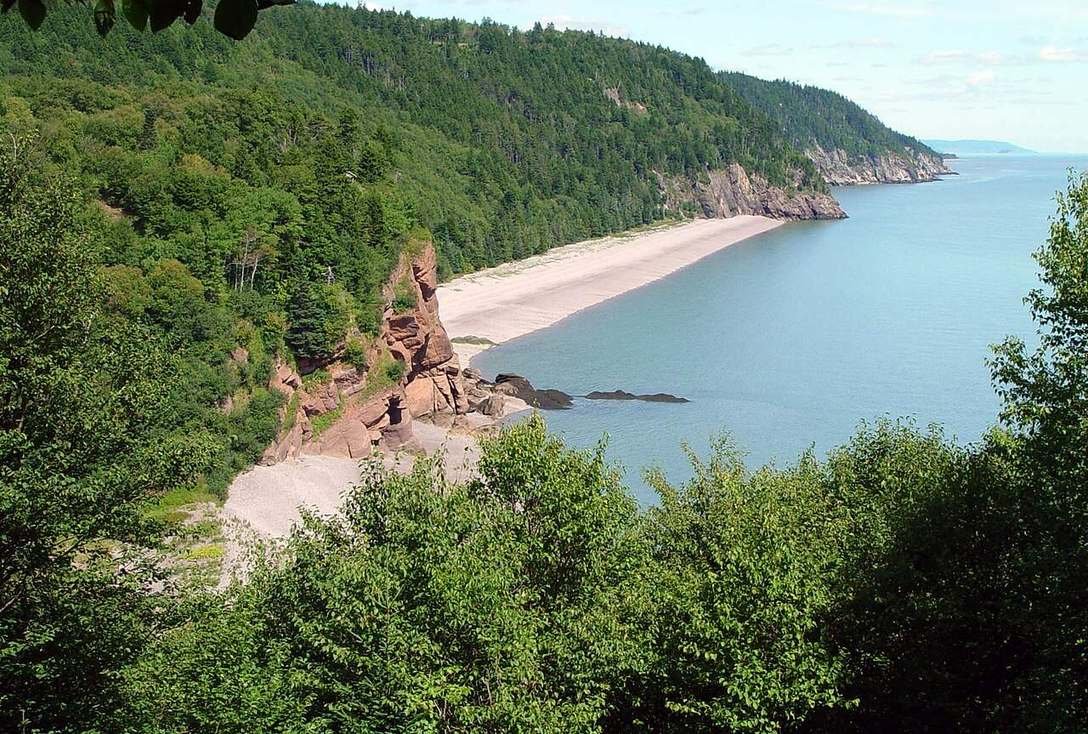
New Brunswick. Nearest town: Alma — about 1 hour from Moncton. Home to the world’s highest tides: up to 16 metres, twice a day, the Bay of Fundy empties and refills like a bathtub. Dickson Falls, Laverty Falls, the Caribou Plain boardwalk, and the covered bridges of the Fundy Trail Parkway next door. Best time: June through September. → Fundy National Park — official Parks Canada page
I walked the ocean floor at Herring Cove at low tide — sea stacks, seaweed, the works — and came back six hours later to deep water. It never stops being weird. Time your visit around Parks Canada’s tide tables; my Fundy Trail Parkway guide has the full tide-timing logic.
The tide waits for nobody and the mud is real. I found this out the soggy way — wear shoes you don’t love on the ocean floor, check the tide table before you walk out, and be back at the stairs well before the water returns. The Bay of Fundy floods faster than it looks.
9. Gros Morne National Park — the fjord and the mantle

Newfoundland and Labrador. Nearest towns: Rocky Harbour and Norris Point — 45 minutes from Deer Lake. A UNESCO World Heritage site for its geology: the Tablelands, where the Earth’s mantle sits exposed on the surface, and Western Brook Pond, a freshwater fjord with 600-metre cliffs you tour by boat. The 16-km Gros Morne Mountain hike is the park’s signature leg-burner. Best time: June through September. → Gros Morne National Park — official Parks Canada page
And here’s my rain story. Two days socked in at Rocky Harbour — the Western Brook Pond boat cancelled for wind, the mountain invisible, everything the colour of wet wool. I did the Tablelands in the drizzle instead, and honestly? The orange rock looked better for it. Day three the sky cleared and the boat ran. Newfoundland weather is a negotiation, not a forecast. Pack the rain shell and a book.
Book the Western Brook Pond boat tour for your first full day, not your last. If wind cancels it — and wind cancels it — you still have days to rebook. I learned this from a couple at the next table in Rocky Harbour who were on their third try. Third try worked. The fjord is worth the patience.
10. Terra Nova National Park — the quiet Newfoundlander
Newfoundland and Labrador. Nearest town: Glovertown — about 2.5 hours west of St. John’s. Coastal forest, sheltered coves, Sandy Pond’s freshwater beach, and some of the best sea kayaking on the island. Best time: June through September. Terra Nova is the park people skip on the way to Gros Morne, which is exactly why it’s peaceful. → Terra Nova National Park — official Parks Canada page
I paddled Newman Sound on a flat-calm morning and had a bald eagle for company for about twenty minutes — it ignored me with total professionalism. The Ochre Pit Cove viewpoint at sunset is the short stop everyone should make. If Gros Morne is the geology lecture, Terra Nova is the nap afterward. Both have their place.
11. Cape Breton Highlands National Park — the Cabot Trail above it all

Nova Scotia. Nearest towns: Chéticamp and Ingonish — about 1.5 hours from Sydney. The Cabot Trail’s 300-km loop climbs over and through the park, and the Skyline Trail boardwalk at sunset is the moose-viewing capital of the Maritimes. Best time: September through mid-October — the fall colours on the highlands are the real headliner, and the summer crowds are gone. → Cape Breton Highlands National Park — official Parks Canada page
I hiked the Skyline Trail in rolling fog and nearly walked into a bull moose on the boardwalk. It looked at me. I looked at it. We both decided this was fine. No joke — keep your distance, make noise, don’t be the close-up person. One 2026 wrinkle: Skyline Trail parking needs a paid reservation in peak season (June 26–October 25) — book ahead. The Meat Cove road at the park’s northern edge is 8 km of gravel worth every bump.
12. Prince Edward Island National Park — red sand and dunes
Prince Edward Island. Nearest town: Charlottetown — about 30 minutes. Red sand beaches, the Greenwich dunes and boardwalk, Dalvay-by-the-Sea, and the Cavendish shoreline of Anne-of-Green-Gables fame. Best time: July and August — this is a summer park, full stop, and the water is warmest in August. → Prince Edward Island National Park — official Parks Canada page
The Greenwich dunes trail is the sleeper hit: a floating boardwalk over wetlands to a beach most visitors never find. I did it at 8 AM and had the whole dune system to myself. Brackley Beach at sunset, fish and chips in North Rustico after — that’s the day, and it’s a good one.
13. Kejimkujik National Park — the dark-sky paddler
Nova Scotia. Nearest town: Caledonia — about 2 hours from Halifax. A Dark Sky Preserve built for canoes: Kejimkujik Lake, the Mersey River, backcountry sites you paddle into, and Mi’kmaq petroglyphs you visit only on a guided tour. The separate Kejimkujik Seaside unit adds a wild Atlantic coastline an hour south. Best time: June through September. → Kejimkujik National Park — official Parks Canada page
I camped at a backcountry site you can only reach by water, and the Milky Way that night made me put the phone away without being told. The petroglyphs are only accessible with a Parks Canada guide, and the tours are small — book the moment reservations open. Four thousand years of history carved in slate.
Kejimkujik’s Dark Sky Preserve designation isn’t marketing — on a moonless night it’s genuinely one of the darkest skies in the east. The park runs guided night-sky programs in summer. A camper two sites over told me the Perseids in August from the lake’s edge were the best hour of his whole Maritimes trip. I believe him.
14. Forillon National Park — where the Appalachians end
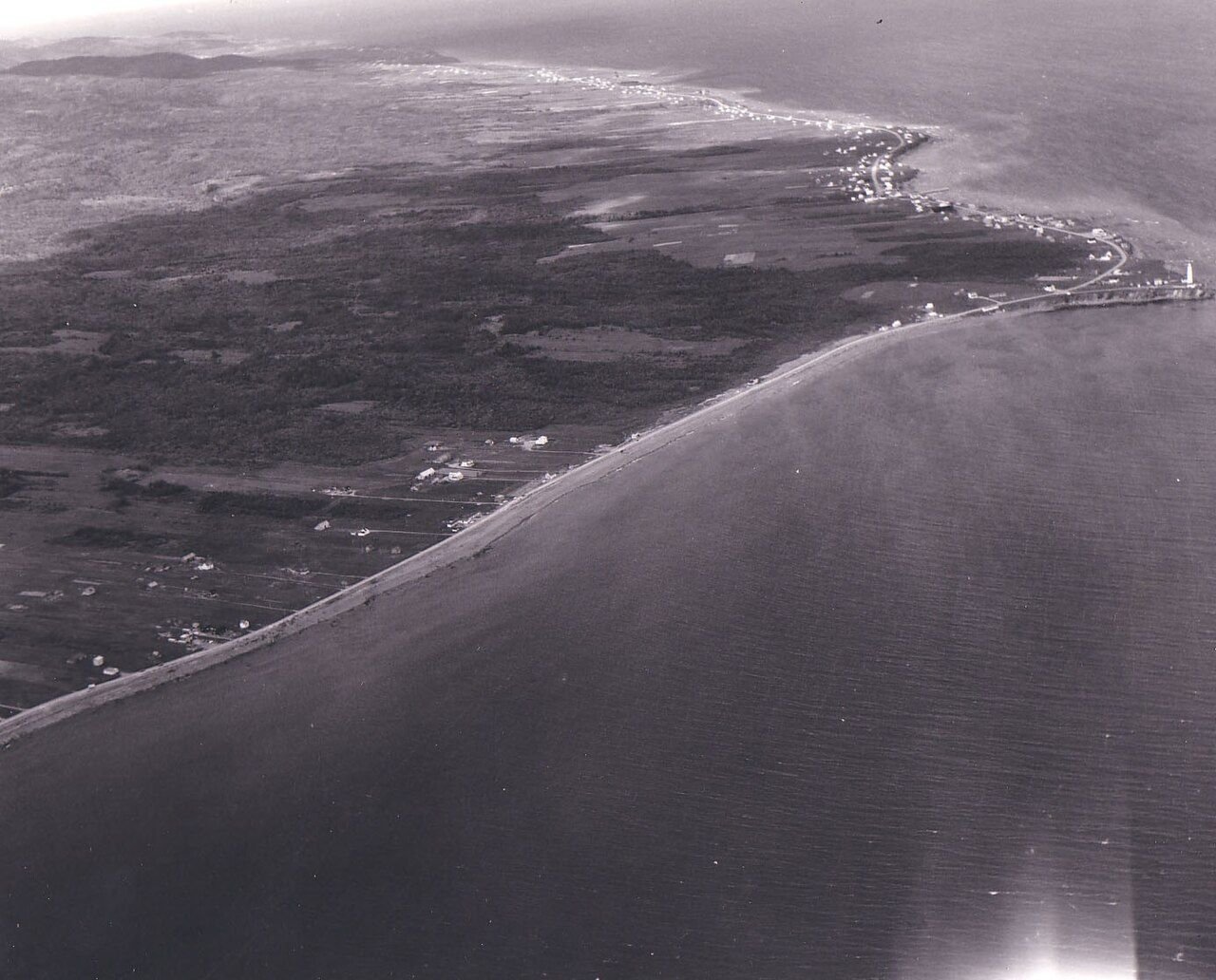
Quebec. Nearest town: Gaspé — 8–9 hours from Quebec City, so commit. The eastern tip of the Gaspé Peninsula, where the Appalachian Mountains drop into the Gulf of St. Lawrence. Cap-Bon-Ami’s sea cliffs, whale watching (minke, humpback, and the blues that feed offshore in summer), the Land’s End trail, and the Grande-Grave heritage fishing village. Best time: June through September. → Forillon National Park — official Parks Canada page
I watched a minke whale feed from the cliffs at Cap-Bon-Ami for half an hour — free show, no boat ticket required, and the whale had no idea I existed. The drive out is the point: the 132 around the peninsula is one of Canada’s great coastal roads, and Forillon is the reward at the end of it. Bring binoculars. The whales are out there whether you can see them or not, and you’ll want the glass.
15. Auyuittuq National Park — the one I haven’t earned
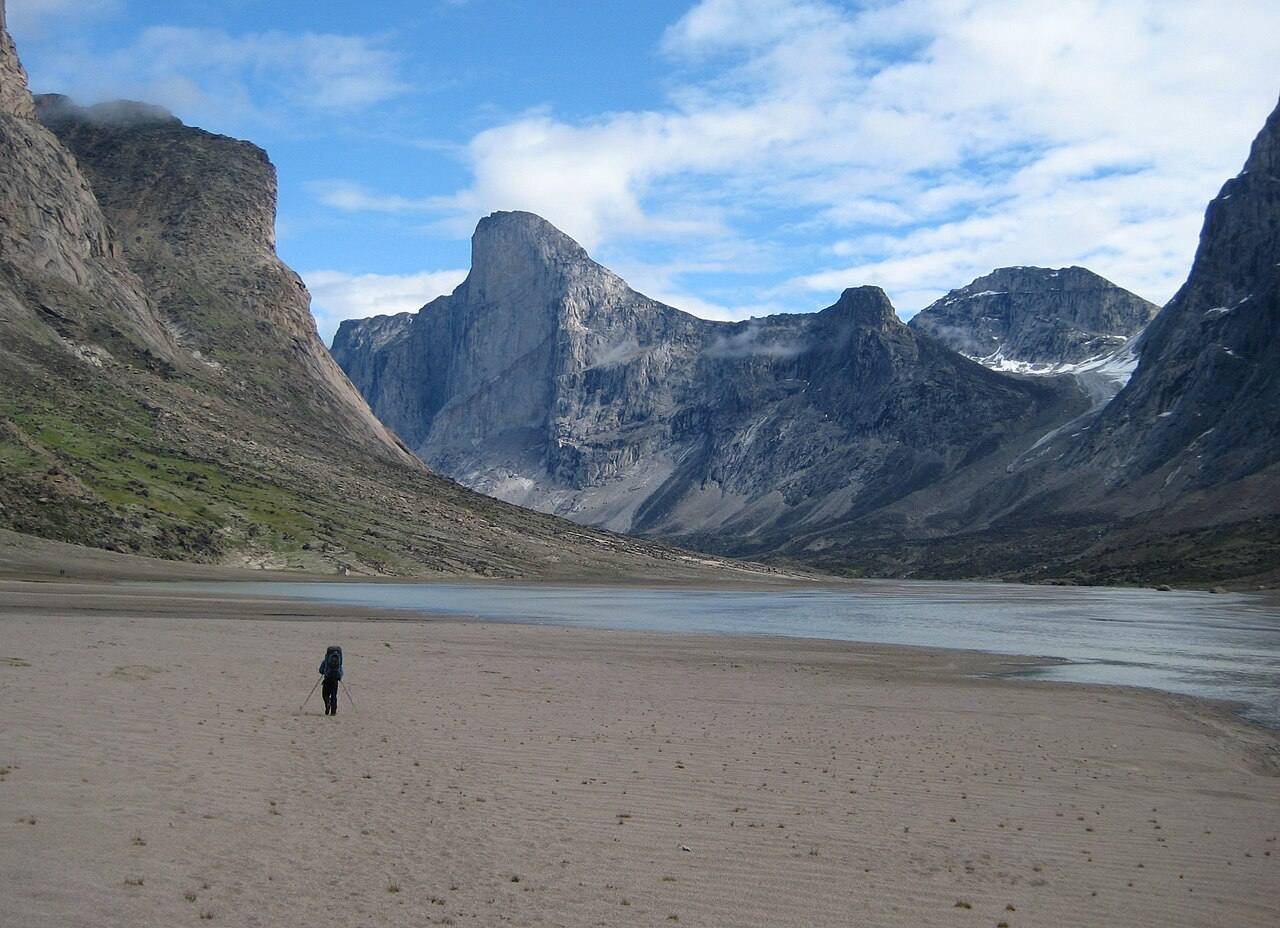
Nunavut. Nearest town: Pangnirtung — fly in from Iqaluit, then it’s all on foot. “The land that never melts.” The Akshayuk Pass threads 97 km between Mount Thor — the world’s tallest purely vertical drop at 1,250 metres — and Mount Asgard’s twin towers. No roads, no facilities, no cell service. This is expedition country. Best time: July and August, and even then it’s the Arctic. → Auyuittuq National Park — official Parks Canada page
Honest admission: I haven’t been. A Parks Canada staffer in Pangnirtung told a friend of mine the pass takes most parties 8–10 days, river crossings and all. I’m including it because a “best of” list that skips the Arctic isn’t honest about what this park system actually is. When I go, you’ll read about it here first. Until then: register your trip, hire local knowledge, respect the rivers.
What does a national parks trip cost?
Prices below are per person per day, from what I actually spent across these parks. Pick your travel style, tell the calculator how many days you’re on the road, and it does the rest. (Accommodation not included — see the table; a tent and a Banff lodge are different sports.)
Budget calculator
Per person, in Canadian dollars. Excludes accommodation.
Budget ≈ $110/day · Mid-range ≈ $190/day · Luxury ≈ $340/day. Excludes accommodation. Fares and admission checked October 2026.
| Sleep (per night) | Budget | Mid-range | Luxury |
|---|---|---|---|
| Campground | $28–38 (front-country site) | $120–150 (oTENTik / yurt) | — |
| Motel / hotel | $110–150 (gateway towns) | $180–260 | $350+ (in-park lodges) |
| Food & drink | $35 (camp cooking) | $65 (mix of diners & camp) | $120 (restaurants) |
| Park admission (amortized) | $12 | $12 | $12 |
| Fuel (long driving days) | $35–45 | $45–60 | $60–80 |
| Daily total, roughly | ~$110 | ~$190 | ~$340 |
The Discovery Pass is the single biggest lever on the budget column: one annual pass, about $75–85 for an adult, replaces every daily admission for a year. For the Rockies legs specifically, my Banff trip cost breakdown and Banff–Jasper road trip itinerary go deeper. And if you’re stringing several of these parks into one monster drive, my one-month Canada road trip itinerary is the blueprint.
FAQs about national parks in Canada
How much does it cost to get into Canada’s national parks?
Daily admission runs about $11–12 per adult at the big mountain parks, and the Discovery Pass — unlimited entry to 80+ Parks Canada places for 12 months — is about $75–85 for an adult, $145–170 for a family/group. It breaks even at roughly 7 paid park days. Under-18s get in free. I double-checked these on the official Parks Canada site in October 2026 — they creep upward most years, so verify before you buy. Note: 2026 also had the Canada Strong Pass free-admission window (June 19–September 7) — that’s over now, and there’s no word on a 2027 repeat.
What’s the best time of year to visit?
June through September for nearly everything on this list — trails clear, boat tours run, campgrounds open. July and August are warmest and busiest; September is the sweet spot in the Rockies (larch season) and the east (fall colours in Cape Breton). Winter only works for a few: Banff skis, and Pacific Rim does storm watching. See my best time to visit the Canadian Rockies guide for the month-by-month version.
How far ahead do I need to book campsites?
Farther than you think. Parks Canada opens front-country reservations in early spring (the exact launch date is announced on their site each year), and July–August weekend sites at Banff, Jasper, and Pacific Rim sell out the same day. I set an alarm now. Backcountry permits and the West Coast Trail go even earlier. If you miss the window, gateway-town motels and first-come sites (where they still exist) are the fallback — not the plan.
Do I actually need bear spray?
In bear country — the Rockies, Waterton, Pacific Rim’s backcountry — yes. Carry it on your person (not in the pack), know how the safety works before the trailhead, make noise on blind corners, and store food and scented stuff in the bear boxes or your vehicle. Black bears and grizzlies both live here. I rented my first canister in Jasper and asked the ranger twice about the safety — ask three times if you need to. Nobody at the visitor centre will laugh; they’d rather that than the alternative.
Can I bring my dog?
Yes, but the leash stays on — 3 metres max, at all times — and dogs are banned from some beaches, sensitive trails, and backcountry areas. Check each park’s pet page before you go. Never leave a dog in a hot car (obviously, but the parking lots fill with warnings every July), pack out waste, and know that off-leash fines are real. Honestly? The dog has a better time at Fundy’s beaches than on a grizzly-country trail in Jasper. Plan accordingly.
Can you swim or kayak in the national parks?
Yes — and the water is colder than you’re imagining. The Rockies lakes are glacial melt: beautiful, turquoise, and brutally cold even in August. Kayaking and canoeing are welcome in most parks; lifejackets are mandatory and motorboat rules vary by lake. Terra Nova and Kejimkujik are the paddling sweet spots on this list. Check the local boating rules at the visitor centre — some lakes are non-motorized, and clean-drain-dry rules apply everywhere to stop invasive species.
Keep exploring
Fifteen parks, one lifetime — here’s where I’d go next:
- Banff–Jasper road trip itinerary — the classic: Icefields Parkway, both parks, one perfect week
- 2-day Banff itinerary — the sprint version when the calendar won’t cooperate
- Banff trip cost breakdown — the full budget math for the priciest park on the list
- Best time to visit the Canadian Rockies — month by month, with the larch-season secret
- Fundy Trail Parkway guide — pair with Fundy National Park for the tides-and-cliffs combo
- One-month Canada road trip itinerary — the monster drive that strings it all together
Gas up, pack the rain shell, and don’t skip the Maritimes. The Rockies will be there — they’re not going anywhere. The fjords are the ones you’ll dream about.