

Last updated: October 3, 2026
The short answer
- The sweet spot is 14 days: 6 days in the West (Vancouver + the Rockies) and 8 in the East (Toronto → Niagara → Ottawa → Montreal → Quebec City), connected by one domestic flight and VIA Rail trains.
- Book the tricky bits early: the Parks Canada shuttle to Moraine Lake (opens April 15, sells out fast) and VIA Rail corridor tickets (advance fares from ~$55; same-day can hit ~$155).
- Budget ~$250–350 CAD per adult per day mid-range in 2026, and get your eTA ($7, from the official canada.ca page only) weeks before you fly.
I’ll be honest: planning a Canada trip is the hardest itinerary I’ve ever built for myself — and I say that as someone who plans trips in color-coded spreadsheets for fun. The country is the second-largest on Earth, the flights between coasts take five hours, and every region genuinely deserves two weeks on its own. I once tried to cram Vancouver and Toronto into a six-day trip. Never again. Here’s the thing, though: if you accept that you can’t see all of it, you can absolutely see the best of it in two weeks. I’ve done this exact route three times now (my spreadsheet has tabs), and this is the version I’d hand to a friend.
This guide covers the logistics — when to go, the eTA, what it actually costs in 2026 — and then walks through the classic 14-day route: West Coast and Rockies first, then the Eastern cities by train, with the Atlantic provinces and the North as bonus add-ons if you have more time.
How many days do you really need?
Short answer: pick one region for 10 days, do the classic cross-country route for 14, or add the Atlantic provinces and the North for 21+. I’ve watched people burn out on day 9 of a too-ambitious trip, and it’s always the same mistake — too many internal flights.
| Trip length | What you can do |
|---|---|
| 7–10 days | One region, done well: the West Coast + Rockies (Vancouver, Whistler, Banff/Jasper) or Eastern cities (Toronto → Montreal → Quebec City) |
| 14 days | The classic route below: 6 days West + 8 days East, one domestic flight between them — the best balance, trust me on this one |
| 21+ days | Add the Atlantic provinces (Cabot Trail, Newfoundland) or the North (aurora viewing in Yellowknife or Whitehorse), or both |
When to go in 2026
I’ll be honest: there’s no bad season, but there are seasons that match your goals. July and August are peak for alpine hiking and coastal exploring — and for crowds at Moraine Lake, so book everything ahead. December to March is for world-class skiing in BC and Alberta. May/June and September/October are my personal sweet spot (game-changer for prices and crowds): the larch trees turn gold around Moraine Lake in late September, and I once had the Plain of Six Glaciers trail nearly to myself on a September weekday.
Fair warning on timing for this year: the popular Parks Canada shuttle season for Moraine Lake ran June 1 – October 12, 2026, and the Canada Strong Pass offered free Parks Canada admission June 19 – September 7, 2026. If you’re traveling in 2027, treat those windows as your reference and confirm fresh dates on the official Parks Canada pages.
Visa requirements and eTA for 2026
Here’s the thing nobody tells first-time visitors: the paperwork is genuinely easy, as long as you use the official site. Citizens of visa-exempt countries flying into Canada need an Electronic Travel Authorization (eTA). The official government fee is CAD $7 — I double-checked this on the official IRCC pages before my last trip, and I’ll say it plainly: any site charging more is a third-party service, not the government. Apply at the official application page → Apply for an eTA — canada.ca. Most approvals arrive within minutes, but apply well before you fly (some applications get a manual review that can take up to 72 hours).
If you need a visitor visa instead, apply through IRCC with 2–8 weeks of buffer. And everyone: your passport should be valid for your whole stay. Simple.
What does 2 weeks in Canada cost in 2026?
For a mid-range traveler — decent hotels, a mix of groceries and restaurants, one rental car or the train — I budget ~$250–350 CAD per adult per day, checked against 2026 prices. Here’s how it breaks down:
| Item | Cost per day (CAD) |
|---|---|
| Accommodation (mid-range hotel/Airbnb) | ~$150–250 |
| Food (mix of groceries + local restaurants) | ~$50–80 |
| Transport (rental car, fuel, or VIA Rail tickets) | ~$40–100 |
| Attractions & park passes | ~$15–40 |
A few real numbers behind that table: a Parks Canada Discovery Pass runs $83.50/adult or $167.50/family for 12 months (2026 rates) — worth it if you’ll hit Banff, Jasper, and any historic sites; otherwise daily park admission (~$11–12/day for adults) covers you. The Moraine Lake shuttle is $12.75/adult return plus a $3.50 reservation fee (2026, via Parks Canada — and no, private cars aren’t allowed on Moraine Lake Road at all). On the East side, booking VIA Rail early is the single biggest money-saver on the whole trip.
Days 1–6: Western wonders — Vancouver and the Rockies

Days 1–3: Vancouver
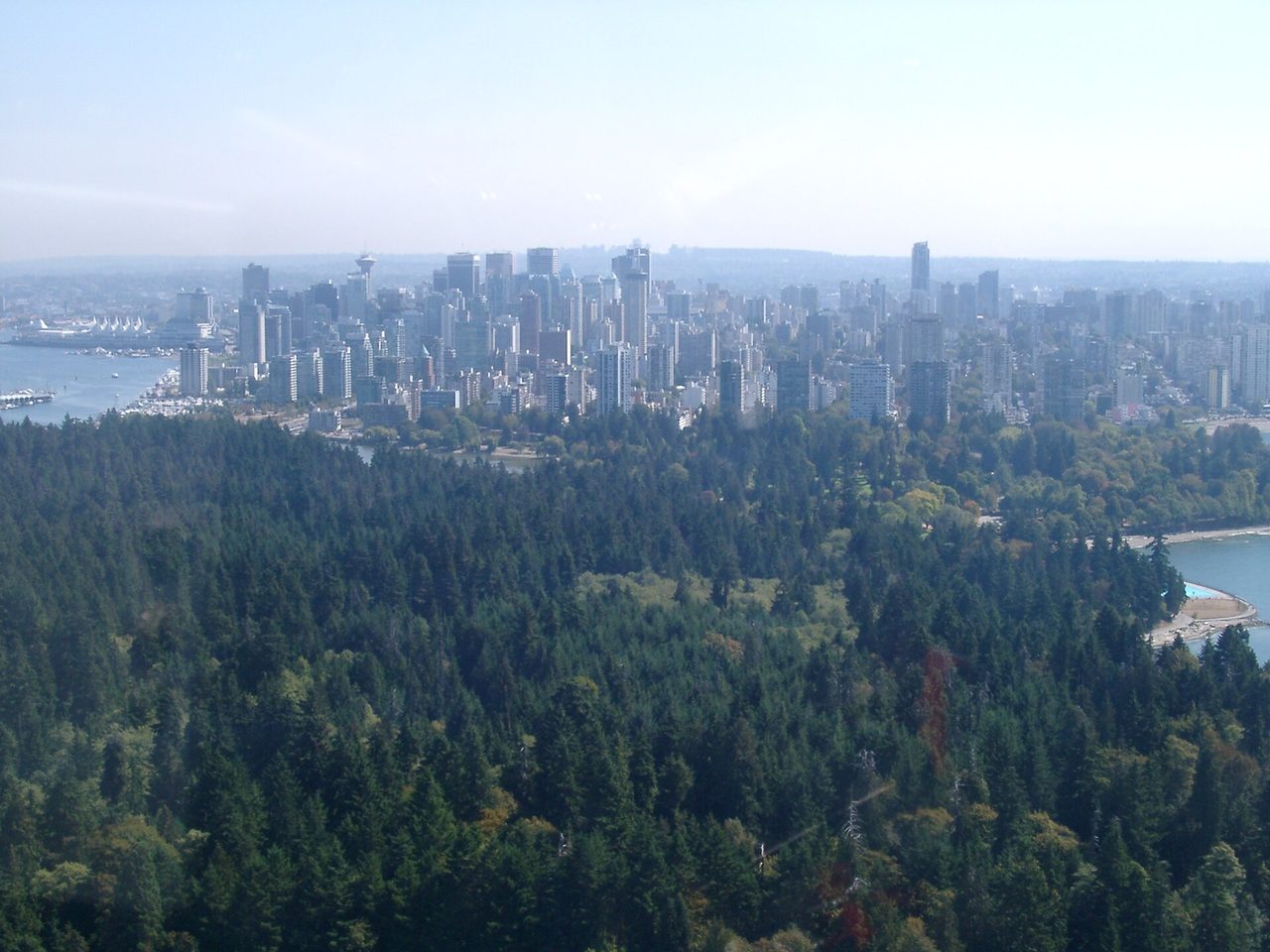
Start on the West Coast, where the mountains meet the ocean and the coffee is excellent. I’ve done the Vancouver arrival-day drill more times than I can count: land, recover, and do the Stanley Park Seawall loop — it’s 10 km of flat waterfront path with the skyline on one side and the North Shore mountains on the other. I timed it once: about 2.5 hours on foot if you keep stopping for photos (you will).
Give yourself one full city day: Gastown’s cobblestone streets and the steam clock (touristy, do not skip anyway), Granville Island Public Market for lunch — pro tip: go before 11 AM on weekends or the lines get silly — and the VanDusen or Capilano areas if you want trees without leaving town. If you have a third day, Whistler is a 2-hour drive up the Sea to Sky Highway and makes a perfect day trip; see our 3-day Whistler itinerary if you can steal an extra day.
Where to dig deeper: our Vancouver travel guide has the full neighborhood-by-neighborhood breakdown.
Days 4–6: Banff, Lake Louise, and Jasper
Fly or drive to Calgary, pick up a rental car, and head into the Rockies — the drive from Calgary to Banff is 90 minutes and it never, ever gets old. I’ll be honest: the first time I saw the mountains rise out of the prairie like a wall, I gasped out loud. In front of strangers. Worth it.
Lake Louise is the famous turquoise one (go before 8 AM or deal with the crowds), and the Plain of Six Glaciers trail leads to a historic teahouse with views that don’t look real. Moraine Lake is the one on all the postcards, and it’s also the one with the strictest logistics: no private cars, shuttle only. The Parks Canada shuttle runs from the Lake Louise Park & Ride, $12.75/adult return, and reservations open April 15 with 40% of seats, then the rest release 2 days before each date. I first read about the 2-day-ahead release on Parks Canada’s page — and then I learned the hard way that “sells out in minutes” is not an exaggeration. Set an alarm. Seriously.
Day 5 or 6: the Icefields Parkway. The 232 km drive from Lake Louise to Jasper is, in my opinion, the best half-day in Canadian travel. Give it a full day. Stop at the Columbia Icefield (the Athabasca Glacier is receding visibly — a park interpreter at the viewpoint told me it loses several metres a year, which stuck with me), Peyto Lake, and the roadside viewpoints, where I once watched a grizzly do absolutely nothing in a meadow for twenty minutes. Best twenty minutes of the trip.

In Jasper, Maligne Lake and the Maligne Canyon walk are the headliners. Fair warning: Jasper is still recovering from the 2024 wildfire, and some trails and facilities reopened on a rolling basis through 2026 — I checked the current status on the official Parks Canada Jasper pages before planning my last visit, and you should do the same. For the full Rockies playbook, see our 2-day Banff itinerary and Banff to Jasper road trip itinerary.
Days 7–14: Eastern Canada — Toronto to Quebec City
Fly from Calgary to Toronto (about 4 hours; book the morning flight so you land with a full afternoon) and start the Eastern half. This is the urban, French, historical half of the trip, and it’s connected by the single most pleasant transit decision you’ll make all trip.

Days 7–9: Toronto and Niagara Falls
Toronto is Canada’s most diverse city, and it shows in the food — this is the trip where I stopped pretending I wasn’t going to eat my way through every neighborhood. The CN Tower (do not skip the glass floor if heights don’t bother you), the Distillery District’s Victorian brick streets, and Kensington Market’s chaos are the essentials. Our Toronto travel guide covers the neighborhoods properly.
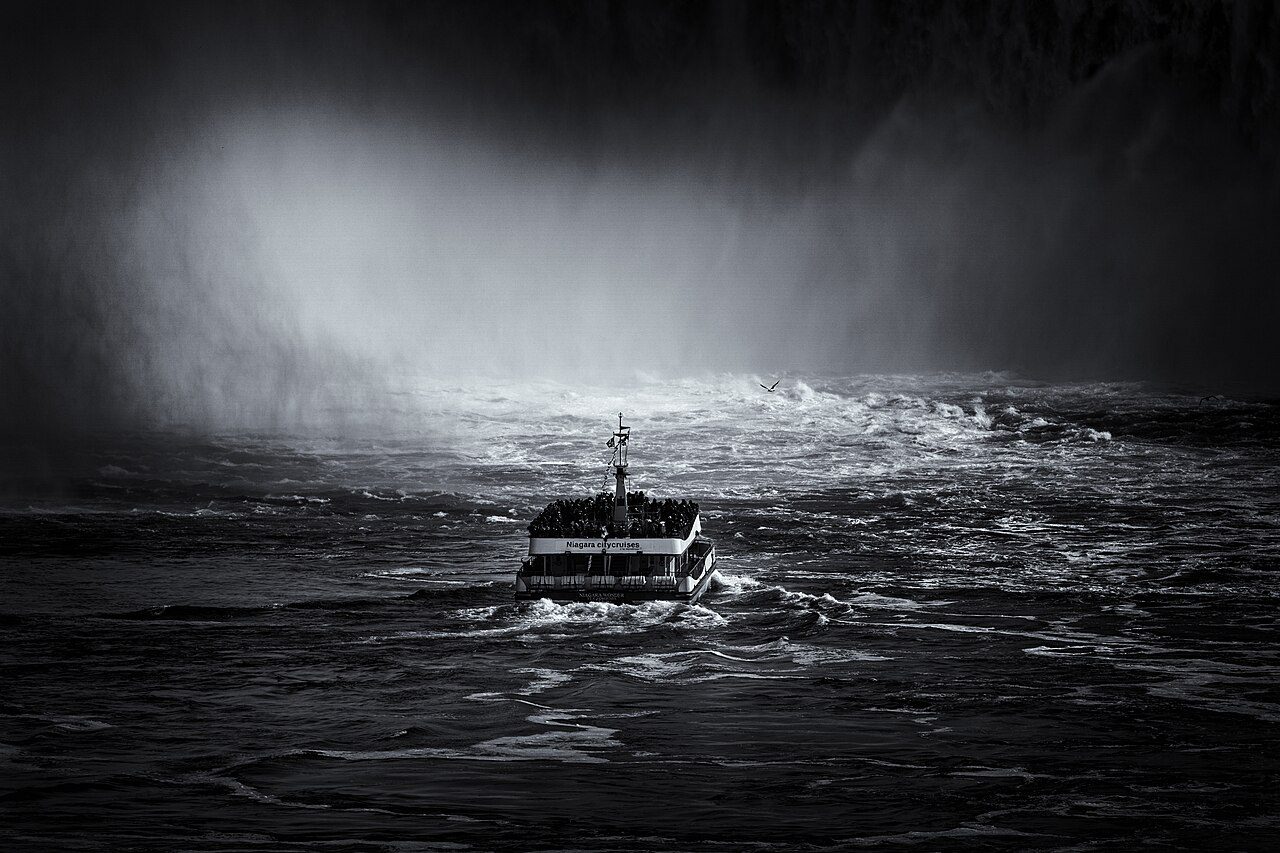
Niagara Falls is a non-negotiable day trip. I showed up skeptical — “it’s just a waterfall” — and stood in the mist at Table Rock with my jaw actually hanging open. The Hornblower cruise gets you right into the Horseshoe Falls spray (bring the poncho, trust me on this one). It’s 90 minutes from downtown Toronto by car or coach. Full details: our Niagara Falls travel guide.
Day 10: Ottawa, the capital
Between Toronto and Montreal sits Ottawa, and I’ll be honest — it deserves more than the drive-through most people give it. Parliament Hill, the Rideau Canal (a UNESCO site; the world’s largest skating rink in winter), and the Canadian Museum of History across the river in Gatineau. If you’re doing the corridor by train, Ottawa is an easy stopover — and our 1-day Ottawa itinerary shows exactly how to do it in a day.
Days 11–12: Montreal
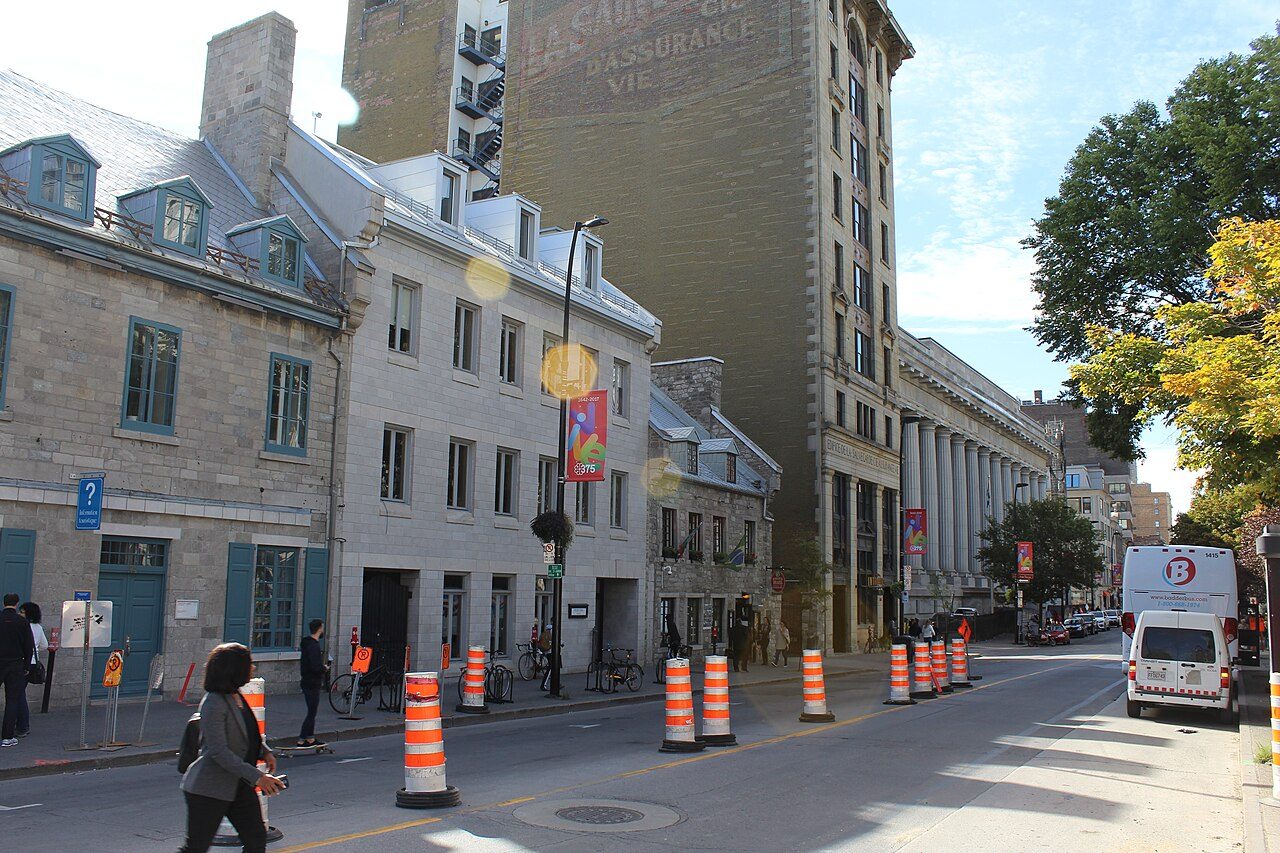
Montreal is where the trip turns European. French on the street, bagels that locals will fight you over, and Mount Royal park for the skyline view. My confession: I scheduled one bagel stop and ended up at three (my spreadsheet was not consulted). The Old Port and Old Montreal are made for wandering, and the festival calendar runs hard all summer — I checked the dates on the city’s official tourism page before my last visit because there’s always something on.
Book your Toronto–Montreal VIA Rail tickets ahead: advance economy fares run ~$55 when you buy early, and climb to ~$155 same-day (I checked current fares on VIA Rail’s official site — dynamic pricing is real, people). The ride is 4.5–5 hours, downtown to downtown, no airport security line, and I timed it: I got more reading done on that train than on any flight all year.
Planning the details? Our 3-day Montreal itinerary is the one I’d follow.
Days 13–14: Quebec City
And then, the grand finale. Quebec City is the only fortified city north of Mexico, and Old Quebec genuinely feels like a film set — except it’s real, and the crepes are excellent. The Château Frontenac dominates the skyline above the St. Lawrence; Terrasse Dufferin behind it is the sunset spot (I timed my visit for golden hour and I’d do it again in a heartbeat). The train from Montreal is about 3.5 hours on VIA Rail — → VIA Rail — official schedules & tickets — and drops you at Gare du Palais, a short walk from the Old Town.

Two days here is right: one for the Upper Town (the Citadelle, the fortifications walk) and one for the Lower Town (Petit-Champlain, Place Royale). Our Quebec City travel guide and 2-day Quebec City itinerary have the hour-by-hour version.
Beyond two weeks: the Atlantic provinces and the North
Got 21 days? These are the two add-ons worth the extra week — and fair warning, once you start reading about them, the two-week plan starts feeling like a compromise.
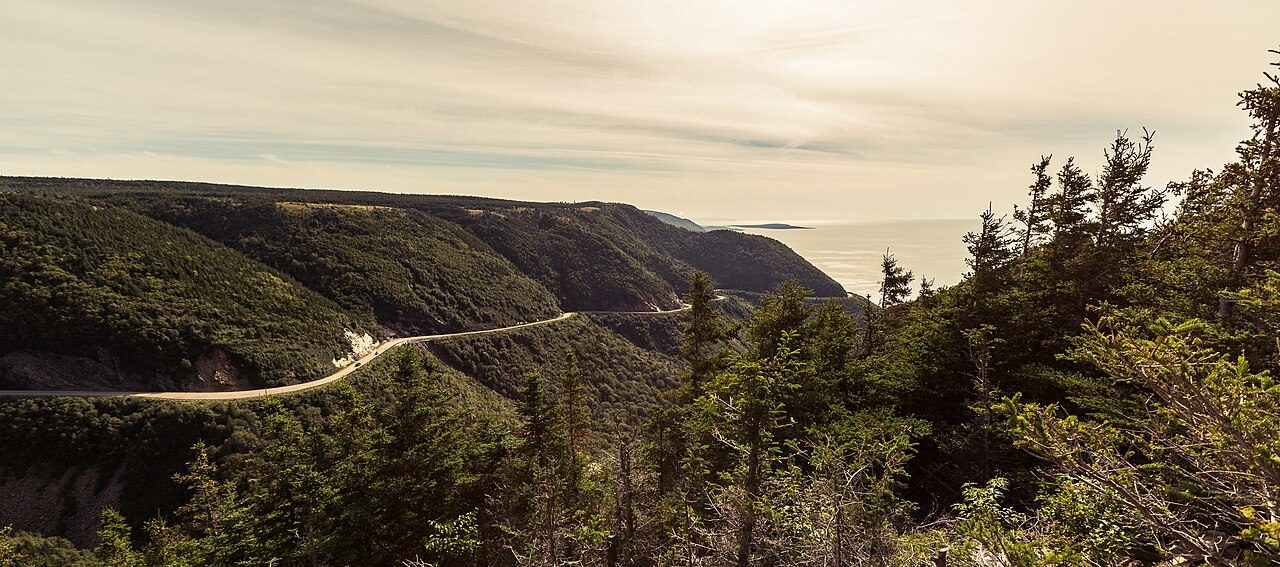
Atlantic Canada: Nova Scotia’s Cabot Trail is a 298 km loop around Cape Breton Island that locals will tell you — correctly — is one of the world’s great drives. Give it three slow days: hiking in Cape Breton Highlands National Park, lobster rolls in fishing villages, and Celtic music in the pubs. Newfoundland and Labrador is the real frontier — Gros Morne’s geology, Iceberg Alley in late spring, and the famous hospitality (I got “screeched in” on my first visit and I’d do it again). Our 3-day Halifax itinerary is the natural starting point for the Maritimes.
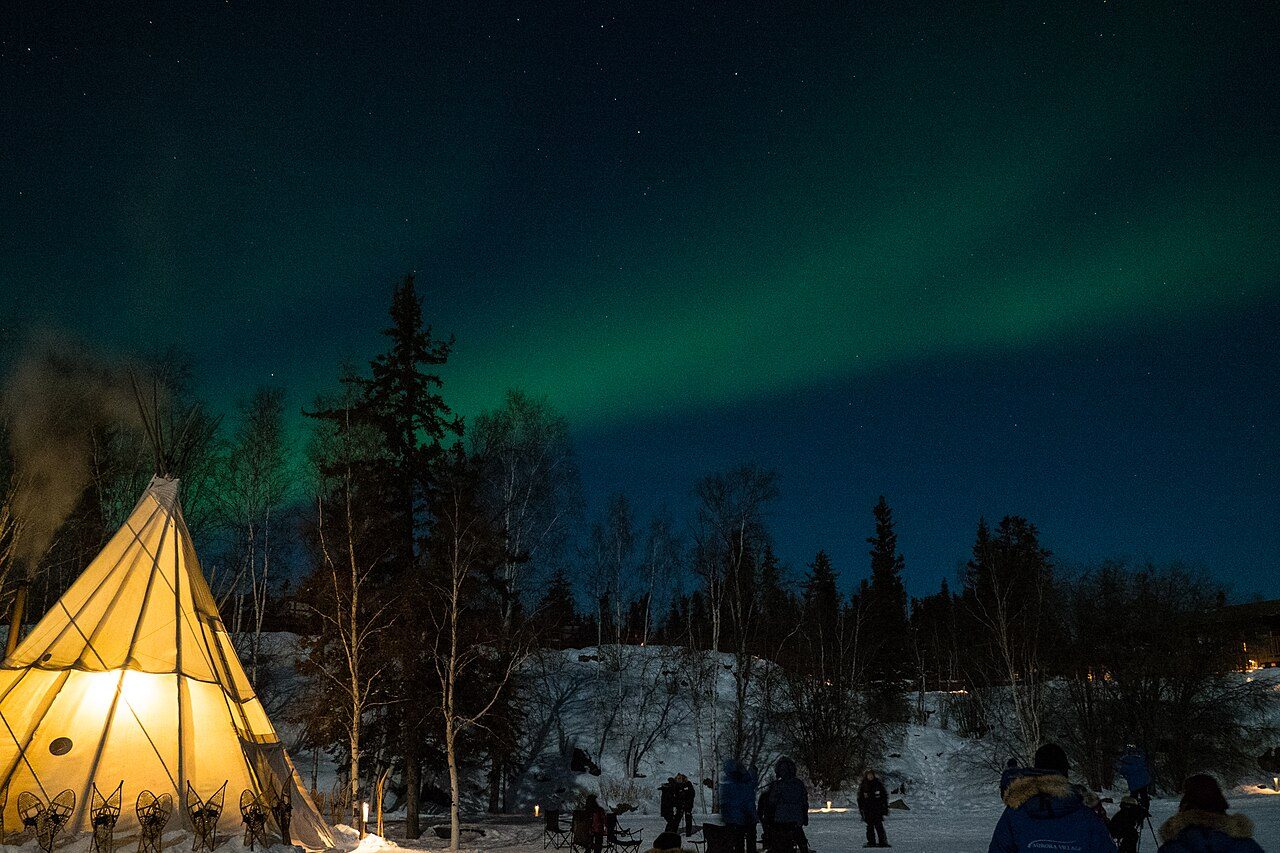
The North: for the aurora borealis, Yellowknife (Northwest Territories) and Whitehorse (Yukon) are the prime viewing bases — clear winter nights, high odds. I haven’t timed this one perfectly yet (the lights kept me up until 3 AM three nights running — worth every lost hour of sleep), but the December-to-March window is the reliable bet.
Timeline at a glance: the classic 14 days
| Days | Where | Highlights |
|---|---|---|
| 1–3 | Vancouver | Stanley Park Seawall, Gastown, Granville Island; optional Whistler day trip |
| 4 | Banff | Fly/drive to Calgary → Banff; Lake Louise at sunset |
| 5 | Banff / Lake Louise | Moraine Lake shuttle (book ahead!), Plain of Six Glaciers hike |
| 6 | Icefields Parkway → Jasper | Columbia Icefield, Peyto Lake; Maligne Canyon |
| 7–9 | Toronto | CN Tower, Distillery District, Kensington Market; Niagara Falls day trip |
| 10 | Ottawa | Parliament Hill, Rideau Canal, Canadian Museum of History (train stopover) |
| 11–12 | Montreal | Old Montreal, Mount Royal, bagels (plural); VIA Rail from Toronto ~$55 advance |
| 13–14 | Quebec City | Château Frontenac, Upper & Lower Town; fly home from Quebec City or Montreal |
FAQs about planning a Canada itinerary
Is 2 weeks enough for Canada?
Yes — two weeks is the sweet spot for the highlights. Six days in the West (Vancouver + the Rockies) and eight in the East (Toronto → Niagara → Ottawa → Montreal → Quebec City) covers the country’s greatest hits with one domestic flight connecting them. For the Atlantic provinces or the North, add a third week.
How much does a 2-week Canada trip cost?
Budget roughly $250–350 CAD per adult per day for a mid-range trip in 2026 — that’s ~$3,500–5,000 total per person for 14 days, excluding international flights. The big variables are hotels (~$150–250/night) and how early you book VIA Rail tickets (advance ~$55 vs. ~$155 same-day Toronto–Montreal).
Do I need an eTA to visit Canada in 2026?
If you’re from a visa-exempt country and flying in, yes — you need an eTA before boarding. The official fee is CAD $7, applied for on the official canada.ca application page, and most approvals come within minutes. Watch out for third-party sites charging many times the official fee.
Can you get to Moraine Lake without a reservation?
Essentially no — private vehicles are banned on Moraine Lake Road, so everyone arrives by shuttle. The Parks Canada shuttle ($12.75/adult return, plus a $3.50 booking fee) releases reservations April 15 with the remainder dropping 2 days before each date, and peak dates sell out fast. Book the moment your date opens, or use a commercial operator as backup.
Is the train better than flying between Eastern cities?
For Toronto–Montreal–Ottawa–Quebec City, yes — VIA Rail’s corridor trains are downtown-to-downtown, take 4.5–5 hours, skip airport security, and cost ~$55 advance in economy. I timed my own Toronto–Montreal run and got more done on the train than any flight day. Book early: fares are dynamic and climb steeply near departure.
When is the best month to visit Canada?
July–August for the best hiking weather and full access to everything (plus peak crowds); December–March for skiing and aurora viewing; May–June and September–October for fewer crowds and lower prices — my personal pick. Note that 2026’s free-admission Canada Strong Pass window (June 19 – September 7) has passed; check Parks Canada’s official passes page for current admission info.
Keep exploring
- The Ultimate Vancouver Travel Guide: 2026 Edition
- The Ultimate 2 Days in Banff Itinerary: 2026 Travel Guide
- The Ultimate Banff Jasper Road Trip Itinerary for 2026
- The Ultimate Toronto Travel Guide: 2026 Edition
- The Ultimate Niagara Falls Travel Guide: 2026 Edition
- The Ultimate 3 Days in Montreal Itinerary for 2026
- The Ultimate Quebec City Travel Guide: 2026 Edition
- The Ultimate 3 Days in Halifax Itinerary: 2026 Guide