
- ✓ November is Canada’s least photogenic month — and its cheapest. Empty trails, empty hotel lobbies, fares that look like a pricing error. The country is between seasons, and the prices show it.
- ✓ The polar bear window in Churchill runs mid-October to late November. Tundra Buggies roll while the bears wait for Hudson Bay to freeze. Book a year out, or don’t bother.
- ✓ Ski hills start spinning. Lake Louise usually opens early November, Sunshine close behind — half the terrain, none of the crowds, and first-chair prices.
Here’s the deal with November in Canada: it’s the month nobody plans for. Not winter yet, not fall anymore — just grey, wet, and quiet. I spent one November week driving the Yellowhead with a fuel gauge I’d described as “probably fine” and ended up coasting into a closed-for-the-season gas station outside Jasper at dusk. I’ve made this mistake so you don’t have to: November rewards the traveller who checks things.
But here’s what I actually remember about November. Not the grey. The bears. I stood in the back of a Tundra Buggy outside Churchill while the wind off Hudson Bay found every gap in my clothing — and I’ve been cold in a lot of places, but this cold had a personality. A boar ambled past the rig close enough to count his whiskers. No one on that buggy said a word. You don’t get that in July.
And the other November memory: a whole rainy day in Toronto, rain coming sideways off the lake, standing under a PATH overhang eating a mediocre pretzel because every patio had packed it in for the year. November will do that to you. Then it hands you a $120 flight and an empty ski lift line. Fair trade. This is the honest version of the month.
November weather in Canada, by region
Canada in November isn’t one weather — it’s six, depending on where you stand. The numbers below are typical daytime ranges; the “feels like” column is mine. Pack for the column on the right, not the left — that’s in my Canada winter packing list. And if December’s on your mind too, the deep-freeze follow-up is Canada in winter.
| Region | Typical temps | What it actually feels like |
|---|---|---|
| Vancouver & the coast | 3–9°C | Rain. Then more rain. Bring waterproof everything — not water-resistant, waterproof. |
| The Rockies (Banff, Lake Louise, Jasper) | −8 to 0°C | Proper winter already. Snow on the ground, resorts spinning, breath that freezes on your scarf. |
| The Prairies (Winnipeg, Saskatoon) | −12 to −2°C | Winter arrives early and skips the pleasantries. Wind is the whole story here. |
| Toronto & Montréal | −2 to 7°C | Grey, raw, damp. The least photogenic weather of the year — but it’s rarely brutal. |
| The Maritimes (Halifax, St. John’s) | 0–7°C | Storm season. Nor’easters roll through, ferries get cancelled, and the ocean looks magnificent from behind glass. |
| The North (Yellowknife, Churchill) | −20 to −8°C | Full winter. Daylight’s on a short leash. This is the cold that has opinions about your jacket. |
Daylight is the thing nobody budgets for. By late November, Churchill gets about seven hours of light — sunrise around 8:30, sunset before 4. I watched a whole day’s driving plan collapse because I forgot sunset was a 3:45 appointment. Plan outdoor days around the light, not the clock.
The 7 November stops, on a map
Seven stops, coast to coast to the Arctic. Tap any stop to jump the map straight to it.
Map data © OpenStreetMap contributors. Open the full map
What to do in Canada in November
1. See the polar bears in Churchill
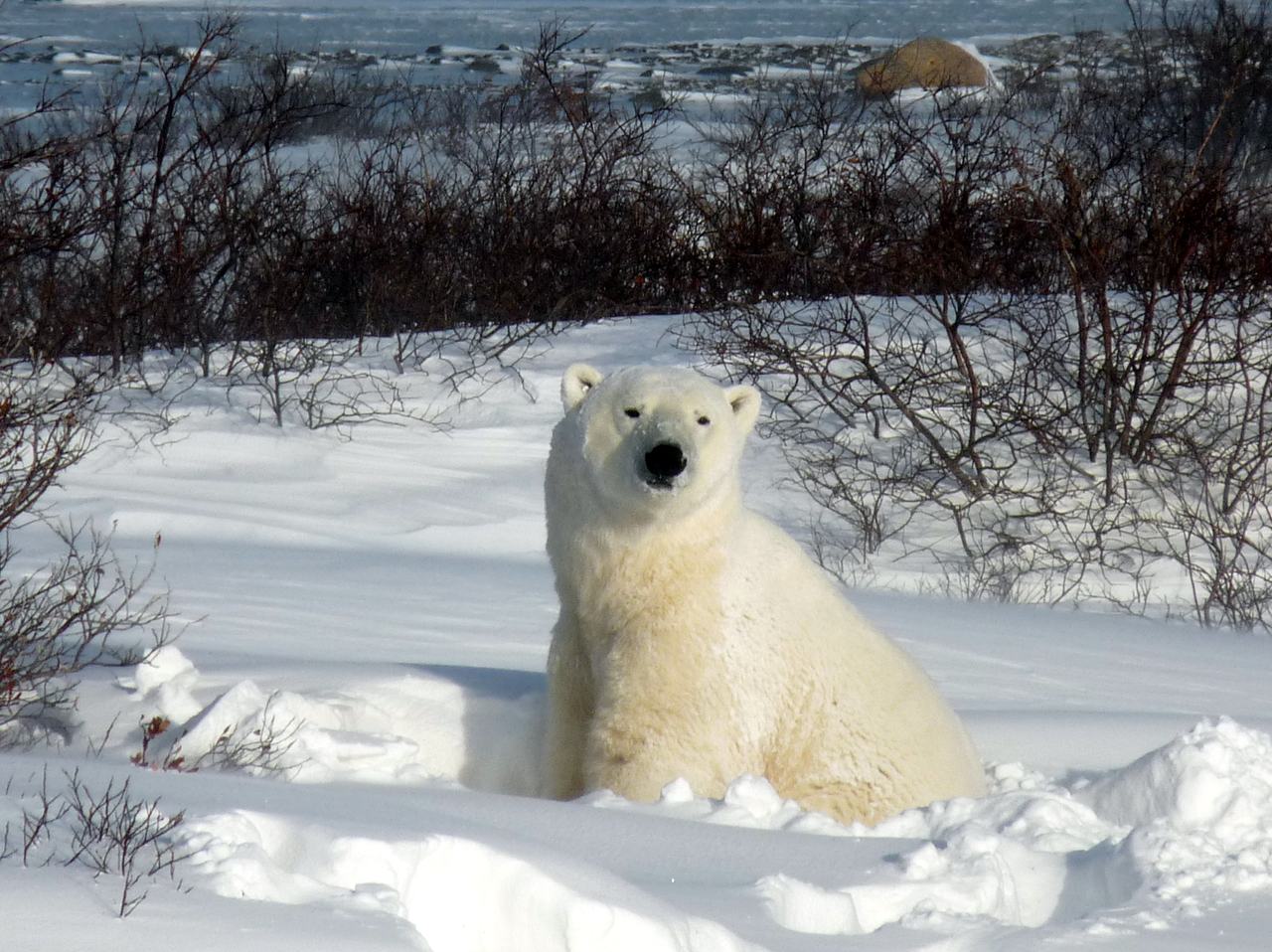
This is the headline act. Every fall, hundreds of polar bears gather along Hudson Bay near Churchill waiting for the ice to freeze, and the prime viewing window runs typically mid-October to late November. You go out in a Tundra Buggy — a bus on monster-truck wheels that puts you eye-level with a thousand-pound animal — and the bears walk past like they own the place. Which they do.
It is not cheap. Between the flight to Winnipeg, the hop north to Churchill, and the tour itself, this is a several-thousand-dollar trip. No joke: it’s the most expensive wildlife trip in Canada. I went once. I still talk about it at dinner parties, and I am not proud of that. Book through operators well ahead — Manitoba’s official tourism site keeps the current season details — and know that late October to mid-November is when the most tours run. → Travel Manitoba — official visitor info
Churchill is reachable only by plane or train — there is no road. The train from Winnipeg is a two-day affair and sells out in bear season; fly if your schedule has any dignity. I checked the operator season charts on Discover Churchill’s seasons page — their polar bear tours typically run October 1 through mid-November — and booked eleven months out. That was about right.
2. Catch the early ski season
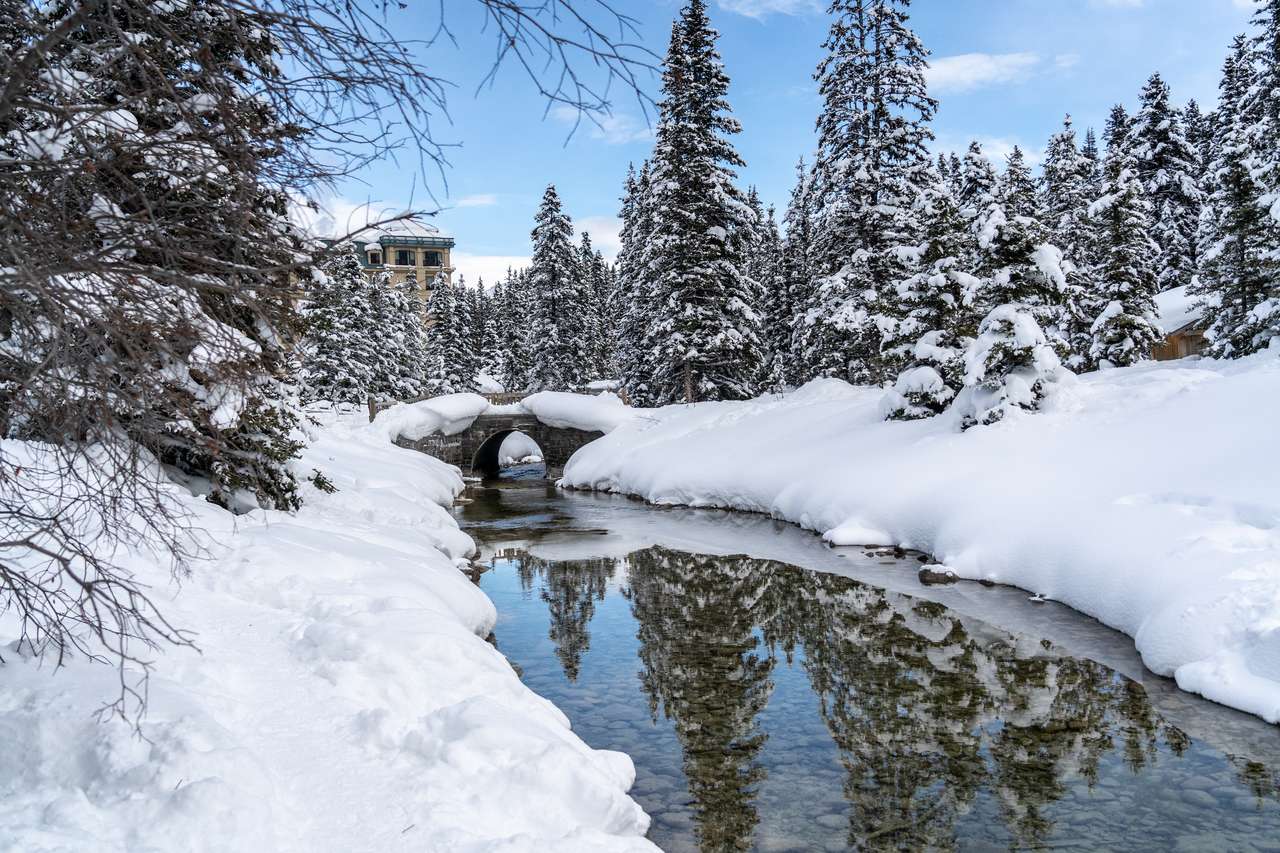
The Rockies don’t wait for December. Lake Louise usually opens in the first week of November — the resort has announced a tentative opening day of Friday, November 6 for the 2026/27 season, and past years landed November 3–5. Banff Sunshine typically follows within days. You’ll get a fraction of the terrain — a couple of lifts, lower-mountain runs — but also a fraction of the people and early-season ticket deals. The snow up high is the real thing. → Lake Louise — official opening-day announcement
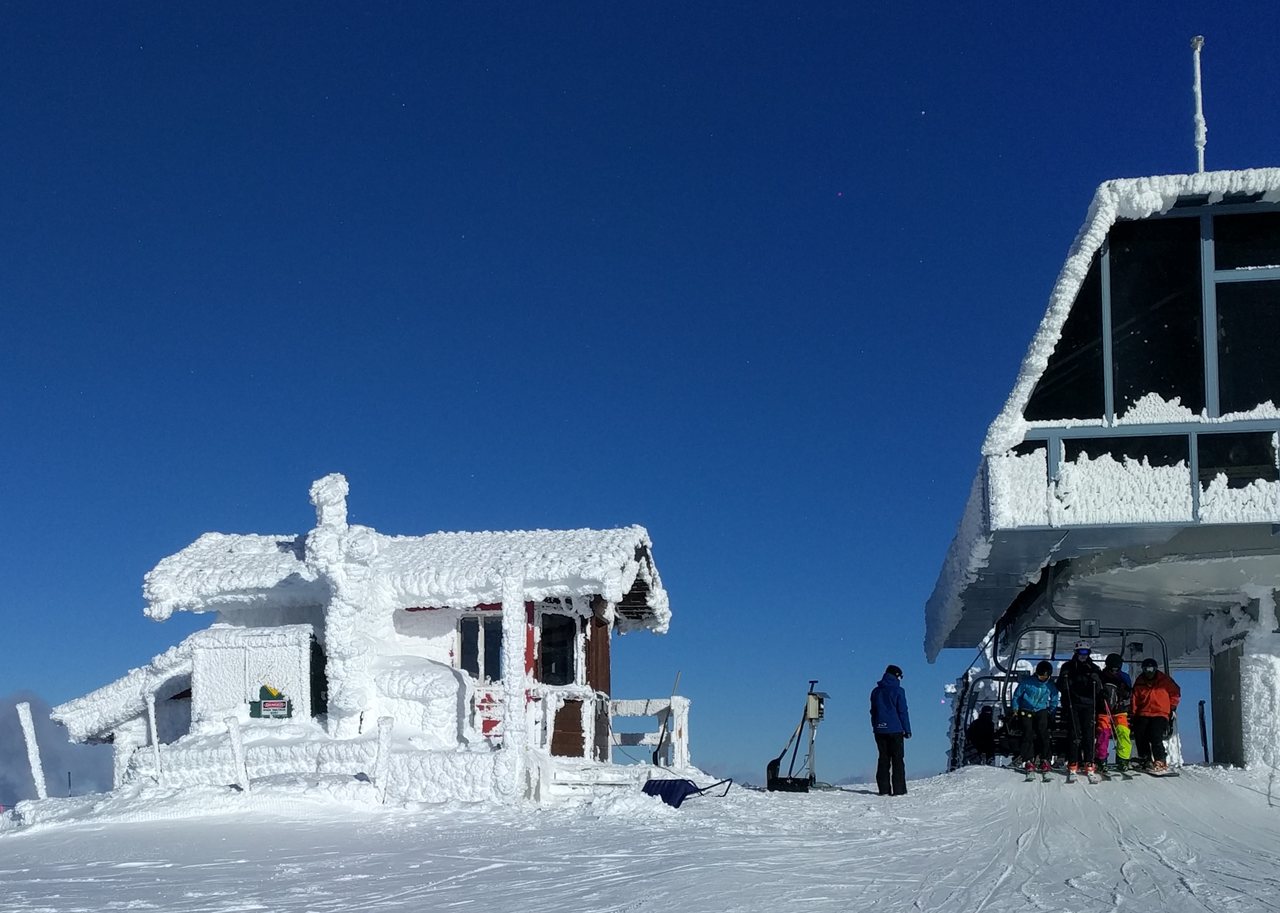
Whistler Blackcomb usually spins up around the third week of November — this year’s announced target is November 20. Same deal: limited terrain, thin crowds, and the village still has November prices. I skied an opening week once: two lifts, one long lunch, and a lift-line total of zero people. Worth the detour if your dates line up. → Whistler Blackcomb — official site
A liftie at Lake Louise told me the quietest skiing of the year is the first Tuesday after opening — the weekend warriors have gone home and the snow’s still untracked on the upper mountain. I tried it. He was right. Now you know too.
3. Embrace the grey — November is the ugliest month, and that’s the point
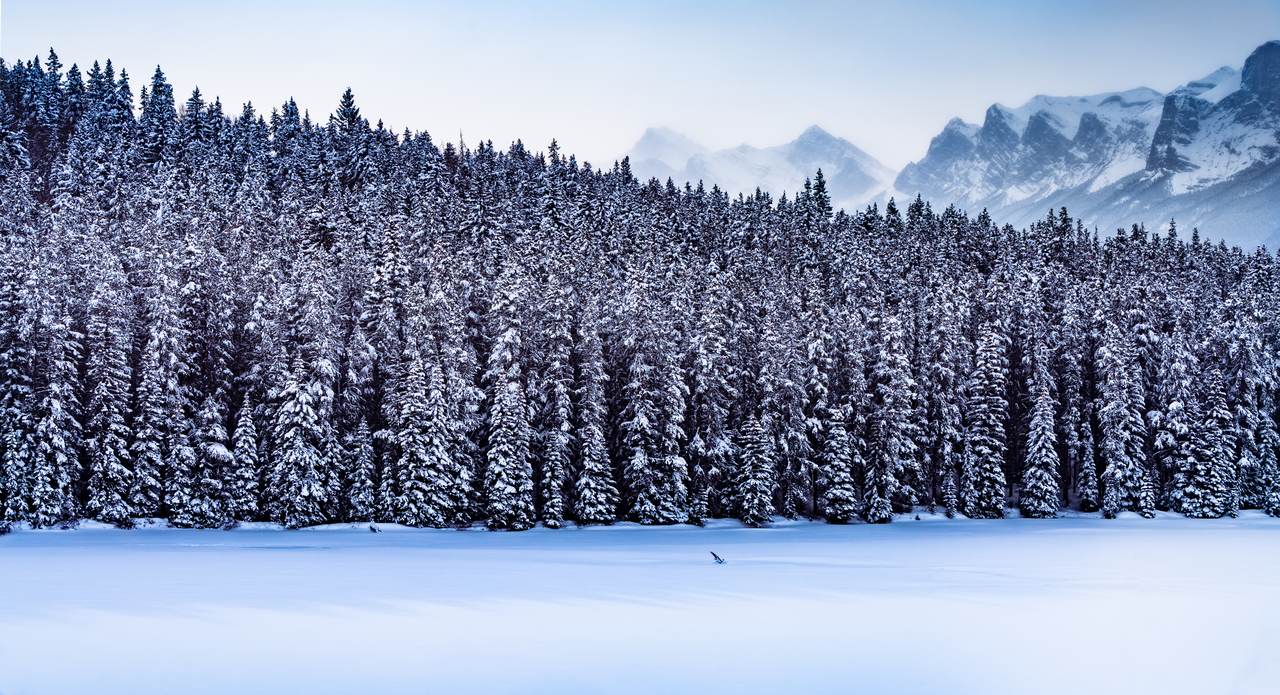
Let’s be honest: nobody’s November photos make the calendar. Toronto and Montréal are grey. The Maritimes are getting hammered by the first nor’easters. The patios are gone, the leaves are gone, and the Christmas lights aren’t up yet. November is Canada with the makeup off.
And that’s exactly why it’s the cheapest month to travel. Hotels in Banff that cost $300 a night in February go for half that. I once got a harbour-view room in Victoria for the price of a hostel dorm elsewhere, because — and I quote the front desk — “it’s November, sir.” Expedia’s fall travel data backs this up: November consistently holds some of the cheapest flight days of the year, with the lowest international fares landing around November 11 and 19, and the whole month sitting in shoulder-season territory before the holiday rush. The flights are cheap because demand fell off a cliff after Thanksgiving. Your gain. → Expedia Fall Travel Outlook — cheapest dates
If you want the month’s honest arithmetic, my cheapest time to visit Canada guide ranks every month — spoiler, November is at the top.
4. Chase the aurora before the deep freeze
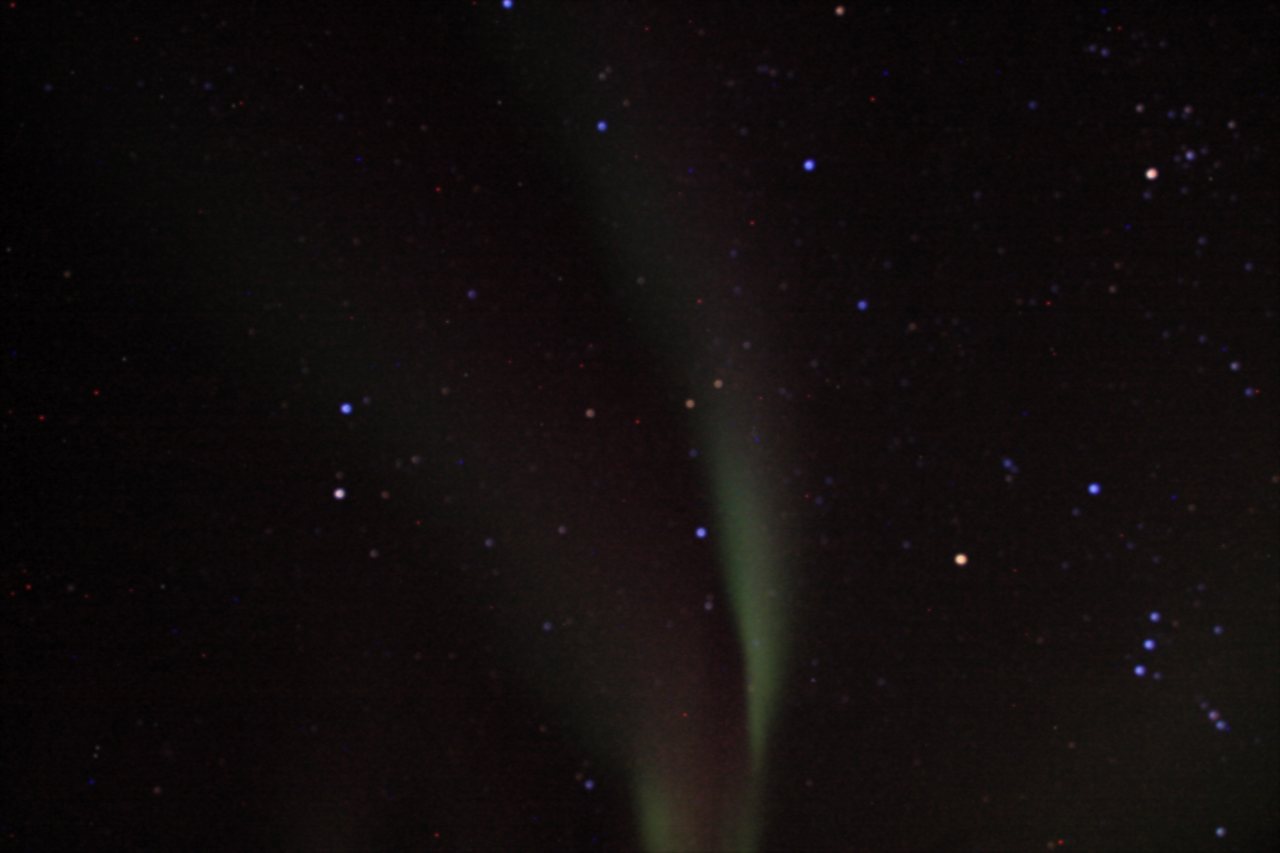
November is quietly one of the best aurora months. The nights in Yellowknife are already long, the lakes are freezing over (which kills the haze), and you’re not yet dealing with January’s −30. I stood on a frozen lake at midnight in −15, tripod shaking, and watched the sky do things that don’t look legal. Deadpan assessment: it was the coldest I’ve ever been while grinning.
You don’t need a tour to see them — just clear skies, dark surroundings, and patience. But a heated aurora-viewing cabin is a luxury you will not regret. Drive out of town, kill the headlights, wait. That’s the whole technique.
5. Remembrance Day, November 11
November 11 is Remembrance Day, and it’s worth planning around. Ceremonies happen at cenotaphs in every city and town at 11 AM — the two minutes of silence is observed nationwide, and the big national ceremony at the National War Memorial in Ottawa draws thousands. I stumbled into the Ottawa ceremony once by accident and stayed for the whole thing. I’m glad I did.
Practical notes: banks, government offices, and Canada Post are closed; some shops and museums adjust hours, and it’s not a statutory holiday in every province (Ontario, for one, doesn’t treat it as one). If you’re visiting a museum that day, I checked the usual pattern — check the specific museum’s site before you go. → Veterans Affairs Canada — official Remembrance Day info
6. Storm-watch on the west coast instead
Here’s an alternative if the grey gets to you: go stand in it. Tofino, on Vancouver Island’s west coast, has turned November storms into a sport — the waves slam the beaches, the rain goes sideways, and you watch the whole thing from a hot tub or a floor-to-ceiling lodge window. I did the hot tub version. The wind howled, the ocean exploded, and I sat in 40-degree water feeling extremely pleased with myself.
Ferries to the island can be delayed in rough weather — build a buffer day into that leg. → Tourism Tofino — official visitor site
What does November cost?
November is the discount month — the numbers below are what a shoulder-season week actually runs. Pick your travel style, tell the calculator how many days you’re staying, and it does the rest. (Accommodation not included — see the table below for that. And yes, the Churchill bear trip breaks this scale entirely; that’s a separate budget.)
Budget calculator
Per person, in Canadian dollars. Excludes accommodation.
Budget ≈ $75/day · Mid-range ≈ $130/day · Luxury ≈ $245/day. Shoulder-season rates, checked October 2026.
| Expense (per person / day) | Budget | Mid-range | Luxury |
|---|---|---|---|
| Accommodation | $45 (hostel dorm) | $140 (3-star hotel, Nov rates) | $300+ (resort lodge) |
| Food & drink | $35 | $65 | $120 |
| Sights (museums, gondolas…) | $15 | $25 | $50 |
| Getting around (transit, fuel) | $15 | $25 | $50 |
| Coffee, treats & souvenirs | $10 | $15 | $25 |
| Daily total | ~$120 | ~$270 | ~$545 |
November field notes
November is the shoulder season that swallows things whole. Golf courses close, lake cruises stop running, and some mountain roads go to winter schedules. Before you build an itinerary around any attraction, check its November hours on the official site — not a travel blog from 2019. I’ve been burned by this twice. Fool me twice, etc.
Winter tires, not all-seasons. Several mountain passes and parts of BC legally require winter tires or chains from October 1. The Trans-Canada through Rogers Pass in November is no place to discover your tread is bald. Gas up before long empty stretches — stations in the north close early or for the season, and I once coasted into Jasper on fumes and optimism. Mostly fumes.
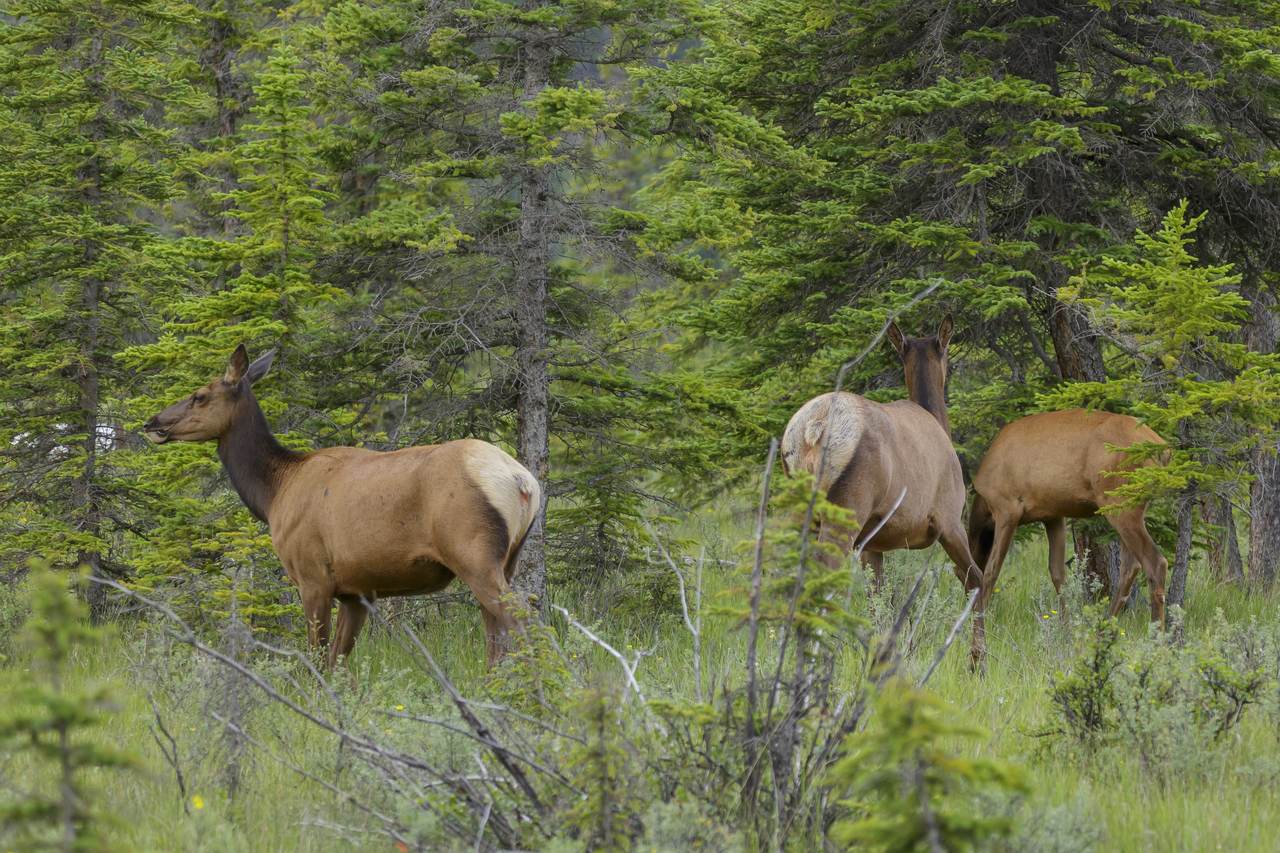
Jasper in November. Everyone goes to Banff; Jasper is quieter, cheaper, and the elk are everywhere — rutting season just ended, and the big bulls are still hanging around town like they own it. The townsite at dusk, elk silhouettes in the falling snow, not another tourist in sight. That’s a November memory worth having.
FAQs about Canada in November
Is November a good time to visit Canada?
It depends what you want. For polar bears, early ski season, aurora viewing, and the year’s lowest prices — yes, it’s excellent. For patios, hiking, and photogenic weather — no, it’s terrible. November is a specialist’s month. If you know what you’re coming for, it’s one of the best deals in Canadian travel. If you were hoping for a generic nice vacation, pick another month — here’s the month-by-month breakdown.
Can you really see polar bears in November?
Yes — November is prime time. The bears gather near Churchill while Hudson Bay freezes, and Tundra Buggy tours typically run from mid-October through mid-to-late November. Early November tends to have the most bears and the most tour departures. Book a year ahead; the season is short and the buggies fill up.
Is it too cold in November?
Not everywhere. Vancouver sits around 3–9°C and Toronto around −2 to 7°C — jacket weather, not expedition weather. But the Rockies are below freezing, and Churchill and Yellowknife are deep in winter (−20 to −8°C is normal). Dress for the destination, not the country. The winter packing list covers the layers that actually matter.
What’s closed in November?
More than you’d think. Summer-only attractions — lake cruises, many mountain gondolas, golf courses, some national park campgrounds — shut down by late October. Some restaurants and hotels in resort towns take a November break between seasons. On the flip side, ski resorts start opening and winter tours begin. Always check the official site for November hours; the shoulder season is full of “closed until December” surprises.
When do ski resorts open?
The big Rockies resorts usually open in November: Lake Louise typically targets the first week (the 2026/27 season has a tentative opening day of Friday, November 6), Banff Sunshine follows within days, and Whistler Blackcomb usually spins up around the third week of November. All dates are snow-dependent — check the resort’s official site the week before you go. Early season means limited terrain but also the shortest lift lines of the year.
Why is November the cheapest month to fly to Canada?
Demand falls off a cliff. Summer’s over, the ski crowd hasn’t arrived, and the holidays haven’t started — so airlines discount to fill seats. Expedia’s fall travel data shows November holding some of the year’s lowest fares, with the cheapest international flight days around November 11 and 19, and the whole month firmly in shoulder-season pricing. Hotels follow the same logic: shoulder-season rates in Banff, Whistler, and the cities run noticeably below winter peaks.
Keep exploring
November is one month of the story — here’s where I’d look next:
- Canada in winter — what happens when November’s promise turns into the deep freeze
- Cheapest time to visit Canada — November wins, but here’s the full month-by-month ranking
- Canada winter packing list — the layers that actually keep you warm
- Best time to visit Canada — every month, honestly ranked
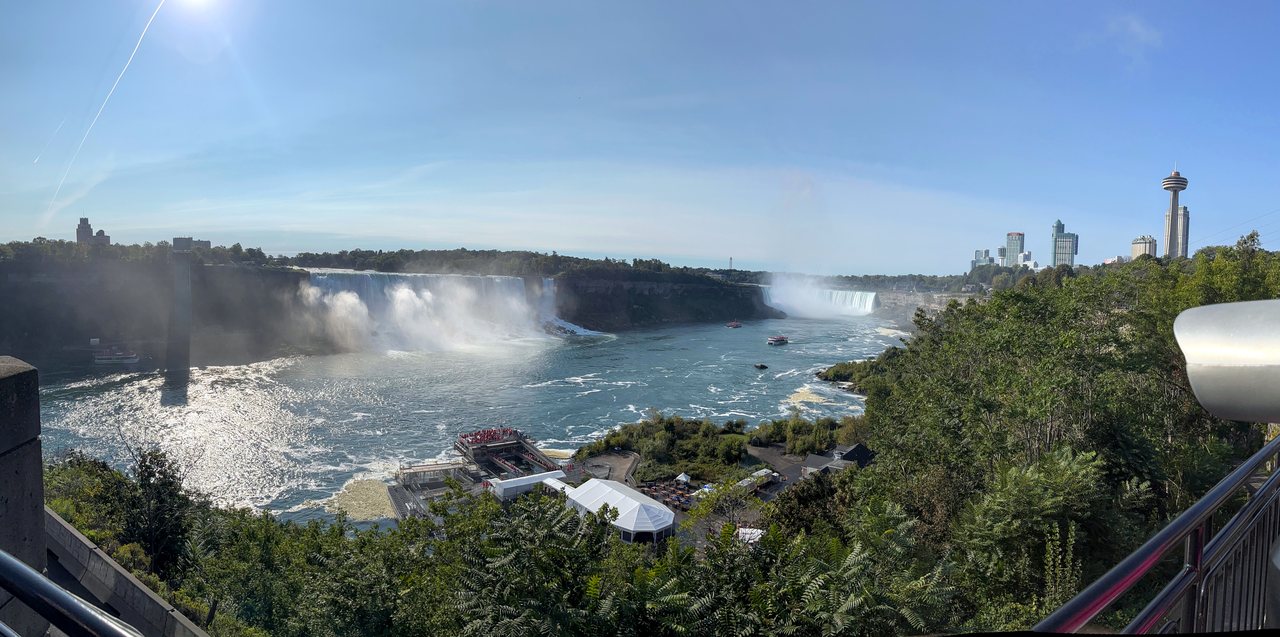
- 1-day Niagara Falls itinerary — the classic day trip, best done with November’s thin crowds
November won’t flatter you. It’ll hand you a polar bear at twenty metres, an empty lift line, and a flight that costs less than the airport parking. Take the deal.