- ✓ Pick by skier type, not by postcard: beginners belong at Tremblant, Big White or Sun Peaks; powder hunters at Revelstoke, Kicking Horse or Fernie; families at Big White or Sun Peaks; tight budgets at Mont-Sainte-Anne.
- ✓ Book lift tickets online, in advance, every time: window prices at Whistler run C$202–329 a day, while an advance day pass starts around C$160 — the same mountain, a third cheaper, for clicking a button a month early.
- ✓ January weekdays are the sweet spot: full snowpack, short lift lines, lowest prices. Christmas week and Family Day weekend are the opposite of all three.
Here’s the deal with skiing in Canada: the country has more good resorts than any sane person can ski in one winter, and the wrong pick will cost you real money. I learned that the expensive way. My first Canadian ski trip, I booked Whistler at Christmas, paid window price for everything, and spent half the holiday in lift lines wondering why my credit card was smoking. I’ve since skied nine of the ten resorts below — some twice, one in a whiteout I should never have driven through — and the list that follows is the one I hand friends now. No resort paid to be here. The prices were checked in November 2026, and where a resort prices dynamically by date, I say so instead of pretending there’s one fixed number.
A confession to start: I am not a great skier. I am a solid intermediate who falls with dignity about once a day, usually in front of an audience. That makes me the right person to write this guide, actually. The expert reviews will tell you about fall lines and couloirs. I’ll tell you which lift lines move, which villages feed you properly after 4 PM, and which “beginner area” is actually a flat traverse where you’ll be pushing with your poles like a gondolier. Buckle up.
One more thing before the list: this is a hub guide. The deep dives live in the site’s own ski pieces — my Canada ski trip cost guide breaks down lift tickets, rentals, lessons and lodging resort by resort, the Whistler ski trip cost guide runs the full Epic Pass maths, Banff in winter covers the SkiBig3 scene, and the Mont Tremblant travel guide handles the village and non-ski days. I link to them where they matter below.
The 10 resorts, on a map
Ten resorts, three provinces, one very long country. Six of them are pinned below — the ones you’ll most likely fly to. Tap any stop to jump the map straight to it.
Map data © OpenStreetMap contributors. Open the full map
Pick your resort in 60 seconds
Short on time? Start here. Find your skier type, read across, done. The lift-ticket figures are adult day rates for 2026–27 as published or reported in November 2026 — most resorts now price by date, so treat every number as a range, not a promise. The full price notes, with sources, sit in each resort section below.
| Resort | Best for | Adult day lift ticket (2026–27) | Fly into |
|---|---|---|---|
| Whistler Blackcomb | Everything, at scale | C$160–187 advance; C$202–329 window | Vancouver (2 hrs) |
| Lake Louise | Big-mountain intermediates | C$160–185 | Calgary (2.5 hrs) |
| Sunshine Village | Long season, deep snow | ~C$140–170 (dynamic) | Calgary (2 hrs) |
| Mont Tremblant | Beginners, village life | ~C$150–195 | Montreal (1.5 hrs) |
| Big White | Families, ski-in/ski-out | ~C$150–175; ~C$121/day on POWder Card | Kelowna (1 hr) |
| Sun Peaks | Families, value, space | C$209 window; ~C$119–139 advance | Kamloops (45 min) |
| Revelstoke | Powder, experts | C$199–220 | Kelowna (2.5 hrs) |
| Kicking Horse | Steeps, experts | ~C$150–185 | Calgary (3 hrs) |
| Fernie | Powder, laid-back town | ~C$185 | Calgary (3.5 hrs) |
| Mont-Sainte-Anne | Budget, Quebec City base | ~C$135–160 | Quebec City (40 min) |
If you already hold an Epic Pass or Ikon Pass, the choice mostly makes itself. Epic covers Whistler (plus Fernie, Kicking Horse and Mont-Sainte-Anne on partner access). Ikon covers Lake Louise, Sunshine, Tremblant, Revelstoke and Sun Peaks. I double-checked the pass affiliations on the resorts’ own sites before writing this — but pass blackout dates change yearly, so confirm your exact pass tier before booking flights.
And a word on drive times, because I’ve made this mistake so you don’t have to: the times in that table are summer times on dry roads. In January, with a snowstorm over Rogers Pass or the Sea to Sky, add an hour and a white knuckle. Winter tires are legally required on most BC mountain highways from October to April — if you’re renting a car, confirm winter tires at booking, not at the counter.
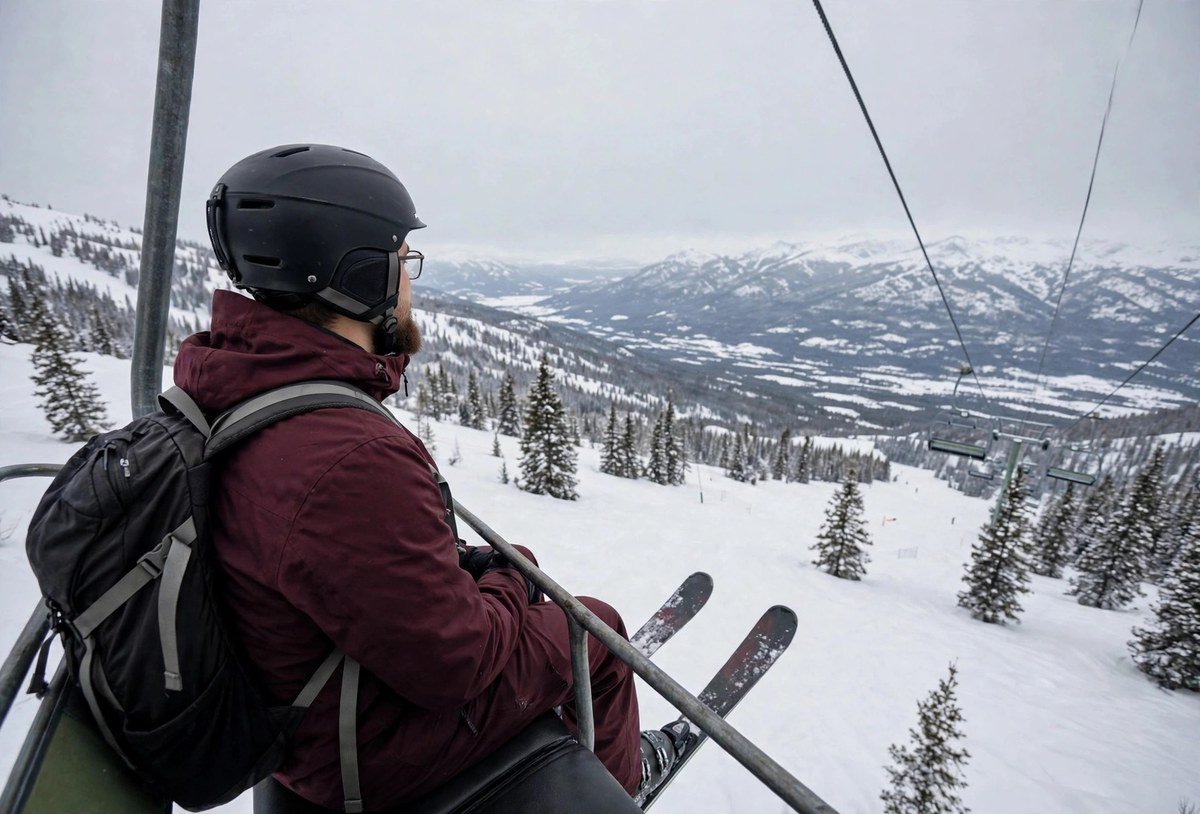
The big names: Whistler, Lake Louise & Sunshine
These three are the ones everyone asks about first, and for good reason. They’re also the three where the gap between “booked smart” and “paid full price at the window” is widest. No joke — at Whistler that gap can be over C$100 a day.
1. Whistler Blackcomb, BC — the one that has everything
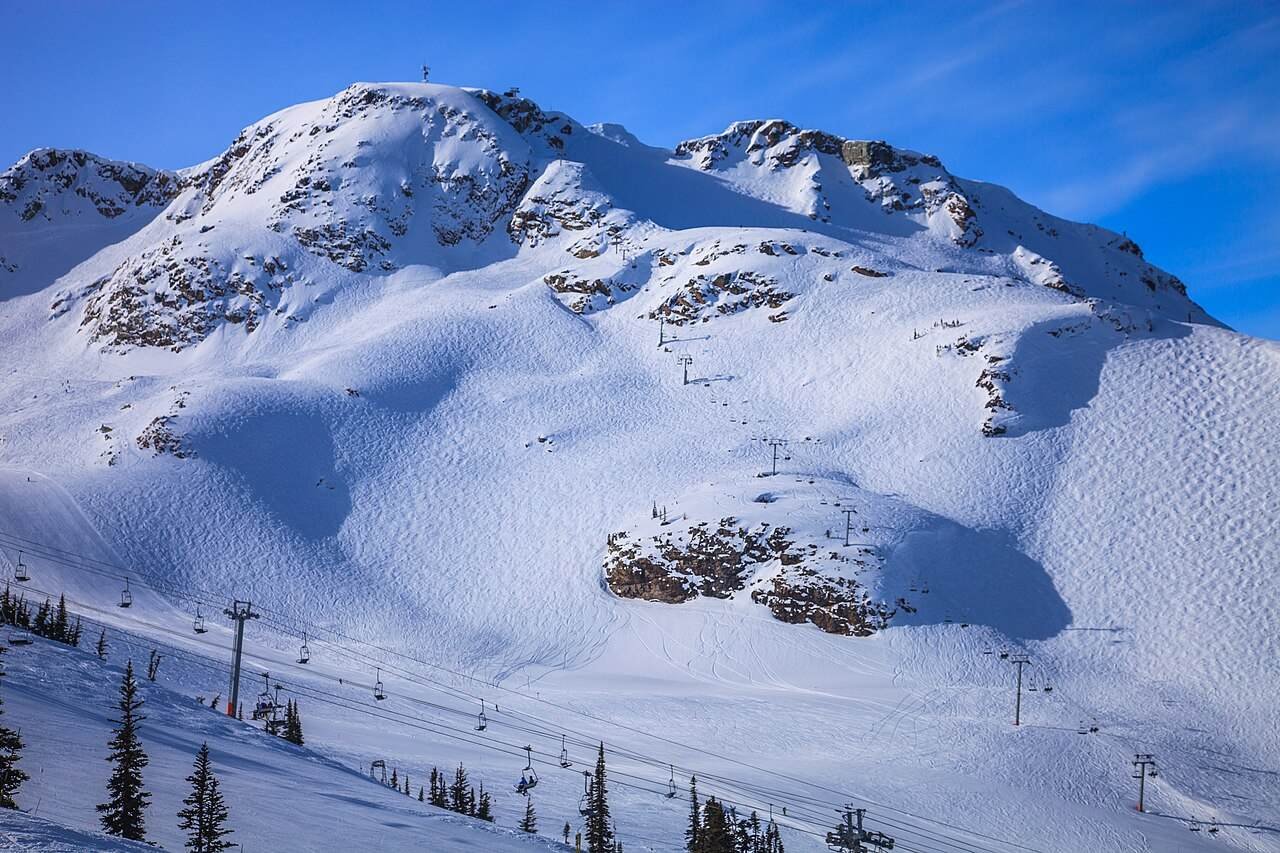
Whistler is the biggest ski resort in North America and it feels like it. Two mountains, 8,171 acres, the PEAK 2 PEAK Gondola stitching them together, and a village that stays busy long after the lifts stop. I skied it on a bluebird Tuesday in February and again on a packed Saturday in March; same resort, two different planets. Pick the Tuesday.
Here’s the deal on price, because Whistler is where the numbers get silly. For 2026–27, an advance-purchase day pass runs about C$160 (restricted) to C$187 (unrestricted), while the same day bought at the window costs C$202 to C$329 depending on the date. I checked those figures against the resort’s published 2026–27 rate sheet — the window range is real, and the top end is a peak-holiday Saturday. An Epic Pass starts from US$1,169 for the season, which is the only way the maths works if you’re skiing more than about six days. My Whistler ski trip cost guide runs the full comparison, including the restricted-pass trap: the cheaper pass blocks you out on the very holidays you probably booked.
Who it suits: everyone, honestly. Beginners get gentle green runs off both mountains and a proper ski school. Intermediates get the most cruisers in Canada. Experts get the alpine bowls, the backcountry gates, and the kind of vertical that ends legs by 2 PM. The catch is the cost and the crowds — a mid-range day here runs roughly C$460–590 per person once you add lodging, food and the ticket, the highest in this guide.
The Sea to Sky Highway from Vancouver is beautiful and, in a storm, genuinely hairy. I once spent four hours on what should be a two-hour drive because I left at 4 PM on a powder Friday. Leave early, check DriveBC before you go, and if the forecast says heavy snow, take the shuttle and let someone else drive.
Stay in the village if you can afford it; stay in Squamish or Pemberton and drive in if you can’t. Either way, book lodging the moment you book flights — Whistler sells out on peak weekends months ahead. → Whistler Blackcomb — official site
2. Lake Louise Ski Resort, Alberta — the view that stops you mid-turn
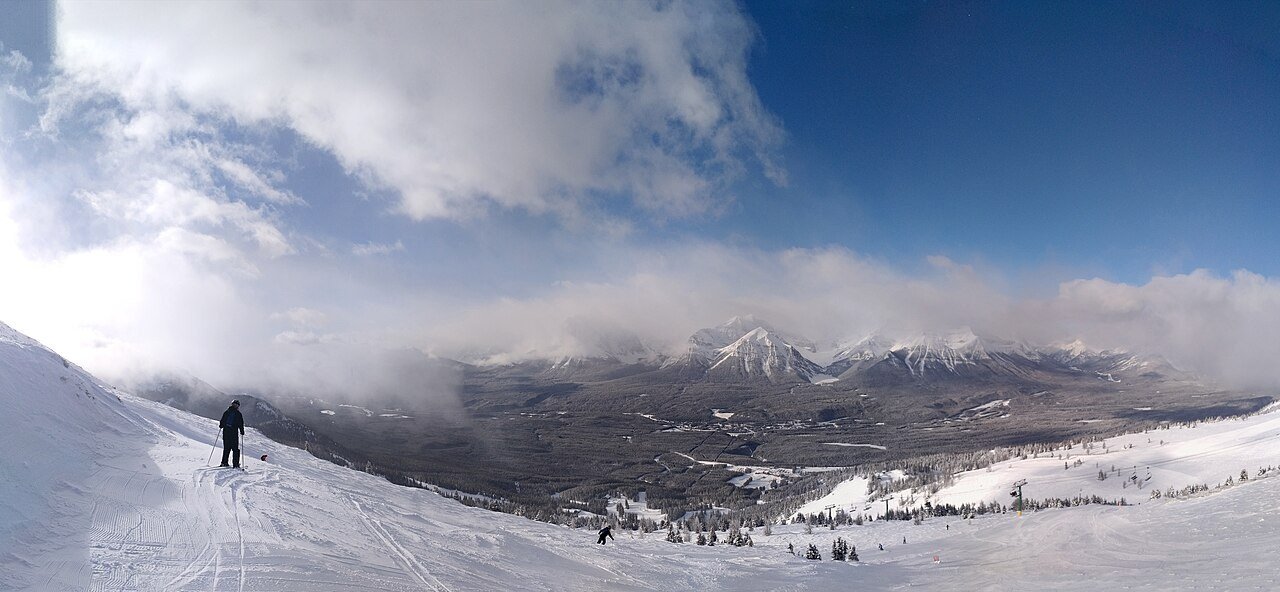
Lake Louise is the resort I show people when they ask why anyone skis in Canada. Four mountain faces, 4,200 acres, and a view from the top of the gondola that made me stop, take my gloves off, and just stand there like an idiot for a full minute. The front side is cruisers; the back bowls are where the strong skiers disappear for the afternoon.
Adult full-day tickets for 2026–27 run C$160 to C$185, according to the resort’s published opening-season rates — the low end is early season, the high end is peak. That’s a fair chunk less than Whistler’s window price, and you’re standing in Banff National Park while you pay it. One cost people forget: the park itself charges a day-use entry fee on top of the lift ticket, C$12.25 per adult per day at 2026 Parks Canada rates, or C$24.50 for a family or group of up to seven in one vehicle. A mid-range day at Lake Louise lands roughly C$350–450 per person all in.
The resort is on the Ikon Pass and Mountain Collective, and the Lake Louise Plus+ Card — about C$160 through late December, per the resort’s own card page as reported in October 2026 — buys three free days across Lake Louise and partner resorts plus 20% off extra days. If you’re doing a Banff week, run the SkiBig3 maths in my Banff in winter guide before buying anything single-day.
Logistics are easy, which is half the appeal: stay in the village of Lake Louise or in Banff town, and the free SkiBig3 shuttle does the driving. I stayed in Banff, caught the 8 AM bus, and was on the first gondola without touching a car key. Worth the detour, full stop. → Lake Louise Ski Resort — official site
3. Sunshine Village, Alberta — high, snowy, and open forever
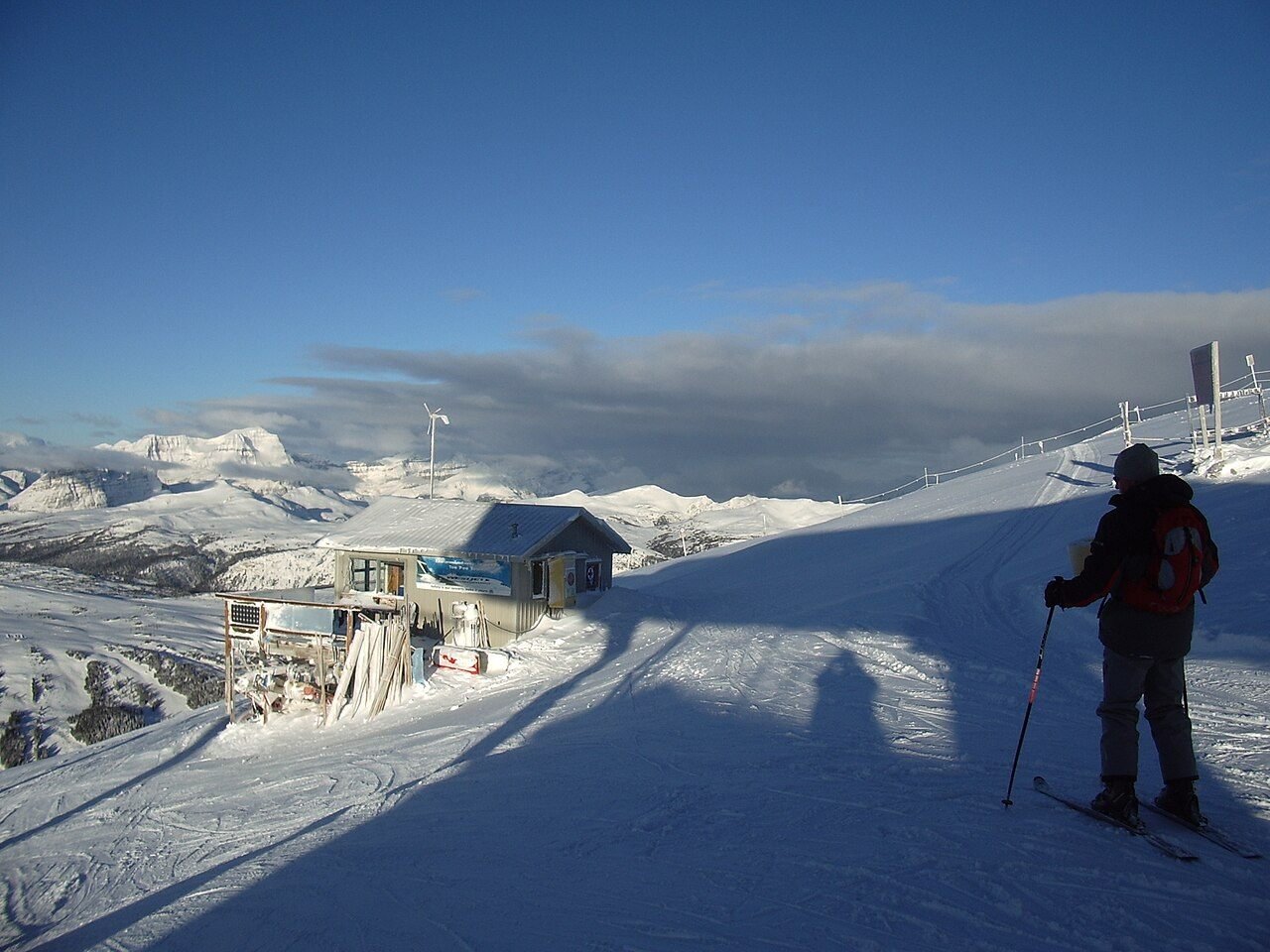
Sunshine sits higher than the other Banff resorts — the village base is at 2,160 metres — and it shows in the snow. It opens early (November 1 for 2026–27) and closes late (mid-May), with about 9 metres of snow a season. I skied it in late April once, in a T-shirt, on snow that was still properly winter up top. That’s a strange and wonderful sentence to type.
Here’s the catch with Sunshine pricing: the resort sells day tickets dynamically by date through its own webstore, with no fixed walk-up rate published. Aggregators tracking 2026–27 put adult day tickets at roughly C$140 to C$170, and the 2025–26 peak walk-up was about C$189 — so budget C$150–190 and check the date you actually want. The Sunshine Super Card, around C$179 for unlimited Sunshine days plus half-price Lake Louise tickets, is the play if you’re basing a whole week in Banff; I’d confirm the current card price on the resort’s site, since the early-bird figure moved during the autumn.
Sunshine is a gondola ride from the parking lot, which means no driving up a mountain road in a storm — a small mercy that feels large at 8 AM in January. The on-mountain lodging is limited and books out early; most people stay in Banff and ride the shuttle. Same national-park entry fee as Lake Louise applies. → Banff Sunshine Village — official site
The backside of Goat’s Eye Mountain is where the locals go when the front side gets tracked out by 11 AM. A lift operator at the gondola told me to lap it on weekday mornings — I did, and I had a whole pitch of untouched corduroy to myself while the village runs were bumper-to-bumper. It’s not a secret, exactly. It just feels like one.
Powder country: Revelstoke, Kicking Horse & Fernie
If the three resorts above are the headliners, these three are the ones the serious skiers whisper about. Bigger vertical, deeper snow, fewer beginners in the way — and, to be blunt, terrain that will humble you if you overestimate yourself. I did, at Revelstoke, on a run I had no business being on. The mountain won. It always does.
4. Revelstoke Mountain Resort, BC — the biggest vertical in North America
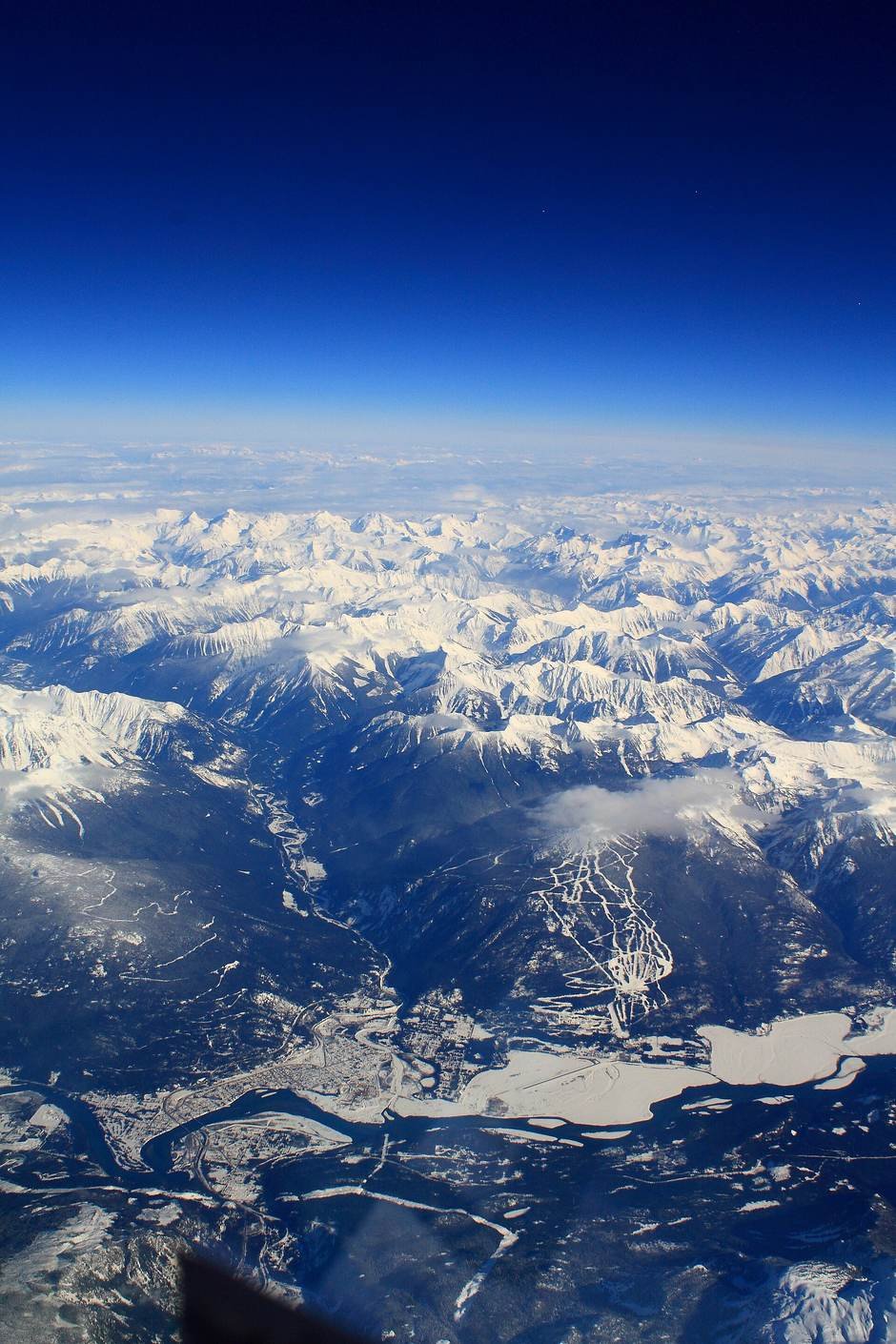
Revelstoke has 1,713 metres of vertical — the most lift-served vertical in North America — and a reputation that keeps the crowds thinner than the terrain deserves. The gondola ride alone is a 20-minute event. I rode it up on my first morning, watched the town shrink below, and understood immediately why people move to Revelstoke for a winter and then never leave.
Adult day tickets for 2026–27 are C$199 early and late season, C$220 at peak (December 24 to March 14), with online advance purchase saving up to 40% off the window rate. The resort is on Ikon (7 days) and Mountain Collective (2 days). Book online before mid-November for the deepest discounts; after that the price only climbs.
Who it suits: strong intermediates and above. Beginners will find the green terrain limited — this is not a learn-to-ski mountain, and the resort doesn’t pretend otherwise. Experts get alpine bowls, glades, and backcountry gates that feel endless. The town of Revelstoke itself is a proper working town with good food and reasonable prices, which is a nice change after resort-village sticker shock. → Revelstoke Mountain Resort — official site
5. Kicking Horse Mountain Resort, BC — steeps, chutes, and the gondola
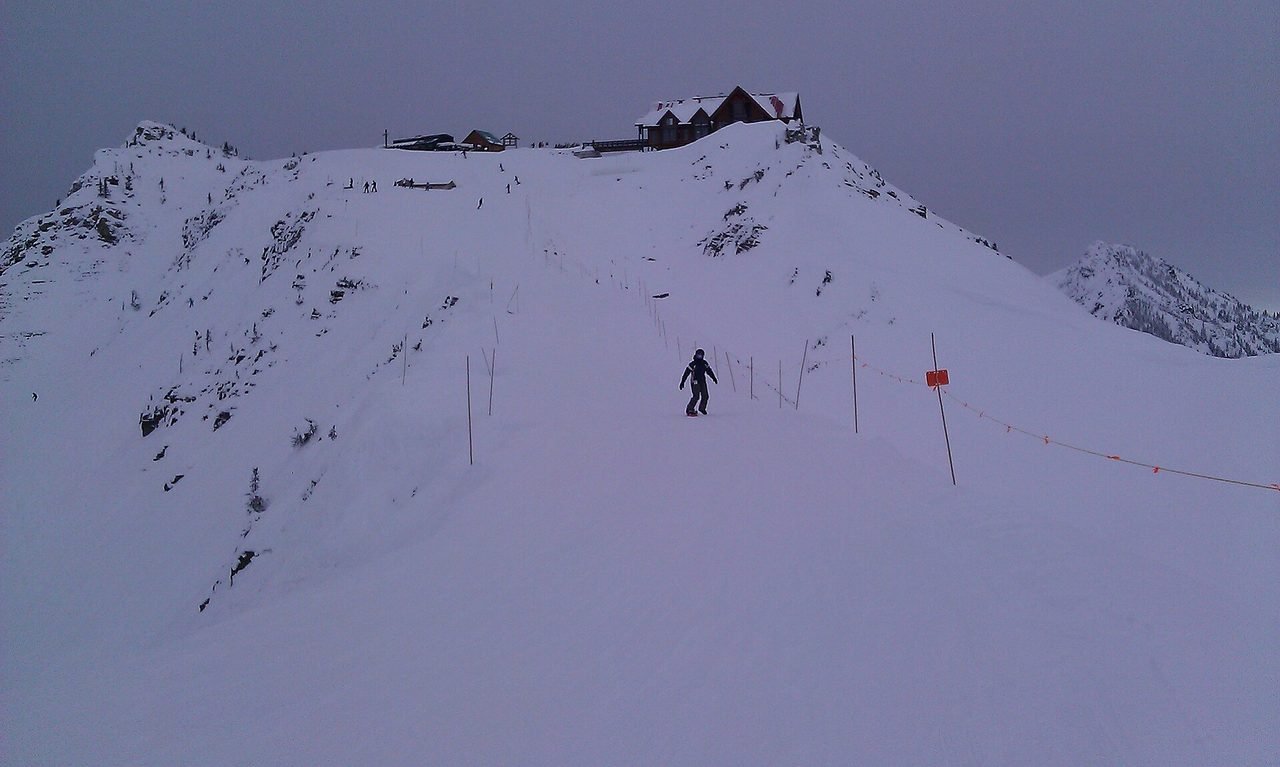
Kicking Horse is the resort I’d pick if I could only ski one steep mountain for the rest of my life. Four alpine bowls, a gondola that climbs 1,315 metres in one shot, and terrain that starts at “challenging” and goes up from there. I took the “scenic route” off the top my first run and ended up side-slipping down a chute while a ski patroller watched with the patience of a man who has seen this exact mistake a thousand times.
Adult day tickets run roughly C$150 to C$185 for 2026–27, based on aggregator tracking of the resort’s published rates — cheaper than Revelstoke, steeper than most. It’s on the Epic Pass partner network, and the RCR fall season-pass sale (about C$1,999 for adults) is worth a look if you’re planning a Kicking Horse–Fernie double. Golden, the town at the base, is small, friendly, and a fraction of Whistler’s price for a bed.
Beginners: be honest with yourselves. There’s a learning area and some greens, but Kicking Horse rewards strong skiing and punishes the rest. If you’re bringing a mixed group, Fernie or Big White will keep everyone happier. → Kicking Horse Mountain Resort — official site
6. Fernie Alpine Resort, BC — powder, and a real town
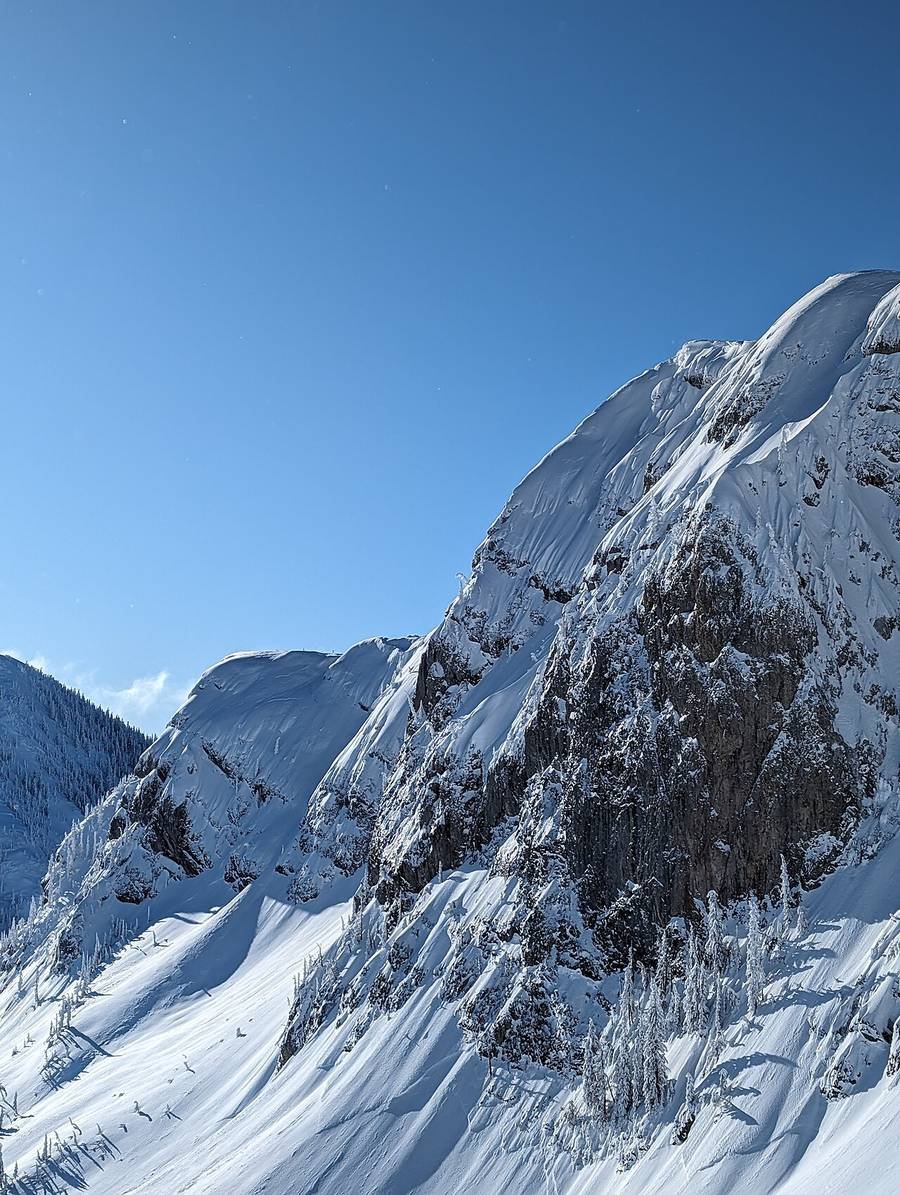
Fernie is the powder town. Five alpine bowls, deep interior snow, and a historic downtown that looks like a film set and charges like a normal town. I skied Fernie on a storm day when the visibility dropped to about ten metres and the snow was so deep I lost a ski — found it, eventually, with help from a stranger who just laughed and said “welcome to Fernie.”
Adult day tickets sit around C$185 for 2026–27, per aggregator listings of the resort’s published rates. Fernie is on the Epic Pass partner network. The mountain gets the kind of snowfall that makes other resorts jealous, and the tree skiing — the famous Fernie trees — is where the locals hide on storm days. If you’re a powder hunter on a budget, Fernie plus a cheap motel in town is one of the best value weeks in Canadian skiing.
Fernie, Kicking Horse and Revelstoke sit along the same rough corridor, and a lot of skiers string two of them into one trip. The drive from Golden to Fernie is about three hours on a good day and twice that in a storm — I’ve done both versions. If you’re combining resorts, give yourself a rest day between them. Your legs will file a formal complaint otherwise.
Non-skiers aren’t stranded here either: Fernie’s downtown has proper restaurants, a brewery, and hot springs within driving distance. It’s the most “town” of the powder resorts in this guide. → Fernie Alpine Resort — official site
Families & first-timers: Big White, Sun Peaks & Tremblant
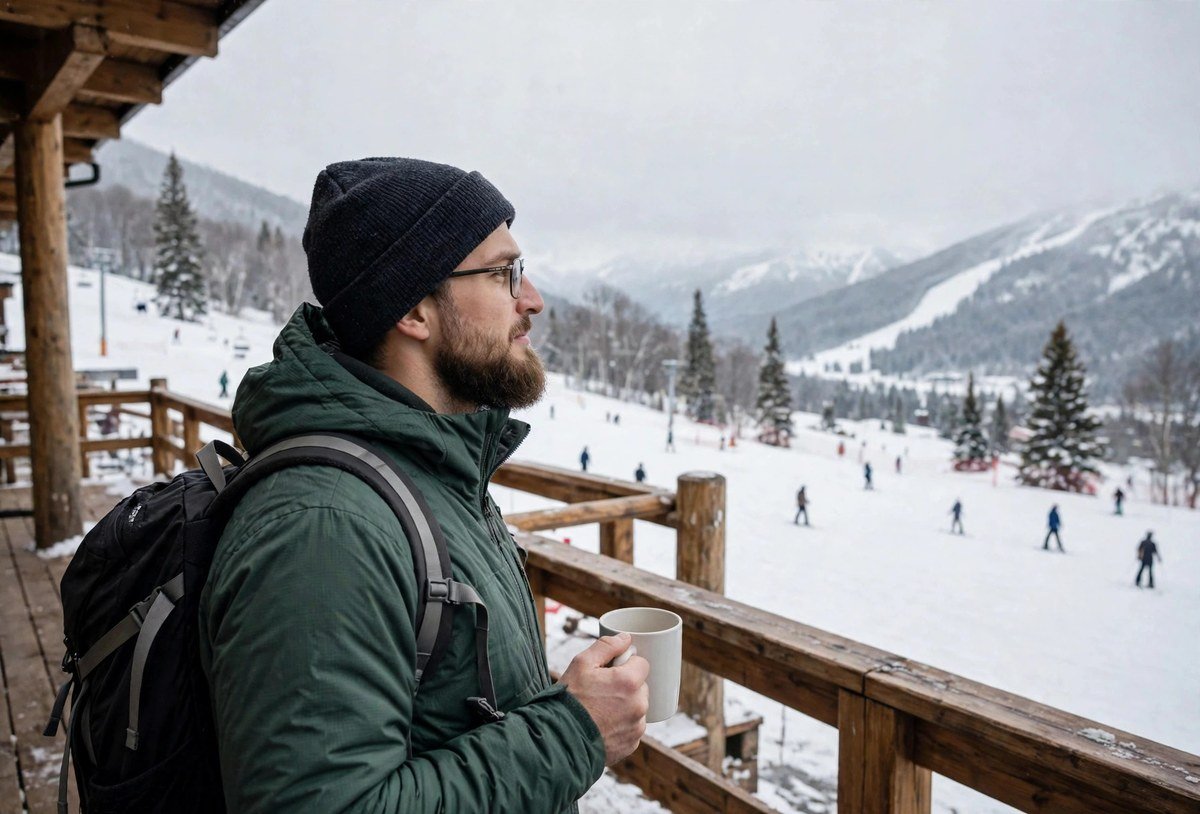
This is the section I wish someone had handed me before my first family ski trip. The best family resort isn’t the one with the most terrain. It’s the one where the kids can ski to the door, the lessons don’t require a second mortgage, and nobody has to drive anywhere after 4 PM. These three nail that brief.
7. Big White Ski Resort, BC — Canada’s biggest ski-in/ski-out village
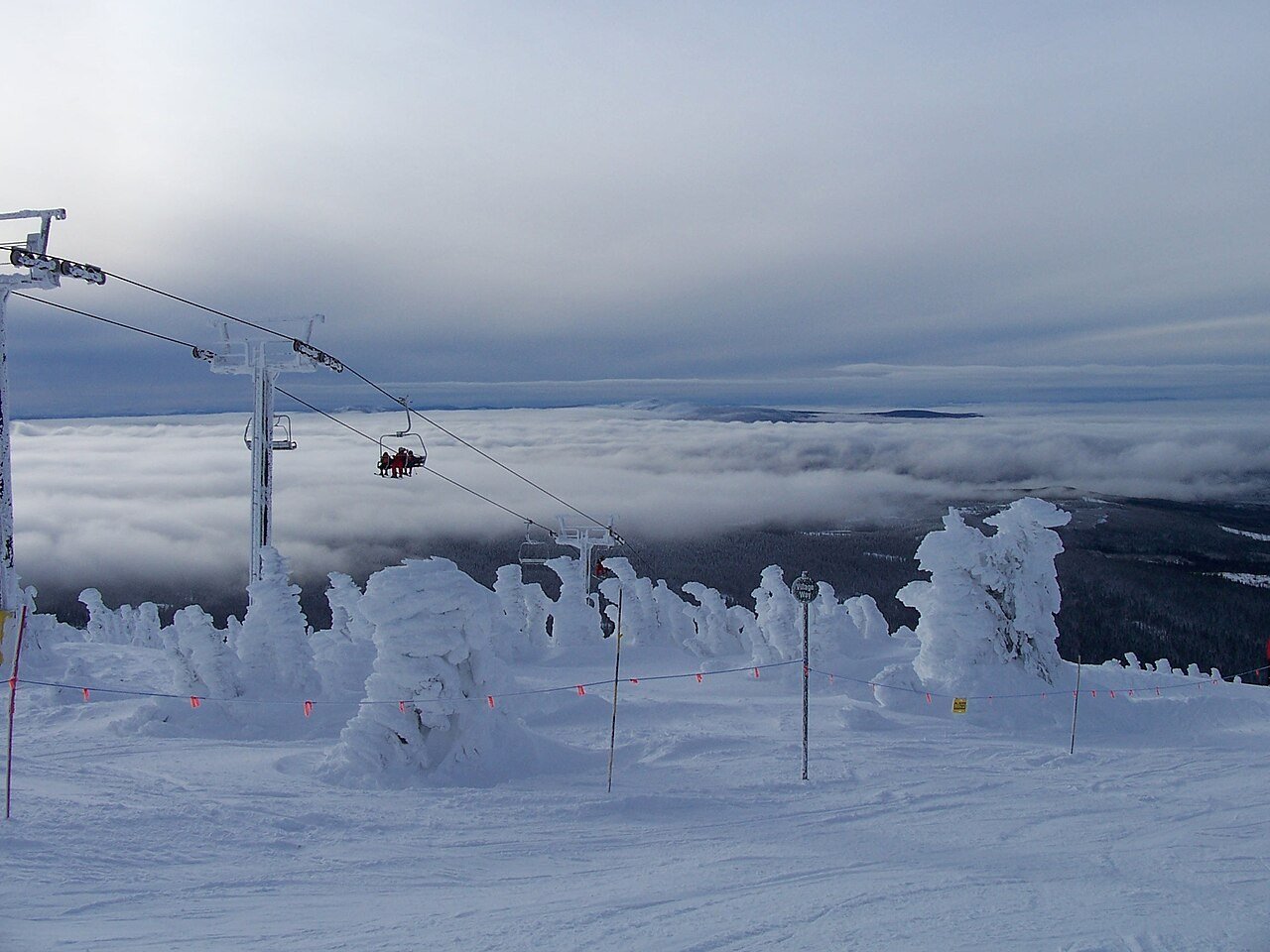
Big White is the family pick I recommend most often, and it’s the one I’d book for my own crew. The whole village is ski-in/ski-out — the largest such village in Canada — which means the kids ski out the door in the morning and you’re not herding boots through a parking lot at the end of the day. There’s night skiing, a tubing park, an ice rink, and a beginner area with its own C$29 lift ticket.
On price: the resort’s own POWder Card for 2026–27 works out to about C$121 a day on the 5-day flex card (C$604 for adults), against a weekend window price implied at around C$174 a day. Day tickets at the window run roughly C$150–175. A mid-range day here lands about C$300–400 per person all in — the best value of the big BC resorts in this guide, and the reason Big White keeps showing up in family-trip conversations.
The snow is the famous Okanagan champagne powder, and the resort averages big snowfall without the coastal crowds. Fly into Kelowna, 56 km away, and the shuttle does the rest. If you’re a beginner adult, this is also one of the kindest mountains to learn on — wide, gentle greens and instructors who’ve seen it all. → Big White Ski Resort — official site
8. Sun Peaks Resort, BC — space, sunshine, and the best value in the Interior
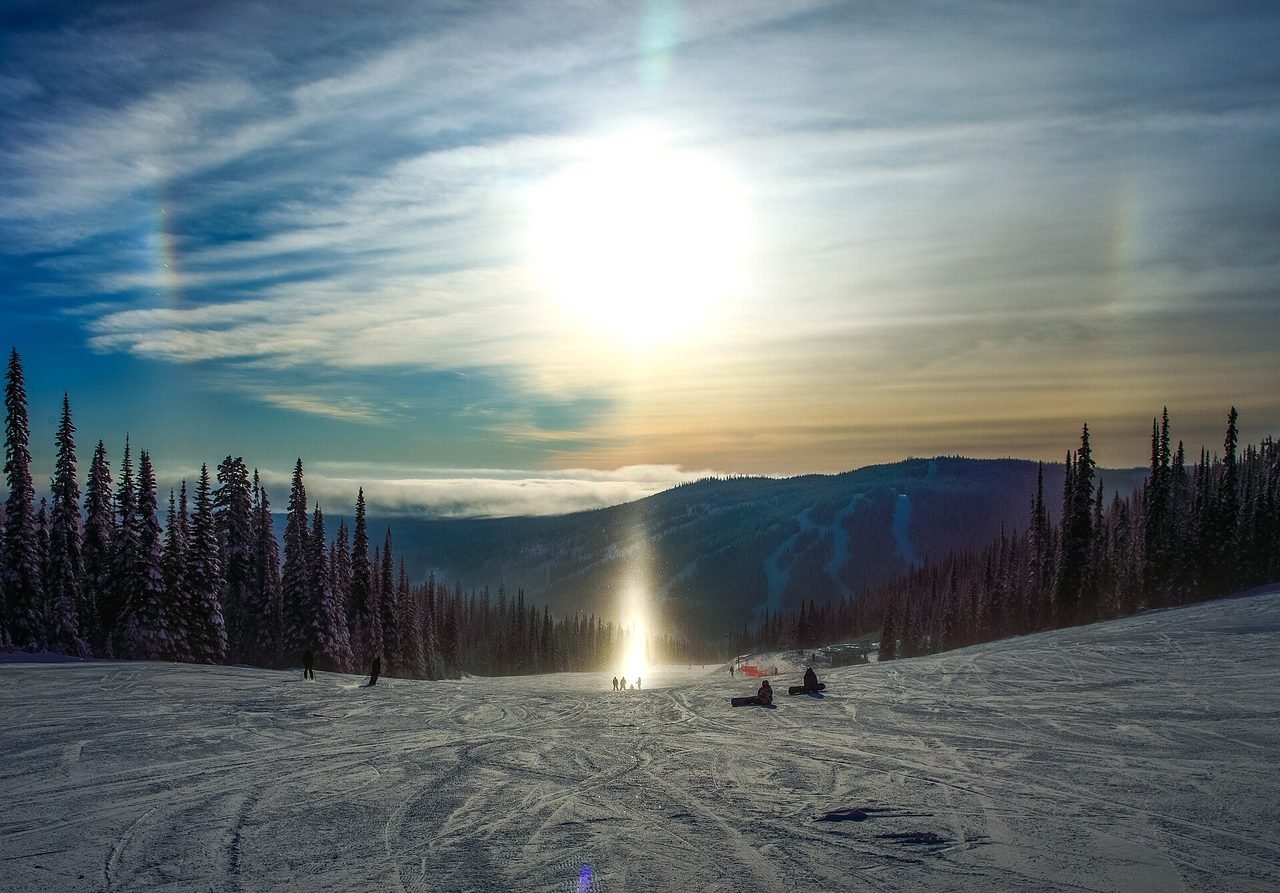
Sun Peaks is Canada’s second-largest ski area by terrain, spread across three mountains, and it still feels uncrowded. I skied there on a Saturday in February and waited behind exactly nobody at the main lift. Nobody. I kept looking over my shoulder for the queue I’d somehow missed.
The pricing is refreshingly blunt: the resort’s own ticket page lists a single adult day ticket at C$209 at the window, but advance online purchase runs about C$119 to C$139 — that’s a 40% gap for booking ahead, and the multi-day Peaks Cards cut it further (a 5-day card works out to about C$146 a day). Sun Peaks is on Ikon and Mountain Collective. A mid-range day here is roughly C$280–360 per person, the lowest of the western resorts in this guide, helped by village lodging that’s cheaper than Banff or Whistler and a 45-minute hop from Kamloops airport.
Families love it for the same reason I do: everything is in one pedestrian village, the ski school is excellent, and the terrain genuinely suits all levels — this isn’t a “family resort” where the adults get bored. It’s a proper big mountain that happens to be easy to be a family on. → Sun Peaks Resort — official site
9. Mont Tremblant, Quebec — the East’s flagship, and a real village
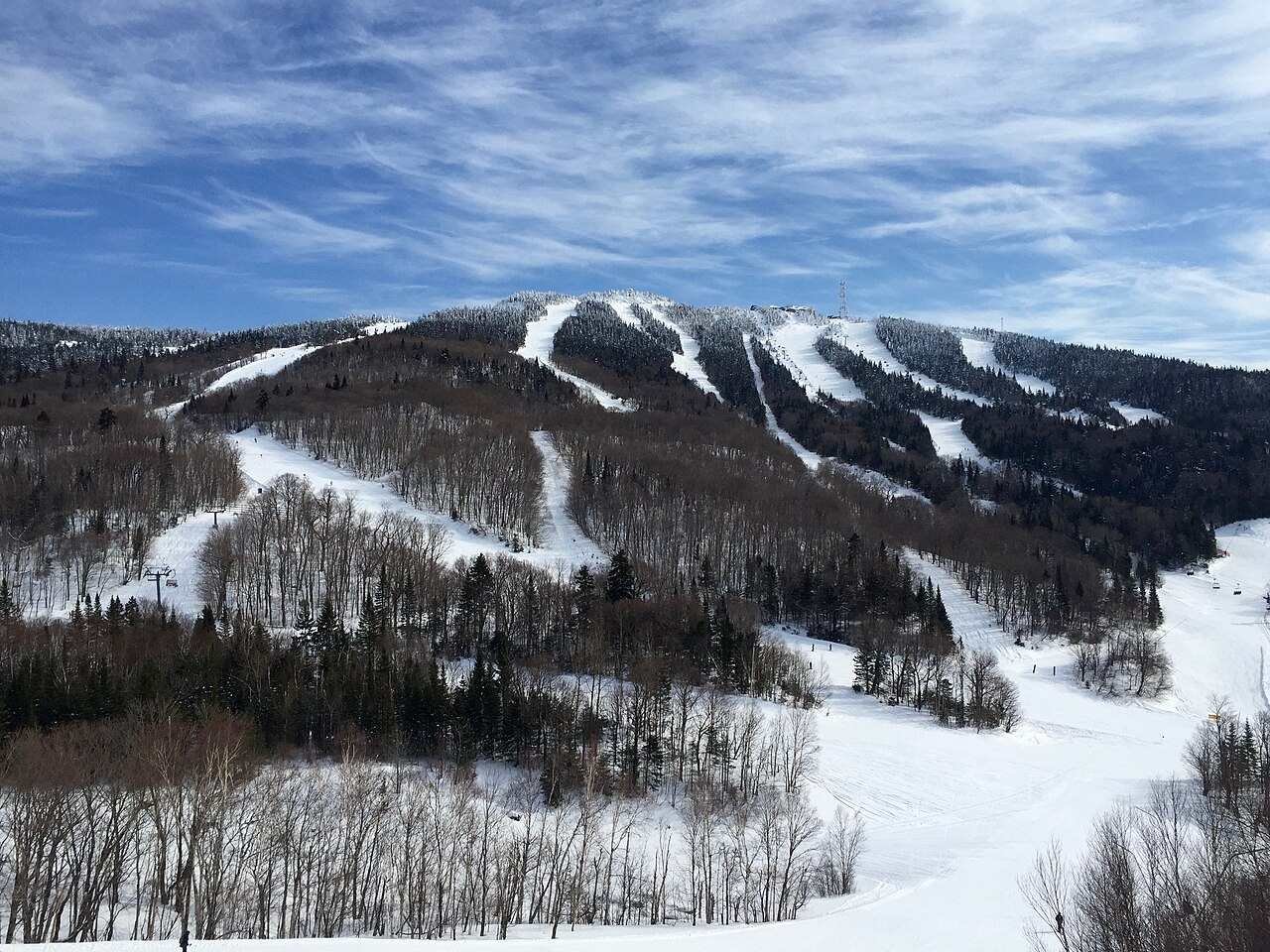
Tremblant is the only eastern resort that feels like a European ski village — pedestrian streets, colourful buildings, patios, ice skating on the lake, and 103 runs across four faces with 645 metres of vertical. I skied it on a January weekday and had the mountain nearly to myself by 3 PM; I skied it on a February Saturday and queued 20 minutes for the gondola. Same resort, same lesson as Whistler: weekdays, always weekdays.
Adult day tickets for 2026–27 run roughly C$150 to C$195, with the low end for advance online purchase on weekdays and the high end for peak holiday weekends at the window. The resort is on Ikon (7 days on the full pass, 5 on Base with blackouts). Lessons and rentals are on the pricey side for the East — rentals run about C$85 a day — so factor that in if you’re a first-timer. The full village picture, including non-ski days and where to eat, is in my Mont Tremblant travel guide.
Who it suits: beginners and intermediates first, families second, and anyone flying into Montreal who wants a ski trip without a second flight. Experts will find good steeps on the north side, but this isn’t Revelstoke — and it doesn’t need to be. → Mont Tremblant — official site
Tremblant’s lift lines on busy Saturdays and holidays can be long by 10 AM — I learned that standing in one. Book tickets online, arrive for first lift at 8:30 AM, and ski the north side while everyone else queues at the gondola.
The budget pick: Mont-Sainte-Anne, Quebec
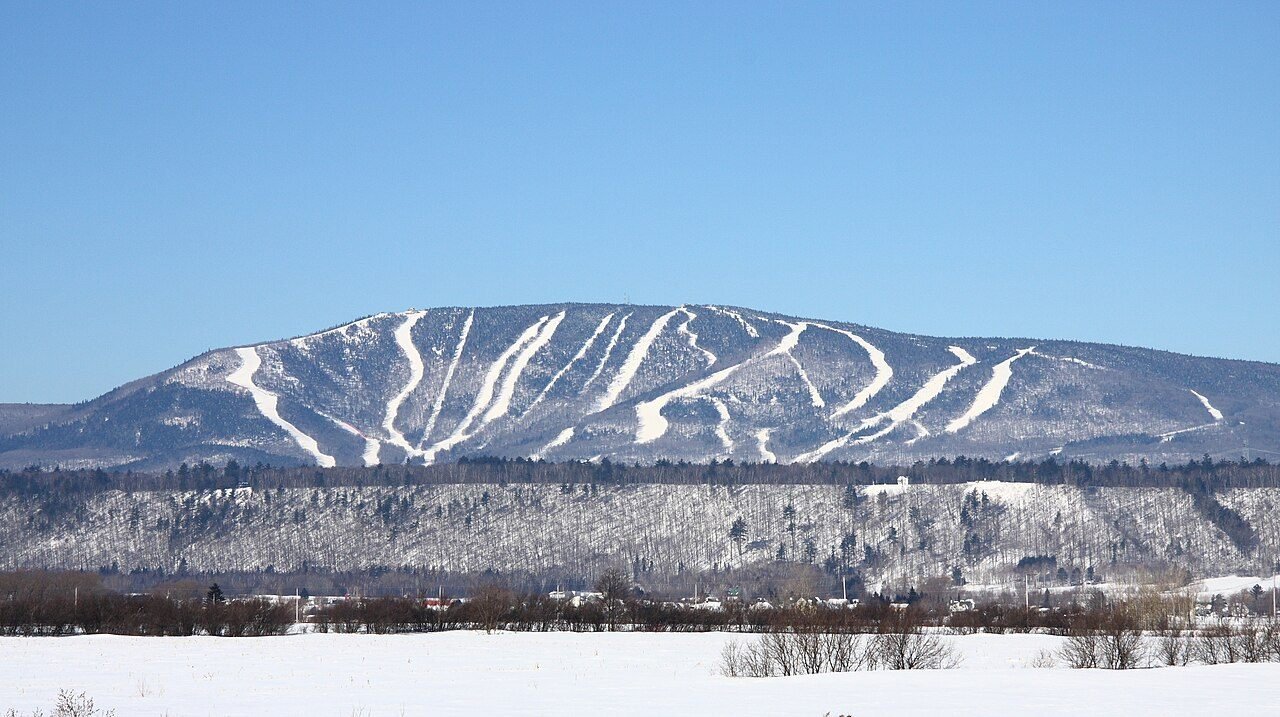
If the resorts above make your wallet wince, drive 40 minutes northeast of Quebec City instead. Mont-Sainte-Anne has 71 runs, 625 metres of vertical, a gondola, and adult day tickets around C$135 to C$160 for 2026–27 — the cheapest lift ticket in this guide, and on terrain that’s genuinely good rather than merely cheap. I skied it as a day trip from Quebec City, stayed in a normal hotel at normal prices, ate dinner in the Old Town, and spent roughly half what a Whistler day would have cost.
It’s on the Epic Pass partner network, and the mountain also runs a popular night-skiing program. The trade-off is scale: 71 runs is plenty for a weekend, but it’s not a week-long destination the way Whistler or Big White is. Pair it with a couple of days in Quebec City — which is, no joke, one of the best winter cities in North America — and it’s a superb budget ski trip. → Mont-Sainte-Anne — official site
What does a ski trip in Canada cost?
Prices below are per-person day plans for 2026–27, built from the lift-ticket ranges in this guide and the site’s own cost research. Pick your travel style, tell the calculator how many days you’re skiing, and it does the rest. (Accommodation not included — see the table below for that.)
Budget calculator
Per person, in Canadian dollars. Excludes accommodation.
Budget ≈ $190/day · Mid-range ≈ $270/day · Luxury ≈ $450/day. Lift-ticket ranges checked November 2026.
| Expense (per person / day) | Budget | Mid-range | Luxury |
|---|---|---|---|
| Accommodation | $90 (hostel / shared condo) | $180 (village hotel) | $350+ (ski-in/ski-out suite) |
| Food & drink | $35 | $60 | $110 |
| Lift ticket & activities | $130 | $170 | $260 |
| Getting around (shuttle / rental share) | $15 | $20 | $40 |
| Rentals, coffee & extras | $10 | $20 | $40 |
| Daily total | ~$280 | ~$450 | ~$800 |
Those daily totals line up with what I’ve actually spent: a mid-range day at Whistler runs roughly C$460–590, Banff and Lake Louise about C$350–450, Big White about C$300–400, and Sun Peaks about C$280–360. The single biggest lever isn’t the resort — it’s when you buy the ticket. Advance online purchase, a multi-day card, or a season pass you already own will move the number more than switching mountains will. The full line-by-line breakdown, including rentals and lessons, lives in my Canada ski trip cost guide.
A 4-day plan that actually works
Four days, one resort, no heroics. This is the shape I use for a first trip anywhere in this guide — it works at Big White, Sun Peaks, Tremblant or Banff, and it keeps a rest day in the plan so day four isn’t a survival exercise.
| Day | Plan |
|---|---|
| Day 1 — Arrive & orient | Fly in, shuttle to the village, pick up rentals, one easy afternoon run to shake off the travel legs. Early dinner, early bed. I’ve made the mistake of skiing hard on arrival day — my knees filed a complaint by lunch on day two. |
| Day 2 — The big ski day | First lift, main mountain, lunch on the hill. Book a lesson in the morning if you’re a beginner — it pays for itself by noon. |
| Day 3 — Rest & explore | Sleep in, half-day ski or a non-ski activity (tubing, skating, hot springs in Banff, the village at Tremblant). Your legs will thank you tomorrow. |
| Day 4 — The favourite runs | Ski the runs you liked best on day two, quit by mid-afternoon, drive or shuttle out while you can still feel your feet. |
FAQs about the best ski resorts in Canada
What is the best ski resort in Canada for beginners?
Mont Tremblant, Big White and Sun Peaks are the strongest beginner picks in this guide. Tremblant has the biggest dedicated learning zones in the East plus a village that keeps non-skiers happy; Big White has wide, gentle greens, a C$29 beginner-area ticket and the easiest logistics for families; Sun Peaks has patient terrain across all three mountains and uncrowded slopes to learn on. Whistler and Lake Louise also have good ski schools, but you’ll pay more for the privilege.
Which Canadian ski resort is best for powder?
Revelstoke, Kicking Horse and Fernie — in that order, for most people. Revelstoke pairs North America’s biggest vertical with deep interior snow; Kicking Horse has the steepest in-bounds terrain and four alpine bowls; Fernie has the famous tree skiing and the deepest storm-day powder of the three. All three reward strong skiers and punish overconfidence, so be honest about your level before you book.
What is the cheapest ski resort in Canada?
Of the ten in this guide, Mont-Sainte-Anne has the lowest adult day ticket at roughly C$135–160, and a Quebec City base keeps lodging and food cheap too. Among the western resorts, Sun Peaks (about C$119–139 advance) and Big White (about C$121 a day on the POWder Card) are the best value. The cheapest trip overall is almost always a weekday trip in January, booked a month ahead, at one of those three.
When is the best time to ski in Canada?
January through March is the sweet spot: full snowpack, reliable cold, and — on weekdays — short lines and lower prices. December can be thin at lower-elevation resorts, and Christmas week is the most expensive and most crowded week of the season. Late March and April bring spring skiing at Sunshine Village, which stays open into May, and at Whistler, which runs into late spring. I’d avoid Family Day weekend unless you enjoy queues.
Do I need a car at a Canadian ski resort?
Usually not, and I’d rather not have one. Whistler, Banff, Big White, Sun Peaks and Tremblant all run shuttles from the nearest airport or town, and the ski-in/ski-out villages mean you barely walk anywhere once you’re there. A car only earns its keep if you’re combining resorts — say, Revelstoke and Kicking Horse in one trip — or staying in a town like Golden or Fernie. If you do rent, confirm winter tires at booking: they’re legally required on BC mountain highways in winter.
Is the Epic Pass or Ikon Pass worth it for Canada?
It depends on how many days you’ll ski and where. Epic covers Whistler plus partner access at Fernie, Kicking Horse and Mont-Sainte-Anne; the season pass starts from about US$1,169. Ikon covers Lake Louise, Sunshine, Tremblant, Revelstoke and Sun Peaks, from about US$1,529. Either pass pays for itself at roughly six to eight days on the mountain. For a single 4-day trip to one resort, advance day tickets or a multi-day card are usually cheaper — run the maths in my Canada ski trip cost guide before you buy.
Keep exploring
Ten resorts, one winter. Pick by skier type, book the tickets early, and go on a weekday in January if you can swing it. Here’s where I’d go next:
- Canada ski trip cost 2026–27 — lift tickets, rentals, lessons & lodging by resort
- Whistler ski trip cost 2026–27 — lift tickets, Epic Pass math & savings hacks
- Banff in winter — SkiBig3, frozen lakes, hot springs & what it costs
- Mont Tremblant travel guide — skiing, the village & non-ski days
See you on the lift. First chair, if you’re smart about it.