

Last updated: November 4, 2026
- ✓ Banff town is the base, not Lake Louise village: sleep, eat and catch ski buses in Banff, and treat Lake Louise as a day trip.
- ✓ One SkiBig3 ticket covers three very different hills: Sunshine for snow, Lake Louise for views, Norquay for a cheap half-day close to town.
- ✓ All prices here are planning ranges, not quoted rates: resorts and Parks Canada change prices by date, so check the official sites linked below for your exact dates.
Here’s the deal with Banff in winter: it is the one trip where I stopped pretending I had a plan and just followed the snow. I drove in from Calgary on a grey afternoon, watched the mountains close in around the highway, and by the time I parked on Banff Avenue my windshield was already icing up at the edges. I had packed the wrong gloves — thin city gloves, useless at minus twenty — and spent my first evening buying proper mitts in a shop on Banff Avenue while my hands thawed out in my pockets. I’ve made this mistake so you don’t have to. Pack mitts, not gloves, and pack a neck warmer. Banff winter does not care how tough you think you are.
What follows is the trip I actually did over three days with Banff town as the base: one day at Sunshine, one at Lake Louise, a half-day at Norquay, plus skating, a canyon walk, and an evening soak at the Upper Hot Springs. It is not a Lake Louise village guide — that is a separate trip. Every price below is an approximate planning range in Canadian dollars for 2026–27. I double-checked the hot springs price and the resort links on the official sites before writing this, and you should do the same for your dates.
The stops on the map
Seven stops, all within an easy day trip of Banff town. Tap any stop to jump the map straight to it.
Map data © OpenStreetMap contributors. Open the full map
First, the shape of a Banff winter day
Banff in winter runs on a simple rhythm. Mornings are cold and quiet, the ski buses leave early, and by four the light is gone and the town fills with people in ski boots looking for food. I learned to plan around that rhythm: hard activity midday, easy walking and soaking after dark, and never a tight schedule on a storm day.
Banff town sits at about 1,400 metres, and the ski hills sit higher. Distances matter because winter driving eats time: Banff to Lake Louise is about 57 kilometres, roughly 40 minutes in good conditions and longer in a storm. Banff to the Sunshine parking area is about 20 minutes plus the gondola up. Norquay is ten minutes, door to lift. I once budgeted twenty minutes for the Lake Louise leg and arrived an hour late, coffee gone cold in the cup holder.
You need a Parks Canada pass to be in Banff National Park at all, whether you ski or not. A daily adult pass is roughly C$12. I double-checked the fee list on the Parks Canada site before this trip; check the Banff National Park page on parks.canada.ca before you go. It is separate from lift tickets and hot springs entry.
SkiBig3, hill by hill
SkiBig3 is the shared ticket for Banff’s three hills: Lake Louise, Sunshine Village and Mt Norquay. One ticket, three mountains, and a free shuttle network between them in winter. That is the whole pitch, and it is a good one for a three-day trip, because each hill skis differently and you never get bored. The planning range for a three-day SkiBig3 lift ticket is roughly C$420–550 per adult. Treat that as a range, not a quote: the real price depends on your dates, whether you buy in advance, and whether you add days. I checked the current ticket pages on skibanff.com before writing this, and the honest advice is the same as everywhere in the Rockies — buy online, buy early, and never pay the window price if you can help it. Single-day tickets at the window are the most expensive way to ski, and I have paid that price out of laziness exactly once. Never again.
If you only ski one day, buy that hill’s own ticket. If you ski two or three days across two or three hills, price the SkiBig3 ticket against single-hill tickets first. All three hills have lessons and rentals, and a lesson on day one pays for itself in saved frustration by day two. I am a careful skier who takes lessons without shame, and my knees thank me for it.
Sunshine Village: the snow bet
Sunshine sits high, above much of the treeline, and it gets the snow to prove it. The base village is reached by gondola from the parking area: you ride up, step out into a white bowl, and the whole valley drops away behind you. The runs are wide and forgiving mid-mountain, steeper at the edges, and the views from the top of the Continental Divide chair are the kind that shut me up. That does not happen often.
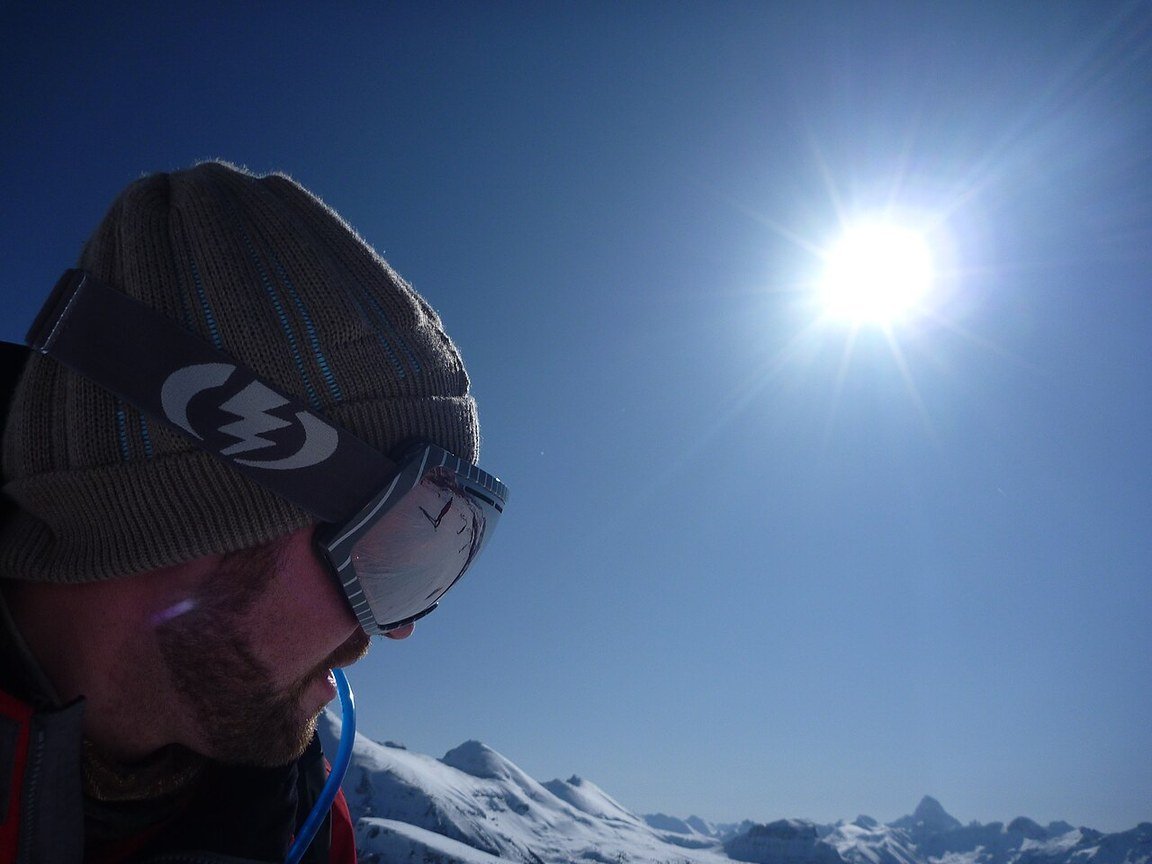
Here is the honest catch: Sunshine is also the coldest and windiest of the three, because it is high and exposed. On a calm blue day it is the best skiing in Banff. On a windy whiteout day the top lifts may hold, and I once spent such a day in the lodge drinking hot chocolate and pretending I was not disappointed. If you only have one ski day and the forecast is wild, pick a lower hill that day and save Sunshine for the calm one.
Practical notes: arrive early for the gondola, because the parking area fills on weekends. The village has food, rentals and a ski school. If you drive, the access road is a mountain road in winter — winter tires are the difference between a ski day and a ditch story.
Lake Louise Ski Resort: the big views
Lake Louise is the biggest of the three, and the most photogenic. The front side faces the lake valley, the back side opens into wide bowls. It is also the farthest from Banff town, which means an early start. I left Banff at seven-thirty on a clear morning and was clicking into my bindings by nine. On the way home, in falling snow, the same leg took an hour and twenty minutes.

What I like about Lake Louise is that it suits mixed groups. Strong skiers head for the back bowls. Cautious skiers — my category — stay on the long groomed front-side runs and still feel like they skied a real mountain. I ate a big breakfast in Banff, carried snacks, and saved my money for dinner in town: breakfast like a local, lunch like a squirrel, dinner like a person who has earned it.
A warning about the name: the Lake Louise Ski Resort and the Lake Louise lakeshore are not the same place. The ski hill is up the mountain road; the frozen lake is down by the Chateau. You can do both in one day — ski until mid-afternoon, then stop at the lake for skating before dark — but do not assume you can walk between them.
Ski Lake Louise and visit the frozen lake on the same day. Drive up once, ski the hill, then stop at the lakeshore on the way back to Banff for skating and photos in the late-afternoon light. It saves a second 57-kilometre leg and gives you the best light of the day for free.
Mt Norquay: the local hill that saves a trip
Norquay is the hill Banff locals actually ski, and it shows. It is small, steep in places, friendly in others, and ten minutes from town. It has night skiing on some evenings, a tube park, and a lodge that feels like a lodge instead of a resort. I skied Norquay on my last morning, when my legs were tired and my flight was that evening, and it was exactly right: a few hours of skiing, no long drive, back in town for lunch and a shower before checkout. If your trip goes sideways — a storm closes the highway to Lake Louise, or someone in your group wants a shorter day — Norquay is the backup plan that does not feel like a backup plan.
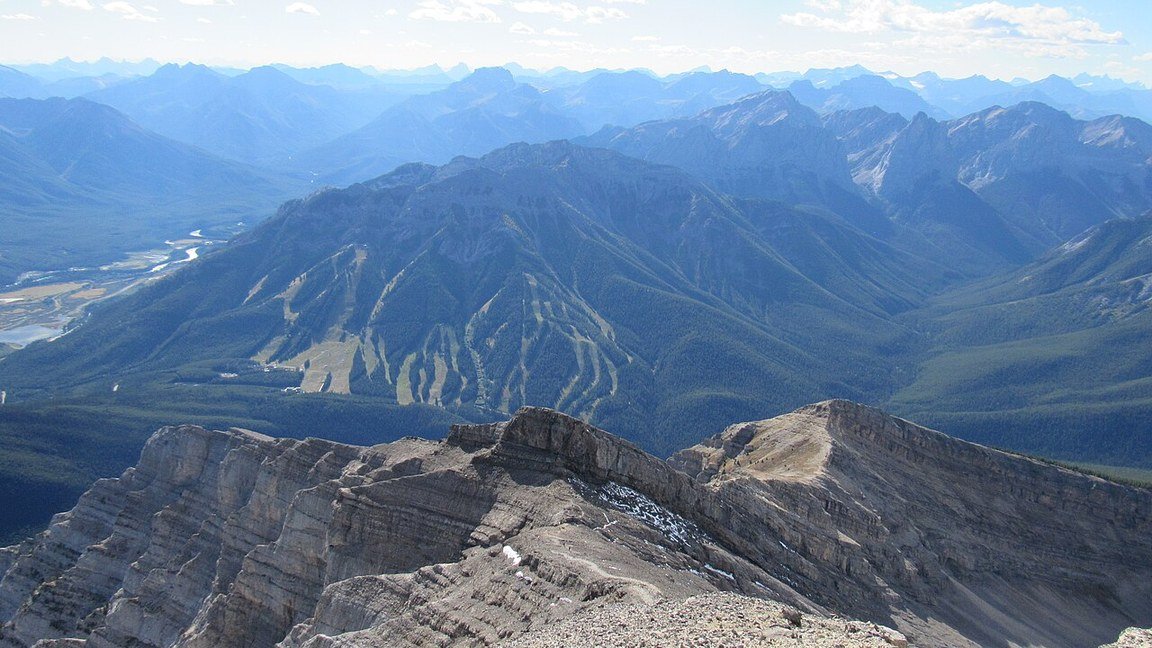
Norquay is also the cheapest of the three for a half-day, which matters for non-skiers or kids who want two hours on snow and then hot chocolate. The tube park is genuinely fun for adults too, though I will deny I went down it three times in a row if asked. The views from the top, straight down over Banff town, are the best town views in the area.
Frozen lakes: skating on Lake Louise and beyond
Nothing in Banff winter surprised me more than standing on a frozen lake. I know how that sounds — it is a lake, it is frozen, you stand on it — but the first time you walk out onto Lake Louise in January, with the ice under your boots and the mountains rising straight up at the end of the lake, it feels like walking into a photograph. The lake freezes over in winter, Parks Canada maintains a cleared skating area, and the Chateau sits at the end of it like a backdrop someone built for exactly this photo. I took the photo. Everyone takes the photo. Take it anyway.
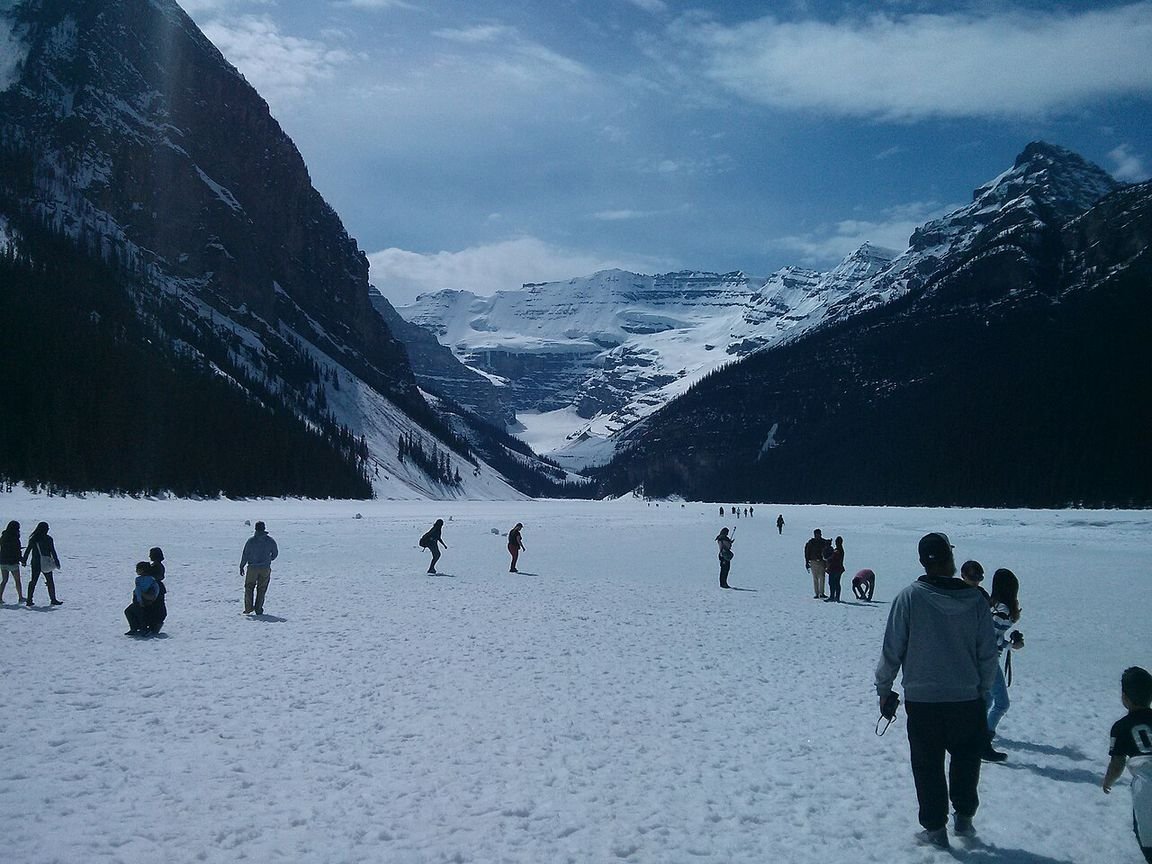
Skating here is free if you bring your own skates, and rentals are available at the Chateau and in Banff town. The ice is maintained, but it is still a natural lake: check conditions, stay on the cleared area, and do not skate off into the wild white distance because it looked smooth. I rented skates once and spent ten minutes relearning how to stop while children skated past me without visible effort. Bring gloves you can fall in.

Lake Louise is the famous one, but not the only frozen water here. Vermilion Lakes, just west of town, freeze into wide white flats that are beautiful at sunrise and almost empty compared with the lake. I walked the Vermilion Lakes road one morning before breakfast, when the light was pink on the peaks and the only sound was my boots on packed snow. No lift lines, no tickets. Just a frozen lake and a cold nose.
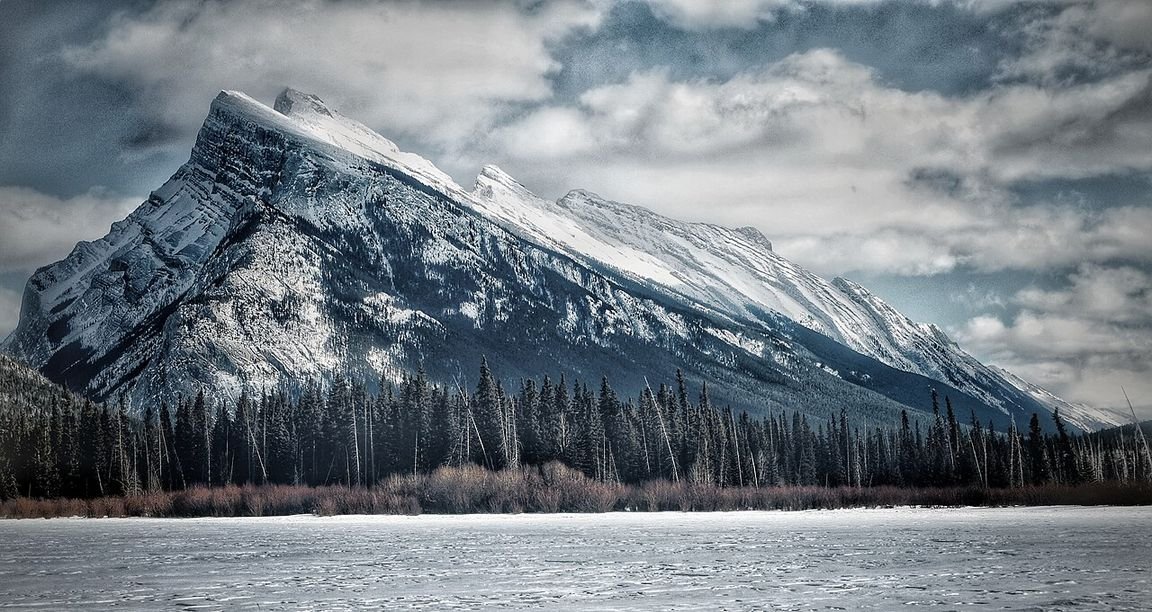
Frozen lakes are safe only where they are maintained and signed. Stay on cleared skating areas, respect closures and warning signs, and never walk or skate on river ice or unmarked lake ice. Conditions change with temperature and snow, and a beautiful smooth patch off the cleared area is not an invitation. I double-checked the lake conditions on the official Banff and Lake Louise tourism site before I went, and you should too.
Banff Upper Hot Springs: the best C$20 in town
After a ski day, there is exactly one place I want to be, and it is a pool of hot water on the side of Sulphur Mountain with snow falling on my head. The Banff Upper Hot Springs sit above town, up Mountain Avenue, and they are run by Parks Canada. The water is naturally hot, the pool is outdoors, and the whole experience is gloriously simple: change, shower, step outside into the cold air, lower yourself into the hot water, and stay there until your shoulders drop about three inches. I did this on my second evening, after Sunshine, and I swear my legs forgave me on the spot.
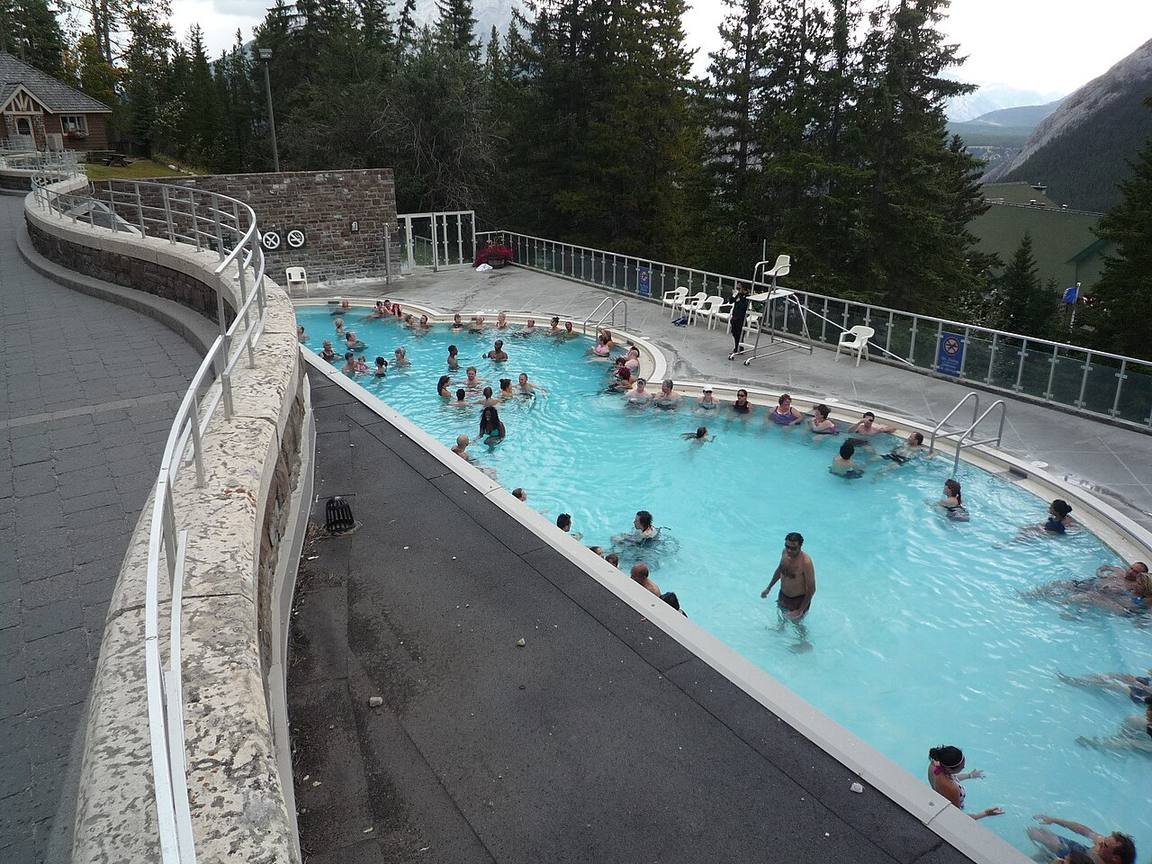
The price is the rare Banff bargain that is actually a bargain. I double-checked the fee list on the Parks Canada site: adult single entry is C$19.75, seniors and youth C$17.25, children under three free, family pass C$64.25. Treat those as check-before-you-go numbers — fees change and the pool can close for maintenance. Entry is first-come, first-served with no reservations. I went at eight on a weekday evening and walked straight in; weekend afternoons after the lifts close are busiest, so go late if you can.
Practical notes from someone who got them wrong the first time: bring your own towel and swimsuit, because rentals cost extra and the towel line is slow when it is busy. Bring sandals for the walk from the change rooms to the pool. And remember you still need a Parks Canada pass, separate from the pool entry fee. Two different tickets, both required.
Go to the hot springs on a snowing evening, not a clear one. On a clear night everyone goes for the mountain view. On a snowing night the pool is quieter, the snow melts on the water around you, and the whole place feels private. A front-desk clerk in Banff told me that trick, and I tested it twice. She was right both times.
The gondola and the non-ski days
Not everyone in your group will ski, and not every day should be a ski day anyway. The Banff Gondola, up Sulphur Mountain, is the best non-ski viewpoint in town. The ride takes about eight minutes, the upper terminal has a boardwalk along the ridge, and on a clear winter day you can see the whole Bow Valley spread out below, with Banff town looking very small and very neat. I rode it on a non-ski morning, when my legs needed a rest, and spent an hour on the boardwalk in the cold air, taking photos and trying not to lose feeling in my fingers. The boardwalk is groomed and walkable in winter boots, but it is exposed and windy, so dress for the top, not for the town.
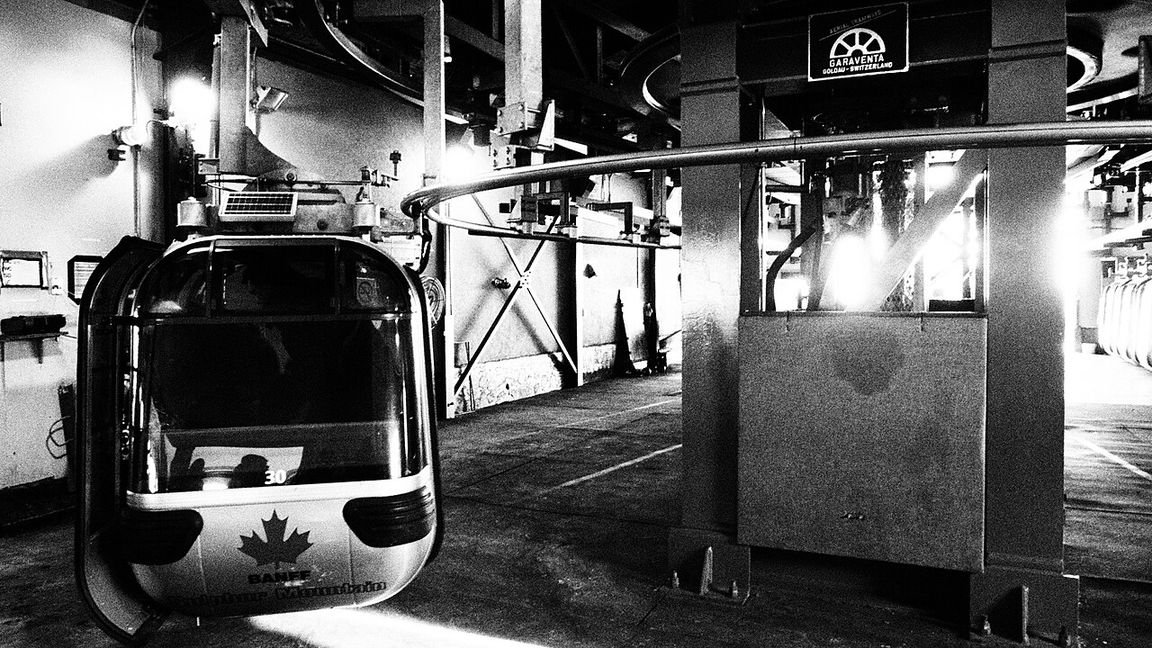
I double-checked hours and tickets on the official Banff Gondola site before I went, because winter hours are shorter and the last ride down matters. Do the same. For non-skiers: gondola in the morning, Banff Avenue in the afternoon, hot springs in the evening.
Winter walks: Johnston Canyon and the easy trails
If you only do one winter walk in Banff, make it Johnston Canyon. The trail follows a creek through a narrow canyon on catwalks bolted to the rock, past frozen waterfalls that look like poured glass. In winter the falls freeze solid, ice climbers work the big ones, and the whole canyon feels colder and quieter than the open valley. The trail to the Lower Falls is about 1.2 kilometres each way and mostly flat. The Upper Falls add another 1.5 kilometres and some stairs. I did both, in ice cleats rented in Banff town, and I was glad I had them: the catwalks ice up, and the people in plain boots were doing a careful shuffle while I walked normally. Rent the cleats. They cost a few dollars and save your dignity.
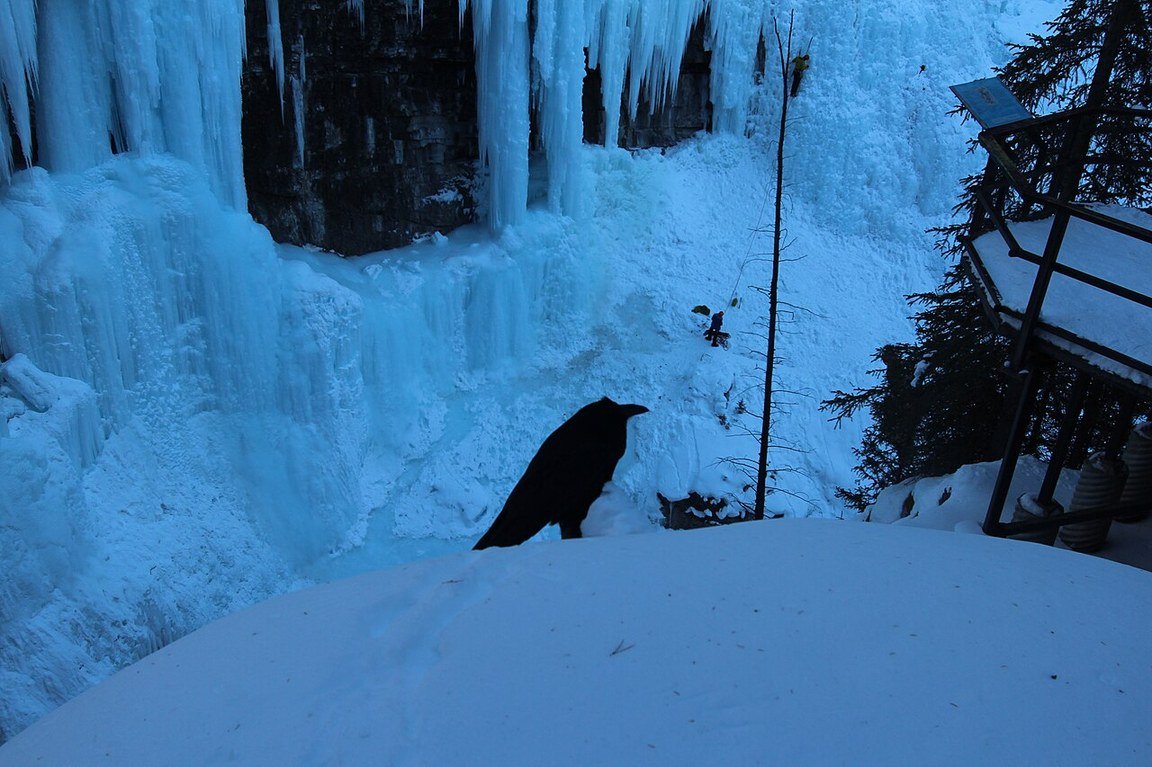
Johnston Canyon is on the Bow Valley Parkway between Banff and Lake Louise, about 25 minutes’ drive from town. In winter the parkway has seasonal closures in some sections, so check the Parks Canada road page before you drive. Go early: the canyon is popular, the catwalks are narrow, and by midday on a sunny weekend you will walk in a slow line of photo-takers. I went at eight in the morning and had the Lower Falls almost to myself for ten minutes.
Closer to town: the Bow Falls viewpoint (short walk, frozen waterfall, quiet at sunrise), the Tunnel Mountain loop (short climb, big view), and the flat Fenland Trail for snowshoes. All three are free and best in the morning.
Rent ice cleats in Banff town before any canyon or waterfall walk. They slip over your boots, cost only a few dollars a day, and turn an icy catwalk from a careful shuffle into a normal walk. I rented mine the night before Johnston Canyon and wore them on every icy trail after that.
Banff town in winter: food, streets and evenings
Banff Avenue in winter is a different street from Banff Avenue in summer. The summer crowds are gone, the shop windows are lit early, and the whole street smells like coffee and wood smoke by late afternoon. It is the kind of main street where you can walk the whole length in twenty minutes, stop in every second shop, and still make dinner on time. I did most of my evening wandering here, in the blue hour after the lifts closed, when the street lights came on and the snow started falling again.

Food in Banff in winter is hearty and priced for a resort town. Expect roughly C$20–35 per person for a casual dinner main course, C$40–60 for a nicer sit-down dinner, and C$12–20 for a cafe breakfast or lunch. Those are planning ranges, and they add up fast — which is why the calculator below separates food from lodging and lifts. My pattern was simple: a big breakfast, a cheap lunch or packed sandwich on the hill, and one proper dinner in town each night.
Evenings in Banff are quiet by city standards, and that is part of the appeal. Bars and pubs fill up after the lifts close, live music happens on weekends, and the town has a small cinema for nights when you are too tired to be social. I spent one evening doing nothing more ambitious than walking Banff Avenue in falling snow with a hot chocolate, then going to bed early. It was not wasted: it was why I had energy for Lake Louise the next morning.
Where to sleep matters more in winter, because you will spend more time in your room drying gear and warming up. The full lodging breakdown is in our companion guide to where to stay in Banff. The short version: stay in town, near Banff Avenue or a Roam bus stop, so you can walk to dinner and catch a ski bus without driving.
Getting there and getting around without a headache
Most people reach Banff from Calgary: about 128 kilometres on the Trans-Canada Highway, roughly an hour and a half in good conditions, longer in a storm. Calgary International Airport has rental cars, shuttles and bus services to Banff. If you drive, get winter tires, fill the tank in Calgary or Canmore, and check road conditions on the morning you travel. If the forecast is bad, take a shuttle and let someone else drive.
Once you are in Banff, you may not need a car at all. Roam Transit runs local buses around town and ski buses to Sunshine, Norquay and Lake Louise in winter; routes and fares are on roamtransit.com. I used Roam for two of my three ski days and liked it: no parking hunt, no icy road, and a warm bus at the end of the day. If you do drive, know that ski hill parking fills early on weekends.
Never plan a tight flight connection on your last ski day. A storm that makes the skiing great can also slow or close the Trans-Canada Highway between Banff and Calgary, and winter driving in the Rockies does not respect itineraries. I once rebooked a flight because of exactly this, and the rebooking cost more than an extra hotel night would have. Build a buffer afternoon into your departure plan.
A final word on cold: Banff winter regularly sits between minus five and minus twenty, colder with wind chill on lifts. Dress in layers, cover your face on lift rides, and take warming breaks without guilt. The warm ones, in mitts, drinking hot chocolate at two o’clock, are doing it right.
For icy trails like Johnston Canyon, we compare hiking-ready options in our guide to the best winter boots for Canada.
Layering starts with the parka: our best winter jacket for Canada roundup covers wet and dry cold.
What a 3-day Banff winter trip costs
Here is the honest math, per person, for three days based in Banff town. Every figure is an approximate planning range for 2026–27, not a quoted rate. Lodging assumes two people sharing a room, so the nightly room price is split in half. Lift prices assume a three-day SkiBig3 ticket in the C$420–550 range quoted above. Food, transport and extras are the calculator numbers, stretched over three days. Check the resort sites and your hotel before you book, because the real total moves with your dates.
| Expense (per person, 3 days) | Budget | Mid-range | Luxury |
|---|---|---|---|
| Lodging, 3 nights (shared room) | $180–300 | $450–750 | $900–1,500 |
| SkiBig3 lift ticket, 3 days | $420–480 | $450–550 | $480–600 |
| Rentals (3 days, if needed) | $120–180 | $150–240 | $200–300 |
| Food, transport & extras (calculator, 3 days) | $360 | $600 | $1,050 |
| Parks Canada pass (3 days, per person share) | $30–36 | $30–36 | $30–36 |
| Hot springs + gondola (optional) | $20 | $70 | $110 |
| Estimated 3-day total, per person | $1,130–1,370 | $1,750–2,250 | $2,770–3,600 |
The table tells the real story: the lift ticket is a big chunk, but lodging is the lever. A hostel dorm or shared budget hotel can cut the lodging line by two-thirds compared with a mid-range hotel. The second lever is food: cooking one meal a day, if your lodging has a kitchen, saves more than any discount code I have found. The third lever is the car: skip the rental, ride Roam, and transport shrinks to bus fares and the odd taxi.
Use the calculator below for the day-to-day part of the budget: food, local transport, ski extras and treats. It does not include lodging or lift tickets, which are in the table above. Pick your style, set your days, and it does the rest.
Budget calculator
Per person, in Canadian dollars. Excludes accommodation and lift passes.
Budget ≈ $120/day · Mid-range ≈ $200/day · Luxury ≈ $350/day. Add accommodation and lift passes from the table above. Prices are planning ranges for 2026–27 — check resort sites for your dates.
A 3-day Banff winter itinerary that actually works
Day one: arrive from Calgary, settle into Banff town, walk Banff Avenue in the afternoon light, and go to the hot springs in the evening. Do not try to ski a full day on arrival day. You will be tired, the light will be short, and the hill will still be there tomorrow.
Day two: Sunshine Village, all day. Take the first bus, ski the middle of the mountain first while your legs are fresh, eat lunch in the village, and save the top lifts for the afternoon if the wind allows. Back in town, eat a proper dinner and go to bed early. Day two is the big ski day, and it should feel like one.
Day three: Lake Louise in the morning, the frozen lake in the afternoon. Ski until mid-afternoon, drive down to the lakeshore for skating and photos, and be back in Banff for a farewell dinner. If the highway to Lake Louise is closed or the weather is wild, swap day three for Norquay plus Johnston Canyon: a short ski morning, a canyon walk in the afternoon, and the same farewell dinner. The trip still works. That is the point of having three hills and a town full of backup plans.
FAQs about Banff in winter
Do I need a car in Banff in winter?
No, not for a town-based trip. Roam Transit runs local buses and ski buses to Sunshine, Norquay and Lake Louise in winter. A car is useful for Johnston Canyon and the Bow Valley Parkway, but for three days based in Banff town, buses plus the odd taxi cover almost everything, and you avoid winter parking and icy roads.
Is one SkiBig3 ticket worth it for 3 days?
Usually yes, if you ski at least two different hills. One ticket covers Lake Louise, Sunshine Village and Mt Norquay, plus the ski shuttle network. If you only ski one hill for all three days, compare that hill’s own multi-day ticket first. The planning range for a three-day SkiBig3 lift ticket is roughly C$420–550 per adult — check skibanff.com for your dates, because prices move with demand.
How cold does Banff get in winter, and what should I wear?
Daytime temperatures often sit between minus five and minus twenty, colder with wind chill on ski lifts. Wear layers, a warm insulated jacket, waterproof snow pants for ski days, mitts rather than thin gloves, a neck warmer, and warm waterproof boots with good grip. Take warming breaks indoors without guilt — cold is not a competition.
Can you skate on Lake Louise in winter?
Yes. The lake freezes in winter and Parks Canada maintains a cleared skating area near the Chateau. Skating is free with your own skates, and rentals are available at the lake and in Banff town. Stay on the cleared, signed area, respect closures, and aim for January through March for the most reliable ice.
How much is Banff Upper Hot Springs entry?
Adult single entry is listed at C$19.75 on the Parks Canada fee page, with seniors and youth at C$17.25 and children under three free. Entry is first-come, first-served with no reservations. Bring your own towel and swimsuit, and remember you also need a Parks Canada park pass, which is a separate fee.
Is Banff better than Lake Louise village as a winter base?
For most first-time winter visitors, yes. Banff town has more hotels, restaurants, shops and bus routes, and all three SkiBig3 hills are reachable as day trips. Lake Louise village is smaller and quieter, and it suits travellers who want to stay right by the lake. Treat Lake Louise as a day trip from Banff, and you get both without giving up the town’s options.
Keep exploring
If Banff winter has you planning the next leg, start with our Banff trip cost guide for the full seasonal budget, our where to stay in Banff guide for hotels by budget and neighbourhood, our Canada ski trip cost guide for resort-by-resort lift and lesson prices, and our best time to visit Banff guide for choosing your month. Buckle up, pack mitts, and leave room in the plan for a storm day. Banff rewards the traveller who does.
1 comment