
Last updated: October 14, 2026
- ✓ It costs more than the headline number. Rail-only fares are per person, double occupancy, and exclude pre/post hotels, GST, and the dinners you’ll eat off the train. Budget both halves or the math will bite you.
- ✓ April is the cheapest month. Same route, same train, same mountains — up to $900 less per person than September. I priced it both ways. Same train. Wild.
- ✓ SilverLeaf is the value pick for most people. GoldLeaf’s dome and dining room are beautiful, but the scenery through the window is identical. Unless it’s a milestone trip, keep the $800–1,000 and put it toward your hotels.
Here’s the deal with the Rocky Mountaineer: the first time I priced it, I did the whole thing wrong. I found the “from $2,289” number, nodded approvingly, multiplied by two for my wife, and congratulated myself on a reasonable trip. Then I kept reading. Per person, double occupancy. Rail-only. Hotels extra. GST extra. Single supplement if you’re alone. The real number was about forty percent higher than the one on the banner.
I’ve made this mistake so you don’t have to. This is the full, honest cost breakdown for the 2026 season: every route, both service classes, what’s included, what stings later, and where the money actually goes. I double-checked the numbers against Rocky Mountaineer’s 2026 rail rate card (published March 2026) and cross-referenced reseller listings today, October 2026. Treat every figure as the month it belongs to — not a promise.
The 2026 price tables, explained
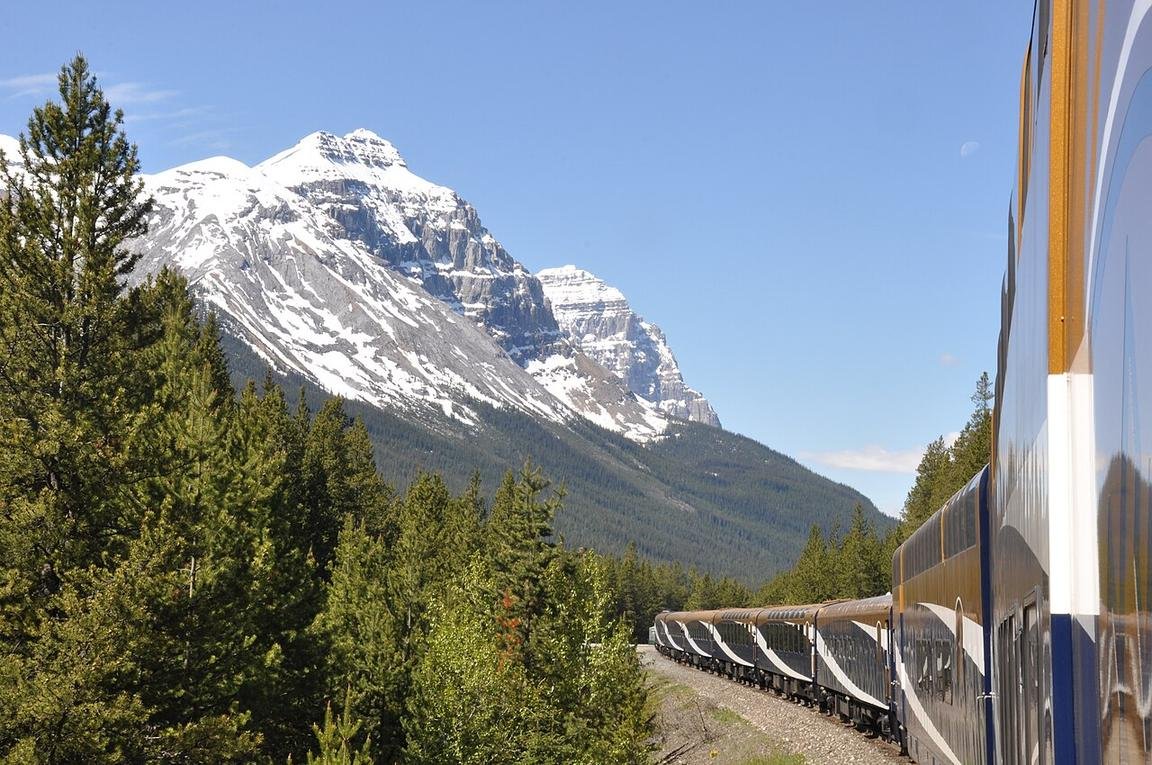
Three routes. Two service classes. Five price bands across the April–October season. Every price below is per person, in Canadian dollars, rail-only (train + onboard meals + the midpoint hotel night — more on inclusions below). September is the most expensive month across the board. April is the cheapest. No exceptions.
First Passage to the West (Vancouver ↔ Banff or Lake Louise) — 2 days
The classic. The original route. The one on all the posters.
| Class | Apr | May | Jun–Aug | Sep | Oct |
|---|---|---|---|---|---|
| SilverLeaf | $2,399 | $2,929 | $2,969 | $3,149 | $2,909 |
| GoldLeaf | $3,269 | $3,909 | $4,099 | $4,219 | $3,859 |
Journey through the Clouds (Vancouver ↔ Jasper) — 2 days
The quieter route. Fewer crowds than Banff, wilder country. Pricing runs almost neck-and-neck with First Passage.
| Class | Apr | May | Jun–Aug | Sep | Oct |
|---|---|---|---|---|---|
| SilverLeaf | $2,349 | $2,859 | $2,899 | $3,079 | $2,839 |
| GoldLeaf | $3,189 | $3,899 | $3,999 | $4,099 | $3,799 |
Rainforest to Gold Rush (Vancouver ↔ Jasper, via Whistler & Quesnel) — 3 days
The long one. GoldLeaf only, no SilverLeaf option. Two midpoint hotel nights included instead of one.
| Class | Apr | May | Jun–Aug | Sep | Oct |
|---|---|---|---|---|---|
| GoldLeaf (eastbound) | $4,705 | $5,125 | $5,289 | $5,289 | $5,289 |
| GoldLeaf (westbound) | $4,480 | $4,880 | $5,030 | $5,030 | $5,030 |
Eastbound vs. westbound: on First Passage, the 2-day rate card lists eastbound a touch higher than westbound (about $50–100 difference in 2026). If your trip can run either direction, price both before you book. Same mountains. Different invoice.
A word on sources. These tables come from the 2026 rail-journey rate card (rates effective March 26, 2026, per person CAD, double occupancy). Reseller sites advertise “from” prices a little lower — SilverLeaf from around $2,289, GoldLeaf from around $3,109 in April — because those are the absolute floor fares. Your departure date sets your price. → Rocky Mountaineer — official site
What’s included vs. what stings later
This is the part that got me. The rail-only fare includes a lot — but “a lot” and “everything” are different numbers.
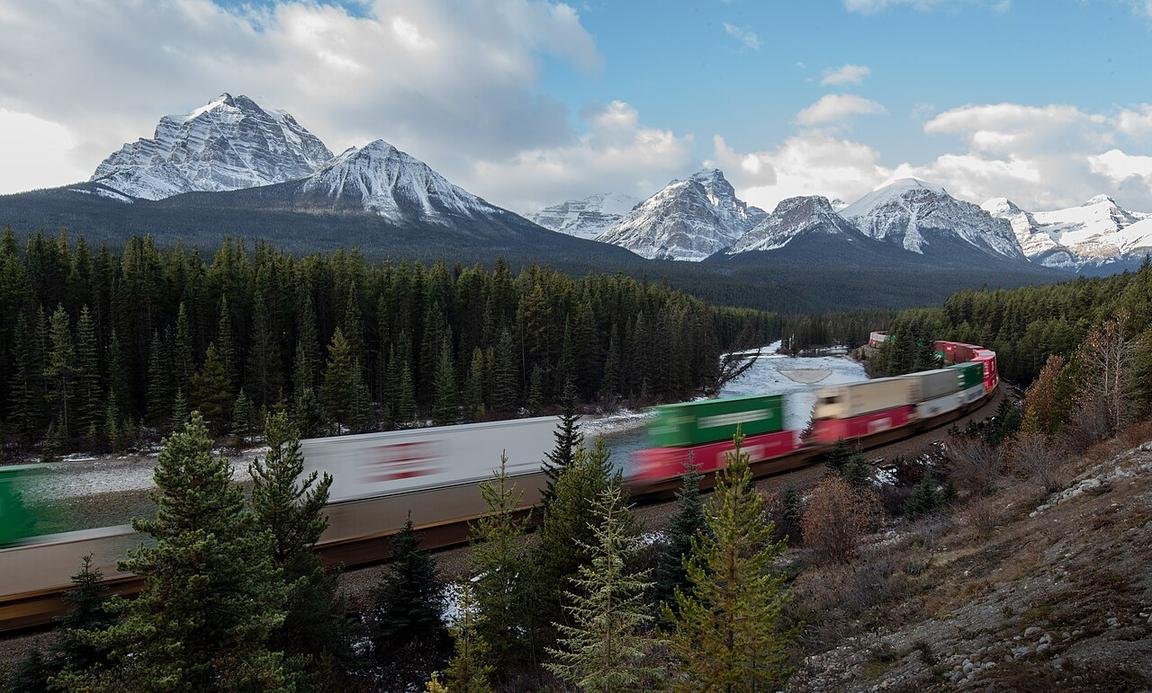
Included in the fare: two (or three) days of daylight rail travel; breakfast and lunch served onboard both days; one night’s hotel in Kamloops on the 2-day routes (Whistler and Quesnel nights on the 3-day route); luggage handling; rail station transfers; and onboard host gratuities. The rate card I checked explicitly notes transfers to and from a central point in each destination. That’s genuinely a lot of trip for the money.
Not included: hotels before and after the rail journey; airport transfers beyond the included station transfers; dinners; drinks; off-train excursions; and GST — 5%, added on top. A $3,149 September SilverLeaf fare is really $3,306 after tax. That’s where my spreadsheet went red.
Rocky Mountaineer bookings are non-refundable. Not mostly-refundable. Non-refundable. Travel insurance isn’t optional here — it’s the price of sleeping well for the months between booking and departure. Budget $150–300 per person for a decent policy and consider it part of the fare.
Also: most travellers book a package rather than pure rail-only — the train plus 2–4 extra hotel nights in Vancouver, Banff, or Jasper. Reseller package prices start around $5,100–6,700 for SilverLeaf with hotels. Convenient. Just know you’re paying someone else to book your rooms.
GoldLeaf vs. SilverLeaf — the value call
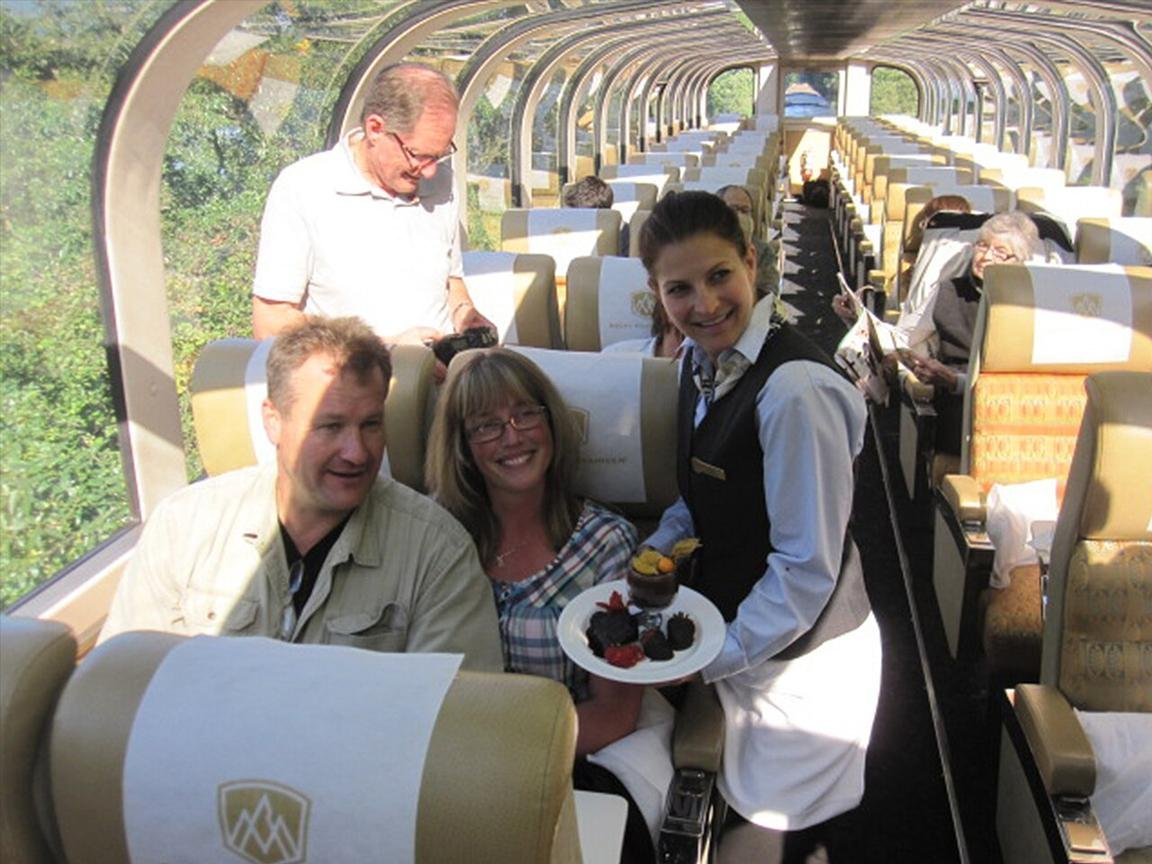
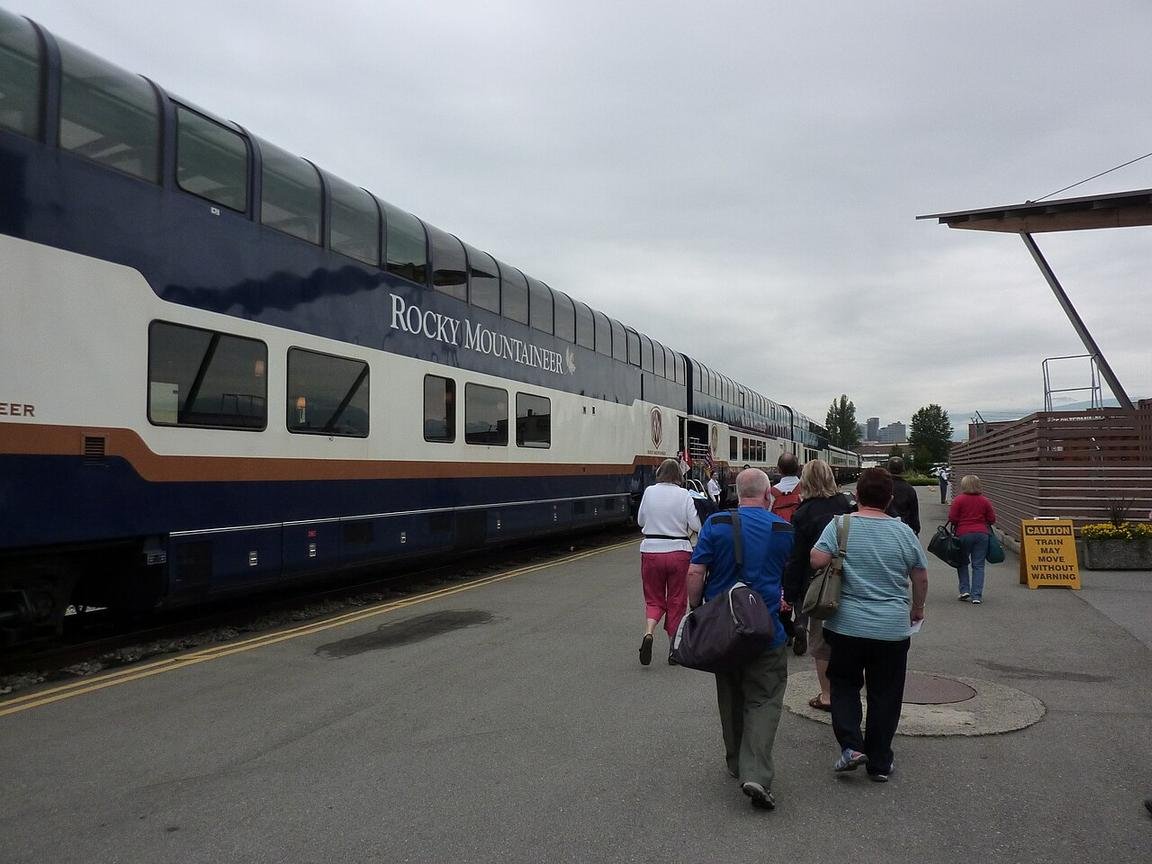
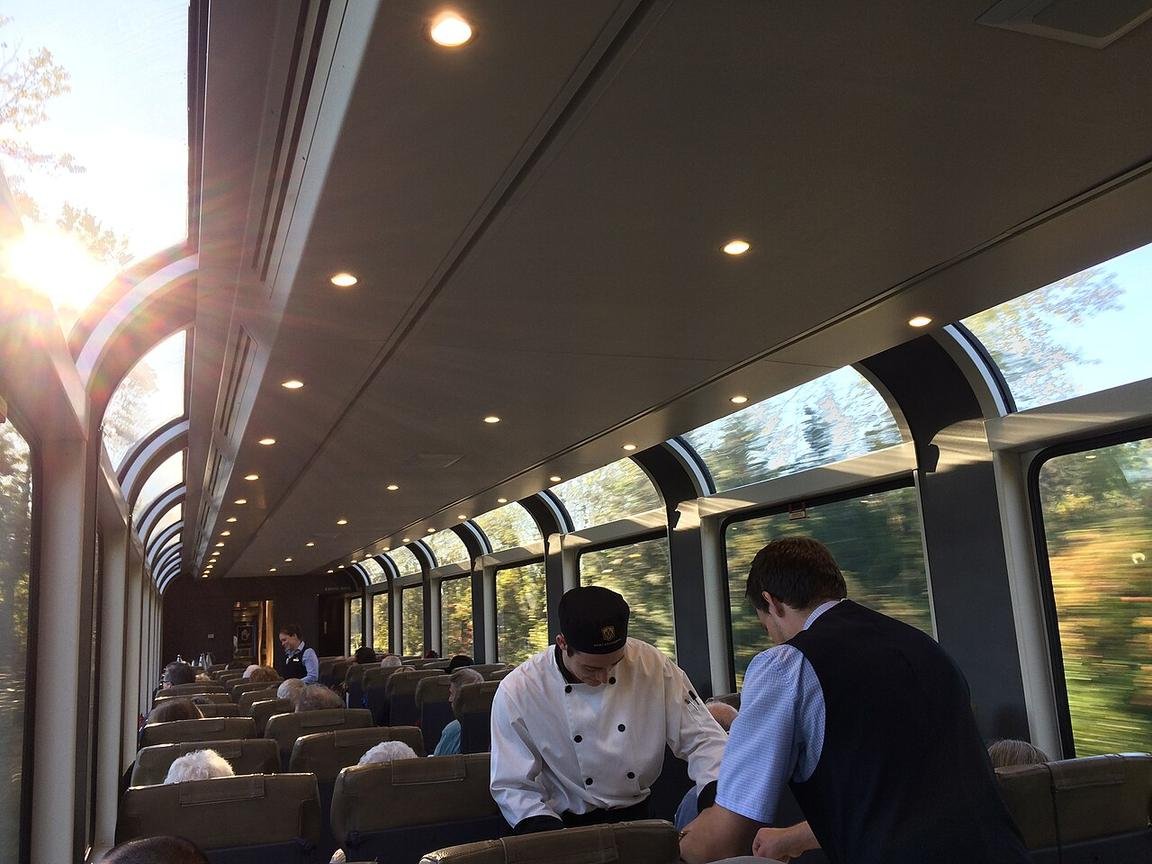
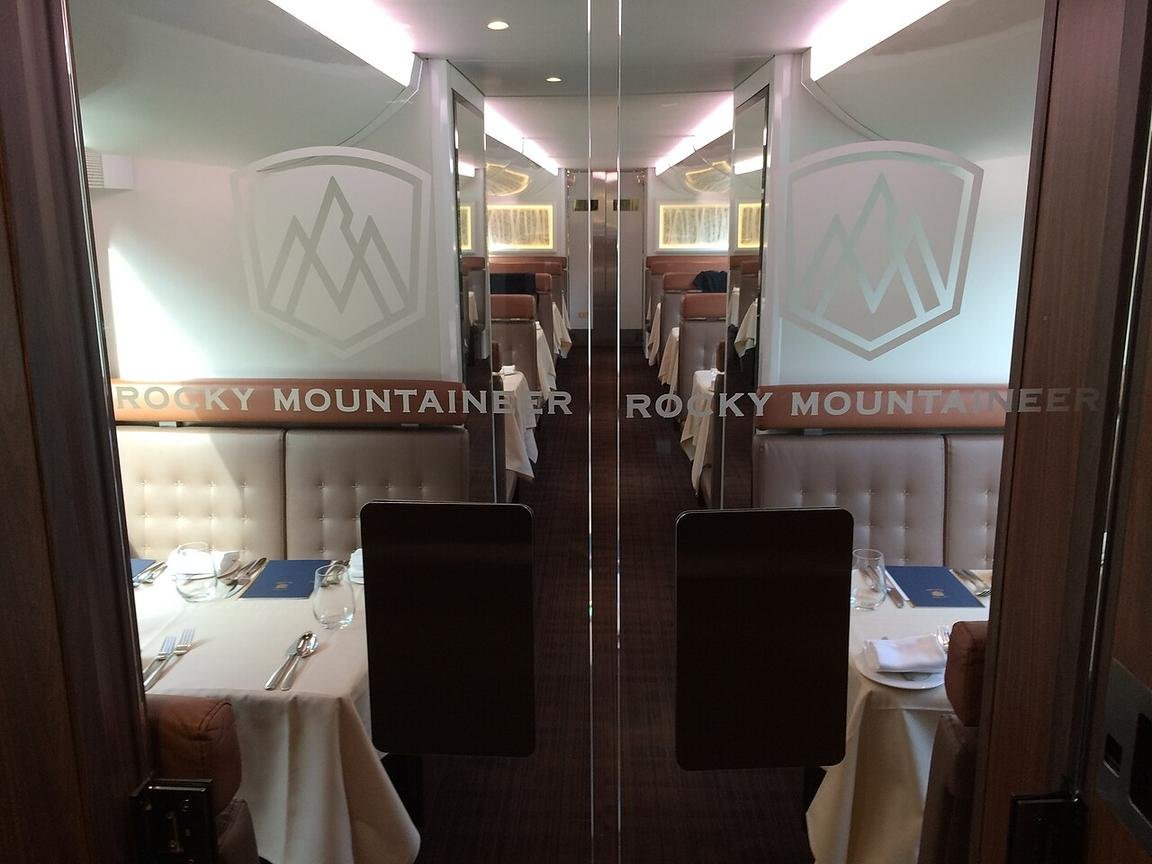
GoldLeaf gets you a bi-level glass-dome coach with full panoramic views, an outdoor viewing platform, and a proper dining room downstairs where they serve à la carte meals. SilverLeaf is a single-level coach with oversized picture windows, meals served at your seat, and a smaller outdoor viewing area between cars.
The upgrade costs $800–1,000 per person depending on month. Same route. Same daylight. Same mountains through the glass.
Here’s my call: SilverLeaf is the value pick. I’ve never met anyone who came off SilverLeaf and said the windows weren’t big enough. The GoldLeaf dome is undeniably special — bigger glass, better photos, the dining room feels like an event — but you’re paying four figures extra to watch the same river canyon. For a milestone trip — honeymoon, the big 6-0, the trip your parents talked about for a decade — get the dome. For everyone else, put that $800 toward a nicer hotel in Banff or an extra night in Jasper. That’s the math talking, not me.
Route price differences, in plain numbers
The three routes don’t cost the same, and the difference isn’t random — it’s days on the train.
First Passage to the West (Vancouver to Banff/Lake Louise) and Journey through the Clouds (Vancouver to Jasper) are both 2-day routes with one Kamloops night, and they price almost identically: from about $2,349 in April SilverLeaf to $4,219 in September GoldLeaf. Pick your endpoint, not your wallet — Banff vs. Jasper is the real decision, and I break that down in my Rocky Mountaineer vs VIA Rail comparison.
Rainforest to Gold Rush is the outlier: 3 days, GoldLeaf only, overnighting in Whistler and Quesnel before reaching Jasper. April starts at $4,480 westbound; summer runs $5,030–5,289. It’s roughly $1,500 more than the 2-day routes — an extra rail day, two extra hotel nights, and GoldLeaf-only service. If the idea of the Cariboo gold-rush country doesn’t light you up, that $1,500 buys a lot of helicopter tours.
One more route worth knowing: Passage to the Peaks, a 2026-only addition running Banff–Jasper in June and July. I couldn’t verify standalone 2026 pricing for it at the time of writing — it’s sold within package pricing, so get a direct quote rather than trusting a blog’s guess. I’ll update this when the numbers are published.
The shoulder-season move
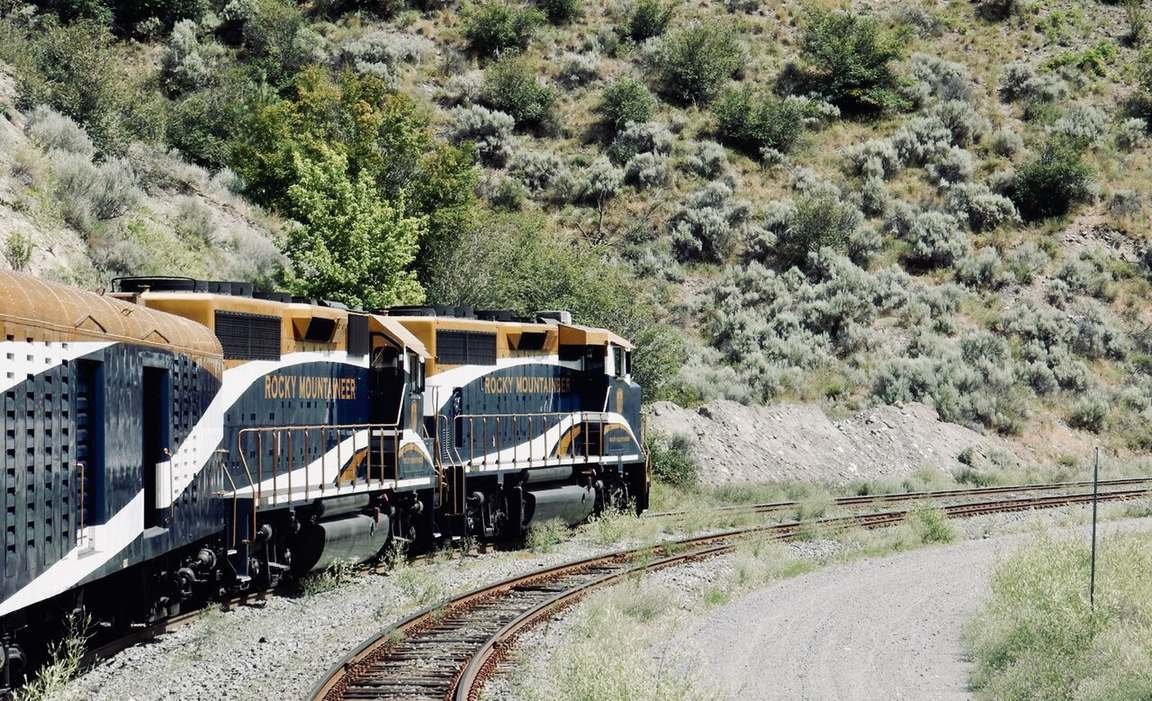
April. Say it with me. April.
An April SilverLeaf departure on First Passage: $2,399. Same route in September: $3,149. That’s $750 per person, $1,500 a couple, for the identical train running the identical rails. May is the next cheapest, then October. The peak band is June through September.
April trains leave Vancouver with snow still on the canyon walls. Days are shorter, but the train runs daylight-only anyway — you won’t miss a thing.
October is the quiet hack nobody talks about. Same shoulder pricing as May, plus fall colour in the canyon — the train runs into mid-October (last departures around the 9th–11th depending on route). Book the last departure of the season and you’ll have the dome car half to yourself.
Solo? Read this first.
The prices in the tables are per person, double occupancy. Travelling alone? You pay a single supplement on top. This is the single biggest surprise in Rocky Mountaineer pricing, and it hits solo travellers the hardest.
I couldn’t find a published rail-only single supplement figure at the time of writing — Rocky Mountaineer quotes it case by case. On packaged tours, resellers add single supplements of roughly $1,800–3,400 CAD on top of the twin-share price. Solo travellers should get a written quote before budgeting, because the supplement alone can cost more than some people’s entire hotel bill. Fair warning: this is where the “affordable” headline dies.
If you’re travelling solo and the supplement stings, two honest options: bring a friend (seriously — the per-person price drops by half the supplement instantly), or skip to the VIA Rail section below. A $148 economy seat doesn’t care how many of you there are.
Add-on costs: the other half of the budget
The rail fare is roughly half the trip. The other half is everything around it:
| Expense (per person) | Budget | Mid-range | Splurge |
|---|---|---|---|
| Extra hotel night (Vancouver/Banff/Jasper) | $120–180 | $250–350 | $450+ |
| Meals off the train (dinners, mostly) | $40/day | $70/day | $130/day |
| Airport transfers + taxis | $20–40 | $40–80 | $100+ |
| Travel insurance | $150 (trip) | $200 (trip) | $300 (trip) |
| GST (5% on the rail fare) | ~$115–265 depending on fare | ||
Pick your style, tell the calculator how many extra nights you’re staying, and it totals the add-on side. The rail fare sits on top of this — separately, because that’s how Rocky Mountaineer sells it.
Budget calculator
Per person, in Canadian dollars. Add-on costs OUTSIDE the rail fare (hotels, meals off-train, transfers).
Budget ≈ $100/day · Mid-range ≈ $160/day · Luxury ≈ $260/day. Covers extra nights around the rail journey — rail fare not included. Rates set October 2026.
The routes, on a map
Seven key stops across the three routes. Tap any stop to jump the map to it.
Map data © OpenStreetMap contributors. Open the full map
The honest cheaper alternative
Three thousand dollars is three thousand dollars. No amount of glass dome changes that. So here’s the line I wish someone had drawn for me sooner: VIA Rail’s The Canadian runs Vancouver–Jasper on the same corridor, economy seats from about $148 CAD. I double-checked the current fares on viarail.ca — that’s the real starting price, not a promo.
Different product, obviously. VIA runs overnight, Rocky Mountaineer runs daylight-only. VIA’s economy is a reclining seat and a vending-machine vibe; Rocky Mountaineer is gourmet lunch served at your window while the hosts narrate the canyon. But if the thing you want is the Rockies going past a train window, $148 gets you that. Sleeper berths start around $497 if you want a bed and meals.
I’ve ridden both, in my own way — driven the corridor too. Here’s the honest ranking: Rocky Mountaineer is the best version of the trip, VIA is the smart version, and the car is the version where you stop for gas-station nachos whenever you want. Pick the one your wallet survives. Full head-to-head: Rocky Mountaineer vs VIA Rail: which Canadian train is right for you.
Daylight matters on this corridor. VIA’s westbound Jasper–Kamloops leg runs in daytime (departs Jasper around 9:30 AM), which is the trick budget travellers use: book just that leg for roughly $80–130 in economy and you see the best scenery for a fraction of either full fare. → VIA Rail — official fares
FAQs about Rocky Mountaineer cost
What is the cheapest Rocky Mountaineer route and month?
April, on either 2-day route (First Passage to the West or Journey through the Clouds), in SilverLeaf: from about $2,349–2,399 per person rail-only. October is the next cheapest. September is the priciest month of the season — up to $3,149 for the same SilverLeaf seat.
What exactly is included in the Rocky Mountaineer price?
The rail-only fare covers the daylight rail journey, onboard breakfasts and lunches, one midpoint hotel night in Kamloops (two nights — Whistler and Quesnel — on the 3-day route), luggage handling, rail station transfers, and onboard host gratuities. It does not include pre/post hotels, airport transfers, dinners, off-train excursions, travel insurance, or GST.
Is GoldLeaf worth the upgrade over SilverLeaf?
For a milestone trip — honeymoon, big anniversary — yes: the dome, the outdoor platform, and the dining room are genuinely special. For everyone else, SilverLeaf is the value pick. The upgrade runs $800–1,000 per person and the scenery is identical. My honest review of whether the Rocky Mountaineer is worth it walks through who should book which.
Do solo travellers pay more?
Yes. All published fares are per person, double occupancy, and solo travellers pay a single supplement on top. Rocky Mountaineer quotes the supplement case by case — I couldn’t find a published rail-only figure — but packaged-tour resellers add roughly $1,800–3,400 CAD. Get a written quote before you budget.
How far in advance should I book?
Peak summer dates (June–August) sell out months ahead — book 6–9 months out for the best choice of departures. April and October dates have more availability and lower fares, so 3–4 months is usually enough. Bookings are non-refundable, so lock in your insurance the day you book, not the week you travel. My Canada travel checklist covers the rest of the trip prep.
Can I do the Rockies by train cheaper than the Rocky Mountaineer?
Yes — VIA Rail’s The Canadian, Vancouver–Jasper, economy from about $148 CAD. It runs overnight, so you trade daylight scenery for a fraction of the price (book the daytime Jasper–Kamloops leg to see the best of it). See my full Rocky Mountaineer vs VIA Rail comparison, and the wider numbers in how to travel Canada on a budget.
The verdict
It costs a lot. It’s worth a lot — to the right person. April SilverLeaf on the 2-day route, priced for two, insurance in hand, hotels booked yourself instead of bundled: that’s the version of this trip that makes sense. The dome is beautiful. The seat below it sees the same canyon.
If you want the full trip-planning picture, start with how much a Canada trip costs — the Rocky Mountaineer is one line in a bigger spreadsheet, and you should see all of it before you commit.
Keep exploring
The train is the headline — here’s the rest of the planning:
- Rocky Mountaineer vs VIA Rail — which Canadian train is right for you
- Is the Rocky Mountaineer worth it? — the honest 2026 review
- How much does a Canada trip cost? — the full 2026 price guide
- How to travel Canada on a budget — the wider savings playbook
- Canada travel checklist — prep list before you go
2 comments