
Last updated: October 3, 2026

The short answer
- First time in Montreal? Stay in Old Montreal — the cobblestone streets, Notre-Dame Basilica, and the Old Port waterfront are the Montreal of your dreams, and everything is walkable.
- Want the best transit and shopping? Downtown (Centre-Ville) is the practical pick — the RÉSO underground city, the biggest metro hub, and mid-range hotels around ~$200–350 a night.
- Here for the food scene? Mile End / Le Plateau (bagels, murals, brunch) or Griffintown / Little Burgundy (canal-side patios, the city’s hottest kitchens) — legit the tastiest blocks in Canada.
Okay, listen — picking where to stay in Montreal is basically picking what kind of trip you’re having. I say this as someone who has stayed in four different Montreal neighborhoods across three trips, each time convinced I’d found “the one,” and each time ready to move apartments by day two. This city doesn’t do boring neighborhoods. The only real risk is choosing one that doesn’t match your appetite — literally.
Because here’s what nobody tells you: Montreal is a city you eat your way through. The neighborhood you sleep in decides whether your morning starts with a warm sesame bagel pulled from a wood-fired oven — still steaming, I would go back just for that smell — or a sad hotel lobby pastry. Choose wisely.
I’ve done the research, walked the cobblestones (in the wrong shoes — more on that disaster later), and ate my body weight in carbs so you don’t have to. Let’s find your block.
My verdict in one breath
If this is your first trip and you want the postcard: Old Montreal. If you want convenience, shopping, and the easiest metro access: Downtown. If you want to feel like a cool local who knows where the good brunch is: the Plateau or Mile End. If you want dinner reservations people actually brag about: Griffintown or Little Burgundy.
Tourisme Montréal’s own neighborhood guide describes Old Montreal and the Old Port as “a unique juxtaposition of past, present and future” and the Quartiers du Canal (that’s Griffintown, Little Burgundy, and Saint-Henri) as “a hub for food, drink and outdoor fun” — and honestly? That’s exactly how it felt on the ground. → Tourisme Montréal — official neighbourhood guide
Old Montreal & the Old Port: the fairytale first-timer pick
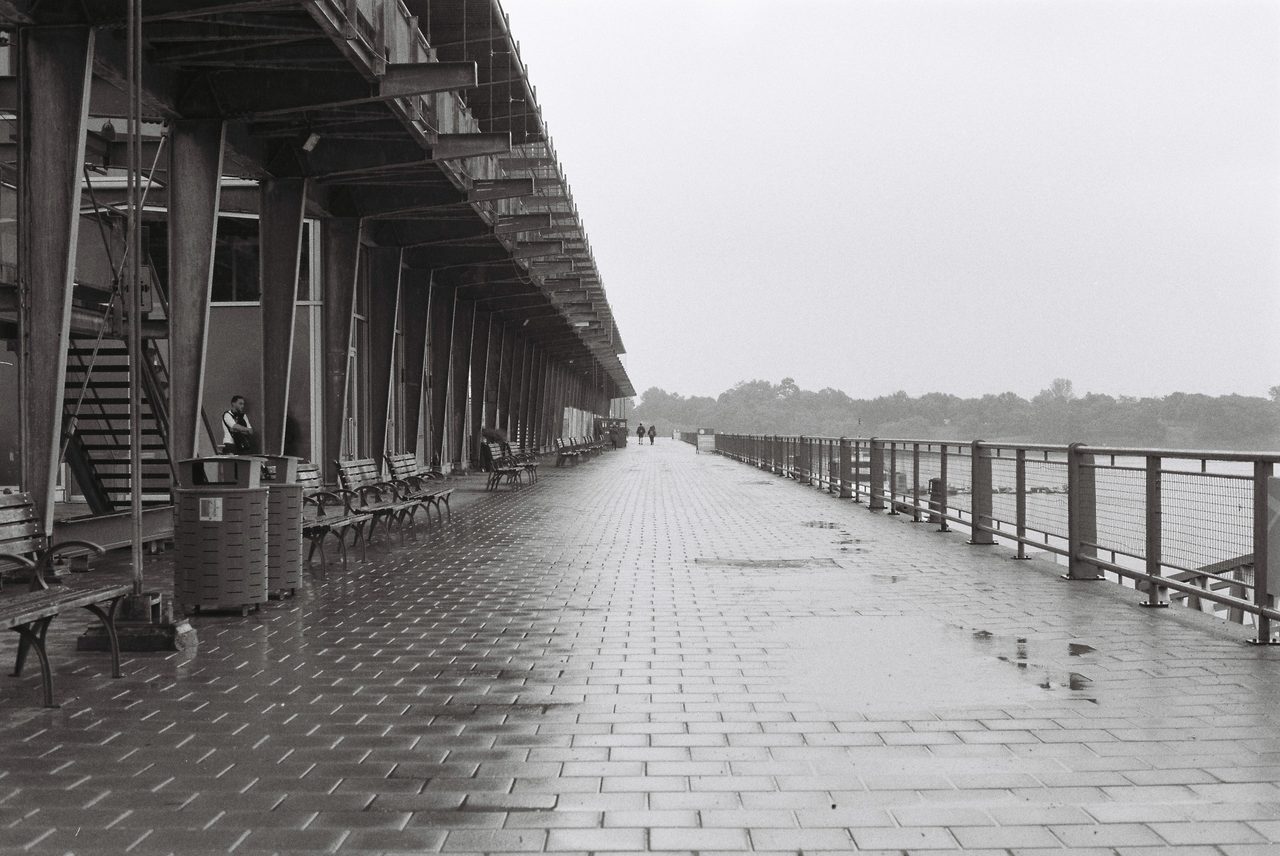
Old Montreal (Vieux-Montréal) is the reason half the people reading this are coming. Cobblestone streets, 300-year-old stone buildings, gas lamps, horse-drawn carriages — it looks like a film set, except it’s real and you can eat poutine on it. The Old Port stretches along the St. Lawrence with the Clock Tower, waterfront promenades, and the kind of golden-hour light that makes your phone camera feel like a professional.
Why I love it: everything you came to see is right there. Notre-Dame Basilica is a ten-minute stroll from most hotels — I checked the current hours on the basilica’s official page before I went (they shift seasonally, so do the same), and daytime admission runs $16 for adults (2026 prices). Go in the morning. The light through the stained glass at 10 AM is — okay, I’m not a spiritual person, but I stood there with my mouth open like a tourist cliché. And then I went back at night for AURA, the Moment Factory light show (from ~$37), and I teared up at a light show. About a church. Send help. → Notre-Dame Basilica — official site
The bed situation: this is boutique-hotel heaven — converted 19th-century warehouses with exposed stone walls and the kind of lobby candles that cost more than my dinner. Expect roughly ~$300–450 a night in summer (estimate). The shower pressure in my Old Montreal hotel was elite, the blackout curtains were on point, and I could walk to the basilica in slippers if I’d wanted to.
The honest catch: it’s the priciest area, the cobblestones are genuinely ankle-breaking, and some streets get loud with nightlife on weekends. I showed up on my first trip in heeled ankle boots and by dinner I was walking like a newborn deer. Cobblestones do not care about your outfit. I found this out the expensive — well, the sore — way. Flat shoes. Trust me.
Best for: first-timers, romantics, anyone who wants the postcard. → our 1-day Montreal itinerary starts right here.
Downtown (Centre-Ville): the practical powerhouse
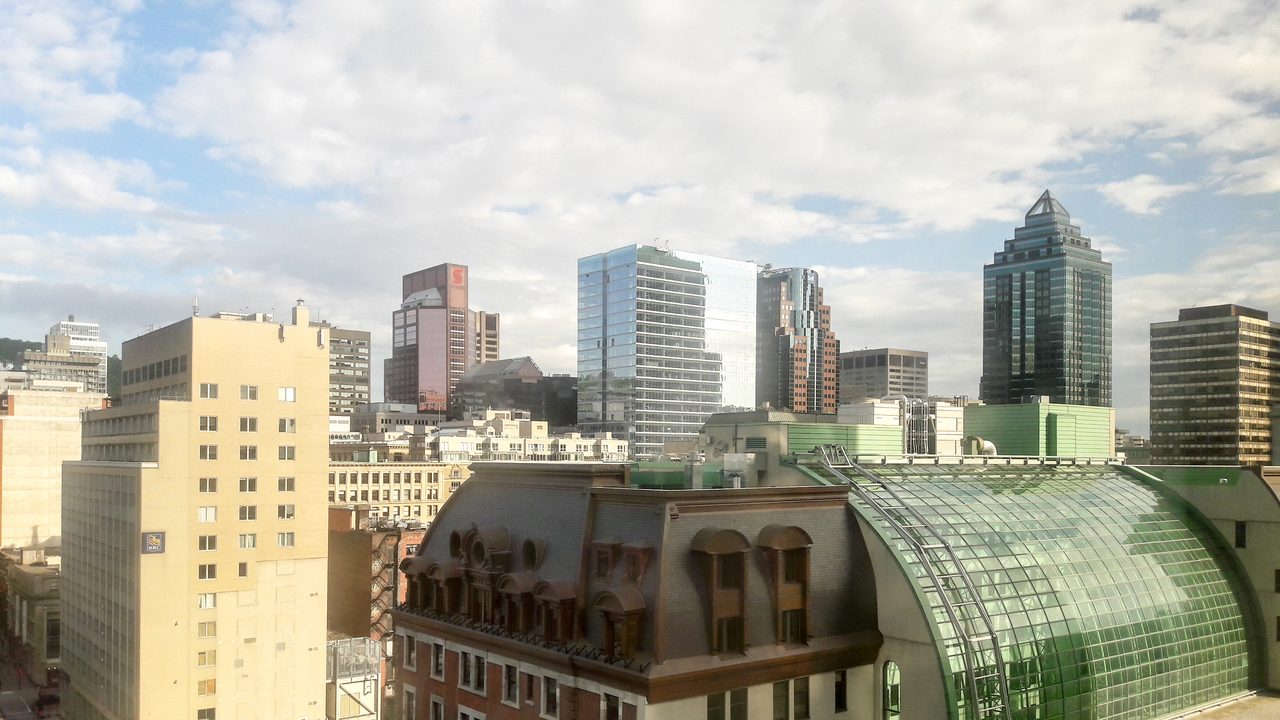
Downtown is where Montreal gets stuff done — skyscrapers, Sainte-Catherine Street shopping, the Bell Centre, the Festival Quarter — and honestly, it’s the smartest base if you want to do a bit of everything. The metro hub at Berri-UQAM puts the whole city within 20 minutes, and this is the one neighborhood where the metro stations connect to the RÉSO underground city: 33 km of tunnels linking malls, metro stations, and food courts.
Why I love it: January. That’s why. I visited once in deep winter and ducked into the underground city at Place Ville Marie when it was -20°C outside, and emerged two hours later having shopped, eaten, and never once put my gloves back on. A front-desk clerk told me locals basically hibernate down there from December to March — she was so right. In summer, the rooftop patios along Crescent Street and the festival crowds give it a completely different, buzzing energy.
The bed situation: the biggest hotel selection in the city, from business towers to sleek boutiques, roughly ~$200–350 a night mid-range (estimate). Check-in lines can be long at the big chains on festival weekends — every local I asked said to book the Montreal Jazz Festival dates way ahead, so consider yourself warned by proxy.
The honest catch: it’s a downtown. It looks like a downtown. You won’t get the “am I in Europe?” tingle here, and the dining scene skews toward chains and business lunches rather than hidden gems — though the Concordia/Shaughnessy Village edge has some legit cheap eats if you wander west.
Best for: shoppers, business travelers, festival-goers, anyone who wants maximum metro access. Pairs well with our Ultimate Montreal Travel Guide.
Le Plateau-Mont-Royal & Mile End: the bohemian foodie dream
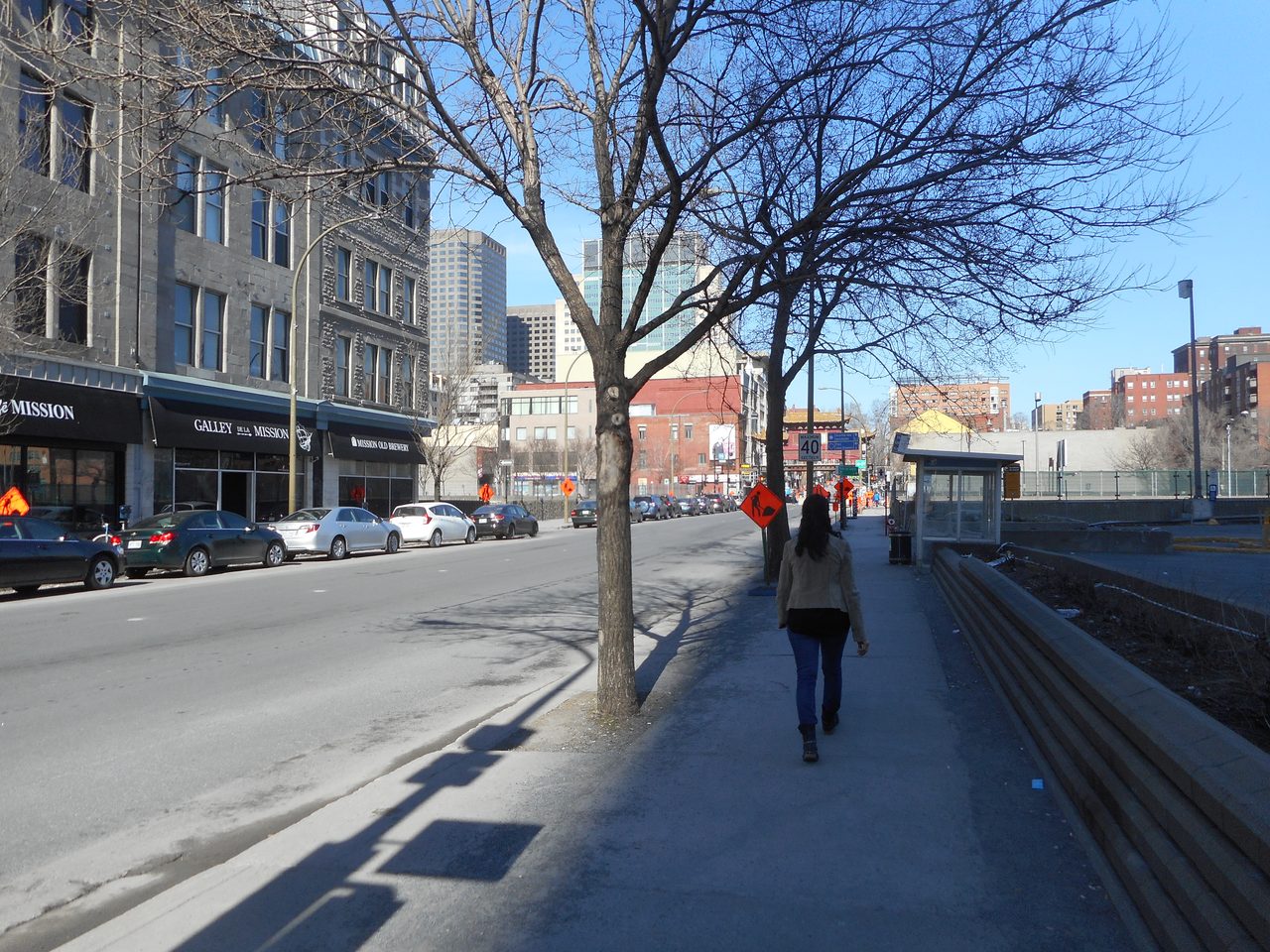
If Old Montreal is the postcard, the Plateau is the Instagram story — candy-colored houses with those iconic exterior spiral staircases, block after block of murals, and Mile End tucked into its northwest corner like the cool older sibling. This is where Montreal’s creative crowd actually lives: artists, musicians, and — according to Tourisme Montréal — enough indie cred to land on “coolest neighborhoods in the world” lists.
Why I love it: the food. Oh, the food. Mile End is where I conducted what I now call the Great Bagel Experiment: St-Viateur vs. Fairmount, the two legendary bagel institutions, two blocks of rivalry and about forty years of debate. I ate four bagels in two days. Did I need a second — okay, third and fourth — bagel? No. Did I get them? Obviously. Warm from the wood-fired oven, sesame crust crackling, chewy middle — to die for is an understatement. A server at a Mile End café insisted the correct move is one of each, side by side, and she was absolutely right. (For the record: I’m Team St-Viateur, and I will not be taking questions.)
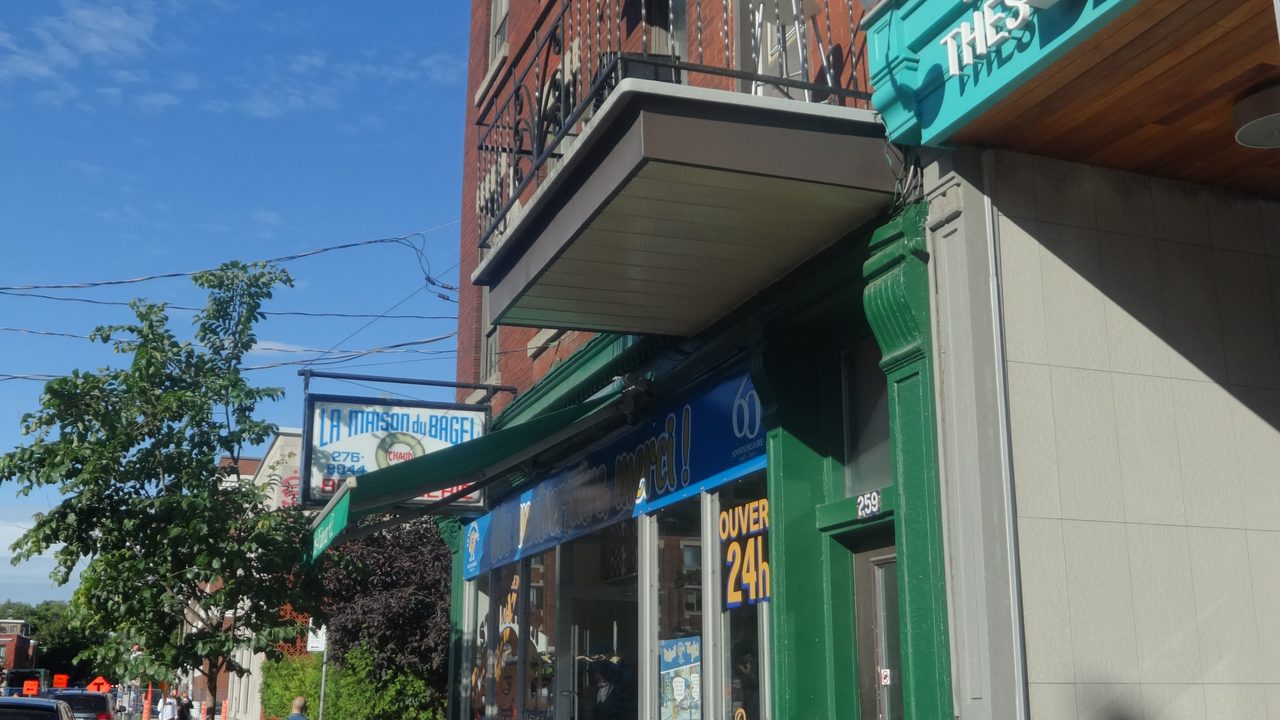
The bed situation: fewer big hotels, more charming B&Bs, boutique inns, and short-term rentals tucked into those colorful walk-ups — roughly ~$150–250 a night (estimate). It’s the best-value central option. If you go the rental route, double-check it’s licensed — Quebec regulates short-term rentals tightly, and a fake listing is the fastest way to ruin a trip.
The honest catch: you’re metro-adjacent rather than metro-central — Mont-Royal and Laurier stations (Orange line) serve the area, but some of the prettiest blocks are a 15-minute walk from the nearest station. Totally fine in summer; a mood in February. Also: brunch lines. The famous spots have weekend waits, so go on a weekday or go early.
Best for: food lovers, artsy types, repeat visitors, anyone doing serious carb-loading. See also our 2-day Montreal itinerary for a Plateau morning done right.
Griffintown & Little Burgundy: the canal-side food scene
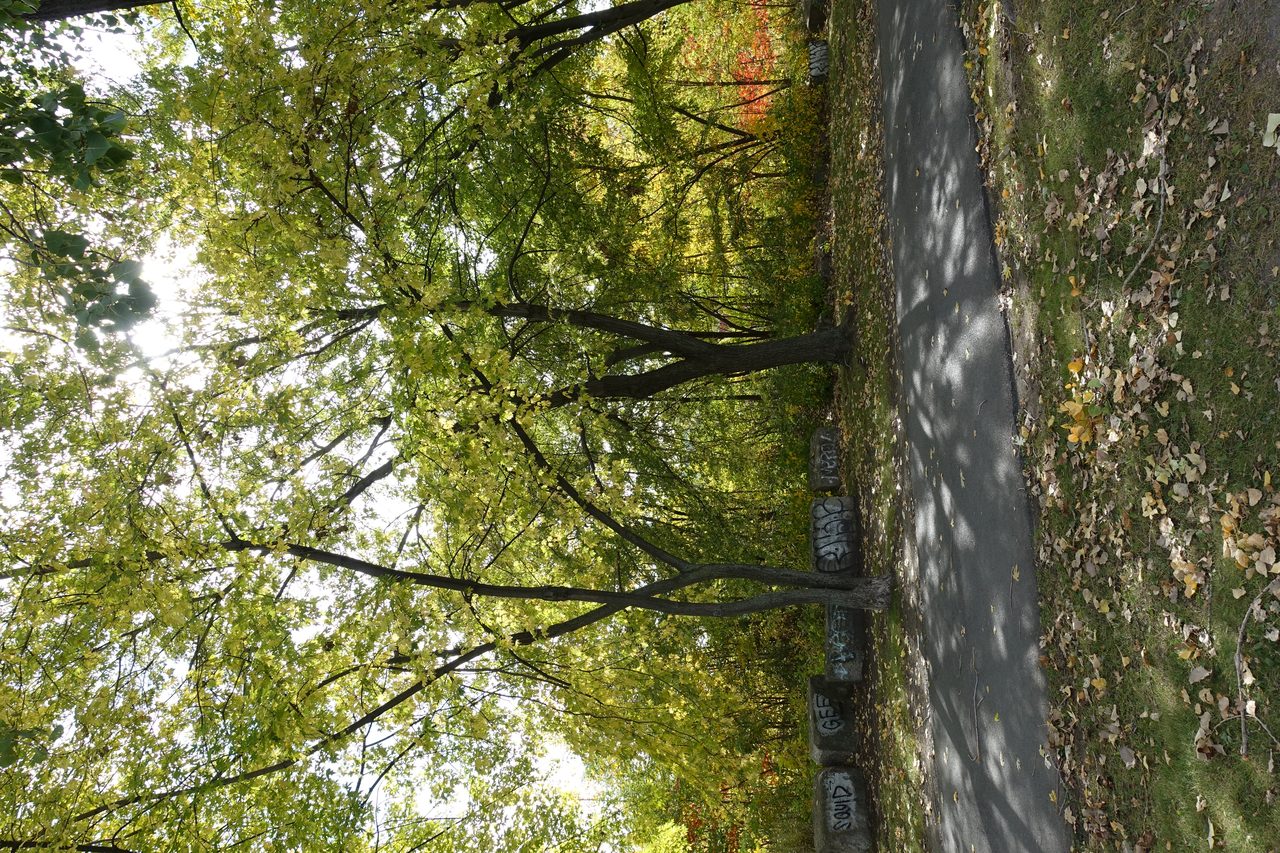
Griffintown used to be warehouses and not much else; now it’s glass condos, third-wave coffee, and the Lachine Canal — a flat, gorgeous waterfront path that begs for a slow bike ride. Little Burgundy, just west, is where Montreal’s serious restaurant people cook: this is the neighborhood of Joe Beef and Liverpool House, the kind of places chefs from other cities pilgrimage to. Our server at a Little Burgundy wine bar insisted we order the duck fat fries and then — this is a direct quote — “prepare to have opinions.” She was right. Chef’s kiss.
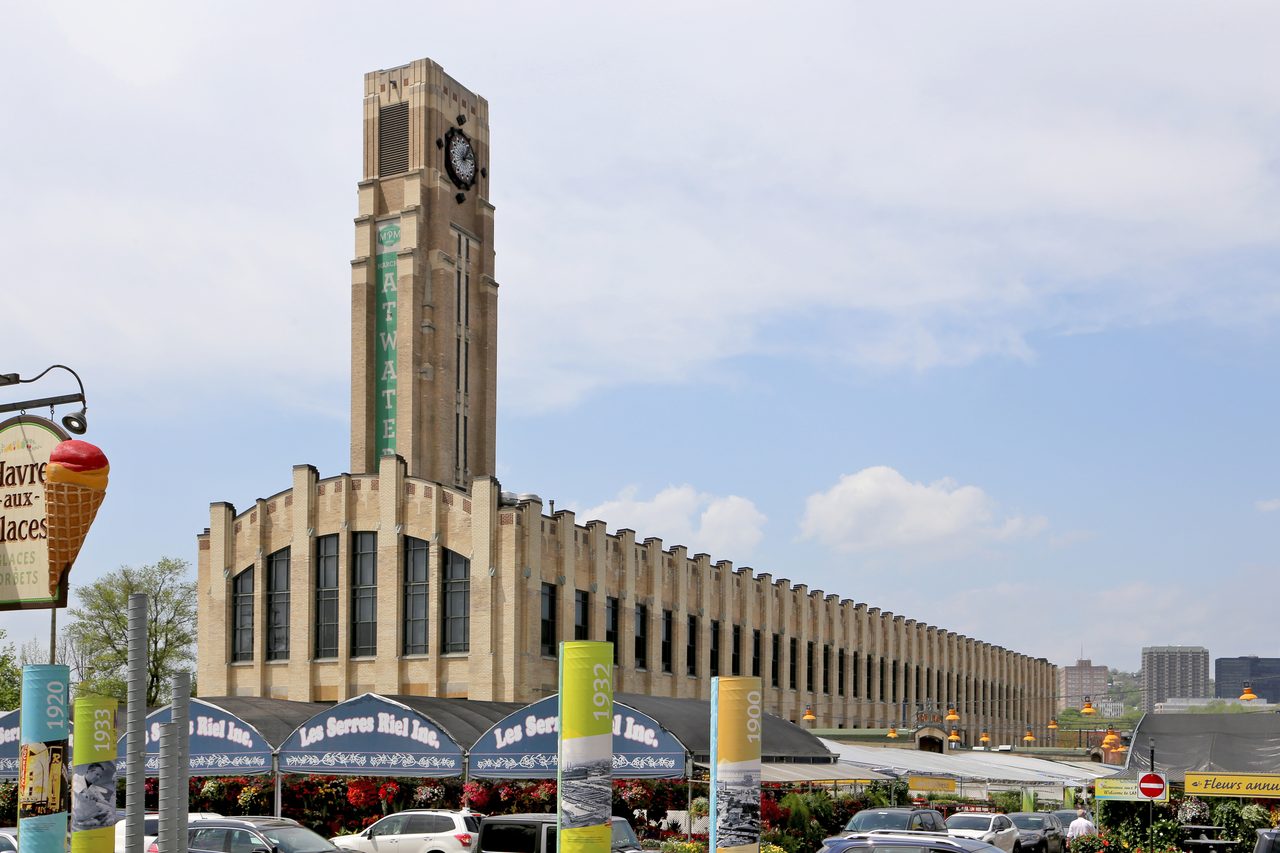
Why I love it: it’s the rare neighborhood that does both slow mornings and big nights. Morning: pastries from Marché Atwater, that art-deco market hall with the clock tower — go for the cheese, leave with dinner. Evening: Notre-Dame Street West, one of the city’s great restaurant rows, glowing with patio lights.
The bed situation: modern condos-turned-hotels and stylish new builds, roughly ~$220–350 a night (estimate) — great value for how central it is. The Lionel-Groulx metro (Orange/Green) is your gateway.
The honest catch: parts of Griffintown are still mid-gentrification — some blocks are gorgeous, the next one over is a construction site. And the hottest restaurants need reservations days ahead; “we’ll just walk in” is how you end up eating at 10 PM.
Best for: food-first travelers, couples, anyone who wants the city’s best dinner scene within walking distance. Budget check: our Montreal travel cost guide breaks down daily spending.
Honorable mentions
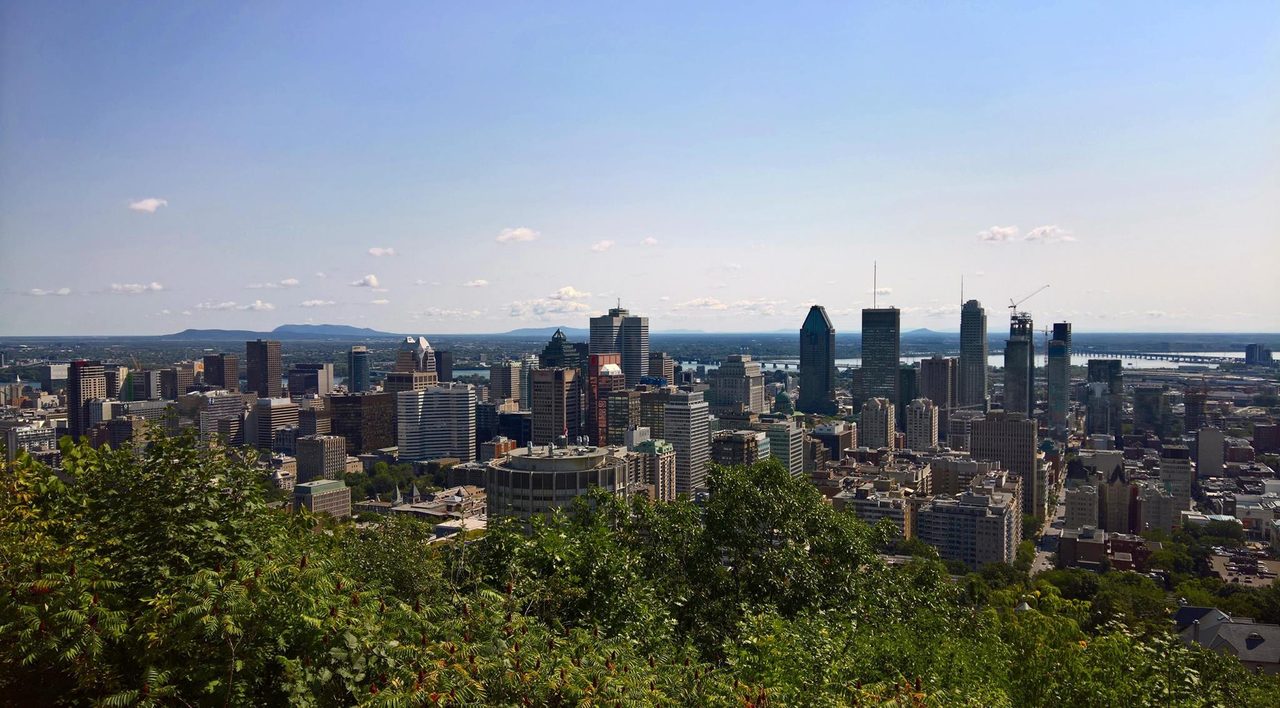
A few more areas worth knowing about: Saint-Henri, just west of the canal, is Griffintown’s scrappier, friendlier cousin — great value, excellent bakeries, and the Atwater Market on its doorstep. The Village, east of downtown, is one of North America’s great LGBTQ+ neighborhoods with a fantastic summer pedestrian scene. And if you’re splurging, Westmount at the foot of Mount Royal is all mansions and quiet luxury — the Kondiaronk Belvedere lookout up on the mountain gives you the whole skyline for free, and I’d go back just for that view at sunset.
What will it cost to stay in Montreal?
Summer (June–September) is peak season — prices below are per night estimates for 2026, before taxes, based on what I saw while planning. Shoulder season (April–May, October) runs noticeably cheaper, and winter is the bargain window if you can handle the cold.
| Neighborhood | Mid-range hotel / night (CAD, ~) | Vibe |
|---|---|---|
| Old Montreal & Old Port | ~$300–450 | Historic, romantic, priciest |
| Downtown (Centre-Ville) | ~$200–350 | Convenient, shopping, transit hub |
| Griffintown | ~$220–350 | Modern, canal-side, foodie |
| Le Plateau / Mile End | ~$150–250 | Bohemian, best value, brunch capital |
| Saint-Henri / Little Burgundy | ~$150–220 | Local, up-and-coming, great eats |
For the full hotel-by-hotel breakdown, see our 15 best hotels in Montreal for tourists.
Getting around: you don’t need a car
Montreal’s STM metro has four lines (Orange, Green, Yellow, Blue) and it’s genuinely excellent — clean, frequent, and every downtown station feels like its own little art gallery. A single trip costs $3.75 in 2026, and a 24-hour pass runs ~$11 with a 3-day pass ~$22 (estimates — confirm current fares before you go). → STM — official transit site
Flying in? The 747 airport bus runs from YUL to downtown (around 30–45 minutes) — the $11.25 fare gets you 24 hours of transit on the bus, metro, and REM, which is the move I always make instead of a $45+ taxi. Fares can change, so confirm on the official STM page before you go. From your base, Old Montreal is walkable end-to-end, the Plateau rewards wandering, and the canal path begs for a bike.
FAQs about where to stay in Montreal
What is the best area to stay in Montreal for first-time tourists?
Old Montreal. It’s the most atmospheric, most walkable, and puts the Notre-Dame Basilica, the Old Port, and the best first-impression dining within a 15-minute stroll. Downtown is the runner-up if you want better transit access and mid-range hotel prices.
Is it better to stay in Old Montreal or downtown?
Old Montreal wins on charm — cobblestones, historic hotels, waterfront views. Downtown wins on practicality — more hotels, the Berri-UQAM metro hub, Sainte-Catherine shopping, and the underground RÉSO city in winter. For a first visit, I’d pick Old Montreal; for a longer or budget-conscious trip, downtown.
Is Old Montreal safe to walk at night?
Yes — Old Montreal and the Old Port are among the safest, most tourist-trafficked areas in the city, and the waterfront stays lively on summer evenings. Standard city awareness applies (watch your bag on busy terraces), but I walked back to my hotel late several nights and felt completely comfortable.
How many days do you need in Montreal?
Two to three days covers the highlights comfortably — one day for Old Montreal and the Old Port, one for the Plateau, Mile End, and Mount Royal, and an optional third for museums or a canal-side food crawl. See our 2-day Montreal itinerary for a ready-made plan.
Do I need a car in Montreal?
No. The STM metro ($3.75 a ride in 2026) covers every neighborhood in this guide, the 747 bus connects the airport to downtown, and the central neighborhoods are genuinely walkable. Parking downtown is expensive and Old Montreal’s streets were designed for horses, not SUVs.
What’s the cheapest neighborhood to stay in Montreal for tourists?
The Plateau, Mile End, and Saint-Henri offer the best value — expect roughly ~$150–250 a night for charming B&Bs and boutique inns versus ~$300–450 in Old Montreal. You’ll trade a slightly longer metro ride for better brunch, and honestly that’s a trade I’d make every time.
2 comments