
The Ultimate Toronto Travel Guide: 2026 Vacation Planner
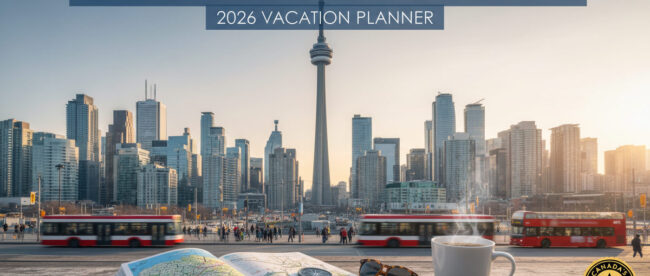
Did you know that Toronto is often called ‘the world’s most diverse city,’ with over 180 dialects spoken across its vibrant streets? This multicultural energy makes it a top destination for travelers seeking world-class food, art, and culture. However, with so many neighborhoods and transit options, planning a trip to Canada’s largest metropolis can feel overwhelming for first-time visitors. This comprehensive 2026 toronto travel guide simplifies your planning by covering everything from the UP Express airport link to the best 3-day itinerary and local hidden gems.
Essential Logistics: Getting to and Around the City
Most international travelers begin their journey at Toronto Pearson International Airport (YYZ). This is the city’s primary hub and handles the majority of long-haul flights. Alternatively, Billy Bishop Toronto City Airport (YTZ) offers a more boutique experience right on the waterfront. Specifically, Billy Bishop is perfect if you are flying from nearby North American cities like New York, Montreal, or Chicago.
Getting downtown from Pearson used to be a challenge for budget-conscious travelers. Fortunately, the Union Pearson (UP) Express has revolutionized this journey. This dedicated rail link whisks you from the airport to Union Station in just 25 minutes. Trains depart every 15 minutes, making it the most reliable way to avoid the city’s notorious highway traffic. Furthermore, the onboard Wi-Fi and luggage racks ensure a comfortable transition into the city center.
Mastering the PRESTO Card System
Once you arrive at Union Station, you will need a way to navigate the local transit system. The Toronto Transit Commission (TTC) operates an extensive network of subways, streetcars, and buses. To use these services, you must purchase a PRESTO card or use a contactless credit card. Notably, the PRESTO card allows for a “two-hour transfer” window. This means you can hop on and off different vehicles for two hours while only paying a single fare.
Streetcars are a signature part of the Toronto experience, especially on major routes like Queen or King Street. While they offer great views of the city, they can be slower than the subway during rush hour. Therefore, you should plan your travel times carefully to avoid the busiest periods. Most locals prefer the subway for north-south or east-west travel across longer distances.
Sustainable Travel and the PATH
If you prefer to stay active, the Bike Share Toronto network is an excellent alternative. With thousands of bikes available at stations across the city, it is a sustainable way to explore the waterfront. Additionally, the city has invested heavily in dedicated bike lanes over the last few years. As a result, cycling has become a much safer and more popular way for tourists to see the sights at their own pace.
During the colder months, you can utilize the PATH underground walkway system. This massive network spans over 30 kilometers and connects various office towers, subway stations, and shopping malls. In fact, it is the largest underground shopping complex in the world. It provides a climate-controlled environment that allows you to walk across the downtown core without ever stepping outside into the snow.
Toronto Travel Costs in 2026
Budgeting for a trip to Toronto in 2026 requires some careful planning. On average, a mid-range hotel in the downtown core will cost between $250 and $400 CAD per night. Meanwhile, casual meals at local diners or food halls typically range from $20 to $35 per person. To save money on sightseeing, you should consider purchasing the Toronto CityPASS, which offers significant discounts on major attractions.
Specifically, the CityPASS includes admission to the CN Tower, the ROM, and several other popular spots. If you plan to visit at least three major sites, the pass usually pays for itself. Additionally, many museums offer free or discounted admission on specific weeknights. Always check the official websites for the latest pricing and “pay-what-you-can” events to keep your expenses manageable.
Top Attractions in Your Toronto Travel Guide
No toronto travel guide would be complete without mentioning the iconic CN Tower. Standing at 553 meters, it remains the most recognizable feature of the city’s skyline. For thrill-seekers in 2026, the EdgeWalk offers a heart-pounding experience on a 1.5-meter wide ledge. You will be harnessed to an overhead rail while walking hands-free high above the city streets. It is an unforgettable way to see the urban sprawl and Lake Ontario simultaneously.
If you prefer a more relaxed experience, consider booking a table at the 360 Restaurant. This revolving dining room completes a full rotation every 72 minutes. Consequently, you can enjoy a gourmet meal while the entire city landscape unfolds beneath you. Most importantly, your meal reservation includes complimentary access to the LookOut and Glass Floor levels. This makes it a great value compared to buying a standard observation ticket alone.
Cultural Hubs: ROM and AGO
The Royal Ontario Museum (ROM) is Canada’s largest museum of world culture and natural history. Its striking “Crystal” entrance is a masterpiece of modern architecture that contrasts with the original stone building. Inside, you can explore massive dinosaur skeletons, ancient Egyptian artifacts, and indigenous Canadian art. Specifically, the museum’s 2026 exhibitions focus on climate change and global biodiversity, offering educational value for all ages.
Art lovers should head directly to the Art Gallery of Ontario (AGO) in the Grange Park neighborhood. The building itself is a work of art, featuring a stunning wood-and-glass facade designed by Frank Gehry. The AGO houses an impressive collection of Canadian art, including works by the Group of Seven. Moreover, it features a vast array of European masterpieces and contemporary photography. The airy galleries provide a peaceful escape from the bustling city streets outside.
Family Favorites and the Distillery District
Families will find plenty of excitement at Ripley’s Aquarium of Canada, located right next to the CN Tower. The “Dangerous Lagoon” features a moving sidewalk that carries you through a transparent tunnel. Here, you can watch sharks, sea turtles, and sawfish swim directly over your head. Additionally, the Ontario Science Centre offers interactive exhibits that make learning fun for children. It is a bit further from downtown, but easily accessible via public transit.
The Distillery District is another must-visit location for history buffs and photographers. This pedestrian-only area features the largest collection of Victorian-era industrial architecture in North America. Once a massive whiskey distillery, the red-brick buildings now house art galleries, boutiques, and award-winning restaurants. Notably, the 2026 Winter Village transforms the district into a magical European-style holiday market during November and December.
Exploring the Waterfront
Toronto’s waterfront has undergone a massive transformation over the last decade. You can walk along the Queens Quay boardwalk to enjoy views of the harbor and the bustling ferry terminal. Many visitors enjoy taking a boat tour to see the skyline from the water. In fact, the view of the CN Tower from the lake is one of the most photographed angles in the country. It provides a sense of scale that you simply cannot get from the ground.
A Neighborhood Deep Dive: Where to Stay and Explore
Choosing the right neighborhood can make or break your Toronto experience. For first-time visitors, the Entertainment District is often the best choice. This area is the heart of the city’s theater scene and sits within walking distance of the CN Tower. You will find a high concentration of hotels, ranging from luxury brands to trendy boutique stays. Furthermore, the proximity to Union Station makes it incredibly easy to get around.
If you crave a more bohemian and artistic vibe, Kensington Market is the place to be. This historic neighborhood is a maze of narrow streets filled with vintage clothing stores and independent cafes. It is famous for its global street food, where you can find everything from Jamaican patties to Chilean empanadas. Specifically, the “Pedestrian Sundays” events in the summer allow you to roam the streets without any car traffic.
Luxury and Quiet Escapes
Yorkville is the destination for those seeking high-end luxury and sophisticated charm. Once a hippie haven in the 1960s, it has evolved into the city’s most upscale shopping district. Here, you will find “Mink Mile,” home to designer boutiques like Gucci and Chanel. The hotels in this area are some of the safest and most prestigious in the city. Moreover, the neighborhood is home to beautiful parks and the peaceful Village of Yorkville Park.
For a more relaxed, family-friendly atmosphere, consider staying in The Beaches or Leslieville. These eastern neighborhoods offer a slower pace of life compared to the skyscrapers of the downtown core. The Beaches features a long boardwalk and sandy shores along Lake Ontario, perfect for a morning jog. Meanwhile, Leslieville is known for its incredible brunch spots and quirky antique shops. As a result, these areas are popular with travelers who want to live like a local.
The Ultimate Toronto Itinerary for 3 Days
Planning a toronto itinerary requires a balance between major landmarks and local culture. If you are wondering what to do in toronto for 3 days, this structured plan covers the essentials. On your first day, focus on the downtown core. Start with a morning visit to the St. Lawrence Market, which National Geographic once named the world’s best food market. Afterward, walk over to Union Station and head up the CN Tower for a bird’s-eye view of your new surroundings.
On the second day, dive into the city’s creative side. Spend your morning at the Art Gallery of Ontario (AGO) before walking through the colorful streets of Kensington Market for lunch. In the late afternoon, head to the Jack Layton Ferry Terminal. Take a 15-minute ferry ride to the Toronto Islands. Specifically, Center Island offers beautiful parklands and the best sunset views of the city skyline. It is a perfect way to end a busy day of exploring.
Day 3: History and Grandeur
Your third day should be dedicated to the city’s historic and upscale districts. Start at Casa Loma, a majestic Gothic Revival castle built in the early 20th century. You can explore the secret tunnels, grand ballrooms, and stunning gardens that overlook the city. From there, take a short subway ride to Yorkville for a luxury lunch and some window shopping. Finally, spend your afternoon at the Royal Ontario Museum to soak in some world history.
However, you should adapt this schedule based on the season of your visit. In the winter, replace the Toronto Islands excursion with ice skating at Nathan Phillips Square. During the summer months, you might want to spend more time at the outdoor festivals in the Distillery District. Regardless of when you visit, these three days will provide a comprehensive look at what makes Toronto so special. Most importantly, wear comfortable shoes as you will be doing a lot of walking!
Toronto Food Scene: From St. Lawrence Market to Michelin Stars
Toronto is a true paradise for food lovers, offering a culinary map that spans the entire globe. You must try the iconic peameal bacon sandwich at Carousel Bakery in St. Lawrence Market. This legendary snack features lean cornmeal-crusted bacon on a soft kaiser roll. Additionally, no trip to Canada is complete without trying poutine. While it originated in Quebec, Toronto chefs have perfected their own versions with gourmet toppings like smoked meat or truffle oil.
The city’s diversity is best represented through its ethnic enclaves. In Chinatown, you can find authentic dim sum and hand-pulled noodles that rival those in Asia. Meanwhile, Little Italy offers cozy trattorias with handmade pasta and vibrant outdoor patios. If you head to Greektown on Danforth Avenue, you will be greeted by the aroma of grilled souvlaki and fresh baklava. These neighborhoods provide an affordable way to taste the world within a few city blocks.
Fine Dining and Brunch Culture
In 2026, Toronto’s fine dining scene continues to reach new heights with a growing list of Michelin-recognized restaurants. From minimalist Japanese omakase to innovative contemporary Canadian cuisine, the options are endless. Specifically, many top-tier restaurants are located in the West End and Yorkville. Therefore, you should make reservations several weeks in advance if you plan to visit a starred establishment. These spots often showcase seasonal ingredients sourced directly from Ontario farms.
Furthermore, Toronto has a massive coffee and brunch culture that defines weekend life for locals. The West End neighborhoods, such as Dundas West and West Queen West, are packed with independent roasters. You will find creative brunch menus featuring everything from sourdough avocado toast to Turkish eggs. Notably, these spots become very busy on Saturday and Sunday mornings. Arriving early is the best way to secure a table without a long wait in line.
Best Time to Visit Toronto and Seasonal Planning
The best time to visit toronto depends largely on your interest in weather and local events. Summer, from June to August, is undoubtedly the peak festival season. The weather is warm and humid, making it the perfect time for patio dining and island trips. However, this is also the busiest time for tourism, so expect higher hotel prices and longer lines. You will experience the city at its most energetic during the Pride Parade or the Caribbean Carnival.
Fall is many locals’ favorite season, particularly during September and October. The crisp air is refreshing, and the fall foliage in parks like High Park is breathtaking. Most importantly, September hosts the Toronto International Film Festival (TIFF), which brings Hollywood stars to the city streets. If you prefer a quieter experience, spring offers lower travel costs and the beautiful cherry blossoms in May. Winter is cold, but it provides the unique opportunity to skate at Nathan Phillips Square under the city lights.
Day Trips from Toronto Without a Car
If you have extra time, there are several fantastic day trips from toronto without a car. The most popular option is Niagara Falls, which is easily accessible via the GO Train. During the summer months, a seasonal shuttle takes you directly from the train station to the falls. You can witness the power of the Horseshoe Falls and explore the vibrant, if slightly kitschy, Clifton Hill area. It is a long day, but seeing one of the world’s natural wonders is well worth the effort.
For a longer excursion, you can follow an ottawa itinerary by taking the VIA Rail from Union Station. The journey to Canada’s capital takes about four and a half hours. Once there, there are many things to do in ottawa, such as visiting Parliament Hill or the ByWard Market. The best time to visit ottawa is during the Winterlude festival in February or the Tulip Festival in May. Additionally, weekend trips from toronto without a car can include the wine region of Prince Edward County via a combination of train and local shuttles.
Toronto is a dynamic, safe, and multicultural hub that offers something for every traveler in 2026. From world-class museums to hidden culinary gems, the city is constantly evolving and inviting exploration. Whether you are visiting for the first time or returning to see what is new, this guide helps you navigate the best of the 6ix. Ready to start your Canadian adventure? Download our 2026 Toronto packing checklist and book your CN Tower tickets in advance to beat the crowds!
Leave a comment