
Top Weekend Trips From Vancouver Without a Car (2026 Guide)
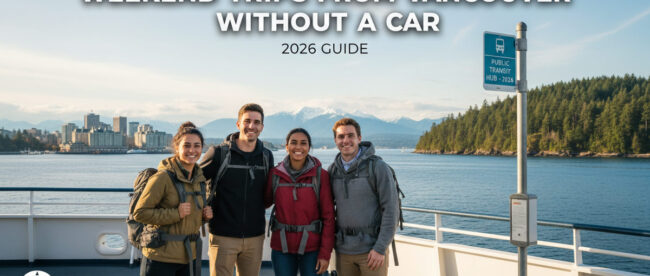
Ever felt trapped in the city because you don’t own a vehicle or want to avoid the 2026 gas prices and highway traffic? Many residents and tourists assume that exploring British Columbia’s rugged beauty requires a personal vehicle and a stressful drive. However, you can easily plan several weekend trips from Vancouver without a car by using the region’s expanding transit network. In fact, modern infrastructure now makes it simpler than ever to reach mountains, islands, and coastal towns without touching a steering wheel.
Specifically, the integration of high-speed ferries and dedicated shuttle services has transformed regional travel this year. You can now sip a coffee on a catamaran or watch the mountains glide by from a luxury coach window. This guide reveals how to master these escapes by utilizing a sophisticated network of ferries, shuttles, and regional transit. Consequently, you will save money on parking and contribute to a more sustainable way of exploring the Pacific Northwest.
1. Navigating Vancouver’s Regional Transit Hubs in 2026
To begin your journey, you must familiarize yourself with the primary transit hubs that connect the city to the wilderness. Waterfront Station serves as the ultimate starting point for most car-free travelers in the downtown core. Notably, this historic building links the SkyTrain system with the SeaBus, which zips across the water to North Vancouver every 15 minutes. Furthermore, it hosts the West Coast Express, providing a scenic rail link to the eastern suburbs and hiking trails during peak hours.
Major Transportation Terminals
If you are heading further afield, Pacific Central Station is your primary gateway for long-distance travel. This hub provides access to Ebus and various long-distance coaches that reach the interior of British Columbia. Additionally, it serves as the terminal for Amtrak, making it a vital link for those looking to explore the coast toward the south. Meanwhile, the nearby bus bays host specialized shuttles that cater specifically to seasonal tourists and outdoor enthusiasts.
Digital Tools and Essential Apps
Staying informed is crucial for a smooth trip, so you should download the latest transit integrations before leaving home. In 2026, the ‘Transit’ app offers real-time tracking for TransLink, BC Transit, and even private ferry arrival times. Moreover, the Tap-to-Pay system is now universal across all regional buses and trains, meaning you only need a credit card or smartphone. Therefore, you can skip the ticket vending machines and move through the gates with minimal delay.
Smart Luggage Strategies
Managing your gear is the biggest challenge when traveling without a personal vehicle. Specifically, you should invest in a high-quality hiking backpack or a wheeled carry-on that handles uneven pavement well. Many shuttle services now offer “door-to-trail” luggage transfers for a small fee, which is incredibly helpful for multi-modal travel. Furthermore, most major stations provide secure lockers where you can store heavy items while you explore a destination for the day.
2. The Best Weekend Trips From Vancouver Without a Car
Victoria remains the most popular choice for those seeking a sophisticated urban escape combined with coastal charm. To get there, you can take the BC Ferries Connector directly from downtown Vancouver to the Victoria Inner Harbour. This service is seamless because it drives the bus right onto the ferry, allowing you to stay with your luggage. As a result, you arrive in the heart of the capital city without ever having to navigate a rental car counter.
Mountain Escapes to Whistler
Whistler is another premier destination that is surprisingly easy to reach via the Skylynx or Epic Rides shuttles. These coaches depart frequently from various downtown locations and offer breathtaking views of the Sea-to-Sky Highway. Notably, these services provide ample room for skis, snowboards, or mountain bikes in the undercarriage. Consequently, you can enjoy a world-class alpine experience while someone else handles the winding mountain roads and winter driving conditions.
Island Vibes on Bowen Island
If you are looking for a shorter getaway, Bowen Island is a hidden gem located just off the coast of West Vancouver. You can reach this tranquil spot by taking a 20-minute foot passenger ferry from the Horseshoe Bay terminal. Once you arrive at Snug Cove, the entire village is walkable, offering cozy cafes and lush forest trails. In fact, many visitors find that the lack of a car allows them to slow down and truly appreciate the island’s pace.
Adventure in Squamish
Squamish has evolved into a world-class outdoor hub that is now highly accessible via the Squamish Connector. This shuttle service drops you off at the Sea to Sky Gondola or right in the center of the downtown district. From there, you can access legendary hiking trails like the Stawamus Chief or explore the local craft brewery scene. Furthermore, the town’s local transit system has improved significantly, making it easier to reach various trailheads without needing your own wheels.
3. Island Hopping: BC Ferries Foot Passenger Adventures
Island hopping has become significantly more efficient thanks to new high-speed options for foot passengers. Specifically, the Hullo high-speed ferry now connects downtown Vancouver directly to Nanaimo in just 70 minutes. This service eliminates the need to travel out to the suburbs to catch a traditional ferry. Therefore, you can maximize your time exploring the “Hub City” or connecting to other parts of Vancouver Island via local buses.
Exploring the Gulf Islands
The Gulf Islands offer a more rugged and artistic atmosphere for those willing to travel as foot passengers. You can access Salt Spring Island (Ganges) or Galiano Island through the Tsawwassen terminal using the public bus system. While these islands are large, the local “community bus” programs are designed to meet ferry arrivals during the summer months. Moreover, many island accommodations offer complimentary shuttle pickups for guests who arrive without a vehicle.
A Perfect Victoria Itinerary
A 3-day Victoria itinerary is easy to execute using only your feet and the local BC Transit system. On the first day, you can explore the Royal BC Museum and the walkable Inner Harbour. For the second day, take the #75 bus, which brings you directly to the world-famous Butchart Gardens. Finally, spend your third day wandering through the historic streets of Cook Street Village or Beacon Hill Park. This approach allows you to see the best things to do in Victoria without the stress of city parking.
Timing Your Island Visit
The best time to visit Victoria for car-free travelers is during the late spring or early autumn months. During these periods, the weather is mild, and the city hosts numerous walkable festivals and outdoor markets. Furthermore, transit frequency is at its peak, ensuring you never have to wait long for a bus. Notably, visiting during the shoulder season also means fewer crowds at popular spots like the Parliament Buildings and the waterfront docks.
4. Sustainable Travel: Reaching Provincial Parks via Parkbus BC
Accessing remote wilderness areas used to be the biggest hurdle for those traveling without a car. However, Parkbus BC has solved this problem by offering seasonal shuttle routes to the province’s most iconic provincial parks. In 2026, they have expanded their schedule to include frequent trips to Garibaldi and Joffre Lakes. These shuttles depart from central downtown locations, making it possible to reach high-alpine terrain in a single morning.
The Benefits of Group Shuttles
Using a group shuttle provides significant eco-conscious benefits by reducing the number of individual vehicles in sensitive ecosystems. Specifically, it helps alleviate the chronic parking shortages that often plague popular trailheads during the summer. Additionally, traveling with other hikers creates a sense of community and allows you to share trail conditions and tips. Most importantly, it ensures that you have a guaranteed “parking spot” in the form of a reserved seat on the bus.
Essential Gear for Car-Free Hikers
When you don’t have a trunk to store extra gear, you must pack light but remain fully prepared for the elements. Specifically, you should use a technical daypack with a built-in rain cover and space for the ten essentials. Furthermore, wearing your hiking boots on the shuttle saves space in your bag for food and extra layers. Notably, many car-free hikers now use collapsible trekking poles that fit easily into side pockets during the transit portion of the trip.
Alternative: The Sunshine Coast
If you prefer the coast over the mountains, the Sunshine Coast transit guide offers a fantastic alternative for car-free explorers. You can take the ferry from Horseshoe Bay to Langdale and immediately board a local bus to Gibsons or Roberts Creek. This region is famous for its laid-back lifestyle and accessible shoreline walks. Moreover, the local transit system is surprisingly reliable, connecting the various coastal communities along the highway with ease.
5. Practical Tips for Car-Free Travel in British Columbia
Budgeting for your trip requires a shift in how you view transportation costs. While shuttle tickets might seem expensive at first glance, they are often cheaper than the combined cost of car rentals and gas. Furthermore, you must factor in the high price of overnight parking at hotels in places like Victoria and Whistler. Therefore, you often end up saving a significant amount of money by choosing the car-free route for your weekend escapes.
Choosing the Right Accommodation
To make your trip successful, you should prioritize staying in hotels with high “transit scores” or central locations. In Whistler, look for lodges in the main Village rather than the outlying creekside areas. In Victoria, staying near the Inner Harbour ensures that most major attractions are within a ten-minute walk. Additionally, many modern hotels now offer bike rentals, which can further extend your range without needing a motorized vehicle.
Integrating Car-Free Days into Your Vancouver Itinerary
If you are planning a 3 days in Vancouver itinerary, you can easily dedicate one full day to a car-free excursion. For instance, you could spend two days exploring things to do in Vancouver like Stanley Park and Granville Island. On the third day, take a shuttle to Squamish or a ferry to Bowen Island for a change of scenery. This balance allows you to experience both the urban sophistication and the wild beauty of the region seamlessly.
Finding the Best Time to Visit
The best time to visit Vancouver for optimal transit frequency is between June and September. During these months, seasonal shuttles like Parkbus are in full operation, and ferry sailings are more frequent. However, the winter months are excellent for those heading to Whistler, as the ski shuttles run on a very tight and reliable schedule. Regardless of the season, always check the weather forecast, as heavy rain can occasionally impact ferry schedules or mountain road conditions.
Traveling without a car in 2026 is not only possible but often more relaxing and sustainable than driving yourself. From the high-speed ferries to Nanaimo to the reliable shuttles to Whistler, Vancouver is perfectly positioned for vehicle-free exploration. You can avoid the stress of traffic and enjoy the stunning scenery of British Columbia from a comfortable seat. Ready to explore? Book your ferry or shuttle ticket today and tag us in your car-free BC adventures!
Leave a comment