
The Ultimate Victoria Travel Guide: 2026 Trip Planner
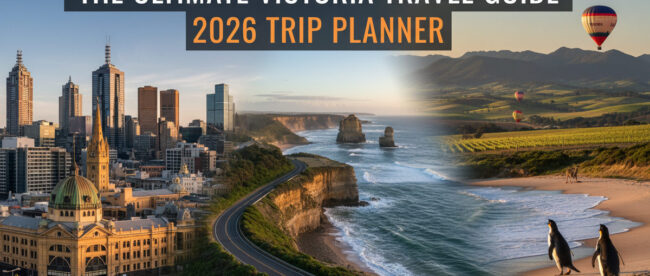
Did you know that Victoria packs some of the world’s most diverse landscapes—from rugged coastlines to alpine peaks—into Australia’s second-smallest state? This compact geography makes it an incredible destination for travelers who want to see everything without spending weeks behind the wheel. However, with so many world-class wineries, wildlife encounters, and hidden coastal towns, planning a cohesive itinerary can be overwhelming. This victoria travel guide provides everything you need to know for your 2026 adventure, from the best time to visit to curated itineraries for the Great Ocean Road and beyond.
1. Essential Victoria Travel Guide: Planning Your 2026 Visit
Planning a trip to Victoria requires a bit of strategic thinking because the weather is famously unpredictable. Locals often joke about experiencing “four seasons in one day,” which is a very real phenomenon you must prepare for. Specifically, a sunny morning in Melbourne can easily turn into a chilly, rainy afternoon before the sun peaks out again for sunset. Therefore, your 2026 trip planner should prioritize flexibility and smart packing to ensure you stay comfortable regardless of the shifting skies.
Understanding the Seasonal Breakdown
The best time to visit victoria depends largely on what activities you have planned for your Australian getaway. For instance, if you are a fan of world-class surfing, the autumn months of March to May offer consistent swells and mild temperatures. Meanwhile, winter from June to August is the prime time for skiing in the Victorian Alps at resorts like Mt Buller. If wine tasting is your priority, the harvest season in late summer provides a vibrant atmosphere across the Yarra Valley vineyards.
Spring, spanning from September to November, is arguably the most beautiful time to explore the regional gardens and coastal tracks. During this period, the wildflowers are in full bloom and the waterfalls are flowing at their peak capacity. Moreover, the temperatures are generally pleasant for hiking without the intense heat of the peak summer months. In fact, many travelers find that spring offers the perfect balance between manageable crowds and stunning natural scenery.
Packing Essentials and Layering Strategies
Because the weather fluctuates so rapidly, mastering the art of layering is essential for any Victoria itinerary. You should always carry a lightweight, waterproof jacket even if the morning sky looks perfectly clear and blue. Additionally, sturdy walking shoes are a must for exploring Melbourne’s cobblestone laneways or the rugged trails of the national parks. Notably, the regional highlands can be significantly colder than the city, so pack a warm fleece or wool sweater.
Furthermore, don’t forget high-quality sun protection, as the Australian sun is exceptionally strong even on overcast or cooler days. A broad-brimmed hat, polarized sunglasses, and SPF 50+ sunscreen should be at the top of your packing list. If you plan on visiting the coastal areas, a windbreaker will protect you from the brisk Southern Ocean breezes. Ultimately, being prepared for all conditions will allow you to enjoy the diverse landscapes without any discomfort.
The 2026 Event Calendar
Victoria is known as the sporting and cultural capital of Australia, and 2026 promises an action-packed schedule for visitors. In January, the Australian Open brings a buzzing energy to Melbourne Park as the world’s best tennis players compete. Following this, the Formula 1 Australian Grand Prix takes over Albert Park in March, offering high-octane excitement for racing fans. These major events draw massive crowds, so booking your accommodation well in advance is highly recommended.
Beyond sports, the Melbourne International Arts Festival in October showcases incredible theater, dance, and visual arts from around the globe. This festival transforms the city into a creative hub with various pop-up installations and world-class performances. Additionally, regional festivals like the Ballarat Begonia Festival or the Heathcote Wine Show offer a taste of local culture. By aligning your visit with these events, you can experience the unique spirit that defines the Victorian lifestyle.
2. Melbourne: The Cultural and Culinary Gateway
Melbourne serves as the vibrant heart of the state and is often the first stop on any victoria travel guide. In 2026, the city continues to evolve with a mix of historic charm and cutting-edge modern attractions. For example, The Lume Melbourne offers immersive digital art experiences that have become a staple for tech-savvy travelers. Meanwhile, Federation Square remains the city’s primary meeting point, hosting constant cultural events and outdoor cinema screenings throughout the year.
Top-Rated Attractions in 2026
One of the most exciting developments for 2026 is the fully revamped Queen Victoria Market, which remains a foodie’s paradise. This historic site now features upgraded facilities while maintaining its traditional charm and bustling atmosphere for shoppers. Visitors can sample fresh local produce, artisanal cheeses, and the famous hot jam donuts that have been a local favorite for decades. In fact, taking a guided food tour here is one of the best things to do in victoria to understand local flavors.
Additionally, the Melbourne Skydeck offers breathtaking 360-degree views of the city skyline and beyond from the 88th floor. For those who prefer staying grounded, a walk along the Southbank promenade provides a scenic route filled with riverside dining options. Notably, the city’s museum precinct has also seen upgrades, making it easier than ever to dive into Australia’s rich history. These attractions ensure that every traveler finds something captivating within the city limits.
The Laneway Culture and Coffee Scene
Melbourne is world-famous for its intricate network of laneways, which hide some of the best street art and cafes. Specifically, Hosier Lane is a must-visit for its ever-changing murals and vibrant graffiti that reflect the city’s creative soul. Meanwhile, Degraves Street offers a European-style dining experience where you can sit outdoors and enjoy a classic “flat white.” In fact, Melbourne’s coffee culture is so serious that finding a bad cup is actually quite difficult.
To find the best hidden spots, you should wander away from the main thoroughfares like Flinders Street or Collins Street. Look for small doorways and neon signs that lead to rooftop bars or underground speakeasies. Furthermore, many of these laneways host tiny boutiques selling locally made fashion and unique souvenirs. Exploring these narrow paths is the best way to feel the true pulse of Melbourne’s urban lifestyle.
Navigating the City: Trams and Myki
Getting around Melbourne is incredibly easy thanks to the Free Tram Zone located within the central business district. This means you can hop on and off any tram within the designated zone without paying a cent. However, if you plan to travel outside this area, you will need a Myki card, which is the city’s electronic ticketing system. You can easily purchase and top up these cards at train stations or retail outlets like 7-Eleven.
The iconic City Circle Tram is a great way for tourists to see major landmarks while listening to an informative commentary. For a more modern experience, the newer E-class trams offer air conditioning and low-floor access for strollers or wheelchairs. Specifically, using the PTV app will help you plan your journey with real-time updates on arrivals and departures. Most importantly, remember to “touch on” your Myki card at the start of your journey to avoid any fines.
Family-Friendly Activities in the City
If you are traveling with children, Melbourne offers a wealth of activities that are both educational and entertaining. The Melbourne Museum features an impressive dinosaur walk and an interactive children’s gallery that keeps kids engaged for hours. Nearby, the Royal Botanic Gardens provide a massive green space where families can enjoy a picnic or a traditional punting boat ride. These locations offer a peaceful escape from the busy city streets while remaining centrally located.
Another highlight is the SEA LIFE Melbourne Aquarium, which houses thousands of aquatic animals, including massive sharks and playful penguins. For a unique experience, the ArtVo 3D gallery in District Docklands allows families to take hilarious photos within immersive paintings. Additionally, the Collingwood Children’s Farm offers a chance for city kids to interact with farm animals in a rustic setting. These diverse options make Melbourne a top-tier destination for families of all ages.
3. The Great Ocean Road Itinerary and Coastal Wonders
No victoria travel guide is complete without a detailed look at the Great Ocean Road, one of the world’s most scenic drives. This 243-kilometer stretch of road winds along the rugged southern coast, offering spectacular views of the Southern Ocean. While some people try to rush it in a single day, we strongly recommend a more relaxed pace. This allows you to truly appreciate the small towns and natural wonders that make this region so special.
How Many Days Do You Really Need?
The debate between a 3-day and a 5-day victoria itinerary for the Great Ocean Road often comes down to your travel style. A 3-day trip allows you to see the major highlights like the 12 Apostles and Loch Ard Gorge without feeling too rushed. However, a 5-day itinerary provides enough time to explore the hinterland rainforests and enjoy longer hikes in the Otway Ranges. Specifically, those extra days allow for spontaneous stops at hidden beaches that day-trippers usually miss.
If you choose the 5-day option, you can spend more time in towns like Apollo Bay, which serves as a great base for exploration. This longer duration also means you can drive further west to the historic fishing village of Port Fairy. In fact, the section of road beyond the 12 Apostles is often much quieter and just as beautiful. Therefore, if your schedule permits, opting for the longer stay will result in a much more rewarding coastal experience.
Must-See Stops Along the Route
Your journey typically begins in Torquay, the surfing capital of Australia and home to the famous Bells Beach. From there, the road leads to Lorne, a trendy seaside town perfect for a coffee break and a walk to Erskine Falls. As you continue driving, the scenery becomes increasingly dramatic with sheer cliffs dropping into the turquoise sea. Notably, the section between Lorne and Apollo Bay is widely considered the most picturesque part of the entire drive.
The crown jewel of the route is undoubtedly the 12 Apostles, a collection of limestone stacks rising majestically from the ocean. To avoid the heaviest crowds, try to visit at sunrise or sunset when the light paints the rocks in golden hues. Nearby, the Gibson Steps allow you to descend to the beach and view the massive stacks from sea level. Additionally, Loch Ard Gorge tells a fascinating story of shipwreck history and offers stunning geological formations to explore.
Wildlife Spotting and Natural Encounters
One of the best things to do in victoria is spotting native wildlife in their natural habitat along the coast. Kennett River is the premier spot for finding wild koalas snoozing in the manna gum trees near the local caravan park. You can often see dozens of them if you take a quiet walk along Grey River Road. Furthermore, the area is home to vibrant king parrots and crimson rosellas that are surprisingly friendly to visitors.
If you are visiting between June and September, make sure to stop at Logan’s Beach in Warrnambool for whale watching. Southern Right Whales often come close to the shore to give birth and nurse their calves in the sheltered waters. For a different kind of nature experience, the Great Otway National Park offers lush rainforests and ancient fern gullies. Specifically, the Maits Rest rainforest walk is an easy 30-minute loop that feels like stepping back into a prehistoric world.
Driving Tips and Road Safety
Driving the Great Ocean Road is straightforward, and a standard rental car is perfectly sufficient for the entire journey. You do not need a 4WD vehicle, as the main road and most access roads to attractions are fully paved. However, international drivers should remember that Australians drive on the left-hand side of the road. Moreover, the road is quite winding and narrow in sections, so it is important to stay focused and take frequent breaks.
Be mindful of wildlife on the road, especially during dawn and dusk when kangaroos and wallabies are most active. If you see a “Slow Down” sign, it is there for a reason, usually indicating a high-risk area for animal crossings. Additionally, use the designated “slow vehicle turnouts” to allow faster traffic or tour buses to pass you safely. By following these simple tips, you can enjoy a stress-free road trip through some of Australia’s most iconic landscapes.
4. Wildlife and Nature: Phillip Island to Wilson’s Promontory
Beyond the Great Ocean Road, Victoria’s eastern coastline offers equally stunning natural beauty and unique wildlife encounters. Phillip Island is a world-renowned destination, primarily famous for the nightly Penguin Parade where hundreds of Little Penguins return to shore. To ensure the best experience, you must book your tickets well in advance, as this popular attraction often sells out. Specifically, the “Penguins Plus” platform offers a closer view of the birds as they waddle past your feet.
Exploring Wilson’s Promontory National Park
Commonly known as “The Prom,” Wilson’s Promontory is the southernmost point of the Australian mainland and a hiker’s paradise. The park features a diverse range of landscapes, from granite mountains to expansive sandy beaches and thick coastal scrub. One of the most popular activities is the hike to the summit of Mount Oberon for panoramic views. From the top, you can see the winding coastline and the offshore islands scattered across the Bass Strait.
Another must-visit spot is Squeaky Beach, named for the unique white quartz sand that literally squeaks under your feet. The turquoise water and large orange-hued boulders make it one of the most photographed beaches in the state. Additionally, the park is teeming with wildlife, including wombats, emus, and kangaroos that often roam near the Tidal River campground. In fact, staying overnight in one of the park’s cabins or campsites is the best way to experience its magic.
Sustainable Tourism and Eco-Certified Tours
As tourism grows, protecting Victoria’s delicate ecosystems has become a top priority for local authorities and tour operators. When booking your activities, look for eco-certified tours that demonstrate a commitment to environmental sustainability and conservation. These operators often provide deeper insights into the local flora and fauna while minimizing their impact on the environment. For instance, many boat tours around Phillip Island use low-emission engines to protect the local seal colonies.
Visitors are also encouraged to follow “Leave No Trace” principles by staying on marked trails and disposing of waste properly. Specifically, never feed the wildlife, as human food can be harmful to their health and disrupt their natural behaviors. By practicing responsible tourism, you help ensure that these beautiful locations remain pristine for future generations to enjoy. Ultimately, a sustainable approach enhances your connection to the natural world and supports the local communities that protect it.
Mornington Peninsula Relaxation
Located just an hour from Melbourne, the Mornington Peninsula offers a perfect blend of luxury, relaxation, and coastal scenery. The Peninsula Hot Springs is a highlight, featuring over 50 different bathing experiences inspired by global thermal traditions. You can soak in hilltop pools with 360-degree views or find tranquility in the secluded forest pools. Moreover, the region is famous for its “hinterland” where you can find world-class wineries and artisanal food producers.
For those seeking activity, the Bushrangers Bay walking track offers dramatic cliff-top views and leads to a secluded beach. Meanwhile, the Point Nepean National Park provides a glimpse into Australia’s military and quarantine history amidst stunning coastal landscapes. You can explore the park by foot or rent a bicycle to reach the very tip of the peninsula. This combination of wellness and outdoor adventure makes the Mornington Peninsula a versatile addition to any Victoria itinerary.
5. Regional Victoria Hidden Gems: Yarra Valley and The Grampians
While the coast gets much of the attention, the inland regions of Victoria offer some of the state’s most profound experiences. The Yarra Valley, located a short drive from Melbourne, is one of the world’s premier cool-climate wine regions. Here, you can visit iconic cellar doors like Domaine Chandon or TarraWarra Estate for exquisite Chardonnay and Pinot Noir. Additionally, the Yarra Valley Chocolaterie and Ice Creamery is a mandatory stop for families and those with a sweet tooth.
Hiking the Grampians National Park
For a change of pace, head west to the Grampians (Gariwerd) National Park, a place of immense cultural significance and natural beauty. The rugged sandstone ridges and deep valleys offer some of the best hiking opportunities in Australia. Reaching “The Pinnacle” lookout is a highlight for many, providing breathtaking views over the town of Halls Gap. Furthermore, MacKenzie Falls is one of the largest waterfalls in Victoria and flows year-round, making it a spectacular sight.
The park is also home to a significant number of ancient Aboriginal rock art sites that are open to the public. Visiting these sites provides a deep connection to the history of the Jardwadjali and Djab Wurrung peoples. Specifically, the Brambuk Cultural Centre offers excellent exhibits that explain the spiritual and historical importance of the region. Whether you are an avid hiker or a history buff, the Grampians offers a powerful and moving experience.
Daylesford: The Spa Capital
If your idea of a holiday involves pampering and fine dining, Daylesford and Hepburn Springs are the places to be. This region sits on top of the largest concentration of mineral springs in Australia, earning it a reputation for healing. Many visitors flock to the Hepburn Bathhouse & Spa for traditional communal bathing or private mineral water treatments. In fact, the town’s relaxing atmosphere makes it a favorite weekend getaway for stressed-out city dwellers.
Beyond the spas, Daylesford boasts an incredible culinary scene with many restaurants focusing on “paddock-to-plate” dining. The Lake House is a world-renowned destination for foodies, offering sophisticated dishes made from locally sourced ingredients. You can also explore the many antique shops and art galleries that line the charming main street. Notably, a walk around Lake Daylesford at sunset provides a peaceful end to a day of indulgence and exploration.
The Goldfields and Sovereign Hill
To truly understand Victoria’s history, you must visit the Goldfields region, specifically the city of Ballarat. During the 1850s, this area was the site of a massive gold rush that transformed Australia’s economy and society. Sovereign Hill is a living museum that recreates the first ten years after the discovery of gold in Ballarat. Visitors can pan for real gold, ride in horse-drawn carriages, and watch traditional craftsmen at work in the 1850s-style shops.
The experience is incredibly immersive, with costumed actors bringing the history of the goldfields to life in a fun way. Additionally, the evening “Aura” sound and light show tells the dramatic story of the Eureka Rebellion and the quest for gold. Nearby, the city of Bendigo also offers impressive Victorian-era architecture and the fascinating Central Deborah Gold Mine tour. These historic sites provide a fascinating contrast to the modern buzz of Melbourne and the wild beauty of the coast.
6. Practical Logistics: Transport and Getting Around
Navigating regional Victoria is relatively simple, but your choice of transport will depend on your specific victoria itinerary goals. For those sticking to major regional hubs like Ballarat, Geelong, or Bendigo, the V/Line train network is excellent. These trains are comfortable, affordable, and depart regularly from Southern Cross Station in Melbourne. However, if you want to explore the national parks or the Great Ocean Road, renting a car is almost essential.
Car Rentals and Road Trip Basics
Renting a car gives you the ultimate freedom to stop at hidden lookouts and small-town bakeries along your journey. Most major international rental brands operate out of Melbourne Airport and the city center, offering a wide range of vehicles. Be aware that Victoria uses an electronic toll system on major highways like CityLink and EastLink in Melbourne. Most rental cars come with a toll tag, but you should always confirm this with the provider to avoid fines.
Navigation is easy with apps like Google Maps or Waze, which provide accurate real-time traffic data and route suggestions. Specifically, fuel prices can vary significantly between the city and remote regional areas, so it pays to fill up before long stretches. In 2026, the electric vehicle (EV) charging network has expanded significantly across regional Victoria, making eco-friendly travel much easier. Many small towns now feature fast-charging stations in central locations or near popular tourist attractions.
Budgeting for Your Victoria Adventure
Victoria offers a range of experiences for every budget, from luxury spa retreats to affordable camping adventures in national parks. On average, a mid-range traveler should budget approximately $200–$300 AUD per day for accommodation, food, and activities. Dining out can be expensive, but many pubs offer “counter meals” that are both hearty and reasonably priced. Furthermore, many of the state’s best attractions, such as the national parks and beaches, are completely free to enter.
To save money, consider visiting during the “shoulder seasons” of autumn and spring when accommodation rates are often lower. Additionally, buying a Myki card for city travel and using public transport for day trips to nearby cities can reduce costs. Booking your car rental and popular tours like the Penguin Parade in advance can also help you secure better rates. Ultimately, with a bit of planning, Victoria provides an incredible travel experience that offers great value for your money.
Victoria offers a unique blend of cosmopolitan lifestyle and raw natural beauty that is hard to find anywhere else. Whether you’re exploring Melbourne’s hidden laneways, driving the iconic Great Ocean Road, or hiking the rugged Grampians, 2026 is the perfect year to visit. The state’s compact size and diverse offerings ensure that every day of your journey will be filled with new and exciting discoveries. Start booking your Victoria adventure today by checking out our recommended 10-day itinerary and prepare for the trip of a lifetime!
Leave a comment