
How to Get Around Canada Without a Car: 2026 Travel Guide
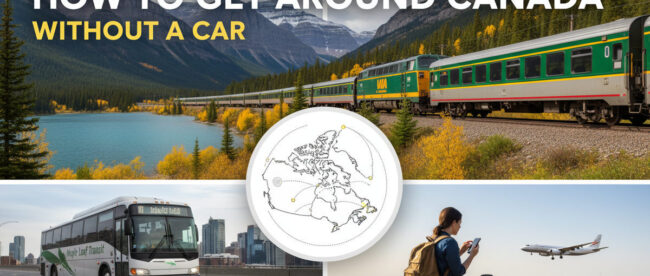
Can you really cross the world’s second-largest country without ever touching a steering wheel in 2026? Many travelers assume that exploring the Great White North requires a rental vehicle and a high tolerance for long drives. However, learning how to get around Canada without a car has become significantly easier and more efficient over the last few years. Whether you are a budget backpacker or an eco-conscious tourist, you can navigate between provinces using a smart mix of rail, bus, and ridesharing services.
Canada is famous for its vast distances and car-centric culture, which often makes it intimidating for newcomers. Specifically, the sheer scale of the landscape can lead to “distance shock” for those coming from smaller European or Asian nations. This comprehensive guide will show you exactly how to master the Canadian transit landscape. We will cover everything from trans-continental trains to the latest digital apps that connect travelers across thousands of kilometers.
1. Is it Possible to Travel Across Canada Without a Car?
The reality of car-free travel in 2026 is a story of two different Canadas. In the densely populated regions, traveling without a personal vehicle is not only feasible but often more convenient than driving. However, in more remote areas, you will need to plan your connections with much greater precision. Most travelers find that a multi-modal approach works best for their specific needs.
Specifically, the Windsor-Quebec City corridor remains the easiest region for non-drivers to navigate. This stretch includes major hubs like Toronto, Ottawa, and Montreal, where trains and buses run frequently. In fact, you can easily hop between these cities every few hours without ever checking a map. Outside of this corridor, the frequency of service drops, but the quality of long-haul options has improved significantly recently.
The Shift Toward Multi-Modal Transport
Modern Canadian travel now focuses on connecting rail, bus, and air travel through integrated digital platforms. For instance, many travelers now book a train for the scenic portions of their trip and use regional buses for the “last mile.” Additionally, the rise of specialized shuttles in tourist hotspots like Banff and Jasper has made the Rocky Mountains accessible to everyone. Therefore, you no longer need a driver’s license to see the most iconic turquoise lakes in the world.
Things to Know Before Going to Canada
One of the most important things to know before going to Canada is the difference between distance and travel time. For example, a “short” trip between two cities on a map might actually take six hours by bus. Moreover, the weather can play a massive role in your transit schedule, especially during the winter months. Always build a buffer of at least one day into your itinerary when crossing provincial lines to account for potential delays.
2. Mastering the Rails: VIA Rail Canada Routes and Tips
Traveling by train is arguably the most romantic and relaxing way to see the Canadian landscape. VIA Rail Canada operates the national passenger service, offering routes that span from the Atlantic to the Pacific. While it may not be the fastest method, it provides a unique perspective on the country’s geography that you simply cannot get from an airplane window.
The most iconic journey is ‘The Canadian’ route, which travels from Toronto all the way to Vancouver. This four-night journey takes you through the boreal forests of Ontario, the vast prairies, and the breathtaking peaks of the Rockies. Notably, this trip is more of an “experience” than a simple commute. If you have the budget, booking a sleeper cabin allows you to enjoy hot meals and glass-domed observation cars.
The Corridor Service and High-Speed Updates
For those focusing on the East, the Corridor Service is your best friend for frequent connections. This network links Toronto, Montreal, Ottawa, and Quebec City with multiple departures every single day. Furthermore, 2026 marks a significant milestone for Canadian infrastructure as the High-Frequency Rail project continues to modernize these tracks. While true “high-speed” rail is still in development, the current upgrades have significantly reduced travel times between major urban centers.
Canada Budget Travel Tips for Rail
If you are looking for Canada budget travel tips, timing your VIA Rail booking is essential. The “Escape” fares are the lowest price tier and often sell out weeks in advance. Specifically, you should try to book your tickets on a Tuesday, as the company frequently releases “Discount Tuesday” deals. Additionally, students and youth under 26 can access significant permanent discounts, making the train a very competitive option compared to flying.
Choosing Your Class of Service
- Economy Class: Best for short trips or budget travelers who don’t mind sleeping in a reclining seat.
- Sleeper Plus: Includes a private cabin or berth, all meals, and access to the lounge cars.
- Prestige Class: The ultimate luxury experience with extra-large windows and personalized concierge service.
3. Intercity Bus Services Canada 2026: Life After Greyhound
Many travelers were worried when Greyhound exited the Canadian market years ago. However, a vibrant landscape of regional bus providers has stepped in to fill the void in 2026. These carriers often offer more modern fleets, better amenities, and more reliable schedules than the old national systems. In fact, the bus is often the most affordable way to travel between mid-sized cities.
In Ontario and Quebec, Megabus remains a dominant player, offering double-decker buses with very low fares if booked early. Meanwhile, Ebus has become a staple in Western Canada, connecting Vancouver, Kamloops, and Kelowna. These routes are particularly popular with students and solo travelers who want to avoid the high costs of domestic flights. Furthermore, the seating is generally spacious enough for a comfortable four-to-six-hour journey.
Luxury and Reliability in the East and Prairies
In the Atlantic provinces, Maritime Bus provides an essential link between New Brunswick, Nova Scotia, and Prince Edward Island. On the other hand, Red Arrow offers a luxury experience in Alberta, featuring single-row seating and complimentary snacks. Specifically, Red Arrow is a favorite for business travelers moving between Calgary and Edmonton. These regional specialists understand the local terrain and maintain impressive on-time records even during the snowy months.
Booking Platforms and Onboard Amenities
To find the cheapest way to travel, you should use aggregator websites that compare multiple bus lines at once. Most modern buses in 2026 come equipped with free Wi-Fi, individual power outlets, and climate control. However, you should always check the luggage policy before arriving at the station. Most carriers allow one large checked bag and one small carry-on, but extra fees may apply for oversized sporting equipment like skis or bikes.
4. How to Get Around Canada Without a Car Using Rideshares
Ridesharing has evolved far beyond simple city trips in 2026. For long-distance travel, carpooling apps have become a game-changer for those wondering how to get around Canada without a car. These platforms connect drivers who have empty seats with passengers heading in the same direction. It is often cheaper than the bus and much faster than the train for specific regional routes.
Poparide is currently the leading long-distance carpooling service in Canada. It works by allowing drivers to post their destination and a set price to cover their gas costs. Specifically, Poparide Canada reviews highlight the safety features of the app, such as verified profiles and a robust rating system. For solo travelers, this is an excellent way to meet locals and share stories while moving between cities like Vancouver and Whistler.
Urban Ridesharing: Uber and Lyft
Within city limits, Uber and Lyft are widely available in major metropolitan areas. However, you should be aware that their availability can be limited in smaller towns or specific provinces with strict taxi regulations. For instance, while you can easily find a ride in Toronto or Vancouver, you might rely more on local taxi apps in parts of the Maritimes. Notably, 2026 has seen an increase in electric vehicle (EV) options within these apps, helping you reduce your carbon footprint.
Is it Safe to Hitchhike in Canada?
While hitchhiking was once a common sight on Canadian highways, it is generally not recommended in 2026 due to safety and legal concerns. In fact, many provinces have laws prohibiting pedestrians on major 400-series highways. Instead of thumbing a ride, modern alternatives like Poparide offer the same social benefits with much higher security. Therefore, it is better to spend a few dollars for a verified seat than to risk standing on a remote shoulder.
5. Domestic Flights and Urban Transit Systems
When you need to travel from Toronto to Vancouver, a flight is often the only practical choice. Fortunately, the rise of low-cost carriers has made domestic air travel much more accessible. Airlines like Flair and Porter have expanded their routes significantly in 2026. Specifically, Porter Airlines has become a favorite for its refined service and convenient departures from downtown airports like Billy Bishop in Toronto.
Navigating the “airport to downtown” trek is now a breeze in most major cities. In Toronto, the UP Express connects Pearson Airport to Union Station in just 25 minutes. Similarly, the Canada Line in Vancouver and the REM in Montreal offer seamless rail links to the city centers. These services are much cheaper than a taxi and allow you to skip the notorious highway traffic during rush hour.
Deep Dive into City Transit Payments
Canadian cities have fully embraced contactless payment methods for public transit. You no longer need to fumble for exact change or hunt for a ticket kiosk in most places. Specifically, systems like the TTC (Toronto), STM (Montreal), and TransLink (Vancouver) allow you to tap your credit card or phone directly at the gate. This convenience makes it incredibly easy for tourists to jump on a subway or streetcar the moment they arrive.
Walking and Cycling Infrastructure
If you are looking for the best places to visit in Canada in summer, consider cities with high walkability and bike-friendly paths. Montreal and Vancouver consistently rank as the most walkable cities for tourists. Furthermore, Victoria and Ottawa offer extensive cycling networks that allow you to see the sights on two wheels. Many cities now have integrated bike-sharing programs, allowing you to rent an e-bike for a few dollars via a mobile app.
- Toronto: Great subway and iconic streetcars, but very crowded during peak hours.
- Montreal: The most extensive underground city network, perfect for avoiding bad weather.
- Vancouver: The SkyTrain is fully automated and offers stunning views of the mountains.
- Calgary: The C-Train is free to ride within the downtown “Seventh Avenue” corridor.
6. Seasonal Considerations and Budget Planning
Your experience of traveling without a car will change drastically depending on the month. For instance, canada in october offers beautiful fall foliage and reliable transit before the heavy snow hits. However, traveling in canada in december requires more preparation. Winter weather can cause significant delays for buses and trains, so you should always check for service alerts before heading to the station.
When calculating your canada trip cost, you might wonder if skipping a car rental actually saves money. In 2026, the average cost of a 2-week car-free itinerary is often 30-40% lower than renting a vehicle. This is especially true when you factor in high gas prices, daily parking fees in cities, and expensive insurance. Therefore, a car-free approach is usually the best choice for those on a budget.
Best Places to Visit in Winter Without a Car
Believe it or not, some of the best places to visit in Canada in winter are actually easier to navigate without a car. Quebec City is incredibly compact and walkable, feeling like a European village covered in snow. Similarly, Banff and Lake Louise offer frequent shuttle buses that transport skiers and sightseers directly from their hotels to the slopes. This eliminates the stress of driving on icy mountain roads and searching for rare parking spots.
Solving the Last Mile Problem
The “Last Mile” refers to the final leg of your journey from a transit hub to your actual accommodation. In rural areas, you may need to rely on local taxis or community shuttles. Many small towns have started “on-demand” transit services that you can summon like an Uber but at a subsidized rate. Additionally, many hostels and lodges in remote areas offer their own pick-up services if you call them in advance.
Conclusion
While Canada is vast, a combination of VIA Rail, regional buses like Megabus, and ridesharing apps like Poparide make car-free travel not only possible but often more affordable and sustainable in 2026. By utilizing the Corridor rail service and low-cost domestic flights, you can see the best of the country without the stress of driving. Whether you are exploring the historic streets of Montreal or the peaks of the Rockies, the transit network is ready for you.
Planning a trip? Check out our 2-week Canada itinerary for non-drivers and book your train tickets at least 21 days in advance to save 50%! Embracing public transit is the best way to see the real Canada while saving money for the experiences that truly matter.
Leave a comment