
12 Best Places to Visit in Nova Scotia: 2026 Travel Guide
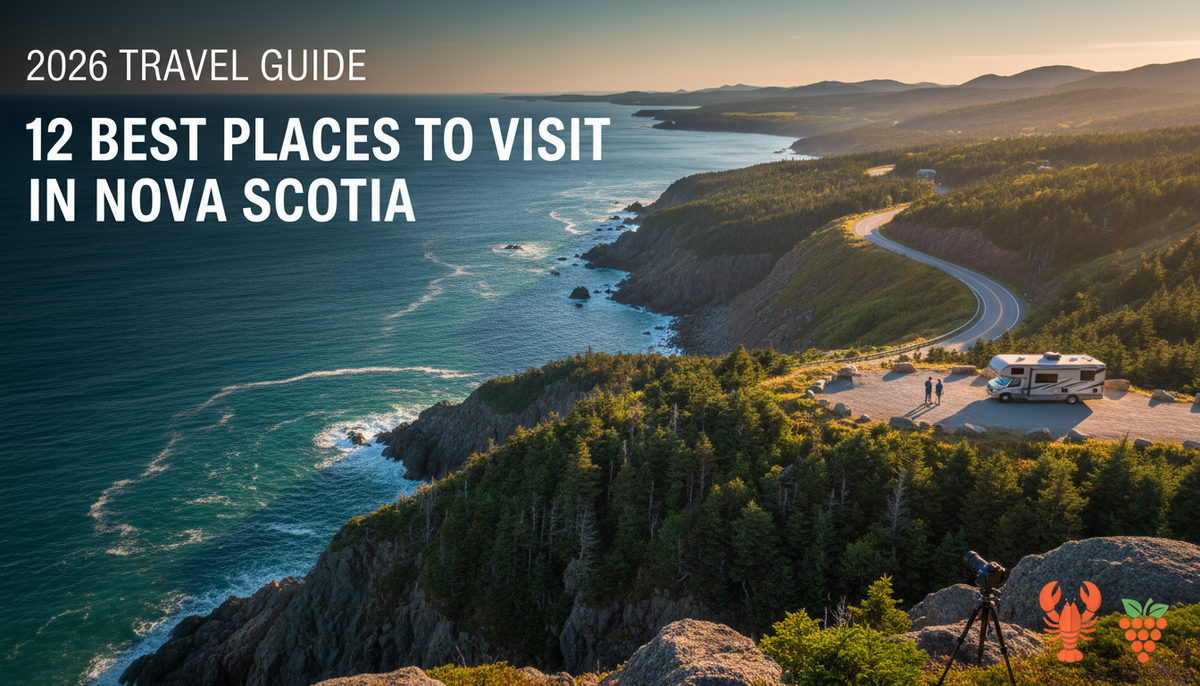
Imagine standing on the edge of a rugged cliff where the Atlantic breeze carries the scent of salt air and the sound of crashing waves against ancient granite. With over 7,000 kilometers of coastline and dozens of charming towns, narrowing down a Nova Scotia itinerary can feel overwhelming for first-time visitors. This comprehensive 2026 guide highlights the best places to visit in Nova Scotia, from the world’s highest tides to the most iconic road trips, ensuring you don’t miss a single hidden gem. Whether you seek solitude in the wilderness or the vibrant energy of a historic city, this province delivers an unforgettable maritime experience.
1. The Iconic Cabot Trail and Cape Breton Highlands
The Cabot Trail is consistently ranked as North America’s most scenic drive for very good reasons. This 298-kilometer loop winds through the Cape Breton Highlands, offering dramatic coastal vistas that rival any landscape in the world. In 2026, the drive remains a bucket-list item because it perfectly blends natural beauty with deep cultural roots. You will find yourself stopping every few kilometers just to photograph the sheer cliffs dropping into the deep blue Atlantic.
Specifically, the hiking opportunities here are unparalleled in Eastern Canada. The Skyline Trail remains the most famous path, providing a relatively flat walk that ends on a dramatic wooden boardwalk overlooking the Gulf of St. Lawrence. If you want a more physical challenge, the Franey Trail offers a steep climb but rewards you with a 360-degree view of the Clyburn Brook canyon. Meanwhile, the Middle Head Trail takes you out onto a narrow peninsula, surrounded by crashing waves on both sides.
Cultural Heritage and 2026 Updates
Beyond the scenery, the Cabot Trail is a journey through Acadian and Celtic heritage. In Chéticamp, you can hear the French language spoken fluently and explore the intricate art of rug hooking. On the eastern side, Ingonish serves as a gateway to Celtic music and warm hospitality. These communities offer a glimpse into a way of life that has remained resilient for centuries, centered around the sea and storytelling.
Furthermore, 2026 brings exciting updates to the Cape Breton Highlands National Park regarding accessibility and sustainability. New electric vehicle charging stations have been installed at major trailheads to encourage eco-friendly travel. Additionally, several popular paths have undergone restoration to protect sensitive alpine vegetation while improving the walking surface for visitors of all ages. These initiatives ensure the park remains pristine for future generations of travelers.
Notably, the park has introduced a new digital reservation system for its most popular sunset hikes. This helps manage crowd flow and provides a more intimate experience for those looking to see the sun dip below the ocean horizon. As a result, planning your visit a few weeks in advance is highly recommended for the 2026 season. You will appreciate the quiet atmosphere as you watch the sky turn brilliant shades of orange and purple.
2. Halifax Waterfront Attractions and Urban Exploration
Halifax serves as the vibrant heart of the province, blending modern innovation with deep-seated maritime history. In 2026, the city has reached a new peak of urban design with the full completion of the Queen’s Marque district. This area features stunning “salt-head” architecture and public art installations that celebrate the city’s connection to the North Atlantic. It is the perfect place to start any halifax itinerary with a morning coffee and a view of the harbor.
For families, the Halifax Citadel National Historic Site offers an immersive step back into the mid-19th century. You can watch the 78th Highlanders perform drills or listen to the thunderous boom of the noon gun, a tradition since 1856. Afterward, a short walk leads you to the Public Gardens, a Victorian-era oasis in the middle of the city. These gardens are meticulously maintained and provide a peaceful escape from the bustling downtown streets.
History and Maritime Culture
The Maritime Museum of the Atlantic is an essential stop for anyone interested in global history. It houses a world-renowned collection of Titanic artifacts, as Halifax played a central role in the recovery efforts following the 1912 disaster. Additionally, the museum provides a harrowing look at the 1917 Halifax Explosion, which reshaped the city forever. These exhibits offer a poignant reminder of the power of the sea and the resilience of the local people.
If you are planning a 2-day Halifax itinerary, consider spending your first day on the waterfront and the second exploring the North End. Start with a visit to the Seaport Farmers’ Market, the oldest continuously operating market in North America. Here, you can sample local honey, artisanal cheeses, and fresh Atlantic seafood. In fact, the market is a hub for the city’s diverse culinary scene, featuring vendors from many different cultural backgrounds.
Things to Do in Halifax for Foodies
Food lovers will find plenty of things to do in Halifax, especially when it comes to the thriving craft brewery scene. Many local breweries use traditional methods combined with local ingredients like spruce tips or honey. You can take a guided brewery tour or simply hop between taprooms in the historic downtown core. Each spot offers a unique atmosphere, ranging from cozy underground pubs to modern, airy tasting rooms.
Moreover, the city’s dining scene has expanded to include world-class farm-to-table restaurants that prioritize seasonal ingredients. You should try the local “Donair,” a spicy beef wrap that has become the city’s official late-night snack. However, for a more refined experience, the waterfront seafood restaurants offer fresh lobster and scallops caught just hours before. This blend of casual and fine dining makes Halifax one of the top culinary destinations in Canada for 2026.
3. The Best Places to Visit in Nova Scotia for Coastal Charm
Peggy’s Cove Lighthouse is perhaps the most photographed landmark in all of Canada. In 2026, the new accessible viewing deck allows everyone to enjoy the stunning views without scrambling over slippery rocks. However, if you choose to explore the granite boulders, always stay off the “black rocks” where the waves are unpredictable. Arriving early in the morning or late in the evening is the best way to avoid the large tour bus crowds.
Old Town Lunenburg is another must-see destination, recognized as a UNESCO World Heritage site for its preserved colonial architecture. The town’s bright, colorful buildings and narrow streets feel like a living museum of the 18th century. While you are there, look for the Bluenose II, the famous racing schooner that is often docked in the harbor. You can even book a sailing excursion to experience the power of this legendary vessel firsthand.
Just a short drive away lies Mahone Bay, famous for its iconic view of three wooden churches standing side-by-side at the water’s edge. This town is a paradise for shoppers looking for artisanal boutiques and local handmade crafts. You can find everything from hand-carved wooden birds to high-end pottery and locally designed clothing. The slow pace of life here encourages you to linger over a latte while watching the sailboats drift by.
Specifically, if you are looking for a hidden gem in 2026, head to the village of Blue Rocks. Often called the “undiscovered” version of Peggy’s Cove, this tiny fishing community offers a more rugged and quiet experience. The blue-hued slate rocks provide a stark contrast to the colorful fishing shacks and dories floating in the cove. It is an ideal spot for photographers and kayakers who want to explore the sheltered coastal waters without the crowds.
4. Experiencing the Highest Tides at the Bay of Fundy
The Bay of Fundy is home to the highest tides on the planet, where 160 billion tons of water flow in and out twice daily. Burntcoat Head Park is the best place to witness this phenomenon, as it holds the world record for the highest tidal range. At low tide, you can actually walk on the ocean floor and explore red sandstone sea stacks and tide pools. Just a few hours later, the very spot where you stood will be covered by dozens of feet of water.
For those seeking an adrenaline rush, tidal bore rafting on the Shubenacadie River is a once-in-a-lifetime adventure. As the incoming tide meets the outgoing river, it creates massive standing waves that you can ride in a motorized zodiac. It is a muddy, exhilarating experience that perfectly demonstrates the raw power of the moon’s gravitational pull. Most tour operators provide full gear, so you only need to bring a sense of adventure and a change of clothes.
Meanwhile, the Joggins Fossil Cliffs offer a different kind of window into the past. This UNESCO World Heritage site contains fossils from the “Coal Age,” dating back over 300 million years. As the tides erode the cliffs, new fossils are constantly being revealed on the beach below. You can take a guided tour to identify ancient trees, insects, and early reptiles that lived long before the dinosaurs. It is a fascinating stop for families and science enthusiasts alike.
Finally, make your way to Hall’s Harbour for a visual lesson in tidal changes. This small fishing village is famous for its “disappearing” harbor, where boats sit on the muddy bottom at low tide. You can enjoy a fresh lobster dinner at the local restaurant while watching the water slowly rise to lift the fleet back to the wharf. This rhythmic cycle defines life on the Bay of Fundy and provides a peaceful conclusion to your coastal exploration.
5. Culinary Delights: Annapolis Valley Wine Tours and the Lobster Trail
The Annapolis Valley is the agricultural heart of the province and a premier destination for wine lovers. In 2026, the local wine industry has gained international acclaim, particularly for its signature “Tidal Bay” appellation. This crisp, aromatic white wine is designed to pair perfectly with local seafood. Vineyards like Lightfoot & Wolfville offer stunning views of the Minas Basin, combining organic farming with world-class architecture and tasting rooms.
Furthermore, the 2026 Lobster Trail has expanded to include even more stops across the province. This culinary adventure guides you to the best lobster rolls, traditional boils, and even lobster-infused dishes like poutine or tacos. You can follow the trail to find hidden seaside shacks where the lobster is served on plastic trays with melted butter. Alternatively, high-end restaurants in the valley offer sophisticated takes on this maritime staple, ensuring there is something for every palate.
- Visit Grand Pré National Historic Site to learn about the tragic Acadian Deportation.
- Take a guided bicycle tour through the vineyards of Wolfville for a leisurely afternoon.
- Stop at a local u-pick orchard in the autumn for fresh Annapolis Valley apples.
Notably, the town of Wolfville serves as a perfect base for exploring the region’s farm-to-table culture. The Saturday morning market is a vibrant gathering place where you can meet the farmers and artisans who define the valley. Many restaurants in the area now offer seasonal menus that change weekly based on what is being harvested. This commitment to local sourcing ensures that every meal you eat in the “Breadbasket of Nova Scotia” is fresh and authentic.
6. Outdoor Adventures in Kejimkujik and the 100 Wild Islands
Kejimkujik National Park and National Historic Site offers a unique dual experience of inland wilderness and coastal beauty. Known affectionately as “Keji,” the park is a designated Dark Sky Preserve, making it one of the best places for stargazing in 2026. On a clear night, the Milky Way is visible with incredible clarity, and the park offers guided night-sky programs. It is a magical experience to sit by a campfire while the universe unfolds above you.
On the Eastern Shore, the 100 Wild Islands represent one of the last pristine archipelagos in North America. These islands feature white sand beaches and turquoise waters that look more like the Caribbean than the North Atlantic. Kayaking through this protected wilderness allows you to see bald eagles, seals, and rare coastal rainforests. Several local outfitters offer guided day trips or overnight camping excursions for those who want to truly disconnect from the modern world.
Additionally, Taylor Head Provincial Park offers some of the best coastal hiking in the province. The trails take you across windswept barrens and along rugged headlands with views of the open ocean. Because it is located further from the main tourist routes, you will often have the trails entirely to yourself. The contrast between the dark rocks and the white crashing surf creates a dramatic backdrop for a day of exploration and reflection.
Finally, you can explore the historic Mi’kmaq waterways by canoe in the heart of Kejimkujik. These routes have been used for thousands of years, and the park contains significant petroglyphs that tell the story of the Indigenous people. Paddling these calm waters provides a deep sense of peace and a connection to the long history of the land. It is a reminder that Nova Scotia’s beauty is not just in its scenery, but in the layers of culture that define it.
Nova Scotia offers a unique blend of rugged nature, deep-rooted history, and world-class culinary experiences. Whether you’re driving the Cabot Trail or exploring the Halifax waterfront, 2026 is the perfect year to visit. From the highest tides in the world to the quietest wilderness islands, this province invites you to slow down and enjoy the salt air. Start planning your Atlantic Canada adventure today by downloading our 2026 Nova Scotia road trip checklist!
Leave a comment