
Ultimate Nova Scotia Road Trip Itinerary for 2026
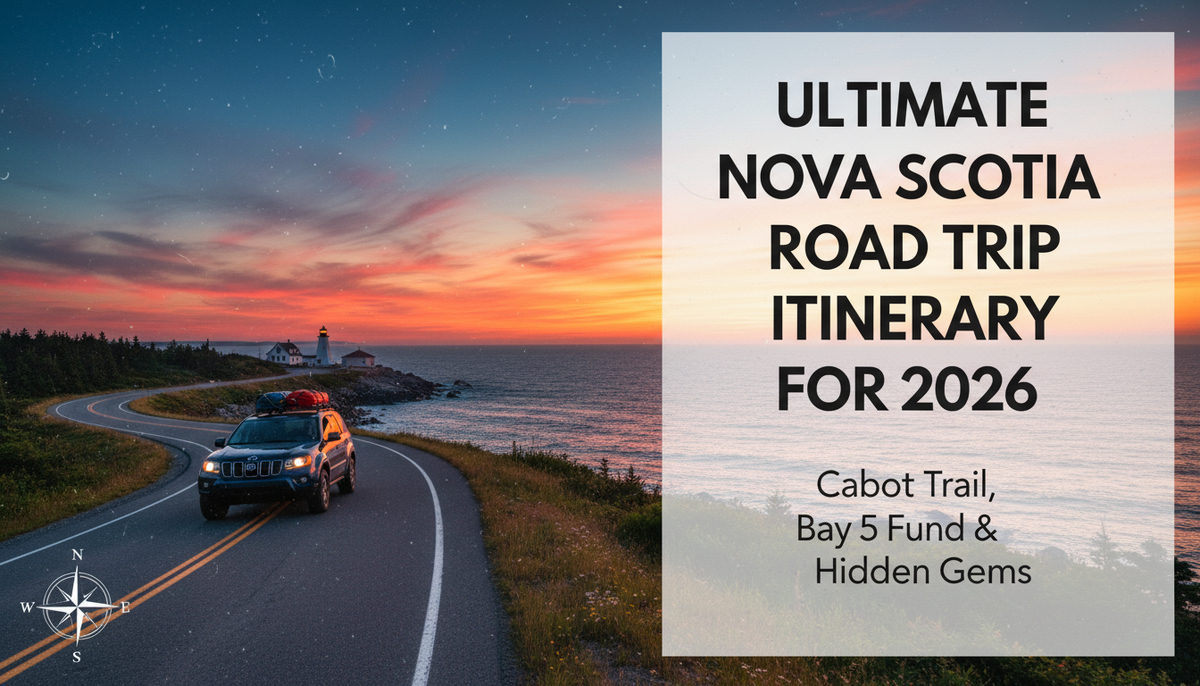
Imagine driving along rugged coastal cliffs where the Atlantic mist meets lush highlands, stopping only for fresh lobster rolls and world-class sunsets. With over 7,400 kilometers of coastline and diverse regions, many travelers struggle to fit the best highlights into a single, cohesive trip. This comprehensive guide provides a day-by-day nova scotia road trip itinerary for 2026, covering everything from the iconic Cabot Trail to the record-breaking tides of the Bay of Fundy. Whether you are a solo adventurer or traveling with family, this plan ensures you see the very best of Canada’s ocean playground.
1. Planning Your Nova Scotia Road Trip Itinerary: 2026 Essentials
Determining your trip length is the first step in creating a successful journey through this maritime province. While you can see the highlights in 7 days, we highly recommend a 14-day “Grand Tour” to avoid rushing. Specifically, a two-week window allows you to explore Cape Breton without sacrificing time on the South Shore or the Annapolis Valley. If you only have one week, focus on either the eastern or western half of the province to minimize driving time.
Choosing the best time to visit Nova Scotia in 2026 requires balancing your priorities for weather and crowds. July and August offer the warmest temperatures and the most vibrant festival atmosphere across the small towns. However, visiting in late September or early October provides a spectacular backdrop of autumn foliage, especially in the highlands. Furthermore, the “shoulder season” in June offers lower accommodation rates, though some seasonal attractions may have limited hours.
2026 Logistics and Sustainability
Logistics for 2026 have evolved with a significant focus on sustainable travel and modern infrastructure. Specifically, booking EV-friendly rentals has become much easier as the province expanded its charging network significantly over the last few years. You should also secure your Parks Canada Discovery Pass well in advance of your arrival. This pass provides seamless entry to national historic sites and national parks like Kejimkujik and Cape Breton Highlands.
Weather and Microclimates
Preparing for “Maritime microclimates” is essential for any traveler heading to the Atlantic coast. You might experience bright sunshine in Halifax while a thick fog blankets the South Shore just an hour away. Therefore, packing layers is the most important advice for anyone following a nova scotia road trip itinerary. Always keep a waterproof windbreaker and a warm fleece in your vehicle, as temperatures can drop rapidly near the water.
Additionally, check local marine forecasts if you plan on taking any coastal boat tours or whale-watching excursions. In fact, the weather can change within minutes, so flexibility in your daily schedule is a major advantage. Most importantly, remember that the ocean breeze makes the air feel cooler than the actual thermometer reading suggests. By planning for these variables, you ensure a comfortable and stress-free adventure across the province.
2. Starting in Halifax: The Urban and Coastal Gateway
A perfect halifax itinerary begins on the vibrant Waterfront Boardwalk, which is one of the longest urban boardwalks in the world. You can spend an entire morning walking the four-kilometer stretch, stopping for local snacks and visiting the Maritime Museum of the Atlantic. Afterward, head uphill to the Halifax Public Gardens, a stunning example of Victorian-era horticulture. Finally, conclude your afternoon at Citadel Hill to witness the daily noon gun firing and enjoy panoramic city views.
Foodies will find an abundance of things to do in halifax, especially when exploring the 2026 Good Cheer Trail. This trail highlights the best local breweries, distilleries, and wineries that have made the city a culinary destination. Specifically, you should visit the historic North End for craft beer or sample fresh oysters at the local markets. Moreover, many downtown restaurants now prioritize “farm-to-table” menus that showcase ingredients sourced directly from the Annapolis Valley.
Day Trip to Peggy’s Cove
No trip to the capital is complete without a day trip to the iconic Peggy’s Cove lighthouse. To avoid the 2026 tour bus rush, we recommend arriving before 9:00 AM or visiting during the “golden hour” before sunset. Notably, the new accessible viewing deck provides a safe way to view the waves without stepping on the dangerous “black rocks.” Furthermore, the village of Peggy’s Cove remains a working fishing community, offering a glimpse into traditional coastal life.
Transitioning to the South Shore
As you leave the urban hub, the scenery shifts dramatically as you enter the famous Lighthouse Route. This drive takes you through winding coastal roads where every turn reveals a new cove or a hidden beach. In fact, the transition from the bustling city to the quiet South Shore is one of the most relaxing parts of the trip. Additionally, keep your eyes peeled for small roadside stands selling fresh berries or homemade jams along the way.
3. The South Shore: Lunenburg, Mahone Bay, and Shelburne
Exploring the UNESCO World Heritage Site of Old Town Lunenburg feels like stepping back into the 18th century. The town is famous for its narrow streets and unique architecture, including the brightly painted “Lunenburg Bump” houses. Specifically, you should walk down to the harbor to see the Bluenose II, the famous racing schooner featured on the Canadian dime. Furthermore, the Fisheries Museum of the Atlantic offers deep insights into the region’s long-standing relationship with the sea.
Just a short drive away lies Mahone Bay, known for its iconic view of the Three Churches standing side-by-side. For the best photography spots in 2026, head to the far side of the harbor during high tide for a perfect reflection. Meanwhile, the town’s main street is lined with artisanal boutiques and cozy cafes that are perfect for a midday break. In fact, many travelers find Mahone Bay to be one of the most photogenic stops on their entire journey.
South Shore Hidden Gems
While the main towns are popular, the South Shore’s hidden gems offer a more tranquil experience for nature lovers.
- Blue Rocks: A tiny fishing village often called the “Peggy’s Cove without the crowds.”
- Carter’s Beach: Known for its white sand and turquoise water that looks like the Caribbean.
- Shelburne: A historic town with a beautifully preserved waterfront used in many period films.
Notably, the water at Carter’s Beach remains quite cold even in mid-summer, so be prepared for a refreshing dip!
Culinary Delights of the Coast
Sampling world-famous Digby Scallops is a mandatory culinary stop as you move toward the western end of the shore. These scallops are prized globally for their size and sweetness, often served pan-seared or in rich seafood chowders. Additionally, the local restaurants in this region often feature “catch of the day” specials that change based on what the boats bring in. Therefore, always ask your server for recommendations to enjoy the freshest seafood available during your visit.
4. The Annapolis Valley and Bay of Fundy Tides
Understanding the Bay of Fundy tides schedule for 2026 is crucial for planning your visit to Burntcoat Head Park. This location holds the world record for the highest tides, where the water level can rise up to 53 feet. Specifically, you want to arrive during low tide to walk on the ocean floor and explore the exposed red mudflats. However, you must be mindful of the incoming tide, as the water returns with surprising speed and power.
The Annapolis Valley is also the heart of the province’s wine industry, featuring the unique “Tidal Bay” appellation. This crisp, aromatic white wine is designed to pair perfectly with local seafood and reflects the region’s cool-climate terroir. Furthermore, many vineyards offer guided tours and tasting rooms with views of the rolling hills and the Minas Basin. In fact, spending an afternoon hopping between wineries is a highlight for many travelers in 2026.
Adventure at Cape Split
For those seeking outdoor thrills, the hike at Cape Split is widely considered the province’s most rewarding coastal trail. This 13-kilometer round-trip journey takes you through lush forests to a dramatic cliffside overlooking the churning waters of the Bay. Specifically, the view from the tip allows you to see the massive tidal currents creating whirlpools far below. Notably, the trail has been recently upgraded to improve drainage and safety for hikers of all skill levels.
Historical and Cultural Sites
History buffs should not miss the Grand-Pré National Historic Site, which commemorates the Acadian people and their tragic deportation. This site offers a moving look at the resilience of the Acadian culture and its lasting impact on the region. Additionally, a visit to Port-Royal National Historic Site provides a glimpse into one of the earliest European settlements in North America. These stops add a layer of historical depth to your nova scotia road trip itinerary that enriches the overall experience.
5. The Ultimate Cabot Trail Driving Guide
The Cabot Trail is often cited as one of the most beautiful drives in the world, stretching 298 kilometers around Cape Breton. When deciding between a clockwise or counter-clockwise direction in 2026, consider your preference for driving. Clockwise keeps you on the “inside” lane away from the cliff edges, which some drivers find more comfortable. On the other hand, counter-clockwise puts you on the outside lane, offering unobstructed views of the ocean at every turn.
Must-see stops along the trail include the famous Skyline Trail hike, where you can walk along a boardwalk high above the sea. This trail is also a prime spot for moose sightings, though you should always maintain a safe distance from wildlife. Additionally, Ingonish Beach offers a unique mix of salt and freshwater swimming, perfect for a relaxing afternoon. Meanwhile, Pleasant Bay serves as the whale-watching capital of the island, with frequent sightings of minke and pilot whales.
2026 EV Infrastructure and Travel Tips
For electric vehicle drivers, the 2026 update for EV charging stations along the Cabot Trail is very encouraging. Most major stops, including Ingonish, Chéticamp, and Baddeck, now feature Level 3 fast chargers to keep you moving. Furthermore, many of the local lodges have installed dedicated charging ports for their guests to use overnight. This makes navigating the steep grades of the highlands much easier for those driving modern electric cars.
Where to Stay in Cape Breton
Accommodation options in Cape Breton have expanded to include everything from luxury coastal lodges to unique glamping spots.
- Coastal Lodges: Offer full amenities and stunning views of the Atlantic or the Bras d’Or Lake.
- Glamping Domes: Provide a “star-gazing” experience with transparent ceilings in the heart of the forest.
- Traditional B&Bs: Allow you to experience famous Cape Breton hospitality and home-cooked breakfasts.
As a result of high demand, we recommend booking these unique stays at least six months in advance for 2026 travel.
6. The Northumberland Shore and Eastern Shore Hidden Gems
The Northumberland Shore is famous for having the warmest waters north of the Carolinas, making it the best spot for swimming. Specifically, Melmerby Beach Provincial Park offers kilometers of fine sand and shallow water that warms up quickly in the summer sun. Furthermore, the region is dotted with charming seaside towns like Pictou, known as the “Birthplace of New Scotland.” In fact, the local heritage and warm hospitality make this shore a favorite for families.
Heading toward the Eastern Shore, you will discover what locals often call the “Forgotten Coast.” This area is a paradise for outdoor enthusiasts, offering world-class surfing at Lawrencetown Beach and sea kayaking among the 100 Wild Islands. Notably, these islands represent one of the last pristine coastal archipelagos in North America. Moreover, the lack of large crowds allows for a deeply immersive experience with nature that is hard to find elsewhere.
Acadian Culture and Sustainability
Authentic Acadian culture thrives in the Guysborough region, where you can enjoy traditional music and fresh seafood in a quiet setting. Specifically, visiting during a local “kitchen party” or ceilidh provides a window into the soul of the Maritimes. Meanwhile, as you explore these fragile coastal ecosystems, it is vital to practice “Leave No Trace” principles. This ensures that the beautiful beaches and wild islands remain pristine for future generations of travelers.
Sustainable travel in 2026 also means supporting local artisans and small-scale producers along your route. By choosing locally owned accommodations and restaurants, you contribute directly to the preservation of these unique coastal communities. Additionally, always stay on marked trails to protect the sensitive dune grass and nesting bird habitats. Most importantly, remember that your presence as a mindful traveler helps sustain the very beauty you came to see.
Conclusion
From the historic streets of Halifax to the dizzying heights of Cape Breton, a Nova Scotia road trip offers an unparalleled blend of culture, nature, and culinary excellence. You have explored the world’s highest tides, walked on the ocean floor, and tasted the freshest seafood the Atlantic has to offer. Whether you spent 7 days or 14, the memories of the rugged coastline and warm Maritime hospitality will stay with you long after you return home. Start booking your 2026 Maritime adventure today—check out our recommended packing list and ferry schedules to get started!
Leave a comment