
The Ultimate Canada Travel Guide: Plan Your 2026 Trip
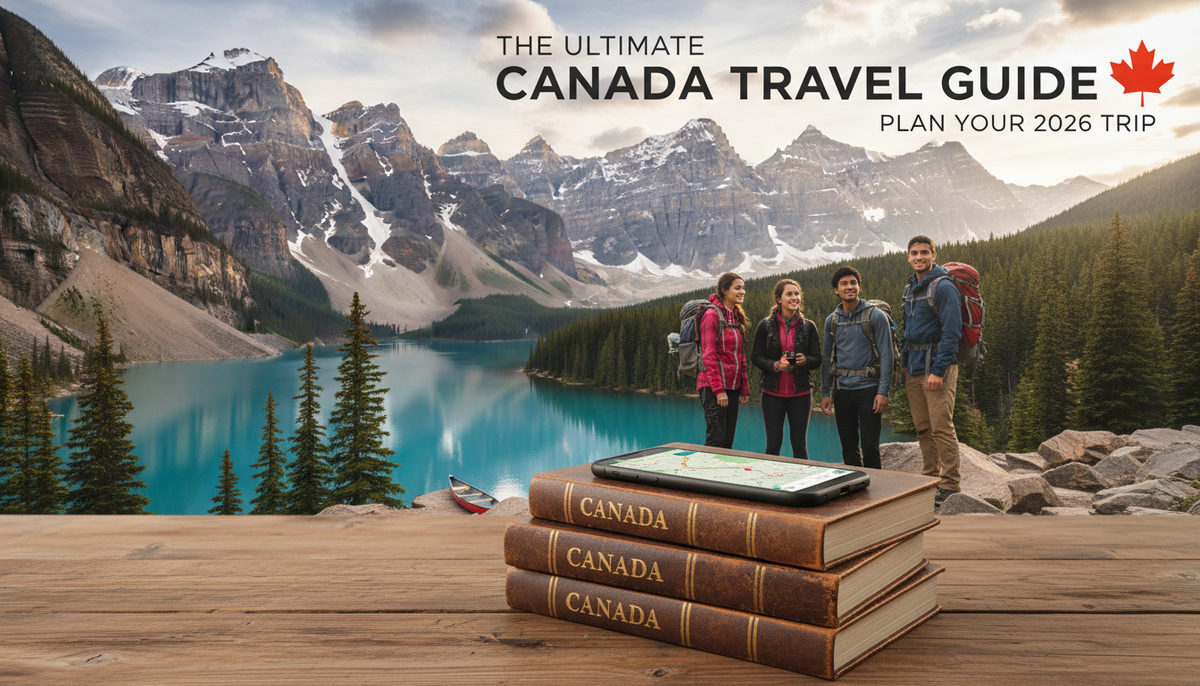
Imagine standing at the edge of the turquoise Lake Louise or watching the neon dance of the Northern Lights across the Yukon sky. With nearly 10 million square kilometers to explore, planning a trip to the world’s second-largest country can feel overwhelming and expensive. This 2026 canada travel guide simplifies your planning with expert advice on logistics, hidden gems, and budgeting for an unforgettable cross-country journey.
1. Essential Logistics: Visa Requirements and Entry for 2026
Navigating international borders requires careful preparation and the right paperwork. In 2026, Canada continues to streamline its entry processes through digital platforms. Specifically, most travelers arriving by air will need to interact with the Electronic Travel Authorization system before they even board their flight.
Understanding the eTA Canada Application 2026
The Electronic Travel Authorization (eTA) is a mandatory requirement for visa-exempt foreign nationals flying to Canada. This digital document is linked directly to your passport and remains valid for up to five years. Most applicants receive their approval via email within just a few minutes of submitting the form.
However, you should apply at least 72 hours before your departure to account for any potential processing delays. The fee remains modest at $7 CAD, making it one of the most affordable entry permits globally. Notably, you do not need an eTA if you are arriving by land or sea from the United States.
Standard Visitor Visa Requirements
If you are not from a visa-exempt country, you must apply for a standard Visitor Visa (Temporary Resident Visa). This process is more rigorous and requires proof of financial support and ties to your home country. Furthermore, you may need to provide biometric data, such as fingerprints and a digital photograph, at a local application center.
As of 2026, processing times for visitor visas vary significantly by region. Therefore, it is wise to check the official Government of Canada website for the most current wait times. Ensure your passport has at least six months of validity remaining from your planned date of departure.
Safety Guidelines for Solo Travelers and Digital Nomads
Canada remains one of the safest destinations in the world for solo travelers. In fact, many urban centers have dedicated “safe walk” programs and well-lit public transit hubs. Digital nomads will find high-speed internet readily available in cities like Vancouver, Toronto, and Montreal.
Specifically, co-working spaces have expanded into smaller mountain towns to accommodate the growing remote workforce. While urban crime is low, you should always remain aware of your surroundings in crowded tourist areas. Additionally, wildlife safety is a major concern when exploring rural regions or national parks.
Mobile Data Solutions: eSIMs vs. Physical SIMs
Staying connected is essential for navigating vast Canadian landscapes. In 2026, eSIM technology has become the standard for most international visitors. You can purchase and activate a data plan before you even land, avoiding expensive roaming charges from your home provider.
On the other hand, physical SIM cards are still available at major airports and convenience stores. Providers like Telus, Rogers, and Bell offer “tourist plans” with varying data caps. However, be aware that mobile data in Canada is historically more expensive than in Europe or Asia.
Currency and Banking in a Cashless Economy
Canada has transitioned almost entirely into a cashless-heavy economy. Most merchants, from high-end boutiques to small coffee shops, prefer “tap” payments via credit cards or mobile wallets. In fact, some vendors in major cities no longer accept physical cash at all.
Nevertheless, carrying a small amount of Canadian dollars is useful for remote areas or small tipping scenarios. Most importantly, ensure your credit card does not charge foreign transaction fees to save money. ATMs are widely available, but your bank may charge a fee for international withdrawals.
2. The Best Time to Visit Canada in 2026
Choosing the right season is the most critical decision in your canada travel guide journey. Because the country is so vast, weather patterns vary wildly between the Pacific coast and the Atlantic provinces. Your choice will dictate everything from the clothes you pack to the activities you can enjoy.
Best Places to Visit in Canada in Summer
Summer remains the most popular time for international tourists to explore the Great White North. Between June and August, the weather is warm, and all hiking trails in the Rockies are finally snow-free. Specifically, the best places to visit in canada in summer include the coastal islands of British Columbia and the shores of Lake Ontario.
Moreover, this is the peak season for wildlife viewing, especially for those hoping to see grizzly bears or whales. However, popularity comes with a higher price tag and larger crowds at iconic spots. Therefore, booking your accommodations at least six months in advance is highly recommended for summer travel.
Visiting Canada in October for Fall Foliage
If you prefer cooler temperatures and vibrant colors, canada in october is a magical choice. The hardwood forests of Ontario and Quebec transform into a sea of red, orange, and gold. Specifically, the Algonquin Provincial Park offers some of the best leaf-peeping opportunities in North America.
Additionally, October marks the “shoulder season,” meaning hotel prices often drop significantly. You can enjoy popular attractions like Niagara Falls without the sweltering heat or the massive summer queues. Meanwhile, the harvest season brings incredible food festivals and fresh local produce to the Maritimes.
Canada in December: Winter Festivals and Skiing
For those who embrace the cold, canada in december offers a quintessential winter wonderland experience. The best places to visit in canada in winter include world-class ski resorts like Whistler Blackcomb and Big White. Most importantly, the holiday spirit is alive with traditional Christmas markets in Quebec City and Toronto.
Furthermore, winter festivals like Winterlude in Ottawa allow you to skate on the world’s largest naturally frozen rink. While temperatures can drop well below freezing, the dry air makes the cold more manageable than in damp climates. Just ensure you pack high-quality thermal layers and waterproof boots for your adventures.
The 2026 Festival Calendar
Canada’s cultural scene is vibrant throughout the year. The Calgary Stampede in July offers a world-famous rodeo and outdoor festival experience. Meanwhile, the Montreal International Jazz Festival attracts millions of music lovers to the streets of Quebec’s largest city.
- Winterlude (February): Ice sculptures and canal skating in Ottawa.
- Calgary Stampede (July): The “Greatest Outdoor Show on Earth” in Alberta.
- Montreal Jazz Fest (June/July): The world’s largest jazz festival.
- Toronto International Film Festival (September): A star-studded event for cinema fans.
When to See the Northern Lights in 2026
Seeing the Aurora Borealis is a bucket-list item for many travelers. In 2026, the best months for sightings are from late September to early April. Specifically, the Yukon and Northwest Territories offer the clearest skies and the highest frequency of solar activity.
Notably, 2026 falls near a period of high solar activity, increasing your chances of seeing vibrant displays. To maximize your odds, stay in “aurora domes” or remote lodges away from city light pollution. As a result, you can witness the sky turn brilliant shades of green and purple from the comfort of your bed.
3. Top Destinations in Your Canada Travel Guide
With six time zones and diverse landscapes, Canada offers something for every type of explorer. Whether you crave the pulse of a modern city or the silence of a mountain peak, these regions deliver. This canada travel guide highlights the must-see spots for your 2026 itinerary.
The West Coast: Vancouver and Victoria
Vancouver is a unique metropolis where the mountains literally meet the sea. You can spend your morning skiing on Cypress Mountain and your afternoon kayaking in False Creek. Specifically, Stanley Park offers over 400 hectares of forest and seawall paths right in the heart of the city.
A short ferry ride away lies Victoria, the capital of British Columbia, located on Vancouver Island. This city is famous for its British colonial architecture and the stunning Butchart Gardens. Furthermore, the surrounding waters are one of the best places in the world for orca and humpback whale watching.
The Rockies: A Banff National Park Itinerary
No trip to Canada is complete without visiting the majestic Rocky Mountains. A banff national park itinerary should always include a sunrise visit to Moraine Lake. The vivid blue water against the backdrop of the Ten Peaks is a sight you will never forget.
Additionally, take the Banff Gondola to the summit of Sulphur Mountain for panoramic views of the entire Bow Valley. Afterward, drive the Icefields Parkway toward Jasper National Park for a more rugged and less crowded experience. Specifically, the Columbia Icefield allows you to walk on an actual glacier using massive all-terrain vehicles.
Central Canada: Toronto vs. Vancouver Travel Comparison
Toronto is Canada’s largest city and a global hub for finance, culture, and food. While Vancouver is defined by nature, Toronto is defined by its diverse neighborhoods and soaring skyscrapers. Specifically, the Distillery District and the CN Tower are essential stops for any first-time visitor.
In fact, many travelers debate between visiting the East or West coast. Toronto offers a faster pace of life and world-class theater, similar to New York City. On the other hand, Vancouver provides a more relaxed, outdoorsy vibe. Both cities are incredibly multicultural, offering some of the best international cuisines in North America.
French Canada: Montreal and Quebec City
Entering the province of Quebec feels like stepping into a different country. Montreal is a bilingual powerhouse known for its festivals, underground malls, and the historic Old Port. Specifically, the climb up Mount Royal provides a stunning view of the city skyline and the St. Lawrence River.
Meanwhile, Quebec City is the only fortified city north of Mexico with its original walls intact. Walking through the cobblestone streets of Petit Champlain feels like being in a European village. Notably, the Fairmont Le Château Frontenac is the most photographed hotel in the world and a must-see landmark.
The Maritimes: Hidden Gems in the East
The Atlantic provinces of Nova Scotia and New Brunswick offer a slower pace of life. You can explore the iconic Peggy’s Cove lighthouse or hike the dramatic cliffs of the Cabot Trail. Specifically, the Bay of Fundy features the highest tides on the planet, where the water rises up to 16 meters.
Furthermore, the seafood in this region is unparalleled and surprisingly affordable. You can enjoy fresh lobster rolls while watching fishing boats return to the harbor. These provinces are perfect for those looking to escape the heavy tourist crowds of the western parks.
The North: Adventure in the Yukon
For the truly adventurous, the Northern territories offer a glimpse into the wild frontier. Whitehorse and Yellowknife serve as gateways to the vast Arctic wilderness. Specifically, the Dempster Highway provides a legendary road trip experience that crosses the Arctic Circle.
In these regions, you can learn about the rich history of the Gold Rush and Indigenous cultures. Moreover, the vastness of the landscape is humbling, with more caribou than people in many areas. It is a place where you can find true solitude and connect with the raw power of nature.
4. Transportation: Navigating the Great White North
Understanding the scale of Canada is the first step in planning your logistics. For instance, driving from Toronto to Vancouver takes about 45 hours of pure road time. Therefore, choosing the right mode of transport is essential for a successful 2 week canada itinerary.
Domestic Flights and Budget Carriers
Flying is the fastest way to cover the massive distances between Canadian provinces. Air Canada and WestJet are the primary full-service carriers connecting all major cities. However, several budget airlines like Porter and Flair have expanded their routes in 2026.
Specifically, these low-cost carriers offer significantly cheaper fares if you travel with only a carry-on bag. Notably, regional flights to remote areas or the Maritimes can still be quite expensive. As a result, booking your domestic flights at least two months in advance will save you hundreds of dollars.
VIA Rail Cross-Country Tours
For a more scenic and relaxed journey, the VIA Rail “Canadian” route is legendary. This train travels between Toronto and Vancouver, offering a four-night journey through forests, prairies, and mountains. Specifically, the glass-domed cars provide 360-degree views of the changing landscape.
While it is slower than flying, it is an experience in itself rather than just a mode of transport. You can choose between basic economy seats or luxurious sleeper cabins with full meal service. Furthermore, the train stops in smaller towns that are otherwise difficult to reach without a rental car.
Canada Road Trip Routes
Renting a car or a campervan gives you the ultimate freedom to explore at your own pace. The Trans-Canada Highway is the main artery connecting the Atlantic and Pacific oceans. Specifically, the section between Calgary and Vancouver offers some of the most dramatic mountain scenery on earth.
Another iconic route is the Icefields Parkway, which connects Banff and Jasper. This 232-kilometer stretch is lined with ancient glaciers, turquoise lakes, and cascading waterfalls. However, be aware that gas prices in Canada are higher than in the US and vary by province.
Getting Around Without a Car
While Canada is a car-centric country, you can still navigate between major cities using buses. Companies like Megabus and Red Arrow provide reliable service in the Ontario-Quebec corridor and Alberta. Specifically, the “Parkbus” service helps tourists reach national parks from urban centers during the summer months.
Within cities, public transit systems like the Toronto TTC or the Vancouver SkyTrain are excellent. They are clean, safe, and much cheaper than paying for daily parking in downtown areas. Additionally, most major cities are becoming increasingly bike-friendly with dedicated cycling lanes and rental programs.
Sustainable Travel and Eco-Friendly Transit
Canada is placing a heavy emphasis on sustainable tourism in 2026. Many national parks now offer electric shuttle buses to reduce traffic congestion and emissions. Specifically, Zion-style shuttle systems are being implemented in high-traffic areas of Banff to protect the environment.
Furthermore, you can find electric vehicle (EV) charging stations even in relatively remote areas. Choosing a hybrid or electric rental car is a great way to lower your carbon footprint. By using public shuttles, you also avoid the stress of finding parking at popular trailheads.
5. Budgeting for Your 2026 Canadian Adventure
Many travelers ask, is canada expensive to visit compared to other Western destinations? The honest answer is that it can be, but careful planning makes it manageable for most budgets. In 2026, inflation has stabilized, but service costs in tourist hotspots remain premium.
Current 2026 Price Trends
The canada trip cost for an average traveler has risen slightly over the last few years. Specifically, dining out and hotel accommodations in cities like Vancouver and Toronto are comparable to London or New York. However, the exchange rate for many foreign currencies remains favorable against the Canadian Dollar.
Notably, the cost of groceries has seen a moderate increase, making self-catering a popular choice for budget-conscious visitors. Furthermore, many of Canada’s best attractions—the great outdoors—are either free or very low-cost. You only need a Discovery Pass to access all national parks for an entire year.
Average Canada Trip Cost for 2 Weeks
A mid-range 2 week canada itinerary typically costs between $3,500 and $5,000 CAD per person. This estimate includes domestic travel, mid-range hotels, most meals, and several guided tours. Specifically, your largest expenses will likely be car rentals and flights between provinces.
On the other hand, luxury travelers can easily spend over $10,000 CAD by staying in iconic Fairmont hotels. Budget travelers can bring the cost down to $2,000 CAD by using hostels and public transit. As a result, your daily spending will vary greatly depending on your comfort requirements.
Canada Budget Travel Tips
One of the best canada budget travel tips is to shop at local grocery stores like Loblaws or Sobeys. Preparing your own breakfast and lunch can save you $30 to $50 CAD per day. Additionally, look for “Free Walking Tours” in major cities to get a local’s perspective without the high cost.
- Buy a Parks Canada Discovery Pass: Pays for itself in just seven days of park visits.
- Travel in the Shoulder Season: Visit in May or September for lower hotel rates.
- Use Hostels: High-quality hostels exist in almost every major city and mountain town.
- Eat at Food Halls: Modern food halls offer gourmet meals at a fraction of restaurant prices.
Tipping Culture and Hidden Taxes
One of the most important things to know before going to canada is how pricing works at the register. The price you see on a tag or menu is almost never the final price you pay. Specifically, sales tax (GST/HST) is added at the checkout, ranging from 5% to 15% depending on the province.
Furthermore, tipping is expected in restaurants, bars, and for personal services. The standard tip in 2026 is between 18% and 20% for good service. While it may feel frustrating, these tips are a significant part of the income for service workers in Canada.
Supporting Indigenous Tourism
Investing your travel budget into Indigenous-owned businesses provides a more authentic and ethical experience. Specifically, these tours offer deep insights into the land’s history and traditional ecological knowledge. You can participate in guided hikes, traditional craft workshops, or stay in Indigenous-run lodges.
Moreover, your money goes directly toward supporting local communities and preserving cultural heritage. Many of these experiences are located in breathtaking areas that standard tour operators often overlook. It is a powerful way to ensure your visit has a positive impact on the country.
6. Sample 2 Week Canada Itinerary Options
Because Canada is so large, you cannot see everything in a single fortnight. Instead, it is better to focus on one specific region to avoid spending your entire vacation in transit. Here are three proven routes for a perfect 2 week canada itinerary in 2026.
The Classic West: Mountains and Ocean
Start your journey in Vancouver, spending three days exploring the seawall and local mountains. Afterward, take a scenic drive or bus to Whistler for two days of alpine adventure. Specifically, the Peak 2 Peak Gondola offers incredible views of the surrounding glaciers.
From Whistler, fly or drive to the Rockies to begin your banff national park itinerary. Spend four days exploring Banff and Lake Louise before driving the Icefields Parkway to Jasper. Finally, end your trip in Calgary, where you can fly home from their international airport.
The Cultural East: Cities and Falls
Begin in Toronto, the vibrant heart of Ontario, for three days of sightseeing and world-class dining. Take a day trip to Niagara Falls to witness the power of the Horseshoe Falls up close. Specifically, the “Maid of the Mist” boat tour is a classic experience that never gets old.
Next, take the train to Ottawa, the nation’s capital, for two days of history and museums. Continue your journey to Montreal for three days of French-Canadian culture and incredible nightlife. Finally, spend your last two days in Quebec City, soaking in the old-world charm of the historic district.
The Atlantic Loop: Coastal Wonders
Fly into Halifax, Nova Scotia, and spend two days exploring the historic waterfront and local breweries. Rent a car and drive to Cape Breton Island to experience the world-famous Cabot Trail. Specifically, the Skyline Trail offers a high-altitude view of the Atlantic Ocean that is simply breathtaking.
Afterward, take the bridge to Prince Edward Island (PEI) to see the red sand beaches and Anne of Green Gables house. Spend your final days in New Brunswick, visiting the Hopewell Rocks at the Bay of Fundy. This route is perfect for those who love seafood, coastal hikes, and maritime music.
Things to Know Before Going to Canada
One of the most common mistakes travelers make is underestimating the sheer size of the country. For instance, driving between major cities in the Maritimes can still take several hours. Specifically, always check the weather forecast, as conditions can change rapidly in the mountains or near the coast.
Furthermore, remember that Canada uses the metric system for distance and temperature. Speed limits are in kilometers per hour, and temperatures are in Celsius. Notably, many remote areas have no cell service, so downloading offline maps is a vital safety precaution.
Customizing Your Trip for Adventure vs. Relaxation
If you crave adrenaline, focus your time on the West Coast and the North. You can go heli-skiing in the winter or mountain biking in the summer. On the other hand, if you prefer relaxation, the spa culture in Quebec and the quiet beaches of PEI are ideal.
Specifically, many travelers mix both by spending one week in a bustling city and one week in a remote cabin. This balance allows you to experience the best of both worlds. Regardless of your choice, the canada travel guide principles of early booking and flexible planning remain the same.
Conclusion
Canada in 2026 offers a blend of high-tech urban centers and untouched wilderness. By planning your visa early, choosing the right season, and budgeting for the vast distances, you can experience the best of the Great White North. Whether you are chasing the Northern Lights or exploring historic Quebec, this country will leave you with memories that last a lifetime.
Start your journey today by downloading our 2026 Canada packing checklist and booking your eTA!
Leave a comment