
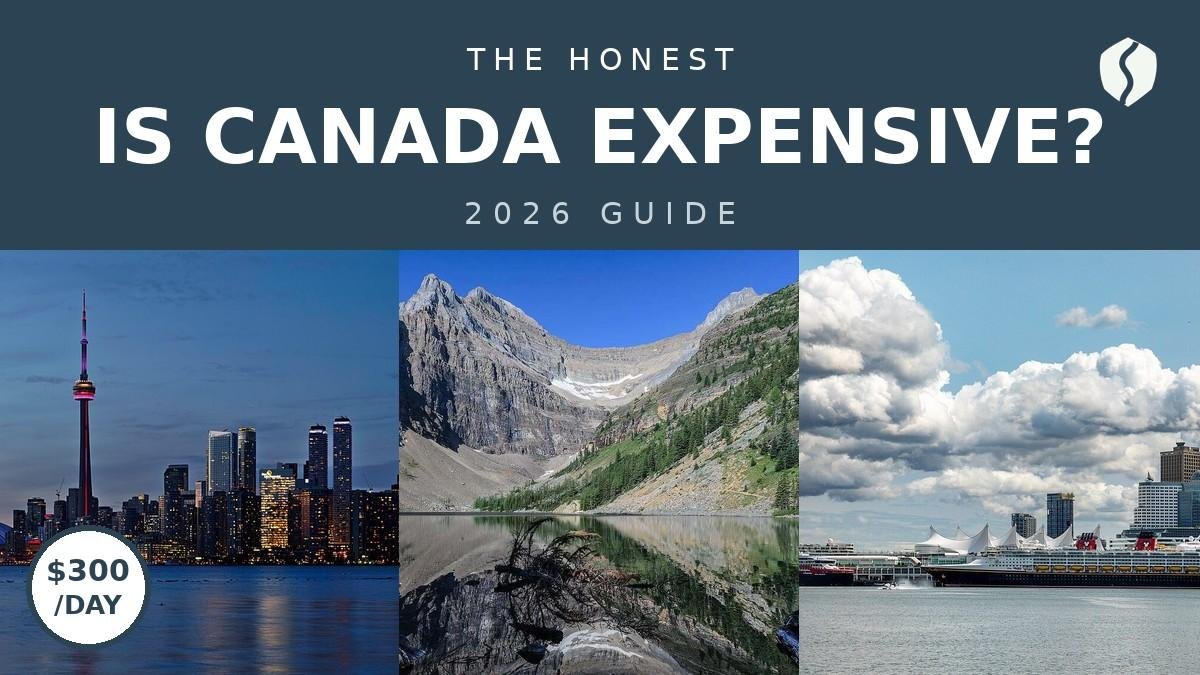
Last updated: October 12, 2026
- ✓ The honest verdict: Canada is mid-priced for visitors — roughly on par with the USA, cheaper than the UK and Western Europe once the exchange rate does its thing. The two real budget-killers are getting here and sleeping somewhere.
- ✓ Your biggest lever is WHERE: a downtown Toronto hotel costs roughly double a Halifax one, and visiting in September instead of July can shave 30–40% off the same room.
- ✓ The calculator below runs on my real October 2026 spending — and my Canada trip cost guide has the deeper line-item breakdown.
I once added up a four-day Vancouver weekend on the flight home and sat very still for the rest of the descent. $1,180 — and the biggest line item was a harbour-view hotel I’d booked at 11 PM the night before I flew, in a fit of what I can only describe as travel optimism. I’ve planned trips in color-coded spreadsheets for years, and that one still got past me.
So here’s the thing: Canada isn’t the cheapest trip you’ll take, and it isn’t the priciest either. But it is where budget surprises hide in unglamorous places — the airport taxi, the second glass of wine, the tax line on the receipt. I’ve tracked my spending across a dozen Canadian trips, and every number below is something I paid or a range I found researching in October 2026.
The short answer: is Canada expensive to visit?

Nuanced yes: Canada costs more than most of Asia and Latin America, but less than Switzerland, the UK, and Scandinavia — landing roughly on par with the United States for most visitors, with one big asterisk: the exchange rate. I checked the Bank of Canada’s daily rate before writing this, and on October 7, 2026, one US dollar bought about $1.43 Canadian — every price tag below is effectively 30% off for Americans. → Bank of Canada — daily exchange rates
What trips people up is the structure: your flight in, your bed, and moving between cities all run high at once, and they stack. A $900 flight from London, a $180-a-night Toronto hotel, and a $280 hop to Vancouver: that’s $1,700 before a single poutine. Budget those three first, and the daily spending almost takes care of itself.
The cheapest thing you can do happens before you leave home: fly midweek and book the hotel separately. I priced the same Toronto hotel Friday-to-Sunday vs. Tuesday-to-Thursday — midweek was $62 a night cheaper. Identical room. My spreadsheet wept with joy.
What a day in Canada actually costs
What I actually spend per day, averaged across my 2026 trips, excluding accommodation (it gets its own table below). Pick your style and trip length:
Budget calculator
Per person, in Canadian dollars. Excludes accommodation.
Budget ≈ $72/day · Mid-range ≈ $123/day · Luxury ≈ $240/day. Averages from my October 2026 trips.
| Expense (per person / day) | Budget | Mid-range | Luxury |
|---|---|---|---|
| Accommodation | $35–55 (hostel dorm) | $150–220 (city hotel) | $300+ (downtown suite) |
| Food & drink | $40 | $65 | $120 |
| Sights & attractions | $10 | $20 | $45 |
| Getting around | $12 | $18 | $40 |
| Coffee, treats & souvenirs | $10 | $20 | $35 |
| Daily total, all-in | ~$117 | ~$300 | ~$590 |
Read that middle column again: a comfortable mid-range Canada trip runs about $300 a day all-in, and roughly 60% of that is the hotel. Control the bed, control the budget. For the line-by-line planner behind these numbers, see my Canada trip cost guide.
Where your money goes: the big four
Four categories eat roughly 90% of every Canada trip budget I’ve tracked. Each one, with the traps and the workarounds:
1. Accommodation — the heavyweight

This line item decides your trip’s price tier. A Halifax hostel dorm runs $35–55; a downtown Toronto hotel $180–260; a Vancouver harbour-view room in July can sail past $350. I’ve paid all three — location and season do all the talking.
Three moves matter most: book 6–8 weeks out for summer, stay one subway stop outside downtown (I saved $70 a night in Burnaby), and book free cancellation — rebooking when prices drop has saved me $200+ on one trip.
Canadian hotel prices are quoted before 13–15% in taxes and fees — that $180 room is really $205 at checkout. Multiply every nightly rate by 1.15 before deciding it’s “worth it.”
2. Food & drink — the sneaky one

Restaurant food prices like the US: $15–22 for a fast-casual lunch, $35–55 per person for dinner with a drink — then the surprise: 13–15% tax plus a 15–20% tip on top. That $28 pasta is $38 by the time you sign.
The workaround is delicious: grocery-store your breakfasts ($60 covers three days), eat your big meal at lunch, and chase the glorious cheap meal — my favourite Quebec City dinner cost $14 and beat my most forgettable $68 dinner in every way that mattered.
Public markets are Canada’s best lunch deal hiding in plain sight: St. Lawrence Market, Atwater, Granville Island. A $12–18 market lunch doubles as sightseeing.

3. Getting around — cheap in cities, pricey between them

Inside the big cities, transit is a genuine bargain — Toronto’s TTC is $3.30 a tap, Montreal’s metro and Vancouver’s SkyTrain price similarly, and I’ve done entire city days for under $14. Between cities is where it stings: domestic flights are the budget shock (Toronto–Vancouver routinely $250–400 return), while the train or a $60–90 bus undercuts flying on the Toronto–Montreal–Quebec City corridor.
A rental car adds ~$60–90 a day with insurance, plus gas and $25–40-a-day downtown parking. Essential for the Rockies or the Cabot Trail — but for a city trip, the car costs more than it saves.
4. Sights & experiences — the pleasant surprise
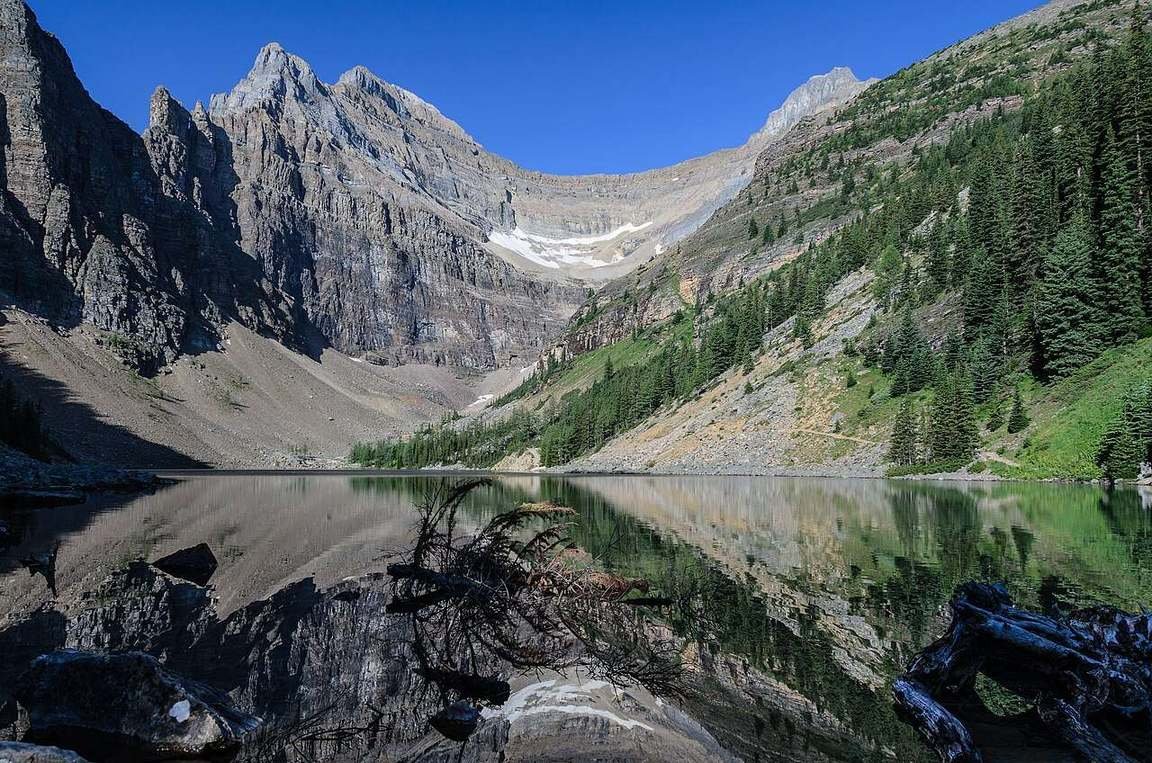
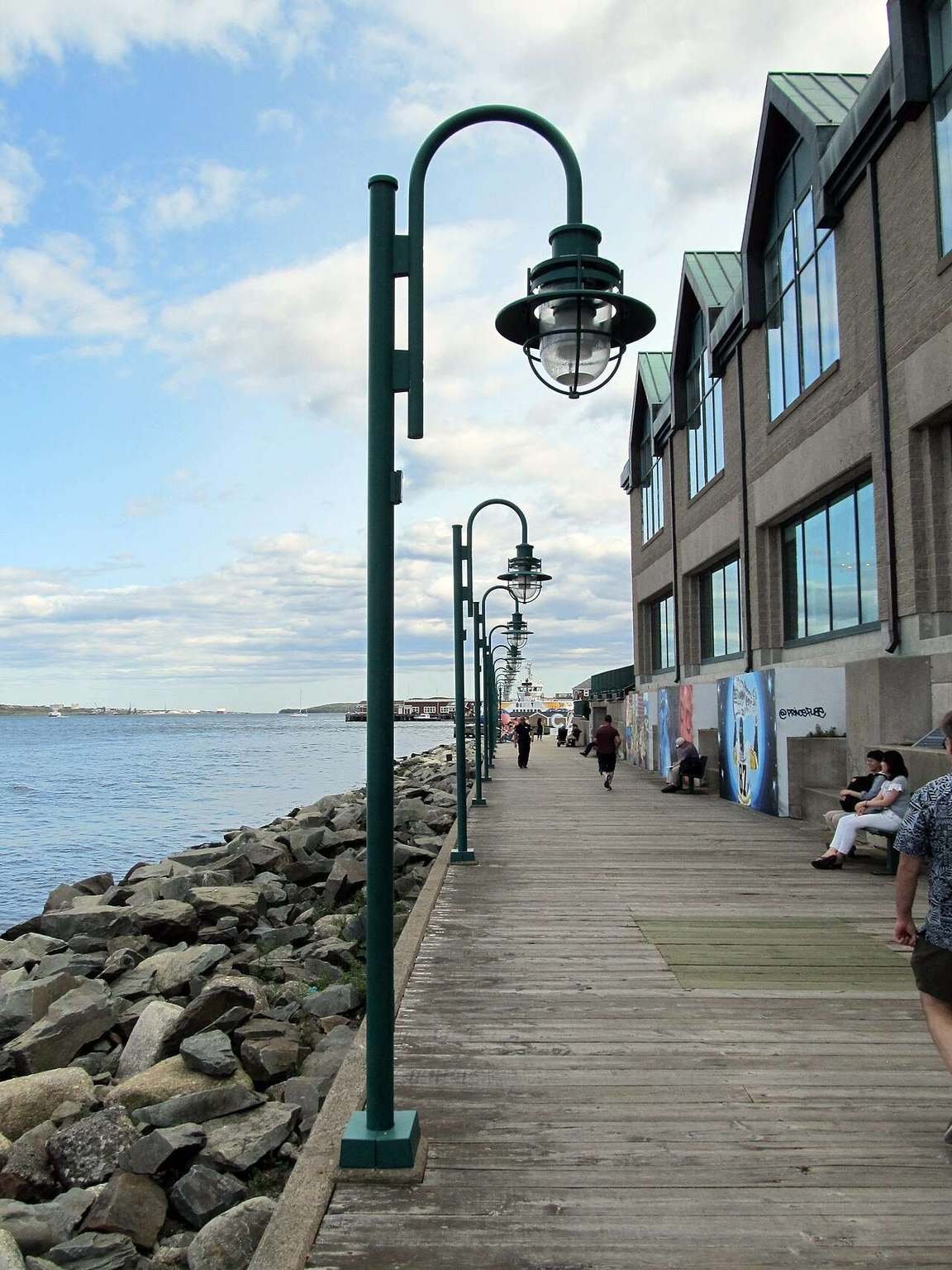
This is where Canada undercuts its reputation: the best things are often free — the Distillery District lanes, the Halifax boardwalk, Old Montreal’s streets, nearly every Rockies viewpoint. Paid attractions price fairly (CN Tower ~$47, ROM ~$26), and the standout deal is the Parks Canada Discovery Pass at $83.50 a year — it pays for itself in about a week of park days (prices double-checked on Parks Canada’s official fee tables, October 2026). → Parks Canada — official 2026 fee tables
Canada vs the USA vs Europe: the honest comparison

Fair warning: this table is my own tracked spending on comparable mid-range days in Toronto, New York, and Lisbon — not an official dataset. All figures in local currency, per person unless noted.
| Mid-range daily cost | Canada (CAD) | USA (USD) | Western Europe (EUR) |
|---|---|---|---|
| 3-star hotel, big city | $150–220 | $140–210 | €120–200 |
| Sit-down dinner + drink | $35–55 | $35–55 | €25–40 |
| Fast-casual lunch | $15–22 | $15–22 | €12–18 |
| Café latte | $4.50–6 | $5–7 | €3–5 |
| Big-city transit day pass | $10–13.50 | $10–15 | €7–12 |
| Major attraction ticket | $25–47 | $25–50 | €15–30 |
| 2-hour domestic flight | $150–300 | $120–250 | €60–150 |
My three takeaways: Canada and the USA price almost identically — the exchange rate hands Americans an automatic ~30% discount here. Europe wins on cheap flights and museum tickets, but its summer big-city hotels often cost more than Canada’s. And Canada’s outlier is domestic travel — vast distances, thin competition, so internal flights cost double a comparable European hop.
Visiting from the US? Pay in Canadian dollars on a no-foreign-transaction-fee card — you’ll beat airport counters and “pay in USD” offers by 3–5%. My Canada currency guide covers the full money setup.
The cheapest and priciest corners of Canada
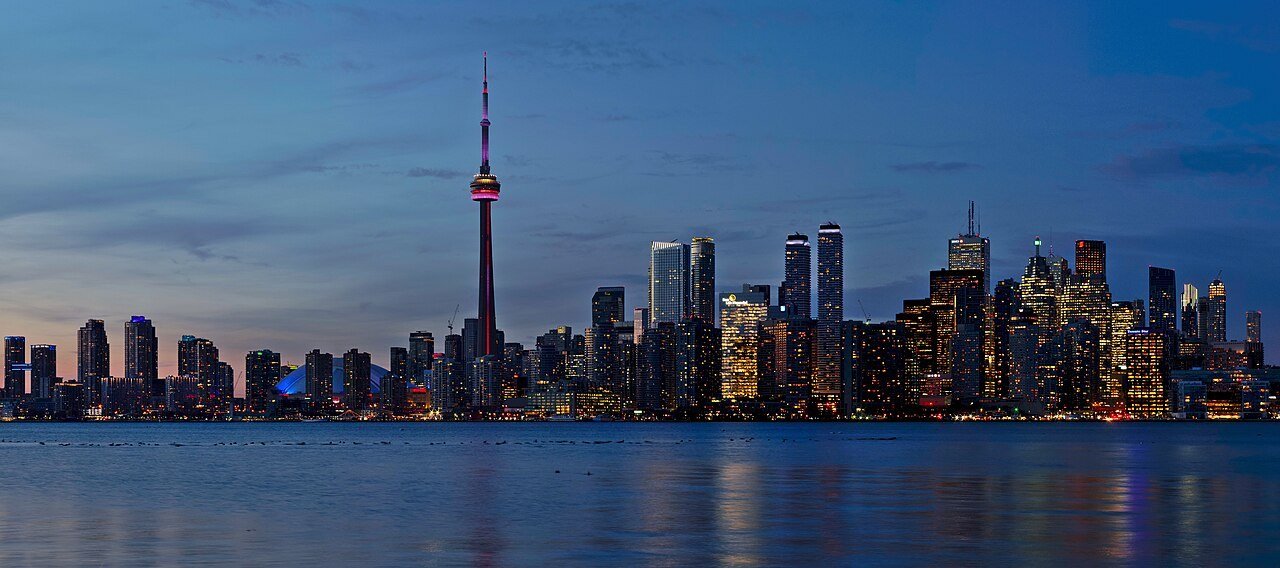
Canada’s prices are a map, not a number. My rule of thumb: Toronto and Vancouver cost 40–60% more per day than Halifax or Quebec City, with Montreal, Ottawa, and Calgary in the reasonable middle. Six benchmark cities — tap each stop to jump the map:
Map data © OpenStreetMap contributors. Open the full map

Montreal is the value play among big cities — hotels and restaurants run 20–30% below Toronto (I’m not taking questions on this). Quebec City and the Maritimes are cheaper still, with food better than the prices suggest. The Rockies are the exception: Banff and Lake Louise price like a luxury destination in July and August ($300+ a night, and it sells out), then drop dramatically by October — go in late September for gold larches, thin crowds, and half-price rooms. And the far north is expensive for a different reason: everything is flown in, so budget 30–50% above southern prices for the aurora.
When you go matters: seasons and regions
Timing is the second-biggest lever after location, and it’s the one most people ignore. July and August are peak everything — peak prices, peak crowds, peak hotel rates (Banff in July is a contact sport). September through October is the sweet spot I recommend to everyone: summer weather lingers in the cities, fall colours peak, and hotel rates drop 30–40% from August highs. I’ve done Toronto in both July and September; September was better in every way except patio season’s last call.
Winter flips the map: city hotels in Toronto, Montreal, and Ottawa hit yearly lows in January–February (outside holiday weeks), while Whistler, Banff, and Tremblant peak. Rockies on a budget? April or November. Montreal on a budget? February — gorgeous, frozen, half-price. Pack like you mean it.
Festival weeks spike prices hard: the Calgary Stampede, Montreal’s Jazz Fest, and Toronto’s TIFF can double hotel rates. I once paid $289 for a Calgary room that’s $129 the week after Stampede — check the festival calendar before you check hotel prices.
9 money-saving tips that actually work
The specific moves I use on every Canada trip — no generic fluff. My budget travel guide goes deeper on each one.
1. Buy the Parks Canada Discovery Pass before you go. $83.50 for a year of national parks and historic sites — it pays for itself in about a week of park days.
2. Grocery-store your breakfasts and eat big at lunch. A $60 shop covers three days of breakfasts and picnic lunches; a $19 lunch special beats a $38 dinner of the same food.
Many museums run free or discounted evenings — the Art Gallery of Ontario is free Wednesday evenings, several Montreal museums do free first Sundays.
3. Stay one transit stop outside downtown. In Toronto and Vancouver, 20 minutes out on the subway or SkyTrain routinely saves $50–80 a night. Same room quality; different postal code.
4. Do the transit day-pass math. At $3.30 a tap, four taps beat the $13.50 day pass — three don’t. I count my planned rides every morning. (Yes, really.)
5. Fly midweek, book hotels separately. Tuesday–Thursday nights run $40–70 cheaper than weekends in business cities. Unbundled beats package deals.
Canada’s duty-free allowance is modest (1.5L of wine or 1.14L of spirits per adult). Airport “savings” evaporate the moment you blow past the limits.
6. Drink the tap water. It’s excellent everywhere I’ve been, and restaurant tap water is free. Bottled water at $3–5 is the purest margin on any menu.
7. Take the tip-based walking tours. Every major city has them, the guides work for tips so quality stays high, and the morning slot means smaller groups.
8. Time the shoulder season. September–October and April–May deliver 80% of peak-season weather at 60–70% of peak prices — not a compromise, an upgrade.
9. Get a no-foreign-transaction-fee card. Paying in CAD on the right card vs. the wrong one is a 3–5% swing on your whole trip. My Canada currency guide covers the full money setup.
FAQs about the cost of visiting Canada
Is Canada expensive to visit?
Mid-priced: roughly on par with the USA, cheaper than the UK and Western Europe, pricier than most of Asia and Latin America. Budget about $300 a day all-in per person for mid-range comfort, or $117 a day travelling carefully. Flights in and hotels are the two biggest costs — control those and the rest is very manageable.
How much money do I need for a week in Canada?
Excluding international flights: roughly $820 budget, $2,100 mid-range, or $4,100+ luxury per week. Add $250–400 per domestic flight if you’re hopping regions — the line item people forget.
Is Canada cheaper than the USA for tourists?
Sticker prices are nearly identical — but with the loonie around $1.43 CAD per USD (Bank of Canada, October 2026), Americans effectively pay ~30% less than the price tags suggest. Europeans won’t see the same advantage. Tipping works the same in both countries: 15–20% on the pre-tax bill.
What is the most expensive part of visiting Canada?
Three things, in order: getting here (international flights), sleeping somewhere (downtown Toronto/Vancouver hotels, Banff in summer), and moving between regions (domestic flights are pricey over these distances). Together they can exceed everything else combined. Book flights early, stay slightly outside downtown, and consider one region per trip.
Is food expensive in Canada?
Restaurants price like the US — $35–55 per person for dinner — and 13–15% tax plus 15–20% tip adds roughly a third to every menu price. But groceries are reasonable, markets serve $12–18 lunches, and the cheap eats are genuinely great. I eat one restaurant meal a day and grocery-store the rest.
Can you visit Canada on a budget?
Absolutely — about $117 a day covers a hostel dorm, groceries plus one cheap meal, transit, and mostly-free sightseeing. The best views are free, city transit is cheap, and tip-based walking tours cost whatever you feel like. The one thing you can’t budget-hack is distance — pick one region instead of the whole country in a week.
Keep exploring
The cost question answered — here’s where to go next:
- Canada trip cost guide — the full line-item breakdown behind this article’s numbers
- How to travel Canada on a budget — the complete budget playbook, region by region
- Canada currency guide for tourists — loonies, cards, ATMs, and tipping math
You’ve got this — Canada rewards the planner, and now you’re one.
1 comment