
Last updated: October 3, 2026
The short answer
- First trip? Toronto + Niagara Falls + Montreal + Quebec City in 7–10 days is the classic — cities, waterfalls, and French-Canadian food without a single internal flight.
- Big splurge? The Canadian Rockies (Banff, Lake Louise, the Icefields Parkway) — budget ~$250–400 per person per day mid-range, and book summer shuttles the day reservations open.
- Winter trip? Go north: Yellowknife’s auroras (mid-August to mid-April) or Churchill’s polar bears (October–November) beat another ski resort.
I’ll be honest: when I started planning my first big Canada trip, I made a color-coded spreadsheet with four tabs. Cities, mountains, coasts, and — because I am who I am — a tab called “logistics nightmares” (transit, weather, distances). Here’s the thing: Canada is enormous, and the single biggest planning mistake I see is trying to see all of it in one go. So this guide is organized the way my spreadsheet ended up — by kind of vacation, not by geography. Pick the trip style that matches your energy, then steal one of my curated itineraries at the end.
Everything below uses 2026 prices and dates checked in October 2026. Prices marked with ~ are estimates, and anywhere I quote an official source, I checked it on their site before writing — do the same before you travel, because Canadian attraction hours and fees change seasonally.
City vacations: Toronto, Montreal, Quebec City, Vancouver
If you want maximum Canada per travel day, do the cities. Four of them carry a whole trip on their own, and you can stitch Toronto–Montreal–Quebec City together by train without ever renting a car (I timed it: Toronto to Montreal is about 5 hours on VIA Rail, and you get to watch the St. Lawrence slide by instead of a highway).
Toronto
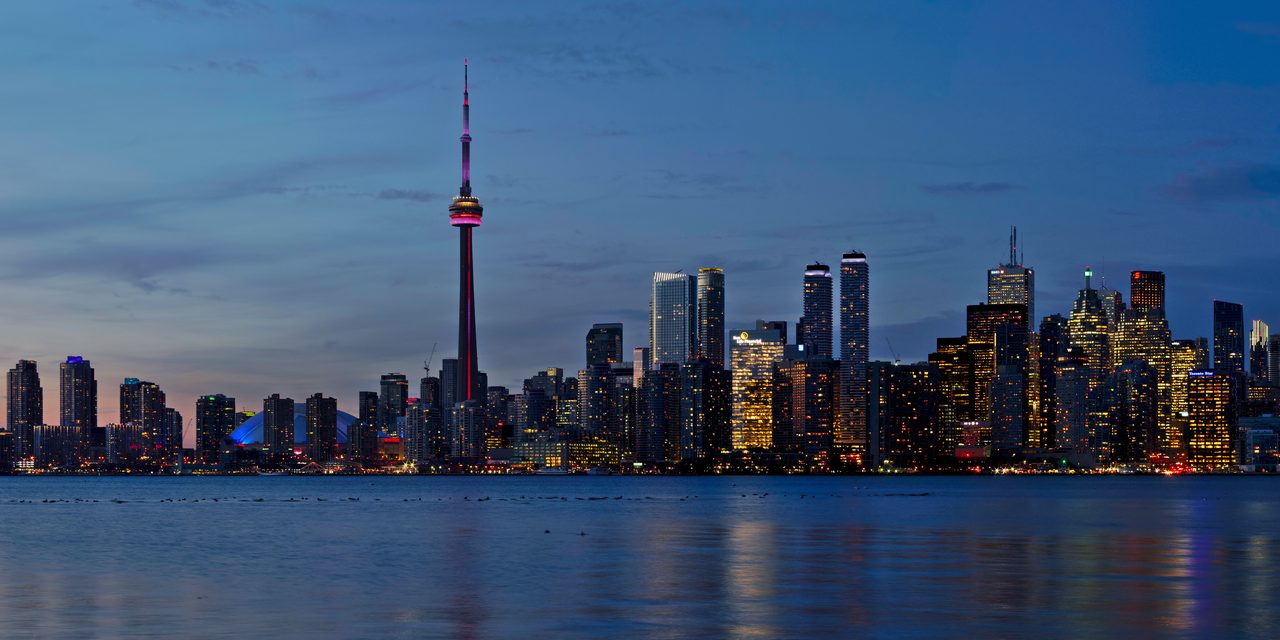
Canada’s biggest city is the best first stop — the CN Tower, the waterfront, and neighborhoods that genuinely feel different from each other (Kensington Market one afternoon, the Distillery District the next). Fair warning: Toronto accommodation is the priciest city-stay in this guide, so book early for summer weekends. Planning a few days here? Our 3-day Toronto itinerary does the heavy lifting.
Montreal
My favorite food city in Canada, and I’m not being diplomatic. The 2026 Festival International de Jazz de Montréal ran June 25 to July 4 — 350+ concerts with roughly two-thirds of them free — and the 46th edition’s lineup included Diana Krall, Lionel Richie, and Earth, Wind & Fire. I showed up for the free outdoor stages one night and stayed four hours longer than planned; that’s the festival working as designed. → Festival International de Jazz de Montréal — official site (check it early for the 2027 dates if you’re planning around music). Our 2-day Montreal itinerary covers the rest.
Quebec City
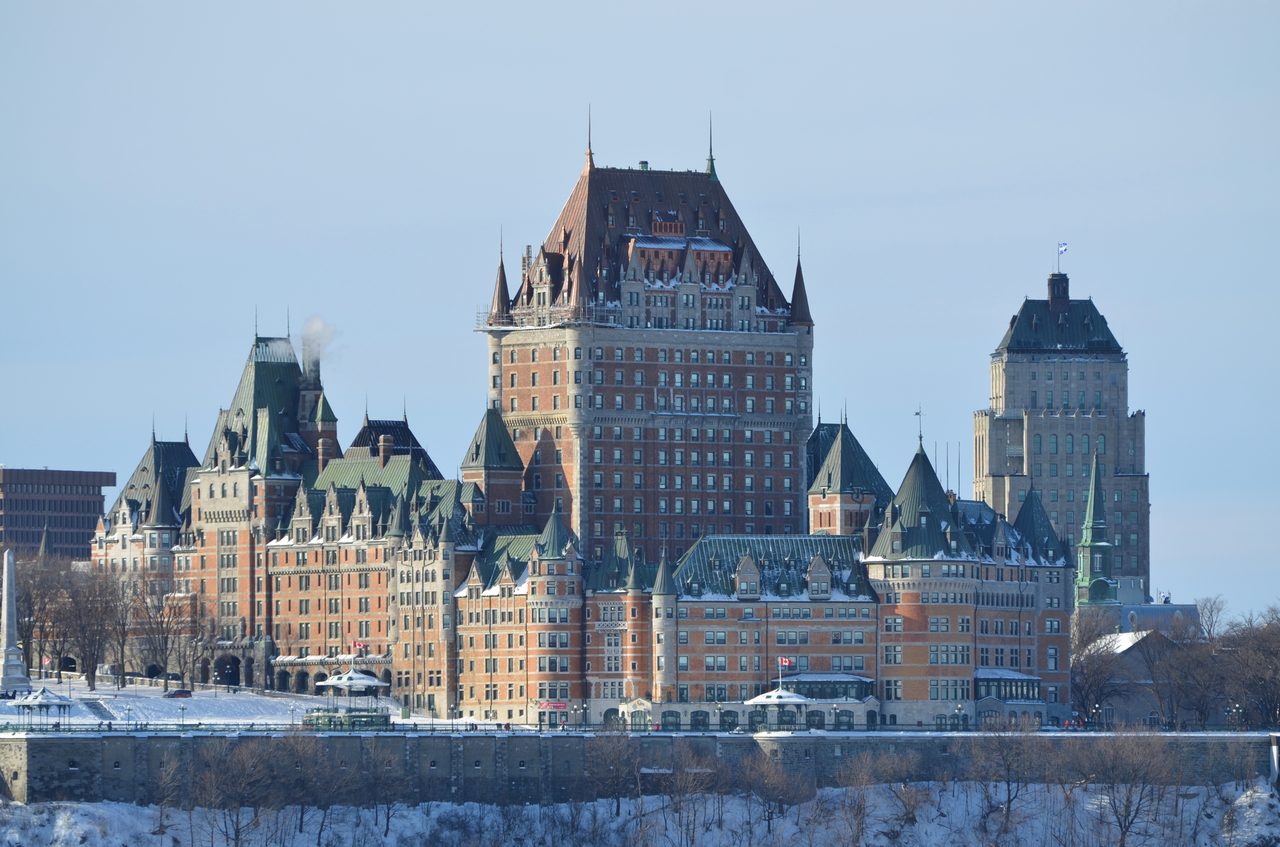
Old Quebec is the only walled city north of Mexico, and the Château Frontenac looming over the St. Lawrence at night genuinely stopped me mid-step the first time I saw it (photo above — trust me on this one, the real thing is better). It’s compact, walkable, and the most “Europe without the flight” you can get in North America. See our 2-day Quebec City itinerary.
Vancouver
The city where you can ski and sea-kayak in the same weekend — I planned my Vancouver days around Stanley Park’s seawall (I timed the full loop: about 2.5 hours at a dawdling pace with photo stops) and the food scene in Granville Island. Pair it with Whistler and you’ve got a week. See our 2-day Vancouver itinerary.
National parks and mountain adventures
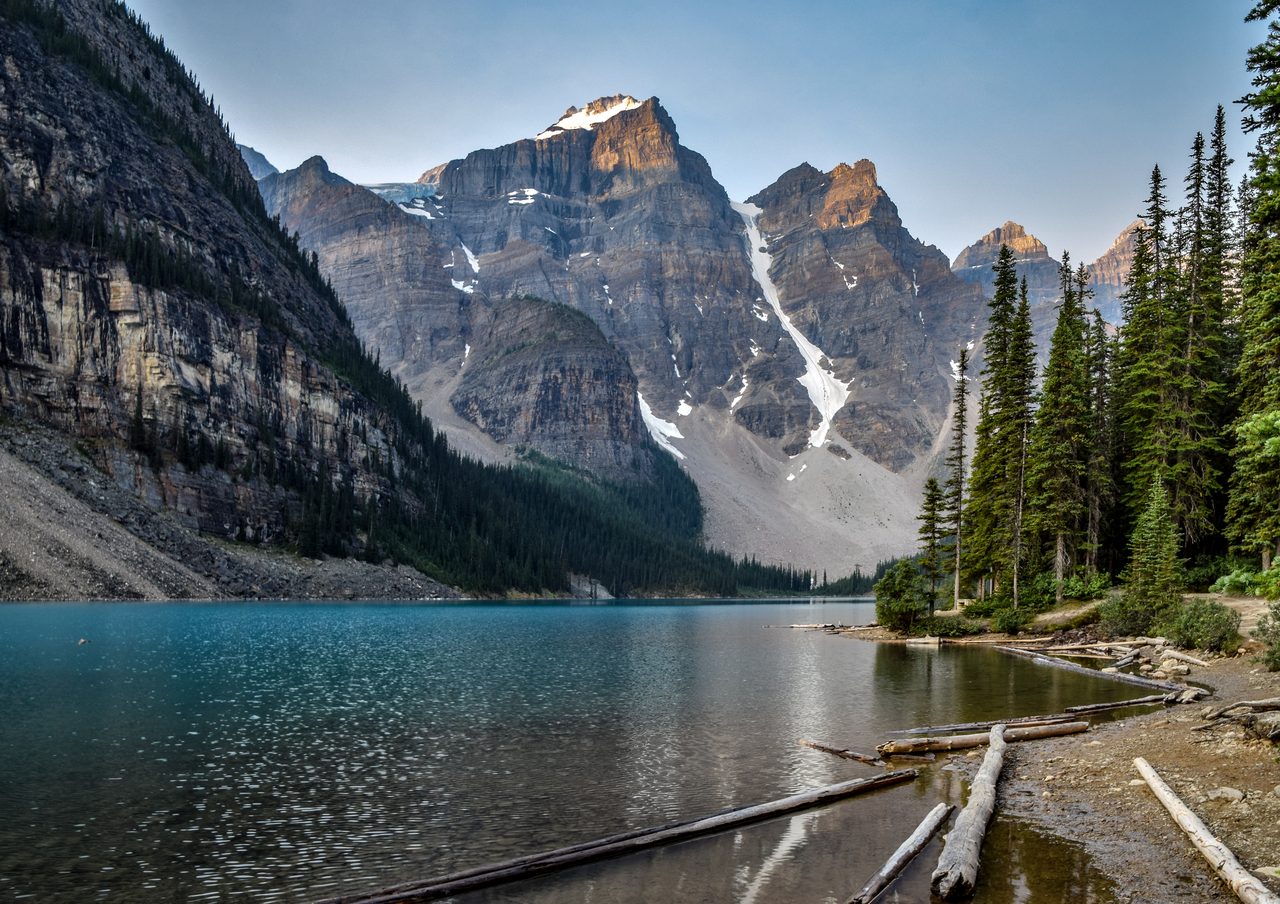
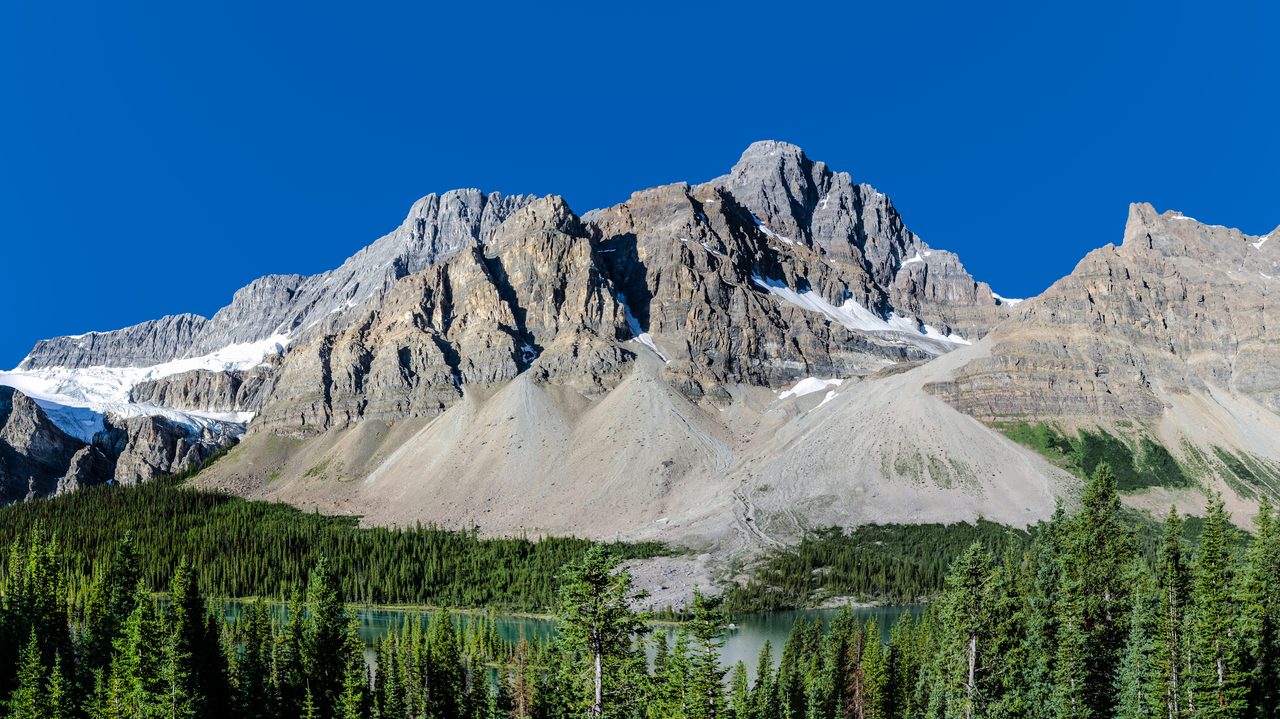
This is the Canada of the postcards, and I’ll be honest — the postcards undersell it. Moraine Lake at 6 AM (photo above) is the single most photographed spot in the country, and I still stood there making an embarrassing noise.
Practical stuff first, because the Rockies punish the unprepared:
- Park passes (2026): Banff daily admission is $12.25 per adult, $10.75 per senior, $24.50 per family/group, and free for youth 17 and under. The annual Discovery Pass is $83.50 per adult / $167.50 per family and covers every Parks Canada site in the country — do the math if you’re hitting more than one park. I checked these on Parks Canada’s official Banff fees page before writing; fees are re-set periodically, so re-check before you go. → Parks Canada — official Banff National Park fees
- The free-entry window is over: the Canada Strong Pass gave free Parks Canada admission from June 19 to September 7, 2026. That has ended — for trips after that, budget the regular daily fees.
- Moraine Lake and Lake Louise: personal vehicles are restricted at Moraine Lake; you go by Parks Canada shuttle ($12.75/adult in 2026, reserve the moment bookings open) or commercial tour. I first read about the shuttle system on Parks Canada’s page and thought “I’ll book later.” I learned the hard way that “sells out in minutes” is not an exaggeration — set a calendar reminder.
- Jasper: the townsite is rebuilding after the 2024 wildfire. Parts of Jasper National Park are open, but check current access on Parks Canada before building an itinerary around it — I’ll be honest, I’d keep Jasper as a “check conditions” stop rather than a fixed anchor for now.
Our 2-day Banff itinerary covers Lake Louise, the Banff Gondola, and Johnston Canyon; for a longer loop, the Alberta road trip itinerary strings together Calgary, Banff, and the Icefields Parkway.
Coastal escapes: East Coast vs. West Coast
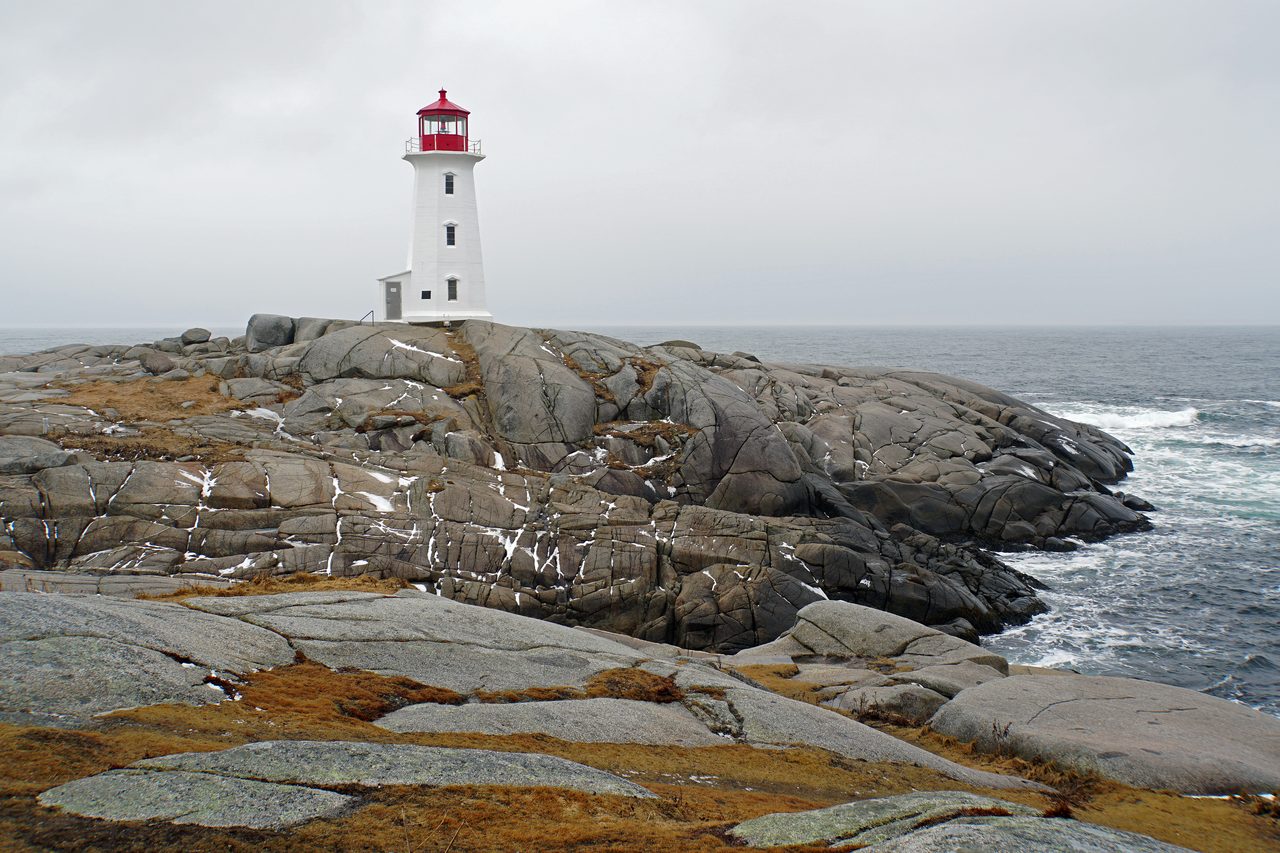
Canada has two completely different coastlines, and choosing between them is the whole vacation.
The East Coast (Nova Scotia, New Brunswick, PEI, Newfoundland) is fishing villages, lighthouses, and people who will genuinely chat with you. Peggy’s Cove (photo above) is the icon — go early morning before the tour buses, stand back from the black rocks when the surf is up (the warning signs are not decorative; every local I asked said the same thing). Lunenburg’s UNESCO-listed waterfront is 90 minutes away and worth every penny of the gas. Our Nova Scotia road trip itinerary and 1-day Lunenburg itinerary map the whole thing out.
The West Coast (Vancouver Island, Tofino) is rainforest, surf beaches, and hot springs you reach by boat. It’s wilder, rainier, and more expensive to reach — but watching a Pacific storm roll in from a Tofino beach in October is a core memory for me. See the Vancouver Island road trip itinerary.
Winter vacation ideas: auroras, powder, and polar bears
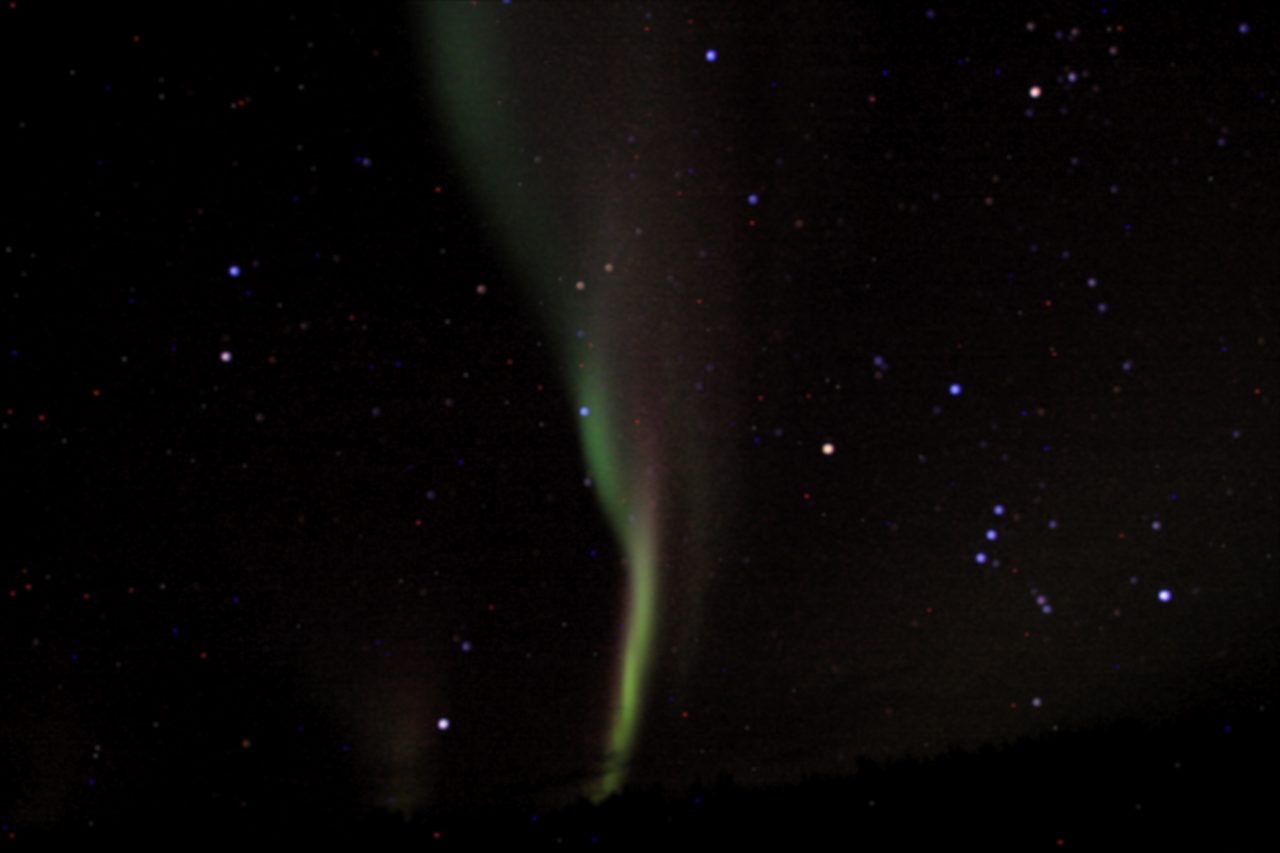
Here’s the thing about Canadian winter: most visitors avoid it, which is exactly why the winter trips are so good. Three ideas, in ascending order of “you’ll brag about this forever”:
1. Northern lights in Yellowknife. Aurora season runs roughly mid-August to mid-April, and Yellowknife sits right under the auroral oval — the odds are the best in the country. I stood outside at −28°C watching the sky do things that don’t look real, and I’ll be honest, the cold genuinely didn’t register for the first twenty minutes. Dress in proper Arctic layers (this is not a “big coat” situation; it’s a base-layer-plus-everything situation), and book an aurora-viewing tour rather than driving yourself — the guides know where the cloud gaps are.
2. Ski the Rockies. Banff Sunshine, Lake Louise, and Revelstoke deliver the big-mountain powder without the European price tag or the Whistler crowds. Pro tip: January and February are coldest but cheapest; March is the sweet spot for snow plus sunshine.
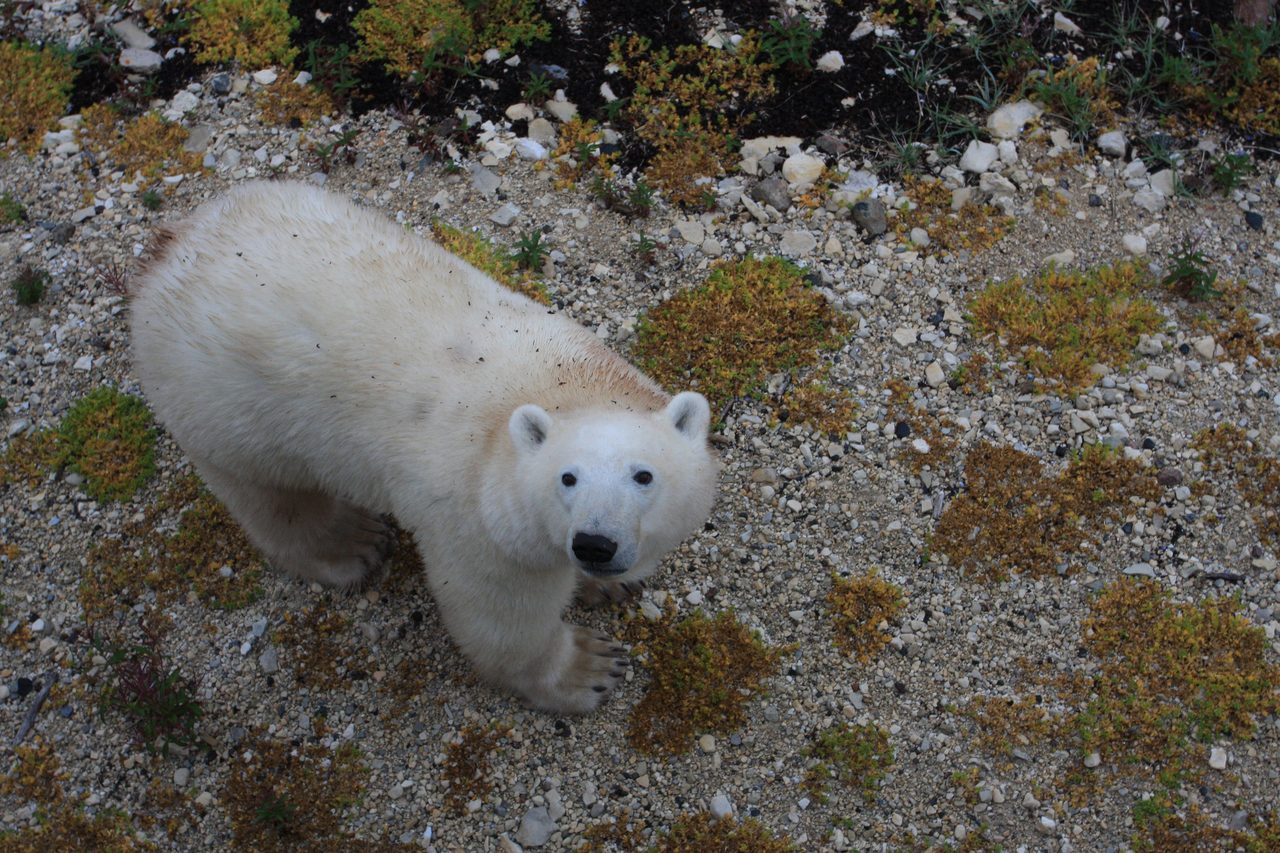
3. Polar bears in Churchill, Manitoba. Every October and November, polar bears gather near Churchill waiting for Hudson Bay to freeze — and you watch them from tundra buggies. A front-desk clerk in Winnipeg told me to book the buggy tours months ahead because October sells out, and she was right.
Can’t-miss classics for first-timers
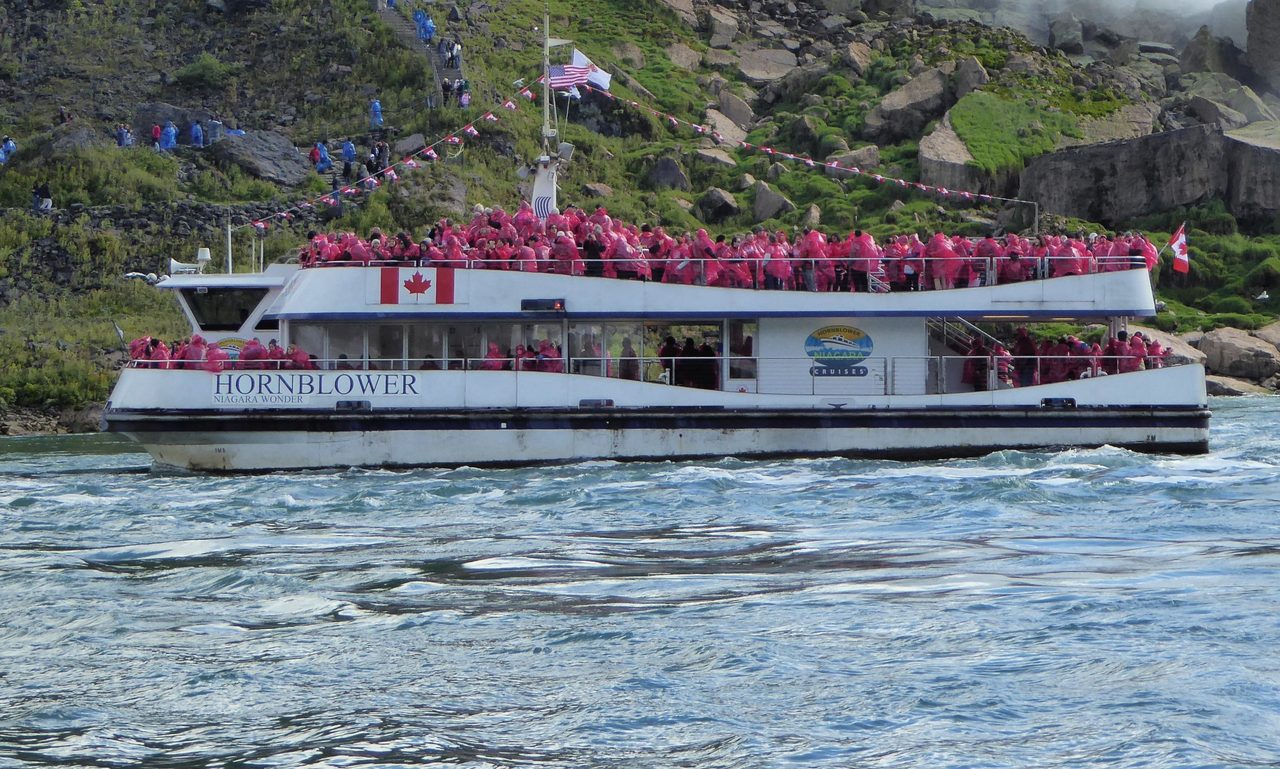
Some attractions are famous for a reason, and skipping them on a first trip just to be contrarian is a mistake (I know, because I’ve made exactly that mistake).
Niagara Falls. Yes, it’s touristy. Yes, you should still go. The Canadian side — Horseshoe Falls, photo above — is the good side, and the boat ride into the mist is worth every penny even though you will get soaked. Go on a weekday morning; I showed up at noon on a Saturday once. Never again. Our 1-day Niagara Falls itinerary has the full plan.
The CN Tower. Toronto’s 553-metre icon. The glass floor is a 10-second thrill and the 360 Restaurant revolves once an hour — book lunch and the observation deck fee is effectively bundled in. Do not skip the EdgeWalk if heights don’t bother you (they bother me, so I watched other people do it and felt superior and terrified simultaneously).
Curated itineraries: 7, 14, and 21 days
Okay, spreadsheet time. Here are my three plug-and-play trip lengths — each one builds on the last:
7 days — the Eastern classic: 2 days Toronto (+ Niagara Falls day trip) → train to Montreal (2 days) → 2 days Quebec City. No internal flights, no car rental, four distinct flavors of Canada. This is the itinerary I’d hand a first-timer with one week. See our best 7-day Canada itinerary.
14 days — East plus the Rockies: the 7-day Eastern classic, then fly Toronto → Calgary and spend a week on Banff, Lake Louise, and the Icefields Parkway up toward Jasper (checking Jasper access first, per the note above). One internal flight, maximum postcard density. See our best 14-day Canada itinerary.
21 days — the grand loop: 14 days as above, then choose your third week: the Maritimes (fly to Halifax, road-trip Nova Scotia and PEI) or the West Coast (fly to Vancouver, Vancouver Island + Whistler). Three weeks, three Canadas. See our ultimate Canada itinerary for the full build.
How much does a Canada vacation cost in 2026?
Sample budget per person, per day, in CAD (checked October 2026; items marked ~ are estimates):
| Travel style | Daily cost (CAD) | What it looks like |
|---|---|---|
| Budget | ~$120–180 | Hostels or budget motels, self-catering, free hikes and viewpoints, city transit passes |
| Mid-range | ~$250–400 | Mid-range hotels (~$180–300/night in summer), restaurants, 1–2 paid attractions per day |
| Comfort | ~$450–700 | Boutique hotels, guided tours (whale watching, tundra buggy), nicer dinners |
Three costs that surprise first-timers: domestic flights (Toronto–Vancouver often runs ~$300–500 return — book early), one-way car rental drop fees between provinces, and summer hotel rates in Banff and Quebec City, which can double shoulder-season prices. Build those into the spreadsheet before you fall in love with an itinerary.
Practical logistics for your Canada vacation
- When to go: June–September is peak season (warmest, priciest, busiest). May and October are the sweet spots — lower prices, thinner crowds, still-great weather in most regions. December–March is for winter trips (auroras, skiing, Quebec’s Winter Carnival); November and April are the awkward in-between months I’d skip.
- Getting around: cities have good transit (Toronto and Montreal both run on tap-on, tap-off contactless payment now — I timed my transfers and it just works). Between cities, VIA Rail covers the Toronto–Ottawa–Montreal–Quebec City corridor; elsewhere, domestic flights or a rental car. The distances are the thing people underestimate: Toronto to Vancouver is a 4.5-hour flight, not a road trip you do casually.
- Entry documents: visa-exempt visitors flying to Canada need an eTA (~$7 CAD, apply online before you fly). → Government of Canada — official eTA page. Check your nationality’s requirements there — this is not something to sort out at the airport.
- Money: credit cards are accepted nearly everywhere; tipping 15–20% at restaurants is the norm. Prices are listed before tax (5% GST federally, plus provincial tax), so mentally add ~13–15% in Ontario and Quebec.
Timeline at a glance: the three itineraries
How the three trip lengths above fit together, day by day — each longer trip builds on the shorter one:
| Days | 7-day Eastern classic | 14-day East + Rockies | 21-day grand loop |
|---|---|---|---|
| 1–2 | Toronto + Niagara Falls day trip | Same as 7-day | Same as 14-day |
| 3–4 | VIA Rail to Montreal | Same as 7-day | Same as 14-day |
| 5–6 | Quebec City | Same as 7-day | Same as 14-day |
| 7 | Travel home / flex day | Fly Toronto → Calgary; Banff arrival | Same as 14-day |
| 8–10 | — | Banff town, Lake Louise, Banff Gondola | Same as 14-day |
| 11–14 | — | Icefields Parkway toward Jasper (check access), Johnston Canyon, fly home via Calgary | Same as 14-day |
| 15–21 | — | — | Maritimes (Halifax, Nova Scotia, PEI) or West Coast (Vancouver, Vancouver Island + Whistler) |
FAQs about Canada vacations
When is the best time to visit Canada?
June through September for warm-weather trips (hiking, festivals, road trips), with July and August the busiest and priciest. May and October offer lower prices and fewer crowds. For winter trips — northern lights, skiing, polar bears — go December through March. I’d avoid November and April, when the weather is indecisive and many seasonal attractions are closed.
How many days do I need for a Canada vacation?
Seven days covers one region well: the Toronto–Montreal–Quebec City corridor, or Banff and the Rockies, or Nova Scotia. Fourteen days lets you combine the East with the Rockies (one internal flight). Three weeks is the grand loop — East, Rockies, plus the Maritimes or the West Coast. Less than 7 days? Pick one city and do it properly; Canada punishes rushers.
Is Canada expensive to visit?
Mid-range travelers should budget roughly $250–400 CAD per person per day, including hotels, food, and attractions (2026 estimates). The biggest costs are domestic flights, summer hotel rates in Banff and Quebec City, and one-way car rental fees. Budget travelers can manage ~$120–180 per day with hostels and self-catering.
Do I need a car to travel around Canada?
Not for the cities — Toronto, Montreal, Quebec City, and Vancouver all have good transit, and VIA Rail connects the eastern corridor. You will want a car for the Rockies, the Maritimes, and Vancouver Island, where the best sights are spread out. Book rental cars early for July–August; one-way drop fees between provinces can be steep.
Do I need a visa or eTA to visit Canada?
It depends on your nationality. Visa-exempt foreign nationals flying to Canada need an Electronic Travel Authorization (eTA, ~$7 CAD), applied for online before departure. Others need a visitor visa. Check the official Government of Canada immigration site for your country’s requirements well before you book — don’t leave this to the last minute.
What is the best first-time Canada itinerary?
The classic first trip is 7–10 days in the East: Toronto (with a Niagara Falls day trip), Montreal, and Quebec City, connected by train with no car rental needed. It delivers cities, a world wonder, French-Canadian culture, and great food in one compact loop. Add a second week in the Rockies (Banff, Lake Louise, the Icefields Parkway) if you have 14 days. See our 7-day itinerary and 14-day itinerary for day-by-day plans.
Keep exploring
- The Best 7 Day Canada Itinerary: East vs. West Guide
- The Best 14 Day Canada Itinerary: 2026 Travel Guide
- The Ultimate Canada Itinerary: Best 2026 Travel Guide
- The Ultimate 2 Days in Banff Itinerary: 2026 Travel Guide
- The Ultimate 1 Day in Niagara Falls Itinerary for 2026