

Last updated: November 4, 2026
- ✓ There is no road. You fly from Winnipeg or take the VIA Rail train. Everything else — timing, budget, packing — flows from that one fact.
- ✓ Book the tour before the flight. Bear season is short, buggy seats are limited, and the good weeks sell out months ahead.
- ✓ October to November is the window. Bears gather along Hudson Bay waiting for the sea ice to freeze. Miss it, and you are planning for next year.
Here’s the deal with Churchill: it is the hardest place in Canada to get to on this list, and the easiest place to understand why people bother. I stood on the back deck of a tundra buggy in late October, wind coming straight off Hudson Bay, watching a polar bear walk the shoreline like it owned the place. Which, to be clear, it does. No joke — forty minutes, one bear, zero regrets, and I forgot I was cold until I tried to operate my camera with gloves on.
Churchill calls itself the polar bear capital of the world, and for once the nickname holds up. Every autumn, bears gather around this little Manitoba town on the western shore of Hudson Bay, waiting for the bay to freeze so they can hunt seals on the ice. You can watch that wait from a buggy the size of a bus, from a walking tour with an armed guide, or — if your timing is unlucky — from town, where bears occasionally wander in and the whole place goes on alert. I have done the buggy day. I have not done the walking tour. I will tell you exactly which one I would pick, and why.
One more thing before we start: I got things wrong on this trip. I packed boots that were fine for Toronto and useless for tundra wind. I assumed I could sort out a tour after I landed. I could not. I have made these mistakes so you don’t have to.
Getting to Churchill: fly or train, that is the whole list
There is no road to Churchill. Not a bad road. Not a seasonal road. No road. Your options are a flight from Winnipeg or the VIA Rail train from Winnipeg, and that is it. I flew in and trained out, which I recommend if your schedule allows it: the flight gets you there fast, and the train shows you the north in a way no window seat at 30,000 feet ever will.
The flight from Winnipeg takes roughly two and a half hours. The train takes about two days, with a long stop in Thompson and a lot of muskeg, lakes, and nothing in between. Nothing is the point. I spent most of the second day with my face against the window watching the trees shrink and the sky get bigger, which sounds like a brochure line and felt like the truth anyway.

Book both legs early, but book your bear tour first. Flights and trains run all year; buggy seats in late October do not. If your tour dates and your travel dates disagree, the tour wins. I double-checked the current train schedule and route on VIA Rail’s official site before I went, and the departure days still surprised me — this is not a daily service, so check before you build anything around it. → VIA Rail — Winnipeg to Churchill, official site
Weather delays are normal, not exceptional. Fog, wind, and snow can hold a flight in Winnipeg or Churchill for hours. I built one buffer day into my trip and used every hour of it. Do not book a tight connection home on your last day — northern weather does not care about your itinerary.
Once you land, Churchill is small: you walk most of it, and taxis and tour shuttles cover the rest. Nobody rents you a car to go look for bears on your own, and that is a feature, not a bug.
The stops, on a map
Eight stops, from the airport to the fort to the edge of one of Canada’s biggest national parks. The tundra buggy routes run east of town into the Churchill Wildlife Management Area — that area has no single Nominatim point, so the map pins the town, the research centre on the same coastal road, and the park instead, and the text says so plainly. Tap any stop to jump the map straight to it.
Map data © OpenStreetMap contributors. Open the full map
1. When to go: October to November, and that is basically it
Polar bear season in Churchill runs roughly October through November. The bears come to the coast in summer, wait out the ice-free months, and gather along Hudson Bay as freeze-up approaches. When the bay freezes, they leave for the ice to hunt. Your trip is timed to that wait.
Early October can be quieter and cheaper, with fewer bears close to town. Late October into November is peak: more bears, more buggy traffic, more competition for seats. I went in late October and I would do the same again. The light is low and gold by mid-afternoon, the snow has usually arrived, and the town feels like it is holding its breath along with the bears.
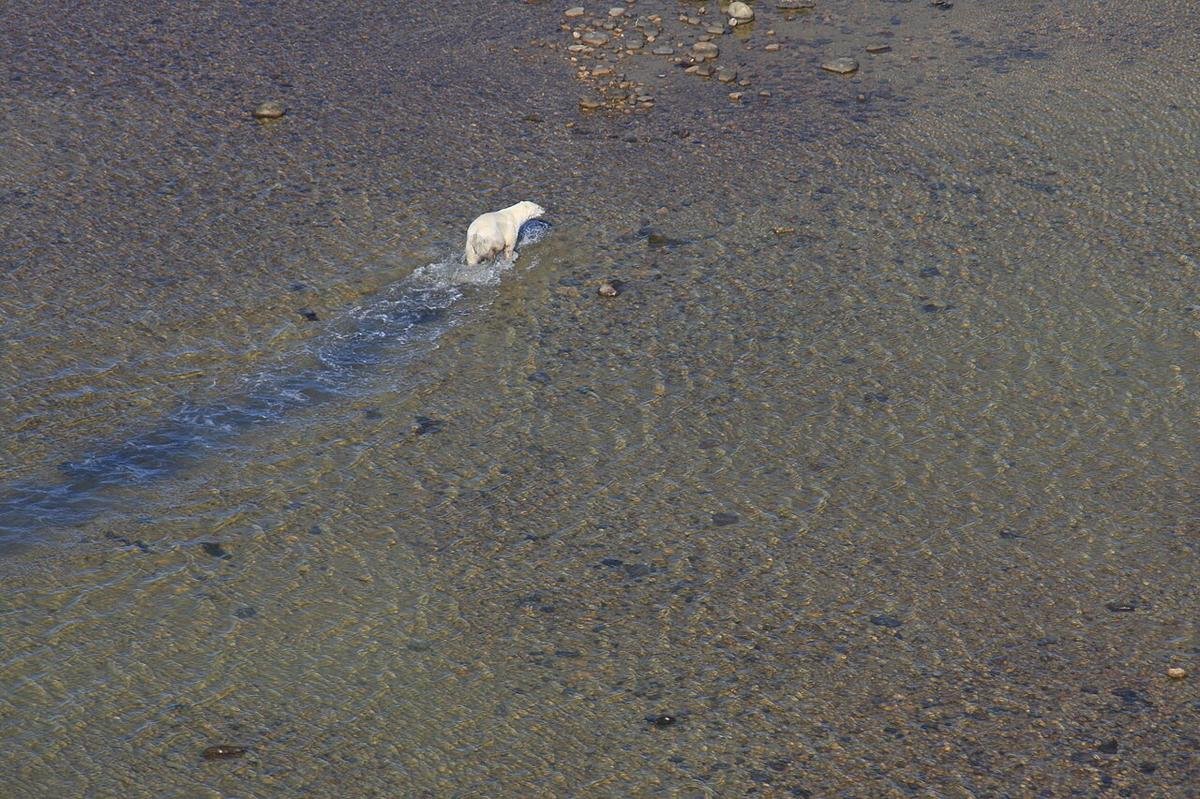
Here is the part people get wrong: Churchill is not a one-season town. Summer brings beluga whales by the thousands into the Churchill River estuary, plus wildflowers and birding. Winter brings northern lights and serious cold. But if bears are the reason you are coming — and let us be honest, they are — autumn is the only season that counts. Plan around it, or plan a different trip.
If you can only afford one splurge, make it a second buggy day, not a fancier hotel. Bear sightings are weather and luck. Two days doubles your odds. I saw my best bear on day two, after a grey, bear-free morning on day one that had me quietly panicking.
2. The tundra buggy: the classic day, done right
A tundra buggy is a bus on giant tires, built to roll over tundra without tearing it up. You climb up, you sit high, and you spend the day rolling slowly through the Churchill Wildlife Management Area east of town while the driver-guide scans the horizon. When a bear shows up, the buggy stops. Sometimes the bear walks right past. Sometimes it naps for an hour and forty people hold their breath in complete silence. No joke — the napping bear was my favourite. There is something deeply funny about travelling 1,000 kilometres to watch an animal sleep, and then realizing you would do it again tomorrow.

A guide told me the buggies follow strict rules: keep your distance, keep your hands inside, never feed or call to a bear. The bears mostly ignore the machines, which is the whole point. You are a viewing platform, not a participant. Lunch is usually served on board — soup, sandwiches, something hot — and it tastes about ten times better than it should, because you are eating it while watching the Arctic.

Day trips run a full day, roughly eight hours. Multi-day options exist, including buggies fitted as lodges that stay out on the tundra overnight. Those cost considerably more and book out earliest of all. For a first trip, one or two day trips from town is the sensible shape of it. Worth the detour does not cover it — this is the trip.
Bring binoculars, and bring your own. The buggy has windows, not a gift shop. A guide told me the guests who see the most are the ones scanning the horizon themselves between stops — the driver cannot watch every direction at once, and a distant white dot is easy to miss at 200 metres.
Booking a bear-viewing tour online
The Tundra Buggy day trips above are Frontiers North’s, and are usually booked with them directly or inside a package. If you are building the trip yourself, the private alternative sold on GetYourGuide is a 6-hour Private Polar Bear Road Safari around Churchill and Hudson Bay — from C$1,800 per group (up to 4 people), in a heated vehicle with a local driver-guide. It is a newer listing with very few reviews so far, so read the latest feedback on the booking page before you commit.
Check availability on GetYourGuide
Or see all Churchill tours on GetYourGuide. Affiliate links: if you book through these links, Canada Visitor Hub may earn a commission at no extra cost to you.
3. Walking tours, day trips, and the cheaper ways in
Not everyone wants — or can afford — a full buggy day. Guided walking tours run in and around town in bear season, with trained guides who carry deterrents and know exactly how far is too far. These are shorter, cheaper, and more weather-dependent. They are also, frankly, more nerve-wracking in the best way: on foot, you understand very quickly that you are a guest, and a slow one.
Do not self-guide a bear search. Seriously. Walking out onto the tundra alone in bear season, without a guide, deterrents, and local knowledge, is how people get hurt. Churchill has a polar bear alert system and a holding facility for problem bears for a reason. Stay with your guide, stay in the group, and stay off the rocks at night.
4. Churchill town: small, tough, and worth a full day
Churchill is a town of under a thousand people, and it feels like it — in a good way. One main drag, a handful of restaurants and cafés, murals on the sides of buildings, and everybody knowing why you are here. I walked the whole town in an afternoon and then walked it again the next morning, because there is not much else to do before a buggy leaves, and because the light on the bay at 8 AM is worth getting up for.

The Itsanitaq Museum (stop 6 on the map) is the one indoor stop nobody should skip: Inuit carvings, tools, and clothing collected over decades, in a small building that punches far above its size. A front-desk clerk there told me which carvings were made by artists from the region, and I spent twice as long inside as I had planned. The town also has a grain port, a rocket research history, and a bear-warning sign every visitor photographs. Photograph it. Everyone does.
Eat where the guides eat, not where the tour bus stops. I had the best meal of the trip — Arctic char, simply cooked — at a small place a guide pointed me to after I asked where he eats on his day off. Ask that exact question. Guides know.
5. Cape Merry and Prince of Wales Fort: the history leg
Across the Churchill River mouth sits Prince of Wales Fort, a massive stone fort the Hudson’s Bay Company started building in the 1700s and never actually got to use in battle. You reach it by boat in season, and Parks Canada runs the site. I double-checked the current visitor information on Parks Canada’s official site before I went, because boat access and tour times change with the season and the river. → Parks Canada — Prince of Wales Fort National Historic Site

Cape Merry, on the town side of the river mouth, is a rocky point with old battery walls and a view straight across to the fort. It is also a good bear-watching spot from land, which is exactly why you go with a guide or in a group and keep your eyes open. I went at dusk and the light did something I still think about: low sun, grey water, stone walls, and the whole bay turning pink.

Do the fort on your non-buggy day. It needs a half-day, it needs decent weather for the boat, and it pairs perfectly with the museum and a slow walk around town. Trying to cram it into a buggy morning is how you end up sprinting for a boat you already missed.
6. Wapusk National Park: the big country next door
Wapusk National Park sprawls south-east of Churchill — over 11,000 square kilometres of tundra, coastline, and peat bogs, and one of the largest polar bear denning areas in the world. Here is the honest version: most visitors do not “visit” Wapusk the way you visit Banff. There are no roads in and no drive-up viewpoints; access is by guided trip. The map pin marks the park’s general area, not a trailhead.

I did not go into Wapusk itself, and I am not going to pretend otherwise. What I did was stand on the tundra outside town with a guide who explained how the denning works — mothers digging into snowdrifts in autumn, cubs emerging in spring — and why the park exists at all. If a Wapusk den tour is on your list, know that it is a different trip from the autumn buggy season: different season, different operator, different price. I double-checked the park’s access rules on Parks Canada’s official Wapusk page, and the message is consistent: come with a licensed guide, or do not come. → Parks Canada — Wapusk National Park, official site
7. Bear safety: the rules are not suggestions
Polar bears are not a photo opportunity with a risk disclaimer. They are the largest land predators on earth, they are fast, and they are curious. Churchill manages this with a system the rest of the world could learn from: a polar bear alert line, patrols in season, and a holding facility — locals call it the polar bear jail — where bears that wander into town are held briefly and then released away from people.
Your rules are simple. Never approach a bear. Never leave food or garbage out. Never walk alone at night in bear season, especially along the shore. If a guide says stay in the vehicle, stay in the vehicle. If a guide says we are leaving, you are leaving. A guide told me the bears that cause trouble are almost always the ones that learned people mean food, and that lesson is taught by careless visitors. Do not be that visitor.
If you see a bear in town, do not get closer for a photo. Back away, go inside, and call the polar bear alert line. I watched a visitor step toward a distant bear with a phone out, and I watched a guide shut that down in about four seconds. The guide was right. The photo was not worth it.
8. Cold, wind, and what to actually pack
Churchill in late October is cold in a way southern Canada does not prepare you for. Expect daytime highs around or below freezing, wind that cuts straight through a city coat, and wind chill that makes the thermometer look optimistic. I packed boots rated for a Toronto winter. They failed by lunchtime on day one. I have made this mistake so you don’t have to: bring proper insulated, waterproof winter boots, not fashion boots with a fur cuff.
The packing list that actually works: a parka rated well below freezing, insulated pants or a windproof shell over layers, merino base layers, a balaclava or a hat that covers your ears plus a neck gaiter, serious mittens (not gloves) with thin liner gloves underneath for camera work, and hand warmers. Operators often provide extra parkas on buggy days — ask when you book — but do not count on it. Layers are the whole strategy: you will be warm inside the buggy, freezing on the back deck, and warm again five minutes later.

James wore the Kamik Nation Plus on the tundra here — it is his top pick in our guide to the best winter boots for Canada.
Standing still on sea ice punishes thin coats; our best winter jacket for Canada roundup flags which parkas are built for exactly that.
And all of it has to fit in one bag for the train up — our guide to the best travel backpack for Canada picks the carry-on packs that swallow winter layers whole.
9. What it really costs
Let us be straight: Churchill is expensive, and anyone who tells you otherwise is selling a package. The costs below are approximate planning ranges, not quoted rates — flights, tours, and rooms all move with the season, and you must check the operator or airline site for the dates you actually want. What I can tell you is the shape of the bill.
The tour is the biggest single cost. A full-day tundra buggy trip runs roughly in the several-hundred-dollars-per-person range for a day trip, and multi-day packages with meals and stays run into the thousands per person. Return flights from Winnipeg are commonly in the roughly $1,000–1,600+ range, though fares vary widely by date and how early you book. The train is cheaper in coach and far slower; sleeper berths cost considerably more. Rooms in Churchill are limited and priced like it: expect small-town rooms at big-city prices in peak weeks, roughly $200–400+ per night as an approximate range.
The calculator below covers your on-the-ground daily spending only — food, local sights, getting around town, and extras. It deliberately excludes flights, train fares, buggy tours, and accommodation, because those four items are most of the trip and they deserve their own quotes. Add them on top.
Budget calculator
Per person, in Canadian dollars. Excludes accommodation, flights, train fares and bear tours.
Budget ≈ $95/day · Mid-range ≈ $160/day · Luxury ≈ $270/day. Ground costs only; flights, tours and stays excluded. Ranges are approximate — check operator sites for your dates.
| Expense (per person / day, approx.) | Budget | Mid-range | Luxury |
|---|---|---|---|
| Accommodation (room share / small hotel / lodge) | $120–180 | $200–300 | $350+ |
| Food & drink | $45 | $75 | $130 |
| Sights (museum, fort boat tour, town walks) | $20 | $35 | $60 |
| Getting around (taxis, shuttles) | $15 | $25 | $40 |
| Coffee, treats & souvenirs | $15 | $25 | $40 |
| Daily ground total (excl. tours, travel, stays in calculator) | ~$95 | ~$160 | ~$270 |
For the full picture on getting here, check the official sources directly: Travel Manitoba for trip planning and the Town of Churchill for local visitor information. Both sites were live when I checked them for this guide.
10. Where to stay: book it with the tour
Churchill has a small number of hotels, lodges, and bed-and-breakfasts, and in bear season they fill up. The smartest move is booking a package that bundles your room with your buggy days: one reservation, one point of contact, and no nightmare scenario where you have a tour but nowhere to sleep. I stayed in a small hotel in town, walked everywhere, and slept like a rock after eight hours of wind. That is the whole review, and it is a good one.
Solo travellers: ask about single supplements before you fall in love with a package price. With kids: ask about minimum ages for buggy days and walking tours.
11. Belugas, bears, and northern lights: do not mix up the seasons
Churchill runs three different trips in three different seasons. Mixing them up is the most common planning mistake after the tour-booking one.
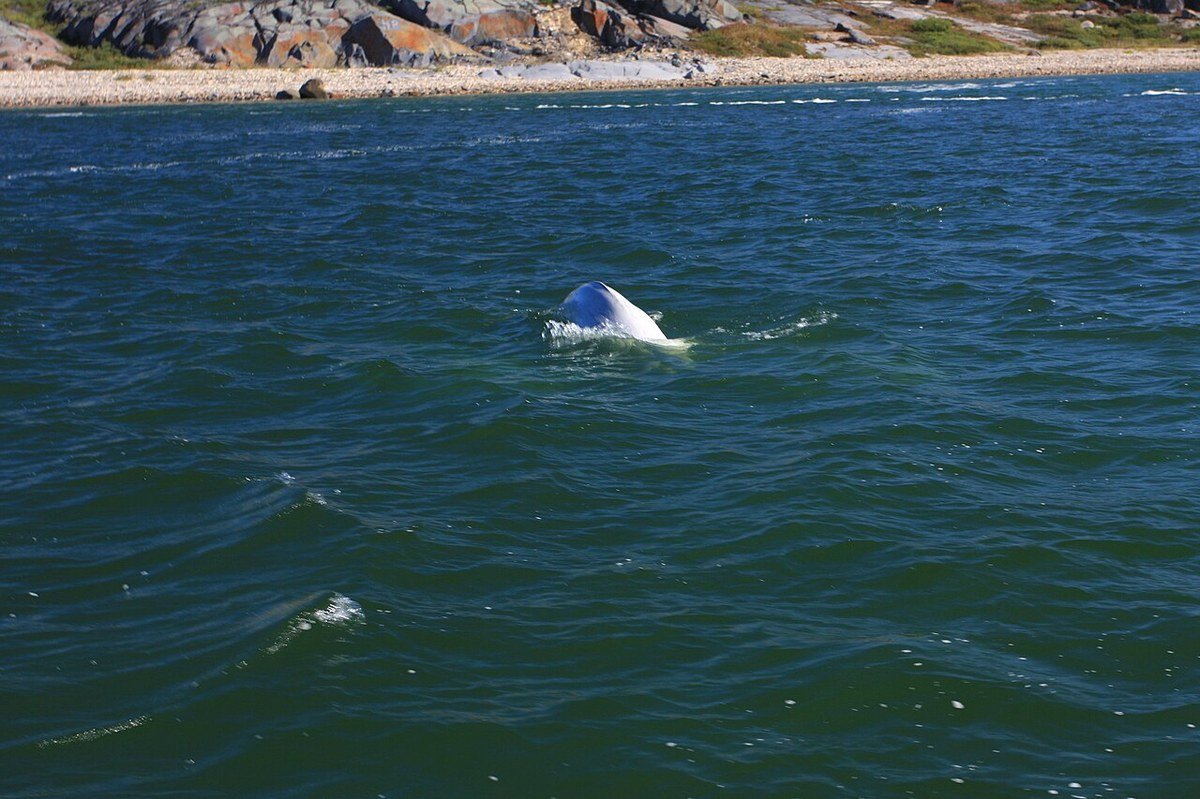
Summer (roughly July to August) is beluga season: thousands of white whales in the Churchill River estuary, kayak and boat tours, long days, wildflowers. Autumn (October to November) is bear season, and this guide. Winter (roughly January to March) is northern lights season, with dark skies and deep cold. Autumn does overlap with early aurora season — on a clear October night, you can watch bears by day and lights by night, which is a genuinely ridiculous double-header.
If the lights are part of your plan, read my where to see the northern lights in Canada guide and the best time to see the northern lights guide before you pick dates. Churchill is a strong aurora destination, but it is not the only one, and the darkest skies come later than bear season. For the wider autumn picture, my Canada in November guide covers what else is happening across the country while the bears wait for ice.
Doing the bears-by-day, lights-by-night double-header?
A private Northern Lights & Arctic Night Car Tour also runs from Churchill on GetYourGuide — 5 hours, from C$1,200 per group (up to 4), with hotel pickup and a heated vehicle between viewing stops. Same note as above: it is a newer listing, so check the recent reviews on the booking page. Affiliate link: we may earn a commission at no extra cost to you.
Suggested 4-day plan
| Day | Plan |
|---|---|
| Day 1 — arrive | Fly or train in, settle into town, walk Kelsey Boulevard, Itsanitaq Museum, early night (buggy days start early) |
| Day 2 — buggy day 1 | Full-day tundra buggy in the Wildlife Management Area; evening aurora watch if the sky is clear |
| Day 3 — buggy day 2 + town | Second buggy day (doubles your odds), or fort boat tour + Cape Merry if the weather turns |
| Day 4 — fort + depart | Prince of Wales Fort boat tour, Cape Merry walk with a guide, last walk along the bay, buffer time before travel home |
FAQs about Churchill polar bears
When is the best time to see polar bears in Churchill?
October to November, with late October into November usually the peak. Bears gather along Hudson Bay waiting for freeze-up, and that gathering is the whole show. Outside those months, you are on a different trip: belugas in summer, northern lights in winter.
How do you get to Churchill?
Fly from Winnipeg or take the VIA Rail train from Winnipeg. There is no road. Book your bear tour before your travel, because tour seats in peak weeks sell out before flights do, and build in a buffer day for weather delays.
Is a tundra buggy day worth it?
Yes, and it is the one splurge I would defend without blinking. A full day on the tundra with a guide is the safest, closest, and most reliable way to see bears. If you can afford a second day, take it — sightings depend on weather and luck, and two days roughly doubles your chances.
Is Churchill safe?
Yes, if you follow the rules. Stay with guides, never approach a bear, never walk alone at night in bear season, and take the town’s alert system seriously. The danger comes from ignoring those rules, not from the town itself. Guided tours carry deterrents and know the protocols; that is what you are paying for.
How much does a Churchill polar bear trip cost?
Budget for a big trip, not a weekend away. The calculator above covers ground costs only (roughly $160/day mid-range). On top of that, add return travel from Winnipeg, accommodation in peak season, and the bear tour itself — day trips run several hundred dollars per person and multi-day packages run into the thousands. All figures in this guide are approximate planning ranges; check operators for your exact dates.
Can you see the northern lights in Churchill in bear season?
Sometimes, yes. Autumn overlaps with the start of aurora season, and a clear October or November night can deliver both bears by day and lights by night. But the darkest, most reliable aurora skies come in deep winter. If the lights are the main goal, plan a winter trip instead — and read the best time to see the northern lights guide first.
Keep exploring
Churchill is the far edge of the map. Here is where I would go next:
- Where to see the northern lights in Canada — Churchill plus six other dark-sky bets
- Best time to see the northern lights in Canada — month by month, so you stop guessing
- Canada in November — polar bears, early snow, and the cheapest flights of the year
Book the tour first. Pack real boots. Bring binoculars. The bears will do the rest.
2 comments