

- ✓ Pick your door: Toronto Pearson (YYZ) has the most flights, Vancouver (YVR) wins for the west, Montréal (YUL) for Québec, Calgary (YYC) for the Rockies — fly into the region you’ll explore.
- ✓ Customs is a kiosk now: scan your passport, answer the questions on screen, take the receipt to the officer. Ten minutes when it’s quiet, an hour when three wide-bodies land at once.
- ✓ Take the train downtown: every big airport has a rail or rapid-transit link that beats the taxi on price and usually on time.
Here’s the deal with getting to Canada: the country is enormous, the flights are long, and most people overthink the wrong half — the airline instead of the airport. Land at the wrong one and you’ll pay for it in domestic flights and six-hour drives. I’ve flown into all four big gateways. The whole game is picking the right door.
I learned this the expensive way: I once booked the cheapest fare into Toronto for a trip that was, in spirit, a Rockies trip. Saved $180 on the international leg, then spent $400 and most of a day getting myself to Calgary anyway. I’ve made this mistake so you don’t have to: fly into the region you’re actually visiting. Fares and transfer prices below were checked in October 2026.
Booking your flight to Canada
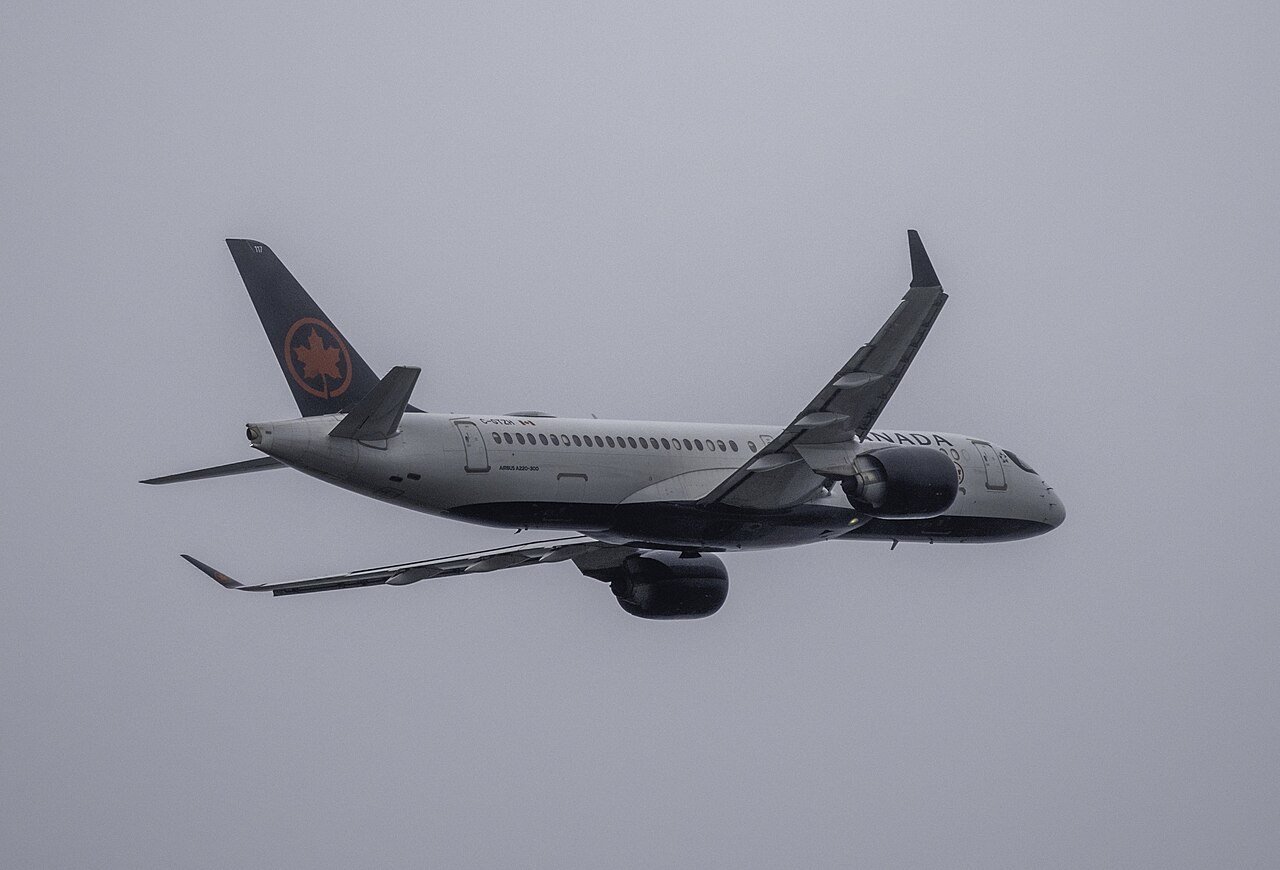
The carriers doing the heavy lifting are Air Canada (biggest network, Star Alliance), WestJet, Porter (the one with the free cookies and the island airport in Toronto), plus Flair and Air Transat on the budget end. The fare you get depends more on when you book than who you fly.
Timing. Book two to three months out for the sweet spot — earlier than that and you’re paying for certainty, later and you’re paying for panic. May, June, September and October are the value months: decent weather, thinner crowds, saner fares. July and August are peak everything. For the full seasonal breakdown, see my best time to visit Canada guide.
One more thing before you click buy: check whether you need an eTA or a visa. Visa-exempt visitors flying in need an eTA — a few dollars, done online in minutes, and people forget it constantly. Others need a full visitor visa, which takes weeks. This is not a visa guide — I’m a road-tripper, not an immigration lawyer — so confirm your situation on the official CBSA site before booking anything non-refundable. → CBSA — official site
Search fares into two or three Canadian airports, not one. Toronto vs. Montréal for an eastern trip, or Vancouver vs. Calgary for a western one, routinely differ by $100–200 on the same dates.
The 7 arrival points, on a map
Four international gateways, two handy side doors, and the rail hub you’ll use once you’re in. Tap any stop to jump the map to it.
Map data © OpenStreetMap contributors. Open the full map
1. Toronto Pearson (YYZ) — the big one
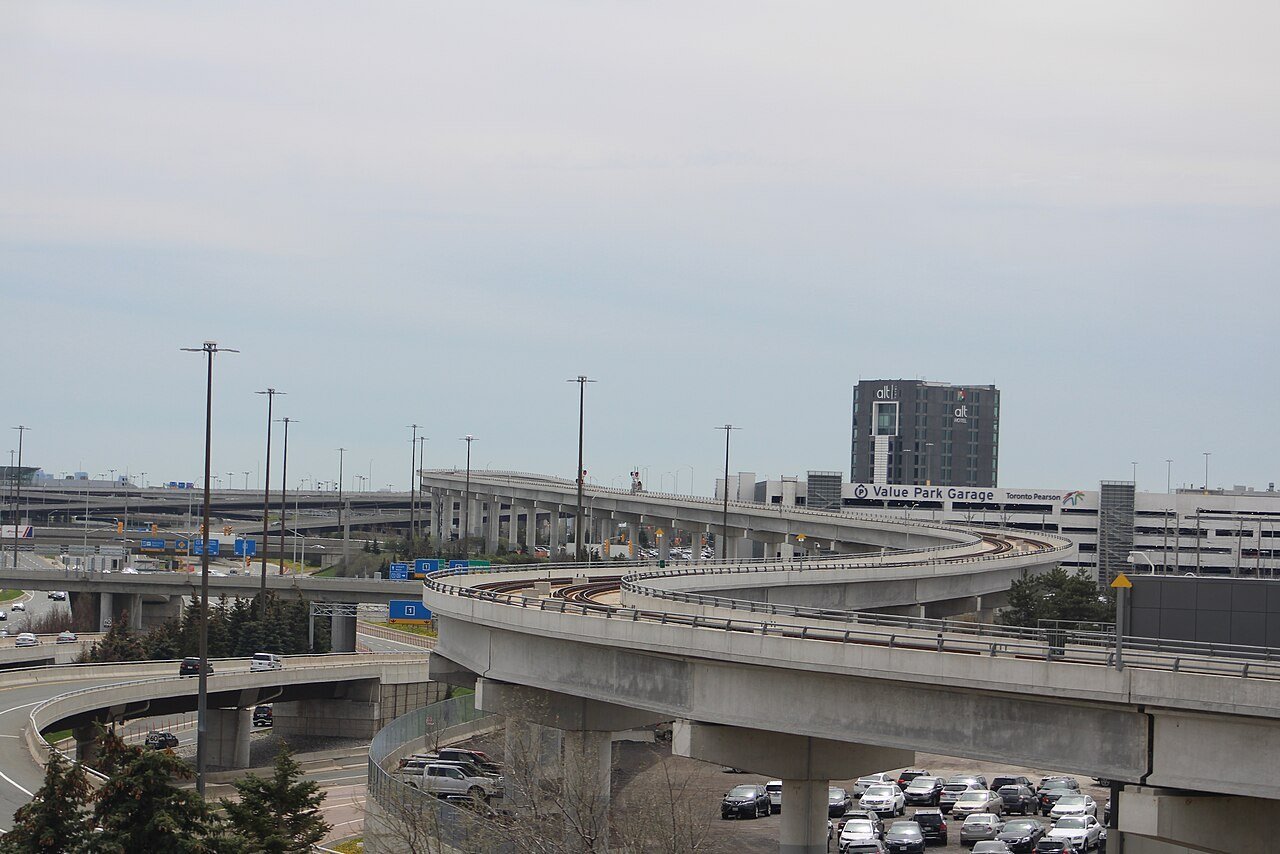
Canada’s busiest airport by a mile, and the default answer to “how do I get to Canada.” Two terminals (1 and 3 — check yours before you leave, they are not close together), about 22 km northwest of downtown. I once followed the “Trains to City” signs at 11 PM with total confidence and walked straight into the parking garage elevator lobby. The UP Express platform is on the ground floor of Terminal 1 — the signs assume you already know this, and I did not.
The move is the UP Express: 25 minutes to Union Station downtown, trains every 15 minutes, $12.35 one-way or $9.25 with PRESTO. I timed it — platform to Union in under half an hour. Taxis run roughly $60–75 and take 30–60 minutes depending on the 401’s mood. → Toronto Pearson — official site · UP Express — official site
2. Vancouver (YVR) — the Pacific door

If your trip leans west — Vancouver, Whistler, the Island, the Rockies from the other side — fly here, not Toronto. YVR sits on Sea Island in Richmond, about 12 km south of downtown, and it’s the strongest gateway for Asia-Pacific arrivals.
The Canada Line SkyTrain runs from the terminal to downtown in about 25 minutes. The catch: fares bought at YVR include a $5 airport surcharge, so expect around ten bucks — I tried to outsmart the machine with a regular fare and the machine, correctly, charged me anyway. Taxis run a flat-ish $35–40 downtown. → Vancouver International Airport — official site
YVR’s international arrivals hall has one of the better airport art collections anywhere — towering First Nations sculptures and a giant jade canoe. Everyone speed-walks past it toward the taxi line. Slow down for five minutes. It’s free.
3. Montréal–Trudeau (YUL) — Québec’s door

Coming for Montréal, Québec City, or anything French-speaking? Land here. YUL is about 20 km west of downtown, and it’s the main gateway for European arrivals. The customs officers will greet you with “bonjour” and switch to English the second you look confused, which I found both efficient and faintly humbling.
Ground transport is the one weak spot: no train yet (the REM airport branch is still “future” — I checked the airport’s official site, so don’t plan around it). The 747 bus runs 24/7 downtown for about $11, and the ticket doubles as a day pass on the STM — a genuinely good deal. Taxis charge a flat rate downtown (around $45–50, posted at the stand). At 1 AM after a transatlantic flight, the flat-rate taxi is worth every cent. → Aéroports de Montréal — official site
4. Calgary (YYC) — the Rockies staging ground
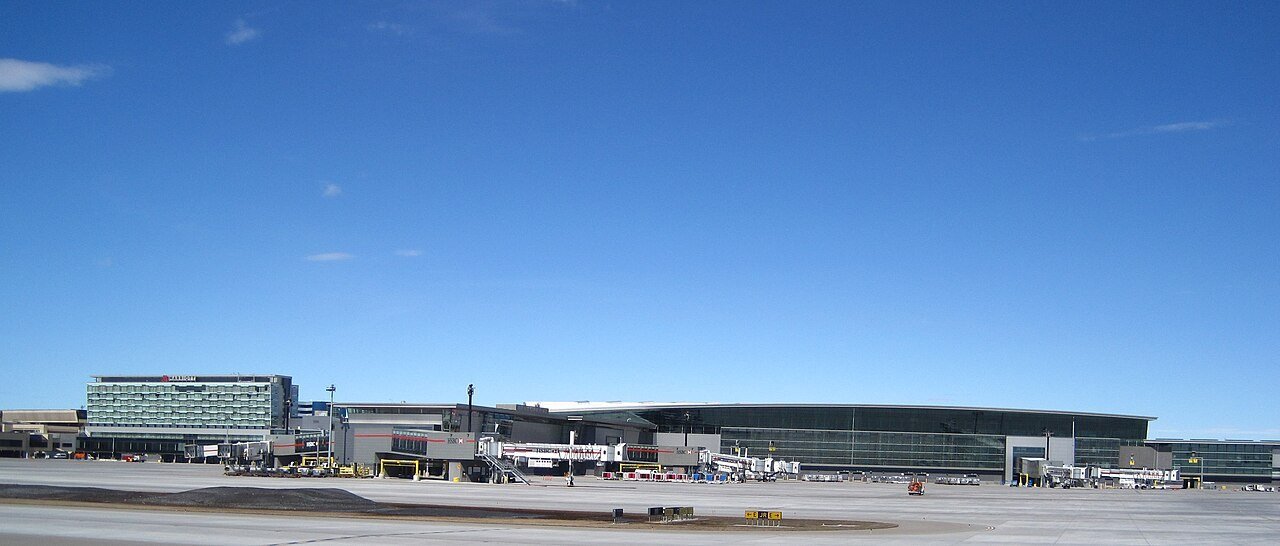
Banff, Jasper, Lake Louise — this is where that trip starts. YYC is about 17 km northeast of downtown Calgary, and for a Rockies trip it beats every other airport by hours, not minutes. The arrivals hall funnels straight into the rental-car centre: land, grab keys, point the rig west on the Trans-Canada.
If you’re staying in Calgary itself, the Route 300 BRT bus runs downtown in 30–40 minutes for roughly $11 — I checked the fare on the airport’s official ground-transport page, and it held. Taxis run about $45–55. But if Banff is the plan, book the rental car with the flight. Summer weekend counter rates will make you wince. → Calgary International Airport — official site
Calgary sits at 1,000+ metres and the weather lies for a living. I’ve landed in May to snow on the ground and sunshine an hour later. Keep a warm layer in your carry-on — the walk to the rental-car shuttle is not the place to discover you packed like it’s Florida.
Touching down: the CBSA part
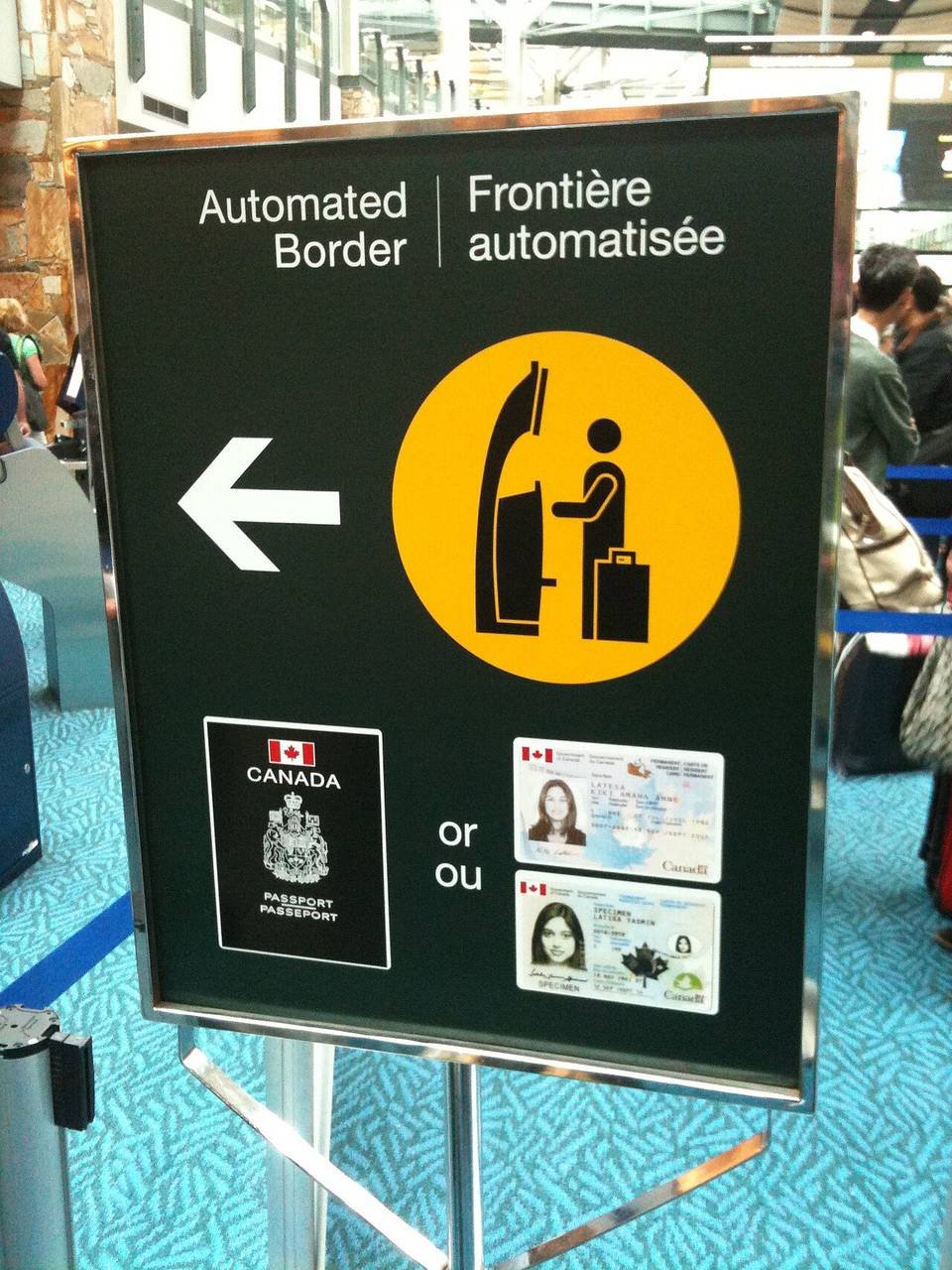
Canadian arrivals run on a system: kiosk, then officer, then bags, then out. You deplane into the international arrivals corridor and follow everyone to the Primary Inspection Kiosks — touchscreen machines where you scan your passport, get your photo taken, and answer the customs questions on screen. The machine prints a receipt. You take the receipt to a border officer, who may ask two questions or twenty. Then baggage claim, then the exit.
Total time: 15 minutes on a quiet arrival, up to an hour-plus when three wide-bodies land at once. My worst was a summer Saturday at Pearson — two hours, one working water fountain. Have these ready: passport (eTA or visa sorted before you fly), your accommodation address, and a straight answer about what you do for work.
ArriveCAN — the app from the pandemic era — is now optional, not required. You can use it to pre-fill your declaration and skip part of the kiosk line, or just use the kiosk. Don’t download it at the gate in a panic. That’s a rookie move and I’ve watched rookies do it.
Airport to city: the transfer rundown
You’ve cleared customs. You’re landside. Now: get downtown without getting fleeced. Every gateway has one clear best option.
Toronto: UP Express

25 minutes, every 15 minutes, $12.35 ($9.25 PRESTO) to Union Station. This is the gold standard of Canadian airport transfers and it isn’t close — luggage racks, Wi-Fi, seats you can sit in with a backpack. I ride it every single time. The taxi alternative is $60–75 and entirely at the mercy of the 401.
Vancouver: Canada Line
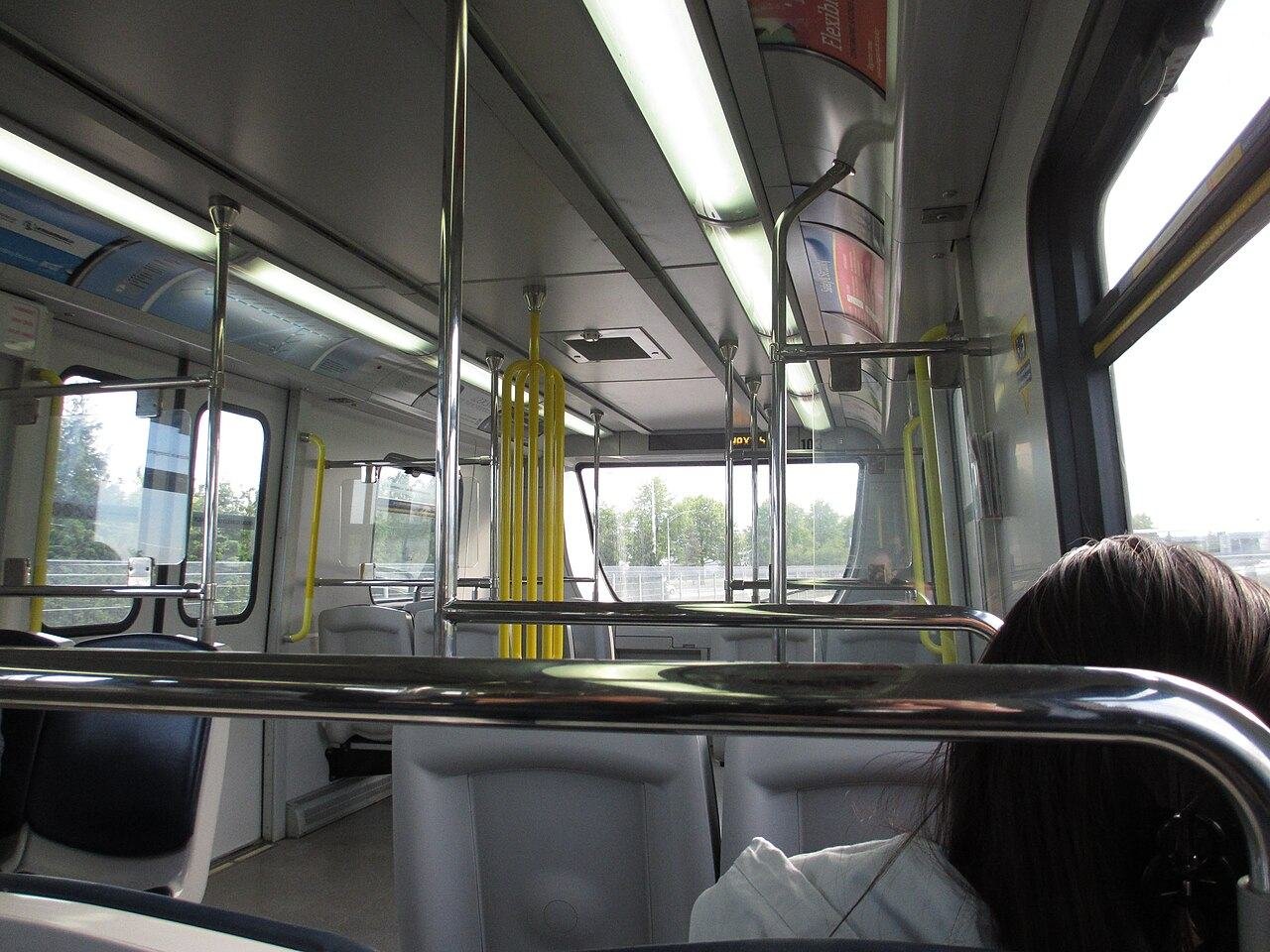
About 25 minutes to Waterfront Station downtown. Remember the $5 airport surcharge on top of the regular fare — budget around ten dollars total from the airport machines. The trains are driverless and frequent, and the ride crosses the Fraser River, which beats any taxi queue. Flat-rate taxis ($35–40) make sense for a group of three or four with luggage — at that point the math flips.
Montréal and Calgary: bus or flat-rate taxi
Montréal’s 747 bus (~$11, doubles as a day pass) runs around the clock downtown; the flat-rate taxi (~$45–50) is the late-night answer. Calgary’s Route 300 bus (~$11, 30–40 min) covers downtown; taxis run $45–55. When you’re pricing the trip, my Canada trip cost guide folds these transfers into full daily budgets.
Landing with Canadian dollars already in your pocket saves the airport-exchange sting. Airport booths take a painful cut — I checked the spread at Pearson once and walked away laughing. Order some CAD from your home bank before you fly, or just hit an ATM landside. The full breakdown is in my Canada currency guide.
What does arrival day cost?
Your first day has a shape: transfer downtown, food, maybe a transit pass or SIM, and the small stuff. Pick your travel style and the calculator totals a per-person arrival day. (The flight itself not included — that’s between you and the fare gods.)
Arrival-day calculator
Per person, in Canadian dollars. Excludes the flight.
Budget ≈ $75/day · Mid-range ≈ $130/day · Luxury ≈ $240/day. Transfer fares checked October 2026.
Onward: connecting across Canada
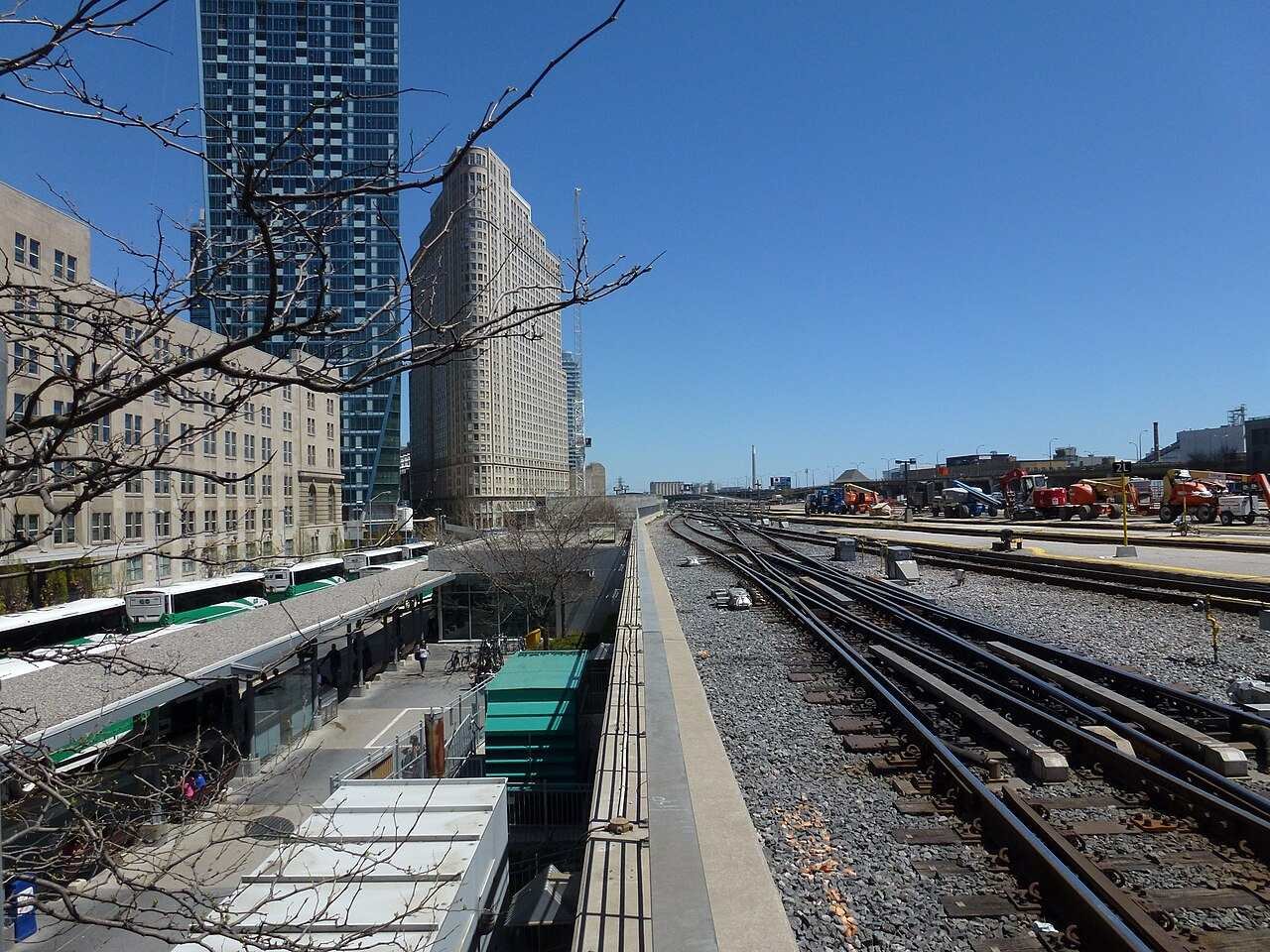
Canada is wide. No joke — Toronto to Vancouver is a five-hour flight, and I once drove Toronto to Calgary because the rental was cheap. Three days. Never again. Once you’re in, here’s how the onward legs work:
Domestic flights are the default for anything over about 800 km. Same carriers — Air Canada, WestJet, Porter, Flair — run the trunk routes (Toronto–Vancouver, Toronto–Calgary, Montréal–Vancouver). Budget roughly $150–400 for the long hauls if you book ahead.
VIA Rail owns the eastern corridor: Toronto–Ottawa–Montréal and Toronto–Montréal–Québec City, city centre to city centre, no security theatre, big windows. The Toronto–Montréal run is about five hours and genuinely pleasant — I’ve written half an article on that train. Book at viarail.ca and book early; the cheap fares sell out first. The four-day Canadian (Toronto–Vancouver) is a bucket-list ride, not transportation. → VIA Rail — official site
Rental cars take over the moment you leave the big cities: the Rockies, the Maritimes, northern Ontario are all driving country. Gas up before the long empty legs — I watched my fuel gauge do something scary west of Calgary once, and I’ve made this mistake so you don’t have to.
Coming in through a side door
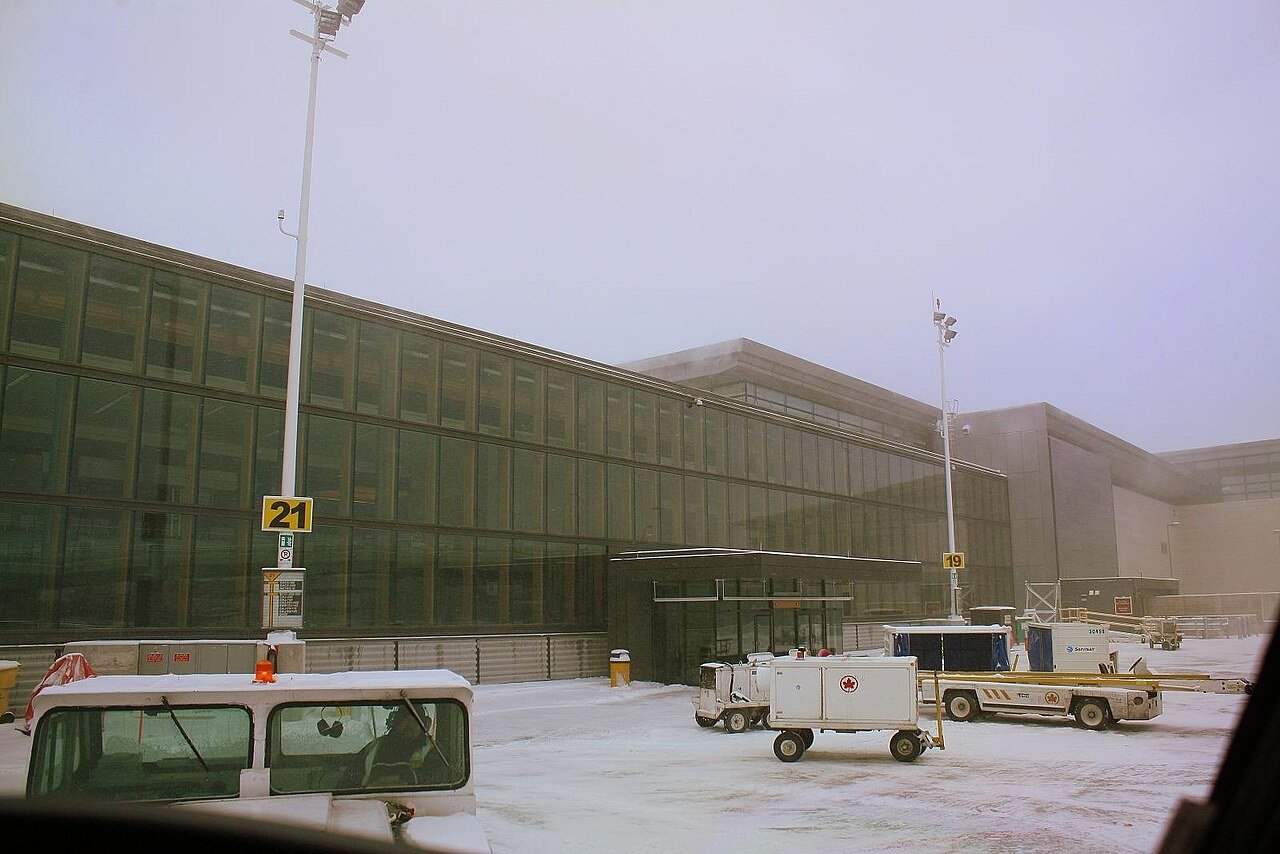
The big four aren’t the only way in. Ottawa (YOW) takes international flights and sits an easy train ride from both Toronto and Montréal — I’ve flown into Ottawa for an eastern-Ontario trip and skipped Pearson’s chaos entirely. Halifax (YHZ) is Atlantic Canada’s gateway: if the Maritimes are the trip, landing in Halifax saves you a connection and a day. Smaller airports mean shorter customs lines — and sometimes surprisingly competitive fares.
FAQs about getting to Canada
Do I need a visa or an eTA to visit Canada?
It depends on your passport. Americans need just a valid passport. Many other nationalities (UK, EU, Australia, Japan and more) need an eTA when flying in — a few dollars, applied for online, usually approved in minutes. Everyone else typically needs a visitor visa, which takes weeks. Sort this out before you book non-refundable flights, and confirm your case on the official CBSA site.
Which Canadian airport is cheapest to fly into?
Usually Toronto Pearson, simply because it has the most competition on the most routes — but “usually” does a lot of work there. Montréal often beats Toronto from Europe, Vancouver wins from Asia-Pacific, and Calgary can undercut both for Rockies trips in shoulder season. Always price two or three gateways.
How far in advance should I book flights to Canada?
Two to three months is the sweet spot for international flights. Summer (July–August) and the Christmas window book up earliest and cost the most — for those, three to four months isn’t crazy. Shoulder season (May–June, September–October) is more forgiving; I’ve grabbed decent September fares six weeks out.
Can I fly into the US and drive across the border instead?
Sometimes, and it’s occasionally cheaper — Buffalo for Niagara and Toronto, Detroit for southern Ontario, Seattle for Vancouver. But do the real math: US car rental with cross-border permission, the border wait (which can top two hours at peak — I’ve sat in it), and you still need whatever Canada entry document your passport requires.
How long does it take to get through Canadian customs?
Plan for 30–60 minutes from gate to landside and you’ll rarely be wrong. The kiosks are quick; the variable is how many wide-bodies landed in the last hour. If you’re connecting to a domestic flight, give yourself at least 2.5–3 hours between flights — I’ve watched people sprint for a 90-minute connection at Pearson and it never ends well.
Should I rent a car at the airport?
Only if your trip needs one. City trips (Toronto, Vancouver, Montréal) don’t — transit covers it, and downtown parking will eat your budget. Rockies, Maritimes, and rural road trips do — and for those, book the car with your flight, because walk-up summer rates at Calgary or Halifax are brutal.
Keep exploring
You’re in. Here’s what to do with the trip now:
- Toronto travel guide — the full planning companion for the country’s biggest gateway city
- How much a Canada trip costs — full daily budgets beyond arrival day
- Canada currency guide — CAD, cards, and skipping the airport exchange trap
- Best time to visit Canada — seasons, fares, and when the crowds thin out
Pick the right door, take the train downtown, and don’t overthink the rest. The country does the heavy lifting from there.
1 comment