

Last updated: October 14, 2026
- ✓ Base yourself Downtown or in the ByWard Market for a first visit: Parliament Hill, the Rideau Canal, and the market sit inside one walkable grid — pick one neighbourhood and skip the daily commute entirely.
- ✓ Gatineau is the legit budget move: cross the river into Quebec for hotel rates that run noticeably lower, the same skyline views, and the museum with the best Parliament-view terrace in the region.
- ✓ You do not need a car: the O-Train Confederation Line plus your feet covers everything tourists do — and downtown parking will eat your budget faster than a second BeaverTails will.
Okay, listen — Ottawa is the city that sneaks up on you through your feet. I arrived for what was supposed to be a quick two-night stop and ended up staying five, mostly because I’d booked my first two nights in exactly the right spot and my last three in exactly the wrong one. Lesson learned, the expensive way, and I’m handing it to you for free: in Ottawa, where you sleep decides how much you walk, how much you eat, and honestly how much fun you have.
Here’s the good news: Ottawa is compact. The Parliament buildings, the Rideau Canal, the ByWard Market — the whole greatest-hits list — sits inside about two square kilometres. Pick one of the seven neighbourhoods below and you’ll do most of your sightseeing on foot, with the O-Train (Ottawa’s light rail) handling the rest.
My verdict up front: first-timers should stay Downtown or in the ByWard Market. Everything is close, the food is right there, and you’ll be back at your hotel for an afternoon rest instead of debating a $30 ride. Everything below is priced in Canadian dollars, checked October 2026.
A confession to start: on my first Ottawa trip I booked an Airbnb that said “Ottawa — 15 minutes to downtown!” Reader, it was 15 minutes by car, in a suburb with one bus an hour, and I spent more on Ubers that weekend than on food. I found this out the expensive way: always check which side of the Rideau Canal your stay is on. If the listing says Kanata, Orléans, or Barrhaven, that’s not Ottawa-tourist Ottawa. That’s commute Ottawa.
The 7 areas, on a map
Seven neighbourhoods, one river. Tap any stop to jump the map straight to it.
Map data © OpenStreetMap contributors. Open the full map
1. Downtown Ottawa — the no-brainer first-timer base

Who it’s for: first-timers, short trips, anyone who wants the icons outside their window.
You step out of your hotel and Parliament Hill is right there. The Peace Tower glowing at golden hour isn’t a postcard you buy — it’s the view from your window on a Tuesday. Downtown puts the National Gallery (home of the giant spider sculpture, Maman — I gasped, then took seventeen photos), Major’s Hill Park, the Rideau Canal locks, and the grand old railway hotels all within a 15-minute walk. The O-Train runs right under downtown — Parliament and Rideau stations put the whole Confederation Line at your feet.
The vibe is grand and walkable, a little government-serious by day and surprisingly lively once the patios fill up. Expect roughly $200–280 a night for a solid mid-range downtown hotel; the landmark properties start around $300 and climb from there.
Hotels to look at: Fairmont Château Laurier (the castle on Rideau Street — the grand-dame splurge) and The Westin Ottawa (11 Colonel By Dr, right by the canal locks).
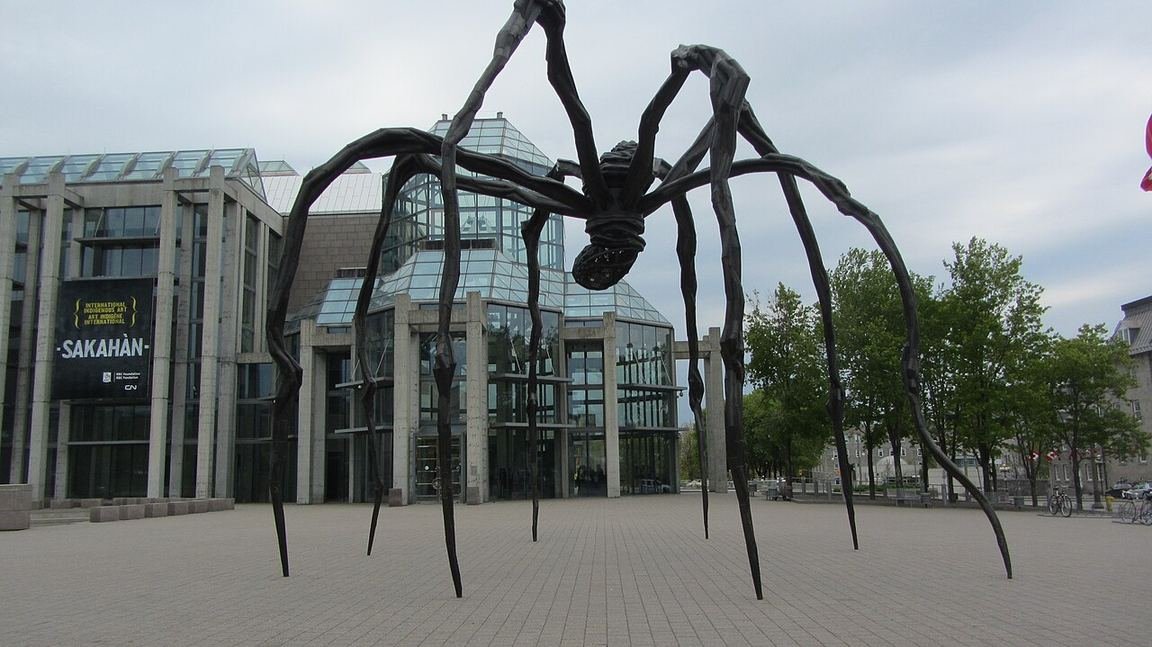
If your hotel offers a Parliament-view room, take it. I paid about $40 extra for the view on my second visit and watched the sunset light up the Peace Tower while eating takeout on the bed, feet up, zero regrets. Worth every penny — and the photos you’ll take are the ones you’ll actually frame.
And since I’m me, we need to talk about breakfast: at my downtown hotel’s dining room, I ordered the breakfast poutine on my server’s dare — hollandaise over home fries with peameal bacon — and I am still thinking about it. Chef’s kiss. Order it. Did I need the second coffee the size of my head? No. Did I get one? Obviously.
Food-wise, you’re a 10-minute walk from the ByWard Market (see below), so downtown’s slightly buttoned-up restaurant scene doesn’t matter much. I double-checked current hotel rates and the O-Train station list on the official sites before writing this — Ottawa Tourism’s neighbourhood pages are genuinely useful for cross-checking what’s walkable from where. → Ottawa Tourism — official site
2. ByWard Market — eat your way through Ottawa
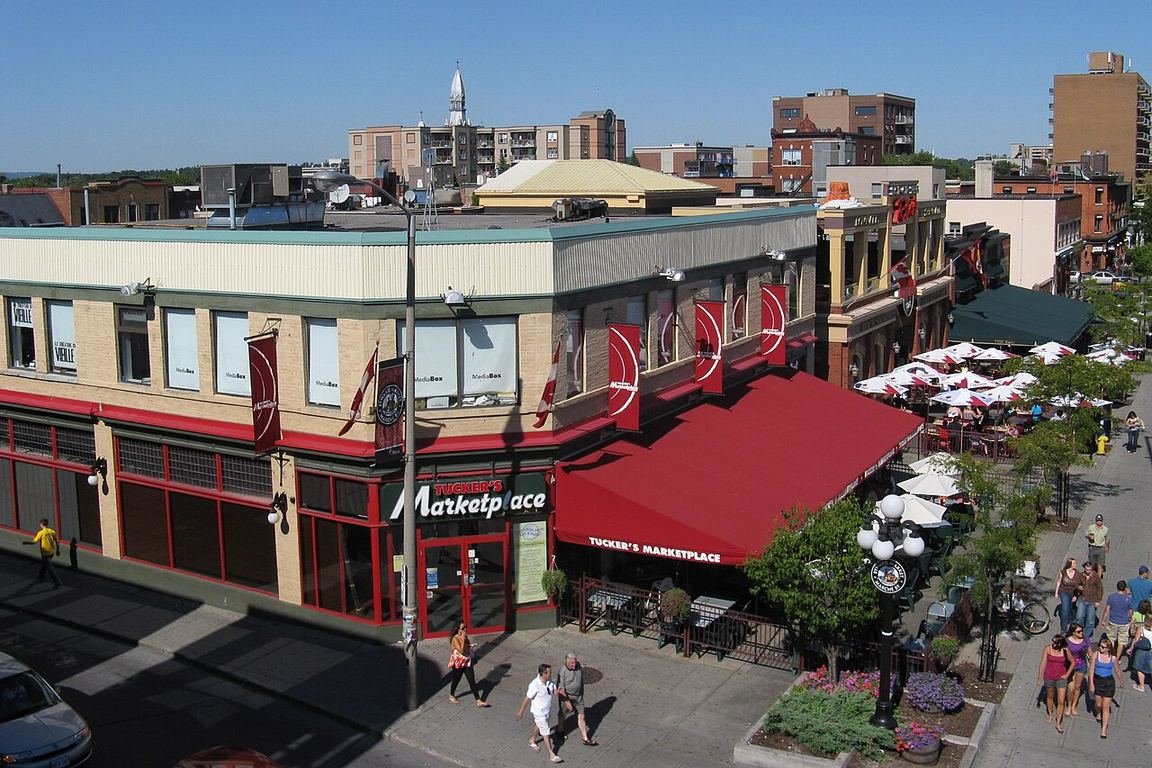
Who it’s for: food lovers (hi, that’s me), night owls, anyone whose itinerary is snack-shaped.
This is the neighbourhood I tell everyone to stay in. The ByWard Market is one of Canada’s oldest public markets — produce stalls, cheese shops, and maple everything by day; patios, cocktail bars, and live music by night. On my second visit I was staying two blocks away, woke up to church bells and the smell of coffee drifting up Sussex Drive, and walked over in what I will only describe as indoor footwear (long story — I forgot real shoes; the market forgave me). I got a BeaverTails pastry while the vendors were still setting up — warm cinnamon sugar, empty street, sun hitting the old stone buildings. I would go back just for that morning.
You’re a 5-minute walk from the National Gallery and 15 from Parliament Hill, so the location is as central as it gets. The energy is the whole point — delicious, bustling, a little rowdy after 10 PM on weekends. Expect roughly $160–320 a night — you pay a small premium for sleeping above the action, and it’s worth it.
Hotels to look at: Andaz Ottawa ByWard Market by Hyatt (design-forward, right in the thick of it) and Courtyard by Marriott Ottawa Downtown (350 Dalhousie St, in the heart of the market).
The market parties late on weekends — and the party is loud. Ask for a room on a high floor facing away from the street, or pack earplugs. I learned the fun way: a 1 AM courtyard singalong I did not attend but absolutely heard, in four-part harmony.
3. The Glebe — where the locals actually live

Who it’s for: repeat visitors, sports fans, anyone allergic to tourist traps.
The Glebe is Ottawa’s beloved main-street neighbourhood — Bank Street’s indie shops, genuinely great coffee, and Lansdowne Park at its south end with the stadium, the year-round farmers’ market, and a great lawn that fills up the second the sun appears. It feels like a village that happens to be 15 minutes from Parliament by bus. I had the best flat white of the whole trip at a Bank Street café and watched locals debate football like it was a civic duty — honestly, it might be.
Fair warning: big hotels are scarce here, and that’s kind of the point. The Glebe is B&B, boutique inn, and Airbnb territory — which suits the neighbourhood’s whole personality. Expect roughly $120–220 a night — B&Bs and suite hotels rather than big chains.
Places to look at: Cartier Place Suite Hotel (180 Cooper St, suite-style and well-reviewed) and The Business Inn & Suites (180 MacLaren St, a frequent value pick).
A barista on Bank Street told me the Glebe’s real Sunday ritual is the Lansdowne farmers’ market followed by a slow lap of the shops with a pastry in hand — carb-loading as a lifestyle, and I respect it deeply. Go hungry; the market vendors give generous samples and you will buy cheese.
4. Westboro — boutiques, bakeries, and a river beach

Who it’s for: shoppers, summer visitors, anyone who wants a beach day in the capital (yes, really).
Westboro feels like Ottawa’s cool older sibling — Richmond Road’s boutiques and bakeries worth crossing town for, and then, surprise: Westboro Beach on the Ottawa River — summer swimming with a skyline view from the sand. (The sunset shot above is neighbouring Britannia Beach on the same river — same golden light, same swim.) The O-Train serves the west end of town now, so downtown is about 15 minutes by train — check the current station list on OC Transpo’s official site before you go, since the Stage 2 extensions have been opening in phases. Expect roughly $120–200 a night — though fair warning, Westboro itself has almost no hotels; it’s Airbnb and rental territory, so book early in summer.
Places to look at: a well-reviewed Airbnb or vacation rental along Richmond Road — the nearest proper hotels (like the Alt Hotel Ottawa on Slater St) are back downtown.
A Westboro shop owner told me the beach at sunset is the locals’ summer ritual — grab gelato on Richmond Road and walk the river pathway as the light goes gold over the water. The swimming is cleanest in July and August, and the sunset crowd is half the fun.
5. Sandy Hill — the budget pick
Who it’s for: budget travellers, students, long stays.
Sandy Hill sits just east of downtown — historic mansions, embassy row, and the University of Ottawa campus — with some of the best-value beds in the city. It’s a 15-minute walk to the market and the Rideau Centre, which means downtown access without the downtown price tag. And here’s the city’s worst-kept budget secret: in summer, the university rents out residence rooms cheap. I double-checked on the university’s official site — it’s legit, it’s clean, and it’s a fraction of a hotel. Expect roughly $90–200 a night — the cheapest proper-hotel beds this close to downtown.
Hotels to look at: Holiday Inn Express & Suites Downtown Ottawa East (235 King Edward Ave) and Les Suites Hotel Ottawa (130 Besserer St, suite-style).
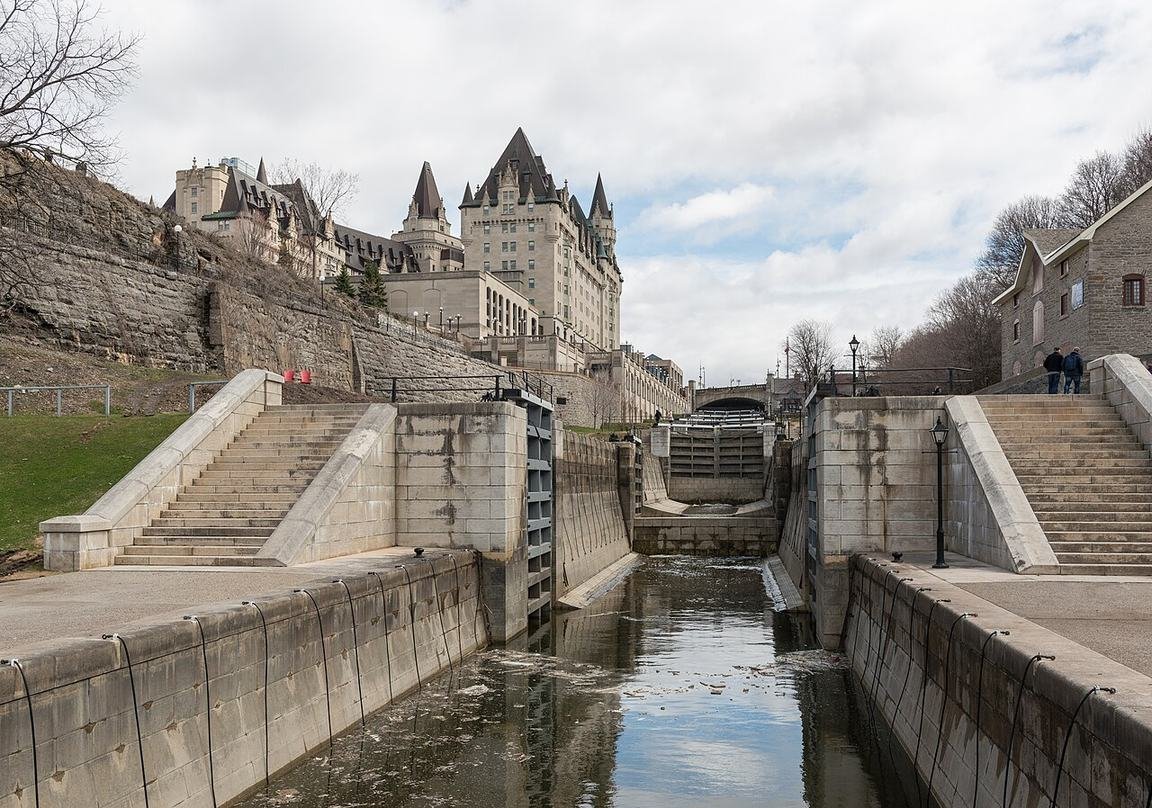
The Rideau Canal runs right along Sandy Hill’s western edge — in winter it becomes the world’s largest skating rink (weather permitting), and skating to your sightseeing is the most Ottawa sentence ever written. Did I need a second BeaverTails from the canal-side stand? No. Did I get one? Obviously.
6. Centretown & Old Ottawa South — the mid-range sweet spot
Who it’s for: families, mid-range travellers, anyone who wants quiet nights.
Centretown (just south of downtown) and Old Ottawa South (just across the canal) are residential, calm, and well-connected — tree-lined streets, local diners, the Canadian Museum of Nature’s wonderfully weird castle-like building, and hotels that cost noticeably less than the same bed two blocks north. The O-Train and the frequent Bank Street buses keep downtown 10–15 minutes away. This is where I’d put my parents: comfortable, central-ish, no noise, and Elgin Street’s restaurant row is right there when they want a nice dinner. Expect roughly $150–280 a night — the sweet spot between downtown prices and suburban distances.
Hotels to look at: Hotel Indigo Ottawa Downtown City Centre (123 Metcalfe St) and Alt Hotel Ottawa (185 Slater St, modern and reliably good value).
7. Gatineau (Hull) — across the river, the budget play

Who it’s for: budget hunters, museum lovers, anyone who likes saying they slept in Quebec.
Cross the Alexandra Bridge and you’re in another province — where hotel rates drop, poutine gets a hometown advantage, and the Canadian Museum of History has the single best Parliament-view terrace in the entire region. Go at dusk; thank me later. Downtown Ottawa is one bus ride or a 20-minute riverside walk away, so you’re not remotely stranded. French is the default language on this side of the river — my rusty high-school French got a real workout, and every server was kind about it. Expect roughly $100–220 a night — often 20–30% less than a comparable Ottawa room.
Hotels to look at: Four Points by Sheraton Gatineau-Ottawa (35 Rue Laurier, from around $137 in shoulder season) and DoubleTree by Hilton Gatineau-Ottawa (1170 Chemin d’Aylmer).
Late-night transit back across the river thins out — check the last bus and train times on OC Transpo’s official site before a late night out, or budget for a short ride back. I double-checked the cross-river routes on OC Transpo — official site before my Gatineau stay, and planning the return trip took all of five minutes.
Areas at a glance: the comparison table
| Area | Vibe | Typical $/night (2026) | Best for |
|---|---|---|---|
| Downtown | Grand & walkable | ~$200–280 (mid) | First-timers, short trips |
| ByWard Market | Foodie & lively | ~$160–320 | Food lovers, night owls |
| The Glebe | Local & brunchy | ~$120–220 | Repeat visitors, sports fans |
| Westboro | Boutique & outdoorsy | ~$120–200 | Shoppers, summer beach days |
| Sandy Hill | Leafy & student-y | ~$90–200 | Budget travellers |
| Centretown / Old Ottawa South | Calm & residential | ~$150–280 | Families, quiet nights |
| Gatineau | Québécois & great-value | ~$100–220 | Budget hunters, museum lovers |
Getting around Ottawa (you don’t need a car)
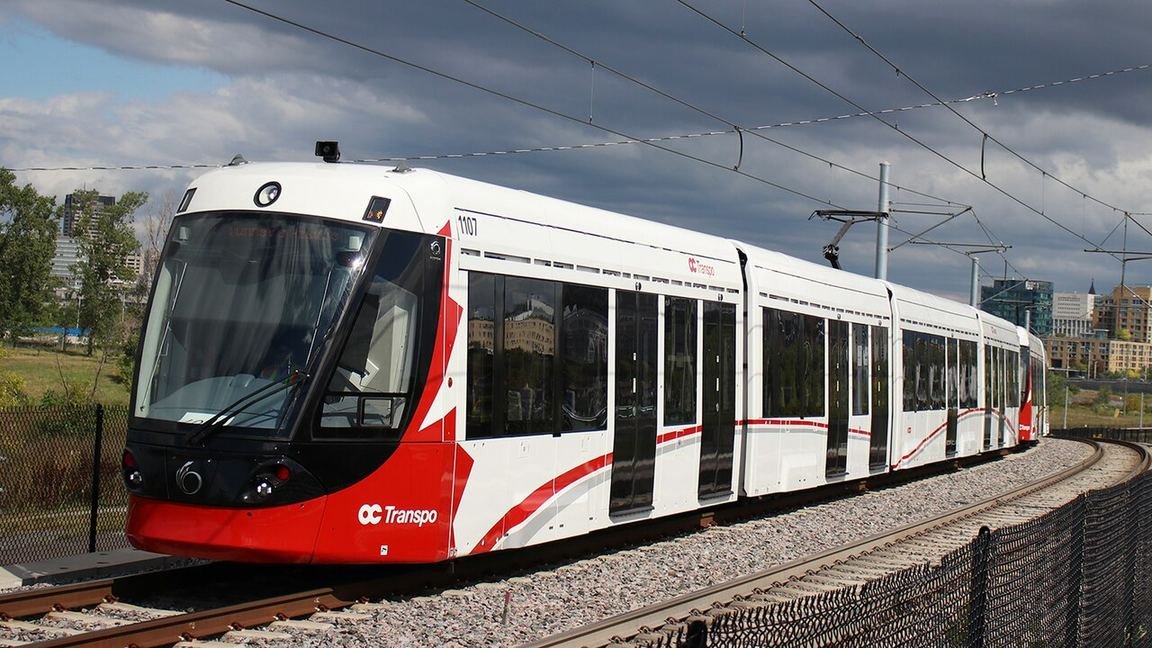
The O-Train Confederation Line (Line 1) is the tourist workhorse: it runs east–west right through the core, with stations at Rideau (market side), Parliament (downtown), and uOttawa (Sandy Hill). A single ride is $4.10 when you tap a contactless credit card ($4.15 cash) — no transit card required. I double-checked the current fare on OC Transpo’s official site before my last trip. → OC Transpo — official site
Everything else is walking: Parliament Hill to the market is 15 minutes on foot, the canal locks to Major’s Hill Park is five. The one thing I’d skip is driving — downtown parking runs $25–40 a day, and you will use the car exactly never. The only reason to rent is a day trip out to Gatineau Park, and even that has seasonal shuttle options.
Safety & accessibility notes
Ottawa is one of Canada’s safest big cities, and the tourist core feels it — I walked back to my ByWard Market hotel after dinner every night without a second thought. Normal big-city awareness applies after midnight around the market’s bar streets, and that’s about it. The O-Train stations all have elevators, and Parliament Hill’s tours and the major museums are wheelchair-accessible — I double-checked accessibility info on Ottawa Tourism’s official site, and it’s well documented.
Winter visitors, listen up: Ottawa in February is magical (Winterlude! the canal skateway!) but the sidewalks ice over and the wind off the river is no joke. Pack proper boots with grip, not fashion boots. I found this out the slippery way exactly once.
What does staying in Ottawa cost?
Hotel is the biggest line in an Ottawa budget — so unlike my other city guides, this calculator includes accommodation, folded into the last row at a typical double-occupancy room rate. Pick your travel style, tell the calculator how many days you’re staying, and it does the rest.
Budget calculator
Per person, in Canadian dollars. Includes accommodation (last row).
Budget ≈ $220/day · Mid-range ≈ $350/day · Luxury ≈ $600/day. Fares and rates checked October 2026.
| Expense (per person / day) | Budget | Mid-range | Luxury |
|---|---|---|---|
| Accommodation (double-occ. room) | $140 (Sandy Hill / Gatineau) | $220 (downtown hotel) | $360+ (landmark hotel) |
| Food & drink | $40 | $65 | $130 |
| Sights (museums, tours…) | $15 | $25 | $45 |
| Getting around (O-Train + walking) | $12 | $18 | $35 |
| Coffee, treats & souvenirs | $15 | $25 | $30 |
| Daily total | ~$220 | ~$350 | ~$600 |
FAQs about where to stay in Ottawa
Is Ottawa walkable for tourists?
Very. Parliament Hill, the Rideau Canal locks, the ByWard Market, the National Gallery, and Major’s Hill Park all sit within about two square kilometres — I walked the whole circuit in a morning, pastry in hand. The O-Train covers anything further (the Glebe, Westboro), so comfortable shoes genuinely are your whole transport plan.
Do I need a car in Ottawa?
No — and you’ll be happier without one. Every neighbourhood in this guide is served by the O-Train or frequent buses, and downtown parking runs $25–40 a day. The only reason to rent is a day trip to Gatineau Park, and even that has seasonal shuttle options. For the full no-car playbook, the transit section above has you covered.
How does the O-Train work for visitors?
The Confederation Line (Line 1) runs east–west through the tourist core — Rideau, Parliament, and uOttawa stations cover the market, downtown, and Sandy Hill. A single ride is $4.10 tapping a contactless credit card or phone at the gates ($4.15 cash) — no transit card needed. I double-checked the current fare on OC Transpo’s official site before my last trip; fares shift, so glance at it before you go.
Should I stay in Gatineau instead of Ottawa to save money?
Often, yes — Gatineau hotels typically run 20–30% cheaper than comparable Ottawa rooms, and the Museum of History’s terrace has the best Parliament view in the region. The trade-offs: you’re crossing a provincial border (and a river) every day, late-night transit thins out, and French is the default language — charming, but plan your late nights. It’s the best move for budget travellers with flexible evenings.
What’s the cheapest area to stay in Ottawa?
Sandy Hill (by the University of Ottawa) and Gatineau are the two budget anchors — expect roughly $100–200 a night versus $200+ downtown. The real steal: University of Ottawa residence rooms in summer, which I verified on the university’s official site — clean, central-ish, and priced for students, not tourists.
Is Ottawa worth visiting in winter?
Legit yes — if you like winter. The Rideau Canal becomes the world’s largest skating rink (weather permitting), Winterlude fills February with ice sculptures, and the museums are all gloriously heated. Pack for −15°C and boots with real grip: the wind off the river is no joke, and I found the sidewalks slippery exactly once before buying proper boots.
Keep exploring
Ottawa is just the start — here’s where I’d go next:
- Best area to stay in Gatineau — the deep dive on the Quebec side: Hull vs. Aylmer, museum views, and the French-first fine print
- Best hotels in Gatineau for tourists — hotel-by-hotel picks across the river
- Ottawa travel guide — the full planning companion: when to go, what to see, how to get around
- 1-day Ottawa itinerary — the sprint version: Parliament, the canal, and the market in one day
- Best area to stay in Quebec City — if your trip keeps rolling east, the same neighbourhood-by-neighbourhood treatment
- Where to stay in Vancouver for first-time visitors — the west-coast sibling guide
Pick your neighbourhood, book the room with the view, and I’ll see you at the market — I’ll be the one speed-walking toward the smell of cinnamon sugar.
1 comment