
Last updated: October 3, 2026
The short answer
- Healthcare isn’t free for visitors: Canada’s public system covers residents, not tourists — an ER visit can run ~$1,000 a day and an ICU stay ~$10,000 a day, all billed to you.
- Some visas make insurance the law: the Super Visa requires at least $100,000 of coverage for a full year from a Canadian (or OSFI-authorized) insurer, paid in full — and IEC/working-holiday insurance must cover your entire stay (medical, hospitalization, repatriation) or your work permit gets cut short to match it.
- Buy smart, not cheap: aim for $500,000+ in emergency medical coverage with repatriation included, add a winter-sports or adventure rider for the Rockies, and be ruthlessly honest about pre-existing conditions — that’s the #1 reason claims get denied.
I’ll be honest: travel insurance is the least fun part of planning a Canada trip, and it’s the one I used to rush through the fastest. Then I watched a friend spend an afternoon on the phone with an insurer from a Banff hostel hallway (long story, sprained ankle, no adventure rider), and I became the person who reads policy documents for fun. Well — fun is a strong word. But I do read them now, and after helping my friend’s family sort out Super Visa insurance for her mom last year, I know exactly where the traps are.
Here’s the thing: Canada is a big, glorious, expensive place to get sick or hurt in. The healthcare is world-class — and as a visitor, you will be billed world-class prices for it. These are my 10 essential Canada travel insurance tips for 2026 trips, with the visa rules I double-checked on official government sites, real cost ranges, and the fine-print lessons I learned so you don’t have to.
The non-negotiable basics
Tip 1: Accept that “free healthcare” doesn’t mean you
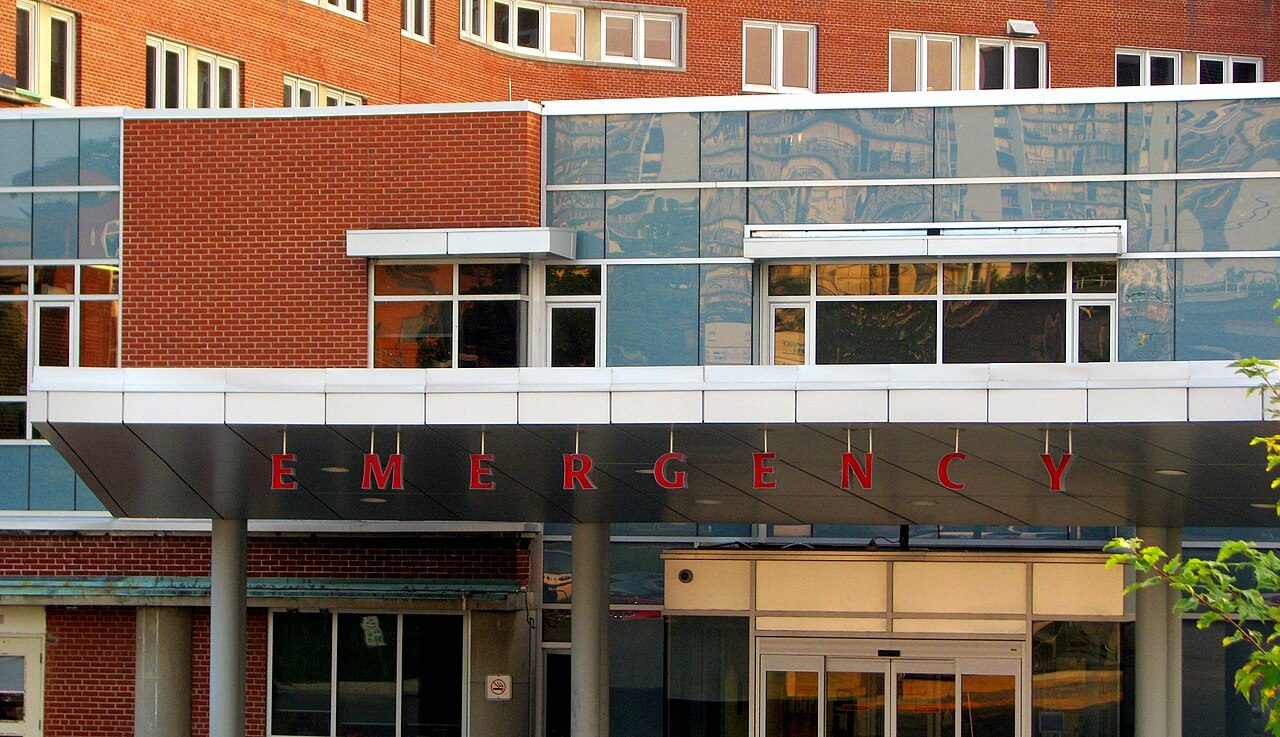
Canada’s publicly funded healthcare is genuinely wonderful — for residents. If you’re visiting, you’re a private patient in a very expensive market, and you’ll be expected to pay for everything from a clinic check-up to major surgery. Your home insurance almost certainly stops at the border (most US and European plans don’t cover international hospital stays or evacuations, and the ones that claim “out-of-network” coverage usually make you pay upfront and fight for reimbursement later). I learned this the spreadsheet-hard way the first time I priced out a hypothetical ER visit — and fair warning, the numbers below will rearrange your budget priorities.
Tip 2: Know the real price tags (they’re the whole argument)
For uninsured non-residents in 2026, the going rates look roughly like this (estimates — hospitals set their own non-resident fees, so treat these as the ballpark that convinced me):
- Walk-in clinic visit (sinus infection, minor stuff): ~$150–300
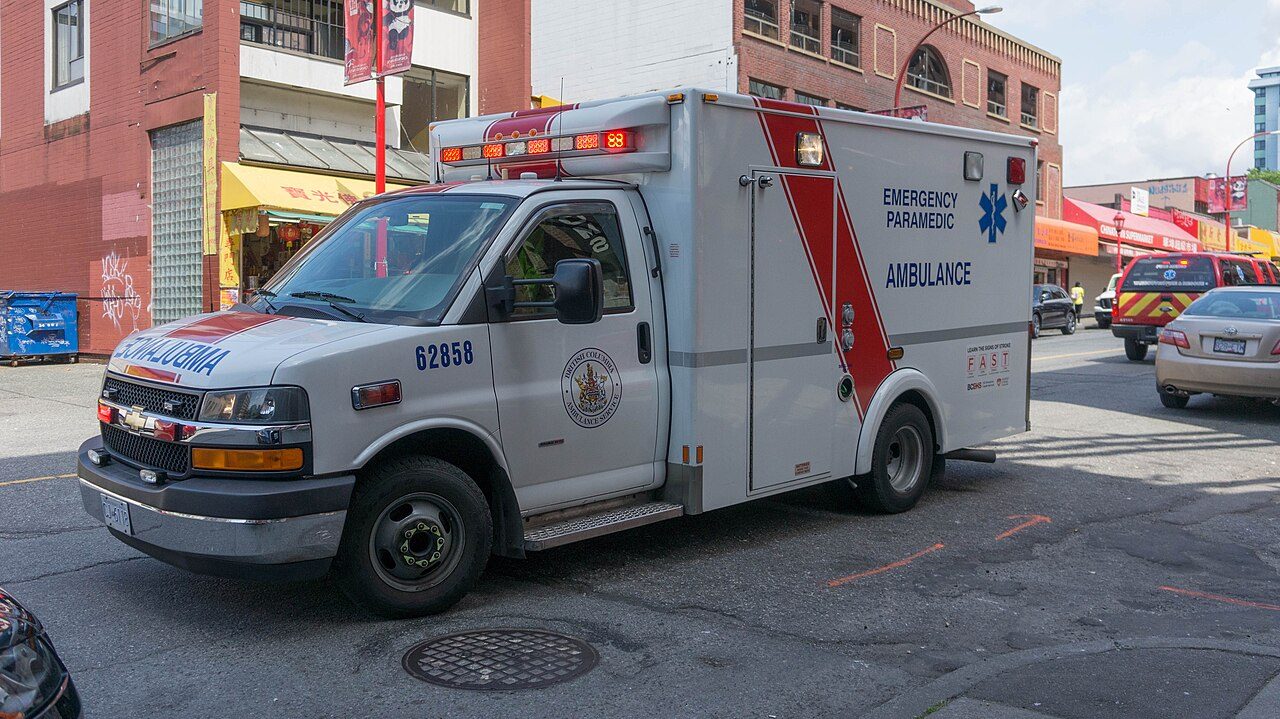
- Emergency room visit: ~$1,000+ per day before a single test is run
- ICU stay: up to ~$10,000 per day, before MRIs and specialists
- Emergency appendectomy: ~$50,000 all-in
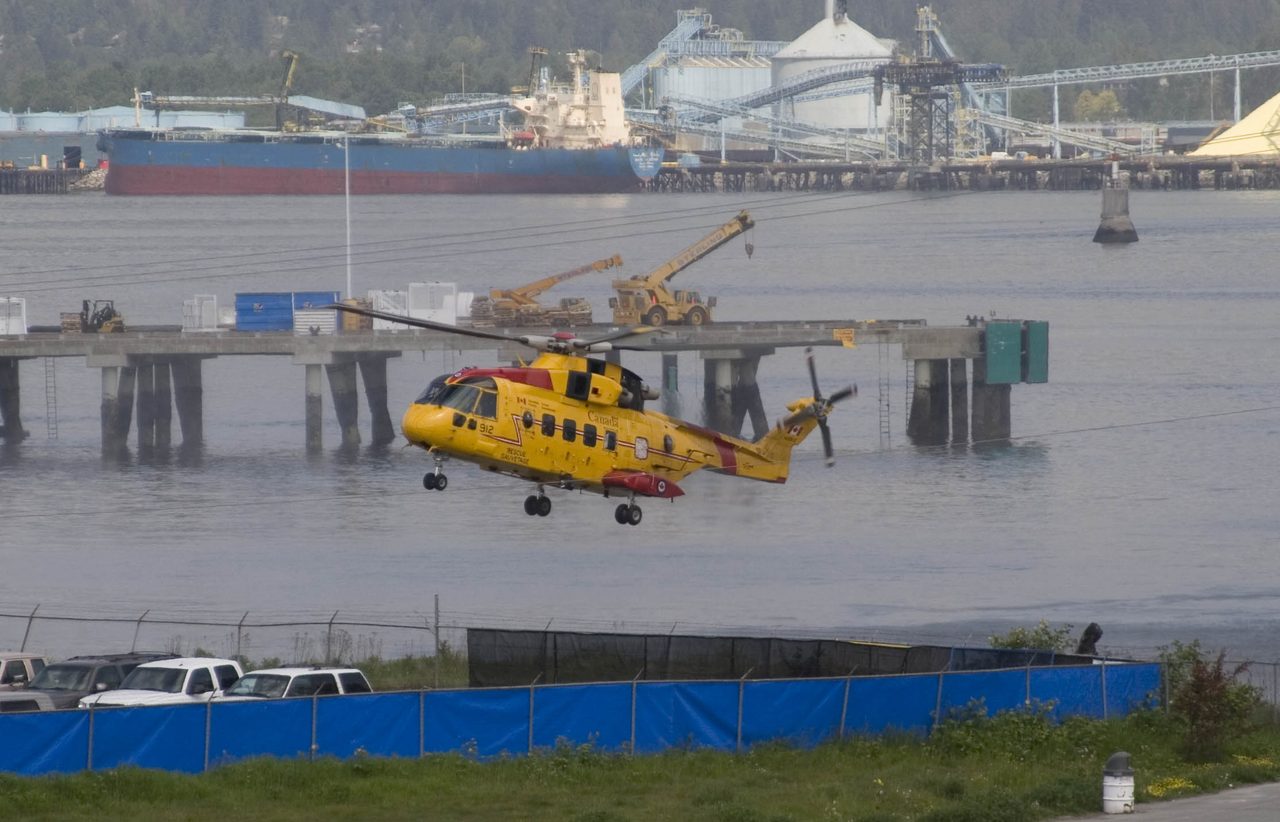
- Helicopter evacuation in the Rockies: ~$20,000+
The Government of Canada is blunt about it too — I read their official guidance while researching this, and they say visitors are strongly encouraged to buy private health insurance, and the government will not step in to pay your medical bills. Pro tip: save the 24/7 assistance number from your policy in your phone before you fly — when something goes wrong, that’s the number you call first, not your travel buddy.
When insurance is legally required
For most tourists, insurance is “strongly recommended.” For these two visa categories, it’s the law — and border officers can ask for proof.
Tip 3: Super Visa? Get $100,000 for a full year — paid, not quoted
If your parents or grandparents are applying for a Super Visa in 2026, the insurance rules are ironclad, and I double-checked every one of them on the official IRCC page before writing this (rules change — do the same before you buy). The policy must:
- Provide at least $100,000 CAD in emergency medical coverage per person
- Be valid for a minimum of 1 year (365 days) from the date of entry — even if the visit is shorter
- Cover health care, hospitalization, and repatriation
- Come from a Canadian insurance company — or, since January 2025, a foreign insurer authorized by OSFI (Canada’s financial regulator) and doing insurance business in Canada
- Be paid in full before you apply — a quote is not proof of insurance, and neither is a monthly plan without a deposit paid
Border officers can ask to see valid coverage when your parents land, so the policy has to be in force at entry, not just at application time. When I helped my friend’s family with this, the gotcha was the underwriter: the insurer (not the broker) must be the OSFI-listed company, so check the actual policy document, not the sales page. → IRCC — Super Visa health insurance requirements (official)
Tip 4: IEC / working holiday? Match your coverage to your whole stay
Young travellers on International Experience Canada (working holiday, young professionals, co-op) must carry insurance covering medical care, hospitalization, and repatriation for their entire intended stay. Here’s the part that bites: if your policy is shorter than your planned stay, the officer can issue your work permit only up to your insurance expiry date — and you can’t extend it later just by buying more insurance. Show up with 6 months of coverage and a 2-year plan, and you may walk out with a 6-month permit.
IRCC’s own help centre recommends buying only after you receive your port-of-entry letter so the dates line up exactly, and keeping a hard copy of the certificate in your carry-on. Trust me on this one: the border is not where you want to discover your repatriation clause is missing. → IRCC — what type of insurance do I need for IEC? (official)

What your policy actually needs to cover
Tip 5: Aim high on emergency medical — $500,000 minimum, repatriation included
Don’t shop on price alone; shop on the emergency medical limit. Given the costs above, I wouldn’t touch a policy under $500,000 CAD, and many solid plans offer $1–5 million (some even “unlimited”). Non-negotiable inclusions:
- Emergency medical and hospitalization — the big number
- Medical repatriation — flying you home by air ambulance or nurse-accompanied commercial flight if you’re too sick to continue; without it, your family could face a $20,000–$100,000 bill
- Emergency dental — usually capped, but check the cap
- Trip interruption — if a respiratory bug or mandatory isolation strands you, you don’t want to fund ten extra hotel nights yourself
Tip 6: Add the adventure or winter-sports rider for the Rockies
Standard policies love the word “hazardous,” and they’ll apply it to exactly the activities you came to Canada for: skiing at Whistler, hiking in Banff, mountain biking, backcountry anything. Off-piste skiing, technical climbing, and downhill bike parks are frequently excluded unless you buy the rider. A helicopter evacuation in the mountains can top ~$20,000 — and basic plans often cover the hospital after the rescue, not the search and rescue itself. I’ll be honest: I once watched a hiker get airlifted off a trail near Lake Louise (he was fine, just a bad ankle in a bad spot), and my first thought was I really hope he bought the adventure rider.
I found the Government of Canada’s adventure-travel guidance on travel.gc.ca, and it says it plainly: buy insurance based on your planned activities, check exclusions for your specific sports, and carry a high-limit credit card plus emergency cash because you may have to pay for rescue upfront even with coverage. Planning a ski trip? Our 3-day Whistler itinerary and Banff travel guide are the trips this rider was made for. → Government of Canada — travel insurance factsheet (official)


The fine print that denies claims
Tip 7: Be ruthlessly honest about pre-existing conditions
The number one reason claims get denied is an undisclosed pre-existing condition — anything you had before the policy started. Many Canadian insurers will cover stable conditions (“stable” usually means no new symptoms, no treatment changes, no new medications for 90–180 days), but the stability clause is where people get caught: if your doctor tweaked your blood pressure meds two months ago, a heart-related emergency might not be covered.
My rules, learned from reading too many claim-denial stories so you don’t star in one:
- Answer the medical questionnaire like it’s a legal document — because it is. One wrong date can void the whole policy.
- Make sure your medical records match your application exactly; insurers check for large claims.
- Buy early: many plans offer a pre-existing condition waiver if you purchase within days of booking.
- Carry a list of medications and dosages with your passport — it speeds up both treatment and claims.
Also note the standard exclusions: injuries involving drugs or alcohol, elective procedures, routine check-ups, and (usually) skydiving-level activities without the rider. And if you’re over 65, expect a detailed questionnaire and higher premiums — be meticulous, not optimistic.
Protect the money, not just the body
Tip 8: Insure the trip investment too — cancellation, interruption, and gear
Canada is huge, and the flights between provinces aren’t cheap — a Toronto–Vancouver round trip alone can run several hundred dollars. Trip cancellation/interruption coverage protects what you’ve prepaid if an emergency at home cuts the trip short, and “cancel for any reason” add-ons exist if you want maximum flexibility (at a price — do the math on whether it’s worth every penny for your trip).
And the gear: visitors haul expensive kits across Canada — cameras, bikes, winter layers. Standard baggage limits are low, with per-item caps that won’t replace a good laptop or a carbon bike. Photograph your gear, keep digital receipts, and consider scheduling high-value items. If something’s stolen, get a police report within 24 hours — insurers will ask. Doing the big drive? Read our Canada road trip tips before you load the car.

File the claim right, and pay less for the policy
Tip 9: Call the 24/7 line first, document everything
The golden rule: call your insurer’s 24/7 assistance line the moment something happens — many policies require it before non-emergency care, and they can direct you to clinics with direct billing (they pay the hospital directly, keeping thousands off your credit card). In a true emergency, get to the ER first and have someone call once you’re stable.
Then build the paper trail: discharge summaries, prescriptions, itemized bills, airline delay letters — a single missing receipt can stall reimbursement for weeks. Keep a digital folder with your certificate, itinerary, and medical reports, and log every call (date, name, what was said). Following up politely but persistently is a game-changer; adjusters handle hundreds of files, and the squeaky wheel gets processed.
Tip 10: Raise the deductible and compare both sides of the border
Two levers lower your premium: a higher deductible (a $500 deductible can cut the price noticeably — just make sure you could actually pay it) and shopping around. Compare international brands against Canadian insurers; for long stays, Canadian companies sometimes have better provider networks and sharper rates. And never let a policy lapse mid-trip to “save” a few weeks of premiums — a gap in coverage is exactly when things happen. (I know someone. It happened. It was expensive.)
How much does Canada travel insurance cost in 2026?
Premiums swing wildly with age, health, trip length, and coverage level — but here are realistic 2026 ballparks from my research (all estimates, CAD; your quote will differ):
| Policy type | Typical premium (CAD, estimate) |
|---|---|
| Super Visa insurance, ~60 years old, 1 year, $100K+ coverage | ~$1,200–2,500/year |
| Super Visa insurance, ~70 years old, 1 year, $100K+ coverage | ~$3,200–4,500+/year |
| Visitor emergency medical, healthy adult, 30 days, $1M+ coverage | ~$75–200 |
| IEC / working holiday, young adult, 1 year, full coverage | ~$300–600 |
| Winter sports / adventure rider add-on | ~$5–15/day |
| Trip cancellation/interruption (mid-range plan) | ~$40–90 per $2,000 of trip cost |
Budgeting the whole trip? See our Montreal travel cost guide for how insurance fits into a realistic daily budget.

FAQs about Canada travel insurance
Is travel insurance mandatory to visit Canada in 2026?
For regular tourists, it’s strongly recommended but not legally required — though border officers can ask how you’d pay for a medical emergency, and can refuse entry if you’re not convincing. For Super Visa applicants ($100,000 minimum for 1 year, paid in full) and IEC/working-holiday participants (medical, hospitalization, and repatriation for the entire stay), insurance is a legal requirement. I treat it as mandatory regardless: one ER visit costs more than a decade of premiums.
What must Super Visa insurance cover, exactly?
At least $100,000 CAD in emergency medical coverage, valid for a minimum of one year from the date of entry, covering health care, hospitalization, and repatriation. It must come from a Canadian insurance company — or, since January 2025, a foreign insurer authorized by OSFI and doing business in Canada — and it must be paid in full (or in instalments with a deposit) before you apply. A quote is not proof. Always confirm the current rules on IRCC’s official Super Visa page, since requirements change.
Does my US health insurance or credit card cover me in Canada?
Usually not enough. Most domestic US and European plans exclude international hospital stays and emergency evacuation; “out-of-network” coverage typically means you pay the full Canadian bill upfront and claim reimbursement later. Credit card travel insurance is often secondary, capped low, and riddled with exclusions (adventure sports, pre-existing conditions, trip length limits). Read the actual certificate — if the emergency medical limit isn’t at least $500,000 with repatriation, buy a standalone policy.
Do I need special coverage for skiing or hiking in Canada?
Very likely yes. Standard policies frequently exclude “hazardous activities” — off-piste skiing, technical climbing, downhill mountain biking, and sometimes even backcountry hiking. If you’re skiing at Whistler or hiking in Banff, add a winter-sports or adventure rider and confirm it covers search and rescue, not just the hospital stay afterward. A mountain helicopter evacuation alone can top ~$20,000.
What happens if I need medical care in Canada without insurance?
You’ll be treated — then billed as a private patient at non-resident rates: roughly ~$150–300 for a walk-in clinic visit, ~$1,000+ per day for an ER visit before tests, and up to ~$10,000 per day for ICU care. Hospitals expect payment, and the Government of Canada will not pay your bills. What I read on travel.gc.ca warns that foreign hospitals may demand immediate cash payment and that you could face years of debt from one incident.
How do pre-existing conditions affect my travel insurance?
Many Canadian insurers cover stable pre-existing conditions — typically defined as no new symptoms, treatment changes, or new medications for 90–180 days before the policy starts. The critical part is the medical questionnaire: answer it with total accuracy, because insurers verify medical records on large claims and a single omission can void the policy. Buying your policy soon after booking often unlocks a pre-existing condition waiver — one of the easiest wins in travel insurance.
Keep exploring
- The Ultimate 2026 Banff Travel Guide: Plan Your Trip
- The Ultimate 3 Days in Whistler Itinerary for 2026
- 15 Essential Canada Road Trip Tips for Your 2026 Journey
- Montreal Travel Cost 2026: Daily Budget & Expense Guide