
Last updated: October 5, 2026
The short answer
- The shortlist: Toronto, Vancouver, Montreal, Quebec City, Ottawa, Calgary, Victoria, Halifax, St. John’s, and Edmonton — ranked by first-timer value, not just size.
- Before you fly: most visa-exempt visitors need an eTA (CAD $7, apply on canada.ca a few days ahead), and summer is the sweet spot for almost everywhere except the Rockies gateways, which shine in winter too.
- How to use this guide: I’ve ranked these by the trips I’d plan for a friend — with honest notes on cost, crowds, and the mistake I made in each city so you don’t have to.
Here’s the thing about Canada: it’s so big that “which city should I visit” is really a logistics question disguised as a travel question. I learned this the hard way on my first multi-city Canada trip, when my spreadsheet — yes, color-coded, obviously — had Toronto, Montreal, Quebec City, Vancouver, AND Victoria in a single week. I spent more time in airport security lines than I did eating poutine. Never again.
So I rebuilt the plan from scratch, visited all ten cities on this list properly (some more than once — I’ve walked Toronto’s waterfront trail four times now), and ranked them the way I’d rank them for a friend: which ones are worth the flight, which ones pair well together, and which ones surprised me. This guide uses 2026 facts checked in October 2026. Fair warning: some of these cities will try to seduce you into moving there. It happens to everyone.
The big three: Toronto, Vancouver, and Montreal
If you’re visiting Canada for the first time, start here. These are the three cities everyone argues about, and honestly they’re all right — they’re just different trips wearing the same maple leaf. Do not skip all three in your lifetime. Trust me on this one.
1. Toronto — Canada’s biggest, busiest, most delicious city
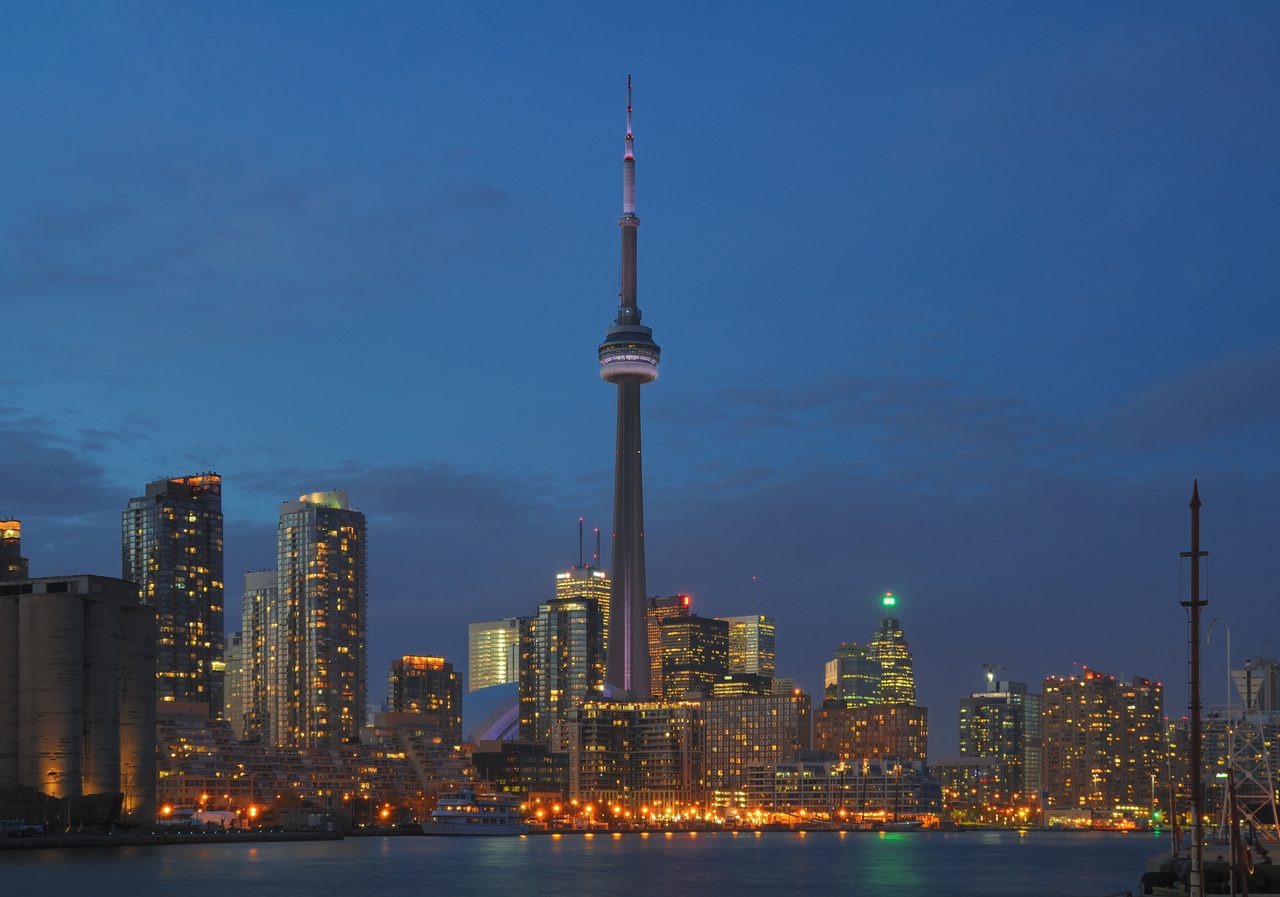
Toronto is where most people land, and it’s a game-changer as a first stop: the CN Tower, the harbourfront, and the most diverse food scene in the country, all in one very walkable downtown. I’ll be honest — I arrived with low expectations (“it’s just the business city, right?”) and left obsessed with Kensington Market, where I ate my way through three countries’ worth of snacks in one afternoon. My spreadsheet now has a dedicated tab just for Toronto restaurants.
What to actually do: ride up the CN Tower (pro tip: book the first morning slot — I showed up at noon on a Saturday once. Never again), walk the waterfront trail from Harbourfront to the Distillery District, and take the ferry to the Toronto Islands for the skyline view. I timed the walk from Union Station to the ferry docks — 20 minutes, and yes, I did it on purpose, because transit nerds gotta nerd. Planning a longer stop? See our 3-day Toronto itinerary for the full day-by-day plan.
→ Destination Toronto — official visitor guide
2. Vancouver — the one with the mountain view behind everything
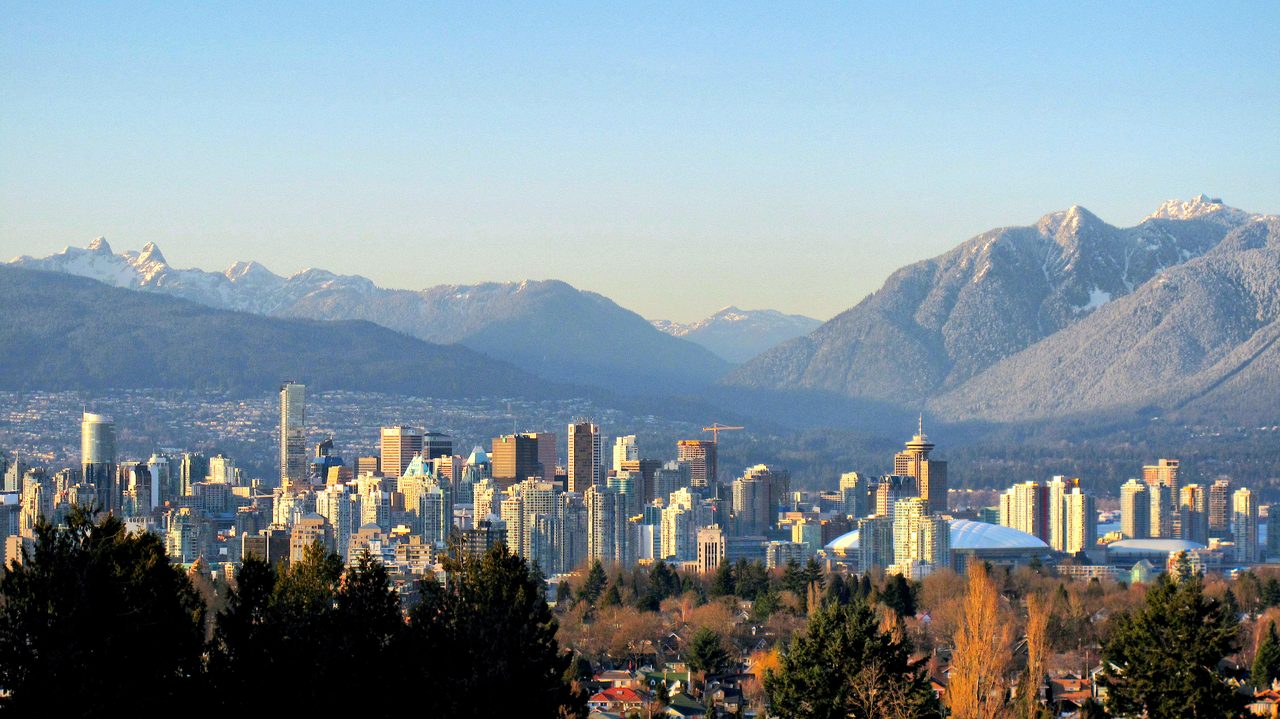
Vancouver is the prettiest city on this list and it isn’t close. Mountains on one side, ocean on the other, and Stanley Park’s seawall — a 10 km waterfront loop — running right through the middle of it. I’ve biked the seawall three times now, and here’s the thing: it’s the single best free activity in any Canadian city, full stop. I double-checked the bike rental options on the official tourism site before I went, and the rental shops by the park entrance are exactly where they say they are.
My confession: I once tried to do Grouse Mountain and the seawall in the same morning. The seawall won, my calves lost, and I spent the afternoon napping in Stanley Park like a very happy lizard. Worth every penny of the ferry ride over to Granville Island for the public market afterward — go hungry. For the full plan, see our 2-day Vancouver itinerary.
→ Destination Vancouver — official visitor guide
3. Montreal — the city that parties in two languages
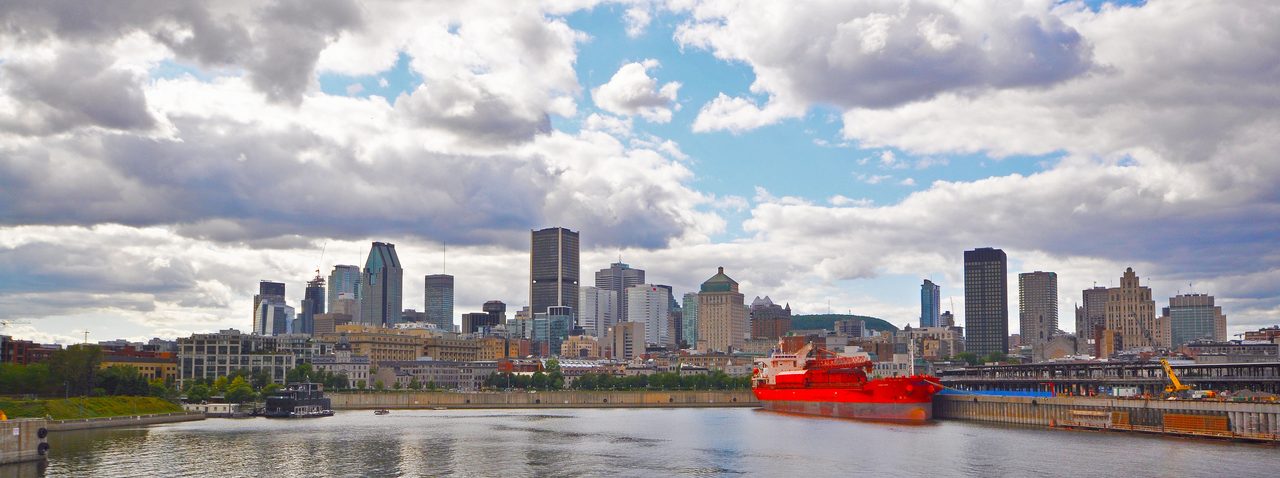
Montreal is my personal favorite, and I’ll fight anyone about it (lovingly, in French). The Old Port, Mount Royal’s lookout, the underground city for winter escapes — but the real Montreal is the food: smoked meat at Schwartz’s, bagels warm from the bag on Rue Saint-Viateur, and poutine that ruins all other poutine. I ate a bagel approximately four minutes out of the oven at St-Viateur and understood, immediately, why people have opinions about this. Fair warning: you will develop strong opinions about bagels too.
Here’s my lesson learned: Montreal’s metro is genuinely great — tap on, tap off — but the city rewards walkers. I planned my days by neighborhood (Old Montreal, the Plateau, Mile End) instead of by attraction, and it was the best planning decision of the whole trip. A server in the Plateau told me to skip the restaurant row and eat at the counter of a random casse-croûte instead; she was right, and I still think about that hot dog. See our 2-day Montreal itinerary for the neighborhood-by-neighborhood version.
→ Tourisme Montréal — official visitor guide
French-Canadian charm and capital culture: Quebec City and Ottawa
4. Quebec City — Europe without the transatlantic flight
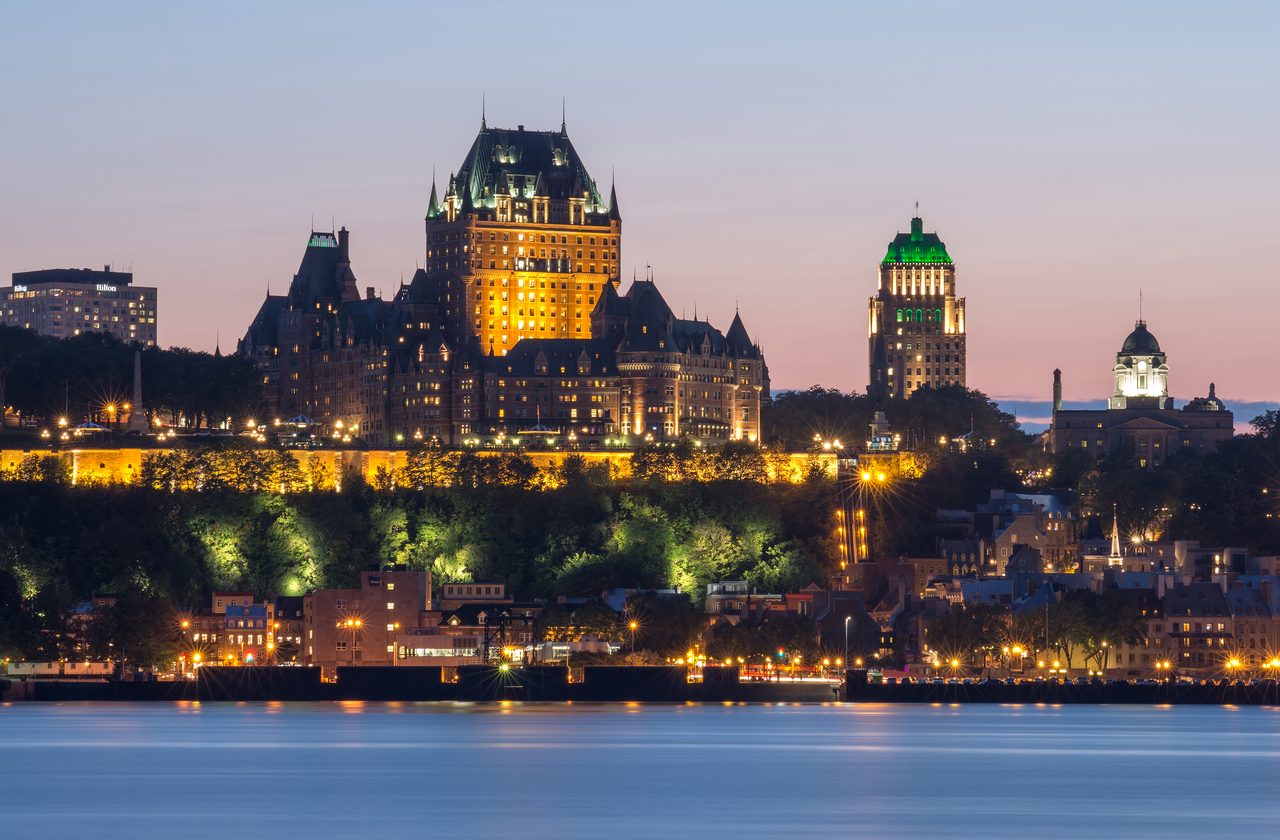
Quebec City is the most romantic city in Canada — old stone streets, the Château Frontenac looming over everything like a storybook castle, and the only walled city north of Mexico. I went in December once for the Christmas market and again in July, and I’ll be honest: both were perfect, but the winter version with snow on the rooftops made me gasp out loud on the ferry from Lévis. Pro tip: take that short ferry across the river just for the skyline view — it’s a few dollars and the best photo in the city.
The Old Town is compact (my feet can confirm), so two days is plenty — one for Upper Town and the Citadelle, one for Lower Town’s Petit-Champlain and the funicular between them. I double-checked the funicular’s seasonal schedule on the official Quebec City tourism site before I went — it runs year-round, but hours shift, so check before you plan around it. Our 3-day Quebec City itinerary covers the full old-town deep dive.
→ Québec City Tourism — official visitor guide
5. Ottawa — the capital that sneaks up on you
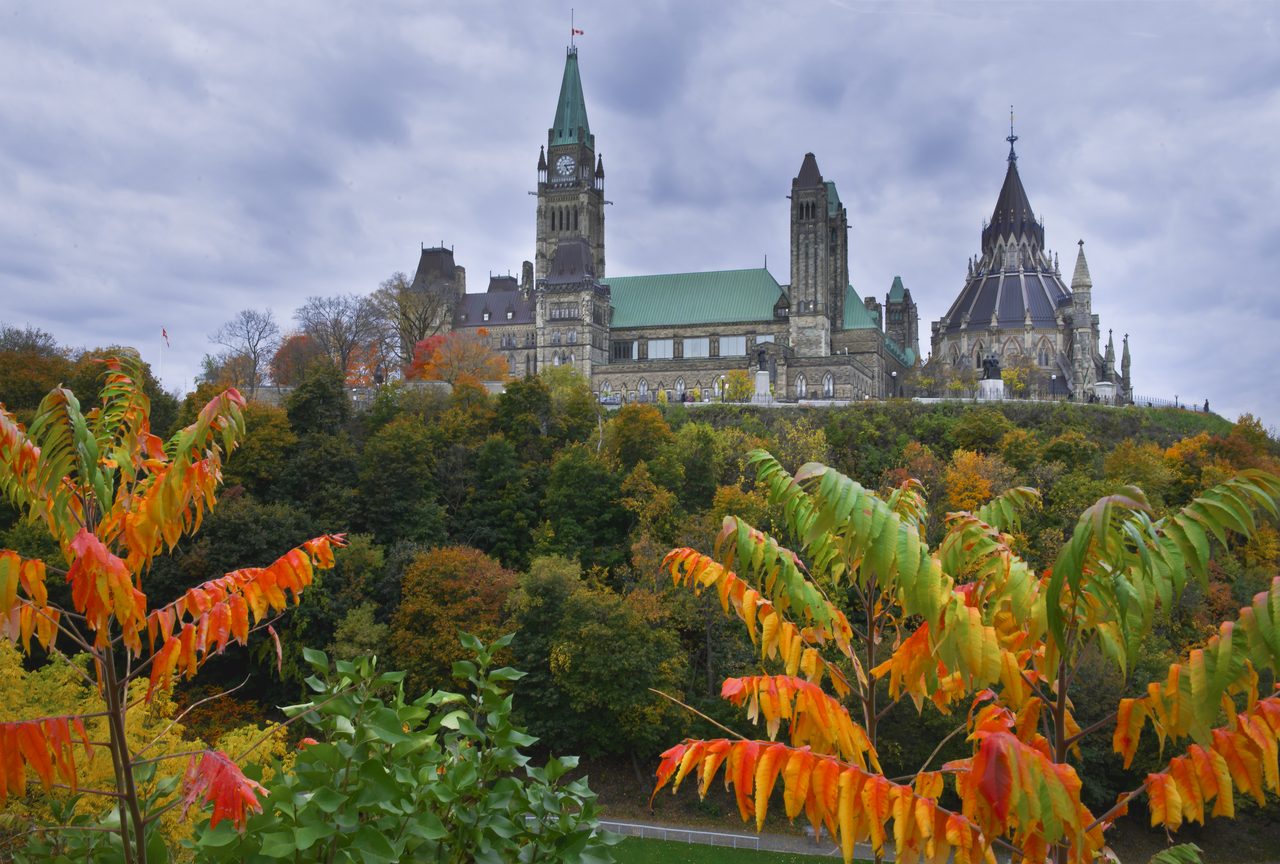
Nobody puts Ottawa at the top of their list, and that’s exactly why it surprised me. Parliament Hill is genuinely impressive in person (I watched the Changing of the Guard in summer and felt weirdly emotional about it), the Rideau Canal becomes the world’s largest skating rink in winter — a UNESCO site, 7.8 km of it — and the museum lineup punches way above its weight. I showed up expecting a sleepy government town and left with a skating selfie and strong opinions about beavertails. The cinnamon-sugar one. Trust me on this one.
It’s also the easiest add-on in the country: the train from Toronto is about 4.5 hours, and Montreal is 2 hours away. I paired it with Montreal on my second trip and it was the smoothest two-city combo I’ve ever planned — my spreadsheet barely broke a sweat. One full day is plenty if you’re just passing through.
→ Ottawa Tourism — official visitor guide
Out west: prairies, peaks, and gardens — Calgary and Victoria
6. Calgary — the Rockies’ front door (with a festival problem, in the best way)
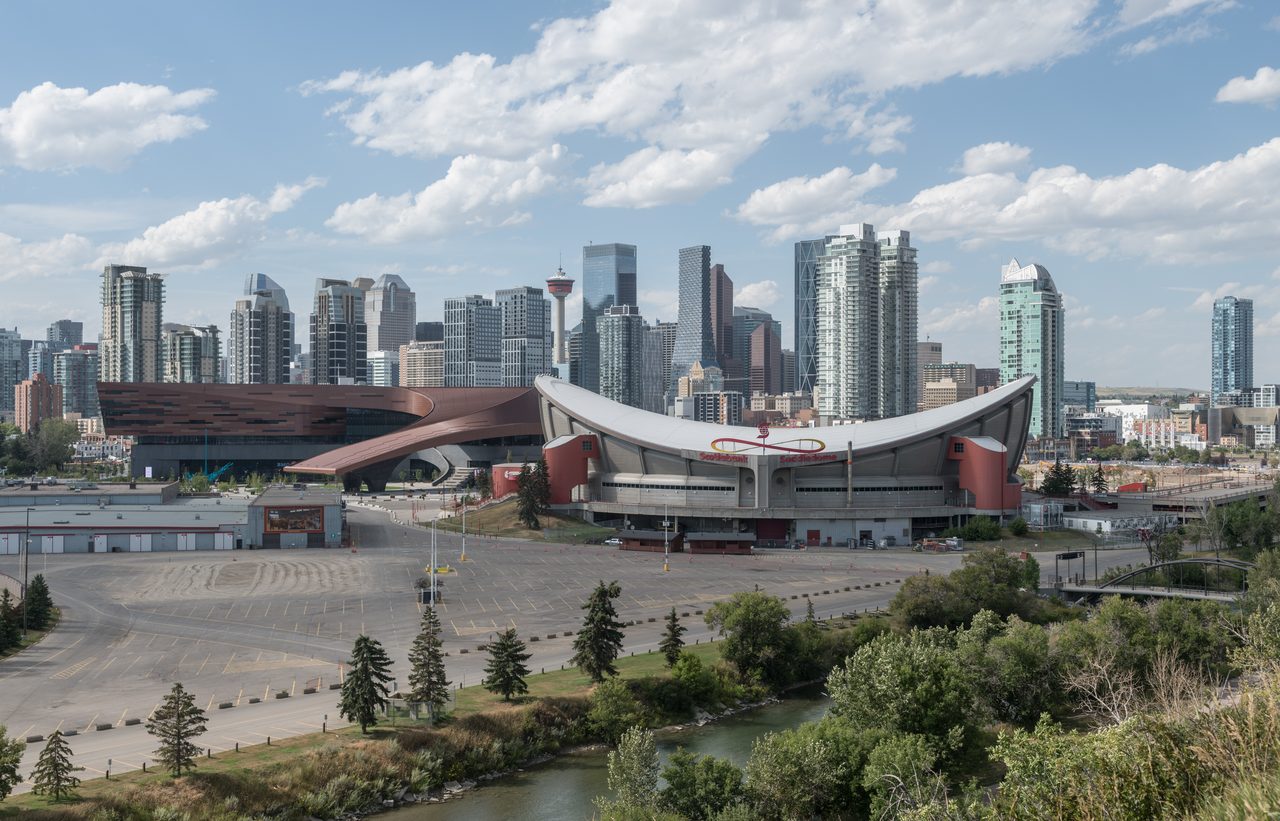
Calgary is the launchpad city: 1.5 hours from Banff, and the reason most Rockies trips start here. But here’s the thing — it’s worth a couple of days on its own. The Calgary Stampede (ten days every July) turns the entire city into the self-proclaimed Greatest Outdoor Show on Earth, and I went in expecting tourist kitsch and left wearing a cowboy hat I still own. The Bow River pathway system is also fantastic — I rented a bike and rode 15 km without leaving the river, and I timed it, because of course I did.
Practical note from my planner brain: fly into Calgary, not Banff (there’s no commercial airport in Banff). The drive west on the Trans-Canada toward the mountains is one of the great approaches in travel — the Rockies just appear, all at once, and every passenger gasps. Give the city itself three days, then point the car west.
→ Visit Calgary — official visitor guide
7. Victoria — the garden city that runs on tea and sea air
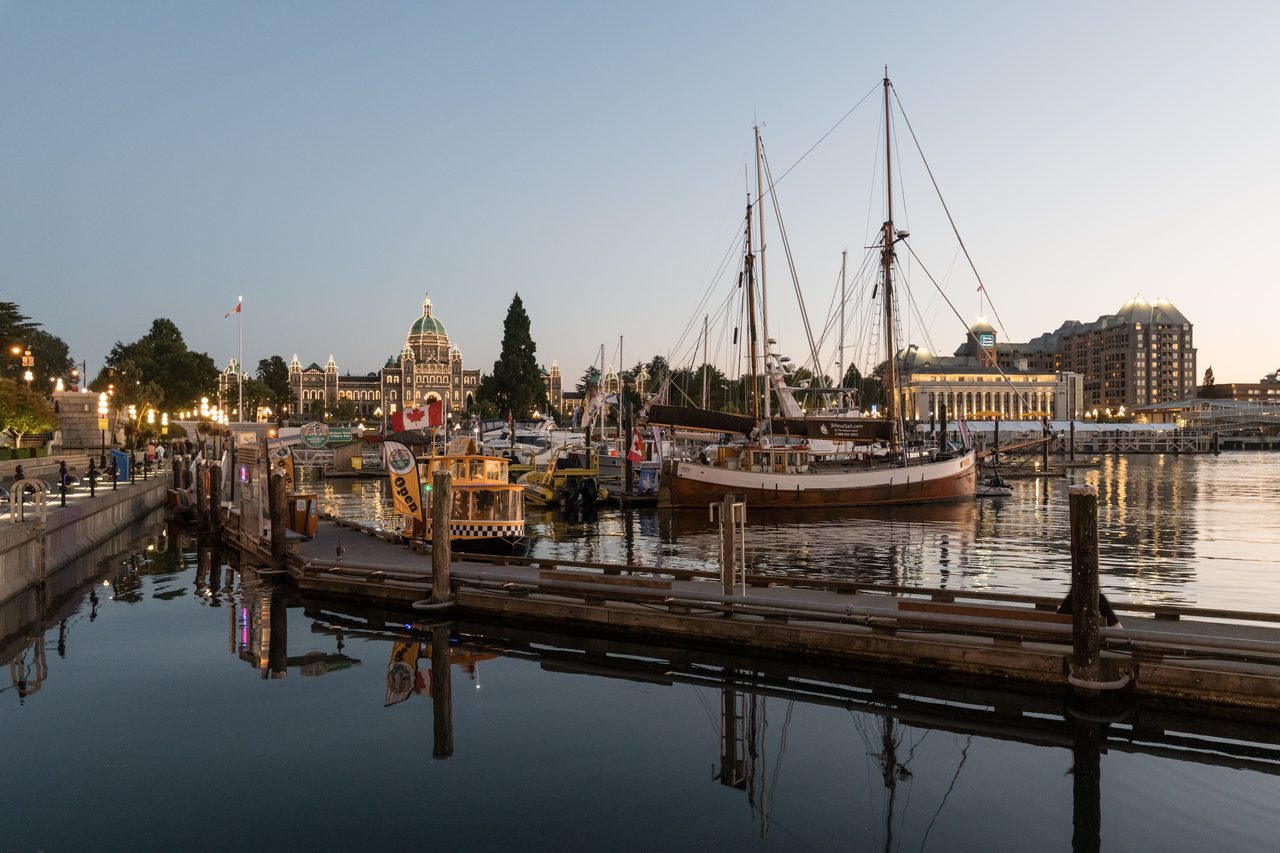
Victoria sits on Vancouver Island, a 1.5-hour ferry from Vancouver, and it feels like a different country — all hanging flower baskets, afternoon tea, and the Inner Harbour glowing at dusk. Butchart Gardens is the headliner (55 acres, and I’ll be honest, I thought “gardens” would be a 45-minute stop — I stayed four hours), and the Royal BC Museum is excellent. I went for high tea at the Empress because when in Victoria, and it was worth every penny — the building alone is worth the walk-by.
My mistake to save you from: I underestimated how chilly the harbour wind is, even in May. Pack a layer — I bought a scarf I didn’t need for the rest of the trip, and I have no regrets because it was that or shiver through the harbour walk. The ferry ride itself is part of the experience (watch for orcas — I didn’t see any, but the woman next to me did, and her scream of joy was the highlight of my crossing). Two days is the sweet spot: one for the gardens and Inner Harbour, one for getting gloriously lost.
→ Tourism Victoria — official visitor guide
East Coast gems and an underrated prairie pick
8. Halifax — small city, enormous personality
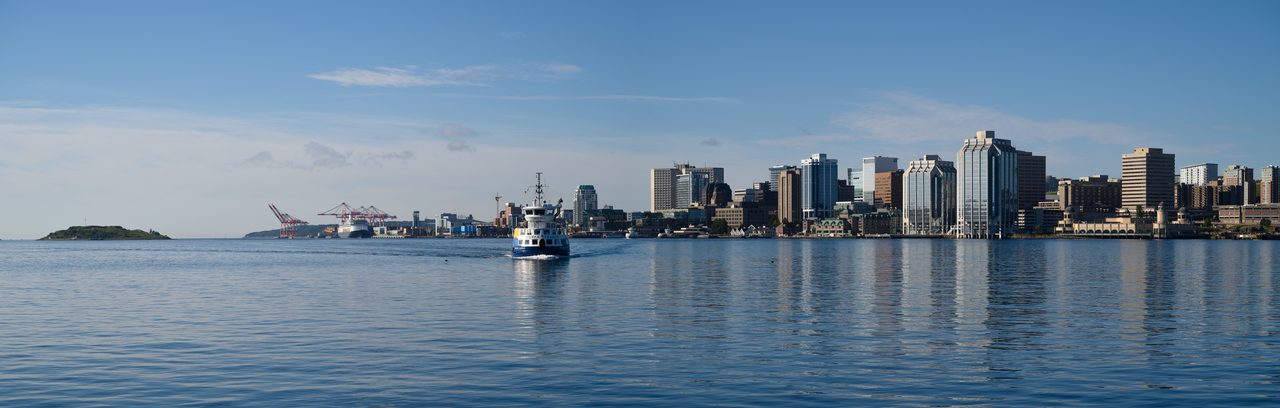
Halifax is the friendliest city on this list — the Maritimes’ capital of good cheer, live music, and donairs (the official food of Halifax, and yes, it’s a whole thing). The waterfront boardwalk is one of the longest downtown boardwalks in the world, the Citadel fortress looms over everything, and the pub scene on a Friday night is genuinely legendary. A bartender on Argyle Street told me Halifax has more pubs per capita than almost anywhere in Canada — I didn’t verify the statistic, but after that night, I believe him.
It’s also your gateway to the rest of Nova Scotia: Peggy’s Cove is 45 minutes away, and the Cabot Trail is the bucket-list drive. I did Halifax as a long weekend and wished I’d added two days — the city itself needs two, and the day trips need two more. Our 3-day Halifax itinerary has the full plan.
→ Discover Halifax — official visitor guide
9. St. John’s — the edge of the continent, in the best way
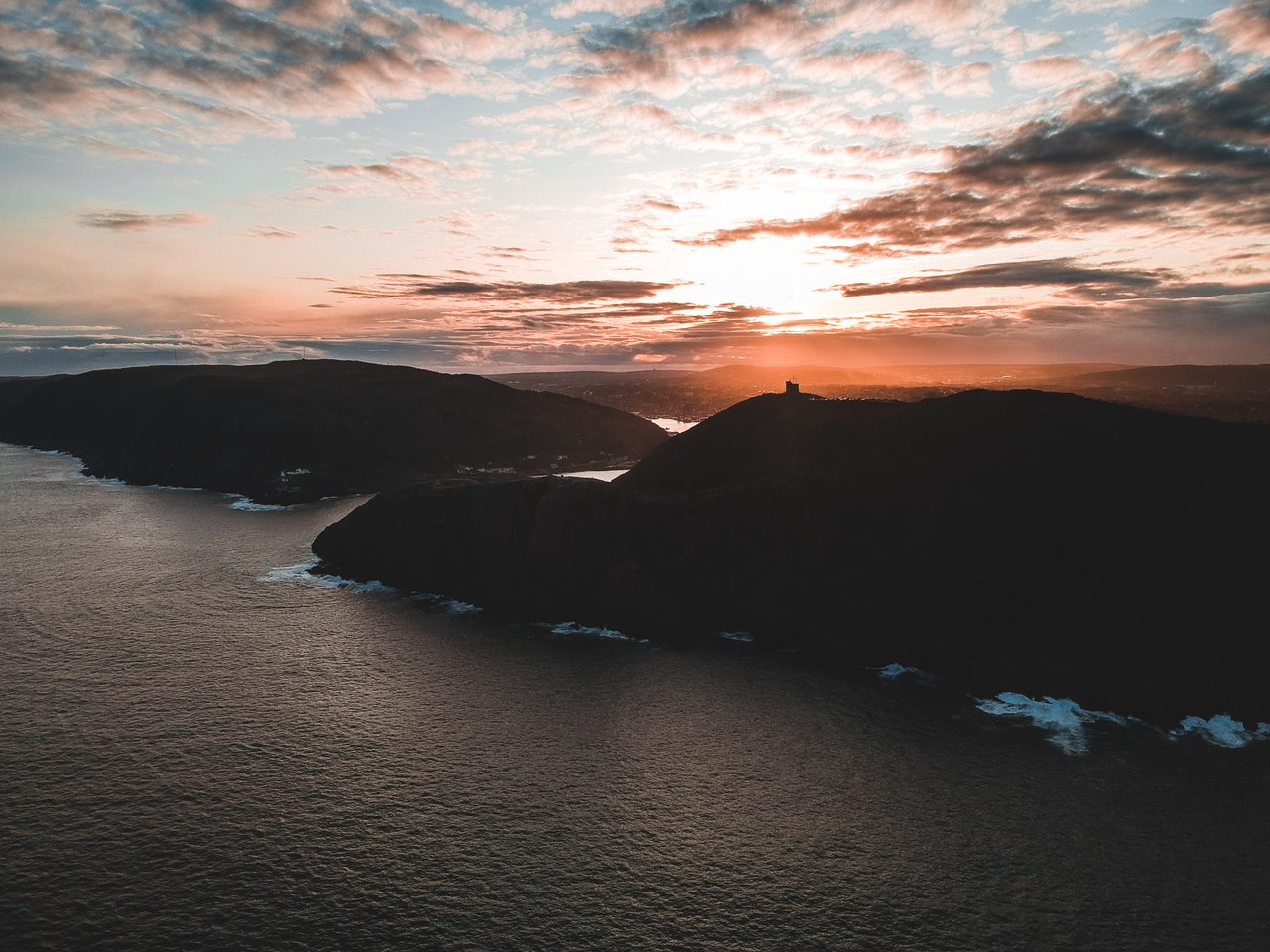
St. John’s is the farthest-flung city on this list — the oldest city in North America, perched on the eastern edge of Newfoundland — and that’s exactly the point. Jellybean Row’s rainbow houses, Signal Hill’s views over the Narrows, George Street’s famous two-block bar strip, and a local culture so distinct it feels like visiting a friendly foreign country. I’ll be honest: the flight is long and not cheap, but standing on Signal Hill watching the sun come up over the Atlantic, I understood why Newfoundlanders are so fiercely proud of this place.
Fair warning from my spreadsheet’s weather tab: St. John’s is famously foggy and windy. Pack layers and a flexible attitude — I lost one viewpoint to fog and gained the best fish and chips of my life in the same afternoon, so it balanced out. Every local I asked said the same thing: “If you don’t like the weather, wait five minutes.” They were right.
→ Destination St. John’s — official visitor guide
10. Edmonton — the underrated one (and your wallet will thank you)
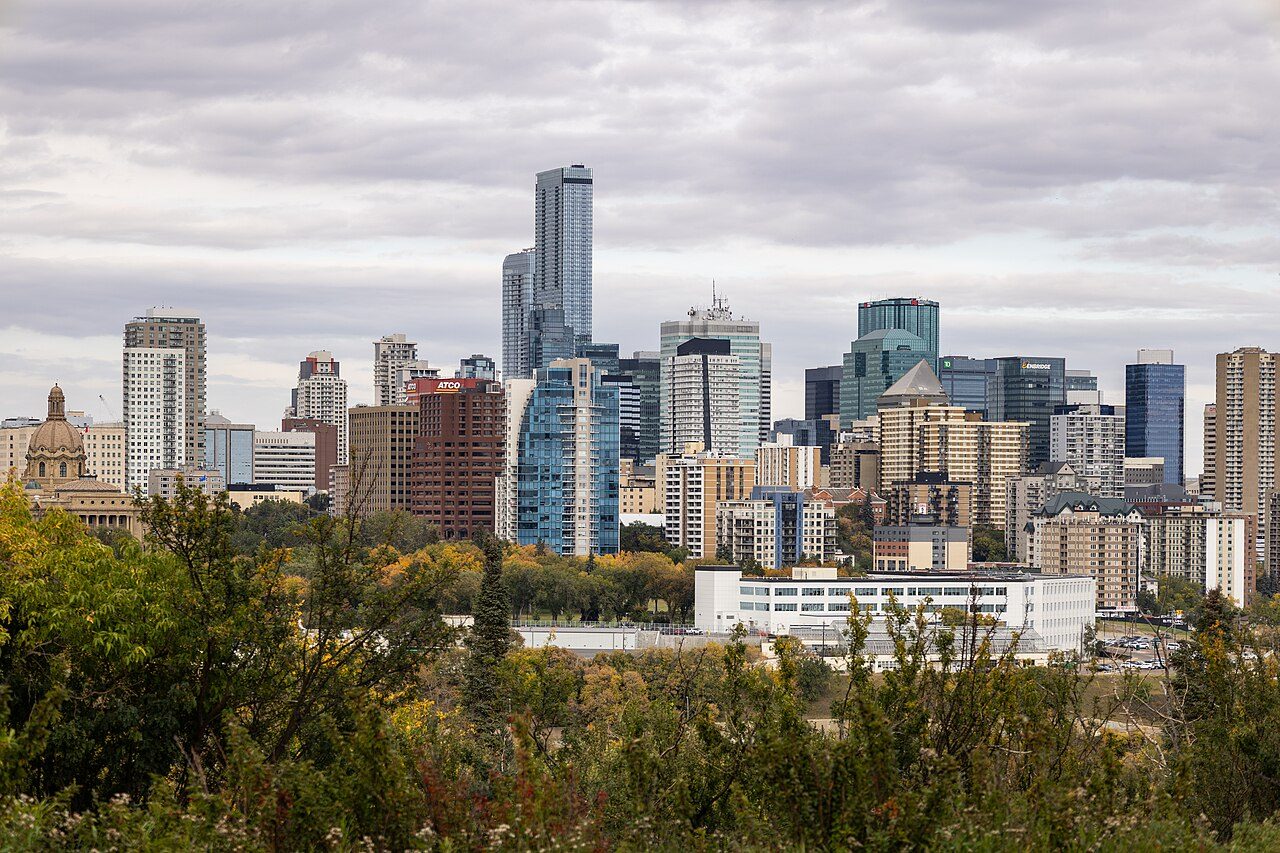
Every list needs a dark horse, and Edmonton’s mine. It’s affordable, it’s got the massive river valley park system (bigger than New York’s Central Park — I double-checked that claim on the city’s official site because it sounded made up, and it’s real), the West Edmonton Mall is absurd in the best way, and the summer festival season is relentless. I went during the Fringe Festival — the largest fringe theatre festival in North America — and saw four shows in two days for less than one Toronto dinner.
Here’s why it made the top 10: it’s the cheapest major city to visit in Canada, it’s the gateway to Jasper and the northern Rockies, and the locals are almost aggressively welcoming. It’s not as polished as Calgary, and that’s the charm. My hotel was half the price of my Calgary one, and the river valley trails were empty at sunrise. Do not skip it if you’re doing an Alberta trip.
→ Explore Edmonton — official visitor guide
How much do Canada’s best cities cost?
The honest answer: it varies wildly, and your city choice is the biggest lever. Here’s my planner-brain breakdown of typical daily costs per person (mid-range travel style — decent hotel, one nice meal, transit, one paid attraction). Everything marked ~ is an estimate based on my own trips, checked October 2026:
| City tier | Cities | Daily budget (CAD, ~) |
|---|---|---|
| Premium | Vancouver, Toronto | ~$250–350 |
| Mid-range | Montreal, Quebec City, Ottawa, Calgary, Victoria | ~$200–280 |
| Best value | Halifax, Edmonton, St. John’s* | ~$150–230 |
*St. John’s is affordable once you’re there — but flights from the mainland are the priciest on this list, so factor in ~$400–600 return from Toronto or Montreal (estimate; book early).
Money-saving moves that actually work: visit in shoulder season (May or September–October), stay in business-district hotels on weekends when rates drop, and use city transit passes instead of rideshares — I saved about $40 in Toronto alone with a day pass versus three Ubers.
When to visit: the best month for each region
Canada’s seasons are not a suggestion — they’re a personality. Here’s the cheat sheet:
| Region | Best months | Why |
|---|---|---|
| Toronto, Montreal, Ottawa | May–June, Sept–Oct | Warm but not humid, festival season, smaller crowds than July–August |
| Vancouver, Victoria | June–Sept | Driest months on the West Coast; winter is mild but very rainy |
| Quebec City | Dec–Feb AND June–Sept | Winter carnival + Christmas market, or perfect summer old-town weather |
| Calgary, Edmonton | June–Sept | Stampede in July; winter is genuinely cold (-20°C happens) |
| Halifax, St. John’s | July–Sept | Warmest ocean weather; fall colors in late September are stunning |
I’ll be honest: I once visited Montreal in February and it was -25°C with wind. I survived (underground city, poutine, more poutine), but I now plan my eastern Canada trips for May at the earliest. You’ve got this — just dress like you mean it.
Getting around: eTA, trains, and domestic flights
Entry paperwork first: most visa-exempt travelers (including Americans, Brits, and EU citizens) need an eTA — Electronic Travel Authorization — to fly into Canada. It costs CAD $7, takes minutes to apply for on the official site, and is valid for up to five years. I double-checked the fee on canada.ca’s official eTA page before my last trip — apply a few days before you fly, not at the airport.
Between cities: Canada is enormous, so be realistic. The Toronto–Ottawa–Montreal–Quebec City corridor is train country — VIA Rail connects them comfortably, and I loved the Toronto–Montreal run (5+ hours of countryside, and I got work done). VIA Rail’s own site has current schedules and fares — book the corridor trains a few weeks ahead in summer. For anything crossing the country — Toronto to Vancouver is a 4.5-hour flight — just fly; the train takes four days (scenic, but four days).
My recommended pairings (the combos my spreadsheet approves): Toronto + Montreal + Quebec City (one week, train); Vancouver + Victoria (4–5 days, ferry); Calgary + Banff (5 days, rental car); Halifax + a Nova Scotia road trip (one week).
FAQs about the best cities to visit in Canada
Which Canadian city should I visit first?
For most first-timers, Toronto or Vancouver. Toronto is the biggest hub with the most flight options and the easiest logistics; Vancouver is the most visually stunning and pairs perfectly with Victoria. If you love history and food, pick Montreal instead — it’s my personal favorite first-timer pick.
How many days do you need for Canada’s top cities?
Plan 2–3 days per city minimum. A solid first trip covers 2–3 cities in 7–10 days — for example, Toronto, Montreal, and Quebec City by train. Trying to see all ten cities in one trip means spending it in airports; I tried the ambitious version once and my only souvenir was exhaustion.
Is Canada expensive to visit in 2026?
Mid-range travelers should budget roughly $150–350 CAD per day depending on the city (see the table above). Vancouver and Toronto are the priciest; Halifax and Edmonton are the best value. The Canadian dollar remains favorable for US-dollar and euro holders, which softens the sticker shock.
Do I need an eTA to visit Canada?
Most visa-exempt foreign nationals flying to Canada need an Electronic Travel Authorization (eTA). It costs CAD $7, you apply online on the official canada.ca eTA page, and most approvals arrive within minutes. Apply a few days before your flight — some applications take up to 72 hours.
What is the best month to visit Canada?
September is the sweet spot for most cities: warm weather, fall colors starting, summer crowds gone, and shoulder-season prices. June is a close second. December–February is magical in Quebec City and the Rockies but brutally cold in the Prairies.
Can I visit Canada’s best cities without a car?
Yes for the big ones. Toronto, Montreal, Vancouver, Ottawa, and Quebec City all have excellent transit and walkable cores — I did all five car-free. You’ll want a car (or tours) for Banff from Calgary, the Cabot Trail from Halifax, and exploring Vancouver Island beyond Victoria.