
The Ultimate 2026 Banff Travel Guide: Plan Your Trip
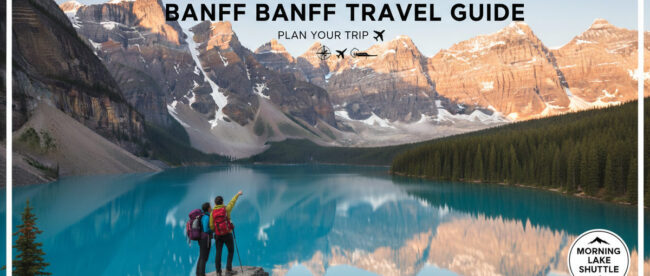
Imagine standing at the edge of Lake Louise, where the turquoise water perfectly mirrors the snow-capped Victoria Glacier under a crisp 2026 morning sky. This breathtaking sight is why millions flock to the Canadian Rockies every year. However, planning a trip to Canada’s oldest national park can be overwhelming due to complex shuttle reservations, seasonal closures, and rising costs. This comprehensive Banff travel guide simplifies everything you need to know for 2026, from securing your Parks Canada pass to building the perfect multi-day itinerary.
1. Essential Logistics: Your 2026 Banff Travel Guide to Entry
Entering Banff National Park requires more than just a car and a camera. Specifically, every visitor must possess a valid Parks Canada Discovery Pass to enter the park gates. In 2026, these fees contribute directly to trail maintenance and wildlife conservation efforts. You can purchase a daily pass if you are staying briefly. Alternatively, the annual Discovery Pass offers the best value if you plan to visit multiple parks or stay longer than seven days.
Notably, the pass must be displayed on your vehicle’s dashboard at all times. You can buy these online in advance or at the park gates upon arrival. Furthermore, remember that a park pass does not include camping fees or shuttle tickets. Therefore, you should budget for these items separately when planning your 2026 adventure.
Navigating the Shuttle System
One of the biggest changes in recent years involves transportation to the most famous lakes. Specifically, personal vehicles are no longer permitted on Moraine Lake Road. To see this iconic spot, you must use the Parks Canada shuttle or a private tour operator. In 2026, the reservation system opens in early spring, and seats often sell out within minutes of release.
Moreover, a portion of seats is held back for last-minute bookings 48 hours in advance. However, relying on these can be risky during the peak summer months. If you miss out on the official shuttle, consider using the Roam Transit system. This public bus network connects the Banff townsite with Lake Louise and other major attractions efficiently and affordably.
Wildlife Safety and Ethics
Banff is a wild environment where animals have the right of way. Consequently, wildlife safety is a top priority for every visitor. You should always carry bear spray in an accessible holster while hiking. Additionally, ensure you know how to use it before you hit the trails. Most importantly, maintain a distance of at least 100 meters from bears and 30 meters from elk or deer.
- Always keep your food locked in bear-proof bins or your vehicle.
- Never approach or feed any wildlife, including small squirrels or birds.
- Follow the ‘Leave No Trace’ principles by packing out all your trash.
- Stay on marked trails to protect the fragile alpine vegetation.
In fact, the 2026 regulations are stricter than ever regarding wildlife harassment. Rangers frequently patrol popular areas to ensure visitors respect these boundaries. By following these rules, you help keep Banff wild and safe for future generations.
2. When to Visit: Choosing the Best Time to Visit Banff in 2026
Choosing the right season depends entirely on what you want to experience. Summer, specifically July and August, remains the most popular time for visitors. During these months, the high-altitude lakes have finally thawed, revealing their famous blue hues. Moreover, all hiking trails are usually clear of snow, allowing access to the highest peaks and ridges.
However, summer also brings the largest crowds and the highest accommodation prices. If you prefer a quieter experience, consider the shoulder seasons. For instance, September offers stunning golden larch trees and crisp, cool air. Meanwhile, June provides a unique look at the mountains as the snow begins to melt and waterfalls reach their peak flow.
Winter in the Rockies
Winter transforms Banff into a snowy wonderland from December through March. This is the prime time for skiing at the ‘Big 3’ resorts: Banff Sunshine, Lake Louise Ski Resort, and Mt. Norquay. Additionally, the town of Banff glows with festive lights and outdoor ice rinks. Specifically, skating on the frozen surface of Lake Louise is a bucket-list experience for many travelers in 2026.
Furthermore, winter visitors can enjoy snowshoeing, dog sledding, and canyon ice walks. While temperatures can drop significantly, the dry mountain air makes the cold feel more manageable. Just ensure you pack high-quality thermal layers and waterproof boots to stay comfortable during your excursions.
2026 Weather and Packing Tips
Weather in the Canadian Rockies is notoriously unpredictable. In fact, it is not uncommon to see snow in July or a warm sunny day in October. Therefore, layering is the most important rule for packing. You should always bring a waterproof outer shell, a warm mid-layer like fleece, and moisture-wicking base layers.
Specifically, average summer temperatures range from 15°C to 25°C (59°F to 77°F). On the other hand, winter temperatures often hover between -5°C and -20°C (23°F to -4°F). Notably, the sun is very strong at high altitudes. As a result, you must pack high-SPF sunscreen and sunglasses regardless of the season you choose to visit.
3. Must-See Attractions: The Ultimate Banff Itinerary
Creating a balanced Banff itinerary is essential for seeing the highlights without feeling rushed. Naturally, your first stop should be the ‘Big Three’ lakes. Lake Louise is the most famous, offering stunning views and the historic Fairmont hotel. Early morning is the best time to visit to avoid the heaviest crowds and catch the calmest water reflections.
Next, head over to Moraine Lake, located in the Valley of the Ten Peaks. This spot is widely considered the most beautiful place in Canada. Finally, do not miss Peyto Lake further north on the Icefields Parkway. Its unique shape, resembling a wolf’s head, and its brilliant turquoise color make it a photographer’s dream in 2026.
Exploring Johnston Canyon
Johnston Canyon is a must-see for families and casual hikers alike. Specifically, the trail features a series of steel catwalks built directly into the limestone canyon walls. You can easily walk to the Lower Falls to see the water rushing through a narrow cave. Furthermore, continuing to the Upper Falls rewards you with a dramatic 30-meter drop of cascading water.
In 2026, this trail remains one of the most popular things to do in Banff. To enjoy a more peaceful walk, try to arrive before 8:00 AM or after 5:00 PM. Additionally, the trail is open in winter, where the waterfalls freeze into massive blue ice pillars. This transformation creates a surreal landscape that looks like something out of a fairy tale.
The Banff Gondola and Icefields Parkway
For the best views in the park without the hike, take the Banff Gondola. Specifically, the ride whisks you to the summit of Sulphur Mountain in just eight minutes. Once at the top, you can walk the boardwalk to Sanson’s Peak for a 360-degree view of the valley. Notably, booking a sunset dinner at the summit restaurant is a highlight of any 2026 trip.
Finally, set aside a full day for the Icefields Parkway. This stretch of road is frequently cited as one of the best road trips in Alberta. It connects Banff to Jasper National Park, passing through ancient glaciers and towering peaks. Specifically, make sure to stop at the Columbia Icefield to see the Athabasca Glacier before it continues to recede.
Sample 4-Day Itinerary
- Day 1: Explore Banff Townsite, Bow Falls, and the Banff Gondola.
- Day 2: Morning at Lake Louise and afternoon at Moraine Lake via shuttle.
- Day 3: Hike Johnston Canyon and drive the Bow Valley Parkway.
- Day 4: Full-day drive on the Icefields Parkway toward the Columbia Icefield.
This schedule covers the primary highlights while allowing for some flexibility. In fact, many travelers choose to extend their stay to include more difficult hikes or hidden gems. Regardless of your pace, these locations provide the quintessential Canadian Rockies experience.
4. Outdoor Activities: From Beginner Hiking to Hot Springs
Banff is an outdoor playground with activities for every fitness level. If you are new to hiking, start with Tunnel Mountain. This trail is located right near the townsite and offers a gradual incline. Specifically, the summit provides a fantastic bird’s-eye view of the town and the Fairmont Banff Springs hotel. It is the perfect “warm-up” hike for your first day.
Another excellent beginner option is the Fenland Trail. This flat, 2-kilometer loop winds through an old-growth spruce forest near the Vermilion Lakes. Moreover, it is a great spot for birdwatching and enjoying a quiet morning walk. These trails prove that you don’t need to be an elite athlete to enjoy the natural beauty of the park.
Relaxation and Wildlife
After a long day of exploring, the Banff Upper Hot Springs offer the perfect remedy. These natural mineral waters have been a draw for tourists since the 1880s. In 2026, they remain a popular spot to soak while looking out at Mount Rundle. To beat the crowds, try visiting during the morning hours or late in the evening under the stars.
Furthermore, wildlife viewing is a major part of the Banff experience. You can often spot elk wandering through the townsite or grazing near the golf course. Specifically, the Bow Valley Parkway is a prime location for spotting black bears and grizzly bears in the spring. However, always remember to stay in your vehicle when viewing wildlife along the roadside for your safety.
Winter Magic in the Park
If you visit during the colder months, the activities shift toward the snow. Ice skating on Lake Louise is perhaps the most iconic winter activity. In fact, the lake is often cleared of snow to create a massive natural rink. Additionally, you can try dog sledding in nearby Lake Louise or Canmore for a truly unique mountain adventure.
Notably, the winter season also offers the chance to see the “frozen bubbles” at Abraham Lake. While this is a short drive outside the park, it is a popular addition to many winter itineraries. Whether you are skiing or simply enjoying a horse-drawn sleigh ride, Banff’s winter magic is undeniable in 2026. These diverse activities ensure there is always something new to discover.
5. Accommodation and Dining: Where to Stay and Eat
Finding the right place to stay is a crucial part of your Banff travel guide. For those seeking luxury, the Fairmont Banff Springs is the ultimate choice. Known as the “Castle in the Rockies,” this historic hotel offers world-class service and stunning architecture. Even if you don’t stay there, visiting the lobby or booking a spa treatment is a wonderful experience.
On the other hand, budget-conscious travelers have several great options. The Samesun Banff and HI Banff Alpine Centre are popular hostels that offer clean, social environments. Furthermore, camping is a fantastic way to immerse yourself in nature. In 2026, camping reservations open in early January, and sites like Tunnel Mountain or Two Jack Lake fill up almost instantly.
Dining in the Banff Townsite
The town of Banff boasts a surprisingly diverse culinary scene. Specifically, you can find everything from high-end fondue at The Grizzly House to casual tacos at Magpie & Stump. For craft beer lovers, the Banff Ave Brewing Co. serves locally made ales in a lively atmosphere. Additionally, don’t forget to try a “BeaverTail”—a classic Canadian fried dough pastry—while walking down Banff Avenue.
Moreover, many restaurants now focus on locally sourced ingredients, including Alberta beef and bison. If you are planning a long day of hiking, several local delis offer “hiker lunches” to go. These pre-packed meals are convenient and much better than standard fast food. In fact, dining in Banff has become a significant part of the overall travel experience in 2026.
The Canmore Alternative
If Banff is fully booked or too expensive, consider staying in the nearby town of Canmore. Located just 20 minutes outside the park gates, Canmore offers a more local feel and better value. Many visitors find that the vacation rentals and hotels here are more spacious and modern. Furthermore, Canmore has its own incredible dining scene and beautiful mountain views without the national park crowds.
Specifically, staying in Canmore allows you to easily access both Banff and Kananaskis Country. This makes it a strategic base for those who want to explore more of the region. However, remember that you will still need a park pass to enter Banff National Park each day. Overall, Canmore is an excellent alternative that many savvy travelers prefer in 2026.
6. Budgeting and Practical Tips: Is Banff Worth Visiting?
Many travelers wonder, is Banff worth visiting given the rising costs? The answer is a resounding yes, but you must budget wisely. In 2026, a budget traveler can expect to spend around $150–$200 CAD per day. This includes hostel stays, grocery store meals, and free outdoor activities. Meanwhile, a mid-range traveler should plan for $350–$500 CAD per day for hotels and dining out.
Luxury travelers can easily spend upwards of $1,000 CAD per day when staying at premium resorts. However, much of Banff’s beauty is free once you have your park pass. Specifically, hiking, lake viewing, and wildlife spotting don’t cost an extra cent. Therefore, your biggest expenses will always be accommodation and transportation, which you can manage with early planning.
Money-Saving Hacks
To save money, consider visiting the local grocery stores like IGA or Nesters Market. Cooking your own meals even twice a week can save hundreds of dollars over a long trip. Additionally, utilize the Roam Transit system instead of paying for expensive parking or private shuttles. In fact, many hotels provide free transit passes to their guests, so be sure to ask at check-in.
- Visit during the “shoulder season” in late May or early October for lower rates.
- Book your accommodation at least 6–9 months in advance to secure the best prices.
- Pack your own reusable water bottle to take advantage of the fresh mountain tap water.
- Look for “Happy Hour” specials in town for discounted appetizers and drinks.
Combining with a Calgary Itinerary
Most visitors arrive via Calgary International Airport, making it the perfect starting point. You should spend at least one or two days in the city before heading to the mountains. A calgary itinerary might include a visit to the Calgary Tower or the interactive exhibits at Studio Bell. Specifically, exploring the East Village or walking along the Bow River provides a great introduction to Alberta life.
Furthermore, there are many things to do in calgary that complement your mountain trip. The Heritage Park Historical Village offers a look at Western Canada’s past. Meanwhile, the city’s vibrant food scene is a great way to fuel up before your adventure. By combining these two destinations, you get a well-rounded experience of both urban culture and wild nature.
Final Verdict for 2026
Ultimately, Banff National Park remains a bucket-list destination for a reason. While the crowds can be thick in the summer, the scale of the mountains and the color of the water are truly unmatched. By planning your 2026 shuttles and passes in advance, you can enjoy a stress-free trip. The combination of accessible wilderness and mountain luxury makes it a unique place that everyone should see at least once.
Banff National Park offers an unparalleled blend of accessible wilderness and mountain luxury. From the turquoise depths of Moraine Lake to the historic halls of the Fairmont, every corner holds something special. By following this guide and booking your essentials early, you ensure that your 2026 journey is both smooth and memorable. For more official travel information, you can visit the Parks Canada official website to check current trail conditions and alerts.
Start your adventure today by downloading our 2026 Banff packing checklist and booking your shuttle seats early! The mountains are calling, and with the right preparation, your trip will be nothing short of legendary.
Leave a comment