
Best Area to Stay in Montreal for Tourists: 2026 Guide
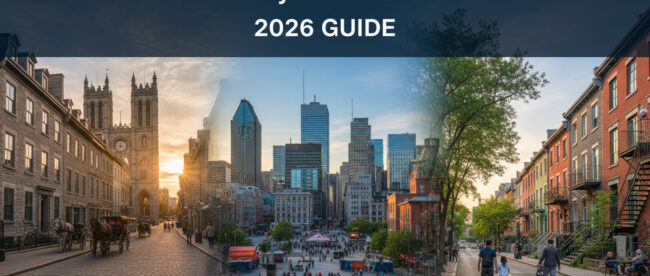
With its cobblestone streets, world-class festivals, and a culinary scene that rivals Paris, Montreal is a city of distinct personalities waiting to be explored in 2026. Finding the best area to stay in Montreal for tourists can feel overwhelming because each neighborhood offers a completely different vibe. First-time visitors often struggle to choose between the historic charm of the Old Port, the high-energy bustle of Downtown, or the bohemian vibes of the Plateau. This comprehensive guide breaks down the top neighborhoods by budget, interest, and transit access to help you find your perfect Montreal home base.
1. Old Montreal (Vieux-Montréal): Best Area to Stay in Montreal for Tourists Seeking History
Stepping into Old Montreal feels like taking a direct flight to Europe without leaving North America. Specifically, the 17th-century architecture and winding cobblestone streets create an atmosphere of timeless elegance that defines the city’s heritage. Most importantly, this district serves as the historical heart of the city, where every corner tells a story of French colonial roots. You will find yourself surrounded by stone facades, ornate ironwork, and hidden courtyards that look stunning in any season.
Furthermore, staying here puts you within walking distance of the most iconic landmarks in the province. For instance, the breathtaking Notre-Dame Basilica is located right in the center of the district, offering daily tours and immersive light shows. Additionally, the Old Port provides a scenic backdrop for morning strolls along the St. Lawrence River. Visitors can enjoy the giant Ferris wheel, seasonal skating rinks, or simply watch the ships dock at the harbor.
Luxury and Romance in the Old City
Notably, Old Montreal is the undisputed capital of luxury accommodation in Montreal. The area is famous for its boutique hotels housed in converted warehouses and former bank buildings. These properties often feature high ceilings, exposed brick walls, and modern amenities that blend seamlessly with historic charm. If you are looking for high-end lofts with river views, this is the neighborhood where you will find the most exclusive options.
As a result, it remains the most romantic spot for couples and history buffs visiting in 2026. Many hotels offer rooftop terraces where you can sip cocktails while overlooking the illuminated skyline. However, there are a few cons to consider before booking your stay here. Specifically, the price points are generally higher than in other districts, and the streets can become quite crowded with tourists during peak summer months. Despite this, the sheer beauty of the area often outweighs the cost for many travelers.
2. Downtown (Centre-Ville): The Hub for Shopping, Festivals, and Transit
When comparing Downtown Montreal vs Plateau, the choice usually comes down to convenience versus local character. Downtown is the high-energy engine of the city, filled with skyscrapers, massive shopping malls, and prestigious museums. While it might lack the quaint feel of residential neighborhoods, it offers unparalleled access to everything a visitor might need. In fact, most major hotel chains are located here, providing reliable comfort for international travelers.
One of the biggest advantages of staying in Centre-Ville is the direct access to the Montreal Underground City, known locally as the RÉSO. This massive network of climate-controlled tunnels connects shopping centers, office towers, and major Metro hubs. Therefore, it is the perfect location for those visiting during the colder months. You can travel across the city center, grab a meal, and go shopping without ever stepping outside into the snow.
The Center of the Festival Universe
Moreover, Downtown is the best location for the International Jazz Festival and various events at Place des Festivals. During the summer, this area transforms into a massive outdoor stage with free concerts and art installations. Specifically, staying in a nearby hotel allows you to walk to the festivities in minutes. This eliminates the need for long commutes after a late-night show or a busy day of sightseeing.
If you are wondering where to stay in Montreal without a car, Downtown is your best bet for 2026. By utilizing the STM transit network, you can reach almost any part of the city within 20 minutes. The green and orange Metro lines intersect here, making it incredibly easy to navigate. Additionally, the accommodation variety is impressive, ranging from global luxury brands to more budget-friendly areas in Montreal located near the bus terminal.
For those planning a broader montreal itinerary, the central location makes it easy to organize day trips. You can easily catch a train or a bus for a quebec city itinerary if you want to explore more of the province. In fact, many tourists find that Downtown serves as the most efficient “base camp” for a multi-city vacation. However, be prepared for a more corporate atmosphere compared to the artistic neighborhoods nearby.
3. Le Plateau-Mont-Royal and Mile End: For Foodies and Local Culture
If you want to live like a local, Le Plateau-Mont-Royal is arguably the best area for foodies in Montreal. This neighborhood is famous for its iconic colorful staircases, lush parks, and a culinary scene that never sleeps. Specifically, you will find the city’s most famous smoked meat sandwiches and legendary 24-hour bagel shops here. Walking down Avenue du Mont-Royal feels like a continuous celebration of food, art, and community life.
Meanwhile, the street art along “The Main” (Saint-Laurent Boulevard) provides a vibrant backdrop for your daily explorations. This area is home to countless murals that change every year during the local mural festival. In fact, many visitors spend entire afternoons just photographing the creative displays on every alleyway. The Plateau offers a mix of cozy boutique hotels and stylish Airbnb-style stays that feel much more personal than a standard hotel room.
Mile End: The Trendiest Corner of the City
Notably, Mile End is considered the trendiest neighborhood in Montreal right now for indie coffee shops and vinyl stores. Located just north of the Plateau, it has a distinct bohemian energy that attracts artists and musicians. You can spend your morning browsing through vintage clothing shops and your afternoon sipping espresso at a local café. It is also the birthplace of the famous Montreal-style bagel, so be sure to try a fresh one straight from the wood-fired oven.
Integrating a montreal itinerary into this neighborhood is easy because it is so walkable. For instance, you can take a guided walking tour to learn about the area’s Jewish heritage or its musical history. Additionally, local park life at Parc du Mont-Royal is just a short hike away. This massive green space offers the best views of the city skyline and is a favorite spot for Sunday “Tam-Tams” drum circles. For many, this neighborhood represents the true “soul” of Montreal in 2026.
4. Best Neighborhoods in Montreal for Families and Quiet Stays
For those traveling with children, Griffintown and Little Burgundy offer a perfect blend of modern luxury and outdoor space. These once-industrial areas have been transformed into chic residential zones with easy access to the Lachine Canal. Specifically, the canal path is ideal for family bike rides or a relaxing afternoon watching the boats pass through the locks. Moreover, the area is home to some of the city’s most innovative restaurants that are surprisingly family-friendly.
On the other hand, Westmount and Outremont provide upscale, quiet, and safe residential pockets for those who prefer peace and quiet. These neighborhoods are known for their beautiful Victorian homes and tree-lined streets. While they are slightly further from the main tourist attractions, they offer a serene environment away from the city noise. Furthermore, they are home to high-end boutiques and artisanal bakeries that cater to a more local, sophisticated crowd.
Family-Friendly Amenities and Safety
Notably, these areas are packed with family-friendly amenities like modern playgrounds and the famous Atwater Market. At the market, kids can sample local cheeses and maple treats while parents shop for fresh produce. Regarding safety, these are consistently ranked among the safest neighborhoods for tourists in 2026. You can feel comfortable walking the streets at night, which is a major priority for many traveling families.
Navigating the city with strollers is also becoming easier thanks to recent upgrades to the Montreal Metro. While not every station has an elevator yet, the STM is rapidly increasing accessibility across the network. Specifically, many stations near family-friendly zones now feature modern lifts and wider gates. As a result, moving between your quiet residential base and the busy city center is more convenient than ever before. Always check the official transit map for the latest elevator status updates.
5. Planning Your Trip: Budget, Transit, and Timing in 2026
Understanding the 2026 price comparison for accommodation is essential for a stress-free trip. Average nightly rates can vary significantly depending on which district you choose. For instance, Old Montreal and Downtown typically command prices between $250 and $450 per night for mid-range to luxury stays. Conversely, the Plateau and surrounding residential areas often offer better value, with rates ranging from $150 to $300 for high-quality rentals and boutique inns.
Public transport in 2026 has reached a new level of efficiency with the expansion of the REM train lines. This new light rail system connects the airport directly to the city center, making your arrival much smoother. To save money, you should purchase an OPUS card at any station and load it with a weekly pass. This card works on all buses, Metro lines, and the REM, providing unlimited travel across the entire island for a flat fee.
Choosing the Best Time to Visit
The best time to visit montreal depends largely on your tolerance for the weather and your interest in festivals. Summer is undeniably the peak season, offering a non-stop calendar of outdoor events and vibrant patio culture. However, winter has its own unique charm, especially with the extensive Underground City access. You can experience “Igloofest” or enjoy outdoor skating at the Old Port, followed by a warm meal in a cozy French bistro.
If you have extra time, consider extending your journey to include other parts of the province. Creating a quebec city itinerary is a popular choice, as the two cities are only three hours apart by train. There are many things to do in quebec city, such as visiting the historic Château Frontenac or walking along the fortified walls. In fact, many travelers find that the best time to visit quebec city aligns perfectly with Montreal’s festival season, allowing for a diverse cultural experience.
For a seamless 3-day montreal itinerary, focus on one major area per day. Spend your first day exploring the things to do in montreal‘s historic district, your second day in the Plateau, and your third day enjoying the museums Downtown. Specifically, this approach minimizes travel time and allows you to truly soak in the atmosphere of each neighborhood. By planning ahead, you can ensure that your 2026 visit to this bilingual metropolis is both comfortable and unforgettable.
Whether you choose the historic elegance of Old Montreal, the convenience of Downtown, or the artistic soul of the Plateau, Montreal offers a neighborhood for every traveler type in 2026. Each district provides a unique lens through which to view the city’s rich culture and vibrant lifestyle. For more travel inspiration, you can check out the official Tourisme Montréal website to see the latest event schedules. Ready to explore Quebec? Check out our guide to the best time to visit montreal and start booking your 2026 adventure today!
Leave a comment