
Last updated: October 3, 2026
The short answer
- First trip? Stay downtown. The downtown peninsula — Downtown, Coal Harbour, West End, Gastown, and Yaletown — puts every first-timer within walking distance of the big sights, and the Canada Line SkyTrain runs straight from YVR airport to the core in ~26 minutes.
- Pick by vibe: Gastown and Yaletown for food people (me, obviously), the West End for beaches and Stanley Park mornings, Coal Harbour for cruise passengers and splurge stays, Kitsilano for the laid-back local scene.
- Budget reality: Expect ~$140–210/night for a decent budget hotel, ~$220–350 mid-range, and ~$400+ for the big-name luxury spots in summer 2026 — book early, because June through August fills up fast.
Okay, listen — I pick my hotels the way I pick restaurants: by what I want to eat within a five-minute walk. The first time I visited Vancouver, that rule landed me in Gastown, a block from the Steam Clock, with three brunch spots, a ramen place, and a cocktail bar all closer than my own kitchen is at home. Zero regrets. Well — one regret: I tried to walk to Stanley Park in the rain, which is a 45-minute soggy lesson I only needed to learn once. Vancouver’s downtown is wonderfully compact, but it’s still bigger than it looks on a map, so where you sleep genuinely shapes your trip.
Okay, so the one thing every local I asked said the same thing about: stay on the downtown peninsula. Downtown Vancouver sits on a little finger of land with the ocean on three sides, and nearly everything a first-timer wants — Stanley Park, the seawall, Robson Street, the waterfront, the food — is on it. I’ve now stayed in five different Vancouver neighborhoods, and this is the honest breakdown of each one, with the bed situations, shower pressures, and food scenes I actually experienced.
The quick-pick version (for the skimmers)
| Neighborhood | Best for | Vibe | ~Price level |
|---|---|---|---|
| Downtown core | First-timers, shoppers | Glass towers, Robson Street energy | $$–$$$ |
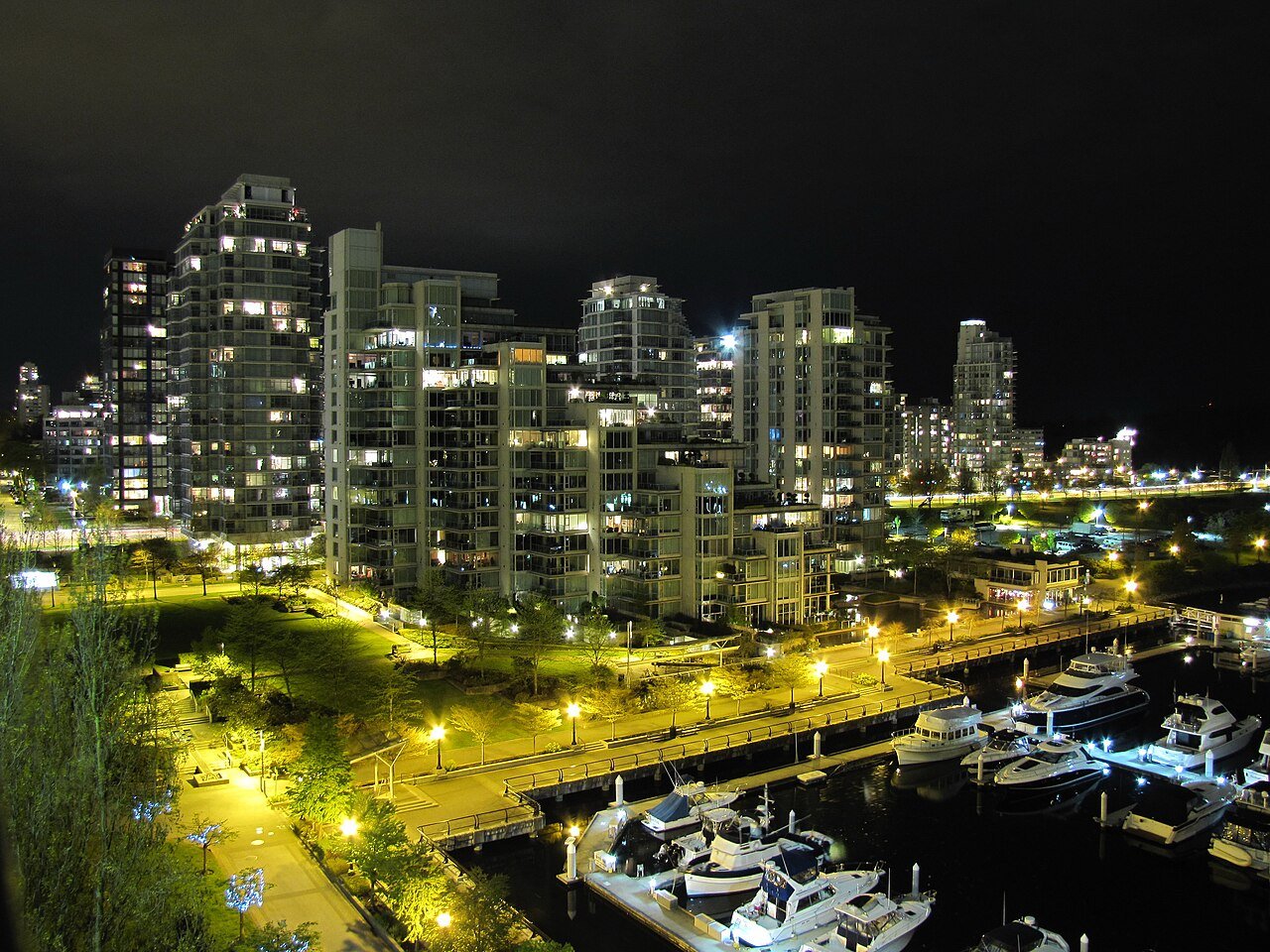
| Coal Harbour | Cruise passengers, splurge stays | Quiet waterfront, seaplanes landing outside your window | $$$$ |
| West End | Families, beach people, Stanley Park mornings | Tree-lined streets, local and leafy | $$–$$$ |
| Gastown | Foodies, night owls | Victorian brick, cobblestones, the Steam Clock | $$–$$$ |
| Yaletown | Couples, serious diners | Converted warehouses, patio season done right | $$–$$$ |
| Kitsilano | Beach bums, slow travelers | Laid-back, leafy, a short bus from downtown | $$–$$$ |
Short on time? Pair this guide with our 1-day Vancouver itinerary to see how it all fits together once you’ve picked your base.
Downtown core: the can’t-go-wrong first-timer base
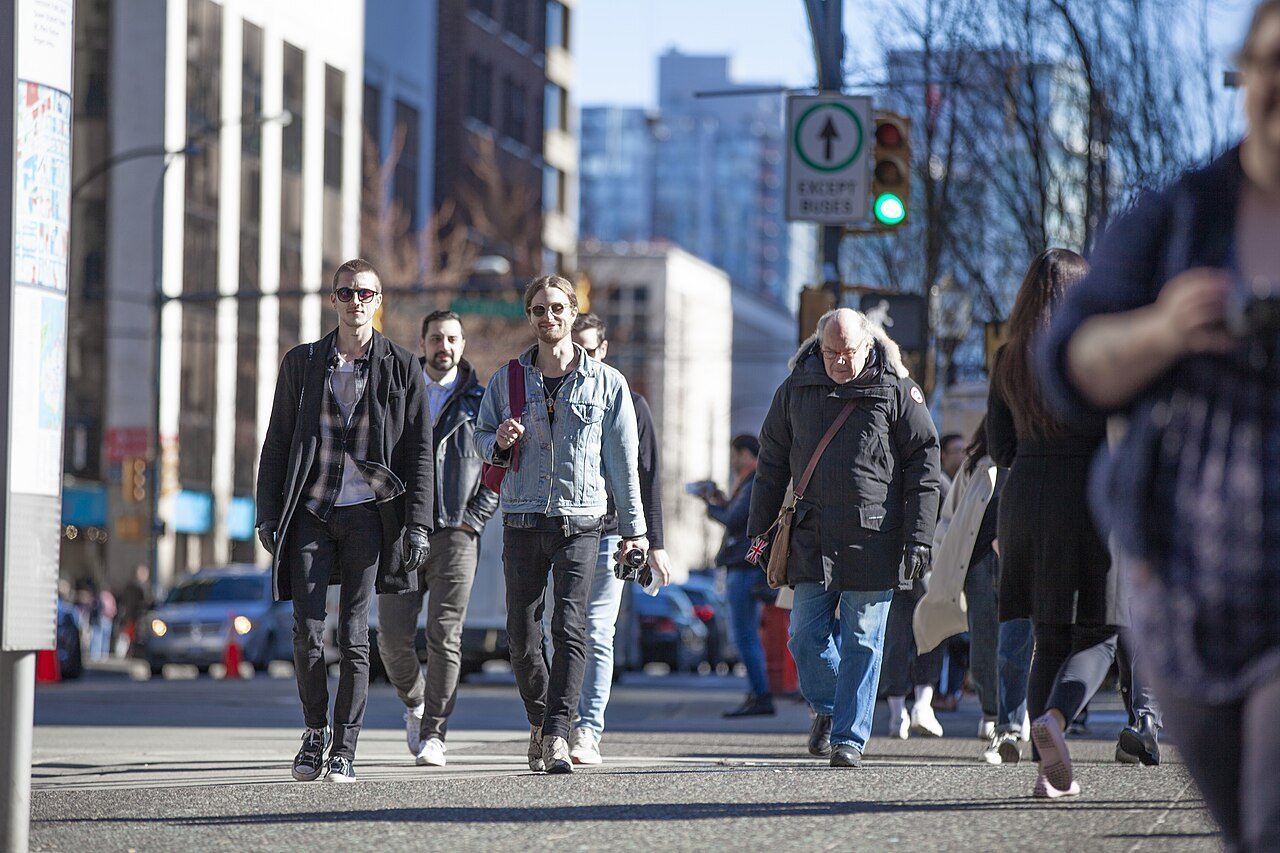
If you only read one section of this guide, read this one: for a first visit, stay downtown. Robson Street runs through it (Vancouver’s main shopping strip — and the sushi density per block is legitimately absurd), the Vancouver Art Gallery and the grand old Fairmont Hotel Vancouver anchor the middle, and you’re within a 20-minute walk of Gastown one way and the West End the other. The bed situation across the big downtown hotels is consistently excellent — blackout curtains, proper pillows, the works — and this is also where you’ll find the widest range of prices, from hostels on Granville Street to the grand dames.
I once booked a downtown hotel purely for the rooftop pool photos and got a room facing a construction site. The bed: elite. The view: a crane. Ask about the view before you book — and on Granville Street specifically, ask about the floor, because the entertainment district does not believe in quiet Saturday nights. That said, the Granville strip is where the budget action is: hostels like Samesun and the Cambie put you in the middle of everything for a fraction of the price, earplugs included (bring your own anyway).
Transit-wise, downtown is the hub of the whole region. The Canada Line SkyTrain has two downtown stations — Waterfront (the end of the line, right by the cruise terminal) and Vancouver City Centre — so getting here from the airport is one seamless ride. More on that below.
West End: Stanley Park mornings and sunset beach nights
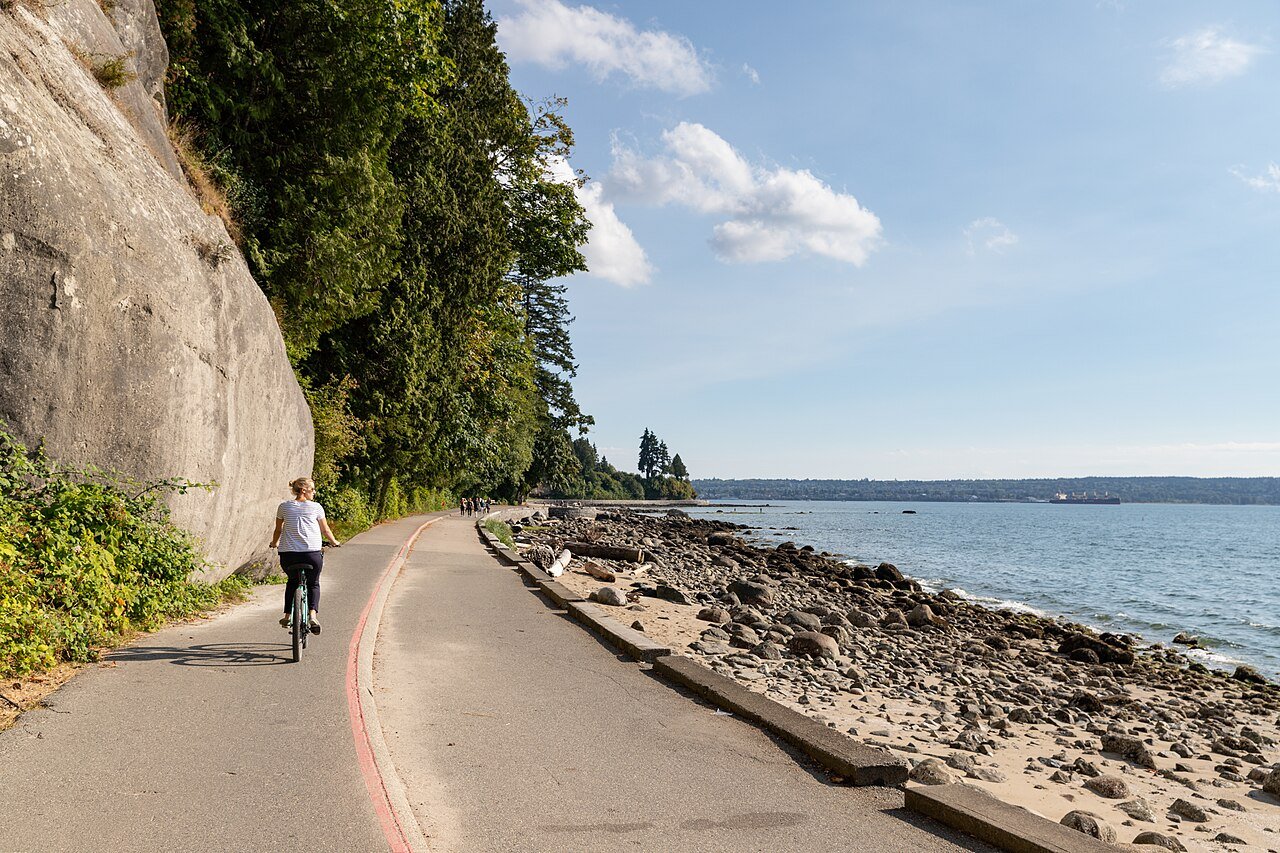
The West End is my happy place, and it’s not close. This is the residential, tree-lined neighborhood wedged between downtown and Stanley Park, and it runs on a completely different rhythm: morning runs along the Seawall, afternoons on the sand at English Bay or Second Beach, evenings eating your way down Denman Street. The 28-kilometre Seawall path starts right here, and cycling it around Stanley Park at 8 AM — coffee in hand from one of the Denman Street cafés, mist still on the water — is one of those Vancouver mornings I would go back just for.
Accommodation here skews boutique and bed-and-breakfast: ivy-covered heritage spots like the Sylvia Hotel on English Bay (a genuine 1912 landmark — the restaurant there does a mussels dish I still think about), smaller inns, and apartment-style stays with kitchens. Families love it here because Stanley Park’s beaches and playgrounds are a stroll away, and honestly? So do I, because I can carb-load on Denman Street’s dumplings and sushi and then walk it off on the beach.
Did I need a second plate of soup dumplings on Denman Street? No. Did I get one? Obviously. That’s the West End effect.
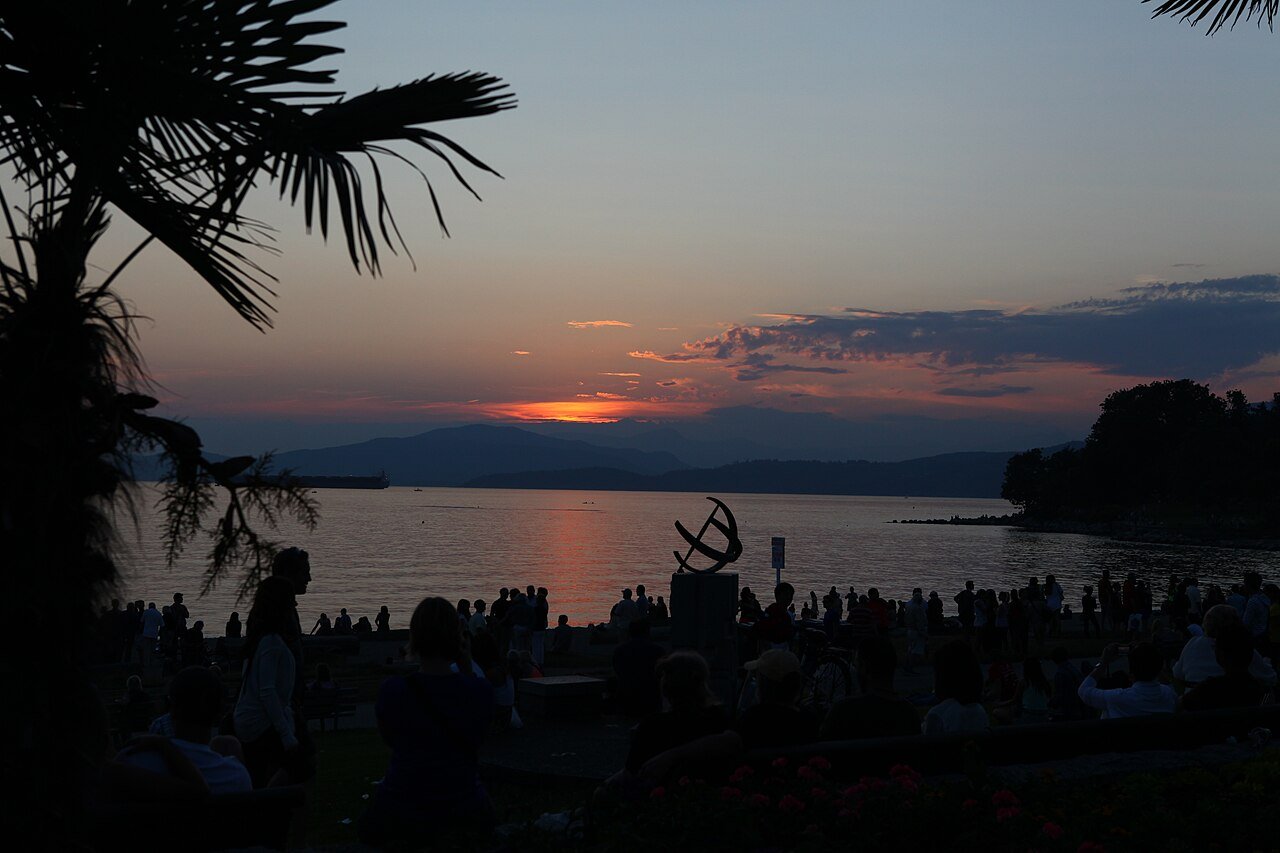
One more thing: English Bay sunsets are a spectator sport. On a clear summer evening half the neighborhood drifts down to the beach with takeout, and the whole shoreline just… sits there, watching the sun drop behind the mountains. Join them. Order the takeout first.
Gastown: Victorian brick, the Steam Clock, and my favorite brunches
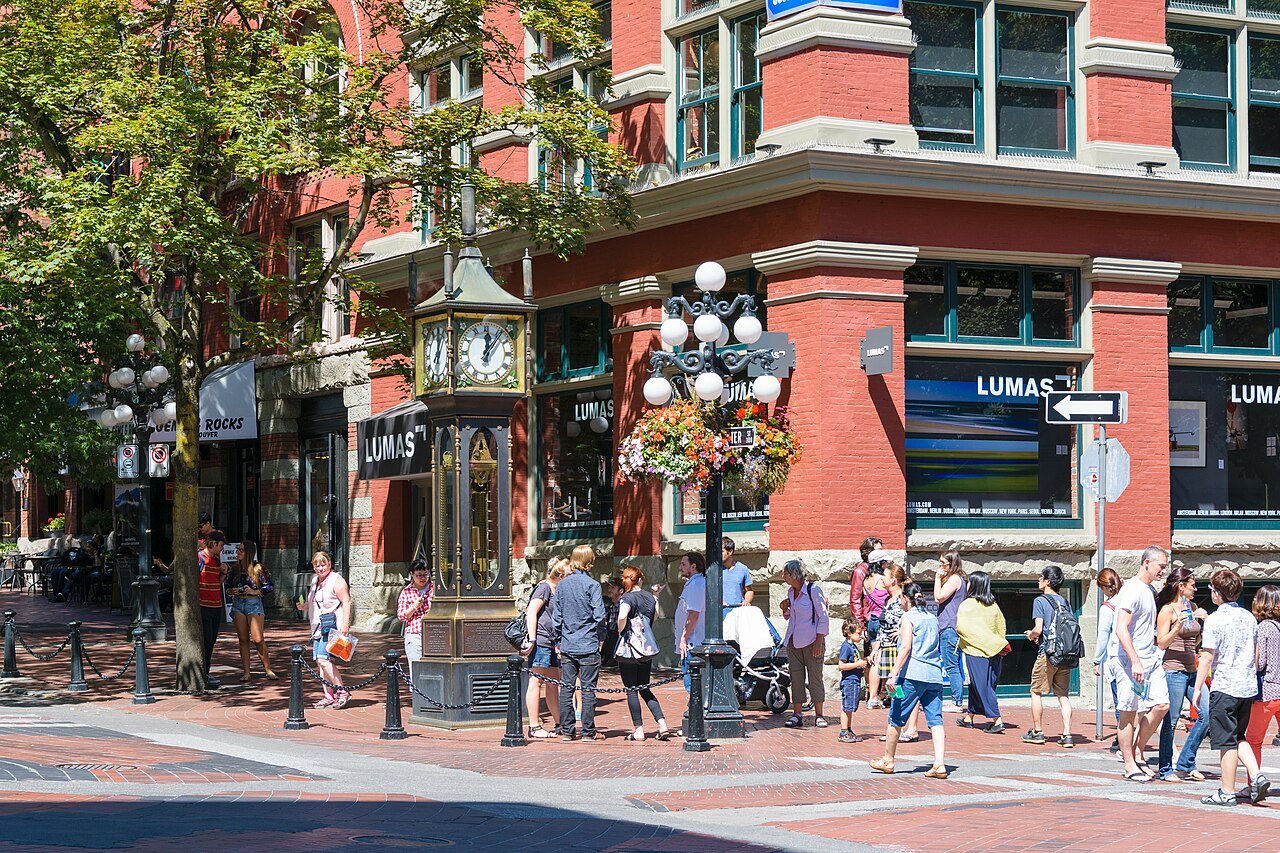
Gastown is Vancouver’s oldest neighborhood — cobblestone streets, Victorian brick buildings, the famous steam clock on Water Street that toots every 15 minutes — and it’s where I stay when the trip is about eating. The brunch game here is genuinely elite, the cocktail bars are hidden behind unmarked doors in the way that makes you feel clever for finding them, and Water Street at golden hour is stupidly photogenic.
A barista in Gastown told me the neighborhood runs on two shifts — the daytime tourists circling the Steam Clock, and the nighttime crowd that actually lives here — and she was right. Stay here and you get both. Hotels range from stylish boutiques to very reasonable mid-range spots, and the whole area is made for walking (which, after the amount I ate here, was medically necessary).
The honest note: Gastown’s main streets are lively and fine at night, but the blocks immediately east shade into the Downtown Eastside, which is visibly rougher. I walked it, I was fine, but it’s worth knowing the lay of the land — stick to the well-lit main streets after dark, the way you would in any big city. If that kind of thing makes you uneasy, Yaletown gives you a similar food-and-nightlife fix with a glossier feel.
Yaletown: converted warehouses and serious dinners
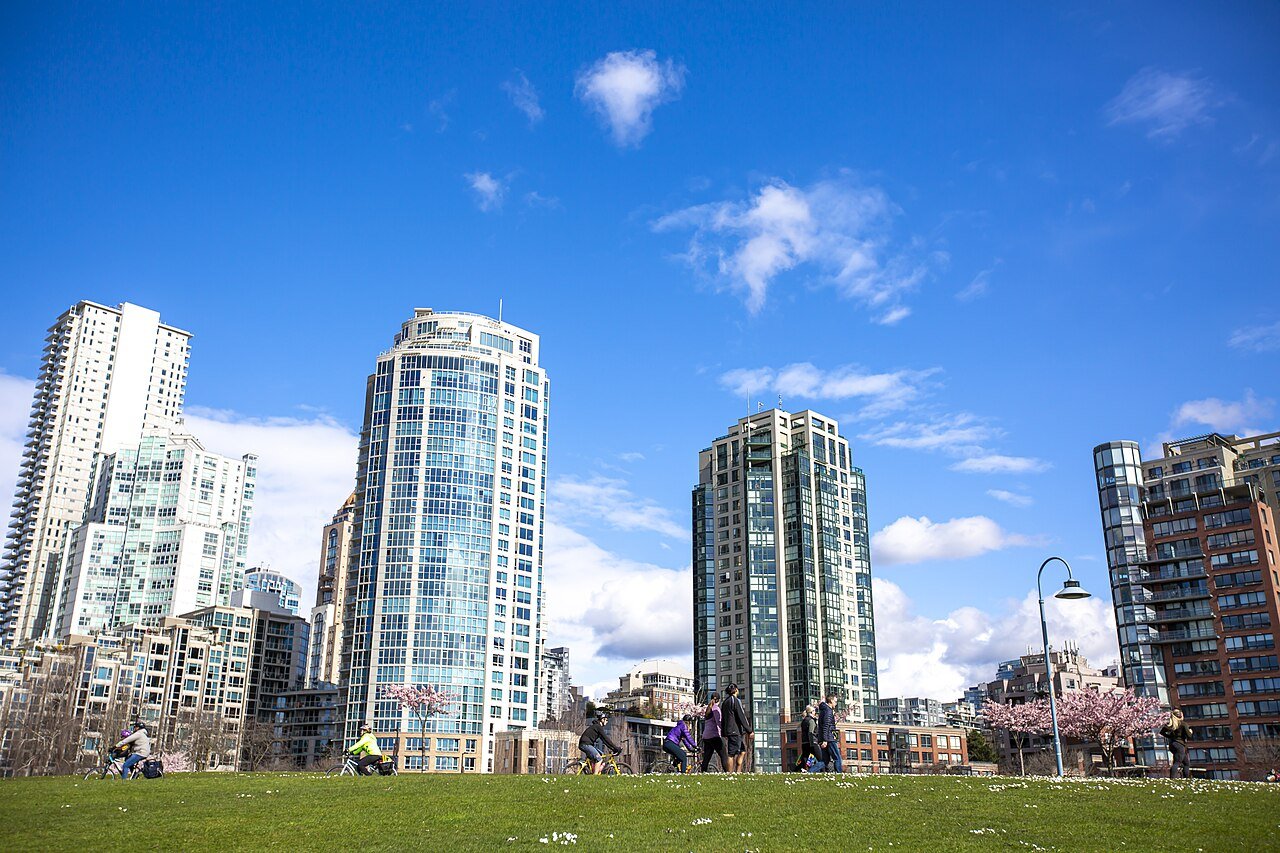
Yaletown used to be warehouses. Now it’s Vancouver’s glossy dining district — exposed-brick restaurants in converted brick buildings, patios spilling onto the sidewalks all summer, and David Lam Park as the neighborhood’s green living room. If your trip revolves around reservations, stay here. The Opus Hotel is the neighborhood’s style-setter, and the apartment-style suites around here (full kitchens, in-suite laundry) are a gift on longer stays.
My Yaletown story: I checked into a suite, and the front-desk clerk leaned in like she was sharing state secrets and told me which floors had the renovated bathrooms. Shower pressure: elite. Blackout curtains: elite. Our server at dinner that night insisted the spot prawns were the move — they were in season, she said, and she’d fight anyone who ordered the salmon instead. She was right. She was so right. This is the neighborhood where strangers give you food advice and you should always take it.
Yaletown also has its own Canada Line station (Yaletown–Roundhouse), so the airport run is one easy ride, and the False Creek seawall is right there for the walk-it-off mornings.
Coal Harbour: the splurge with the seaplane view
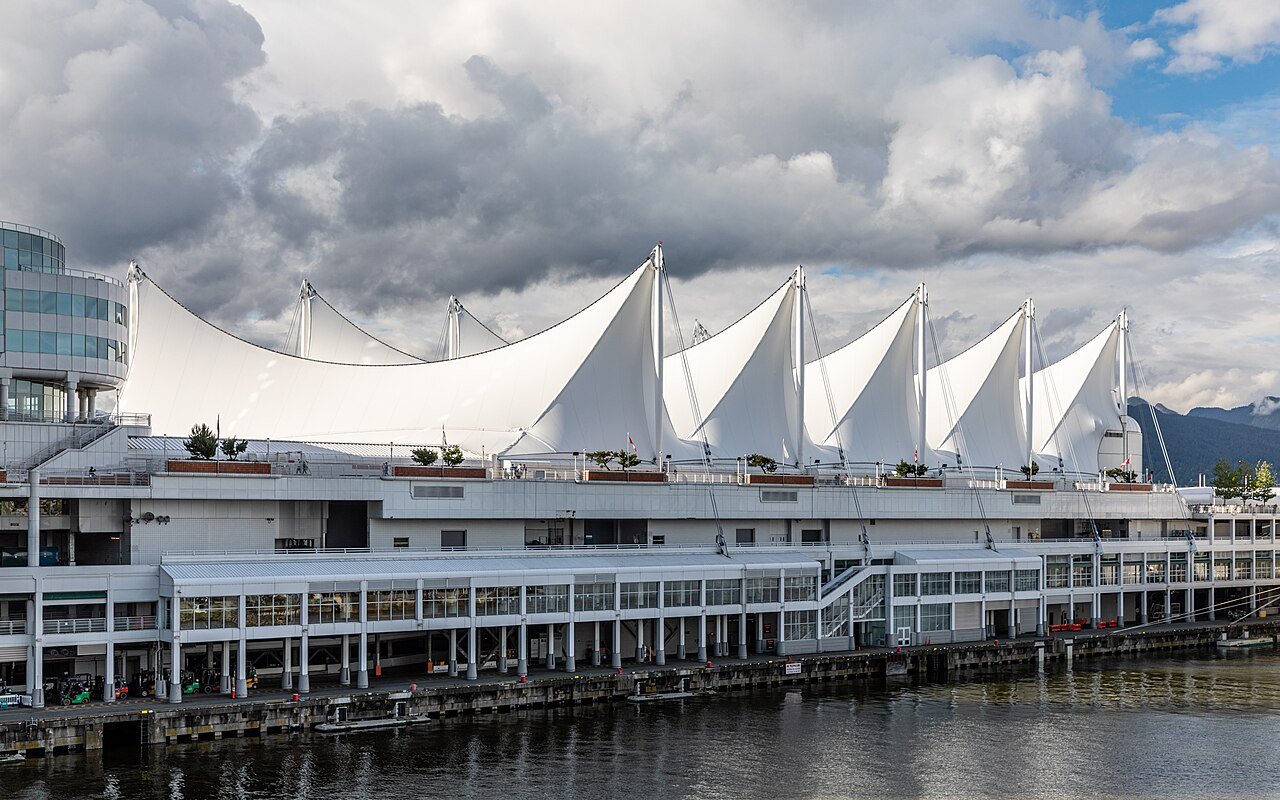
Coal Harbour is the polished north edge of downtown, all waterfront promenades and floor-to-ceiling glass, and it’s where the big luxury names live — the Fairmont Pacific Rim, with its famous lobby and some of the best service I’ve had anywhere in Canada, plus the Fairmont Waterfront right by the cruise terminal. The signature experience here is watching seaplanes take off from the harbour while you drink your morning coffee. I did this. I would like to do it every morning forever.
This is also the neighborhood to book if you’re sailing out of Canada Place on an Alaska cruise — the terminal is right here, and rolling your luggage three blocks beats a 6 AM taxi across town. It’s the priciest patch of the peninsula and the quietest, which is exactly the combination honeymooners and business travelers want. The Olympic Cauldron from the 2010 Winter Games sits on the waterfront walk, and the whole seawall stretch here is made for slow evening strolls.
Getting from the airport to your hotel: take the Canada Line
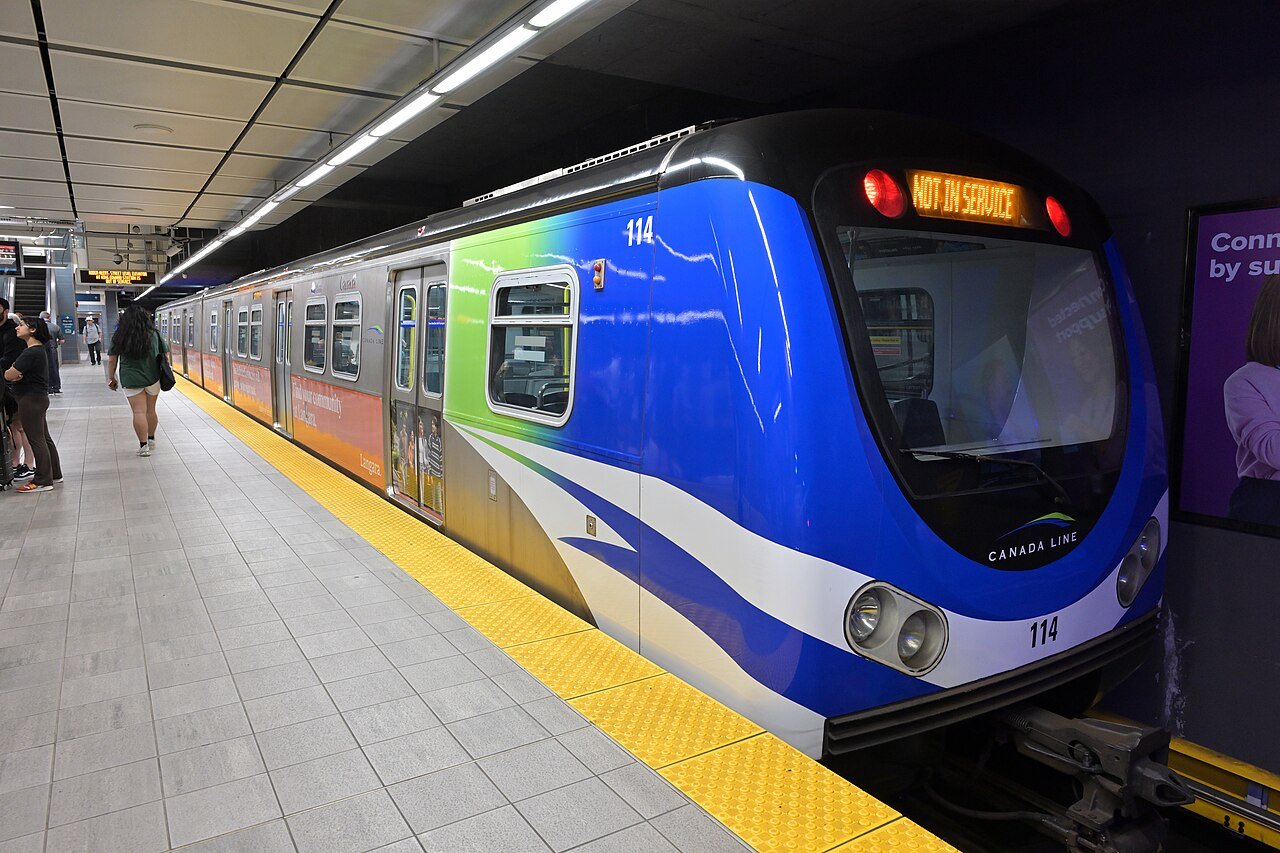
This is the easiest airport-to-city run in Canada, and I say that having done the sweaty, expensive versions in other cities. The Canada Line SkyTrain runs from YVR–Airport Station (right in the terminal — follow the signs, take the escalator up) straight to downtown’s Waterfront Station in about 26 minutes, with trains every few minutes most of the day.
The money part, because it changed recently: I double-checked the fare on TransLink’s official page before I flew in — and good thing, because the YVR Airport AddFare went up from $5 to $6.50 on July 1, 2026. Expect ~$8–9 total for an adult one-way from the airport to downtown with a contactless credit card or phone tap (just tap in, tap out — same card for everyone in your group, one card per person). The surcharge only applies leaving the airport, not heading back, and kids 12 and under ride free. → TransLink — official fares & YVR AddFare
From Waterfront, the SeaBus, Expo Line, and most downtown hotels are a short walk or one stop away. A taxi to downtown runs a flat ~$35ish before tip and takes about the same 25–30 minutes in normal traffic — worth it if you’re four people with four suitcases, but for one or two travelers the train wins on every metric except door-to-door laziness.
Beyond the peninsula: Kitsilano, North Vancouver, and Richmond
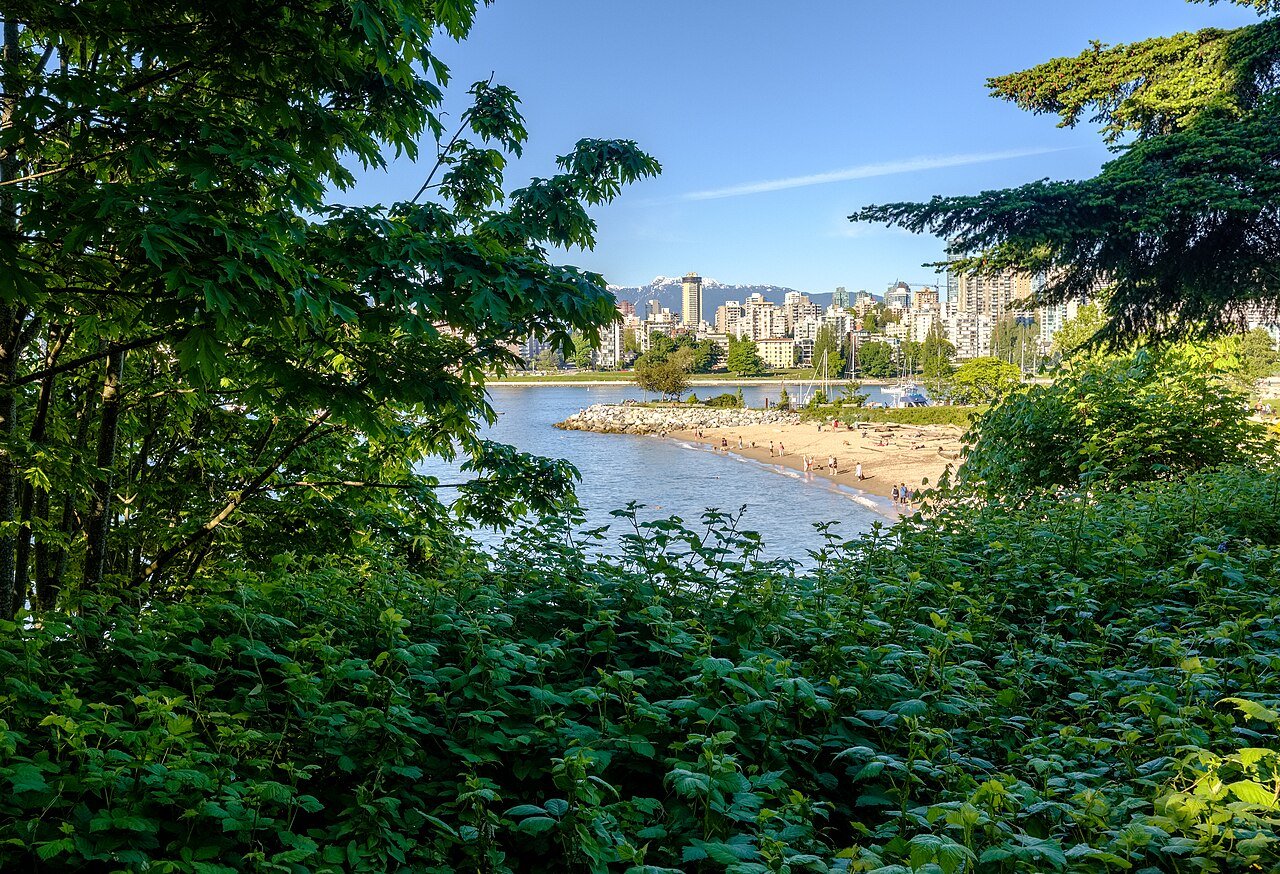
Not everyone needs to be downtown, and honestly, some of my favorite Vancouver days started across the water. Kitsilano (“Kits” to everyone) is the beachy, leafy neighborhood across False Creek — organic cafés, the famous saltwater Kits Pool in summer, and a view of downtown across the water that never gets old. It’s a bus or a cute little False Creek ferry from downtown, and the vibe is all linen shirts and farmers’ markets. Stay here if you want the local-Vancouver fantasy and don’t mind a 20-minute commute to the sights.
North Vancouver is for the nature-first trip: the SeaBus ferry crosses from Waterfront Station to Lonsdale Quay in minutes, and from there you’re pointed at the mountains — Grouse Mountain, the Capilano Suspension Bridge, Deep Cove. If your itinerary is mostly trails and viewpoints, basing yourself here saves real time.
Richmond is the practical pick: it’s on the Canada Line between the airport and downtown, the hotels are cheaper, and the food scene — especially the Asian food scene, which is genuinely world-class — is worth the trip on its own. I double-checked on Destination Vancouver’s official visitor site before writing this, and they list Richmond’s dumpling and night-market scene as a headline draw. For a layover or a food-focused couple of days, it’s legit. → Destination Vancouver — official visitor guide
What will it actually cost? (2026 prices)
Sample nightly rates, per room, before taxes (prices checked October 2026; items marked ~ are estimates — summer rates run highest, winter lowest):
| Style | What it looks like | ~Nightly (CAD) |
|---|---|---|
| Hostel dorm bed | Samesun, HI hostels on/near Granville St | ~$45–70 |
| Budget hotel | Hotel Willo (formerly the YWCA), smaller Granville St hotels | ~$140–210 |
| Mid-range | Westin Bayshore, Blue Horizon, Yaletown apartment-suites, West End boutiques | ~$220–350 |
| Splurge | Fairmont Pacific Rim, Rosewood Hotel Georgia, Fairmont Hotel Vancouver, Opus | ~$400–650+ |
| Canada Line airport run | YVR → downtown, one adult, contactless | ~$8–9 |
| Taxi YVR → downtown | Flat zone fare, before tip | ~$35 |
My honest money advice: Vancouver is not a cheap hotel city in summer — June through August is peak, and the FIFA World Cup matches at BC Place in June–July 2026 made this particular summer even tighter. Shoulder season (April–May, September–October) is the sweet spot for rates and weather. And whatever you book, read the breakfast situation carefully: a ~$25 hotel breakfast you don’t want is just a tax on not reading.
FAQs about where to stay in Vancouver
What is the best neighborhood for first-time visitors to Vancouver?
Downtown — specifically the downtown peninsula, which includes the Downtown core, Coal Harbour, the West End, Gastown, and Yaletown. It’s the most walkable base, has the widest range of hotels at every budget, and the Canada Line SkyTrain connects it directly to the airport in ~26 minutes. Unless you have a specific reason to stay elsewhere (a cruise from Canada Place points to Coal Harbour; a beach trip points to the West End or Kitsilano), start your search downtown.
Is downtown Vancouver safe for tourists?
Yes — the main tourist areas (Downtown, Coal Harbour, the West End, Yaletown, and Gastown’s main streets) are busy, well-lit, and heavily foot-trafficked. The one caveat first-timers should know: Gastown borders the Downtown Eastside, which is visibly rougher. Stick to Gastown’s main streets (Water, Carrall, Powell) after dark, the way you would in any major city, and you’ll be fine.
How do I get from Vancouver airport (YVR) to my hotel?
Take the Canada Line SkyTrain — it runs from YVR–Airport Station in the terminal directly to downtown’s Waterfront Station in about 26 minutes, every few minutes most of the day. An adult one-way with contactless payment costs ~$8–9, which includes the $6.50 YVR Airport AddFare (increased July 1, 2026). The surcharge only applies leaving the airport. A taxi to downtown is a flat ~$35 before tip and makes sense for groups with lots of luggage.
Do I need a car in Vancouver?
No — and I’d actively skip it. Downtown parking is expensive and scarce, while the SkyTrain, SeaBus, buses, and the False Creek ferries cover everything a first-timer needs. The one exception is a day trip to Whistler or the Sea to Sky corridor; for that, book a coach or a tour rather than renting a car just for the city days. See our weekend trips from Vancouver without a car for car-free day trip ideas.
When is the cheapest time to book a Vancouver hotel?
Outside the June-to-August peak. Summer brings the highest rates and the thinnest availability — especially in 2026 with major events like the FIFA World Cup matches at BC Place. Shoulder season (April–May and September–October) usually has the best balance of decent weather and sane prices, and winter (November–March, excluding holidays) is cheapest of all. Book refundable rates early for summer no matter what.
Should I stay near Canada Place if I’m taking an Alaska cruise?
Yes — Coal Harbour or the Downtown core near Waterfront Station. Canada Place cruise terminal sits at the foot of downtown, and staying within a few blocks means you can walk your luggage over on sailing day instead of gambling on a 6 AM taxi. The Fairmont Waterfront and Fairmont Pacific Rim are the classic pre-cruise splurges; there are also solid mid-range options a few blocks south. Arrive the night before your sailing — cruise lines and every local I asked say the same thing.
2 comments