
The Ultimate 2026 Travel Guide to Nova Scotia, Canada
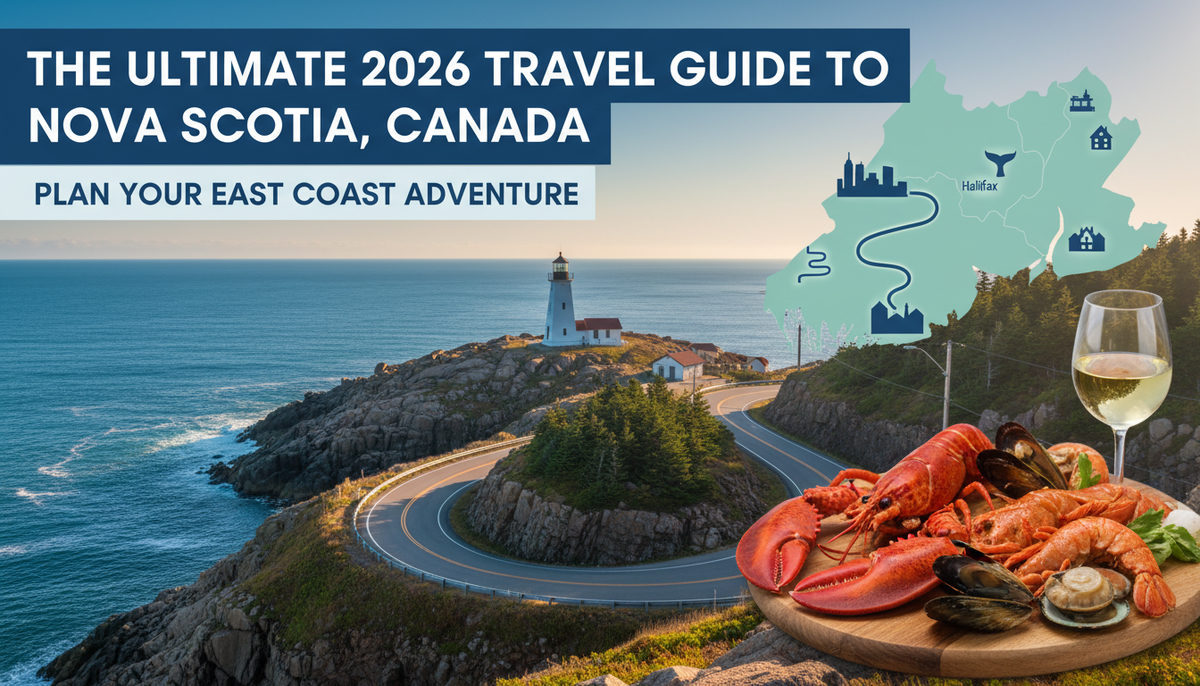
Have you ever dreamed of standing atop rugged cliffs where the Atlantic Ocean meets the sky, or tasting the world’s freshest lobster while the sun sets over a historic lighthouse? Nova Scotia offers these magical moments in abundance, making it a premier destination for travelers seeking both adventure and tranquility. However, with so many coastal villages, hiking trails, and hidden culinary gems, planning a comprehensive trip to Canada’s ocean playground can feel overwhelming for first-time visitors. This complete travel guide to Nova Scotia provides everything you need for 2026, from 10-day road trip itineraries and seasonal weather tips to the best spots for whale watching and wine tasting.
1. Planning Your Trip: The Best Time to Visit Nova Scotia in 2026
Choosing the right time to visit Nova Scotia depends entirely on what kind of experience you want to have. Specifically, the province transforms dramatically with the seasons, offering different rewards for those who visit in the heat of summer versus the crisp air of autumn. For most travelers, the window between late June and early October provides the most reliable weather and full access to all seasonal attractions.
July and August are the peak months for tourism because they offer the warmest temperatures for beach days and coastal hiking. During this time, the ocean breezes keep the humidity manageable, though you should expect larger crowds at popular spots like Peggy’s Cove. Moreover, this is the prime season for whale watching and outdoor festivals, making it the most vibrant time to explore the province’s diverse culture.
The Magic of Autumn and Seasonal Foliage
In fact, many locals argue that October is actually the best month to visit Nova Scotia. This is when the famous Cape Breton Highlands transform into a sea of fiery reds, oranges, and golds. The air becomes crisp and clear, which is perfect for long-distance hiking without the summer heat. Furthermore, the harvest season in the Annapolis Valley brings local food and wine celebrations to the forefront of the travel experience.
Meanwhile, the “shoulder seasons” of May and June or late October offer lower prices and fewer tourists. However, you should be aware that some seasonal businesses, particularly in rural areas, may not be fully operational during these times. Therefore, always check the opening dates for specific museums or boat tours if you plan to travel outside the peak summer months.
2026 Festival Calendar and Cultural Events
The 2026 event calendar is packed with unique celebrations that showcase the province’s rich heritage. Notably, the Royal Nova Scotia International Tattoo in Halifax remains a world-class spectacle of military music and athleticism. Additionally, you should look for local Acadian celebrations in the Clare and Argyle regions, where vibrant music and traditional food take center stage during the summer months.
Specifically, the Celtic Colours International Festival in October is a must-see for music lovers visiting Cape Breton. This festival brings together world-renowned musicians for a week of concerts and community suppers across the island. As a result, booking your accommodations well in advance is essential if your trip coincides with these major cultural milestones.
Weather Expectations and Maritime Mist
Preparing for the weather in Nova Scotia requires a bit of strategy, as the “maritime mist” can roll in unexpectedly. Even on a sunny day, coastal breezes can make the temperature drop significantly once you are near the water. Consequently, dressing in layers is the golden rule for any Nova Scotia traveler. You should always carry a light, waterproof jacket to stay comfortable during sudden fog or light rain showers.
Furthermore, the weather can vary greatly between the coast and the inland valleys. While the Annapolis Valley might be basking in sunshine, the Atlantic coast could be shrouded in cool, atmospheric fog. Therefore, checking local forecasts daily will help you decide whether to head to the beach or explore an inland museum. Most importantly, don’t let a little mist ruin your plans, as it often adds a mystical beauty to the rugged coastline.
2026 Entry Guidelines and Travel Requirements
For international travelers, staying updated on the latest entry requirements is crucial for a smooth journey. In 2026, most visitors flying into Canada will still require either a valid visa or an Electronic Travel Authorization (eTA). You can find the most current and official information regarding border requirements on the Government of Canada website. Domestic travelers within Canada face no such restrictions but should carry valid government-issued photo identification for flights.
Additionally, it is wise to ensure your travel insurance covers unexpected cancellations or medical emergencies. While Nova Scotia is incredibly safe, being prepared for travel disruptions is always a smart move. Specifically, make sure your documents are organized digitally and in paper form to avoid any stress at the border or airport check-in counters.
2. Top Things to Do in Halifax: Your Urban Gateway
Halifax is a vibrant city that perfectly balances its deep maritime history with a modern, energetic atmosphere. As the capital of Nova Scotia, it serves as the perfect starting point for your Atlantic adventure. Whether you are interested in naval history, craft beer, or scenic walks, there are countless things to do in Halifax that will keep you entertained for days.
The heart of the city is undoubtedly the Halifax waterfront, which features one of the world’s longest urban boardwalks. Stretching nearly 4 kilometers, this wooden path takes you past historic ships, bustling markets, and local boutiques. Specifically, the Maritime Museum of the Atlantic is a highlight here, offering fascinating exhibits on the Titanic and the Great Halifax Explosion of 1917.
A Sample Halifax Itinerary for First-Timers
A perfect Halifax itinerary should begin with a morning visit to the Halifax Citadel National Historic Site. This star-shaped fortress sits atop a hill overlooking the harbor and offers a glimpse into the city’s military past. You can watch the changing of the guard or listen to the noon gun, a tradition that has continued for over a century. Afterward, take a leisurely stroll down to the Halifax Public Gardens, a stunning example of Victorian-era horticulture.
In the afternoon, head back toward the water to explore the Seaport Farmers’ Market. This is the oldest continuously operating farmers’ market in North America and is the best place to find local crafts and snacks. Following your market visit, consider taking the ferry across the harbor to Dartmouth. The ferry ride itself is incredibly affordable and provides the best panoramic views of the Halifax skyline.
Dining in the City: Donairs and Craft Beer
When it comes to food, you cannot leave the city without trying the official food of Halifax: the donair. This unique wrap features spicy beef, tomatoes, and onions, all topped with a signature sweet garlic sauce. Specifically, King of Donair is the legendary spot where this dish was born, but you will find excellent versions all over the downtown core. It is the ultimate late-night comfort food for locals and tourists alike.
Moreover, Halifax has one of the highest concentrations of bars and craft breweries per capita in Canada. You should visit the Historic Properties area to enjoy a pint in buildings that date back to the early 1800s. Many local pubs feature live Atlantic Canadian folk music, creating a warm and welcoming atmosphere. For a more modern experience, head to the North End, where innovative breweries serve everything from hoppy IPAs to crisp apple ciders.
Day Trips from the Capital: Surfing and Nature
If you need a break from the urban bustle, several incredible day trips are just a short drive away. Lawrencetown Beach is a favorite for locals and is famous for its world-class surfing conditions. Even if you don’t surf, the dramatic dunes and crashing waves make it a beautiful spot for a coastal walk. Additionally, the nearby Salt Marsh Trail offers miles of flat, scenic paths for cycling or birdwatching.
Another excellent option is the Musquodoboit Valley, which provides a more rugged wilderness experience. Here, you can hike through dense forests and find secluded river spots for a quiet picnic. These escapes demonstrate how easily you can transition from city life to raw nature in Nova Scotia. As a result, Halifax serves as a versatile base that caters to every type of traveler’s interests.
3. The Ultimate Cabot Trail Road Trip Itinerary
The Cabot Trail is frequently ranked as one of the most beautiful drives in the world, and for good reason. This 298-kilometer loop winds through the Cape Breton Highlands, offering breathtaking views of the Gulf of St. Lawrence and the Atlantic Ocean. To truly appreciate the scenery, you should plan to spend at least three to five days exploring the trail’s various lookoffs and hiking paths.
One of the biggest debates among travelers is whether to drive the loop clockwise or counter-clockwise. Driving clockwise puts you on the inside lane, which some find less intimidating if they are nervous about heights. However, driving counter-clockwise places you on the outside lane, giving the passenger uninterrupted views of the ocean cliffs. In fact, most photographers prefer the counter-clockwise direction for the best lighting and perspective on the coastline.
Cape Breton Highlands National Park Guide
A significant portion of the Cabot Trail passes through the Cape Breton Highlands National Park. This protected area is home to diverse wildlife, including moose, bald eagles, and black bears. You will need a park pass to access the many hiking trails and lookout points along the route. Specifically, the Skyline Trail is the most famous hike in the province, ending on a dramatic headland cliff that overlooks the winding road below.
Beyond the Skyline Trail, there are over 25 other hiking paths ranging from easy strolls to challenging climbs. For instance, the Franey Trail offers a steep ascent but rewards you with a 360-degree view of the Clyburn Brook canyon and the Atlantic. Meanwhile, the Lone Shieling trail takes you through a 350-year-old sugar maple forest, providing a peaceful contrast to the rugged coast. Therefore, make sure to pack sturdy hiking boots and plenty of water for your adventures.
Is the Cabot Trail Open Year-Round?
Many travelers wonder if the Cabot Trail is open year-round, and the answer is yes, but with major caveats. While the roads are plowed, winter driving in the highlands can be extremely treacherous due to heavy snow and ice. Moreover, many of the seasonal restaurants, shops, and visitor centers close from late October until May. Consequently, winter travel is only recommended for those seeking a quiet, snowy retreat and who are experienced in winter driving conditions.
For the best experience in 2026, aim for the peak summer months or the stunning foliage of October. During these times, the infrastructure is fully prepared for visitors, and the weather is much more predictable. Specifically, late September offers a “sweet spot” where the weather is still warm, but the summer crowds have started to thin out. This allows for a more relaxed pace as you navigate the winding mountain roads.
Cultural Stops: Celtic Music and Acadian Roots
The Cabot Trail is not just about the views; it is also a journey through vibrant living cultures. In the village of Chéticamp, you can immerse yourself in Acadian history and see world-famous hooked rugs. This French-speaking community is known for its warm hospitality and delicious traditional meat pies. Furthermore, the local architecture and colorful fishing boats provide endless opportunities for beautiful photography.
On the eastern side of the island, the town of Judique is home to the Celtic Music Interpretive Centre. Here, you can learn about the Scottish settlers who brought their fiddle music and Gaelic language to Cape Breton. Notably, many local halls host “ceilidhs,” which are community dances and music sessions where everyone is welcome. As a result, stopping to listen to the music is just as important as stopping for the scenic vistas.
Planning Your Cabot Trail Stops
To make the most of your road trip, you should plan your stops strategically to avoid rushing through the scenery. Here are some essential locations to include in your itinerary:
- Ingonish Beach: Perfect for a refreshing swim in both salt and fresh water.
- Pleasant Bay: The best place on the trail to book a whale-watching boat tour.
- Meat Cove: A rugged, “off the beaten path” village at the very northern tip of the island.
- Baddeck: A charming town on the Bras d’Or Lake and home to the Alexander Graham Bell National Historic Site.
Specifically, Baddeck serves as a great “base camp” at the start or end of your loop. It offers a variety of high-quality dining options and comfortable accommodations. Meanwhile, Meat Cove provides a more rustic experience for those who want to feel truly disconnected from the modern world. Regardless of where you stay, the Cabot Trail will undoubtedly be the highlight of your Nova Scotia journey.
4. South Shore Icons: Peggy’s Cove and Lunenburg UNESCO World Heritage Site
The South Shore of Nova Scotia is home to some of the most photographed locations in all of Canada. This region is characterized by its rocky coastline, historic fishing villages, and deep-rooted maritime traditions. Most visitors start their South Shore journey at Peggy’s Cove, located just 45 minutes from downtown Halifax. This tiny village is famous for its iconic lighthouse perched atop massive, wave-worn granite rocks.
When visiting Peggy’s Cove, safety is the most important factor to keep in mind. You must stay off the “black rocks,” which are wet from the spray and can be incredibly slippery. Specifically, rogue waves can sweep unsuspecting tourists into the cold Atlantic waters without warning. Therefore, always stay on the dry, white rocks and respect the warning signs posted throughout the area. For the best photos without the crowds, try to arrive at sunrise or stay until sunset.
Exploring Old Town Lunenburg
A short drive further down the coast brings you to Old Town Lunenburg, a UNESCO World Heritage site. This town is famous for its bright, multi-colored 18th-century architecture and its rich shipbuilding history. In fact, Lunenburg is the home port of the Bluenose II, a replica of the famous racing schooner found on the Canadian dime. If the ship is in port, you can often book a sailing excursion to experience life on the high seas.
Walking through the streets of Lunenburg feels like stepping back in time. You should take the time to visit the Fisheries Museum of the Atlantic to learn about the industry that built this town. Additionally, the local artisan shops offer unique handmade jewelry, pottery, and clothing that you won’t find anywhere else. Most importantly, make sure to try some fresh scallops, as Lunenburg is renowned for its high-quality seafood.
Mahone Bay and the Three Churches
Just a few minutes from Lunenburg lies the picturesque town of Mahone Bay. This town is best known for its iconic view of three historic churches standing side-by-side at the head of the harbor. It is one of the most popular photo opportunities in the province, especially during the autumn when the leaves change color. Furthermore, Mahone Bay is a hub for local artisans and features several charming boutiques and cafes.
Notably, the town hosts a famous Scarecrow Festival in the fall, where hundreds of creative displays line the streets. Meanwhile, in the summer, the calm waters of the bay are perfect for kayaking or paddleboarding. If you enjoy slow-paced exploration, Mahone Bay is the perfect place to spend an afternoon wandering through gardens and galleries. As a result, it remains a favorite stop for both locals and international travelers.
Hidden Gems of the South Shore
While the main towns are beautiful, the South Shore also hides some incredible natural gems. Carter’s Beach is often compared to the Caribbean because of its white sand and turquoise water. However, be prepared—the water temperature is much colder than it looks! Another must-visit is The Ovens Natural Park, where you can walk along cliffside trails and see massive sea caves carved by the Atlantic.
Specifically, these hidden spots offer a more tranquil experience compared to the busy streets of Peggy’s Cove. You can find quiet coves for a private picnic or rugged trails that lead to secluded beaches. Therefore, don’t be afraid to venture off the main highway and explore the winding coastal roads. You might just find your own private piece of Nova Scotia paradise.
5. Natural Wonders: Bay of Fundy Whale Watching and High Tides
The Bay of Fundy is a place of extremes, boasting the highest tides on the planet. Twice a day, 160 billion tons of seawater flow in and out of the bay, completely transforming the landscape. This natural phenomenon creates a unique ecosystem that is perfect for adventure seekers and nature lovers alike. To truly appreciate the scale of the tides, you should visit the same spot at both high and low tide.
Burntcoat Head Park is the best place to witness this dramatic change. At low tide, you can actually walk on the ocean floor and explore red sandstone cliffs and tide pools. Specifically, you can find small crabs, fossils, and unique sea plants that are usually hidden under meters of water. However, you must keep a close eye on the time, as the tide returns quickly and can trap unwary explorers.
Bay of Fundy Whale Watching in 2026
The nutrient-rich waters of the Bay of Fundy make it one of the best places in the world for whale watching. In 2026, several reputable tour operators in Digby and Brier Island will offer excursions to see these majestic creatures. You can expect to see Humpback whales, Minke whales, and even the rare North Atlantic Right Whale. Furthermore, the tours often encounter dolphins, porpoises, and a variety of seabirds like puffins.
Specifically, late summer is the peak time for whale sightings as the animals congregate to feed in the deep waters. Most tours last between three to four hours and provide expert commentary from marine biologists. Notably, Brier Island is considered the whale-watching capital of the province due to its proximity to the whales’ feeding grounds. As a result, it is well worth the extra drive and ferry ride to reach this remote tip of the province.
Tidal Bore Rafting: An Adrenaline Rush
For those seeking a more high-octane experience, tidal bore rafting on the Shubenacadie River is a must. As the massive Fundy tide enters the river, it creates a series of standing waves and rapids. You can ride these waves in a motorized Zodiac boat, which is an exhilarating and very muddy experience. It is a unique way to feel the raw power of the tides firsthand.
Most rafting companies offer different levels of intensity, from family-friendly floats to “extreme” sessions for thrill-seekers. You should definitely bring a change of clothes and a towel, as you will likely be soaked from head to toe. Additionally, many operators provide a traditional “mud slide” on the riverbanks after the rafting is finished. Therefore, this activity is perfect for those who don’t mind getting a little dirty in the name of adventure.
Geological History and Fossil Hunting
The Bay of Fundy is also a treasure trove for those interested in ancient history. The Joggins Fossil Cliffs, a UNESCO World Heritage site, contain the world’s most complete record of life from the “Coal Age.” You can take a guided tour along the beach to see fossils of ancient trees, insects, and early reptiles. Specifically, the constant erosion from the high tides reveals new fossils on a regular basis.
Moreover, the Fundy Geological Museum in Parrsboro offers a deeper look into the dinosaurs that once roamed this region. You can even join a guided beach walk to search for zeolites and semi-precious stones. These activities provide a fascinating perspective on how the Earth has changed over millions of years. Most importantly, they offer an educational and engaging experience for visitors of all ages.
6. A Culinary Journey: The Nova Scotia Seafood Trail and Wine Tours
No travel guide to Nova Scotia would be complete without a deep dive into its incredible food scene. While lobster is the undisputed king of the coast, the province offers a vast array of other culinary delights. From the world-famous Digby scallops to traditional Acadian Rappie Pie, your taste buds are in for a treat. Exploring the local food is one of the best ways to connect with the culture and history of the region.
Specifically, you should look for “The Chowder Trail,” a province-wide initiative that highlights the best seafood stews. Each restaurant has its own secret recipe, ranging from thin and brothy to thick and creamy. Furthermore, “The Lobster Trail” guides you to the best spots for lobster rolls, boiled lobster dinners, and even lobster poutine. As a result, you can plan your entire road trip around these delicious culinary milestones.
Beyond Lobster: Traditional Acadian and Local Dishes
While seafood is prominent, you should also try some of the traditional land-based dishes. Rappie Pie is a classic Acadian comfort food made from grated potatoes and chicken or pork. It has a unique texture that locals love, and it is a staple in the French-speaking regions of the province. Additionally, Solomon Gundy—a dish of pickled herring with onions and sour cream—is a must-try for those who enjoy bold flavors.
Notably, the town of Digby is world-renowned for its scallops, which are often described as the “candy of the sea.” They are incredibly sweet and tender, especially when pan-seared with a bit of local butter. For a truly authentic experience, look for community lobster suppers held in church halls or fire stations. These events offer a generous portion of food and a chance to sit down and chat with the locals.
Annapolis Valley Wine Tours and Tidal Bay
The Annapolis Valley is the heart of Nova Scotia’s thriving wine industry, thanks to its unique microclimate and fertile soil. You should spend a day touring the vineyards around the charming town of Wolfville. Specifically, you must try “Tidal Bay,” the province’s first official wine appellation. It is a crisp, aromatic white wine designed specifically to pair perfectly with local seafood.
Many wineries offer guided tastings and beautiful outdoor patios overlooking the rolling hills and the Minas Basin. You can even hop on the “Magic Winery Bus,” a double-decker bus that transports you between several top vineyards. This allows you to enjoy the tastings safely without worrying about driving. Furthermore, the valley is also home to excellent craft cideries and farm-to-table restaurants that use the freshest local ingredients.
The Traditional Lobster Supper Experience
For many, the ultimate Nova Scotia meal is a traditional lobster supper. These are often served in a casual, communal setting where the focus is on the quality of the ingredients. You will typically receive a whole boiled lobster, a bowl of seafood chowder, fresh rolls, and a slice of homemade pie. It is a messy, hands-on experience that perfectly captures the spirit of maritime hospitality.
Specifically, places like the Shore Club in Hubbards have been serving these suppers for decades. These venues often feature live music and a lively atmosphere that makes the meal feel like a celebration. Therefore, don’t be afraid to put on a plastic bib and get cracking! It is a quintessential part of any Nova Scotia vacation that you will remember long after you return home.
Conclusion
Nova Scotia offers a unique blend of rugged coastal beauty, deep-rooted history, and world-class culinary experiences. Whether you are driving the winding curves of the Cabot Trail or exploring the historic, colorful streets of Halifax, 2026 is the perfect year to visit. From the highest tides in the world to the warmest maritime hospitality, every corner of this province has a story to tell. By following this guide, you are well on your way to creating an unforgettable Atlantic Canadian adventure. Start booking your 2026 Nova Scotia adventure today—check out our recommended packing list and car rental guide to get started!
Leave a comment