
First Time in Canada Tips: The Ultimate 2026 Travel Guide
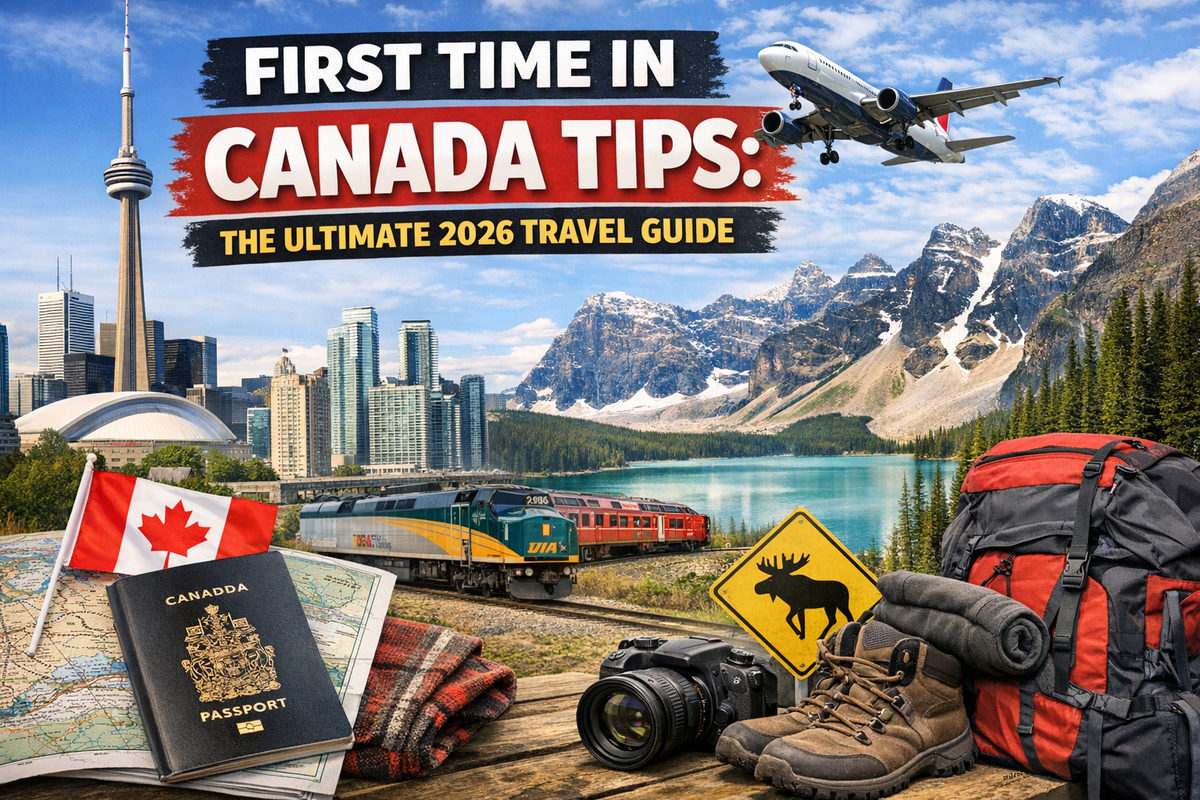
From the rugged peaks of the Rockies to the vibrant, multicultural streets of Toronto, Canada offers an expansive playground for every type of traveler. Navigating the vast geography, complex entry requirements, and unique local customs of the world’s second-largest country can feel overwhelming for a first-time visitor. Most importantly, having the right information ensures your trip goes smoothly. This comprehensive guide provides all the practical advice you need to navigate Canada with confidence. Whether you are seeking adventure or relaxation, these first time in canada tips will help you master your 2026 itinerary.
Essential First Time in Canada Tips for 2026
Planning your journey begins with understanding the official entry requirements. Most international travelers require either a visa or an Electronic Travel Authorization (eTA) to enter the country by air. Specifically, the official government portal is the only place to apply for an eTA. Ensure you complete this well before your flight date to avoid unnecessary stress at the airport.
Furthermore, managing your money is incredibly simple throughout Canada. Most merchants accept major credit cards like Visa and Mastercard everywhere, from big cities to remote towns. However, carry a small amount of local currency for rural areas or small markets. Notably, Canada uses a Goods and Services Tax (GST) or Harmonized Sales Tax (HST) that is added at the register. Always check your price tags to see if tax is included.
Staying Connected and Safe
Staying connected is vital when exploring such a massive country. You will find that public Wi-Fi is widely available in cafes, libraries, and transit hubs. However, for consistent coverage, purchasing a local SIM card or an e-SIM is the best approach. Many providers offer short-term tourist plans that provide enough data for navigation and social media updates. Therefore, set up your mobile plan as soon as you land to stay connected.
Safety is a priority, especially if you plan to explore the great outdoors. In the event of any emergency, dial 911 from any phone to reach police, fire, or ambulance services. Moreover, Canada’s wilderness is beautiful but demands respect. Always inform someone of your hiking plans if you head into remote areas. Never approach wildlife, and keep a safe distance from bears or moose at all times.
Navigating Canada: Transportation and Logistics
Moving across a country this size requires careful planning and smart logistics. Domestic air travel is the most efficient way to cover long distances between major cities like Vancouver and Montreal. However, regional airlines offer competitive pricing if you book your tickets several weeks in advance. Therefore, compare different carriers to find the best balance between speed and cost for your specific route.
If you prefer a scenic journey, consider the iconic rail network. VIA Rail connects major corridors in the east and offers a legendary cross-country route through the mountains. Notably, the train experience allows you to see landscapes that are inaccessible by road. Pack a good book and enjoy the slow pace of travel through the heart of the Canadian wilderness.
Driving and City Transit
Renting a car provides the ultimate freedom to explore national parks and coastal routes at your own pace. However, be aware that Canadian highways can be long and isolated. Always check your route for construction or weather closures before departing. Most importantly, if you visit during winter, ensure your rental is equipped with proper winter tires for safety.
Navigating cities is generally straightforward thanks to robust public transit systems. Vancouver offers the efficient SkyTrain, while Toronto features an extensive network of subways and iconic streetcars. Montreal’s metro system is equally impressive and connects directly to major tourist attractions. As a result, you rarely need a car when exploring these urban centers. Use mobile apps to track transit schedules in real-time to save time during your day.
What to Pack for Canada: Seasonal Essentials
Packing for Canada requires a strategic approach due to the country’s diverse and unpredictable climate. The secret to comfort is the art of layering your clothing. Start with a moisture-wicking base layer, add a warm mid-layer like a fleece, and finish with a waterproof outer shell. Consequently, you can easily adjust your outfit as temperatures change throughout the day.
Summer visitors should prepare for warm, sunny days and cooler nights. Pack breathable fabrics, a wide-brimmed hat, and high-quality sunglasses to protect against the sun. Additionally, bring comfortable walking shoes, as you will likely spend hours exploring city streets or park trails. Even in summer, a light rain jacket is essential, as sudden showers can occur in coastal regions.
Winter and Regional Variations
Winter in Canada is a spectacular experience, but it requires serious preparation. If you visit between November and March, pack heavy-duty insulated boots with good grip. Furthermore, invest in high-quality thermal base layers and a windproof, insulated winter coat. Keeping your extremities warm with gloves, a thick toque, and a scarf is absolutely non-negotiable for comfort.
Keep in mind that climates vary drastically across the country. Coastal British Columbia is often mild and rainy, requiring waterproof gear rather than heavy insulation. Conversely, the Prairie provinces experience dry, extreme cold that requires heavy layers and face protection. Always check the specific weather forecast for your destination two weeks before you leave. This helps you refine your packing list to match local conditions perfectly.
Canadian Customs, Etiquette, and Tipping Culture
Understanding local social norms helps you interact respectfully with the people you meet. Canadians are known for being polite, friendly, and helpful to strangers. A simple “please” and “thank you” goes a long way in every interaction. Moreover, don’t be surprised if people apologize even when they haven’t done anything wrong; it is just a common cultural reflex.
Tipping is a standard practice in Canada, especially in the service industry. In restaurants, a tip of 15% to 20% of the pre-tax bill is expected for good service. Furthermore, it is customary to tip your bartender, taxi driver, and hotel staff for their assistance. Therefore, always keep a few small bills handy for these situations during your travels.
Language and Cultural Respect
Canada is a bilingual nation with both English and French as official languages. You will find that Quebec is primarily French-speaking, while the rest of the country is predominantly English. Notably, learning a few basic French phrases like “Bonjour” or “Merci” is appreciated when visiting Montreal or Quebec City. Most locals in these areas are happy to switch to English if you struggle with the language.
Finally, show respect for the Indigenous peoples who have stewarded this land for generations. Many tourist sites now include land acknowledgments that recognize the traditional territories of various nations. Take the time to read these signs and learn about the local history of the area. Being a mindful traveler adds depth to your experience and shows appreciation for the diverse cultures that define Canada today.
Best Time to Visit Canada and Must-See Destinations
Choosing the right time for your trip depends entirely on the experiences you prioritize. Spring and fall are often considered the best times to visit for a balance of decent weather and fewer crowds. During these shoulder seasons, you can enjoy vibrant scenery, such as the colorful foliage in autumn. Furthermore, hotel prices are often lower during these months than in the peak summer period.
If you love the mountains, Banff and Jasper National Parks are essential stops for your bucket list. These areas offer world-class hiking in the summer and incredible skiing in the winter. Notably, the turquoise waters of Lake Louise and Moraine Lake are iconic sights that you must see in person. Plan your mountain visits during the week to avoid the busiest weekend crowds.
Urban Vibes and Coastal Treasures
Canada’s cities offer distinct atmospheres that cater to every taste. Toronto is a massive, bustling metropolis with world-class museums and diverse culinary neighborhoods. Vancouver provides a unique mix of urban life and immediate access to mountains and the Pacific Ocean. Meanwhile, Montreal offers a charming European feel with its historic architecture and vibrant arts scene.
For those looking for something different, head to the Maritimes on the Atlantic coast. You will find rugged shorelines, friendly fishing villages, and the freshest seafood you have ever tasted. Additionally, if you travel north during the winter months, you might catch the breathtaking Northern Lights. These off-the-beaten-path experiences often become the highlight of any trip. Research these hidden gems early to ensure you have enough time to explore them fully.
Conclusion
Planning your first visit to Canada is an exciting process that rewards those who prepare. By securing your entry documents, understanding local tipping habits, and mapping out your transit routes, you clear the way for a stress-free journey. Focus on the breathtaking scenery and the welcoming culture that make this country a world-class destination. Whether you are trekking through the Rockies or enjoying a coffee in a vibrant city, every moment will leave a lasting impression. Ready for your adventure? Start by checking your passport validity and booking your first Canadian experience today!
Leave a comment